REVIEW · PORTO
Porto: Carvalhas cellar tour at Real Companhia Velha
Book on GetYourGuide →Operated by Real Companhia Velha · Bookable on GetYourGuide
Port wine history hits different in a dark cellar. This 1-hour tour at Real Companhia Velha pairs a calm walk through the old aging rooms with a tasting that teaches you what time does to Port.
I particularly love the access: you get to see the Silva Reis family’s private stash of 16,000 bottles, including vintage bottles dating back to 1765.
My other favorite part is the tasting format: you sample a White Port and then three Carvalhas Tawny Ports (10, 30, and 40 years) so you can taste aging in a way that actually makes sense. The guide can make a difference too, and I’ve heard names like Catarina and Katarina called out for their warm, clear explanations.
One possible drawback: the pace can feel quick, and a few people noted the visit/tasting ran a bit shorter than they expected. If you like slow, detailed talks and lots of time for questions, you may want to ask early and focus your questions during the tasting portion.
In This Review
- Key highlights to look for
- Entering Real Companhia Velha’s Gaia Cellars
- What the guide actually does (and why it works)
- From the main cellar walk to the private Silva Reis collection
- The wood and the aging: what you’re looking at
- Quinta das Carvalhas: connecting place to style
- The tasting that teaches you aging: White Port and 10/30/40 Tawny
- Classic vs premium: how the value changes
- Price and value: is $70 a fair deal?
- Where it fits in your Porto itinerary
- Who should book this Port cellar tour
- Quick tips to make the hour go smoothly
- Should you book the Carvalhas cellar tour at Real Companhia Velha?
- FAQ
- How long is the Carvalhas cellar tour at Real Companhia Velha?
- What port wines are included in the tasting?
- Where are the cellars located?
- Is the private Silva Reis family cellar included?
- What languages are tour guides available in?
- Can I cancel for a refund?
Key highlights to look for
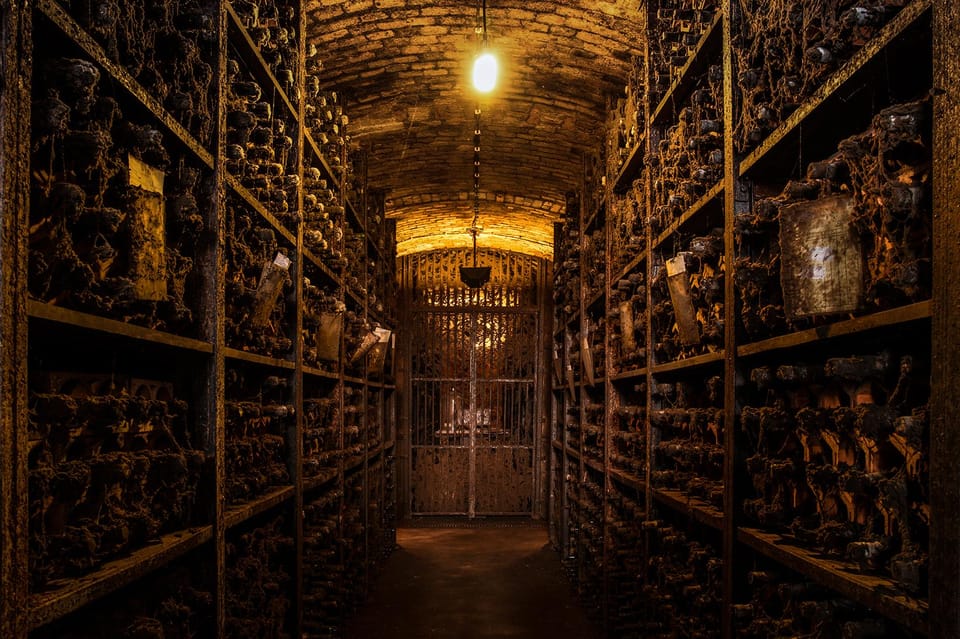
- Silva Reis private cellar access with 16,000 bottles, including an impressively old dating back to 1765
- Guided walk through working aging rooms with wooden casks, vats, and barrels
- Aging lesson you can taste using Carvalhas Tawny Ports aged 10, 30, and 40 years
- A guided history of the company and Port production in a setting that stays dark and quiet
- White Port plus four total tastings, so you’re not just collecting sips without context
- Small-group feel on some departures, with time for explanations and a calmer experience
Entering Real Companhia Velha’s Gaia Cellars
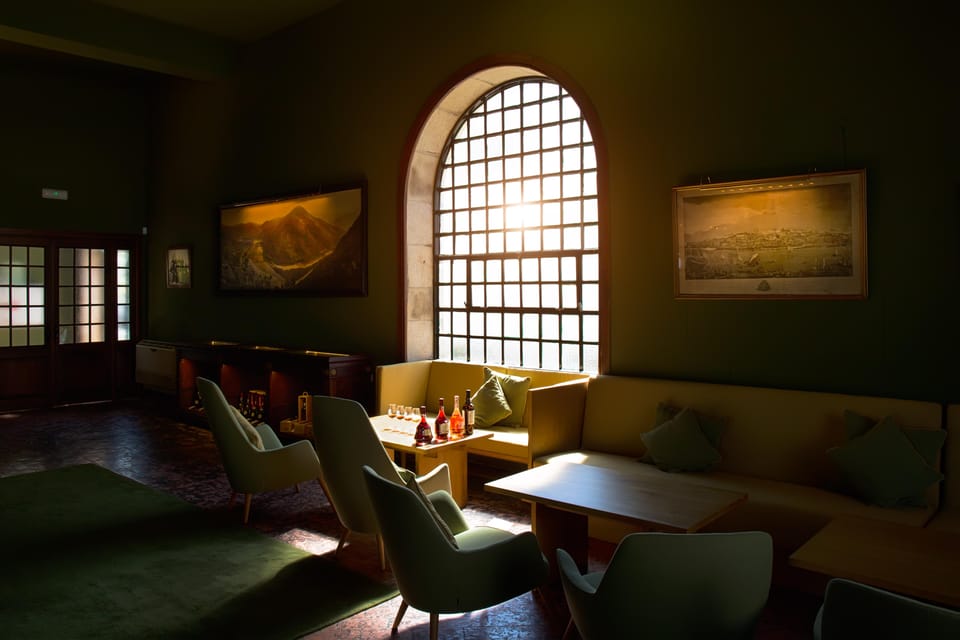
If you’ve only ever tried Port in a bar, this is where the drink’s world snaps into focus. The cellars are in Vila Nova de Gaia, on the left bank of the River Douro, across from Porto, and they’re famously dim and silent. That matters because Port is about time, and the atmosphere keeps you in the right frame of mind.
Real Companhia Velha is a long-standing name in the Douro and Port story. One theme you’ll hear from the guides is that the company’s role goes beyond selling wine; it’s tied to how Port standards formed as the industry matured.
You can also read our reviews of more tours and experiences in Porto.



What the guide actually does (and why it works)
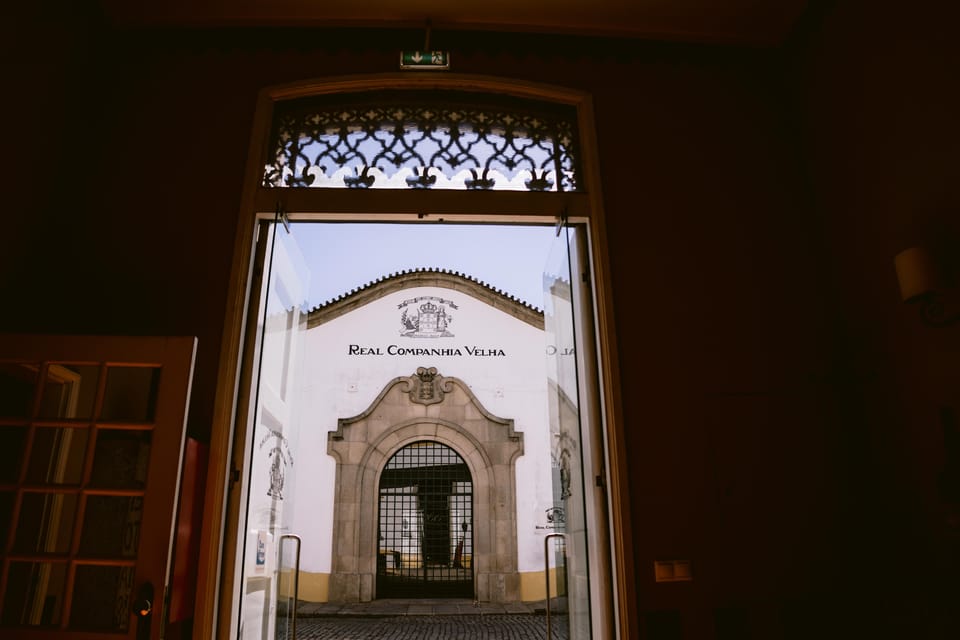
The tour starts with your guide and a short orientation, then moves through the cellars while explaining how Port is made and why aging is such a big deal. You’ll get the big picture of the Douro region and the company behind the wines, then you’ll see where the wine rests.
This is the part I like: the tour doesn’t treat the cellar like a museum photo-op. It talks about time spent, what maturation is trying to achieve, and how Port style changes as years pile on. The best tours are the ones where your brain starts connecting the tasting glass to the wooden barrel you just saw.
You may also notice that guides can differ in pacing. Some reports mention a guide speaking quickly, and that can make you feel like you’re being rushed through the explanations. If you’re the type who takes notes, just ask your first question right away so you don’t miss your chance.
From the main cellar walk to the private Silva Reis collection
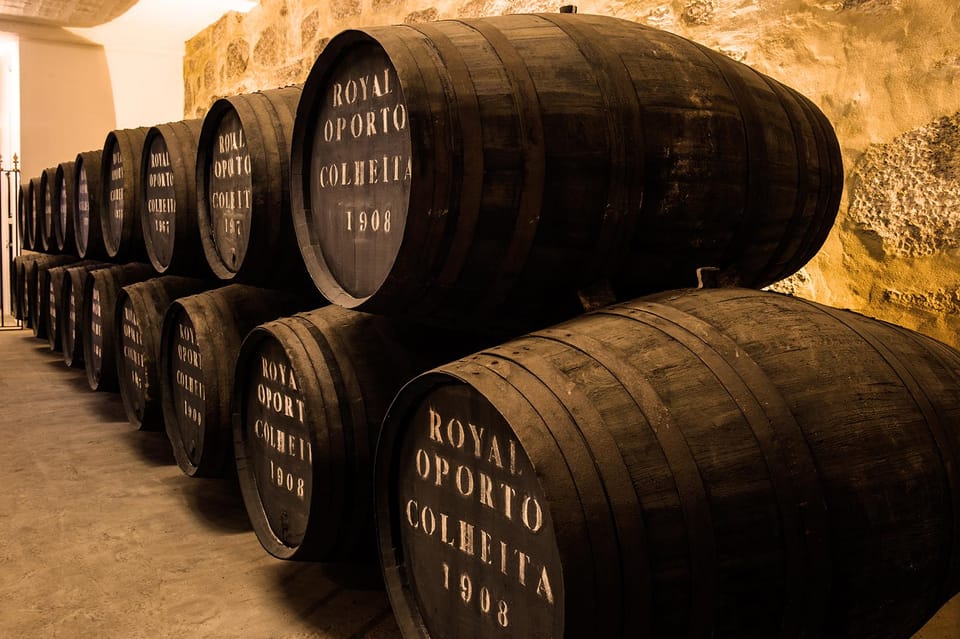
The cellars you visit are more than storage. They’re organized spaces where wine is aging in casks, vats, and barrels, and the guide points out how that setup relates to the final character. It’s quiet enough that you can almost hear the logic of the process: don’t rush fermentation and don’t rush maturation.
The standout moment is access to the private wine cellar of the Silva Reis family. You’ll see more than 16,000 bottles, including rare Vintage Ports, with the oldest dating back to 1765. That’s not just impressive on paper; it gives you a sense of how Port is built for patience and how serious the collectors are.
If you’re a Port nerd, this access is the main event. If you’re newer to Port, it still works because it gives you a clear mental model: some bottles are about youthful fruit; others are about transformation over decades.
The wood and the aging: what you’re looking at
One of the tour’s strengths is that it doesn’t just say Port ages. It helps you visualize where that aging happens. You’ll admire the noble wooden casks and barrels where the wine develops its texture and aromas over time.
During the walk, the guide talks about how long it takes for each wine to reach its exact point of maturation and the extra complexity that comes from years in wood. Even if you don’t remember every detail, the cellar environment plus the tasting afterward makes the lesson stick.
A quick word of realism: you’re walking through a working aging environment that’s designed for darkness and stable conditions. Expect the focus to be on viewing and explanation, not on lots of freedom to wander.
Quinta das Carvalhas: connecting place to style
You’ll learn about Quinta das Carvalhas, Real Companhia Velha’s Jewel, and how it fits into the broader Douro region story. This matters because Port quality doesn’t come out of nowhere; it comes from specific vineyards and a winemaking approach that’s evolved over centuries.
In tours like this, the goal isn’t to memorize vineyard facts. It’s to understand that “Tawny” doesn’t just mean a color. It’s a style shaped by aging choices, and those choices show up in the glass.
If you’re curious about the Douro beyond the tasting room, this is one of the better ways to get started. You get context, then you get to taste the result.


The tasting that teaches you aging: White Port and 10/30/40 Tawny
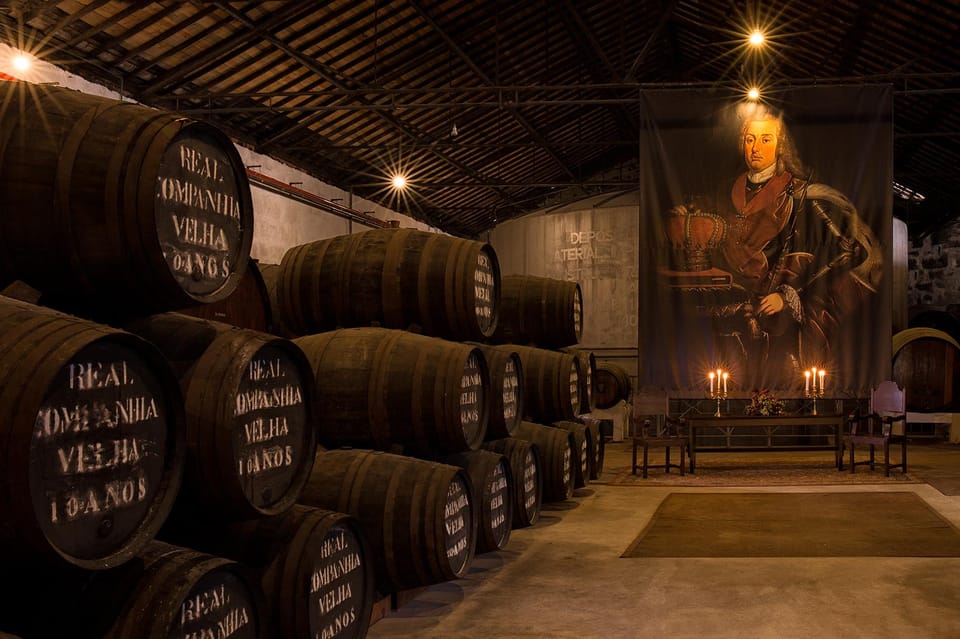
Let’s talk about the tasting, because that’s where the tour earns its keep. You try a White Port, then three Carvalhas Ports aged 10, 30, and 40 years, all in the Tawny style.
This sequence is smart. A 10-year Tawny still feels more lively and fruit-forward, while older Tawny Ports start showing more developed notes. By the time you reach 30 and 40 years, the flavor profile tends to move toward deeper, more complex characteristics that you can’t really fake with just a different glass or marketing.
You’ll also taste in a guided way, meaning the guide can help you compare what you’re noticing and what the aging is doing. One reason this tour earns such strong marks is that the tasting isn’t random; it’s staged to help you learn.
Some people also mention that the tasting includes a simple pairing like crackers and nuts. Even if your group doesn’t get that exact pairing, you should come prepared to slow down and focus for a short while at the end.
Classic vs premium: how the value changes
If you’re choosing between options, pay attention to the tasting differences. One person who booked both the classic and premium described the experience as the same place, same basic cellar visit, but with different tastings between the two options.
That tells you something important: if you’re already sure you’ll love Port, upgrading can be worth it because you’re getting more total sampling of styles rather than just paying for a longer walk. If you’re on a tight schedule and mostly want one strong taste lesson, the standard option may be enough.
Price and value: is $70 a fair deal?
At about $70 per person for a 1-hour guided visit, you’re not paying only for a glass of Port. You’re paying for a guide, a guided walk through working aging rooms, and access to a private collection tied to the Silva Reis family. You also get the chance to view rare bottles, including Vintage Ports with the oldest dating back to 1765.
That’s why the value feels strong for many people. A tasting-only stop might give you 4 small pours, but it usually doesn’t pair the pours with a tour that explains why the wine tastes the way it does. Here, the cellar visuals make the tasting easier to understand, and that makes the whole hour feel more like education than consumption.
Another value point: language options. You can find English, French, Portuguese, and Spanish guides, which is handy if you’re visiting with family or friends who don’t want everything in English.
Where it fits in your Porto itinerary
This tour works best when you’re in Vila Nova de Gaia anyway, because the cellars are in Gaia across from Porto. It’s also a little away from the busiest cluster of cellar tours, so you may want to plan walking time—some people note about a 15-minute walk from the other big stops.
That’s not a deal-breaker. If anything, I like it because it can feel calmer and less like a conveyor belt. You can pair it with a riverside stroll after, or schedule it before dinner so you still have energy for the rest of Porto.
Who should book this Port cellar tour
Book this if you want a Port experience that includes real context, not just samples. It’s especially good for first-timers who want to learn what Tawny aging means, and for people who already love Port and want to see a very serious private collection.
It also suits wine-curious travelers who enjoy learning from a guide. Names like Catarina and Katarina come up in positive feedback, and that’s a sign the guides often do a good job making the production story easy to follow.
Skip it if your main goal is a fast hit of tastings with minimal talking. The experience is built around explanation while you walk the cellars, so you’ll get the most from it when you’re willing to listen for about an hour.
Quick tips to make the hour go smoothly
- Arrive with curiosity. Ask your first question early, especially if you like slower explanations.
- Taste with comparisons in mind. The 10, 30, and 40-year progression is meant for side-by-side noticing.
- Don’t try to cram too much right before. The dark cellar plus guided explanation takes mental focus.
- Plan on a bit of walking if you’re also doing other Gaia cellars. Some departures sit a little apart from the busiest grouping.
Should you book the Carvalhas cellar tour at Real Companhia Velha?
Yes, if you want a Port tasting that connects directly to the aging process and gives you access to a private collection with seriously old bottles. For the money, the combination of guided cellar time, private Silva Reis access, and the structured tasting of White Port plus Carvalhas 10/30/40 Tawny makes it feel like a complete experience, not just a stop.
If you’re the kind of traveler who hates long talks or gets impatient with explanations, you might still enjoy the tasting, but you’ll probably want to confirm you’re comfortable with a guided hour. Otherwise, this is a strong pick in Porto for anyone who wants to understand what decades of aging actually do to a glass.
FAQ
How long is the Carvalhas cellar tour at Real Companhia Velha?
The tour lasts about 1 hour.
What port wines are included in the tasting?
You taste a White Port and three Carvalhas Ports: Tawny ages 10, 30, and 40 years.
Where are the cellars located?
The Port wine cellars are in Vila Nova de Gaia, on the left bank of the River Douro, opposite Porto.
Is the private Silva Reis family cellar included?
Yes. The tour includes access to the private wine cellar of the Silva Reis family.
What languages are tour guides available in?
The live tour guide is available in English, French, Portuguese, and Spanish.
Can I cancel for a refund?
Yes. Free cancellation is available up to 24 hours in advance for a full refund.