REVIEW · ALBUFEIRA
Try Dives – Discover Scuba Diving in Albufeira
Book on Viator →Operated by Easydivers Portugal · Bookable on Viator
Your first scuba session starts in a pool.
This try-out in Albufeira pairs a straightforward classroom start with a guided open-water reef experience, all capped at 12 meters with close instructor support.
I especially like how the day is structured: you practice basic safety moves in an indoor pool before you ever go near the coast. And the staff focus on comfort and clarity, including the kind of patient guidance people highlight—one reviewer even thanked Paulo for his patience.
One thing to consider: this is a safety-gated program. If you don’t meet the required standards during the pool checks, you may not be allowed to continue to the sea session, and there’s no refund if you can’t complete the activity.
In This Review
- Key highlights at a glance
- First-Time Scuba in Albufeira: what this experience is really like
- Where you meet and how the timing works
- The classroom start: quick theory that actually matters
- Pool practice: your gear “test run” and safety exercises
- Going out to the reef: what happens on the boat and at the entry
- Your guided underwater time: depth, duration, and marine life odds
- Equipment, bottled water, and what you get after the session
- Price and value: is $157.22 a fair deal?
- Group size, instructor attention, and why it matters for nervous first-timers
- Safety reality check: what could go wrong (and how to prevent it)
- Who should book this intro scuba session?
- Should you book Easydivers Portugal for a first scuba session in Albufeira?
- FAQ
- What’s included in the Try Scuba session?
- Do I get hotel pickup or drop-off?
- How long is the experience?
- How deep do I go and for how long?
- Do I need to know how to swim?
- Are there age or height limits?
- Do I have to complete a health questionnaire?
- What’s the group size and instructor support?
- What happens if the weather is bad?
Key highlights at a glance
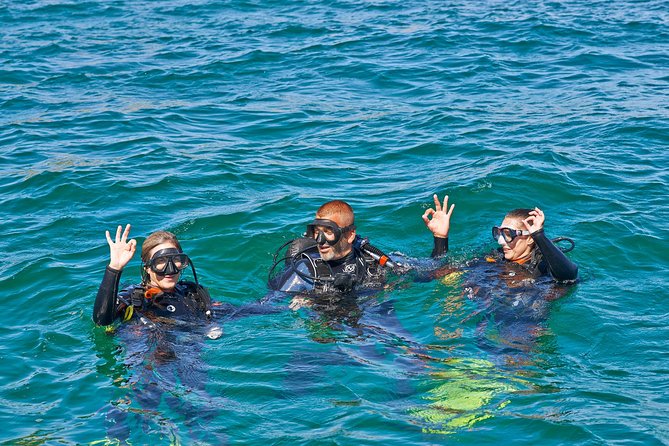
- Small groups (max 10) with a close instructor-to-student setup
- Theory + pool practice first, so you’re not guessing with the gear
- Guided reef time off the Algarve with marine life sightings on a natural reef
- Max depth 12 meters for about 30 minutes or until about 70 bar
- Equipment included, plus an optional shower after the water work
- SSI certification paperwork valid for 6 months and credits toward an Open Water course
First-Time Scuba in Albufeira: what this experience is really like
This intro program is built for first-timers. You’re not thrown in with only a quick explanation. Instead, you get a short theory introduction, then you prove you can handle the gear and the safety basics in an indoor pool setup. Only after the instructor is satisfied do you go to the coast for your guided water session.
What makes it interesting is the “ladder” approach. The day starts controlled, in a pool, then steps you out to the natural reef environment near the Algarve shoreline. That matters because scuba is equal parts confidence and technique. If you can follow the safety instructions calmly, everything feels more doable once you’re underwater.
And yes, there’s a real payoff: you get to see the reef, marine fauna and flora, and the sort of wildlife that makes people want to come back. In one account, fish and octopus were part of the highlight list, which is exactly the kind of reward you’re hoping for on your first try.
You can also read our reviews of more scuba diving tours in Albufeira
Where you meet and how the timing works
You’ll meet at Easydivers Portugal at Marina de Albufeira, Passeio dos Oceanos, Lote 4, Loja 5, Albufeira. The start time is 1:45 pm, and the total experience is about 3 hours.
That timing is useful if you’re already doing other daytime sightseeing. Albufeira’s old town and seafront are easy to fit into a morning plan, then you shift gears into a short, guided activity in the afternoon.
You’ll also get a mobile ticket and confirmation at the time of booking. Check in on time, because late arrival can cut into the schedule, and refunds aren’t issued if you miss the activity due to no-show or late arrival.
The classroom start: quick theory that actually matters
Before you touch any gear, you’ll do a theoretical introduction. This isn’t about memorizing scuba manuals. It’s about understanding what you’re about to do and why instructors care so much about safety.
Expect the basics of how the session works, what the key safety exercises are, and how you’ll communicate and follow guidance once you’re in the water. Even if the pace feels fast, the point of the theory part is to give you a mental map so the pool practice doesn’t feel like a pile of new instructions all at once.
There’s also a key paperwork step at check-in: you’ll complete an RTCW form and a medical questionnaire. You’ll need to be honest and accurate here. Some medical conditions (for example asthma or heart conditions, as examples given) may prevent you from diving, and you’re encouraged to consult your doctor if you’re unsure.
Pool practice: your gear “test run” and safety exercises
The pool portion is where you decide if this experience is a good match for you. You’ll be introduced to your scuba equipment and guided through safety exercises with your instructor in the indoor water environment.
This is the moment that makes or breaks the day. When instructors feel you have the confidence and ability to go into open water, you continue. If they don’t, they can stop you from moving forward for safety reasons.
In multiple accounts, people praised how supported they felt here—especially when they were nervous. The whole setup is meant to prevent the classic first-timer problem: panic after you realize breathing and movement feel different underwater. The pool work is meant to fix that before you ever reach the coastline.
Going out to the reef: what happens on the boat and at the entry
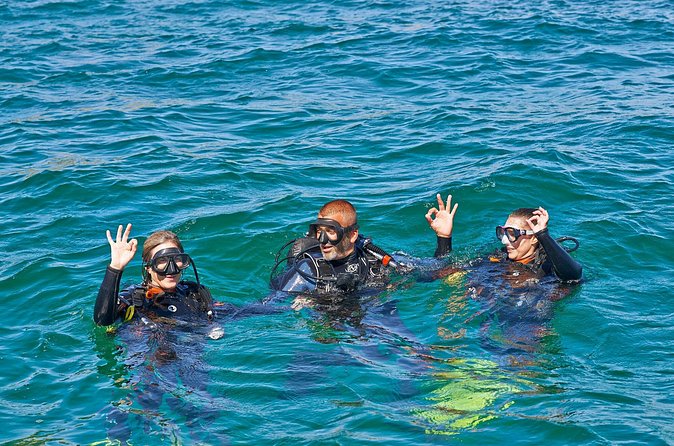
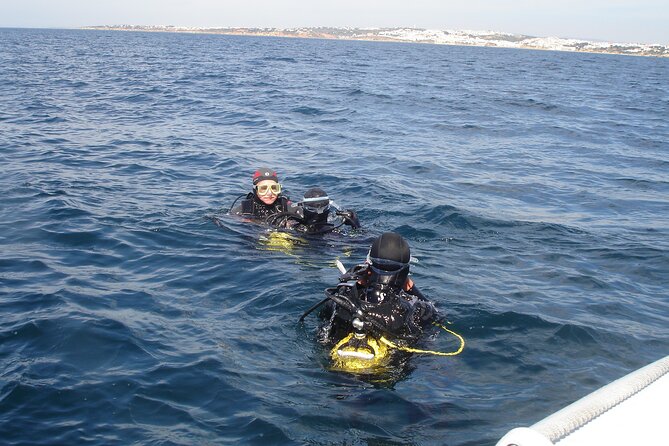
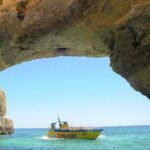
After the pool training, you’ll head to the boat. There’s a short boat trip along the coast, then you reach the water entry spot at the dive area over a natural reef (the underwater habitat for the session).
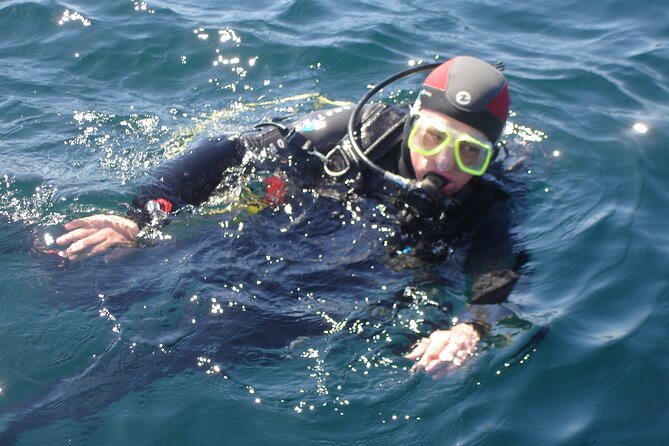
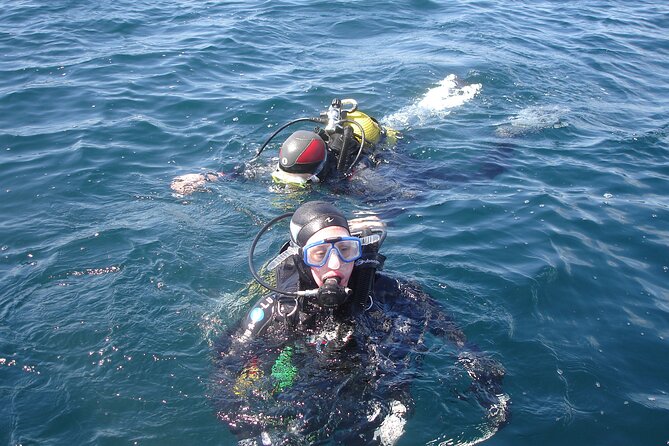
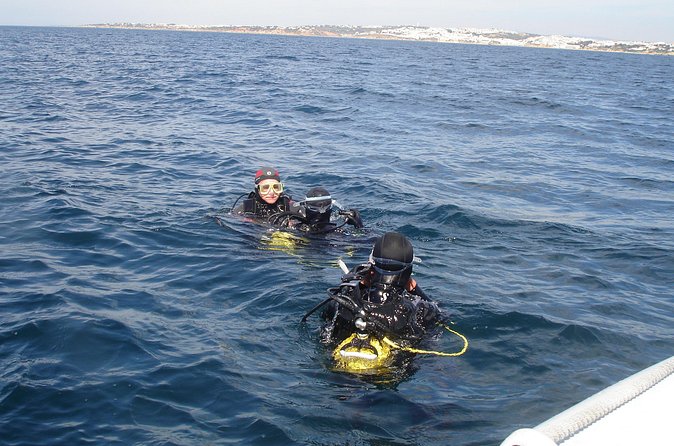
Once you enter the water, you’re guided by an instructor the whole time, with a safety-focused ratio of about 2 students per instructor. You’re not free-floating on your own. You’ll follow instructions, stay close to the plan, and move through the experience as a group.
This is also where the “controlled first session” idea shows up again. Your goal isn’t to explore like a seasoned diver. It’s to feel what buoyancy and underwater movement are like, while also spotting the life around you.



Your guided underwater time: depth, duration, and marine life odds
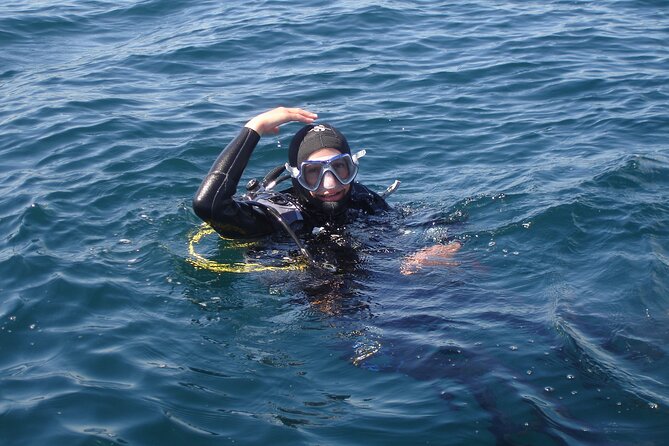
The program’s maximum is 12 meters. Your underwater time is about 30 minutes, or it ends when your tank reaches roughly 70 bar, whichever comes first.
That’s a good range for a first-timer because it gives you enough time to see the reef and wildlife without exhausting your focus. And because it’s guided, you can spend your energy on listening, breathing steadily, and keeping yourself calm.
What might you see? From accounts tied to this kind of reef experience, fish are common, and sightings like octopus also show up. Coral and anemone life were specifically mentioned in one review, including the symbiotic relationships divers learn to look for. Visibility can vary, and one reviewer noted visibility wasn’t the best—but still had a memorable first session. In other words: conditions matter, but they don’t erase the value of being guided properly.
Equipment, bottled water, and what you get after the session
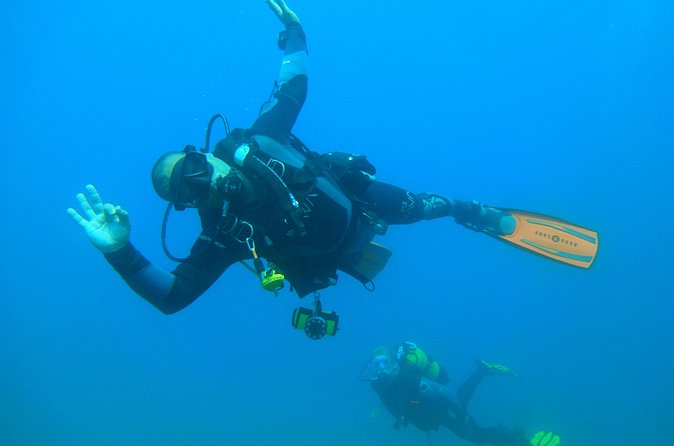
Good news: all necessary scuba equipment is included. That removes a big headache for first-timers who might not want to spend time comparing gear rentals.
Bottled water is also included. Food and drinks are not included, so if you’re going straight from lunch, plan accordingly. If you get hungry after, you’ll need to grab something on your own later.
After you’re done, you return to the premises to remove the equipment. An optional shower is available if you want one, which is a small comfort that makes a big difference after salty gear and sunscreen.
Then comes the paperwork that makes this experience more than just a one-off thrill: you receive an official SSI certification valid for 6 months. That certification is for scuba up to 12 meters, always accompanied by a professional. You also get credits for an Open Water course, which can matter if you want to keep progressing rather than treat this as a souvenir memory.
Price and value: is $157.22 a fair deal?
At about $157.22 per person for an approximately 3-hour session, you’re paying for more than “just getting wet.” You’re paying for instruction (theory, pool training, and guided ocean time), equipment, and the added value of SSI certification paperwork plus Open Water course credits.
The price can feel steep if your only goal is a quick look at the sea. But if you want a structured intro where someone teaches you safety steps and confirms you’re ready to go into open water, the value adds up.
Also, the small group size helps. With up to 10 travelers and a close instructor-to-student ratio, you’re more likely to get real attention rather than being one face in a big group.
Group size, instructor attention, and why it matters for nervous first-timers
This is capped at 10 travelers. That’s not just a nice-to-have number. Smaller groups tend to mean smoother transitions, fewer waiting moments, and more chance for the instructor to notice when something isn’t feeling right for you.
In the water, instructors stay very close. The setup described includes direct support during the open-water portion, and several reviews specifically praise being held by instructors or having constant attention. One person highlighted that the instructor stayed near the whole time, which is exactly what you want for your first session—someone keeping you steady while you focus on breathing and buoyancy.
You also get an atmosphere that seems human, not robotic. Some reviews mention banter and a friendly vibe, including instructors using humor to help break the tension early. For first-timers, that can be as important as the technical instruction.
Safety reality check: what could go wrong (and how to prevent it)
This is a beginner-friendly program, but it’s not a guarantee that everyone will make it to the sea session.
During the pool training, instructors assess whether you meet the minimum safety standards. If you don’t, you might be stopped from continuing to the water. And if you don’t complete the activity, there’s no refund.
This is where you should be extra prepared:
- Arrive on time so the schedule isn’t rushed.
- Tell the truth on your health questionnaire.
- Be honest with yourself if you’re nervous or don’t feel comfortable following instructions.
- Make sure you know how to swim—swimming ability is listed as essential.
Also, the activity requires good weather. If it’s canceled due to poor conditions, you’ll be offered a different date or a full refund. So you’re not at the mercy of a random drizzle—but you are at the mercy of real sea conditions.
Who should book this intro scuba session?
I’d steer you toward this if:
- You’re a true first-timer and want a step-by-step path (theory → pool practice → guided reef time).
- You value close instruction and a small group size.
- You want an SSI credential and credits that can lead into an Open Water course.
I’d think twice if:
- You know you have a medical issue that might affect pressure or breathing and you haven’t discussed it with your doctor.
- You’re uncomfortable following a structured safety routine.
- You’re expecting a totally passive experience with no assessment during the pool portion.
Should you book Easydivers Portugal for a first scuba session in Albufeira?
If you want a legit first step into scuba with strong safety prep and a clear path forward, I think this is a smart booking. The best part isn’t the reef photos—it’s the coaching rhythm. You practice in a pool, you learn how to behave underwater, and you go out with an instructor watching you closely.
My only caution is the reality of the safety gate. If you show up unprepared, late, or unable to meet the basic requirements during the pool checks, the day may end early with no refund. If you go in with a calm attitude, swim well, and treat the pool practice seriously, the odds are very strong that you’ll leave excited—and possibly already thinking about the next course.
FAQ
What’s included in the Try Scuba session?
You get all necessary scuba equipment, instruction (theoretical and practical), a professional guide, bottled water, and the session is supported by the required fees and taxes. You also receive an official SSI certification valid for 6 months and credits toward an Open Water course.
Do I get hotel pickup or drop-off?
No. Hotel pickup and drop-off are not included.
How long is the experience?
It’s about 3 hours total (approx.).
How deep do I go and for how long?
The maximum depth is 12 meters. The underwater portion is about 30 minutes, or until the tank reaches roughly 70 bar.
Do I need to know how to swim?
Yes. Knowing how to swim is listed as essential.
Are there age or height limits?
Yes. Children under 10 years old and under 1.40 meters in height aren’t allowed.
Do I have to complete a health questionnaire?
Yes. You’ll complete an RTCW form and a medical questionnaire before diving, and some conditions may prevent you from participating.
What’s the group size and instructor support?
There’s a maximum of 10 travelers, and the open-water portion is managed with an instructor-to-student ratio described as 2 students per instructor.
What happens if the weather is bad?
The activity requires good weather. If it’s canceled due to poor weather, you’ll be offered a different date or a full refund.