REVIEW · PORTO
3-Hour Porto Jewish Heritage Walking Tour with Local Guide
Book on Viator →Operated by EFun Tours · Bookable on Viator
Porto hides Jewish clues in plain sight. This 3-hour walk connects Jewish Heritage stories to real streets and landmarks, from the Porto Cathedral area to viewpoints over the city. You don’t just hear facts—you follow the geography of where life once happened, and where it was later pushed out of sight.
I especially like two things: first, the structure of the route. It starts with a strong orientation point, then moves through the older districts in a way that helps you understand how Jewish communities fit into Porto’s growth. Second, the guides set the tone. I’ve seen people rave about Ricardo’s depth and Q&A style, plus Pablo and Pedro’s passion and clear English, so the tour feels personal instead of like a lecture.
One consideration: it’s not a flat stroll. Expect stairs and steep streets, so plan for a real walking effort, wear good shoes, and keep your pace steady.
In This Review
- Key things to know before you go
- Porto Cathedral start: where the story gets its footing
- Ribeira Square and the old quarter feel at street level
- Sao Bento da Vitoria and Vitoria churches: memorials you can actually notice
- Postigo do Carvao and medieval gates: where the city constricted
- Chafariz da Porta do Olival and the view stops that make the climbs worth it
- Portuguese Inquisition context: how erased memory still shows up
- Price and time: does $36.30 buy real value?
- What’s not included: synagogue and Jewish Museum planning
- Shoes, weather, and choosing morning or afternoon
- Final call: should you book this Porto Jewish Heritage walk?
- FAQ
- Where is the meeting point for the tour?
- Where does the tour end?
- How long is the walking tour?
- What group size should I expect?
- Is the tour offered in English?
- Is the Porto Synagogue or the Porto Jewish Museum included?
- What if the weather is poor?
Key things to know before you go
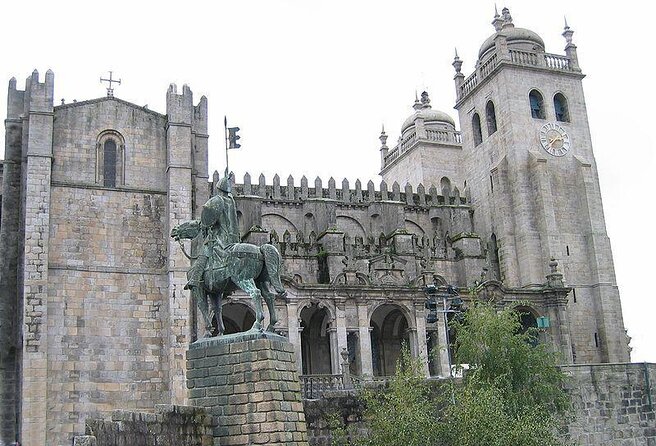
- Meet at Porto Cathedral (Terreiro da Sé) so you can orient fast and start with context.
- Small-group feel: private tours are just your group and guide, and regular groups run up to 10 (with a departure cap of 20).
- You’ll trace outlines, not just buildings—including Jewish quarters inside and outside the city walls.
- Medieval gates and ghetto edges come up in the walk, like Postigo do Carvao.
- Big payoff viewpoints from Passeio das Virtudes and Miradouro da Vitoria make the climbs feel worth it.
- No synagogue or museum visits included, so this is about seeing traces and hearing the story in the streets.
Porto Cathedral start: where the story gets its footing
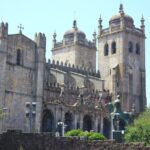
The tour begins at Porto Cathedral, right in the Terreiro da Sé area. That first stop matters because it gives you a reference point for everything you’ll hear later. Once you’re oriented, the guide can connect Jewish life to the physical city instead of treating it like random background.
You’ll spend a short time looking around the cathedral area with your guide before the route starts peeling away layers of time. This is a good way to start if you’re new to Porto, because it helps you understand why certain spots keep showing up in the city’s bigger story: trade, power, and religious pressure.
If you’re hoping for a relaxed “take photos and drift” experience, start with a realistic expectation. The walk is active and has elevation. Still, the payoff is that by the time you reach the older streets and riverfront edges, you’ll know what you’re seeing and why it matters.
You can also read our reviews of more walking tours in Porto
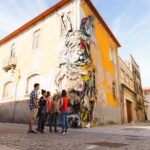

Ribeira Square and the old quarter feel at street level
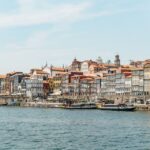
After the cathedral, you head into the older core near Praca da Ribeira. This is where the tour’s tone shifts from introduction to place-based storytelling. The guide explains Porto’s early role in merchant trade and how Jewish people contributed during Portugal’s earlier years.
What I like about this part is that it doesn’t lock you into only one theme. You’re not just learning dates—you’re learning how trade and communities move along with routes, bridges, and neighborhood boundaries. Porto is a city of slopes and layers, and Ribeira is a key area to understand that rhythm.
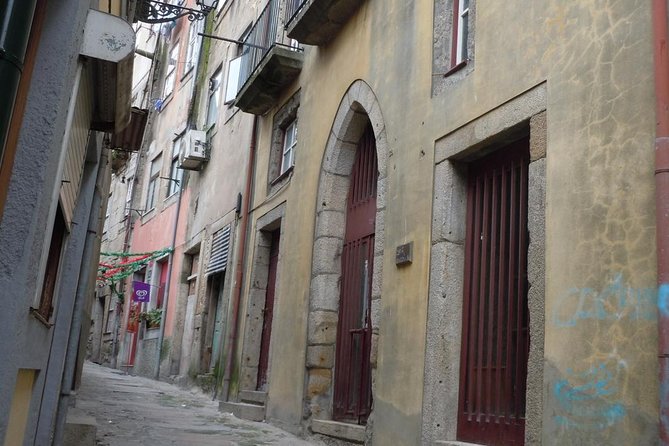
You’ll also start hearing about the outlines of Jewish quarters—both inside and outside the city walls. Even if many physical reminders are gone, your guide helps you read the city like a puzzle where clues survived in street shapes, names, and nearby landmarks.
Practical note: this is still within easy walking distance of central Porto, but the day can get hilly later. So use this early section to find your stride.
Sao Bento da Vitoria and Vitoria churches: memorials you can actually notice
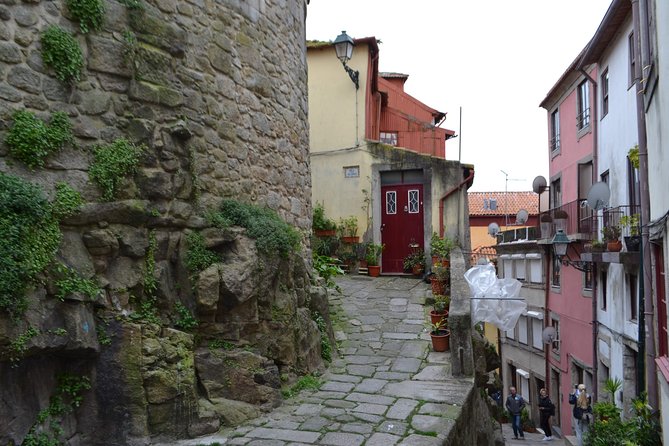
The walk then moves toward Mosteiro de Sao Bento da Vitoria, where you’ll learn about a memorial linked to the themes of the tour. You’ll also pass Igreja Paroquial de Nossa Senhora da Vitoria, with another memorial-focused stop.
I find these moments useful because they’re the kind of reminder you might otherwise skim past. From ground level, you can’t always tell what something is historically marking. With a guide, you learn what to look for and what the memorial is communicating.
These stops also balance the emotional weight of the tour. Yes, you’ll hear about persecution later. But here, the focus is on recognition—how communities left traces and how later generations recorded or marked what happened.
Because these locations are tied to religious spaces, you may want to keep your voice down and dress respectfully as you move through the area. The tour uses a smart casual dress code, which is a good match for this part of Porto.
Postigo do Carvao and medieval gates: where the city constricted
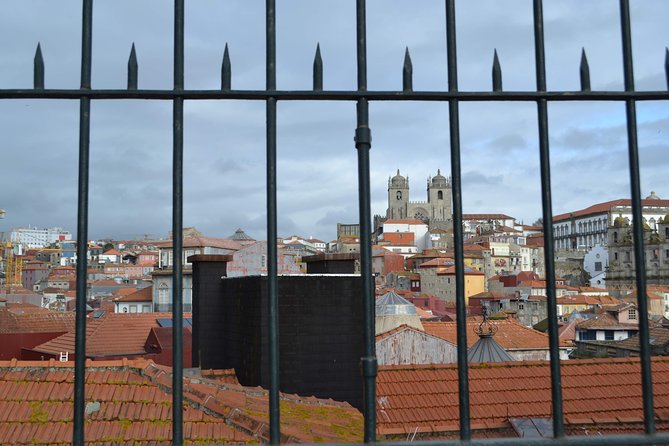
One of the most striking parts of the route is Postigo do Carvao. This is where you hear about medieval Porto and see a gate connected to the idea of confinement—Jewish people being restricted to designated areas, including a medieval ghetto.
This section is powerful because it turns the story from abstract into geographic. Instead of only hearing that communities were pressured, you learn how the city’s physical boundaries mattered. Gates, access points, and streets become part of the historical mechanism.
The guide also connects these realities to later attempts to erase Jewish presence from public memory. You’ll hear about the Portuguese Inquisition and how it tormented Jewish people and tried to remove their role from the past. The tour doesn’t treat this like generic “dark history.” It explains how those events shaped what you can still see in today’s neighborhoods.
If you prefer your history with specific locations, this is the segment you’ll probably remember most.
Chafariz da Porta do Olival and the view stops that make the climbs worth it
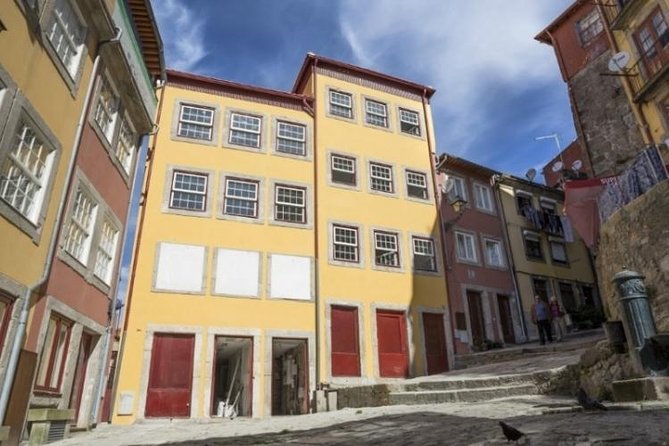
Next comes Chafariz da Porta do Olival, another stop where you’ll witness history in a real, everyday city object: a fountain and the nearby Porta association. It’s the type of landmark that feels normal until someone points out what it connects to.
Then the tour shifts toward the higher viewpoints and promenades, including Passeio das Virtudes, where you get a glimpse from a pont, and Miradouro da Vitoria, a viewpoint that gives you a wider view of Porto. These are not random photo breaks. They’re used to show you how medieval and early neighborhoods related to each other across the slopes.
This is one reason the tour works even if you’re not a hardcore history person. The guide keeps tying the skyline back to the street-level clues. You climb, you look out, and suddenly the city’s shape makes sense in the context of where people lived and where movement was allowed or blocked.
Wear shoes you’re comfortable in for uneven stone and uphill stretches. This is where comfort pays off fastest.
You can also read our reviews of more guided tours in Porto
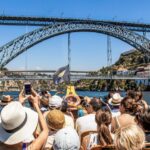



Portuguese Inquisition context: how erased memory still shows up
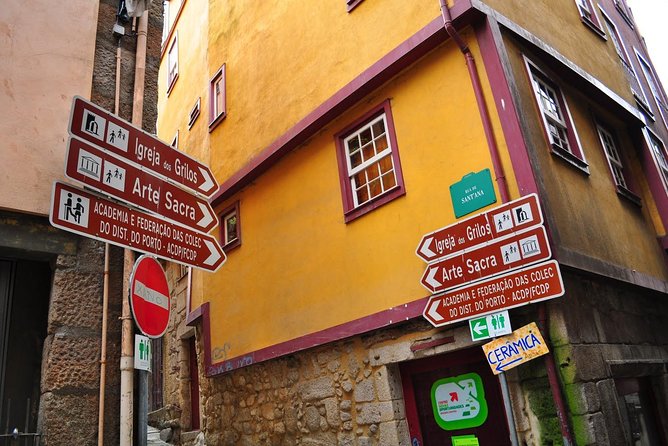
A big theme throughout the walk is the effort to erase Jewish life from public memory. The guide explains how the Portuguese Inquisition tormented Jewish people and endeavored to wipe out their role in history.
Even if many physical reminders are gone, you’ll still catch traces. The tour is built to help you read them: outlines of quarters, old connections tied to gates, and memorial markers in religious spaces. That’s a key value here. You leave with a clearer sense of how persecution can rewrite the city’s story, not just the people’s lives.
I also like that the tour balances the difficult parts with concrete, local detail. The result is less “big history talk” and more “why this corner matters.” When you’re standing where something once connected to trade or confinement, the narrative feels more grounded.
If you’re the kind of person who likes to ask questions, this tour encourages that. The guides highlighted in recent feedback are known for staying engaged and answering people thoughtfully, which makes the walk feel collaborative.
Price and time: does $36.30 buy real value?
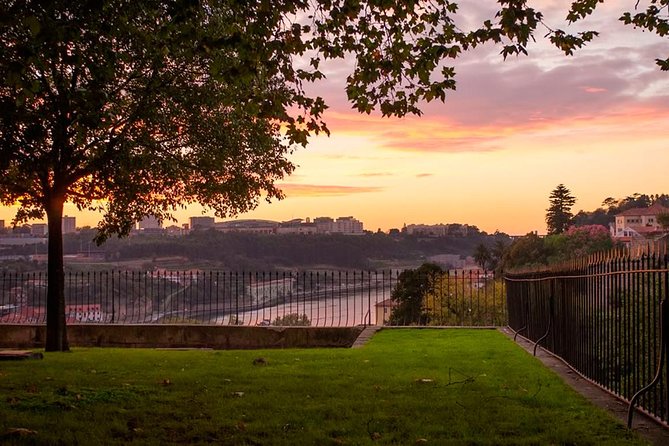
At $36.30 per person for about 3 hours, you’re paying for a local guide who can connect the dots across multiple sites. This isn’t an all-day museum sprint. It’s a guided walk that uses Porto’s old quarter layout to make the story understandable without requiring entry fees to multiple places.
The route also leans on free-to-view stops, with multiple points listed as free at the time of the visit. That’s great value if you want history without stacking ticket costs. Still, it’s not “everything included.” You’ll hear the story at street level and memorial landmarks, but you won’t spend time inside a synagogue or a museum.
For me, the best value comes when the guide is strong. Recent feedback consistently points to guides like Ricardo, plus Pablo and Pedro, for making the information clear and engaging. If you care about explanations more than photo stops, this pricing makes sense.
And if you’re traveling with friends or family, check whether you can benefit from any group discounts offered when you book together.
What’s not included: synagogue and Jewish Museum planning
This tour does not include a visit to the Porto Synagogue or the Porto Jewish Museum. That’s not a deal-breaker, but it helps you plan your day.
So think of this walk as your “orientation + street clues” session. It gives you the context to understand what you might later see in dedicated Jewish sites. If you do want synagogue or museum time, schedule them on a different day or add them afterward, so you can fully absorb each place without rushing.
Also remember: this is a walking tour with guided stops. Most of what you’ll encounter is what’s visible or marked on location, not a series of indoor exhibits.
If you’re traveling on a tight schedule and you only have a few hours, this format can be a smart choice. If you want hands-on artifacts and curated museum displays, you’ll need additional time elsewhere.
Shoes, weather, and choosing morning or afternoon
This walk is weather-dependent in practice. The operator notes it runs in all weather conditions, yet it can be canceled due to poor weather, with an alternative date or a full refund. Either way, dress for the day you’ll actually get—rain layers if needed, and sun protection when it’s clear.
You’ll go up through stairs and steep streets, so plan for real traction. Comfortable shoes are non-negotiable here. If you’re someone who uses mobility aids, you’ll want to think carefully about the stairs and hill sections, since the tour asks for a strong physical fitness level.
The tour also offers morning or afternoon departures, so you can match it to your energy and how hot the day is. If you prefer to get tough walking out of the way early, go in the morning. If you want a slower start and you’re comfortable with climbing later, pick the afternoon.
Final call: should you book this Porto Jewish Heritage walk?
If you want to understand Porto with your feet on the ground, I’d book it. This tour is built for people who like city-walking history—especially when Jewish life in Portugal is harder to notice on your own. The strong guide track record (with Ricardo, Pablo, and Pedro coming up again and again) is a big reason to feel confident.
Skip it or plan alternatives if you need step-free routes or if you’re expecting a lot of indoor synagogue or museum time. Also, if you hate hills, this one can feel like a struggle instead of a story.
But if you’re curious, observant, and okay with a physically active walk, you’ll come away seeing Porto differently—how the city remembered (and tried to forget) Jewish lives.
FAQ
Where is the meeting point for the tour?
The tour meets at Porto Cathedral, at Terreiro da Sé, 4050-573 Porto, Portugal.
Where does the tour end?
The tour ends at Passeio das Virtudes, 4050 Porto, Portugal.
How long is the walking tour?
The tour lasts about 3 hours.
What group size should I expect?
Private tours are just your group and the guide. For shared tours, the group is capped at a maximum of 10 travelers, and the overall tour has a maximum of 20 travelers.
Is the tour offered in English?
Yes. The tour is offered in English.
Is the Porto Synagogue or the Porto Jewish Museum included?
No. Visits to the Porto Synagogue and the Porto Jewish Museum are not included.
What if the weather is poor?
The experience requires good weather. If it’s canceled due to poor weather, you’ll be offered a different date or a full refund.