REVIEW · PORTO
Museu das Marionetas do Porto
Book on GetYourGuide →Operated by Teatro de Marionetas do Porto · Bookable on GetYourGuide
Porto has a calm corner that feels like play. Museu das Marionetas do Porto mixes author-focused exhibits with hands-on moments, so you learn while you touch, press, and test. I especially like how it’s built around the legacy of one creative mind, yet still feels current.
Two things I’d put at the top of your list are the interactive experimentation space and the video guides in multiple languages. There’s a special room where you can manipulate puppets or operate lights and sound, which turns a museum visit into something you actually remember.
One drawback to consider: the museum visit is short and self-paced, so it won’t replace a full day of bigger, city-scale attractions. If you want lots of rooms and time-consuming galleries, you may finish feeling it was almost too quick.
In This Review
- Key things I’d highlight before you go
- Know what you’re walking into: an author museum beside Teatro de Marionetas do Porto
- Start with the guide and pick a pace that fits your day in Porto
- Exhibits that connect stage props to real creative choices
- The interactive experimentation space: lights, sound, and hands-on puppet control
- A museum that keeps updating: memory and future in one building
- Built for families: the children’s area helps imaginations take shape
- Accessible details you’ll actually use: tactile puppets, podotactile flooring, and sign language options
- Price and value: a low ticket that doesn’t feel cheap in the right ways
- Practical tips for planning your visit in Porto
- Who should book this museum (and who might skip it)
- Should you book Museu das Marionetas do Porto?
- FAQ
- Where is Museu das Marionetas do Porto located?
- How much does the museum cost?
- How long is the visit?
- What languages are available for the video guide?
- Is there a Portuguese Sign Language option?
- Does the museum offer accessible features?
- What is included with the ticket?
- Are audio guides included?
- Can I cancel for a refund or book without paying now?
Key things I’d highlight before you go
- Hands-on experimentation room where you can control puppets, lights, and sound
- Excerpts from Teatro de Marionetas do Porto performances that connect objects to stage work
- Video-guides in PT, EN, FR, and ES plus a Portuguese Sign Language option
- Tactile puppets and podotactile flooring that support participation, not just viewing
- A children’s area that helps kids turn imagination into action
- Good value price for a focused, well-designed visit
Know what you’re walking into: an author museum beside Teatro de Marionetas do Porto
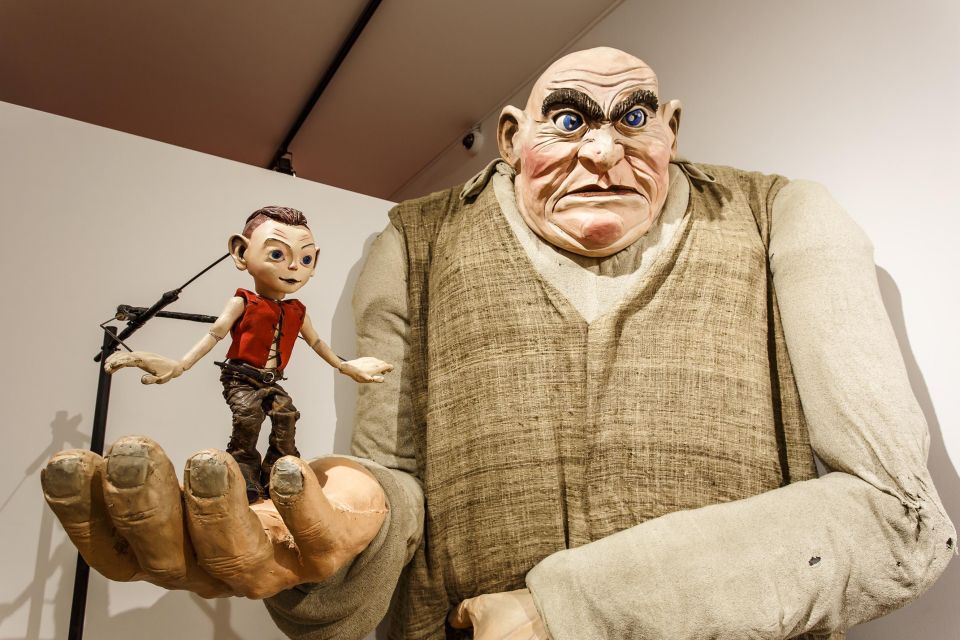
Museu das Marionetas do Porto is not a general “history of puppets” museum. It’s an author museum centered on the work of João Paulo Seara Cardoso (1956–2010), the director and artistic director behind Teatro de Marionetas do Porto. That single creative thread matters, because it shapes everything: the objects you see, the way the museum explains them, and the tone of the space.
The museum officially opened in 2013, celebrating the company’s 25th anniversary. For the first few years it was installed on Rua das Flores no. 22, then it moved on September 29, 2016 to its current home in a building next to the company’s headquarters on Rua de Belomonte. If you like visiting places that feel tied to ongoing work, that location is a plus, because the museum doesn’t feel like a closed-off archive.
Architect José Gigante has a signature presence in the architecture, and you’ll feel it when moving between areas. The museum experience is designed to make the space itself part of the story—so instead of being a hallway of glass cases, you get rooms that support different modes of learning: watching, listening, and experimenting.
You can also read our reviews of more tours and experiences in Porto.



Start with the guide and pick a pace that fits your day in Porto
The museum gives you video guides in Portuguese, English, French, and Spanish. That’s a big deal for a small museum, because it prevents the common problem of short visits turning into “read a few labels and hope you guessed right.” Here, you can follow along step-by-step without needing to be a puppetry expert first.
You also get an audio guide component in Portuguese, French, English, and Spanish, plus audio description in Portuguese tied to inclusive features. So even if you don’t speak Portuguese, the structure is set up so you can still get the meaning behind the objects. In practice, it means you spend less time trying to interpret what you’re looking at and more time understanding how the stage pieces work.
You’ll want to time your visit around how your energy is. The museum is valid for one day and you should check available starting times, then show up when your entry window begins. Because it’s a compact experience, I’d treat it like a strong half-to-three-quarters-of-an-hour stop plus lingering, rather than a full “two big hours and done” commitment.
The host or greeter is listed as Portuguese and English, which is helpful if you get questions about what to try first in the interactive space. If you’re traveling with kids, this kind of quick orientation helps you move from curiosity into play fast.
Exhibits that connect stage props to real creative choices
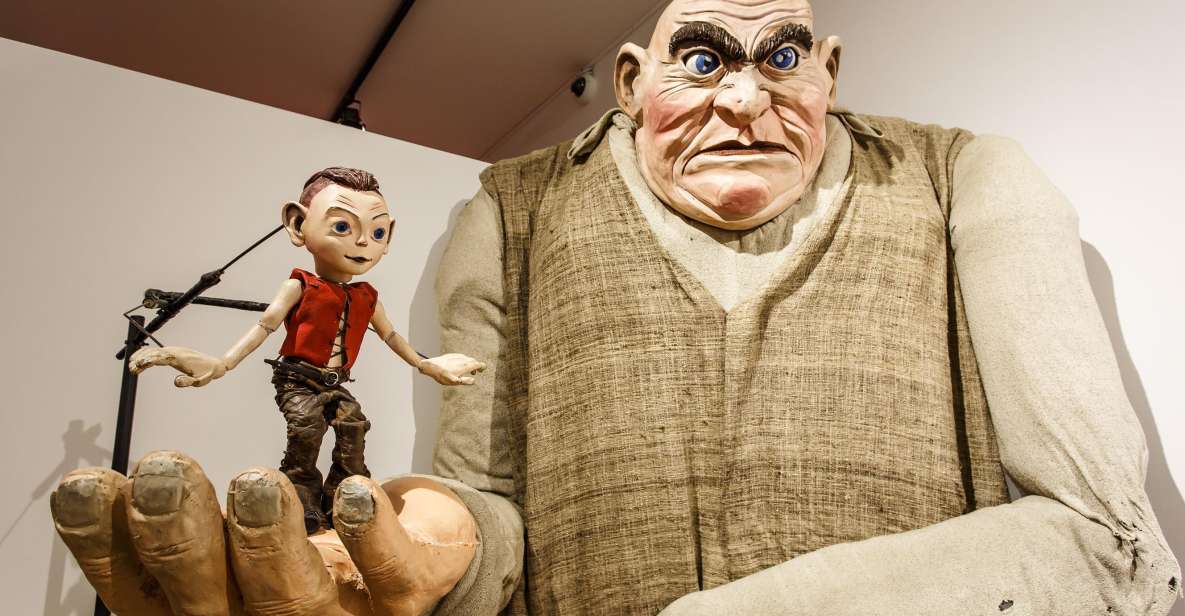
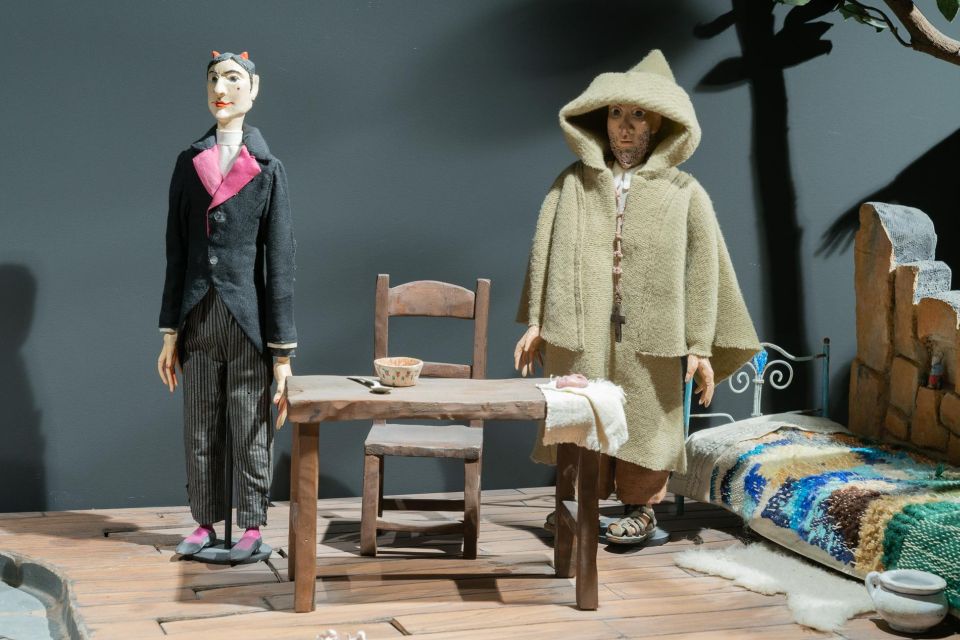
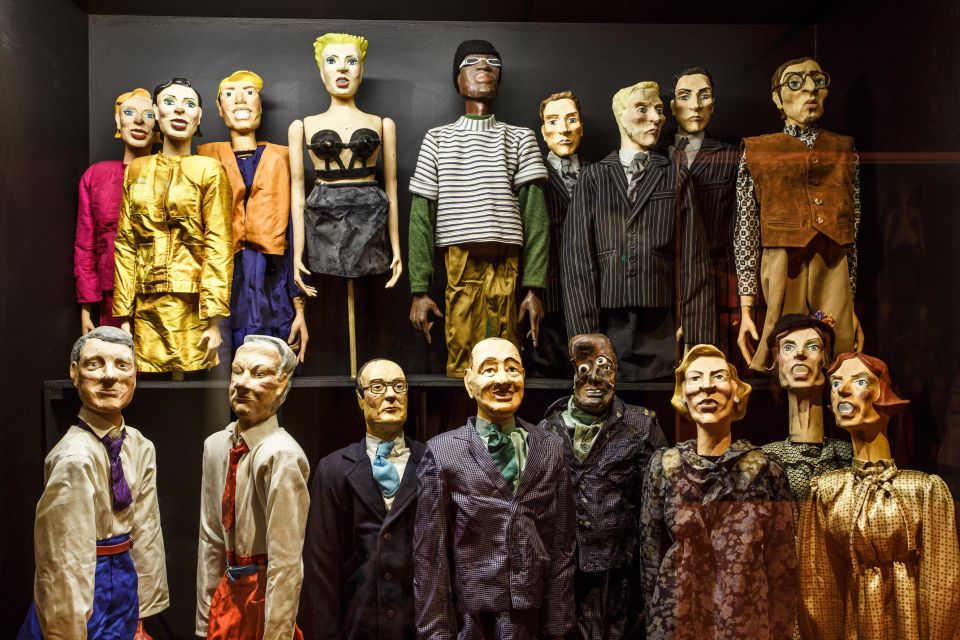
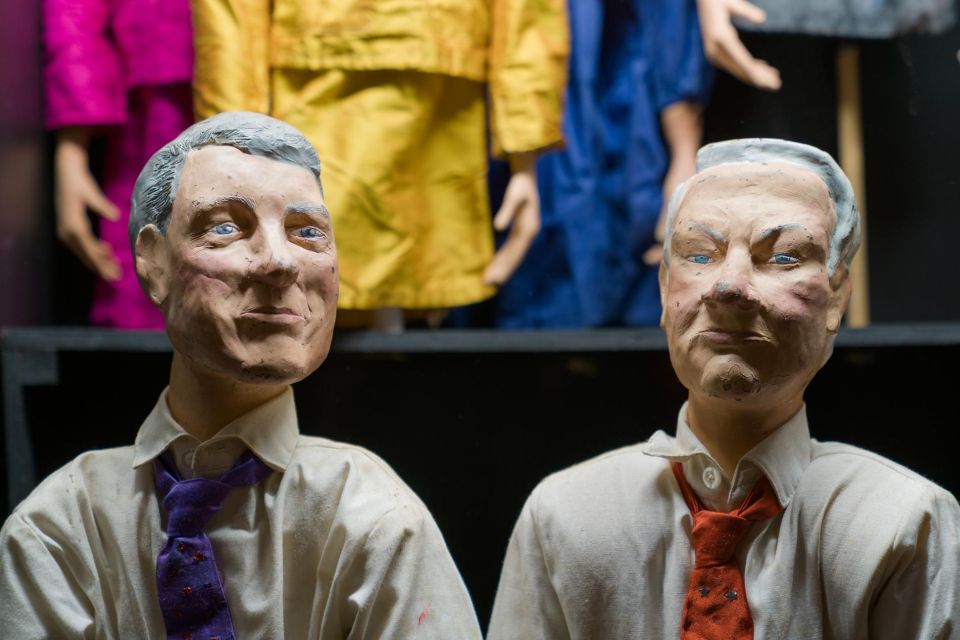
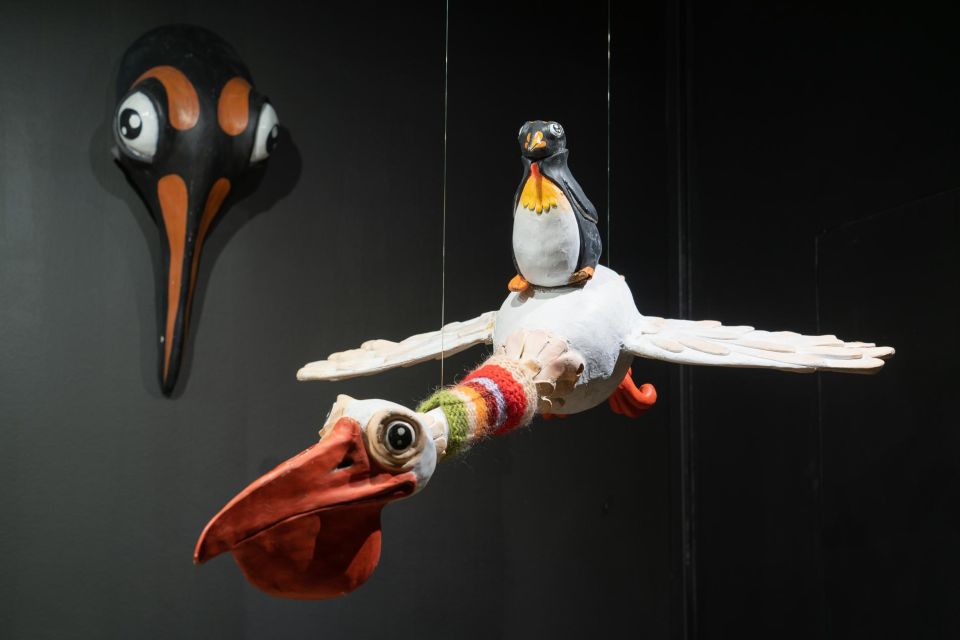
The core exhibits include puppets, stage props, and other symbolic objects used in the company’s performances. The museum also includes stories tied to those materials, which is what turns “stuff on a wall” into something worth your attention.
I like that the collection is built to show the logic of puppetry, not just the finished look. You’re not only seeing shapes and costumes; you’re seeing how pieces become characters, how props support action, and how staging choices create meaning. That’s especially valuable if you’re the type of traveler who likes understanding how artists think, not just what they produced.
Another smart piece: the museum includes excerpts from performances by the company. That bridge matters because puppets can look static when you view them alone. Performance excerpts remind you that these objects were meant to move through time—through timing, rhythm, and sound.
If you’re short on time in Porto, this is the best part to target first. Prioritize rooms where you can pair what you see with what you hear or watch through the guide. You’ll come away with a clearer sense of why these puppets and props were worth creating in the first place.
The interactive experimentation space: lights, sound, and hands-on puppet control
The standout for many people is the special room where you can manipulate puppets or operate lights and sound. This is the part that makes the museum feel alive. Instead of only learning about stagecraft, you get to test it.
What you’re doing here is simple but effective: you press, turn, adjust, and watch how the environment changes. When lights and sound react to your actions, it reinforces what puppeteers already know—timing is half the performance. Even if you don’t speak the language, you’ll understand the cause-and-effect quickly.
There’s also an inclusive experimentation angle to this space because the museum is designed to let multiple ways of engaging coexist. The result is that the interaction isn’t a gimmick. It’s more like a mini workshop, letting you feel how a show becomes a show.
If you’re visiting with children, make this your anchor activity. Let them lead a little. Adults often rush through interactive zones; with this one, slowing down is worth it. One short round of trying things is enough to make the rest of the museum click.
A museum that keeps updating: memory and future in one building
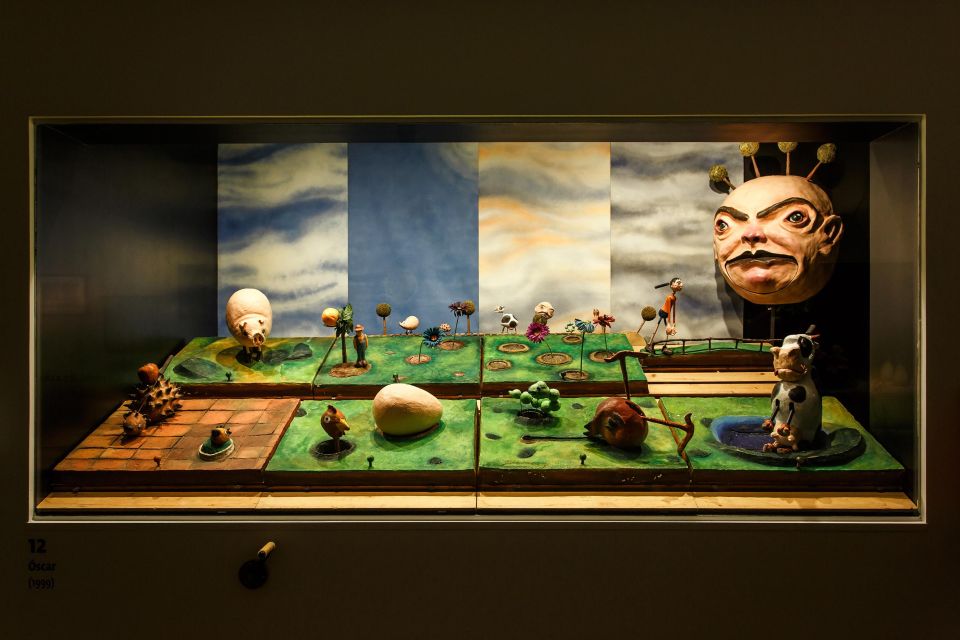
Museu das Marionetas do Porto describes itself as a place of memory and future, with an approach that stays in motion. That “update” idea is part of why it doesn’t feel fossilized. The museum frames itself around New Museology principles: museums serving society, preserving and investigating material testimonies, and communicating through modern interpretation.
You’ll notice this in the balance of exhibition design and public connection. Instead of treating the museum as a storage space for the past, it’s presented as a working interface between art and people. The relationship with visitors is not an afterthought; it’s baked into how the museum is laid out and how the guide supports you.
The museum also connects to the broader mission of sharing contemporary puppets, not only repeating classic performance traditions. That’s useful if you’re concerned a small museum might be overly narrow. Here, the focus is author-specific, but the intent is outward-facing.



Built for families: the children’s area helps imaginations take shape
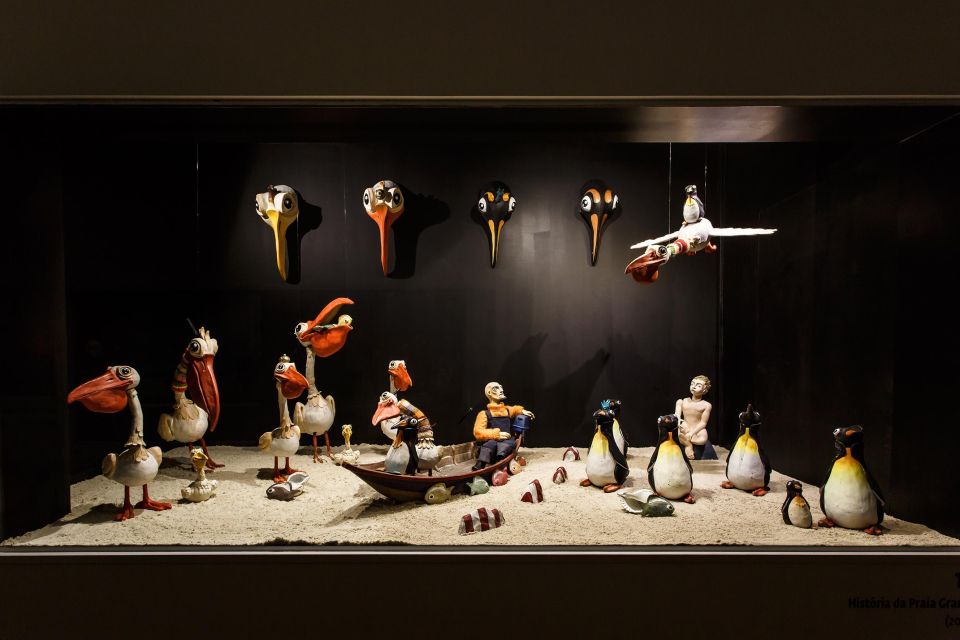
The museum includes a children’s area, and that’s one of the reasons it works well on a day when you need an activity that doesn’t turn into constant managing. The idea isn’t to turn the museum into a playground; it’s to give kids a place to practice creative thinking.
What tends to help is that the museum has both viewing and doing. Kids can watch puppetry context through the guides, then translate it into play in areas designed for experimentation. That mix keeps attention from collapsing after the first room.
If you’re traveling with a stroller, keep an eye on how the floor and room transitions work for your route, since this is a more designed and interactive layout than a simple corridor. The good news is the museum is listed as wheelchair accessible, so it’s built with movement and access in mind.
Accessible details you’ll actually use: tactile puppets, podotactile flooring, and sign language options
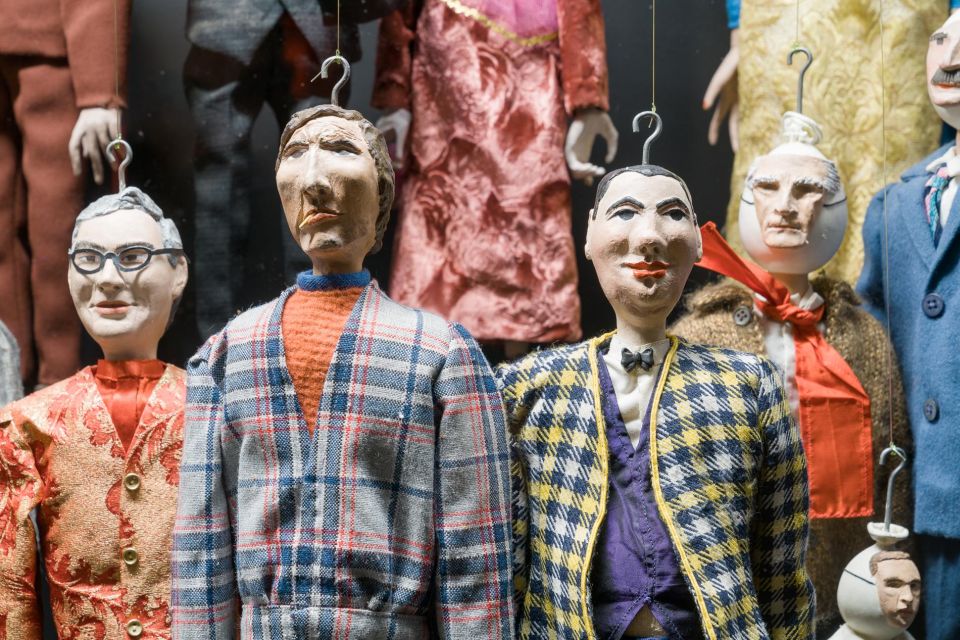
Accessibility here isn’t treated as an extra checkbox. The museum is described as inclusive since 2017, with features like tactile puppets, podotactile flooring, and audio description in Portuguese. You don’t have to be a specialist to benefit from this; the features are placed so you can participate with more than just your eyes.
There’s also a video guide in Portuguese Sign Language. That matters because it gives you another way to follow the museum without relying on subtitles alone. If you use sign language, this is a key reason to consider the museum beyond its subject matter.
Podotactile flooring is particularly important in a hands-on museum, because it helps you orient yourself and follow routes more confidently. Tactile puppets also do something that regular “look but don’t touch” rules never manage: they allow you to understand form and intention through your hands.
I’d recommend treating these features like part of the main attraction, not like an optional extra. If you slow down and use them, you’ll get a deeper version of the story the museum is telling.
Price and value: a low ticket that doesn’t feel cheap in the right ways
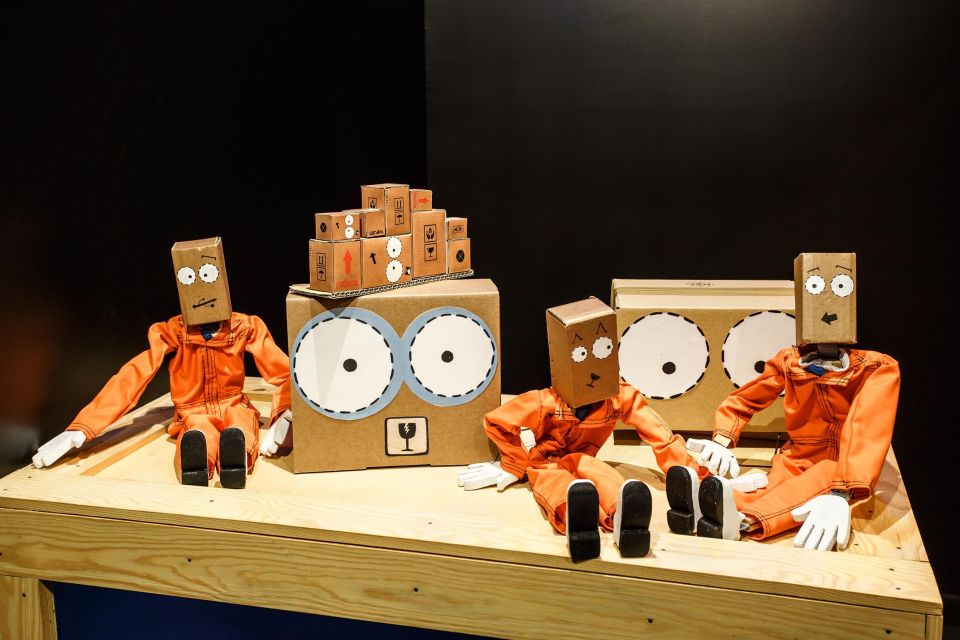
At about $4.13 per person, this museum is priced for real access. It doesn’t feel inflated, and it matches the experience: focused content, strong multimedia support, and a genuine hands-on zone.
Value isn’t only about paying less—it’s about what you get for the time you spend. With the included video guides, you don’t need to buy extra interpretation. With the experimentation space and children’s area, you’re not just paying for passive viewing. And since the museum is designed as a compact, meaningful visit, you get a high “return per hour.”
If you’re watching your Porto budget, this is the type of attraction that fits cleanly. It’s also a nice option when weather or energy levels push you indoors, because the visit doesn’t require a huge commitment to enjoy it.
Practical tips for planning your visit in Porto
A few things will help you get the most from a short museum experience:
- Choose a starting time thoughtfully. Because you’re working with available entry windows, pick one that fits your day. If you’re coming from another activity, build in enough time to watch and try the interactive room without feeling rushed.
- Use the guide strategically. If you’re not sure where to begin, start where it connects exhibits to performance excerpts, then move into interactive parts once you understand what they’re trying to show.
- Let the kids steer toward the experimentation space. Adults usually want to finish galleries first; kids often do better when play happens early and the rest becomes context.
- Plan for a slow moment in the inclusive features. Tactile objects and podotactile navigation can take a bit of extra time, and it’s time well spent.
You won’t get a long list of hidden rules here. The museum’s approach is built so you can participate. Just show up ready to watch, listen, and try.
Who should book this museum (and who might skip it)
This is a great fit if you enjoy arts with a craft element—stage design, storytelling, music, timing, and hands-on learning. It’s also ideal for families because the children’s area and interactive space give kids a job: participate, not just observe.
You should especially consider it if you want a cultural stop that’s not overly intimidating. The multilingual and sign language support, plus audio description in Portuguese, means you can follow the museum even if you don’t speak Portuguese.
You might skip it if you’re the kind of traveler who expects a huge, multi-gallery museum experience that fills a whole day. This is focused and well-designed, but it’s not trying to compete with Porto’s biggest institutions for time.
Should you book Museu das Marionetas do Porto?
I think you should book it if you want a small Porto attraction with real participation. The interactive lights-and-sound room, the video guides in multiple languages, and the tactile, inclusive approach make it feel like more than a quick detour.
If your day is packed, it still works because the visit is self-contained and structured. If you’re traveling with kids, it’s one of those rare places where imagination is supported by the design, not just your patience. Just keep expectations realistic: it’s short, focused, and best when you’re ready to do a little hands-on learning.
FAQ
Where is Museu das Marionetas do Porto located?
It’s in Portugal’s Norte Region, in the current museum building next to Teatro de Marionetas do Porto’s headquarters on Rua de Belomonte.
How much does the museum cost?
The price listed is about $4.13 per person.
How long is the visit?
The experience is described as lasting 1 day.
What languages are available for the video guide?
Video-guides are available in Portuguese, English, French, and Spanish.
Is there a Portuguese Sign Language option?
Yes. There is a video-guide in Portuguese Sign Language.
Does the museum offer accessible features?
Yes. The museum includes tactile puppets, podotactile flooring, and audio description in Portuguese. It is also listed as wheelchair accessible.
What is included with the ticket?
The ticket includes the museum visit with video guides, an experimentation space, and a children’s area.
Are audio guides included?
Yes. Audio guide is included in Portuguese, French, English, and Spanish, with audio description in Portuguese for the tactile-related accessibility features.
Can I cancel for a refund or book without paying now?
The experience offers free cancellation up to 24 hours in advance for a full refund, and it also offers reserve now & pay later.