REVIEW · MADEIRA
Madeira: surf lesson at Porto da Cruz
Book on GetYourGuide →Operated by Madeira SurfCamp - Surf school · Bookable on GetYourGuide
First time surfing in Madeira?
This Madeira surf lesson puts you on black-sand beaches at Porto da Cruz, with small groups and a certified instructor team that focuses on getting you safely up and riding. I especially like the hands-on coaching: gear is provided, conditions are explained, and you get time in the water rather than endless theory. One drawback to consider is that the school may shift you between beaches depending on currents and wave quality, so you won’t control exactly how many rideable waves you get that day.
Why it works is simple. Porto da Cruz is a local surf village with beginner-friendly beach breaks. You’re not battling a huge crowd, and the pace stays calm enough to learn fast.
The other consideration is your timing. Lesson start time and even the meeting beach can change with tides and weather, so plan a little buffer around your booked slot.
In This Review
- Key things to know before you go
- Madeira Surf Lesson in Porto da Cruz: the vibe and the real setup
- Black-sand beaches and why Porto da Cruz is a smart starting point
- Your two-hour lesson: what happens before you ever paddle out
- The wave hunting part: beach breaks, currents, and adapting on the day
- Coaching style that actually helps beginners stand
- What you’ll bring (and what you shouldn’t assume is provided)
- Meeting point changes: Porto da Cruz vs. Machico
- Price and value: is $76 for a two-hour lesson fair?
- Who this lesson suits best (and who should skip it)
- Common hiccups to plan around (so you don’t lose the fun)
- Should you book this Madeira surf lesson?
- FAQ
- How long is the Madeira surf lesson?
- How much does it cost?
- What’s included in the price?
- Where do we meet?
- Is there pickup or drop-off?
- What should I bring?
- What language are the instructors?
Key things to know before you go
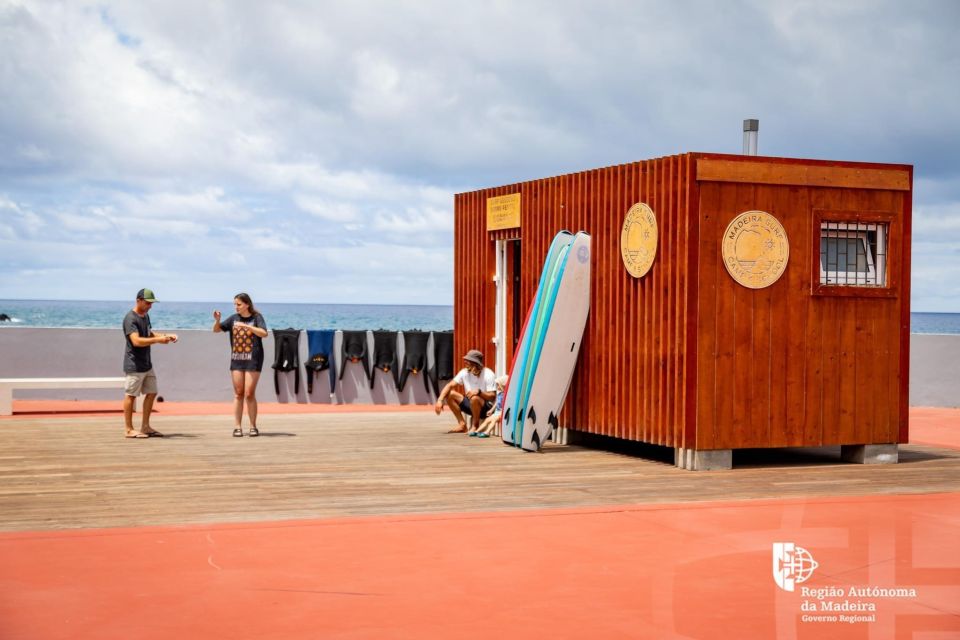
- Certified instruction with instructors certified by the Portuguese Surfing Federation
- Small groups (up to 10 people) for more attention in the water
- Black-sand beach sessions in Porto da Cruz, geared toward beginners and intermediates
- Two possible meeting beaches: Praia da Alagoa (Porto da Cruz) or Praia da São Roque (Machico)
- All equipment included: board, wetsuit, leash, wax, plus insurance coverage
- Rain or shine and wave-dependent timing based on sea conditions and tides
Madeira Surf Lesson in Porto da Cruz: the vibe and the real setup
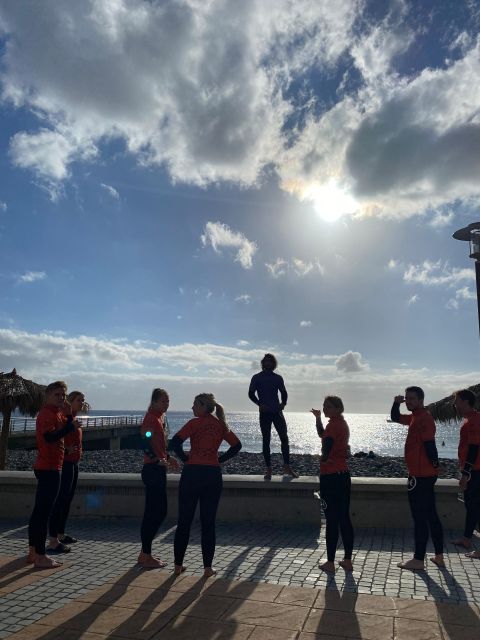
Madeira surf lessons can feel intimidating from a distance—ocean, wind, dark sand, and that big question: will I even stand up? This experience answers that question with a straightforward approach. You get a local surf school setup at Praia da Alagoa in Porto da Cruz, and you learn in conditions that are typically friendly for first-timers.
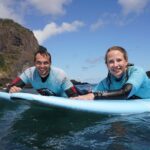
The best part is the focus on doing. You’re not just watching someone else catch waves. You’ll get explanations of the area and the surfing conditions, then spend your two hours practicing on the board you’re given. And because it’s a small group, you’re more likely to get individual tips rather than generic instructions shouted from shore.
If you’re the type who likes structure (warm-up, then technique drills, then waves), this fits. If you’re the type who gets frustrated when waves don’t cooperate, keep your expectations flexible. Sea conditions can change fast here.
A few more Madeira tours and experiences worth a look
Black-sand beaches and why Porto da Cruz is a smart starting point
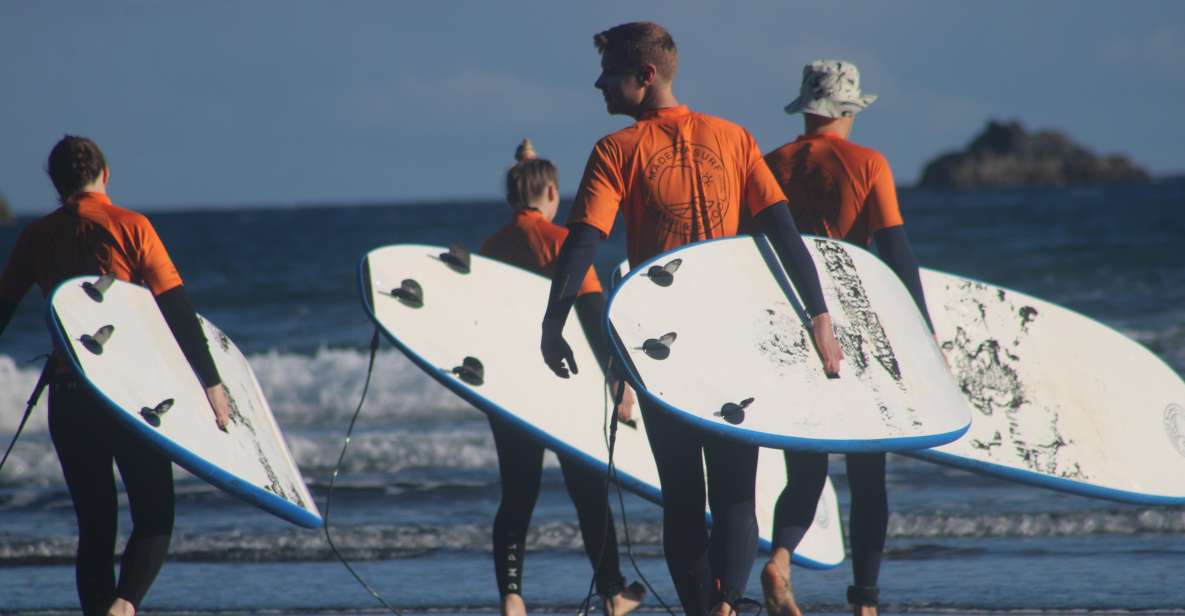
Porto da Cruz is known locally for surf. The school works from Praia da Alagoa and uses the area’s beach breaks that tend to suit beginners and intermediate surfers. For you, that matters because the goal of a first lesson is not just bravery—it’s repeat practice.
Here’s what you can expect from the setting:
- You’ll be surfing on a coastal spot with the look of Madeira’s dramatic shoreline—dark sand, ocean texture, and real Atlantic energy.
- Porto da Cruz offers beach-break conditions that are easier to learn on than many reef-heavy areas (especially for first-timers).
- The school can adapt. If conditions at one spot aren’t right, the plan may shift to Machico.
In practical terms, this is what you want. When you’re learning, you need a mix of safety, manageable waves, and enough time to try again. The school’s job is to find those “today” conditions.
Your two-hour lesson: what happens before you ever paddle out
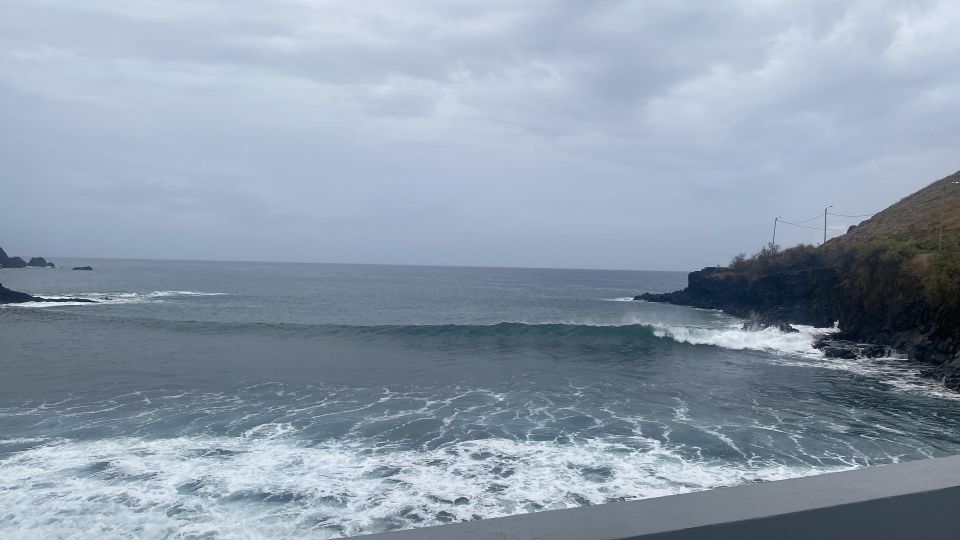
The lesson is built around a simple rhythm: gear-up, warm up, learn the key moves, then try to catch waves. It’s also designed to feel safer. You get an explanation of the area and the surfing conditions, so you understand what you’re walking into.
Before the first paddle, you’ll get equipment and basic setup help. The school provides:
- wetsuit
- surfboard
- leash
- wax
- insurance coverage
- explanation of local conditions
Then it’s warm-up and drills. Based on past participants’ experiences, the instruction style tends to be patient and step-by-step—focused on when to stand and how to position your body before you start chasing every wave. That kind of coaching is what helps beginners gain confidence quickly.
And yes, timing can shift. One person noted the school adjusted the start based on tide timing, which meant an earlier meet time and warm-up under early morning light. So think of the lesson as a living schedule, not a strict clock.
The wave hunting part: beach breaks, currents, and adapting on the day
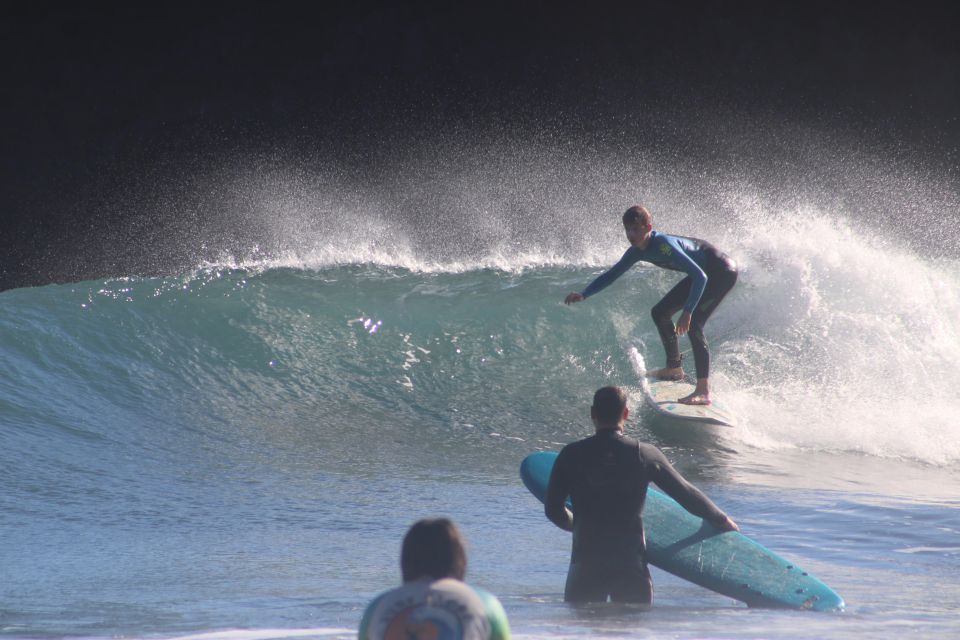
This is a lesson, not a guarantee of perfect surf. The school chooses the meeting point based on weather forecast and surf conditions. Most often it’s Porto da Cruz at Praia da Alagoa, but if the sea makes more sense elsewhere, the meeting point can be Machico at Praia da São Roque.
That adaptability is valuable, but it has one trade-off: sometimes the best safety call also means fewer rideable waves. One participant reported that the group shifted away from a spot with waves to another with little to none due to strong current concerns. They felt the lack of waves turned the lesson less fun, even though the instruction itself stayed “okay.”
So here’s the practical takeaway for you: if you book this, go in expecting a learning-focused session. The goal is to improve, not just to rack up rides.
Coaching style that actually helps beginners stand
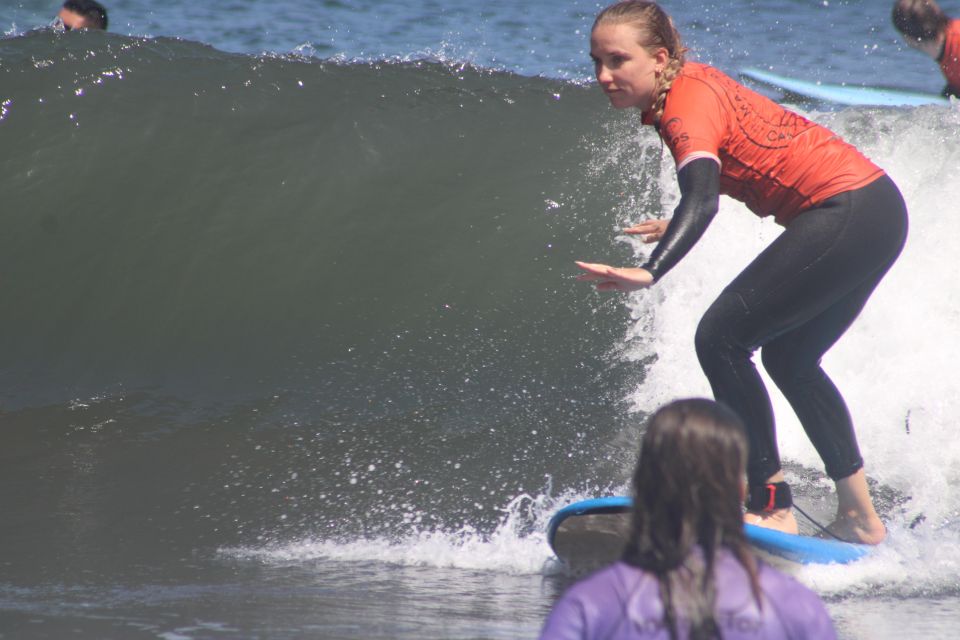
The instructors are the reason this lesson earns such a strong rating. Multiple participants highlighted patience, enthusiasm, and teaching that stays clear and practical. In particular, named instructors like Antonio and Giges came up as supportive and motivating.
What that usually looks like on a beginner lesson:
- You get coaching on the exact moment to pop up to standing
- You’re guided in the water so you can build confidence, not just watch others
- You receive reminders tailored to what you’re doing wrong in real time
If you’re new, the difference between knowing the theory and getting your body to do it is massive. This kind of instruction helps you shorten that gap quickly. And because groups are limited to 10 people, you’re less likely to feel lost when you wipe out.


What you’ll bring (and what you shouldn’t assume is provided)
The school provides your board and wetsuit, and it also covers wax and leash. But you should plan on bringing your own comfort items. For a smooth day, pack:
- change of clothes
- towel
- sunscreen
- beachwear (you’ll want to swim first, not change first)
- comfortable clothing for the day
- water and a light snack
Small detail, big comfort: plan to get cold fast after you finish surfing. Even if Madeira feels warm before you suit up, ocean wind and wet gear can change the temperature in a hurry. Your towel and dry clothes are what keep the experience from turning into “why did I do this” afterward.
Also note: no pickup and drop-off. You’ll handle your own transportation to the meeting point.
Meeting point changes: Porto da Cruz vs. Machico
This is one of the most important logistical bits because it affects where you should start your day. The meeting location is based on the forecast and surf conditions. The school will let you know in advance where to meet.
You should be ready for either:
- Porto da Cruz, meeting at Praia da Alagoa
- Machico, meeting at Praia da São Roque
If you want to reduce stress, keep your schedule flexible and don’t lock in a far-away plan immediately before or after your lesson. In places like Madeira, the sea calls the shots.
Price and value: is $76 for a two-hour lesson fair?
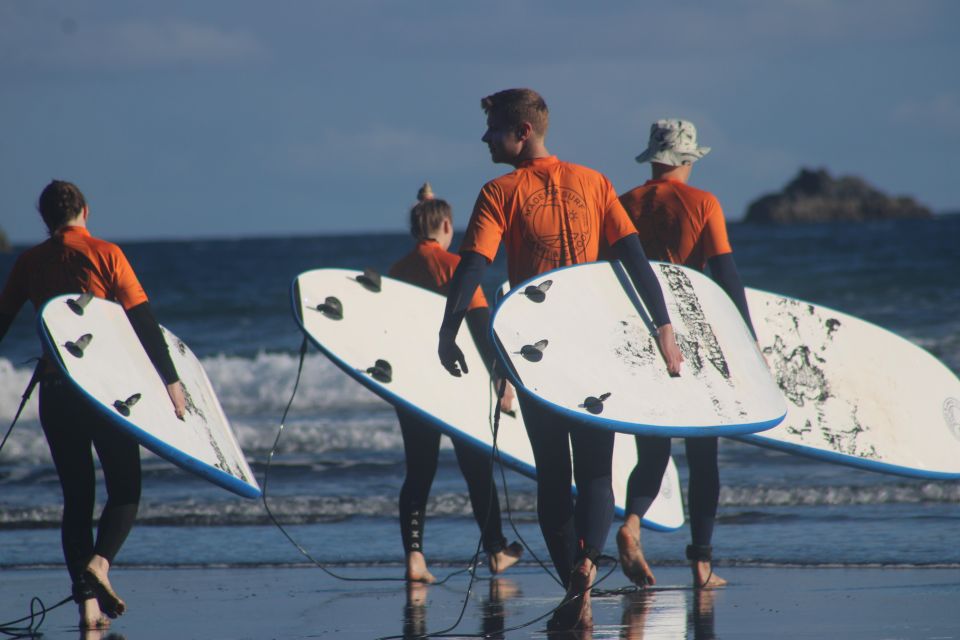
$76 per person for a two-hour surf lesson is reasonable when you look at what’s included. You’re getting not only instruction, but the stuff that makes learning possible:
- surfboard and wetsuit
- leash and wax
- insurance coverage
- safety and local conditions explanation
- a local, certified instructor team
- a small-group format
If you tried to DIY it—renting gear, figuring out currents, guessing wave spots—you’d spend money and still arrive with uncertainty. This lesson bundles the learning, the equipment, and local knowledge into one price.
Is it perfect value every day? No, because wave quality can vary with the ocean. But the structure is built to help you learn regardless. If you catch some waves and stand once or twice during the session, you’ll feel the value fast.
Who this lesson suits best (and who should skip it)
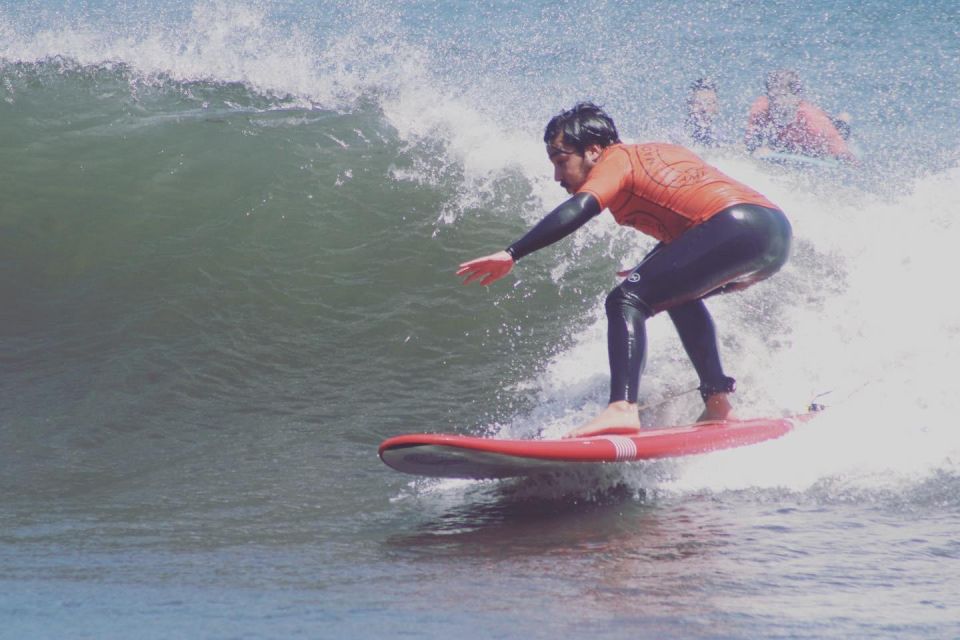
This is designed for all surf levels, which is great if you’re traveling with friends who are at different abilities. Beginners are the core audience, especially in Porto da Cruz where the surf school targets conditions that are popular for first-timers.
It’s also in small groups, so it can be a good option for people who want guidance without a crowded vibe.
On the not-suitable side, the lesson is not for:
- children under 12
- people over 70
If you fall into either group, you’ll want to look for a different format.
Common hiccups to plan around (so you don’t lose the fun)
A couple things can surprise you, and it’s better to know now:
- Lesson times can change due to sea or weather conditions. The times shown for booking are informational, and the surf school defines the final start time.
- Rain or shine means you should dress for damp wind and keep your towel and dry layer close.
- Wave availability varies. If currents are strong, the school may shift you to a safer location that might have fewer rideable waves.
None of this means the lesson is bad. It just means you’re surfing the Atlantic. The ocean has opinions.
Should you book this Madeira surf lesson?
Book it if you want an approachable first step into surfing on Madeira, with small-group coaching and real local instruction. It’s especially worth it if you care about learning technique—standing up, reading conditions, and building confidence—because the instructor style is repeatedly praised for clarity and encouragement.
Skip it or adjust expectations if your priority is maximum wave rides at all costs. The school chooses spots based on safety and conditions, and on a rough-current day you might end up in a quieter setup. Think learning and progress first, not just action clips.
If you’re flexible, bring the right gear, and trust the school’s judgment, you’ll leave with a skill you can build on—whether you return to Madeira surf again or try your first session elsewhere.
FAQ
How long is the Madeira surf lesson?
The lesson lasts 2 hours.
How much does it cost?
It costs $76 per person.
What’s included in the price?
Board and wetsuit are included, along with a small-group lesson, surf instructor guidance (certified by the Portuguese Surfing Federation), and insurance coverage.
Where do we meet?
The meeting point depends on forecast and surf conditions. You’ll meet at Praia da Alagoa in Porto da Cruz or at Praia da São Roque in Machico, and you’ll be told in advance where.
Is there pickup or drop-off?
No, there is no pickup and drop-off.
What should I bring?
Bring a towel, sunscreen, beachwear, comfortable clothing for the day, a change of clothes, and (recommended) water and a light snack.
What language are the instructors?
Instructors speak English and Portuguese.
If you want, tell me your travel month and whether you’re a true beginner or already standing on a board. I’ll suggest what time of day to aim for and how to plan around tides in a way that keeps the day fun.