REVIEW · LAGOS
Pastel de Nata Baking Class – Portugal’s Famous Custard Tart
Book on Viator →Operated by The Kitchen · Bookable on Viator
Custard tart magic happens in a small Lagos kitchen. This hands-on class teaches the classic Pastéis de Nata steps, from creamy filling to the final bake.
Two things I like a lot: the teaching style of Joana Glória and team, and the fact you leave with a PDF recipe by email to practice at home. You’re not just watching food happen; you’re making it.
One consideration: you might not roll every bit of pastry dough from scratch, since some pastry components are reused as part of a practical waste-saving approach. That still keeps the focus on custard and assembly, but it changes what you’ll physically do.
In This Review
- Key things to know before you go
- Finding The Kitchen in Lagos (and why location matters)
- Inside the classroom: how Joana Glória teaches
- Making custard: the skill that decides everything
- Pastry prep and assembly: what you’ll (and won’t) do
- The bake cycle: timing, oven moments, and patience
- Tasting your Pastel de Nata (and the port add-on)
- Your take-home upgrade: the PDF recipe
- Value and price: is $78.44 worth it?
- Who this class suits best in the Algarve
- Should you book this Pastéis de Nata class in Lagos?
- FAQ
- How long is the Pastel de Nata baking class in Lagos?
- Is the class taught in English, and what is the group size?
- Do I need prior cooking experience?
- Will I make the puff pastry myself from start to finish?
- What do I eat at the end, and is there port?
- Do I get a recipe after the class?
- What is the cancellation window for a full refund?
Key things to know before you go
- Small group (max 10): more hands-on time and easier help when the pastry gets tricky.
- English-friendly instruction: you’ll get clear guidance through each step.
- Custard + pastry skills in one sitting: you learn how the filling and pastry work together.
- Bake, then eat what you make: you finish by tasting your own Pastel de Nata.
- Port may appear at the end: several classes include a small glass served with the tasting.
- You get a PDF recipe after: useful if you want to recreate the tarts later without guessing.
Finding The Kitchen in Lagos (and why location matters)
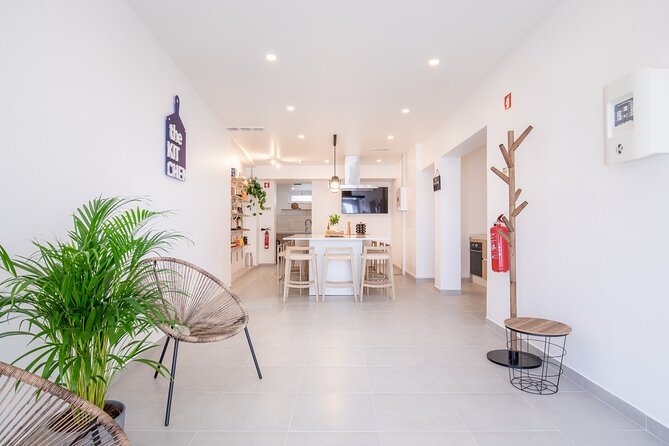
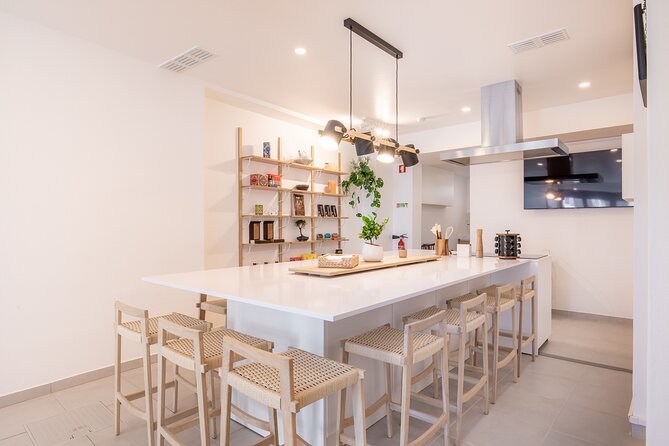
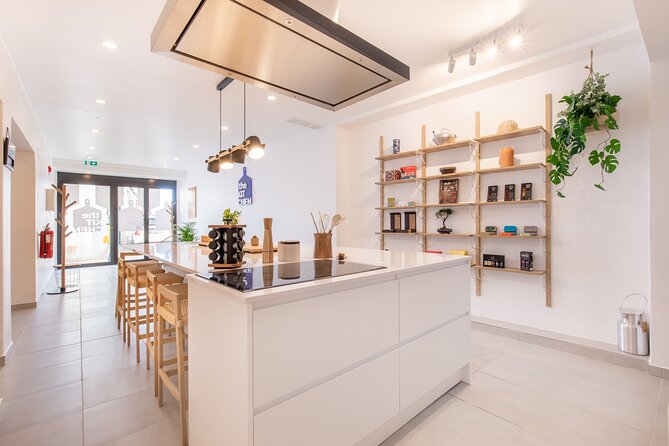
This class starts at Rua Lucinda Anino dos Santos F, 8600-722 Lagos. In practical terms, that address puts you in the thick of Lagos, not out in the countryside where you spend half your day commuting.
The meeting point also matters because the whole experience is about rhythm. Pastéis de Nata rely on timing: custard has to be smooth, pastry has to stay layered, and the bake is when everything turns golden. When your class is tight and focused (about 2 hours), arriving calmly helps.
Also, the class is set up to be easy to reach. It’s described as being near public transportation, so you’re not locked into a taxi situation. If you’re already walking around Lagos, this is one of the smarter add-ons because you won’t waste time getting there.
Finally, the group size is small. That means you should expect a more personal setup than a big demo. If you like asking questions while your hands are actually involved, this is a good fit.
You can also read our reviews of more tours and experiences in Lagos.

Inside the classroom: how Joana Glória teaches
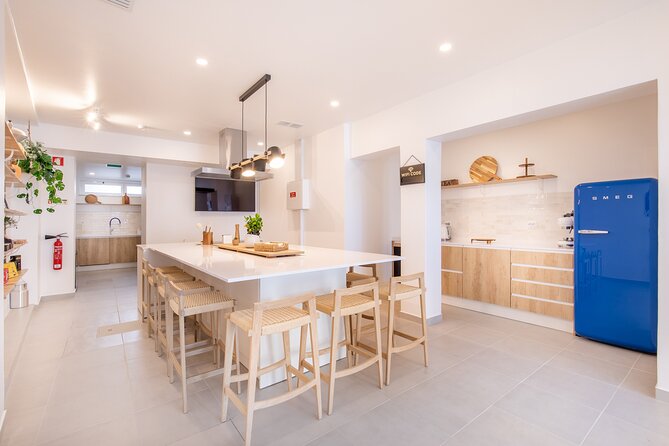
The Kitchen is built around instruction, not theater. From the way people describe their experience, the vibe is friendly, lively, and tightly organized. Joana Glória is specifically mentioned as engaging and entertaining, with step-by-step tuition that works even if you don’t have a cooking background.
One thing I love about classes like this is how they blend technique with confidence. Pastéis de Nata can look fussy from afar. In a good class, you learn that the process is mostly repeatable: custard first, pastry next, then assembly and bake. When you follow the steps in order, the fear factor drops fast.
You’ll also notice a helpful “pace” trick. Some classes include games while you wait for the tart timing to catch up. That’s not fluff. It makes the waiting period feel shorter, and it keeps the room from turning into a bored line of people watching the oven temperature.
You’re not alone at your station either. With a maximum of 10 people, you’re close enough for the team to correct small issues quickly—things like filling texture, pastry placement, or how to handle the tart shapes without stress.
If you’re the kind of person who gets a little nervous when food is involved, you’ll likely appreciate the calm confidence in the room. Multiple comments highlight that the instruction is patient and welcoming, and that English communication is strong.
Making custard: the skill that decides everything
Pastéis de Nata are famous, but the real key is the custard. It’s not just sweet cream; it’s set, smooth, and slightly rich, with a flavor that stands up to the pastry layers.
In this class, you learn how to make the creamy custard, and the teaching goal is to show you how to build it so it bakes into that classic texture. Based on the structure of the class, you should expect a guided process that covers ingredients, mixing method, and the point where the custard is ready to fill the pastry cases.
What’s valuable for you here is not only the taste, but the transfer to your kitchen at home. Once you understand how the custard behaves—how smooth it needs to be, and what consistency looks right—you can usually recreate it even if you don’t have perfect equipment.
Also, custard is the step where beginners can often do really well. It’s measurable, and with guidance, you can focus on doing it correctly rather than improvising. People also describe the steps as doable without prior cooking experience, which fits the way the class is designed.
Pastry prep and assembly: what you’ll (and won’t) do
Here’s the honest part. The overall class goals include preparing puff pastry, and the instructions aim to show how each component works. But at least one review gives a crucial detail: some pastry components (like pastry used for cases) may be prepared ahead of time by previous participants as part of a sustainable approach. That means you may not roll every bit of dough yourself from raw ingredients in that exact session.
So how should you think about it?
- You’ll still learn the process in a hands-on way: you’ll work on assembling and filling, and you’ll get instruction on what matters.
- You may not get to perform every single step of dough-making personally, because the class uses a reuse approach to reduce waste and manage time.
That reuse approach is explained as practical: instead of discarding dough repeatedly, the operation reuses pastry from prior sessions while still preparing pastry for each class. The tradeoff is that you may spend less time on the densest pastry mechanics and more time on the steps that most people remember: making the filling, filling the cases, and getting the bake right.
If you’re the kind of cook who wants to personally do every motion—roll, cut, fold, repeat—this could feel slightly limiting. If you care more about understanding the system and producing a great result, the compromise likely works in your favor.
And don’t overthink perfection. One of the funniest bits people mentioned is that a few pastries can escape their pastry cases. In practice, that’s one of the realities of working with warm dough and molds. The good news is that even imperfect-looking tarts can still taste fantastic when the custard and bake are done well.
The bake cycle: timing, oven moments, and patience
The oven is where Pastéis de Nata become Pastéis de Nata. This class is built so you go from mixing to filling to baking within the same experience window (about 2 hours total).
While you wait, you’ll likely be kept busy (some sessions include games), which helps. Waiting matters because custard and pastry need their moment to transform: the pastry should crisp and layer, while the custard sets into that signature custard texture.
This is also where you’ll benefit from small-group attention. When you’re filling your tarts, you need consistency so they bake evenly. When you’re handling pastry shapes, you need to place them correctly so they hold the cup for filling.
If you’re a first-timer, the biggest win is that you can ask, before you commit, how full to fill, how to handle the pastry, and what to watch for in the baking stage. That guidance is the difference between a tart that tastes great and one that looks right too.
And yes, some people end up with little pastry mishaps. But that’s part of learning. The class is structured to help you recover and still produce a tasty end result.
A few more Lagos tours and experiences worth a look



Tasting your Pastel de Nata (and the port add-on)
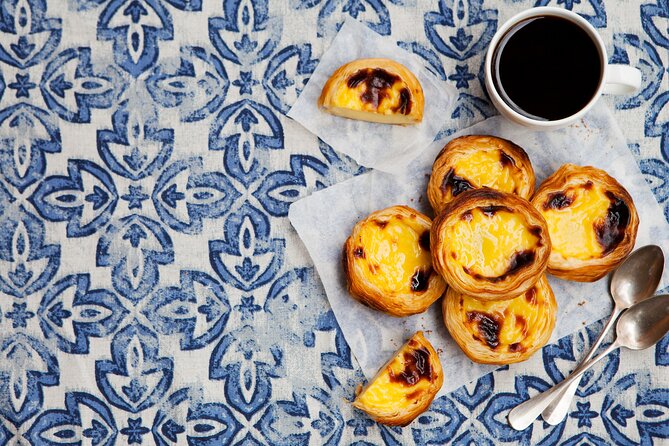
At the end of the class, you eat the custard tarts you cooked during the session. That is exactly what you want. You’re not paying just to learn; you’re paying to practice and taste the payoff.
Several descriptions also mention a small glass of port wine served with the tasting. The class sample menu clearly lists dessert as Pastel de Nata, but the additional port detail shows up in reviews, so it seems to be part of many sessions.
Either way, the tasting is the reality check. You’ll see what “good” looks like: set custard, a pastry shell that’s crisp at the edges, and that classic balance of sweet custard against pastry.
If you’re wondering how fresh it will feel, that’s the point. This is eaten right after baking, so you get the aroma and warmth that makes Pastéis de Nata feel like more than just dessert.
Your take-home upgrade: the PDF recipe
Here’s a detail that makes this class more valuable than a one-and-done food tour: after the experience, you receive an email with a PDF recipe.
That PDF matters if you want to recreate the tarts later, because Pastéis de Nata aren’t a throw-together dessert. Custard consistency and filling amounts can be the difference between success and a kitchen experiment.
With a recipe you can reference later, you’re more likely to actually cook again at home instead of letting the lesson fade. It also gives you a way to share with friends, which is useful if you’re traveling with someone who wants souvenirs you can eat twice.
If you’re the type who brings home cooking memories instead of magnets, this is one of the strongest reasons to book.
Value and price: is $78.44 worth it?

At $78.44 per person for about 2 hours, this isn’t the cheapest activity in Lagos. But it also isn’t priced like a mass-market group demo. The value comes from four things:
- Small group size (max 10), which improves hands-on coaching.
- You bake and eat what you make, so you’re not just touring.
- All ingredients and tools are included, which removes the hidden cost problem.
- You get a PDF recipe after, which turns the experience into a skill you can repeat.
For food lovers, that’s a fair trade. In many cooking classes, you pay for the instruction plus the ingredient cost, and then you get a plate at the end. This class seems to deliver both, with extra value in the recipe follow-up and the focus on the iconic Portuguese tart process.
Where it may not be worth it is if your main goal is to do every pastry step from raw dough in that exact session. The reuse approach can reduce the amount of dough-making you personally handle. If that’s your top priority, you might want to temper expectations.
But if your goal is Pastéis de Nata success—custard, assembly, and an actual finished result—this price feels aligned with what you get.
Who this class suits best in the Algarve
This is the kind of experience that works for a lot of travelers.
- Beginners: people describe it as doable even without cooking experience.
- Foodies who want technique: you’re learning how the components work, not just eating Portuguese pastries.
- Groups of friends: small size means it’s social, but structured. One review even mentioned Joana adding a candle for a birthday moment, which tells you the room is willing to make it feel special.
- Anyone who wants a Lagos activity that feels local: you’re not just buying a tart; you’re learning the craft behind a Portuguese icon.
If you’re traveling with kids, it could work depending on their attention span, but the data doesn’t spell out a specific age policy. If you’re bringing younger people, you might want to ask ahead.
If you have severe mobility limits or need accommodations beyond what’s stated, you’ll need to confirm details with the provider. The only accessibility-related note given is that service animals are allowed.
Should you book this Pastéis de Nata class in Lagos?
Yes, book it if you want a real skill, not just a dessert stop. The mix of hands-on tuition, a small group, and the PDF recipe after makes it easier to turn a fun afternoon into a repeatable result at home. If you like your travel with a side of technique, this fits.
Skip it (or go in with eyes open) if your priority is making every pastry step from scratch yourself during the session. Because some pastry elements may be reused to reduce waste and manage time, you might not do the full dough-making sequence end to end.
FAQ
How long is the Pastel de Nata baking class in Lagos?
The class runs for about 2 hours.
Is the class taught in English, and what is the group size?
It’s offered in English, and the experience has a maximum of 10 travelers.
Do I need prior cooking experience?
No cooking experience is required, and the steps are taught in a way that works for beginners.
Will I make the puff pastry myself from start to finish?
You learn about preparing the pastry as part of the class goals, but a feedback note explains that some pastry components may be prepared ahead of time and reused as part of a waste-saving approach. That means you may focus more on custard and assembly during your session.
What do I eat at the end, and is there port?
You eat the Pastel de Nata you baked during the class. Some classes also include a small class of port served with the tasting, based on the experience feedback provided.
Do I get a recipe after the class?
Yes. After the experience, you receive an email with a PDF recipe you can use to recreate Pastéis de Nata at home.
What is the cancellation window for a full refund?
You can cancel for a full refund up to 24 hours before the experience’s start time. Canceling less than 24 hours before does not provide a refund.