REVIEW · MADEIRA
Madeira: Coasteering Adventure with Snorkeling, w/pick-up
Book on GetYourGuide →Operated by Remote Madeira · Bookable on GetYourGuide
Stone cliffs demand quick courage. This Madeira coasteering tour pairs cliff jumps with snorkeling for a full-on coastal adventure.
You’ll gear up fast and head to Ponta de São Lourenço for about 3 hours of guided scrambling, jumps of different sizes, sea caves, and natural pools, with a scenic reset halfway through. You’ll finish with snorkeling to see the fish up close, plus free photos and videos as souvenirs.
Two things I really like: the way the guides teach jump technique so you can progress from smaller jumps to bigger ones at your comfort level, and the fact that you don’t have to manage a camera—your set of action shots is handled for you. A possible drawback: this isn’t a “sit on a boat” activity, so if you hate heights or you’re not a strong swimmer, the route and jump options will feel like too much.
In This Review
- Madeira Coasteering: What This 5-Hour Coast Run Really Feels Like
- Key Highlights You Should Actually Care About
- Pickup From Funchal and Caniço: How the Timing Works
- Gear-Up and Safety: Wetsuit, Helmet, Life Vest, and Jump Technique
- Ponta de São Lourenço: Scrambles, Sea Caves, and the Jump Ladder
- Jumping Into Clear Water and Exploring Caves at Sea Level
- Snorkeling for Colorful Fish: The End-of-Trip Payoff
- Free Photos and Videos: The Memory Service That Actually Works
- Price and Value: Is $72 a Good Deal Here?
- Who Should Book This Coasteering Tour (and Who Should Skip It)
- Planning Checklist: What to Bring (and What Not to Do)
- Should You Book Remote Madeira Coasteering with Snorkeling?
- FAQ
- What’s the duration of the Madeira coasteering adventure with snorkeling?
- Where do pick-ups happen in Funchal and Caniço?
- What gear is included?
- What’s the highest jump you can attempt?
- What do I need to bring?
- What health and ability limits apply?
Madeira Coasteering: What This 5-Hour Coast Run Really Feels Like
Expect a mix of scrambling over rocks and jumping into open water, with your guide constantly adjusting to how you’re doing. The day is built around the idea that you’ll build confidence step by step: start with easier jumps, then try bigger ones if your head and body say yes. The top challenge is a 13-meter jump, but the tour is designed so you can keep the fun without feeling forced.
One nice detail is how the activity blends land and sea. You’re not just leaping off cliffs; you’re also moving through tide-shaped terrain, spotting sea caves and natural pools, and working your way along the coast between jump points. Add snorkeling at the end—when you’re warmed up and feeling proud—and the whole thing lands as more than a thrill ride.
Key Highlights You Should Actually Care About
- A graduated jump plan: small jumps first, then bigger options up to the 13-meter top jump
- Sea-cave and pool time: coast walking plus exploring natural features, not only jumping
- Guide-led tricks: tips to learn backflips or create your own jump style
- Snorkeling reward at the end: colorful fish and underwater rock formations after the adrenaline
- Free photos and videos: you get the memories without worrying about shooting in action
You can also read our reviews of more snorkeling tours in Madeira
Pickup From Funchal and Caniço: How the Timing Works
This is a classic “half-day adventure” format: you meet the guide, get kitted out, then you’re on the move to your coastline section. Pickup is included in the Funchal and Caniço area, with three common meeting points: CR7 Museum (Funchal), Funchal Cable Car, or Sport Zone Cancela. If you’re outside that area, there’s an extra €15 per person.
Plan for about 30 minutes of van time to get from the pickup area to the start of the guided coastal section. The guided portion is about 3 hours at Ponta de São Lourenço, and then you ride back (again, about 30 minutes) to drop-off at the same three locations.
Why this matters: you’re not losing your day to transfers. You still get a full tour feel, but you’ll have time afterward to eat, explore, or just recover with a normal human pace.
Gear-Up and Safety: Wetsuit, Helmet, Life Vest, and Jump Technique
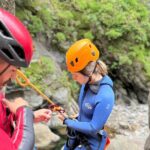
The tour starts with getting your kit on. You’ll be provided with the essentials: wetsuit, helmet, life vest, and snorkeling gear. Some groups also report getting neoprene boots and socks, which is a big deal for comfort when you’re scrambling on uneven rock.
Before you go, there’s a safety briefing. Then you start with smaller jumps to find your timing and confidence. What makes this work (and what the reviews consistently reward) is that the guide doesn’t just say jump. They talk you through technique and keep things encouraging without pushing you into something you don’t want.
You’ll also want to think realistically about the kind of movement this requires. Even if you pick the “smaller jump” options, you’re still doing climbing and rock traversal. This is why the tour is marked as not suitable for non-swimmers, and why people with back or heart problems should skip it.
One small consideration: that opening briefing spot can sometimes feel exposed or breezy, so bring a light layer if you tend to get cold in wind.
Ponta de São Lourenço: Scrambles, Sea Caves, and the Jump Ladder
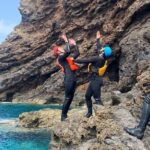
The core of the day happens along Madeira’s dramatic coastline near Ponta de São Lourenço. You’ll spend about 3 hours with your guides moving between jump points, climbing over rock, and working your way along the coast.
Here’s what you can expect the “on the ground” way:
- You’ll begin with smaller jumps to learn the flow and timing.
- As you settle in, you can choose bigger jumps if you feel ready.
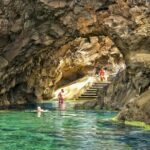
- You’ll also explore sea caves and natural pools, which adds variety and makes the route feel like an adventure route, not a single repeated jump.
About the jumps: the tour lists an ultimate challenge of a 13-meter jump, but in real sessions some groups have done smaller top jumps like 11 meters. Either way, you’ll get options. One recurring theme from people who loved it: you’re never “pressured” into the big height, and your guide will find an alternative path or jump size if you want it.
If you’re into stunts, this is where it gets extra fun. Guides give tips for backflips and also encourage you to invent your own jump style. Even if you don’t go full flip, you’ll likely leave understanding how to approach takeoff and entry safely—because you’re coached, not guessed.
Jumping Into Clear Water and Exploring Caves at Sea Level
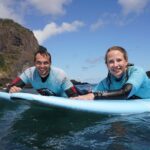
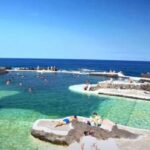
Once you’re in the water, the activity shifts from adrenaline to motion. You’ll swim between points and use the coastline’s natural shapes—pools, ledges, and cave openings—as part of the route.
The snorkeling isn’t thrown in randomly. It’s planned as a reward after the tougher parts, and the guides keep you moving through the natural environment. That matters because Madeira’s coast isn’t just dramatic from above. It’s a working maze at water level.
Also, the day is long enough for you to build rhythm. There’s a break halfway through so you can recharge and look around. That reset is practical. After your first jump sequence, it helps to catch your breath, fix your posture, and mentally line up the rest of the route.

Snorkeling for Colorful Fish: The End-of-Trip Payoff
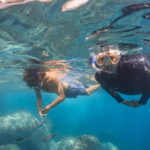
At the end, you swap from jumps-and-scrambles mode to snorkeling. This is described as crystal-clear water where you can see colorful fish and rock formations. It’s a clever close to the day: you go from high effort to a slower, more visual experience.
Why this “snorkel at the end” detail is so valuable: if you start snorkeling first, you might miss it while you’re still tense about the jumps. By doing it after, you’re usually calmer, more comfortable in the gear, and ready to actually enjoy what’s around you.
You’re provided snorkeling gear, so you don’t need to pack anything besides the basics. And because you’ve already been in the water, you’re not going in cold and uncertain.
Free Photos and Videos: The Memory Service That Actually Works
One of the smartest perks here is that you’re not stuck asking strangers to film you. The tour includes free photos and videos from your adventure, and guides help you gear down at the end.
From the way people describe it, the photos are quick to receive, and the footage focuses on the exact moments you’ll replay later: cliff entries, the jump ladder progression, and the “I can’t believe I did that” stage.
Practical tip: if you’re doing flips or trying a bigger jump, don’t wear your bravest face for the whole day. Focus on technique first. The guide’s camera timing is built around the action moments, not your whole personality.
Price and Value: Is $72 a Good Deal Here?
At about $72 per person for a 5-hour adventure, this isn’t the cheapest thing on Madeira. But it is strong value if you want an activity that feels like a full experience: transport, gear, guided coaching, cliff jumping options, sea-cave exploration, plus snorkeling and included photos.
Here’s how I judge value for this kind of tour:
- You’re paying for coaching and safety structure, not just access to a coastline.
- You get gear included, which saves you the hassle of renting or buying wetsuit equipment.
- The photo/video component turns the day into a souvenir package, not just a sweaty memory.
If you compare it to the cost of doing a half-day activity on your own plus equipment plus guide time, the price starts to make sense. It’s especially worth it if you’re the type who likes structured challenges and clear instruction—because the guides do more than “watch from the shore.”
Who Should Book This Coasteering Tour (and Who Should Skip It)
This is a good match if you:
- Can swim confidently (not suitable for non-swimmers)
- Want a mix of adrenaline and real coastal exploration (caves, pools, rock scrambling)
- Like progressive challenges—start small, then choose your next step
- Don’t mind getting wet and working your legs and core
It’s not a good match if you:
- Need a low-height or no-height experience (you can choose smaller jumps, but it’s still a cliff-jumping activity)
- Have back problems or heart problems
- Are younger than the minimum age of 8 years old
A quick reality check: people often focus on the jumps. The coasteering part—the walking, scrambling, and balance—also matters. Reviews mention groups spanning a wide age range, including kids around 9 to 12, but the common thread is comfort with effort and water.
Planning Checklist: What to Bring (and What Not to Do)
Bring:
- Swimwear
- Towel
- Water
Don’t bring (or don’t use):
- Smoking
- Alcohol and drugs
You’ll be provided with the water safety gear and snorkeling equipment, so pack light. Also, consider wearing a swimsuit you’re okay with getting scuffed, since rock and gear contact are part of the experience.
Should You Book Remote Madeira Coasteering with Snorkeling?
If you want Madeira in its most physical form—salt air, cliff lines, sea caves, and an ending snorkel—you should book this. It’s built around choice: you can aim for the big jump if you’re ready, or take smaller options if you’re not. The guide coaching and the free photos make it feel like you’re paying for a structured, memorable day, not just tickets to a risky coastline.
Skip it if you know you can’t handle heights, you’re not a strong swimmer, or you have health limits like back or heart issues. In those cases, you’ll be better off with a calmer coast experience where you can enjoy the scenery without the physical demands.
FAQ
What’s the duration of the Madeira coasteering adventure with snorkeling?
The activity runs for about 5 hours total.
Where do pick-ups happen in Funchal and Caniço?
Pickup is available from three locations: CR7 Museum, Funchal Cable Car, and Sport Zone Cancela.
What gear is included?
You’ll receive wetsuit, helmet, life vest, and snorkeling gear.
What’s the highest jump you can attempt?
The ultimate challenge jump is listed as 13 meters, with smaller jumps available if you prefer.
What do I need to bring?
Bring swimwear, a towel, and water.
What health and ability limits apply?
Minimum age is 8. The tour is not suitable for non-swimmers and it’s not recommended for people with back problems or heart problems. If you have an injury, you should tell the guides in advance.