REVIEW · MADEIRA
Incredible tour to a ‘Faja’ with a story
Book on Viator →Operated by Faja dos Padres · Bookable on Viator
Cable car to a working sea farm. On Madeira, Fajã dos Padres is an organic spot on the south coast where you learn why Jesuits first settled here about 150 years ago, then you walk among orchards and end with fruit tasting from the farm. It’s the kind of place that feels lived-in, not staged.
Two things I especially liked: getting the history in plain language with guide Fatima, and eating produce that actually tastes like it came from that exact soil and sea air. The one real consideration is the cable car access and the fact that the visit involves walking on uneven ground. If you have walking limitations, you’ll want to think twice.
In This Review
- Key highlights you’ll care about
- Why Fajã dos Padres feels like Madeira, not a theme park
- Getting there on Madeira: cable car access and the 10:30 start
- The Jesuit story: why the farm exists where it does
- Walking the working farm: organic orchards, sea views, and a pebble beach
- Fruit tasting on Madeira: what you’re eating and why it tastes different
- The restaurant terrace: fish and produce with ocean views
- Cabins, showers, and the idea of staying overnight
- Price and value: is $42.33 per person fair?
- Who this tour suits best (and who should pass)
- Should you book the Fajã dos Padres tour?
- FAQ
- What is the duration of the Fajã dos Padres tour?
- Where do I meet for the tour?
- How many people are in a group?
- Is the tour offered in English?
- Do I need good weather?
- Can I get a refund if I cancel?
Key highlights you’ll care about
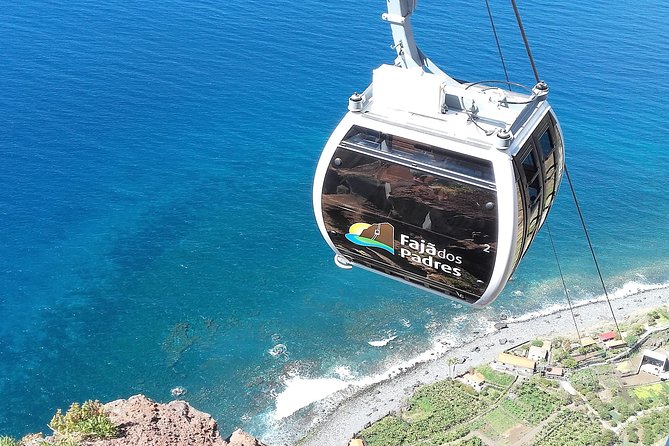
- A fajã you can only reach by cable car or sea, right by a pebble beach
- Jesuit history behind why this settlement exists and how it shaped the place
- Organic orchards by the ocean, with paths for photos and fresh air
- Guide Fatima’s tour flow, focused on the farm and how it’s run day to day
- Restaurant terrace views and a chance to eat using locally grown produce
Why Fajã dos Padres feels like Madeira, not a theme park
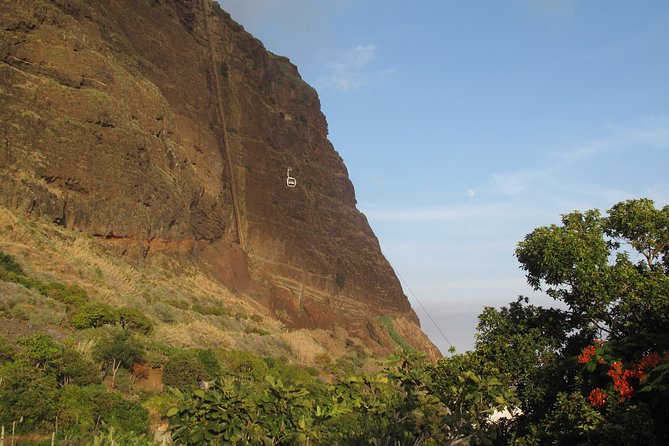
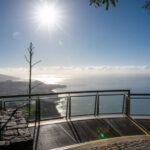
Madeira has plenty of viewpoints and candy-color villages. Fajã dos Padres is different. This is a seaside fajã—a coastal terrace area—where farming still happens by the water, and the sea is close enough that you feel it in the air.
What makes this tour stand out is the mix of three things that usually don’t meet in one place: a working organic farm, a real historical origin story tied to the Jesuits, and access by cable car that instantly slows you down. From the moment you start moving toward the fajã, it feels like you’re going somewhere local people actually use, not just a stop for photos.
You also get the practical payoff: you taste what’s growing there, not just hear about it. Even if you’re not a fruit person, you’ll still come away noticing flavors that feel sharper and fresher than what you’ll find back in big supermarkets.
You can also read our reviews of more tours and experiences in Madeira.
Getting there on Madeira: cable car access and the 10:30 start
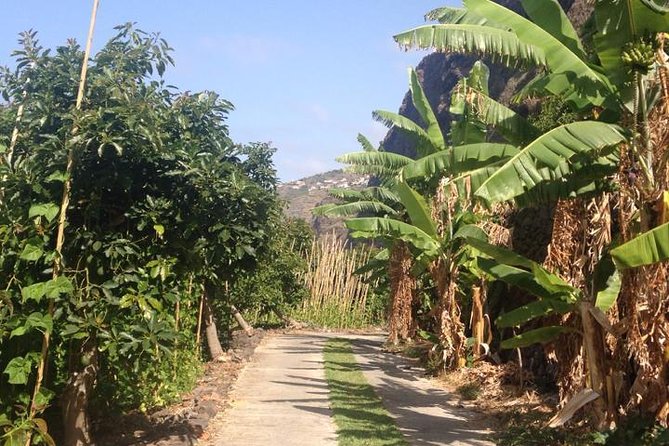
The tour is set up around getting to Fajã dos Padres, which can only be reached by cable car or by sea. That matters because it turns the visit into more of an excursion than a quick walk-and-go attraction.
You meet at Estr. Padre António Dinis Henrique 1, 9300-261 Quinta Grande. The start time is 10:30 am, and the experience ends back at the same meeting point. It runs about 2 hours, so you’re not signing up for a half-day detour unless you want to add a longer lunch afterward.
A couple logistics notes that will help you enjoy it:
- Plan on good weather. The experience requires decent conditions, and if weather is poor, you’ll be offered a different date or a full refund.
- Bring a layer. Even on a sunny morning, the sea air can feel cooler once you’re down by the coast.
- If the cable car ride is stressful for you, know that people describe it as not for the faint-hearted—but the views are part of the reward.
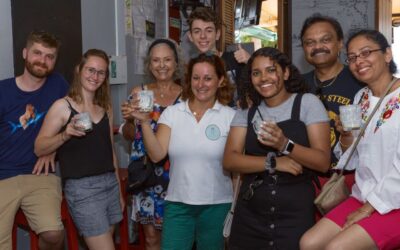
Because the tour group is capped at 12 travelers, the flow feels more personal than the bigger coach-style tours. That’s a big deal on Madeira, where you can otherwise end up spending most of your time herding through narrow spots.
The Jesuit story: why the farm exists where it does
Fajã dos Padres didn’t start as an Instagram stop. The origin story matters here: the fajã was first inhabited by Jesuits about 150 years ago.
When Fatima explains how and why people settled this kind of coastal place, it makes the whole area click. You start to understand why farming fits here despite the sea proximity and the limited access. It also helps you see the fajã as something that’s been shaped over time by geography, not just by modern tourism.
The best part is that the story doesn’t feel like a lecture. It’s woven into what you’re seeing—orchards, working areas, and the rhythm of a place that depends on people showing up and doing the work. That’s why the tour feels wholesome: you learn the past while looking at the present.
And yes, it’s a story you’ll remember later. When you’re back on Madeira’s busier roads, you’ll catch yourself thinking about how unusual it is to have a cultivated farm right by the sea—still accessible only by cable car or water.
Walking the working farm: organic orchards, sea views, and a pebble beach
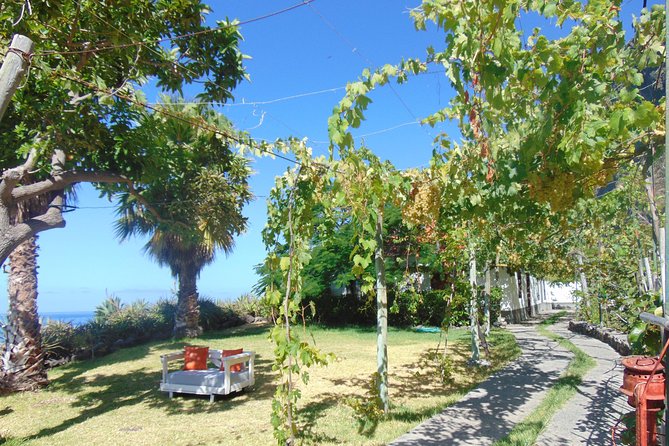
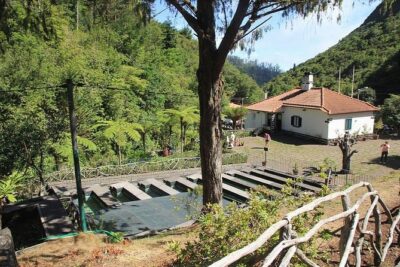
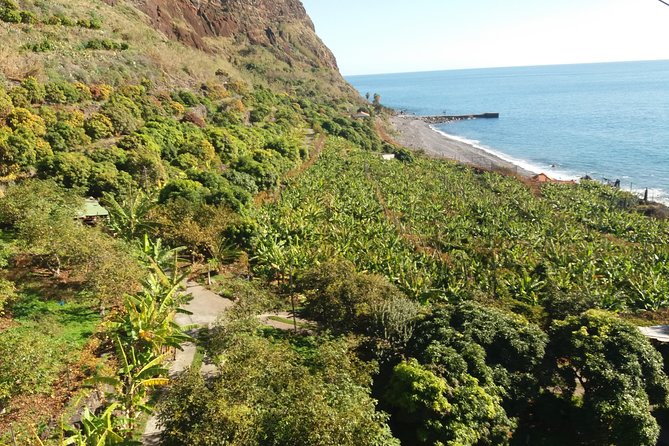
Once you’re at the fajã, the tour focuses on the working farm. You’ll walk through orchards and paths where you can see how the place is organized for growing produce close to the shoreline.
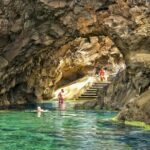
One standout physical detail is that this fajã has an exclusive pebble beach running the full extension. It’s not a quick “look at the ocean” moment. You really get that sense of being alongside the water—plus you’ll understand why the whole site is set up the way it is.
You’ll also notice visitor features that make it more than a farmland-only stop. The fajã has a restaurant, plus practical things like showers and cabins for visitors. Those details matter because they signal that people come here for more than an hour. The vibe is more laid-back than you’d expect for something reached by cable car.
Also, the tour can be a bit rural in feel. One reason some people don’t rate it as a perfect 5/5 is that it’s not a polished, high-comfort experience at every turn. It’s a farm by the sea. If you like authenticity and don’t mind uneven ground, that’s exactly the right mindset.
Fruit tasting on Madeira: what you’re eating and why it tastes different
The highlight for many people is the fruit tasting tied to what the farm grows. The tasting is a straightforward way to connect the tour lesson to real flavor in your hands.
A key point: you should expect the variety to reflect their production and what’s in season. That’s actually part of the charm—this isn’t a buffet where you can demand mangoes and papaya. It’s about tasting what the farm has right now, which makes the flavors feel more specific to this corner of Madeira.
If you’re coming from places where tropical fruit is often picked early and shipped far, you’ll probably notice the difference quickly. People who taste here tend to comment on how the flavors feel fresher and more intense than what they’re used to.
There’s also a practical food tip: because this place is popular, eating on-site can sell out. If you plan to have lunch at the restaurant after the tour, try to book it for the same day you’re there.

The restaurant terrace: fish and produce with ocean views
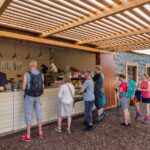
The fajã’s restaurant is known for using locally grown organic produce and serving fresh fish, and the setup is made for lingering. The terrace looks out over the sea, so you’re not just eating—you’re watching the water while you chew.
If you decide to dine here, you’re adding value beyond the 2-hour tour. The food is part of the story: you taste what the farm grows, then you eat what the kitchen turns into a meal.
And if you’re the kind of traveler who likes to plan around ambiance, this is where it hits. The terrace is one of those places where you might start the meal expecting to be done in 45 minutes, and then suddenly it’s time for a second look at the horizon.
Two balanced notes to keep you grounded:
- The food menu reflects what they can get from their own growing cycle.
- Some people feel the accommodation topic gets a bit pushy as the tour wraps up. You can enjoy the tour without taking any extra steps—just know it’s part of the conversation.
Cabins, showers, and the idea of staying overnight
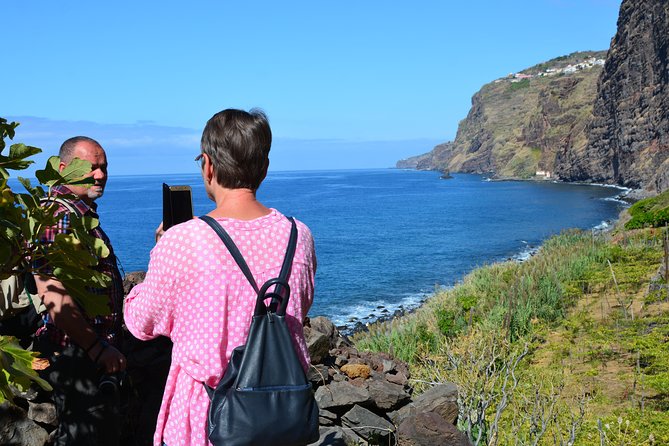
You’ll see evidence that the fajã is set up for longer stays. There are cabins and there’s also mention that small villas overlooking the ocean can be booked.
Even if you’re only doing the day tour, this matters for your expectations. The place is designed for visitors who want time in a slower rhythm. It’s not just a walkthrough stop where you’re out the door the second the tour ends.
If you’re thinking about an overnight, it can be a great fit for travelers who want:
- quiet time by the sea,
- morning and evening light without crowds,
- and a real taste of daily life tied to farming.
Just remember: a farm near the sea is not the same as a hotel with controlled comfort. It’s more rustic, more natural. That’s the point.
Price and value: is $42.33 per person fair?
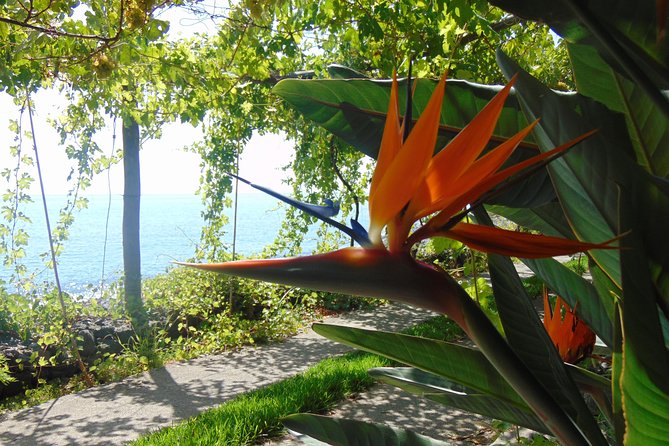
At $42.33 per person for about 2 hours, the price isn’t low. But it can feel fair if you judge it by what you actually get: guided access to a working organic sea-side farm, the Jesuit backstory, orchard walking, and fruit tasting. The admission ticket is included as part of the experience, and the group size stays small at up to 12 travelers.
What you’re paying for is time with the place:
- the fact that it’s operating as a real farm,
- the history you get through the guide,
- and the access method that keeps the fajã special and limited.
Where value may feel weaker is if you’re expecting lots of variety in the tasting, or if you want the experience to feel more polished and more comfortable all the way through. Also, reaching the meeting area and dealing with the cable car can add friction. If your day is already packed, the logistics can feel like part of the cost.
My practical take: book this if you want a genuine working site on Madeira. If you want a quick checklist stop with lots of standardized tourist comforts, this may feel too rural for your taste.
Who this tour suits best (and who should pass)
You’ll probably love this tour if you:
- enjoy food-driven travel (tasting produce is the point),
- like learning how a place works, not just looking at it,
- want a smaller group experience with time and space.
It’s also a good match for couples and solo travelers who don’t want to fight crowds for a viewpoint slot.
You should be cautious if:
- you have walking limitations (it’s not recommended),
- you get stressed by cable car rides,
- you’re only interested in big-flavor tropical fruit beyond what the farm is currently growing.
It can also be a thoughtful choice for families, since the pace is tour-based and the setting invites curiosity. Just remember it’s still an active farm area with real outdoor movement.
On the plus side, service animals are allowed, and it’s near public transportation, which can make the start of the day easier.
Should you book the Fajã dos Padres tour?
I’d book it if you want one memorable Madeira moment that connects history, farming, and sea views—without feeling like you’ve been routed through a tourist factory. The combination of Fatima’s guide style, the working organic farm, and the on-site tasting can make the whole day tour feel like something you’ll still talk about when you’re back home.
Skip or rethink it if you dislike uneven outdoor walking or if the cable car ride sounds like a deal-breaker. Also, if you’re hunting for a wide range of fruit types regardless of season, adjust your expectations: the tasting is tied to what the farm grows.
If your schedule is flexible and the weather looks steady, this is the kind of Madeira experience worth centering. It’s small, specific, and genuinely tied to the place.
FAQ
What is the duration of the Fajã dos Padres tour?
The experience lasts about 2 hours.
Where do I meet for the tour?
You meet at Fajã dos Padres, Estr. Padre António Dinis Henrique 1, 9300-261 Quinta Grande, Portugal.
How many people are in a group?
The tour has a maximum of 12 travelers.
Is the tour offered in English?
Yes, the experience is offered in English.
Do I need good weather?
Yes. The tour requires good weather. If it’s canceled due to poor weather, you’ll be offered a different date or a full refund.
Can I get a refund if I cancel?
You can cancel for a full refund up to 24 hours before the experience’s start time. Free cancellation is available, and changes within 24 hours of the start time aren’t accepted.