REVIEW · PORTO
Port Wine Lodges Tour Including 7 Port Wine Tastings (English)
Book on Viator →Operated by Porto Walkers · Bookable on Viator
Port tastings in three cellars? Yes, please. This half-day walking Port tour moves you from Porto to Vila Nova de Gaia and back into the heart of how Port really gets made, not just how it tastes. I love that it strings together 7 Port tastings across multiple lodges, then layers in museum-style context so you can actually tell styles apart. You’ll also get hands-on, interactive stops plus a food pairing focus.
One thing to keep in mind: this is a no-lunch experience, and a few parts of the visit lean more explanation than pouring, so plan around the pace and pace your sipping.
In This Review
- Key highlights at a glance
- Porto to Gaia on foot: what the route feels like
- Meeting at Pilares da Ponte Pênsil: don’t overthink it
- Entering Vila Nova de Gaia: the cellar-area orientation that pays off
- What you’ll get from the producer’s museum/cellar stop
- Three Port houses and seven tastings: how the tasting flow works
- Pacing tip
- Reserve White and Reserve Tawny, plus young Ruby: learning the Port families
- The interactive visitor center: barrels, cork, and the practical mechanics
- Why this kind of stop is worth it
- Douro Valley interpretation and the Port pairing workshop
- Terrace views on the Gaia side: a payoff you can feel
- Price and value: does $62.88 make sense?
- Who this tour is best for (and who should reconsider)
- Simple planning tips
- Should you book this Port wine lodges tour?
- FAQ
- How long is the Port wine lodges tour?
- How many Port wines will I taste?
- How many Port houses do you visit?
- Where do I meet the guide?
- What time does the tour start and where does it end?
- Is food included?
- Is the tour offered in English and what’s the group size?
- What’s the minimum age for drinking Port?
- Is free cancellation available?
Key highlights at a glance
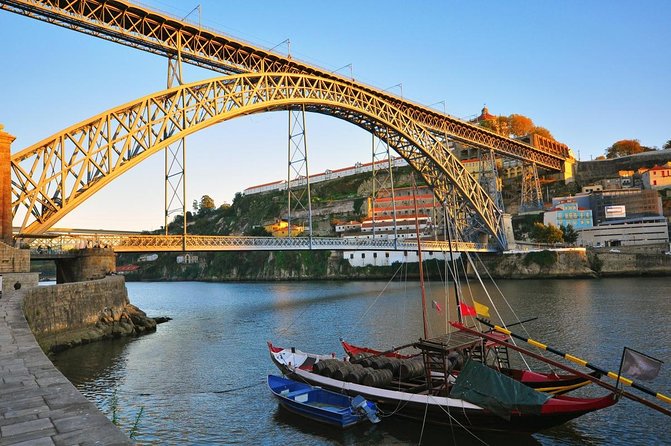
- 7 tastings across 3 Port houses so you taste the range, not just one house’s idea of Port
- Reserve White, Reserve Tawny, and young Ruby to compare styles that taste different for real reasons
- Interactive visitor centers that teach what’s happening in the barrels and how cork is made
- A Douro Valley interpretation workshop with Port pairing tips for food
- Small group size (up to 18) for easier questions while you walk
Porto to Gaia on foot: what the route feels like
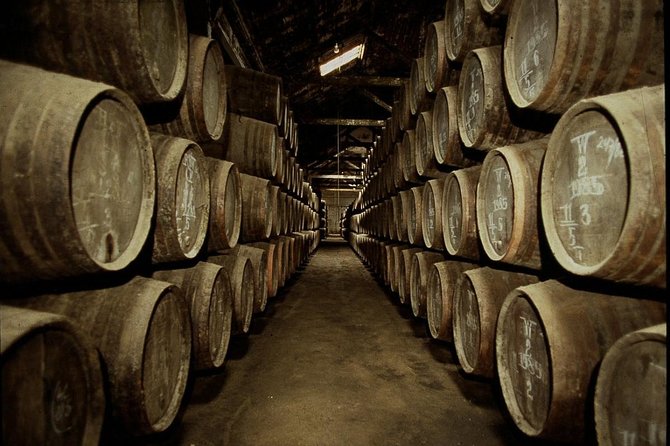
This tour is designed for a smooth, half-day rhythm. You start on the Porto side near the D. Luis Bridge, then head across the cellars zone of Vila Nova de Gaia on foot. It’s not a long hike. The farthest stretch is about 800 meters, and the whole tour is around 3.5 to 4 hours.
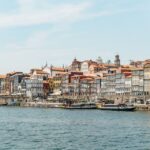
What I like about that kind of pacing is you get a real sense of the geography. Porto is the pretty riverfront postcard; Gaia is the industrial cellar side where the work happens. You’ll walk between the two worlds without needing a taxi or trying to plan connections.
Also, because it’s all walking, the timing matters. You’re starting in the afternoon (3:00 pm), which is smart here: the city feels alive, and the cellar area doesn’t bake you the way a midday walk can.
You can also read our reviews of more wine tours in Porto
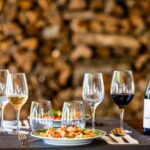

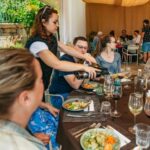
Meeting at Pilares da Ponte Pênsil: don’t overthink it
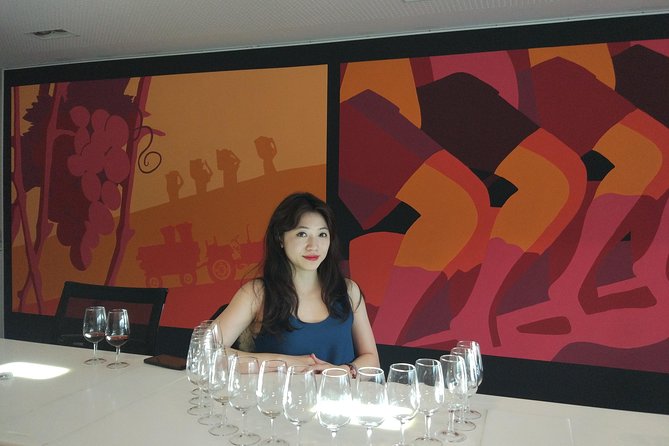
The meeting point is specific, and it’s worth looking for it the first time. Meet at Pilares da Ponte Pênsil on Porto’s side, by the old Pensil bridge pillars, on the lower level next to the D. Luis Bridge. The tour staff are easy to spot: a red jacket saying porto walkers.
If you’re the type who hates running late, give yourself extra minutes. One reason this tour works is because the guide needs you in sync for the first cellar visit and tastings. Once you find the group, things move quickly.
Good news: you’re near public transportation, so even if your hotel is on the far side of town, you shouldn’t be stuck. Service animals are also allowed, which is a helpful detail if that affects your planning.
Entering Vila Nova de Gaia: the cellar-area orientation that pays off
Right after you meet, you’ll get oriented as you walk. The guide frames Porto and Port in one story: where Port fits into the city, why Gaia became the bottling and aging hub, and how the Douro Valley supply chain shaped everything.
This orientation is more than trivia. When you taste Port later, you’ll understand what you’re actually tasting: the style decisions, the aging choices, and why Ruby, Tawny, and White Port feel so different on the palate.
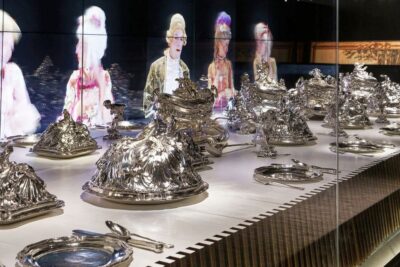
Then you arrive at a major, prestigious Port producer in Gaia for a guided museum and cellar visit. In at least one tour version, people specifically mention the Calem name, so it’s worth expecting a well-developed museum experience plus a serious cellar walk.
What you’ll get from the producer’s museum/cellar stop
Expect a guided look at how Port is handled in the cellar and how the production story connects to the final bottle. You’ll also get tastings immediately after, so the museum time doesn’t feel disconnected.
Three Port houses and seven tastings: how the tasting flow works
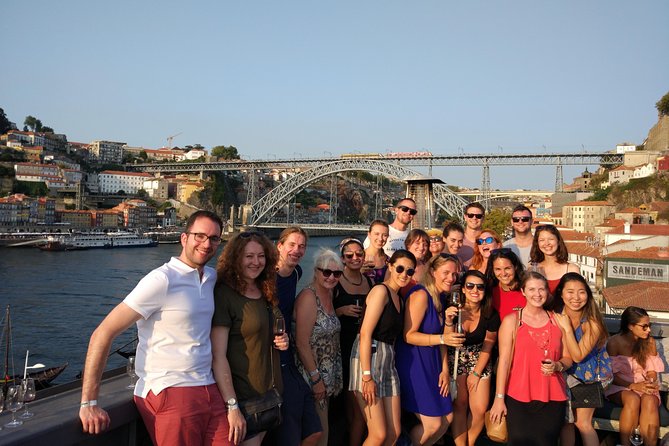
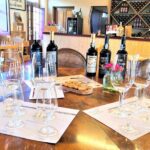
The heart of the experience is simple: 7 tastings across 3 port houses. That’s a big deal for value in Porto. Many Port tours touch one or two places and then repeat similar pours. Here, you should get enough variety to build real taste memory.
Here’s the tasting progression that stands out in the tour outline:
- Reserve White and Reserve Tawny tasting (guided)
- Young Ruby Port tasting
- An additional tasting workshop later with multiple wines
- Plus tastings tied to the interactive visitor-center stops
If you drink Port slowly, this is where it clicks. Tawny tends to show different aging characteristics than Ruby, and White Port is its own category that helps you stop treating Port as one flavor. The guide also explains how to distinguish the Port families, so you’re not just trying to guess what’s in the glass.

Pacing tip
Because you’ll be walking and drinking in the afternoon, keep your own pace. Take notes in your phone if you’re the kind of person who forgets what tastes like what after the third pour. And if you get offered food pairing guidance during the workshop, follow it as you taste. You’ll remember those pairings more than any fact list.
Reserve White and Reserve Tawny, plus young Ruby: learning the Port families
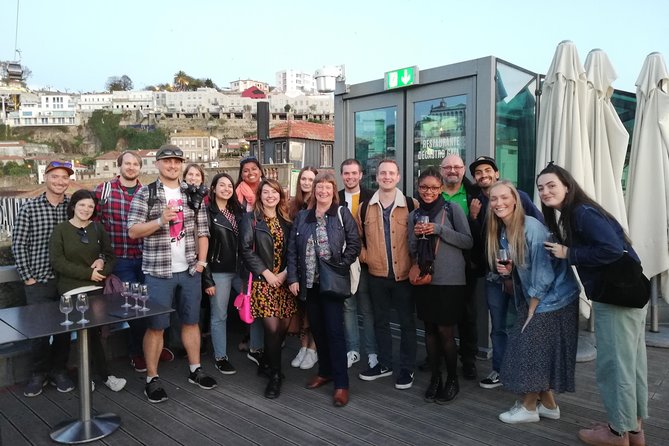
One of the most praised parts of this tour is the guide style: people name hosts such as Alex, Kevin, Cyril, Lara, and Seral for making Port feel fun and understandable. That matters because Port can sound confusing if someone throws names at you without structure.
On this tour, you get a guided tasting where the guide helps you connect the dots. You learn what makes Port families different and what to look for in taste and style. That includes the trio that’s explicitly mentioned:
- Reserve White Port: lighter profile, often easier to drink, and a great entry point if you think you only like reds
- Reserve Tawny Port: typically shows signs of aging that read differently than Ruby
- Young Ruby Port: a fresher, fruit-forward style that helps you see the contrast
This is the part where you can become confident enough to buy a bottle later. Without that explanation, Port shopping can feel like grabbing names off a shelf. With it, you can match what you like to the style.
The interactive visitor center: barrels, cork, and the practical mechanics
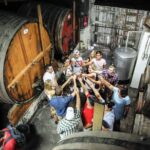
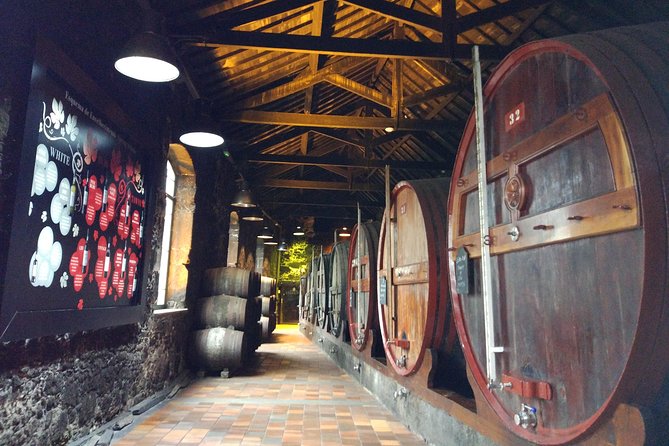
Between tastings, you’ll visit an old cellar transformed into an interactive visitor center. This stop is great when you want Port to feel tangible. Instead of only looking at a room full of bottles, you’re shown where Port sits and why the process matters.
Two details that stand out in the tour description:
- You’ll learn about the barrels where Port wine is stored
- You’ll see how cork is produced
Those sound like small facts, but they help your brain. You start thinking in processes and materials. That makes the flavors you taste feel more intentional, not random.
Why this kind of stop is worth it
When a tour has multiple tastings, people can get lost in the drinking. The interactive center anchors you. It gives you a reason for each sip, which means you leave with more than a short-term buzz and a memory of sweetness.
Douro Valley interpretation and the Port pairing workshop
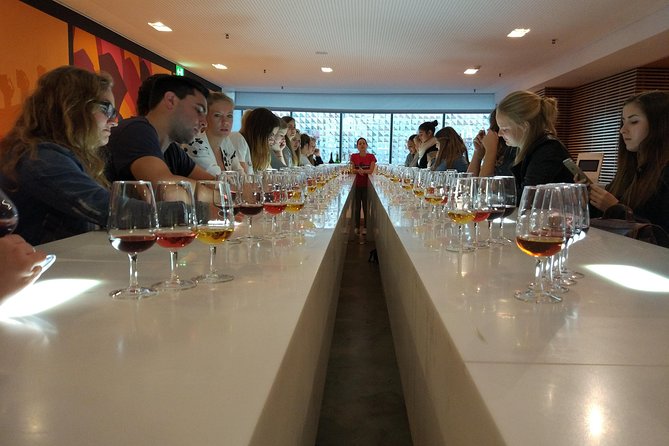
The next big learning block is an interpretation center focused on the Douro Valley, described as the oldest wine region in the world. You’ll also get an exclusive wine tasting workshop that covers pairing Port with food.
I like this because it answers the real-world question: what do I do with Port at home besides drink it straight? Pairing tips turn your tasting into a plan.
Even if you’re not a wine expert, you’ll likely get one of two takeaways:
- You learn which Port styles can handle savory flavors
- You learn how sweetness level and aging character can change how food tastes
And yes, you’ll be tasting during the workshop, which keeps it from turning into pure lecture time.
Terrace views on the Gaia side: a payoff you can feel
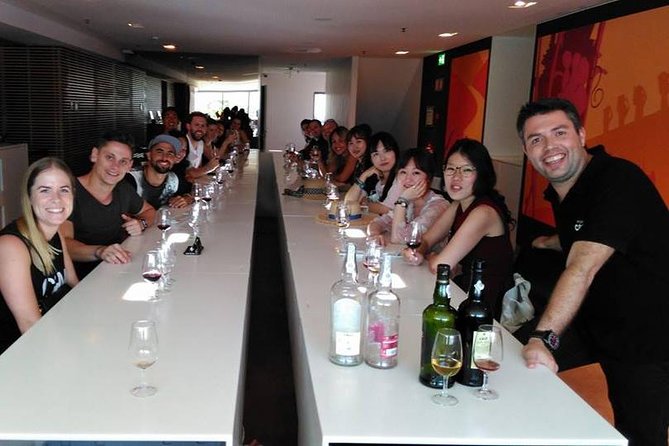
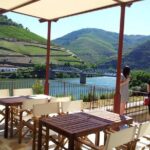
To close, you end at the interpretation center’s terrace with scenic views over Porto. It’s a classic move, but it works here because you’ve just spent the afternoon connecting Port to the landscape of the river and city.
This is also a smart moment to reset. After alcohol tastings, stepping back for a view helps you feel clear again. You also finish on the Gaia side, at Av. de Diogo Leite 135, where the tour ends at a Port tasting venue.
If you still want more walking after the tour, you’ll be set up on the Gaia side, which is ideal for late-afternoon wandering among cellars and viewpoints.
Price and value: does $62.88 make sense?
At $62.88 per person, this isn’t the cheapest way to taste Port. But when you break it down, the value looks stronger:
- 7 tastings is a serious number for a half-day
- 3 Port houses means you’re not repeating one bottle lineup
- The tour includes museum/cellar visits plus an interactive learning setup
- Group size is capped at 18, which can help you get answers
Also, since you’re not paying extra for lunch within the price, you can plan your own food timing. That’s a trade-off, but it keeps the tour price focused on what you’re there for: Port.
Where the value can wobble is if you expected a nonstop tasting-only experience. Some segments are explanation-heavy, and one person flagged that a portion of the tour can include longer presentations. That doesn’t mean the tour fails, but it does mean you should show up ready to learn, not just drink.
Who this tour is best for (and who should reconsider)
This fits best if you want:
- a guided walk that connects Port to Porto and Gaia
- a structured way to taste across Port styles
- a guide who turns production into something you can understand quickly (names like Alex and Kevin keep coming up for their lively hosting)
You might reconsider if:
- you’re not interested in museum-style explanations at all
- you dislike any classroom-like portion, even if it’s short
- you’re looking for a food-forward experience, since lunch and snacks aren’t included
Simple planning tips
- Wear comfortable shoes. Even with short distances, you’re on cobblestones and cellar steps.
- Drink water between tastings if you can.
- If you don’t eat much, consider bringing a light snack outside the tour time, since food isn’t included.
Should you book this Port wine lodges tour?
Yes, I’d book it if you want a high-taste, high-learning afternoon in Porto and Gaia. The strongest reasons are the 7 tastings, the fact that you cover multiple Port styles like Reserve White, Reserve Tawny, and young Ruby, and the interactive stops that explain what’s happening in the cellar.
Skip it only if your idea of a perfect Port experience is strictly tasting with zero explanation, or if you need food included in the ticket. If you like walking, learning, and comparing flavors, this is a very solid way to spend your afternoon on the Douro side of the map.
FAQ
How long is the Port wine lodges tour?
It runs for about 3 hours 30 minutes (and is listed as a 4-hour tour with all walking).
How many Port wines will I taste?
You’ll have 7 Port wine tastings as part of the experience.
How many Port houses do you visit?
The tour includes visits to 3 Port houses.
Where do I meet the guide?
Meet at Pilares da Ponte Pênsil on Porto’s side, by the pillars of the old Pensil bridge next to the D. Luis Bridge (lower level). The guide wears a red jacket.
What time does the tour start and where does it end?
The tour starts at 3:00 pm. It ends on the Gaia side at Av. de Diogo Leite 135 (near a Port tasting venue).
Is food included?
No. Lunch, food, and snacks are not included.
Is the tour offered in English and what’s the group size?
It’s offered in English, and the group is capped at a maximum of 18 travelers.
What’s the minimum age for drinking Port?
The minimum drinking age is 18.
Is free cancellation available?
Yes. You can cancel for a full refund if you cancel at least 24 hours before the experience starts.