REVIEW · CASCAIS
Cascais: Glamour and Decay by The Lisbon Coastline – Private Tour
Book on Viator →Operated by Lisbon Art & Soul · Bookable on Viator
Cascais looks glamorous, then gets real. This private walk through the former fishermen’s village shows how Cascais grew into a court-town favorite, with Luís bringing the places to life and a professional photographer guide helping you slow down for the good angles. I like that the route is practical—short stops, clear context, and enough time to look up from your phone and actually see what’s in front of you.
The main thing to plan for is that this is a walking tour through coastal streets and landmark areas, with a moderate physical fitness level needed for 3 to 4 hours. If you’re expecting a sit-down sightseeing day, this won’t match that vibe.
In This Review
- Key highlights worth your attention
- Cascais’ glamour-to-grim story, told on foot
- Meet Luís and the photo-boosting guide
- The route between Cascais and Estoril: what to expect while walking
- Praia da Rainha: a photogenic start with immediate orientation
- Centro Histórico de Cascais: fishing village memory you can still feel
- Palacio Seixas: how a fishing harbor became a court town
- Fortaleza de Nossa Senhora da Luz: defense meets contemporary art
- Centro Cultural de Cascais and the Sommer House: architecture you’ll notice
- Marina de Cascais: Count of Arnoso to modern shoreline life
- Casa de Santa Maria: the house by the sea with a named architect
- Santa Marta Lighthouse Museum: dramatic light, thoughtful restoration
- Museu Condes de Castro Guimaraes: a style mix you can actually spot
- Marechal Carmona Park: a romantic garden with free-roaming birds
- Time, cost, and value for a private Cascais walk
- Who should book this private Cascais tour (and who might skip it)
- Should you book the Cascais: Glamour and Decay tour?
- FAQ
- How long is the Cascais private tour?
- What does the tour cost per person?
- Is this tour private?
- Where do we meet and where does the tour end?
- What is included in the tour price?
- Are there entry fees for the stops?
- What language is the tour offered in?
Key highlights worth your attention
- A true private group (max 12) so your guide can keep the pace comfortable and answer questions
- Free admission at the featured stops listed on the route, so you’re not juggling ticket math
- Photo support built in thanks to a professional photographer guide
- Cascais-to-Estoril coastal scenery with views you’ll remember more than the average waterfront walk
- Architecture in layers from palaces and forts to houses and style-mixing museums
- A guide who adapts—the walk stays easy to follow even when crowds are heavy
Cascais’ glamour-to-grim story, told on foot
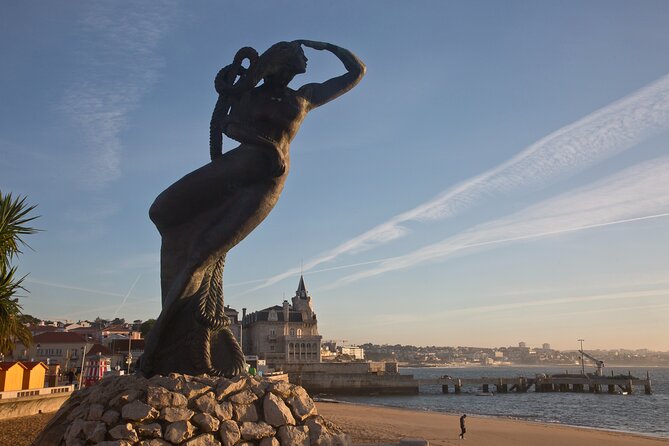
Cascais is famous for looking polished: sea air, bright promenades, and elegant buildings that seem to have stepped out of a postcard. But on this tour, the charm comes with context. You’ll see how the town’s identity shifts over time—fishing roots to aristocratic glamour, then toward the newer cultural face you can spot in places like fortifications and repurposed spaces.
What makes the experience feel worth your time is that you’re not just collecting sights. You’re building a mental map of Cascais—where people lived, where they defended the bay, where the wealthy arrived, and how the coastline became a social stage. It’s the kind of orientation that helps you enjoy the rest of your day in the area, because you’ll recognize what you’re looking at when you wander on your own.
And yes, you’ll see dramatic Atlantic views. But the real payoff is understanding why those views mattered to the people who built there.
You can also read our reviews of more private tours in Cascais


Meet Luís and the photo-boosting guide
This is a private tour, so you’re not stuck listening from the back while everyone else speed-walks. Your guide is Luís, a longtime local who’s described as punctual, friendly, and tuned in to your questions. One of the best parts of a guided walk like this is how quickly you get oriented—Luís tends to explain things so you can picture the past, not just read facts and move on.
The photo angle is a standout benefit. Since there’s a professional photographer guide involved, you can expect help with how to frame shots and how to notice details you might miss otherwise—like architectural features, old drawings, and telltale shapes in the buildings along the coast. In practical terms: you’ll leave with better photos and a clearer sense of what each place represents.
Another plus: the pace stays comfortable. Reviews mention a well-paced walk with lots of discussion stops, plus restaurant and area tips at the end. That’s a small thing, but it often turns into a big one when you’re hungry later and want dinner suggestions that fit the mood of the day.
The route between Cascais and Estoril: what to expect while walking
The tour runs about 3 to 4 hours, and it’s built around short site visits—often around 10 to 20 minutes—so you’re constantly moving, but you’re not running. The walking connection between Cascais and Estoril is part of the fun because it keeps the coastline visually present. You get the sea views, then you rotate into landmark areas that explain how this coast became an attraction.
One thing to consider: daylight changes the whole day. One traveler noted the tour felt shorter when evenings got darker sooner, which makes sense for any walking schedule. So if you’re visiting in winter or shoulder season, plan for the walk to be a bit more daylight-dependent than you might expect.
Also, the tour is marked for moderate physical fitness. That usually means uneven outdoor surfaces, hills, and frequent stopping. If your mobility is limited, it’s worth thinking twice and confirming your comfort level before you go.
Praia da Rainha: a photogenic start with immediate orientation
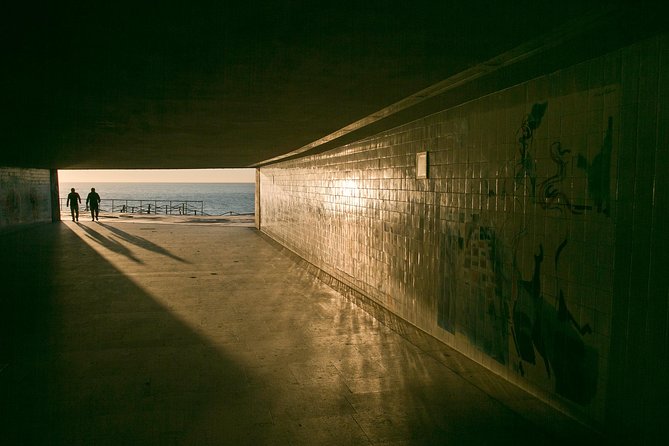
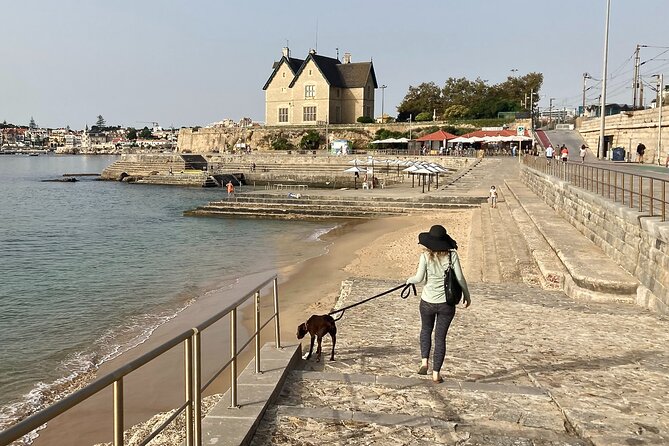
You begin at Praia da Rainha, one of Cascais’ most photogenic beaches. The best way to describe this opening moment is: it sets the tone fast. Instead of starting with a random point on a map, you start where the coast is doing its job—showing you the scale of the water, the shape of the bay, and why Cascais developed in the first place.
This first stop isn’t meant to drag. It’s a quick introduction (around 15 minutes) that helps you understand Cascais as a place, not just a collection of buildings. Admission here is listed as free, so you’re not paying to get oriented to where you are.
Practical takeaway for you: if you’ve never been to Cascais, this is a smart beginning. You can mentally label the coastline right away, then the rest of the town makes more sense as you walk.
Centro Histórico de Cascais: fishing village memory you can still feel
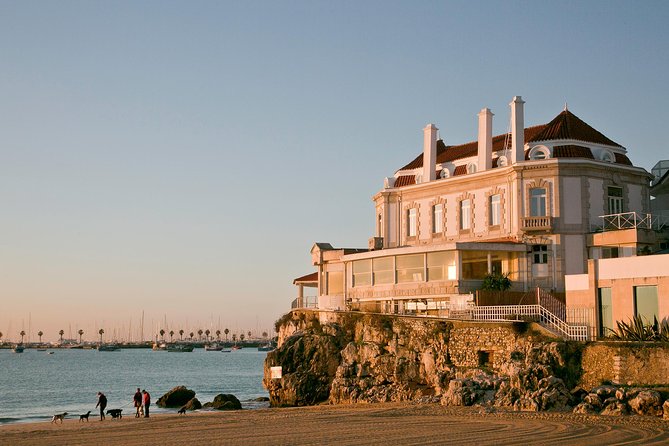
Next comes the Centro Histórico de Cascais, the core of the old fishing village feel—citadel, beach, and the town’s lingering memories. This is one of those stops where guided context changes everything. Without that context, you might just admire streets and walls. With it, the place becomes a timeline.
You’ll be shown the citadel area and landmark zones that connect the working waterfront past to the later development when Cascais became a famous getaway. Like the first stop, this is listed at about 15 minutes, with free admission noted for the relevant site.
What I like for your experience: this is where you start building the story of Cascais. It’s not a lecture. It’s more like learning how to read the buildings as you pass them.




Palacio Seixas: how a fishing harbor became a court town
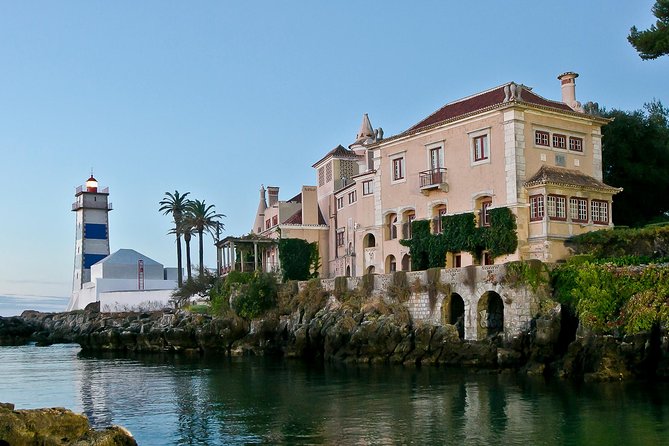
Then you move to Palácio Seixas, where the story shifts toward glamor. This stop explains the incredible move from a small fishing harbor to a glamorous court town. That transformation can feel too big to grasp from photos—unless you’re standing in the right spot and someone helps connect the dots.
The palace stop is shorter (about 10 minutes), but it’s designed to hit the key idea: Cascais didn’t become fashionable by accident. The town’s status and architecture grew with its reputation.
A drawback to keep in mind: if you’re the type who loves long museum-style time inside a building, a palace visit that’s more about explanation than lingering may feel brief. Still, for orientation and story-building, this timing works.
Fortaleza de Nossa Senhora da Luz: defense meets contemporary art
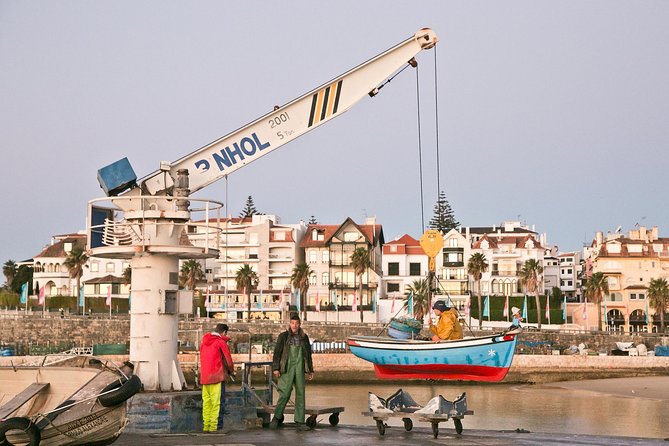
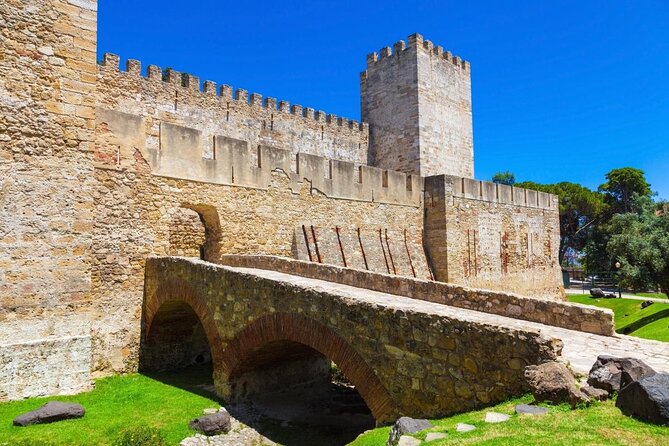
At Fortaleza de Nossa Senhora da Luz, you get the citadel experience again, but with an extra angle. This is not only about historical landmarks and fortifications. The stop also points toward contemporary art developments connected to the area.
That mix matters. It helps you see the fortress as part of the living present, not just a preserved relic. You’re still walking in a place designed to defend the bay, but you’re also seeing how the town repurposes space.
Expect around 15 minutes here, and the admission is listed as free.
Centro Cultural de Cascais and the Sommer House: architecture you’ll notice
The next stop is Centro Cultural de Cascais, which includes the Sommer House and the cultural center. This part of the tour leans harder into architecture and the way Cascais reworks the built environment for modern use.
You’re not just told what you’re looking at. You’re guided through architecture, stories, and the recent revamping of the space (the guide explains what changed and why that matters). This is one of those spots where you’ll look at lines, windows, and forms and start seeing why architects and designers love Cascais.
Time on this segment is about 20 minutes, with free admission listed for the stop. It’s long enough to slow you down and get you out of pure photo mode.
Marina de Cascais: Count of Arnoso to modern shoreline life
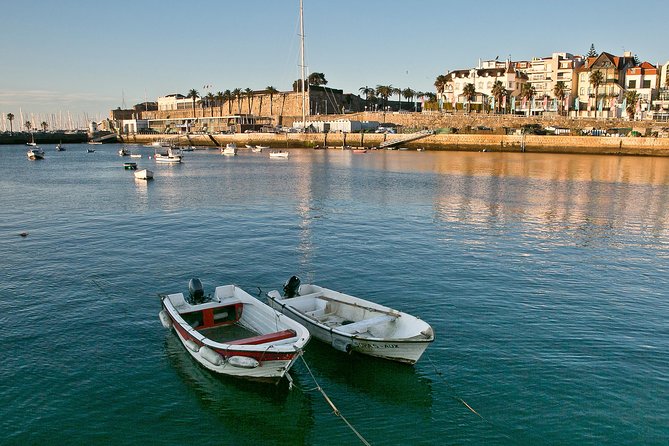
Then you reach Marina de Cascais, where the story links the legacy of the Count of Arnoso to the more recent growth of the marina in the outskirts of his property. It’s a useful stop because it shows you how wealth and coastal development shaped the area.
It’s listed as about 10 minutes with free admission. Short, but it adds an important chapter: the harbor didn’t just become a background. It became a driver of how people arrive, spend time, and see Cascais.
If you enjoy place-specific stories—who owned what, how it changed, why the coastline evolved—this is a solid segment.
Casa de Santa Maria: the house by the sea with a named architect
Next is Casa de Santa Maria, described as probably the most amazing house by the sea on the Cascais coast, with the genius of architect Raul Lino explained to you. This is the kind of stop that works best when you’re physically there, looking at the relationship between the structure and the shoreline.
It’s around 15 minutes and free admission is listed. The benefit of having a guide here is simple: it’s easy to admire the view. It’s harder to understand why the house looks the way it does and what architectural thinking it represents.
This stop is a highlight if you like architecture and design enough to notice details beyond the postcard look.
Santa Marta Lighthouse Museum: dramatic light, thoughtful restoration
At Santa Marta Lighthouse Museum, the lighthouse is described as dramatic, and the recent revamping is also called out as impressive. This is where Cascais starts feeling cinematic: the coast, the structure, and the idea of guidance and danger all at once.
The tour time here is about 10 minutes, with free admission noted. Lighthouse visits often become more interesting when the guide connects the building to the coast’s role in travel and survival, not just sightseeing.
Museu Condes de Castro Guimaraes: a style mix you can actually spot
Then you’ll visit Museu Condes de Castro Guimaraes, which is described as a dream house somewhere between a castle and a manor. The fun part: this stop isn’t just about one style. You’ll see mixing of Romanesque, Gothic, Manuelino, and Moorish Revival elements.
That combination gives you something practical to look for. Instead of trying to memorize a list, you can compare the building sections and spot where the styles shift. The time here is about 15 minutes, with free admission listed.
Marechal Carmona Park: a romantic garden with free-roaming birds
Finally, you end at Marechal Carmona Park, a romantic garden and one of the most popular green spaces in Cascais. The detail that makes it memorable: cocks, chicken, and poultry roam freely.
It’s about 15 minutes, and free admission is noted. This is a nice closing move because it adds a change of pace from palaces and forts. You get shade, open space, and a calmer feeling at the end of a walk.
A small consideration: if you prefer quiet, you might still find the park lively, especially if birds are out and about.
Time, cost, and value for a private Cascais walk
The price is $36.04 per person, with the tour running about 3 to 4 hours. That’s a fair number for a guided, private-style experience where you’re covering a lot of different coastal themes—beach, citadel, palaces, fortresses, museum houses, lighthouse, and gardens.
Here’s where the value gets real: the route lists free admission for the featured sights, so you’re not adding entry fees on top. You’re also getting both a professional guide and a professional photographer guide, which matters if you care about photos and want them to look like you spent time thinking about composition.
What you should expect not to include: food and drinks, transportation to and from the attractions, and hotel pickup or drop-off unless an option is selected. The meeting point is at Estação de Cascais (2750-334 Cascais) and the tour ends at R. Visc. Luz 21 (2750-414 Cascais), so you’re essentially building your day around this walking route.
Who should book this private Cascais tour (and who might skip it)
I think this tour is a strong fit if you want:
- A guided orientation to Cascais in a few hours
- Architecture and coast landmarks explained in plain terms
- Help taking photos (that photo guide angle is real value)
- A pace that stays comfortable with discussion stops
It’s also a good choice when you’re visiting for the first time and want to know where the town’s “turning points” are: fishing beginnings, court-town glamor, fortress defense, and the modern marina/cultural face.
You should consider a skip if:
- You’re not happy with a walking-focused plan and a moderate physical fitness expectation
- You’d rather spend your time fully relaxing on a beach without moving between sites
- You want only museum time instead of mix-and-match stops
Also, if you’re coming with kids, note that children must be accompanied by an adult.
Should you book the Cascais: Glamour and Decay tour?
I’d book it when you want a guided, photo-friendly walk that helps you understand why Cascais looks the way it does. The combination of Luís’s local storytelling and a photographer guide means you’re not just seeing Cascais—you’re learning how to notice it. And with free admissions listed across the route, it keeps the day from turning into an add-on cost parade.
I’d skip it if your main goal is pure beach time or if you’re not comfortable with walking and outdoor stops for several hours. In that case, you’ll probably enjoy the coast more on your own schedule.
If you’re balancing “see a lot” with “don’t feel rushed,” this private Cascais tour is a smart way to do it.
FAQ
How long is the Cascais private tour?
It runs about 3 to 4 hours.
What does the tour cost per person?
The price is $36.04 per person.
Is this tour private?
Yes. It’s a private tour, and only your group participates.
Where do we meet and where does the tour end?
It starts at Estação de Cascais, 2750-334 Cascais, Portugal, and ends at R. Visc. Luz 21, 2750-414 Cascais, Portugal.
What is included in the tour price?
You get a professional guide, a professional photographer guide, and the private tour experience.
Are there entry fees for the stops?
The tour details list admission ticket free for each of the listed stops.
What language is the tour offered in?
The tour is offered in English.