That first climb hits you fast. In Lamas de Mouro, this tree-and-slide circuit turns PNPG nature into a real obstacle course with 10 meters of height and eight suspension bridges. It’s built for people who want action, not a long lecture, and the payoff is an 80-meter slide at the end.
I like that the experience is run like a skill course, not a thrill ride with guesswork. With guides such as Jessica, Francisco, and Horacio, you get steady coaching as you work on fear of heights, plus balance and agility across the bridges.
One thing to think about: you need moderate physical fitness, and the activity depends on good weather. If heights genuinely freak you out, plan to go slow and trust the safety system.
In This Review
- Key highlights you should know before you go
- Lamas de Mouro tree course: what the numbers really mean
- Safety first: rope systems, small groups, and guides who stay on you
- Your 1-hour circuit: what you’ll do from start to finish
- Check-in at Porta de Lamas de Mouro
- Safety briefing and setup
- The height and bridge portion
- The rope-work elements
- The 80m slide finale
- The 80m slide: adrenaline with guardrails
- Guides in action: how coaching changes the whole feel
- Price and value: is $26.36 worth it?
- Who should book this, and who should pause first
- Weather and timing: the easy way to avoid disappointment
- Where it fits on your PNPG trip
- Should you book this tree-and-slide adventure in Lamas de Mouro?
- FAQ
- Where does the experience start?
- How long is the Tree and Slide Adventure circuit?
- What’s the price per person?
- Is it offered in English?
- Do I need a printed ticket?
- What physical fitness level do I need?
- What happens if the weather is bad?
- How far in advance can I cancel for a full refund?
Key highlights you should know before you go
- 10m above ground: real exposure, not a low playground
- Eight suspension bridges: balance practice with plenty of big views
- Fear-of-heights coaching: they set you up to get comfortable, step by step
- Rope-work challenges: dexterity and agility while staying secured
- An 80m slide finish: strong emotions, delivered safely
- Max 10 travelers: smaller groups make it easier to get help
Lamas de Mouro tree course: what the numbers really mean
The pitch sounds simple: tree climbing, then a slide. The details are what make it special. You start with a height that’s not for show—10 meters separates you from the ground for part of the circuit, so you’ll feel the height in your legs. That’s also why this isn’t just about bravery. It’s about learning how to move when the space below you feels far away.
Then come the bridges. The route includes eight suspension bridges, which means you’ll spend time shifting your weight, keeping your balance, and staying calm while the structure moves a bit. It’s a different kind of thrill than running fast or jumping off something. It’s more like a controlled test of focus.
Finally, the adventure ends with an 80-meter descent by slide. That length matters. It’s the kind of finish that makes you laugh out loud after, because your body recognizes you’ve survived something big.
You can also read our reviews of more tours and experiences in Braga.

Safety first: rope systems, small groups, and guides who stay on you
This is marketed as safe, and the overall vibe from the guide team is clearly safety-focused. You’ll be working with instructors who pay attention to how you’re clipped in, how you move, and when you need encouragement. The guides named in feedback—people like Jessica, Francisco, Horacio, Hélder, Filipe, Vitor, Bruno, João, and Leonardo—all show up with the same theme: professionalism and calm support.
The small group size helps a lot. With a maximum of 10 travelers, the guides can keep eyes on everyone at once. You’re not stuck waiting forever for instructions, and you’re less likely to feel lost when you reach a tricky section.
Also, the activity is described as safe while still delivering real challenges. That combo is rare. Many adrenaline activities either go full send with limited coaching, or they’re so tame they feel like a brochure. Here, you get both: obstacles that feel legit, and a system designed to keep you secure.
Your 1-hour circuit: what you’ll do from start to finish
Plan on about 1 hour on site for the whole experience. That’s long enough to feel like an activity, but short enough that you won’t get mentally exhausted before the slide.
Check-in at Porta de Lamas de Mouro
You meet at Porta de Lamas de Mouro, at Unnamed Rd, 4960-170 Lamas de Mouro, Portugal. The fact that it starts and ends back at the meeting point means you don’t have to factor in long transfers or extra walking once you’re geared up.
Safety briefing and setup
Before you climb, you should expect a briefing on how the system works and how to handle common moments like adjusting your stance, staying centered on rope elements, and moving through bridge sections. This is where you decide your mindset: you don’t need to be fearless, but you do need to be present.
The height and bridge portion
You’ll move through the circuit with rope-based climbing and balance sections, including suspension bridges. This is where the “fear of heights” angle becomes real. You’re not just looking down. You’re using your body to stay steady as the route asks for dexterity and agility.
If you’re the kind of person who overthinks movement, that’s normal. The best way to get through is to follow the guide’s cues, keep your breathing calm, and treat each section like a short task—not one huge challenge.
The rope-work elements
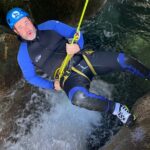
One clue from feedback is that the activity can include rappel-style movements in addition to climbing and the final slide. If rappel is part of your exact route, the key is to listen carefully for the technique cues and then execute slowly. Don’t rush to “prove” anything to yourself.
The 80m slide finale
When you reach the end, you transition to the slide: an 80-meter descent where you’ll feel that wave of adrenaline. This isn’t described as a gentle glide. It’s a roll of strong emotions—so I’d go in ready for a big physical sensation and a quick brain reset.
And then it’s back to the meeting point. No complicated wrap-up. No long hike out if you’re tired.
The 80m slide: adrenaline with guardrails
The slide is the headline for a reason. After you’ve spent time on bridges and rope sections, the slide flips the mood from careful movement to pure sensation. You’re no longer balancing with your feet and hands. You’re committed to a track down.
What I like about the way it’s positioned is that the slide acts as a reward, not a reckless moment. The overall experience is presented as safe, and the guides are consistently praised for making people feel secure. That matters because the slide is the part where your body’s instinct kicks in fastest.
If you’re nervous about the slide, you can treat it like this: you already did the hard part (height and rope work). The slide is simply the release at the end.
Guides in action: how coaching changes the whole feel
A lot of outdoor adventures say safety. This one’s feedback repeatedly connects safety with guide behavior. People bring up guide professionalism and how supported they felt during tricky sections.
I especially like the idea of guides named in feedback—Hélder and Filipe, Vitor, Bruno, João, Leonardo—because it signals consistency. In other words, the quality isn’t based on one lucky guide on one lucky day.
In practice, good tree-and-slide guidance usually looks like:
- clear setup so you’re not guessing
- constant checking so you feel secure
- encouragement that’s firm, not pushy
- patience when someone is slow or careful
That’s exactly what you want when the course is high enough to feel intimidating.
Price and value: is $26.36 worth it?
At $26.36 per person, this feels like strong value for a full hour of guided, equipment-based action. You’re paying for more than a ticket. You’re paying for a staffed course, rope systems, and instructors who manage your safety while still pushing you to do real obstacles.
Where value gets even better is the small group size (up to 10). You get personal attention without the price jumping into the “private adventure” range.
Also, this is the kind of activity that’s hard to replicate on your own. You could walk through a viewpoint and take pictures. Here, you actively do something with your body in that same region—and you end with a memorable slide moment you can’t fake.
Who should book this, and who should pause first
This activity lists moderate physical fitness as a requirement. That doesn’t mean you need to be an athlete. It does mean you should be comfortable with:
- using your arms and legs to climb and move while secured
- staying balanced on moving bridge sections
- handling the mental stress of heights
If you’re scared of heights but curious, this is still a good option because the experience explicitly addresses fear-of-heights moments and includes coaching. The best approach is to go in expecting slow steps and careful movement.
If you’re dealing with major mobility limitations, or if you can’t safely put weight through your legs, you should think twice. The data you have doesn’t list accessibility specifics beyond moderate fitness, so you’ll want to check directly with the provider if you have any concerns.
Weather and timing: the easy way to avoid disappointment
This is weather-dependent. The experience requires good weather, and if it’s canceled for poor conditions, you’ll be offered a different date or a full refund. That’s reassuring—so you’re not stuck paying for weather risk.
My practical tip: when you’re planning your day in northern Portugal, don’t schedule this as your only outdoor plan. If skies turn, you want flexibility. Picking a time when you’re not rushed by other commitments makes the weather rule much easier to handle.
Where it fits on your PNPG trip
Lamas de Mouro is a good match for active travelers who also want nature time. You’re not just doing a theme park ride. You’re in the PNPG setting, and the course uses height, bridges, and rope movement to make the environment feel alive.
If your schedule is tight and you still want a signature experience, the one-hour duration is handy. You can do this without turning your whole day into an outdoor endurance project.
Should you book this tree-and-slide adventure in Lamas de Mouro?
If you want a guided ropes course with real height, balanced challenges, and an 80-meter slide payoff, I’d book it. The mix of obstacles (including eight suspension bridges), the focus on safety, and the consistent emphasis on guides keeping people secure make it a solid choice.
Book with extra confidence if you:
- like structured instruction
- want adrenaline without chaos
- don’t mind the mental work of heights
- appreciate small group experiences
Skip it or ask questions first if you:
- can’t meet the moderate fitness requirement
- have significant limitations that make climbing or balancing unsafe
- are traveling with no flexibility and weather is unpredictable for your dates
Overall, this is one of those activities that feels like you’re paying for an organized thrill, not just paying to be brave. The course is short enough to fit a busy trip, and the slide gives you a clean memory you can talk about for a while.
FAQ
Where does the experience start?
The start (and end) is at Porta de Lamas de Mouro, Unnamed Rd, 4960-170 Lamas de Mouro, Portugal.
How long is the Tree and Slide Adventure circuit?
It lasts about 1 hour.
What’s the price per person?
The price is $26.36 per person.
Is it offered in English?
Yes, it’s offered in English.
Do I need a printed ticket?
No. It uses a mobile ticket.
What physical fitness level do I need?
The experience asks for a moderate physical fitness level.
What happens if the weather is bad?
It requires good weather. If canceled due to poor weather, you’ll be offered a different date or a full refund.
How far in advance can I cancel for a full refund?
You can cancel for a full refund up to 24 hours before the experience starts. If you cancel less than 24 hours before, the amount paid isn’t refunded.