REVIEW · BRAGA
Water Canyoning
Book on Viator →Operated by Laboreiro Tourism Recreation LDA Hills · Bookable on Viator
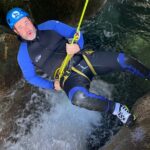
Water gets involved fast in Rio Laboreiro. This intermediate canyoning run near Braga blends rope descents with a seven-meter cave waterfall and tight guide support.
I love that the safety kit is handled for you: boots, wetsuit, helmet, and a life vest. That means you show up ready to move, not hunting for gear on the last day in Portugal.
One thing to consider: this is for people with moderate physical fitness, and you should feel comfortable getting wet, working with ropes, and spending time in cool cave water.
In This Review
- Key highlights before you go
- Rio Laboreiro water canyoning: why this route gets attention
- Price and value: what you’re really paying for at $60.07
- Where you start at Peneda-Gerês Canyoning Center (and how the day flows)
- Gear check: boots, wetsuit, helmet, and life vest included
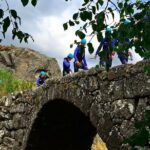
- Stop 1: Ponte Velha de Castro Laboreiro—getting your bearings
- Stop 2: Castro Laboreiro—turning briefing into real movement
- The seven-meter cave waterfall: the moment you’ll talk about
- Rope descents and intermediate technique: safety without killing the fun
- What safety feels like with monitors watching your moves
- How long it takes and how to pace yourself
- Who should book this water canyoning route near Braga
- After canyoning: how to pair it with food and a relaxing soak
- Quick value checklist: what you should confirm before booking
- Should you book Water Canyoning from the Peneda-Gerês area?
- FAQ
- How long is the water canyoning tour?
- What fitness level do I need?
- Is the route beginner-friendly or intermediate?
- What gear is included?
- Where does the tour start and end?
- What language is the tour offered in?
- How big is the group?
- What if the weather is bad?
Key highlights before you go
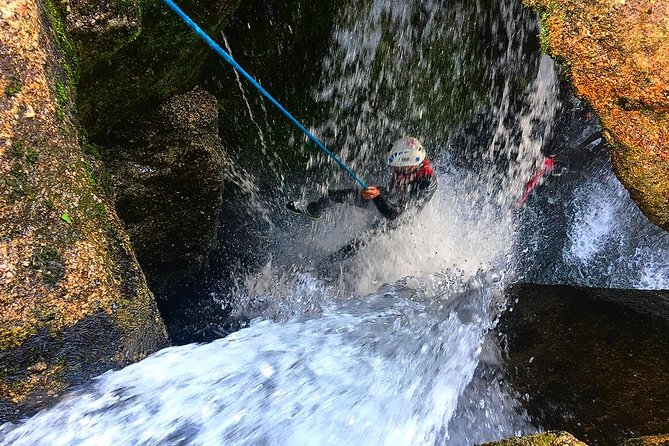
- A 7-meter waterfall inside a cave that turns the whole canyon into a memorable set piece
- All the core gear is included: wetsuit, boots, helmet, and life vest
- Intermediate route, but coached the whole way with monitors watching every step
- Hélder and Duarte style of guiding: calm instruction, quick checks, and confidence-building pacing
- Small group size (max 15) so you get attention when conditions get tricky
- Most of your time is spent in the canyon with minimal driving from the start point
Rio Laboreiro water canyoning: why this route gets attention
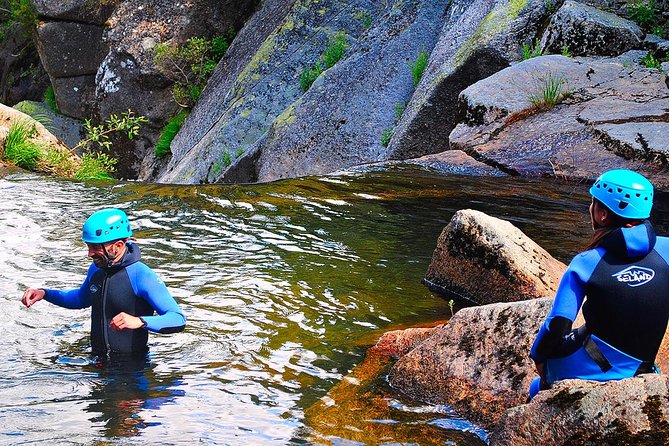
If you like adventure that feels real—not just a walk with a photo stop—water canyoning in Rio Laboreiro hits the sweet spot. You’ll be moving through water, negotiating downclimbs and rope work, and spending time in a dramatic setting shaped by the river itself.
The headline is the waterfall inside a 7-meter cave. It’s not just scenic. It’s the kind of moment that changes the vibe from training to pure wow-factor. Even if you’re not an expert, the guides make the sequence feel doable, step by step.
What I like most is how the route balances nature and technique. You get the Portugal outdoors, plus the physical skills that make canyoning different from casual hiking.
You can also read our reviews of more tours and experiences in Braga.

Price and value: what you’re really paying for at $60.07
At about $60.07 per person for an approx. 3-hour experience, the value is in what’s included, not just the time. You’re paying for:
- A monitored intermediate canyon route
- Provided protective gear (wetsuit, helmet, life vest, boots)
- The expertise to keep you safe while you do rope-assisted descents
- Fees and taxes
That matters because canyoning gear can be expensive if you try to source it yourself, and the guided safety piece is the core of the experience. Also, since the activity depends on good weather, the operators need a solid turnout to run the day—so it’s smart to book with enough flexibility.
One practical note: it’s typically booked about 16 days in advance on average, which is a hint that people plan around peak weather windows. If your schedule is tight, don’t wait until the last few days.
Where you start at Peneda-Gerês Canyoning Center (and how the day flows)
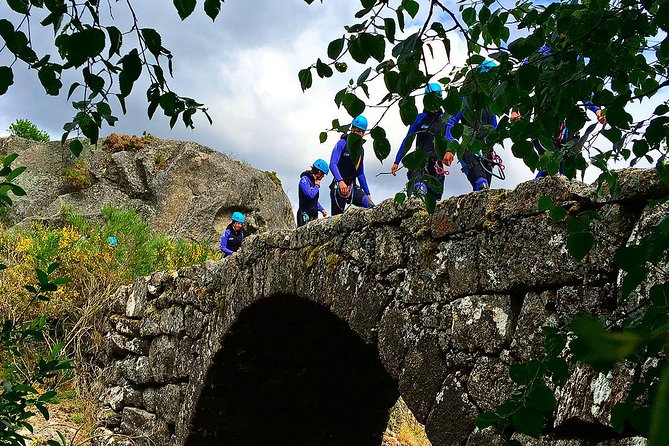
Your meetup is at Peneda-Gerês Canyoning Center, Lugar da Varziela, 4960-094, Portugal. The activity ends back at the meeting point, so you’re not dealing with a long one-way transfer.
The day is paced like an adventure should be: you start with a briefing and orientation, then you move into the canyon where the real work happens. From there, the route follows the Rio Laboreiro area and includes stops tied to the local places along the way—starting at Ponte Velha de Castro Laboreiro, then moving through Castro Laboreiro.
Even better: one review experience described spending less than five minutes driving to get into the adventure area. You don’t want a big chunk of your limited time going to logistics when your goal is water, caves, and rope work.
Gear check: boots, wetsuit, helmet, and life vest included
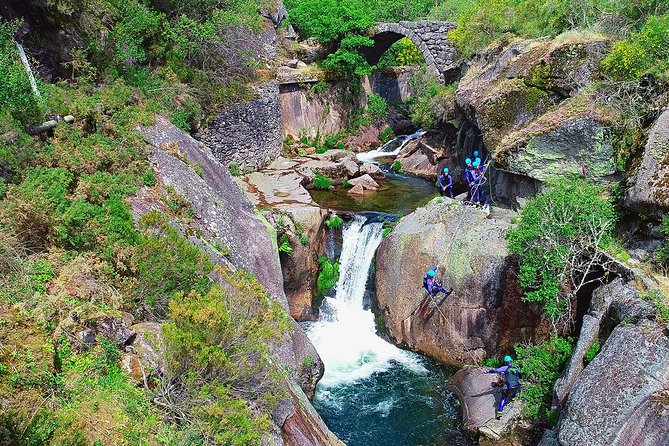
This tour solves a big problem for canyoning newbies: gear uncertainty. You’ll be given:
- Wetsuit
- Boots designed for the terrain
- Helmet
- Life vest
- Plus suit/gear used for the activity
Thick wetsuits and solid footwear make a huge difference. Cold water can drain your energy fast, and poor shoes are a fast track to fatigue. With the right kit, you can focus on the fun parts—your footing, your movements, and the descent technique the guides teach.
Also, helmets and life vests aren’t optional extras here. They’re part of the standard setup, which makes the whole day feel more controlled. It’s the difference between guessing and doing the activity with real protection.
Stop 1: Ponte Velha de Castro Laboreiro—getting your bearings
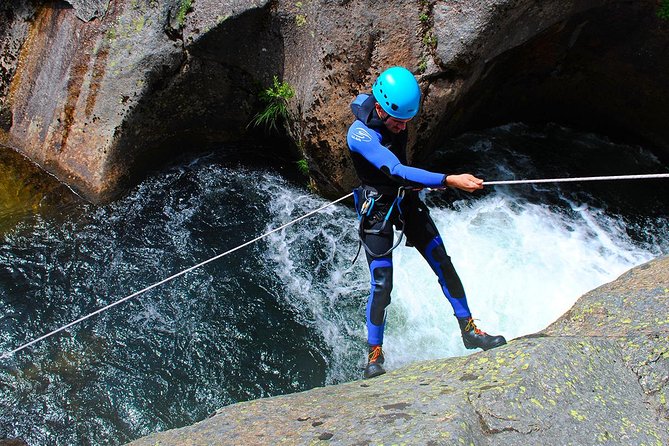
You’ll start at Ponte Velha de Castro Laboreiro, which functions like a warm-up anchor for the day. This is where the group’s energy settles and you can get used to the rhythm: listen, look, and prepare for what comes next.
Why this stop is useful: you’re not thrown directly into a cave waterfall moment. You get time to get oriented, understand how the guides will call instructions, and learn the basic “rules” of moving safely around water and rocks.
If you’re new-ish to ropes or just new to canyoning, this is the moment that helps the later technical parts feel less like a shock.
Stop 2: Castro Laboreiro—turning briefing into real movement
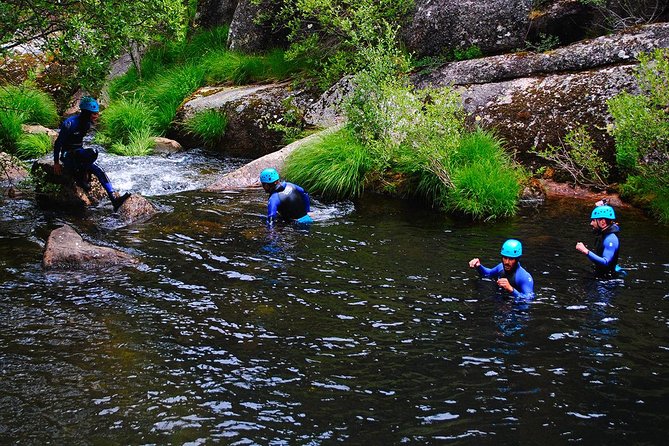
Next comes Castro Laboreiro, the local area that breaks up the route and keeps things grounded. In practice, this stop is where the day shifts from setup to action. You’ll be with monitors who guide the route and watch your technique closely.
I think this stop is valuable even for experienced people, because conditions inside the canyon can change quickly. Knowing how your guides expect you to move—where to place your feet, how to manage wet grip, how to handle brief holds—helps you stay relaxed later.
One of the better signs from experience feedback: a first-timer learning rope climbing had no problem once instruction started. That tells me the guides focus on clear teaching, not just leaving you to figure it out.
The seven-meter cave waterfall: the moment you’ll talk about
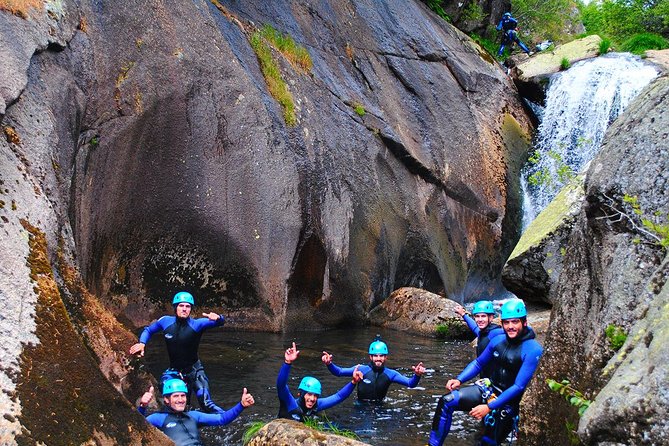
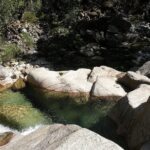
Here’s the main event: a waterfall inside a 7-meter cave. Canyoning has plenty of dramatic scenery, but cave waterfalls add a second layer—sound, darkness, and that enclosed feeling that makes your body pay attention.
Expect the environment to feel cooler and more enclosed than open air canyon sections. You’ll also deal with water flow that changes how surfaces feel underfoot, especially when you’re already focused on your next move.
This is where the intermediate difficulty makes sense. You’re not doing something random. You’re learning and applying technique in a place that’s beautiful and challenging at the same time.
And yes, the waterfall is the star. But the real win is that you get to experience it in context—arriving after guided descents, with safety checks that keep you focused instead of panicked.
Rope descents and intermediate technique: safety without killing the fun
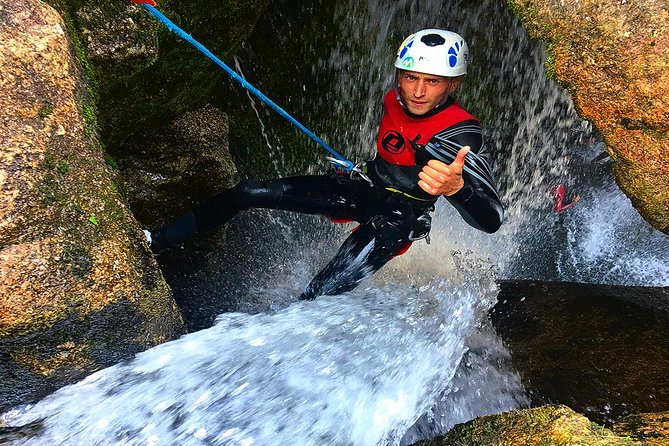
The description calls it intermediate difficulty, and that’s accurate in the way that matters. You should expect:
- Controlled descents
- Rope-assisted sections where you follow guide instructions
- Active movement rather than passive sightseeing
What makes it work is the guide-to-participant attention. You’re accompanied by monitors who stay with you through the route and keep an eye on safety, so you’re not left to wing it.
In the best-run canyoning days, you feel engaged but not overwhelmed. The way guides talk you through rope work—position, timing, and small corrections—turns a potentially scary skill into something you can actually do.
If you’ve never climbed with ropes, you can still be a good fit, as long as you’re willing to learn and you listen during the key moments. The monitors aren’t just there for liability; they’re there for teaching and pacing.
What safety feels like with monitors watching your moves
Safety here is practical, not theoretical. The tour is designed so guides are present throughout the activity, supporting you through the descent and rope sections.
From the overall setup—provided protection, guided supervision, intermediate routing—you can expect a sense of structure. That structure matters in water environments, because the hardest part is often not the physical part. It’s the mental habit of staying calm while you move on wet rock.
The best guidance comes from people who can see what you’re doing and correct small things quickly. One experience described guides Hélder and Duarte as amazing, with the rope parts feeling manageable thanks to clear coaching. If you’re the type who appreciates instruction (and not vibes-only leadership), you’ll likely click with this format.
How long it takes and how to pace yourself
The tour is about 3 hours. That’s a good length for canyoning because it gives enough time for the key moments—rope descents and the cave waterfall—without turning into an all-day slog.
It also means you should come ready for concentrated effort. You’ll be moving in water, dealing with cool temps, and focusing on instructions. Bring your energy, not your couch-athlete stamina.
If you want the day to feel fun instead of exhausting, treat it like a sport session: warm up mentally, move with purpose, and listen for guide cues.
Who should book this water canyoning route near Braga
This is a strong fit if you:
- Want an intermediate adventure with real technical elements
- Enjoy nature but don’t want a purely hiking-style tour
- Learn best with hands-on guidance and ongoing supervision
- Are comfortable getting wet and spending time in caves/cool water
It may not be ideal if you’re expecting an easy stroll. Rope descents and water movement demand focus, and the activity expects moderate physical fitness.
Good news: if you’re worried you’ll feel behind because ropes are new, the format is built for instruction. As long as you can follow directions and keep moving with the group, you’ve got a real chance of having a great time.
After canyoning: how to pair it with food and a relaxing soak
A wet day can feel extra rewarding when you plan the next step. One experience described enjoying a nice meal in the village after canyoning, which makes sense—you’ll want warm food once you’re dry.
Then there’s a relaxing add-on mentioned: driving about 20–30 minutes into Spain to Roman hot springs in Bande. If you’re the type who likes a payoff, that pairing is a smart way to turn active effort into recovery time.
Even if you don’t go to hot springs, plan something warm and simple afterward. Canyon days are about momentum and then letting your body reset.
Quick value checklist: what you should confirm before booking
Before you lock it in, I’d sanity-check these points:
- You’re okay with intermediate difficulty and rope-assisted descents
- You have a moderate fitness level
- You can commit to timing that depends on good weather
- You’re happy with gear provided on-site (wetsuit, boots, helmet, vest)
- You can meet at Peneda-Gerês Canyoning Center in Lugar da Varziela
If that all sounds like you, this is the kind of tour that turns into a highlight story.
Should you book Water Canyoning from the Peneda-Gerês area?
I’d book if you want a hands-on adventure that blends nature and technique, and you like the idea of a 7-meter cave waterfall as the payoff. The combination of included gear, small group size (max 15), and continuous guide supervision makes the risk feel managed without making it feel boring.
Skip it if you want a beginner-only, low-movement experience, or if you’re not comfortable with ropes and wet, cool cave conditions.
If your schedule lines up with decent weather, this one is a strong call—especially for people who want real canyoning thrills rather than just a scenic walk.
FAQ
How long is the water canyoning tour?
The duration is approximately 3 hours.
What fitness level do I need?
You should have a moderate physical fitness level.
Is the route beginner-friendly or intermediate?
It’s described as an intermediate level water canyoning activity.
What gear is included?
The tour includes a suit, boots, helmet, and life vest.
Where does the tour start and end?
It starts at Peneda-Gerês Canyoning Center in Lugar da Varziela, 4960-094, Portugal, and ends back at the meeting point.
What language is the tour offered in?
The experience is offered in English.
How big is the group?
The maximum group size is 15 travelers.
What if the weather is bad?
The activity requires good weather. If it’s canceled due to poor weather, you’ll be offered a different date or a full refund.