REVIEW · PICO ISLAND
Tours on Pico Island – Cultural and Natural Landscape
Book on GetYourGuide →Operated by LAVAFACES AZORES EXPERIENCE TOURS · Bookable on GetYourGuide
Pico Island packs a lot into one day. This tour strings together wine culture, volcanic shoreline scenery, and whaling heritage with stops across both the north and south coasts. You’ll also visit three local villages—Madalena, São Roque do Pico, and Lajes do Pico—so you’re not just driving past viewpoints.
Two things I like a lot: the chance to see Lagoa do Capitão and its endemic vegetation, and the time spent at the UNESCO-listed Pico’s Vineyard Culture Landscape, the heart of Pico’s famed vineyard system. The whaling stops add another layer, including a visit to the Whaling Museum.
One possible drawback to plan for: it’s a full day (about 8.5 hours) with plenty of time on the road, and food isn’t included, so you’ll want to budget for lunch and snacks ahead of time.
In This Review
- Key highlights worth planning around
- The core idea: a coast-to-coast Pico day, not a quick drive-by
- Picking up in comfort and moving with the island
- Madalena, São Roque do Pico, and Lajes do Pico: three village chapters
- Lagoa do Capitão and endemic plants: a nature stop with meaning
- Pico’s Vineyard Culture Landscape (UNESCO): wine culture you can actually see
- Cachorro and Lajido along the volcanic shoreline
- Whaling Culture stops and the Whaling Museum
- Timing and pacing: how the 8.5 hours stay enjoyable
- Price and value: is $111 a fair deal?
- Lunch, water, and how to keep the day comfortable
- Who should book this tour on Pico—and who might not
- Should you book it?
- FAQ
- How long is the Pico Island tour?
- What’s the group size?
- What languages are available for the tour guide?
- What’s included in the price?
- Is food included?
- Which areas on Pico are visited?
- Is the tour refundable if plans change?
- Can I reserve without paying now?
Key highlights worth planning around
- Small group of up to 8 people, which keeps the pacing relaxed and the stops more flexible
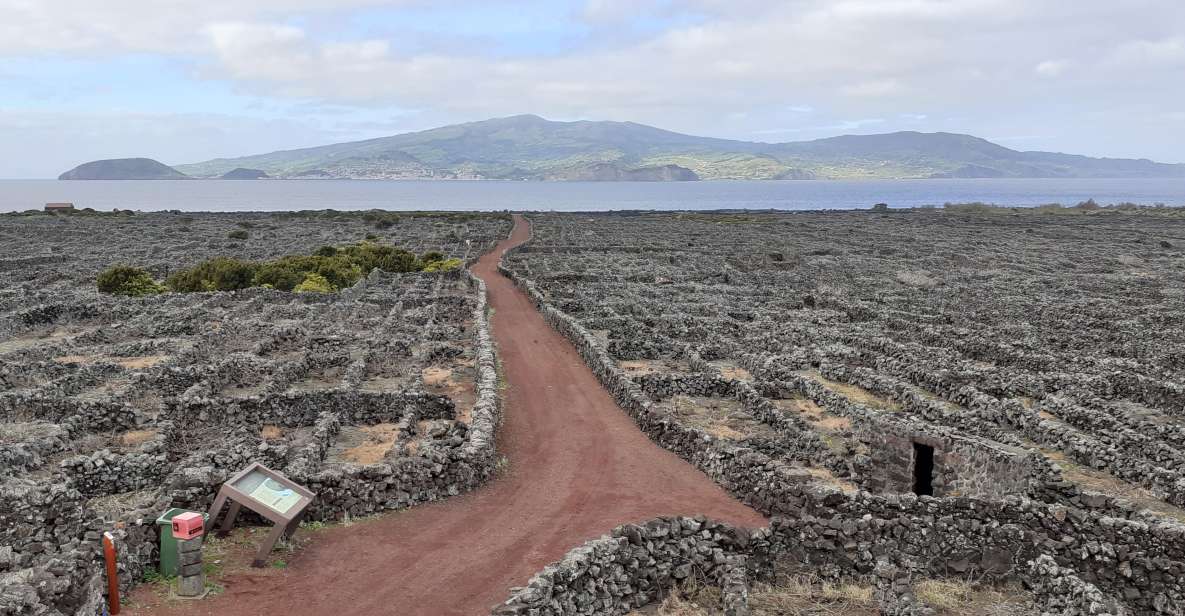
- UNESCO Pico’s Vineyard Culture Landscape for a working view of how Pico grows and protects grapes
- Lagoa do Capitão to appreciate endemic vegetation and get a nature-focused pause
- Whaling Culture spots plus the Whaling Museum to understand Pico’s maritime past and present
- Volcanic coast and lava fields along the seashore, where Pico’s geology is the main character
- Norberto’s driving and stop times get praised for being careful, smooth, and not rushed
The core idea: a coast-to-coast Pico day, not a quick drive-by
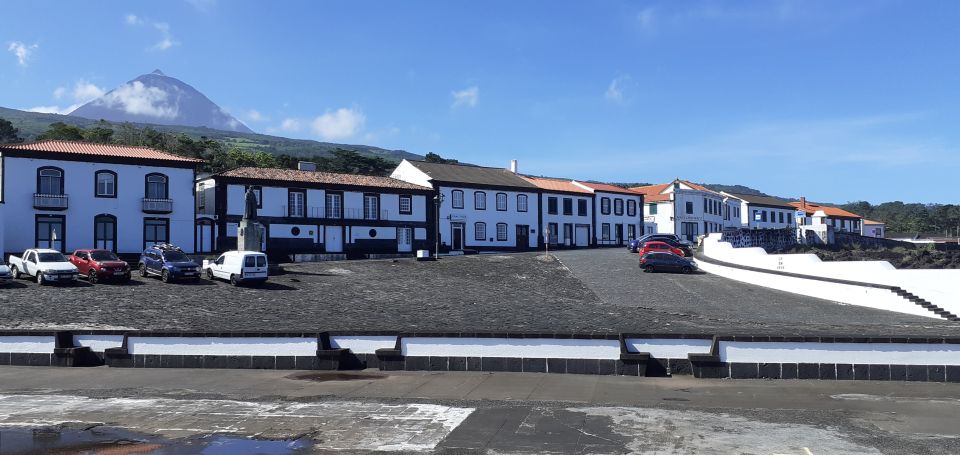
This tour is built for people who want the “big picture” of Pico without renting a car. The route follows Estrada Regional 1/2 along the north and south coasts, so you’re constantly switching scenery—town edges, seashore stretches, vineyard areas, and volcanic terrain.
What makes that approach valuable is how Pico’s identity shows up in pieces. You see villages that anchor everyday life, then you jump into landscape-level stories: vineyards tied to local traditions, volcanic lava fields that explain the island’s harsh beauty, and whaling history that shaped coastal culture. After 8.5 hours, the island usually feels less random and more connected.
The group size matters too. With a maximum of 8 participants, you’re more likely to get the “right amount” of time at each stop. Several accounts highlight that the day feels paced—people can explore when they want, instead of being swept along like a herd.
You can also read our reviews of more tours and experiences in Pico Island.

Picking up in comfort and moving with the island
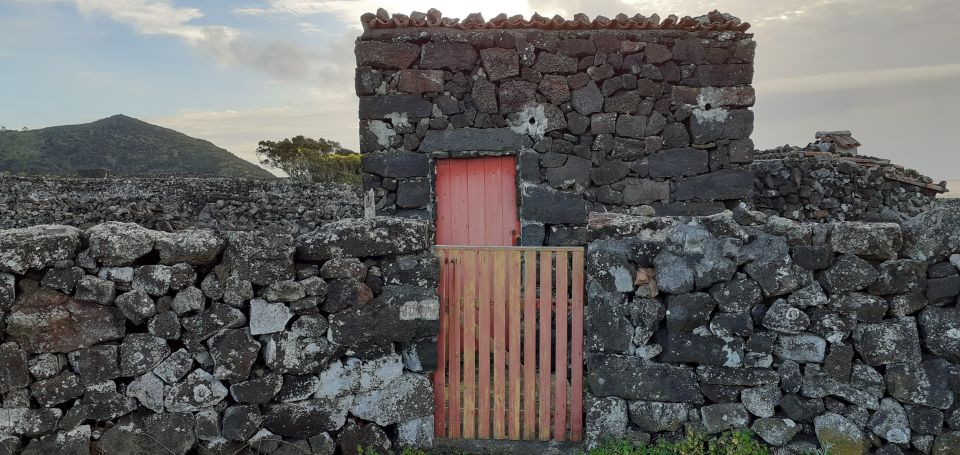
Logistically, you start with hotel pickup and drop-off, plus transfers from and to public transportation. That’s the difference between “I’ll see a lot” and “I’ll actually make it work without stress.”
You’re on the move for much of the day, but comfort seems to be part of the product. Reviews repeatedly mention a spacious, comfortable vehicle and a focus on safety, with the guide described as a careful driver. When weather shifts—or the road gets damp—that kind of driving style isn’t a small detail. It affects how much energy you have for the walking and looking parts.
The tour also runs with a live guide in English and Portuguese. That matters on Pico because many of the best details are cultural: why vineyards are managed the way they are, what whaling meant locally, and how the volcanic setting influences where people built and lived.
Madalena, São Roque do Pico, and Lajes do Pico: three village chapters
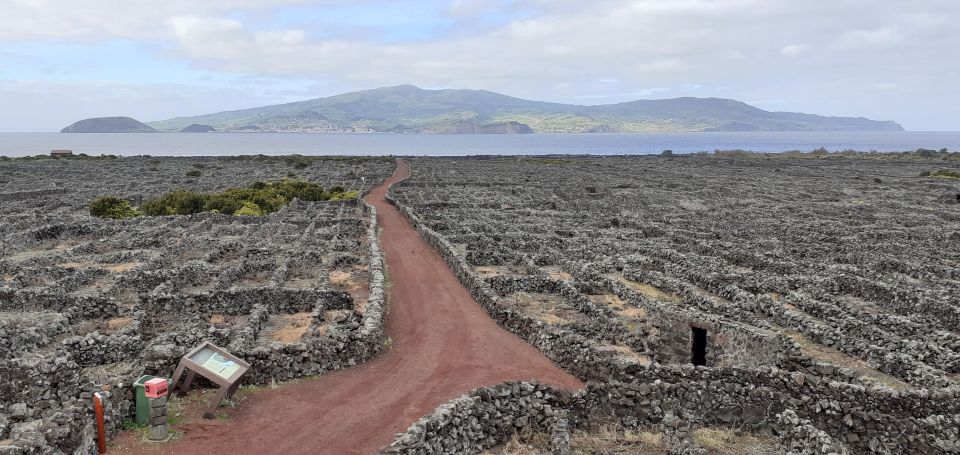
One of the strongest parts of this day is the trio of village stops: Madalena, São Roque do Pico, and Lajes do Pico. They aren’t just named on a map. They help you understand how the island’s life is arranged across the two coasts.
- Madalena is where many visitors get their first bearings on Pico. It’s a practical starting point for learning the island’s rhythm—where you’ll later connect vineyard areas and coastal viewpoints.
- São Roque do Pico adds another slice of village atmosphere. It’s a good place to reset your eyes between the bigger nature moments and the more technical cultural stops.
- Lajes do Pico tends to feel like a place that balances coastline life with inland realities. It’s also one of the stops that helps you feel how far Pico stretches when you do it properly in a day.
Why I like this structure: villages are where “history” becomes real. You can listen to the guide’s explanations and then look at the setting—the roads, the coastline edges, and the local patterns—without needing to translate everything yourself.
Lagoa do Capitão and endemic plants: a nature stop with meaning
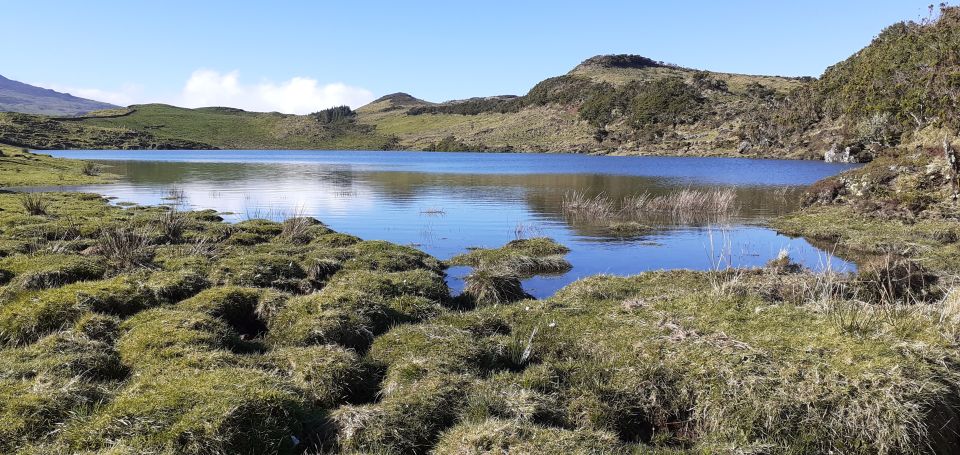
The tour includes Lagoa do Capitão, and this is one of the best “pause moments” in the day. The big promise here is endemic vegetation—plants found on Pico that don’t grow the same way elsewhere.
That matters because it connects ecology to island life. On volcanic islands like Pico, ecosystems develop in tight, specific niches. When you see endemic vegetation, you’re seeing the island’s isolation working over time. It’s not just a pretty stop—it’s a snapshot of Pico’s long-term survival story.
Practical tip: this is the kind of stop where the weather can change your experience quickly. If clouds roll in, visibility drops; if it’s clear, you get that satisfying feeling of standing in a place that feels unmistakably Pico. Either way, this stop helps break up the driving and gives you a different kind of “wow.”
Pico’s Vineyard Culture Landscape (UNESCO): wine culture you can actually see
The tour highlights Pico’s Vineyard Culture Landscape, a UNESCO classification tied to the island’s vineyard tradition. Instead of treating vineyards like a generic green backdrop, this part of the day is about how the vineyard system shapes daily life and the island’s look.
Pico’s vineyards are part culture, part craft, part environmental adaptation. The guide’s explanations (and the focus on wine production mentioned in reviews) help you see why the island’s viticulture feels so distinctive—how people work with the land rather than against it.
This is also a good stop for photos, but not only for photos. You’ll want a slow look: the “why” behind vineyard placement and protection is the real takeaway. If you’ve only seen vineyards on flat ground, Pico’s setup can feel like a small lesson in local ingenuity.

Cachorro and Lajido along the volcanic shoreline
Two named stops—Cachorro and Lajido—work like scenic punctuation marks. They’re paired with seashore time and the tour’s focus on Pico’s volcanic character, including vast lava fields.
This is where the island’s geology takes over. Lava fields aren’t just dramatic scenery; they explain why coastline areas, wind exposure, and building choices matter. Even if you’re not a geology nerd, you’ll probably find the visuals hard to forget: the rough textures, the way the land breaks into ridges and flows, and how vegetation fights to claim space.
Possible drawback to consider: lava-field and shoreline scenery can mean uneven ground and slippery spots if conditions are wet. The tour includes time to explore, but you should still pack comfortable shoes and expect that the “walk” may be as much about careful footing as it is about distance.
Whaling Culture stops and the Whaling Museum
Pico’s whaling past is treated as a core part of the island’s story, not a side note. The tour routes through emblematic Whaling Culture places and includes a visit to the Whaling Museum.
Why this section is worth your attention: whaling history on islands often explains more than just a past industry. It connects maritime knowledge, economic patterns, and how coastal communities adapted over time. The guide also weaves in “today facts” about the island, including the story of Mistérios, described as something that shaped Pico.
If you’re the type who likes context—how old practices echo in present identity—this museum stop is a key anchor in the day. It gives you a framework before you look back at the coast and start noticing patterns you might otherwise miss.
Timing and pacing: how the 8.5 hours stay enjoyable
An 8.5-hour day sounds intense until you see how it’s managed. The best reviews emphasize that you’re not rushed at each stop. People report getting enough time to explore, with the guide adjusting the flow when conditions change.
That flexibility is a big deal on Pico because fog and weather can shift quickly. One account notes the guide extended the tour with an extra stop when a stop was foggy to see properly. You don’t always get that kind of responsiveness on a standard group bus route.
Also, the small group size helps the pacing feel human. With up to 8 people, it’s easier to regroup, take questions, and move at a pace that matches what you want to see rather than a strict stopwatch schedule.
Price and value: is $111 a fair deal?
At $111 per person for about 8.5 hours, the value comes from what’s bundled. You’re paying for:
- Hotel pickup and drop-off
- Transfers from and to public transportation
- Entry visits
- Insurance
- A live guide (English and Portuguese)
And you’re getting a route that covers both coasts plus multiple themed stops: UNESCO vineyards, Lagoa do Capitão, volcanic lava scenery, and whaling culture with a museum visit.
If you rented a car, you’d still have to handle driving, parking, fuel, and paying for entry tickets. This tour wraps those logistics into one price, and the small group keeps it from feeling like a chore.
The only “hidden” cost you should assume is lunch and drinks, because those aren’t included. One review gives a useful ballpark: a buffet lunch option around 13€ per person including drinks was chosen by a guest. Your final cost depends on your appetite and your restaurant choice, but at least you’ll know you have options.
Lunch, water, and how to keep the day comfortable
Since food and drinks aren’t included, I recommend planning like this:
- Bring water or plan to buy it during breaks.
- Pack a snack if you hate waiting for lunch time.
- When the guide offers lunch options, treat it as part of the value. In at least one case, lunch choices were flexible and reasonably priced.
Also, remember that Pico weather can shift between stops. If you’re layering-friendly (light jacket you can put on quickly), you’ll feel more comfortable during shoreline segments.
And yes, the day can be long on your feet. Comfortable shoes matter more than you’d think, especially with lava-field and coastal terrain.
Who should book this tour on Pico—and who might not
This is a great match if you:
- Want a first-timer overview of Pico in one day
- Prefer a guided approach to vineyards and whaling history
- Don’t want the stress of renting a car and figuring out route timing
- Like small-group tours with time to explore
It may not be your best choice if you:
- Want a purely independent day with no scheduled museum or village stops
- Have limited mobility and need a very specific, short-walk plan (the tour includes exploration time, and parts of the day can mean uneven ground)
One useful real-world detail from reviews: the guide was described as helpful to a guest traveling with a partially sighted mother, and he supported getting around. That suggests he can be attentive to real needs, but you should still ask directly about your situation before you go.
Should you book it?
I’d book this Pico day if your priority is understanding the island’s story—wine culture, volcano reality, and whaling history—without turning your trip into a car rental spreadsheet.
At $111 with pickup, entry visits, and a museum stop, it’s strong value for the amount of ground you cover. The small group size and the way the guide manages time also seem to be the difference between an exhausting day and one you remember in a good way.
If you’re deciding between this and a DIY drive, choose this when you want context and an efficient route. Choose DIY only if you already feel comfortable with Pico driving and you’re okay sacrificing the guided explanations that make the stops click.
FAQ
How long is the Pico Island tour?
The tour duration is about 8.5 hours.
What’s the group size?
It’s a small group limited to 8 participants.
What languages are available for the tour guide?
The live tour guide speaks English and Portuguese.
What’s included in the price?
Included are hotel pickup and drop-off, transfers from and to public transportation, entry visits, insurance, and a tour guide.
Is food included?
No. Food and drinks are not included.
Which areas on Pico are visited?
The tour includes Madalena, São Roque do Pico, and Lajes do Pico, plus Lagoa do Capitão, Cachorro, Lajido, and whaling culture sites including the Whaling Museum.
Is the tour refundable if plans change?
Yes, you can cancel up to 24 hours in advance for a full refund.
Can I reserve without paying now?
Yes. It offers a reserve now & pay later option.