REVIEW · TERCEIRA
Terceira: Whale & Dolphin Watching | Best Wildlife Tour
Book on GetYourGuide →Operated by OceanEmotion · Bookable on GetYourGuide
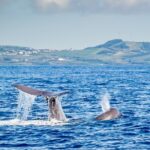
If you like the ocean doing its own thing, this is for you. Terceira sits in the heart of the Atlantic, and the Azores are one of Europe’s best places for whale and dolphin watching with a serious track record. The cool part is the local system: high-point lookout spotting paired with a marine team, designed for a safe, respectful approach.
What I like most is the sheer scale of the cetacean opportunity: 29 species recorded around the islands, covering about 33% of the world’s known species. I also like the practical build of the tour—a hydrophone, a live guide (English, Portuguese, or Spanish), and even a wind jacket—so you’re not just standing around hoping for luck.
One drawback to keep in mind: sightings are wild-animal unpredictable. You’re guaranteed at least one of whales or dolphins, but you might not get both on the same trip (and whales can be trickier to spot than dolphins).
In This Review
- Key highlights you’ll care about
- Terceira in the Azores: why this region is built for whales and dolphins
- How the lookout system improves your odds (and keeps things respectful)
- What your 2.5 hours look like in real life
- What you can expect to see: dolphins vs whales (and the guarantee)
- The hydrophone: why this small tool can change the whole experience
- Comfort and rules: what to pack so you stay warm and steady
- Safety and who should skip this one
- Price and value: is $82 worth it in the Azores?
- Who this tour suits best (and who might be happier elsewhere)
- Should you book the Terceira whale and dolphin watching tour?
- FAQ
- How long is the Terceira whale and dolphin watching tour?
- Where is the meeting point?
- Is pick-up or drop-off included?
- Do you guarantee seeing whales or dolphins?
- What should I bring?
- What languages are available for the guide?
Key highlights you’ll care about
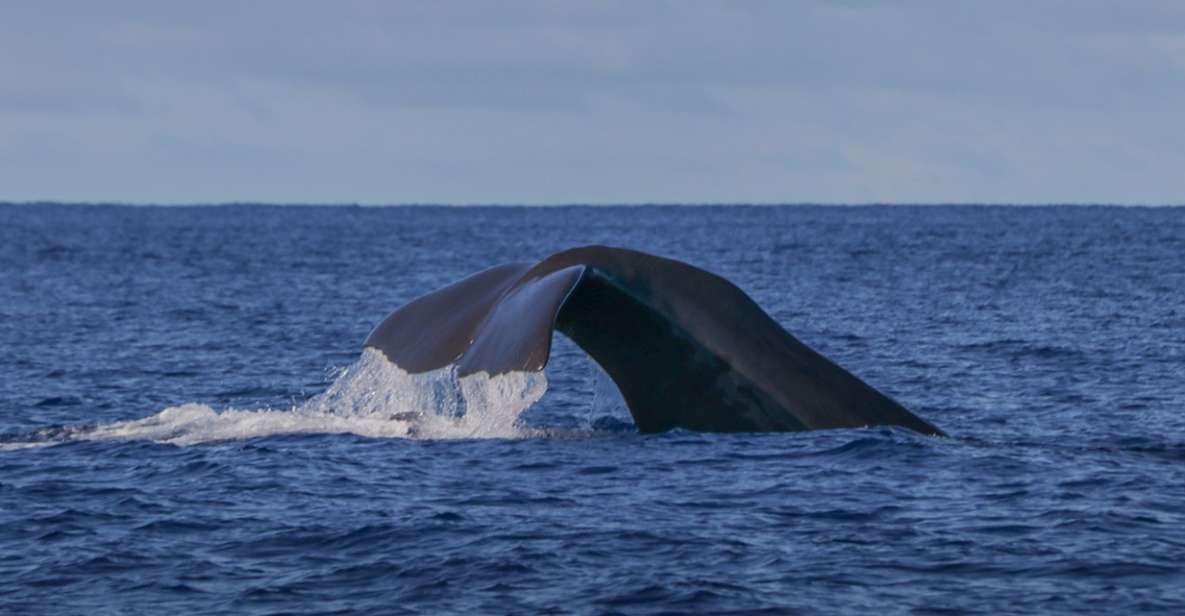
- High-point lookouts + long-range binoculars help the team find animals faster
- Hydrophone included so you can hear underwater activity, even when visibility is imperfect
- Sighting guarantee: you’ll see at least one of whales or dolphins in Azores waters
- Roughly 2.5 hours on the water means you get focused time without burning a whole day
- Wind jacket provided, plus clear rules for what not to bring
Terceira in the Azores: why this region is built for whales and dolphins
Terceira is part of the Azores, and the Azores have a reputation for marine life that’s not just hype. The islands record 29 species of cetaceans, which the tour info ties to around 33% of the world’s known species. That number matters because it means you’re not gambling on one rare encounter. You’re in a place with a real chance of variety—different dolphins, different whale behavior, and shifting groups.
And that sets the tone for how you should approach this tour. This is not a factory tour where animals show up on schedule. It’s closer to being set up with the best odds, then letting the ocean decide what it wants to show you.
You can also read our reviews of more whale watching tours in Terceira
How the lookout system improves your odds (and keeps things respectful)
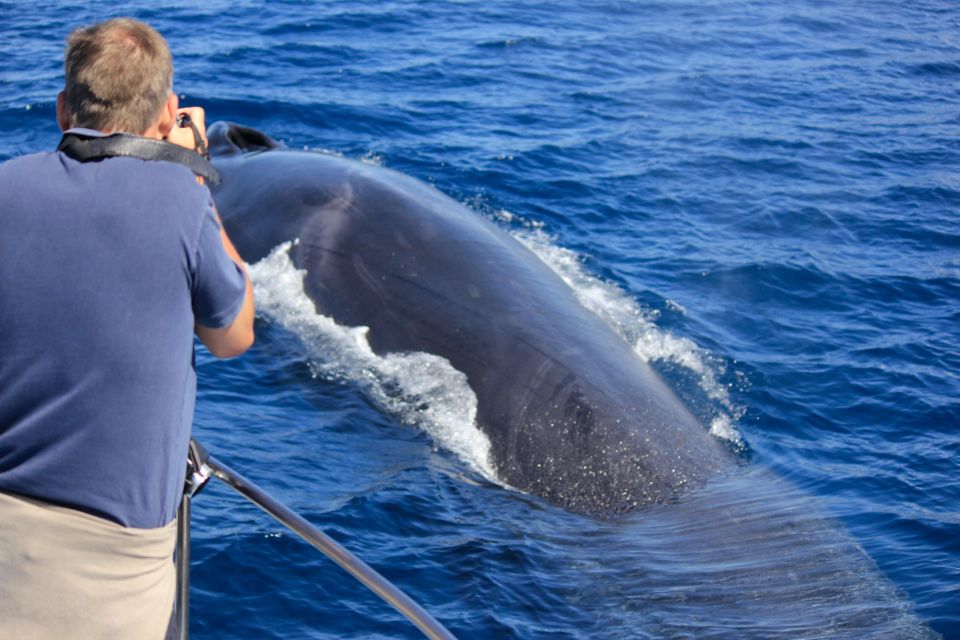
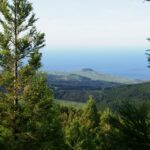
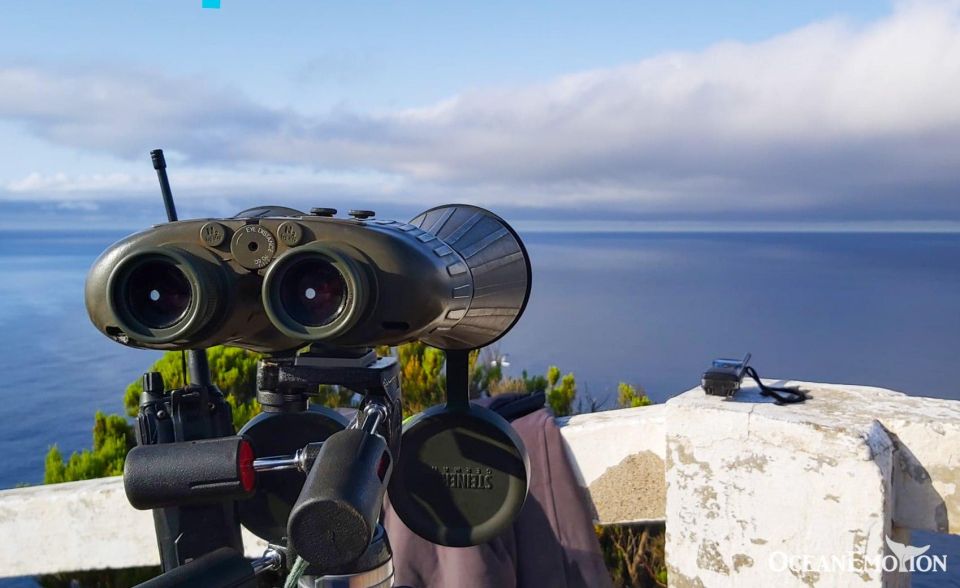
This tour uses a method that makes intuitive sense: watch from land first, then move with what the lookouts see. You get spotting from high points on the island using long-range binoculars, and then the marine team coordinates the water portion based on those observations.
There’s a second piece I appreciate: the approach is meant to follow the Azores conduct code for cetacean observation. That matters because the best whale watching isn’t just about getting close. It’s about not stressing animals, not crowding behavior, and still getting good viewing time.
The operator also shares a key statistic: about 98% success rates for year-round sightings using this system. That doesn’t mean you’ll always see whales specifically. It does mean the operation is set up to work most days, not just on perfect-conditions fairy tales.
What your 2.5 hours look like in real life
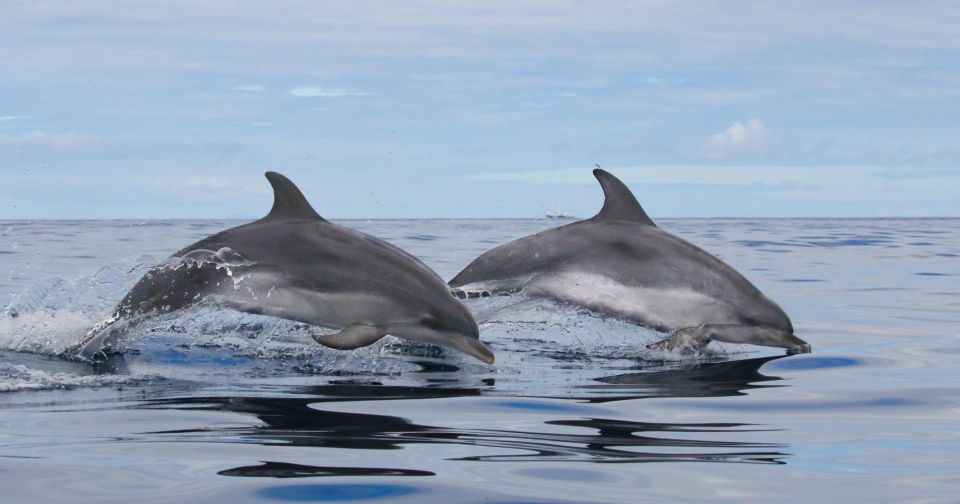
You meet at the OceanEmotion office (look for the red cover). Since pick-up and drop-off aren’t included, you’ll want to plan to arrive on time under your own steam. Once you’re checked in, you’ll get the live guide onboard (or during the tour briefing) and the gear you need for comfort—especially the wind jacket.
From there, the experience is essentially a coordinated search:
- Spotters scan from elevated viewpoints to detect whales or dolphins.
- The team uses that information to head toward the right waters.
- When animals are found, you observe and learn what you’re looking at.
- The hydrophone helps you understand activity underwater, adding another layer beyond sight.
Duration is 2.5 hours, which is a sweet spot. Long enough to have real chances with animals that may wander or surface unpredictably, but not so long that you start counting minutes and getting impatient.
What you can expect to see: dolphins vs whales (and the guarantee)
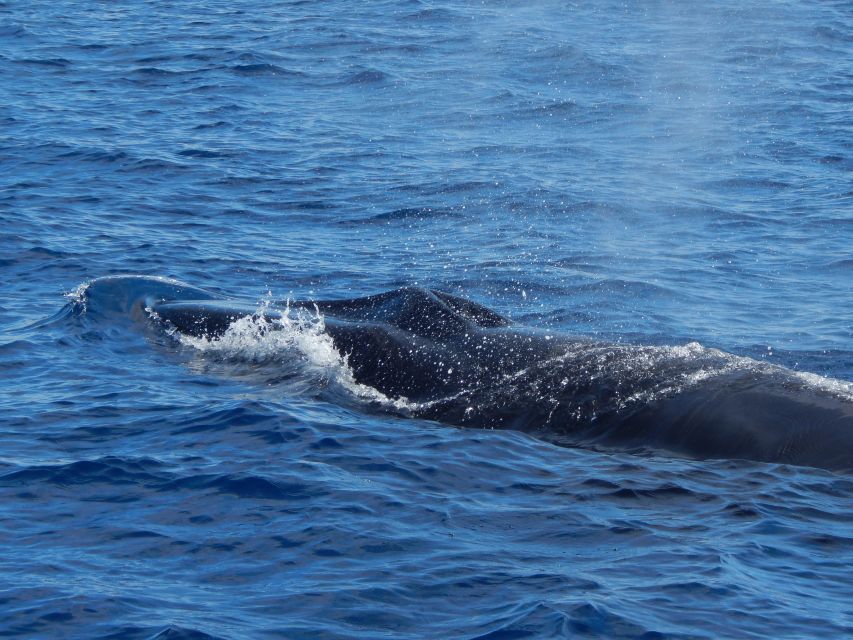
Here’s the honest version that keeps expectations healthy. The tour runs with wild animals, so the species mix can change fast. The sighting guarantee is smartly written: they can’t promise you’ll see only whales, only dolphins, or both in a single tour. But they commit to providing a sighting of at least one of the species of whales or dolphins present in Azores waters.
So how should you think about your odds?
- Dolphins are often easier to locate and observe because they tend to travel in groups and make themselves seen.
- Whales can take more patience because their surfacing patterns vary.
Even in the operator’s own success framing (98% year-round sightings), the emphasis is on seeing something, not forcing a specific species bingo. If you go in expecting at least dolphins or at least a whale, you’ll feel satisfied. If you go in demanding one exact whale species, you’ll probably feel let down even after a good trip.
One more practical point: you might get more than one species. Some experiences around Terceira can include multiple sightings types within a single outing, so it’s worth staying present throughout the whole 2.5 hours instead of mentally checking out after the first good sighting.
The hydrophone: why this small tool can change the whole experience
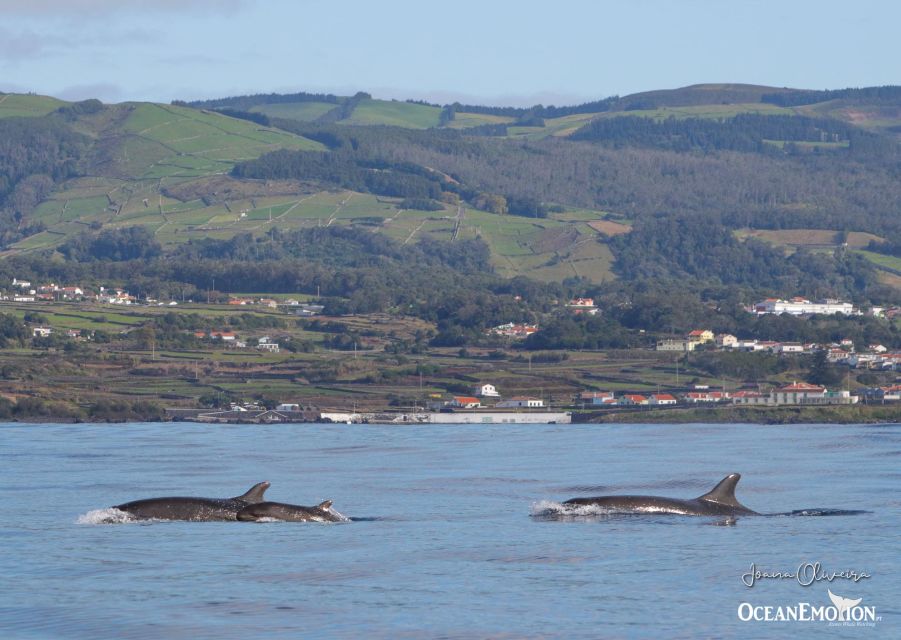
You’ll have a hydrophone during the tour. On a calm day, watching animals is great. On a choppy or foggy day, you can still connect to what’s happening beneath the surface.
A hydrophone doesn’t replace visual spotting. But it does add context. You’re not just waiting for a tail or a spout—you’re getting to listen for underwater sounds that help you understand that you’re not imagining the life out there. It turns the tour into a more layered experience: eyes for sightings, ears for activity.
And it’s a nice reminder of what makes this region special: you’re in the heart of the Atlantic, where life is active and sounds travel with enough usefulness to bring you closer to the real scene.
You can also read our reviews of more dolphin watching tours in Terceira


Comfort and rules: what to pack so you stay warm and steady
This is where “wild nature” can become “miserable nature” if you don’t dress smart. The tour gives you a wind jacket, but wind and spray can still make you feel colder than expected on the water.
Bring:
- Comfortable shoes (you’ll want stable footing)
- Warm clothing
- Water
- Comfortable clothes you can move in
Not allowed:
- Smoking
- Glass objects
- Alcoholic drinks in the vehicle
I’d treat the no-glass rule as a sign that this is meant to be practical and safer around moving surfaces. So keep it simple with what you bring. If you tend to over-pack, cut back. If you tend to under-pack, add layers.
Safety and who should skip this one
The tour isn’t listed as suitable for:
- Pregnant women
- People with back problems
- People with heart problems
That’s not picky—it’s a heads-up. Even if conditions are fine, you’re on a marine activity with movement. If that’s a concern for you, it’s better to pick a gentler type of Azores outing instead of forcing it.
Price and value: is $82 worth it in the Azores?
$82 per person for a 2.5-hour whale and dolphin tour in the Azores doesn’t automatically mean it’s cheap or expensive. What matters is what’s included and how the operator reduces your chance of wasting time.
Here’s the value math I’d use:
- Included wind jacket, a live guide, and public liability insurance
- Included hydrophone, so you’re not just paying for a boat ride
- Included whale/dolphin spotter system that improves sighting odds
- Included sighting guarantee: at least one of whales or dolphins
- Included rescue-style promise: if no sightings occur, you’re offered a new free tour
- Included refund promise if adverse weather makes the activity impossible
So you’re paying for an operation that tries to solve the big whale-watching problem: the uncertainty. You still can’t control animals, but you can reduce the odds of walking away disappointed. That’s why the guarantee matters here. In wildlife tours, guarantees are either marketing fluff or real operational planning. The way this one is set up is the practical kind.
Still, if your main goal is a specific whale species, understand that the guarantee doesn’t guarantee the species mix. Dolphins are more reliable than whales for many visitors, so tilt your mindset that way and you’ll likely feel you got your money’s worth.
Who this tour suits best (and who might be happier elsewhere)
This is a great fit if:
- You love nature and marine life and want a high chance of real animal encounters
- You want a short, focused outing instead of a full-day production
- You care about a respectful observation approach, not just speed-running to sightings
You might look at other options if:
- You need a very predictable outcome (specific species guaranteed)
- You’re sensitive to movement or have the health conditions listed as not suitable
- You don’t want to dress for wind and cool marine weather
Should you book the Terceira whale and dolphin watching tour?
If your ideal Azores day includes whales or dolphins, this is a strong choice to book. The best reason is the combination of a coordinated lookout system, year-round success framing, and a real sighting promise of at least one of whales or dolphins. You’re also getting more than just visuals thanks to the hydrophone, plus the comfort support of a wind jacket.
Book it when you can be flexible on what you’ll see. Skip it only if you need a specific species outcome or you fall into the listed unsuitability categories. If you want an outdoor, Atlantic-life experience that’s planned to work on most days, this is one of the better bets on Terceira.
FAQ
How long is the Terceira whale and dolphin watching tour?
The tour duration is 2.5 hours.
Where is the meeting point?
You should go directly to the OceanEmotion office with the red cover.
Is pick-up or drop-off included?
No. Pick-up and drop-off are not included.
Do you guarantee seeing whales or dolphins?
They cannot guarantee you’ll see only whales or only dolphins, but they do guarantee a sighting of at least one of the species of whales or dolphins present in Azores waters. If no sightings occur, you’ll be offered a new free tour. If adverse weather prevents the activity, you get a full refund.
What should I bring?
Bring comfortable shoes, warm clothing, water, and comfortable clothes.
What languages are available for the guide?
The live tour guide is available in English, Portuguese, and Spanish.