REVIEW · TERCEIRA
Geology: private full day tour
Book on GetYourGuide →Operated by Azores(un)guided · Bookable on GetYourGuide
Terceira geology clicks into place fast. This private, full-day tour with geologist Ricardo turns volcanic scenery into clear ideas you can actually see, not just read. You’ll visit Gruta do Natal and Algar do Carvão, plus key viewpoints and geothermal stops.
I love the way the day is truly customizable. If clouds move in, your pace changes, or you want more time at overlooks instead of rushing, the route can flex.
One thing to think about: cave time is scheduled, and walking inside means stairs and tight passages. Algar do Carvão involves about 300 steps, and Gruta do Natal has a crouch-needed section, so it’s not a good fit for mobility limits.
In This Review
- Key things that make this tour worth your time
- A geologist-led day that makes volcanic terrain make sense
- Price and value: $117 plus cave tickets that you can plan for
- Your big-picture route across Terceira’s north and south coast
- Monte Brasil: the opening viewpoint that sets your questions
- Miradouro Ribeirinha: short stop, strong payoff
- Salga Bay and the coastal walk: where geology meets the shoreline
- Serra do Cume: viewpoints plus the slow scenic drive
- Praia da Vitória and Vila Nova: time to see more, and maybe swim
- Biscoitos: coastal scenery plus regional food
- Gruta do Natal: cave time in the afternoon window
- Furnas do Enxofre: geothermal energy explained on the ground
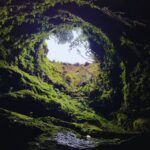
- Algar do Carvão: famous volcanic cave, plus the 300-step reality
- Comfort, pace, and who should choose this geology day
- Should you book this Terceira geology tour?
- FAQ
- How long is the private geology tour in Terceira?
- What does the $117 per person price include?
- Are the cave tickets included in the price?
- When are the caves open?
- What’s the walking and movement like inside Algar do Carvão?
- Is Gruta do Natal easy to navigate?
- What languages are the guides available in?
- Is this tour suitable for mobility impairments?
Key things that make this tour worth your time
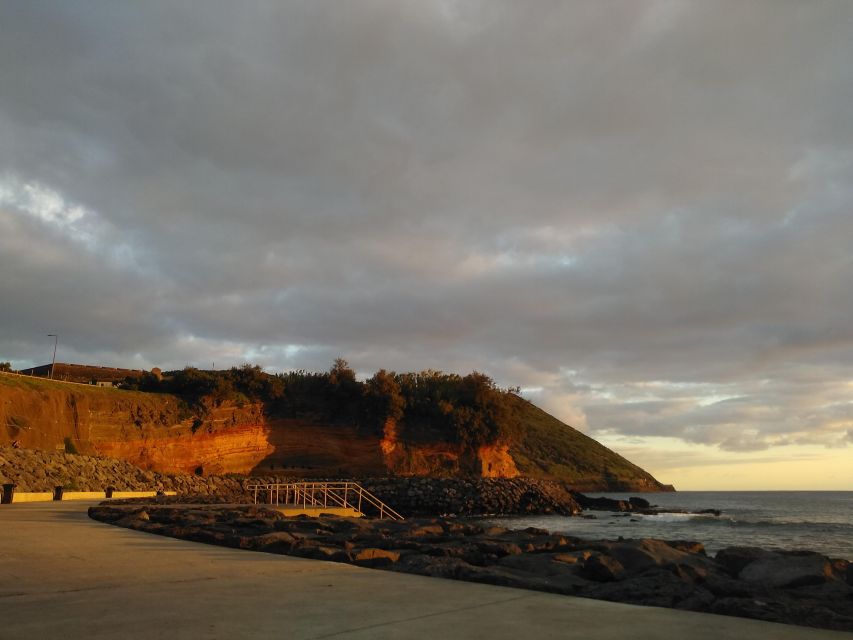
- A geologist guiding what you see, with concepts like vulcano-stratigraphy and polygenetic volcanoes explained in plain language
- Two famous caves in one day: Gruta do Natal plus Algar do Carvão
- Geothermal energy talk tied to real places you stop at, not just a lecture from the car
- Fully customizable private routing, so timing and photo stops can match your style
- Swim-time optional, with natural pools at selected coastal stops (weather permitting)
A geologist-led day that makes volcanic terrain make sense
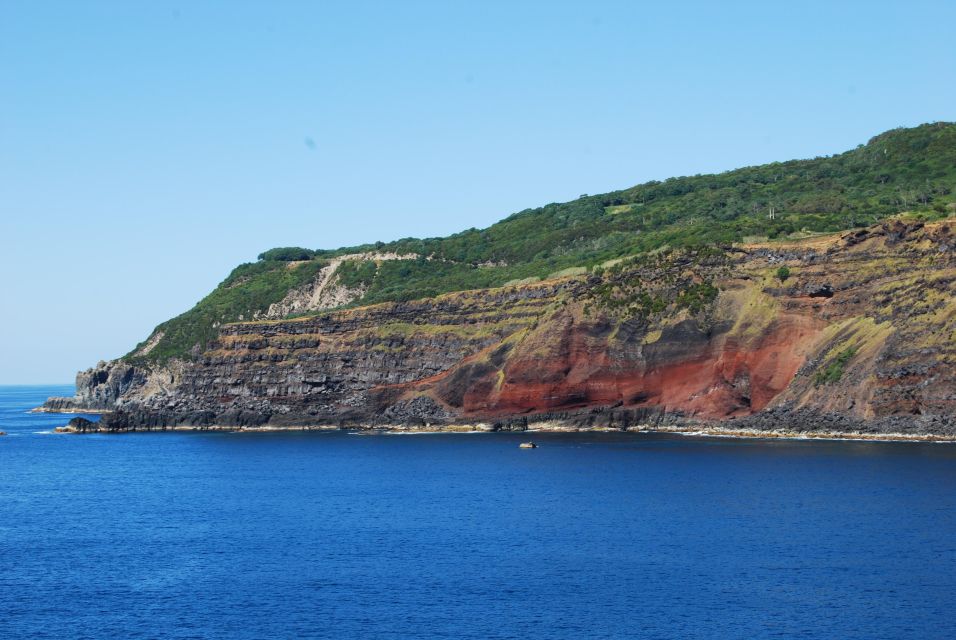
The Azores are all about ongoing geological storytelling, and Terceira is a great chapter. What I like about this tour is that it doesn’t treat geology like trivia. You get ideas you can connect to the shapes, layers, and features you’re seeing as you drive and walk.
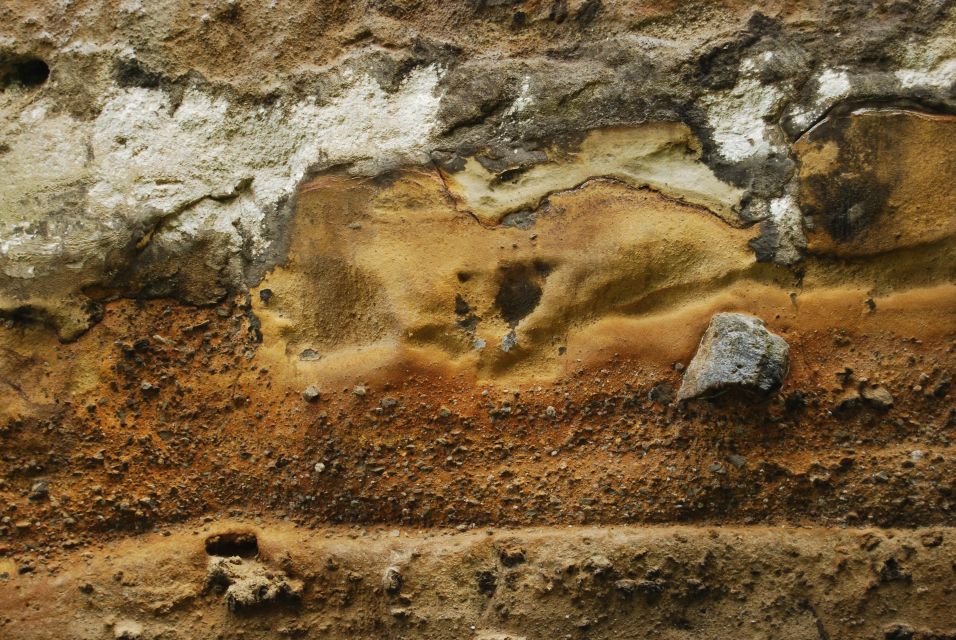
With Ricardo—your geologist expert—you’re not just looking at dramatic sites. You’re learning how volcanic history can be read on the ground, including topics like vulcano-stratigraphy (how layers and volcanic episodes stack up) and polygenetic volcanoes (volcanoes built up through multiple stages). The payoff is simple: by the end of the day, you can look at a hillside or cave entrance and understand what questions to ask.
The day also stays grounded in real travel: viewpoints, coastal stops, and time for photos and breaks. And since Terceira’s character isn’t only scientific, you’ll also get context about history and cultural heritage along the route.
You can also read our reviews of more private tours in Terceira
Price and value: $117 plus cave tickets that you can plan for
The tour price is $117 per person for a 9-hour private experience with hotel pickup and drop-off included. For many people, the “value” isn’t just the content—it’s the format: you’re not sharing the day with strangers, and the route can shift based on your interests and timing.
Then there’s the simple math of cave admission. Tickets aren’t included:
- Algar do Carvão: €10.00
- Gruta do Natal: €9.00
- Combo ticket: €15.00 per person
So, if you do both caves, your extra total is either €19 or €15 with the combo. Either way, you’ll want to factor this into your budget, because those are the two most geology-heavy experiences on the day.
Also note what’s not included:
- Food and drinks
- Children’s car seats
And if you’re thinking “private tour sounds expensive,” this is one of those rare times where the private format doesn’t feel like a luxury add-on. It feels like the efficient way to see Terceira when you only have a day or two.
Your big-picture route across Terceira’s north and south coast
You start in Angra do Heroísmo with pickup, then work your way through a series of viewpoints and coastal stops. The overall arc is designed so you’re not jumping back and forth randomly—you’re moving through the island while learning the geological “why” behind what you see.
A useful detail for planning: this is a custom-made private tour, so the order and timing can be adjusted to your needs and wishes. That flexibility matters most around the caves, because their opening hours are limited to late afternoon.
Here’s how the day typically flows, in human terms.
Monte Brasil: the opening viewpoint that sets your questions
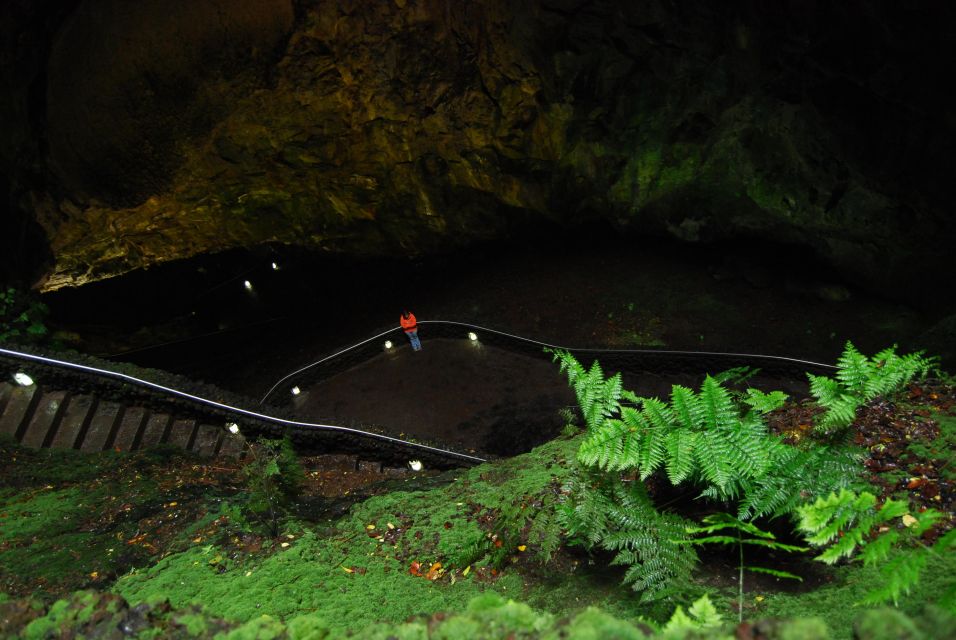
The day begins with a stop at Monte Brasil for a photo moment and guided tour time (about 1 hour). This is a strong start because it gives you a reference point. From there, you can start learning how the island’s terrain is shaped, and how Ricardo will “read” features as you continue driving.
Even if you don’t know a thing about geology, this works, because the guide’s job isn’t to test you. It’s to help you build a mental map fast: What type of feature is this? What volcanic stage could it relate to? You’ll feel those questions start to click into place.
Drawback to consider: since this is the first stop, you’ll want to stay ready for walking and photo pauses rather than expecting a slow warm-up.
Miradouro Ribeirinha: short stop, strong payoff
Next comes Miradouro Ribeirinha for about 30 minutes—photo stops and scenic views on the way. This one is quick, but it matters. In a day full of cave time and walking, these short overlooks keep the story from becoming only underground.
The best way to use this stop: ask for explanations that connect the view to the next places you’ll visit. When the guide points out what to look for, you’ll start spotting the same “patterns” again later.
A few more Terceira tours and experiences worth a look
Salga Bay and the coastal walk: where geology meets the shoreline
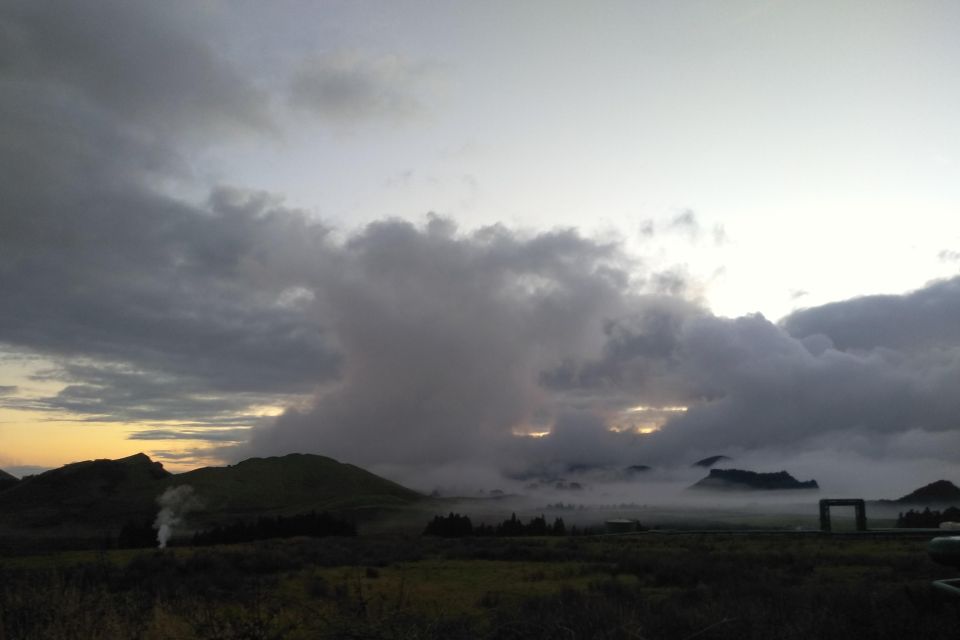
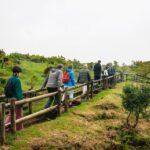
You’ll stop at Salga Bay for about 80 minutes, with a guided tour and walk. This is where the coast becomes part of the lesson. You’re looking at natural features from above and then closer on foot, which helps you understand how surfaces and formations relate.
Why I like this stop: it’s not only scenic—it gives you physical context. Even concepts like layer histories and volcanic stages land better when you can relate them to a path under your feet.
Practical note: bring footwear you’re comfortable walking in, because “walk” during a full day can add up.
Serra do Cume: viewpoints plus the slow scenic drive
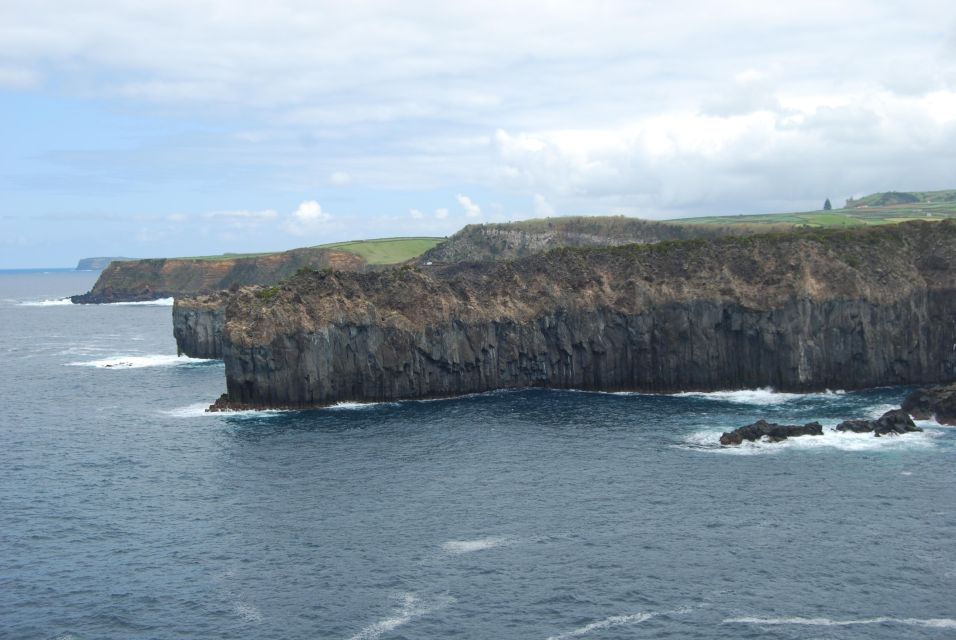
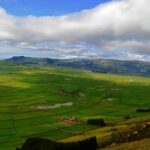
At Serra do Cume, you get about 1 hour of photo stop and guided time, plus a scenic drive and views. This kind of stop is valuable because it breaks up cave intensity with open-air learning.
It’s also a good moment to ask questions that come from the morning’s concepts. If vulcano-stratigraphy is rattling around in your head, this is where it can turn into something visual.
Praia da Vitória and Vila Nova: time to see more, and maybe swim
You’ll pass Sao Sebastiao, then head toward Praia da Vitória for about 1 hour of guided sightseeing (photo stop included). After that comes Vila Nova, also about 1 hour, with sightseeing plus time for swimming (scenic drive and views on the way).
These stops are where you can switch gears from “lecture mode” to “vacation mode.” If weather cooperates, water breaks make the long day feel lighter. Bring a swimsuit if you want that option, but stay flexible—Azores weather can be unpredictable.
Small caution: swimming isn’t guaranteed. The tour notes that dips in natural swimming pools are weather permitting, so don’t build your day around it.
Biscoitos: coastal scenery plus regional food
Biscoitos is another highlight-style stop: about 1 hour with guided sightseeing, a regional food moment, and optional swimming. The mix matters. You get time outdoors, then a chance to reset with local flavors.
Since food and drinks aren’t included in the tour price, think of this stop as an opportunity to choose what fits you. In practice, Ricardo can help you find places that match dietary needs; if you’re vegan or just prefer something specific, it’s worth asking.
Also, this is one of those places where taking a slow walk pays off. If your schedule feels rushed, ask the guide for a brief pause so you can actually enjoy the coastline.
Gruta do Natal: cave time in the afternoon window
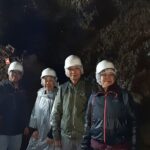
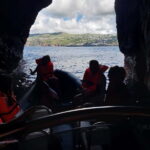
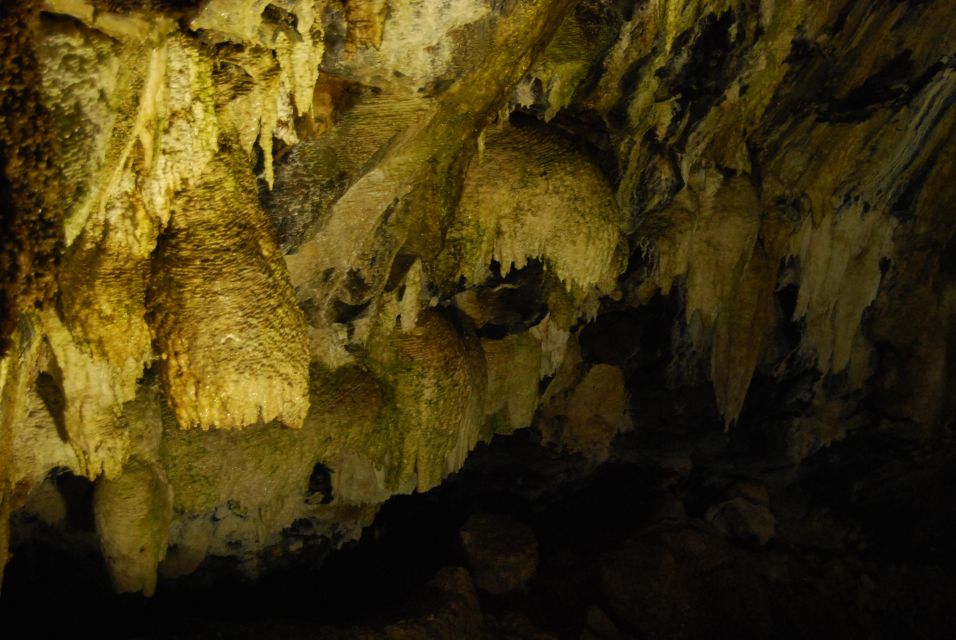
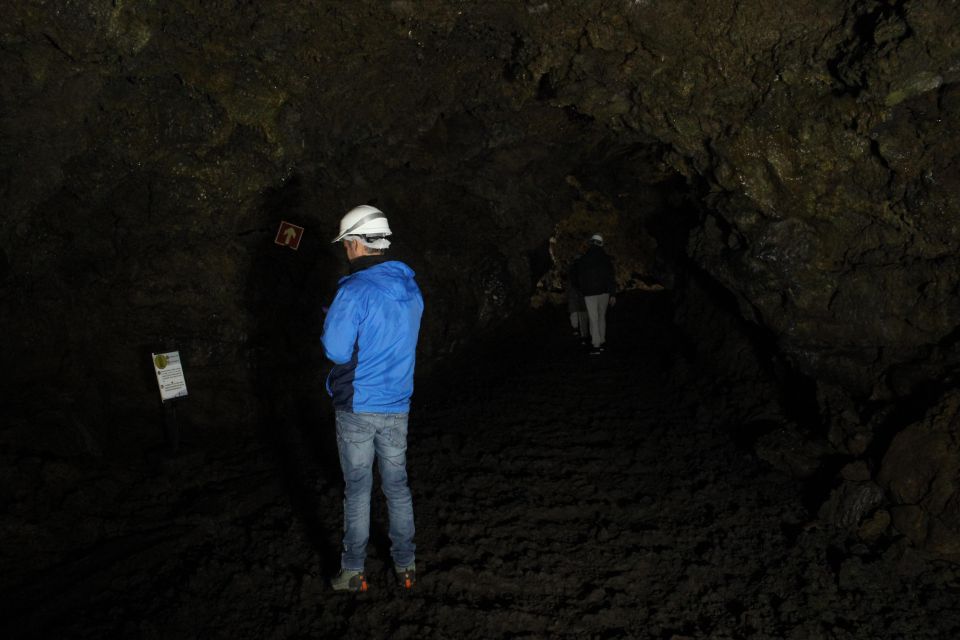
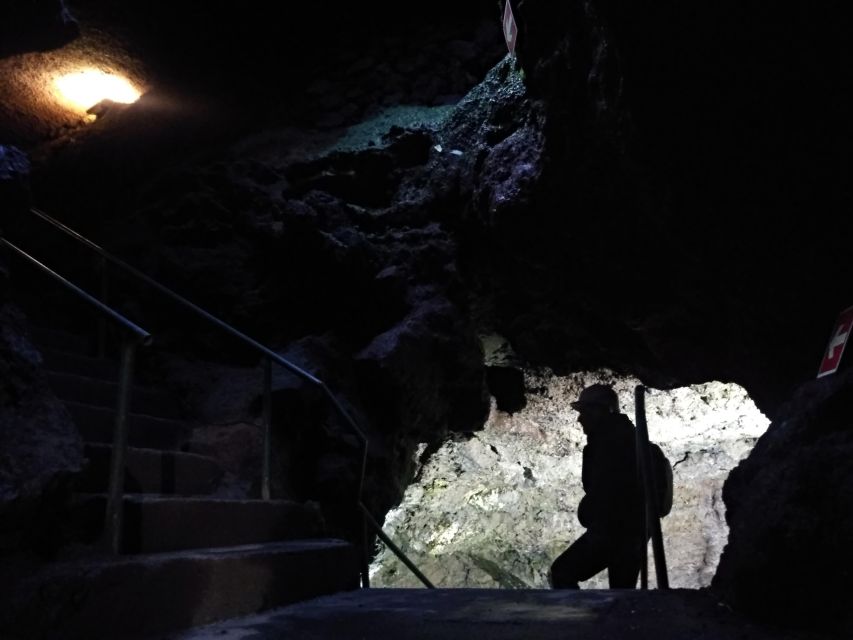
Now for the underground part. Gruta do Natal is visited with a guided tour for about 30 minutes. There’s also a specific physical detail: there’s a short pathway where you need to crouch.
Plan for it. You’ll be in a tighter space than the open-air stops, and comfortable movement matters more than fashion shoes. Also consider what you’re wearing under a warm jacket, because cave temperatures can feel different from outdoors.
Timing matters here: the tour is structured around afternoon cave access. The caves operate in the afternoon, with hours that change by season:
- Summer: 14:00–18:00
- Winter: 14:30–17:30
And between October and April, the caves close on Sundays, Mondays, and Thursdays. If you’re traveling in those months, double-check your dates so you don’t lose this core experience.
Furnas do Enxofre: geothermal energy explained on the ground
After Gruta do Natal, the day includes Furnas do Enxofre for about 30 minutes: a visit with guided tour plus a short walk. This is where the day’s geothermal theme becomes practical. The tour explicitly promises insight into geothermal energy, and this stop is the natural place for that conversation to land.
Why this works: geothermal energy can sound abstract until you see the features and hear the guide connect cause and effect. You’re not memorizing a diagram—you’re learning what to watch for when the ground has a story.
I’d treat this as your “science sticky note” moment. If the earlier stops introduced terms, this is where you’ll get the meaning.
Algar do Carvão: famous volcanic cave, plus the 300-step reality
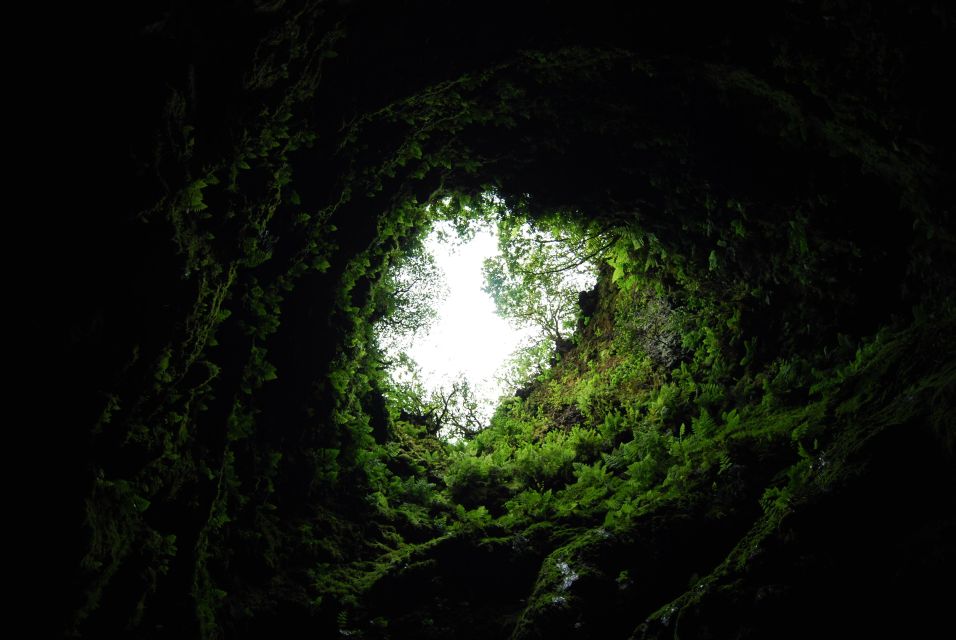
Finally, you reach Algar do Carvão. This is listed as a photo stop plus a visit and guided tour, about 30 minutes. Here’s what you need to know before you commit:
- It’s accessed by stairways: around 300 steps
- Plan for afternoon cave hours (same summer/winter windows)
- The visitor center at Algar do Carvão is affected by construction of a new one, with expected opening around June 2026
In other words: expect the cave itself to be the star, not a shiny, new visitor facility. The schedule still matters, though. In the months when cave closures apply (October–April), the tour may need to be arranged so you don’t end up on a closed day.
Also, be honest with yourself about stamina. This is one of the biggest “effort-to-reward” moments on the itinerary. If you’re fit and comfortable with stairs, you’ll likely feel it’s worth it. If not, this could become the day’s friction point.
Comfort, pace, and who should choose this geology day
This is a private experience, which changes the feel of a full day. You’re not stuck with a fixed group pace. If you want slow photo stops, longer overlooks, or extra time at specific points, you’ll usually get it. Several parts of the day are designed to support that kind of pacing: scenic viewpoints, flexible coastal time, and a guided cave plan in the afternoon window.
Language support is built in: the live guide speaks English and Portuguese, which is a big deal for geology where small misunderstandings can make concepts feel fuzzy.
One key fit note: it’s not suitable for people with mobility impairments due to cave access and stair requirements. Even aside from stairs, the day includes walks and tighter cave passages.
So, who is this best for?
- You want geology that you can see and explain to others later
- You like a guide who connects science to real places
- You’re okay with stairs, cave physical constraints, and a long day schedule
- You want a private day that can adjust to your preferences and timing
Should you book this Terceira geology tour?
Yes—if your goal is a geology-focused day that doesn’t feel like a school lecture. The combination of guided viewpoints, coastal walking, Furnas do Enxofre for geothermal energy, and two caves (Gruta do Natal and Algar do Carvão) is a strong route for making Terceira’s volcanic story feel real.
Book it especially if you’re visiting with limited time and want the day shaped around you. Ricardo’s approach, built around customization, is a practical advantage when weather changes or when you want more time at a view instead of moving on.
The main reason to pause: the cave effort. If you’re worried about stairs (about 300 steps) or crouching in Gruta do Natal, then this may not be the right match. If you’re comfortable with that side of the day, it’s one of the more rewarding ways to understand Terceira without getting lost in guesswork.
FAQ
How long is the private geology tour in Terceira?
The experience lasts about 9 hours.
What does the $117 per person price include?
It includes a private tour, a geologist expert guide, and hotel pickup and drop-off.
Are the cave tickets included in the price?
No. Tickets for Algar do Carvão (€10.00) and Gruta do Natal (€9.00) are not included, and there’s also a combo ticket for €15.00 per person.
When are the caves open?
The caves are open in the afternoon: 14:00–18:00 in summer and 14:30–17:30 in winter. Between October and April, they close on Sundays, Mondays, and Thursdays.
What’s the walking and movement like inside Algar do Carvão?
Access to Algar do Carvão is by stairways, around 300 steps.
Is Gruta do Natal easy to navigate?
There’s a short pathway where you need to crouch.
What languages are the guides available in?
The live guide speaks English and Portuguese.
Is this tour suitable for mobility impairments?
No, it’s listed as not suitable for people with mobility impairments.