REVIEW · ANGRA DO HEROISMO
Terceira Island: Snorkeling Adventure
Book on GetYourGuide →Operated by Scubazores Divers · Bookable on GetYourGuide
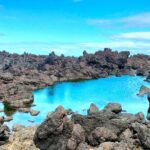
Terceira snorkeling feels like stepping into a lava-made aquarium. Off the south coast of the Azores island, clear water and a submerged volcanic rock formation create scenery you’ll notice fast—then the sea life takes over.
I like that the session is short but focused, about 1.5 hours, with gear handled for you (wetsuit, fins, mask). I also like the way the experience is guided—safety and real-time explanations mean you’re not guessing where to look.
One thing to consider: your visibility and what you see can be limited by weather and water conditions, since this is an open-water activity and the group goes where the conditions allow.
In This Review
- Key Takeaways Before You Go
- Terceira’s South Coast: Why This Snorkeling Setup Works
- Getting Ready at Marina De Angra (and What to Expect Up Close)
- What’s Under You: Volcanic Rock and the View You’ll Keep Looking At
- Marine Life You Might See (Fish, Octopus, and Stingray Possibilities)
- The Role of Guides: Safety First, But Also Real Explanations
- Price and Value: What $41 Gets You in Real Terms
- Timing: Why 1.5 Hours Feels Right
- What You Should Bring (So the Day Doesn’t Get Annoying)
- Who This Snorkel Is For (and Who Should Skip It)
- A Balanced Take: The Main Drawback Is Weather
- Should You Book This Terceira Snorkeling Adventure?
- FAQ
- How long is the snorkeling experience?
- Where do I meet for the tour?
- What is included in the price?
- Is food included?
- Do I need to bring a swimsuit and towel?
- How big is the group?
- What languages does the instructor speak?
- Is it suitable for non-swimmers or babies?
- Is wheelchair access available?
Key Takeaways Before You Go
- South-coast snorkeling in calm, clear water: built for good visibility and easy sightseeing at the surface
- Volcanic rock scenery underwater: the geography shapes where marine life gathers
- Certified guides and safety focus: helps you enjoy the water without taking risks
- Up to 10 people in a small group: you get more attention and clearer guidance
- Equipment included: wetsuit, fins, and mask so you can travel lighter
Terceira’s South Coast: Why This Snorkeling Setup Works
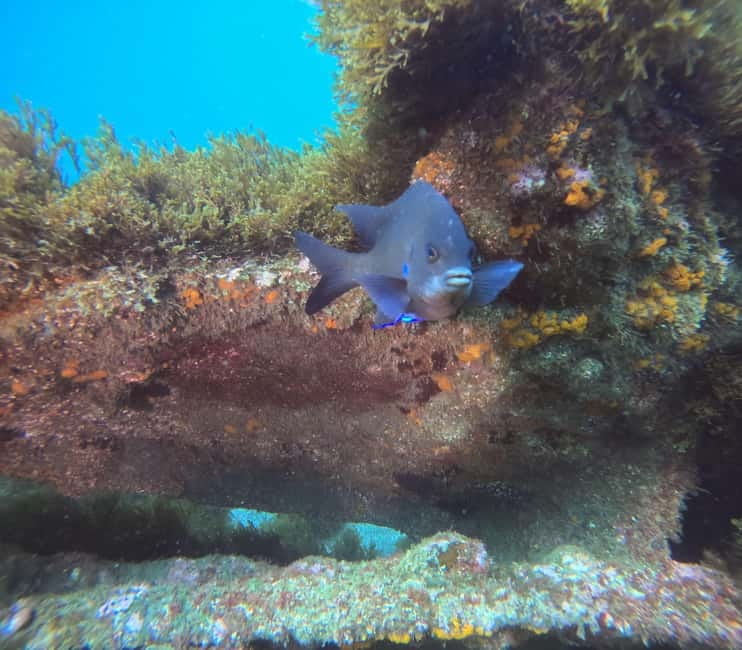
Terceira Island sits in the Azores, and snorkeling here is all about conditions that support an easy, scenic swim. In the south-coast area where you’ll go, the water is typically described as clear and calm, which matters more than people expect. When the water is steady, you can actually enjoy watching fish and studying the rock instead of constantly battling waves.
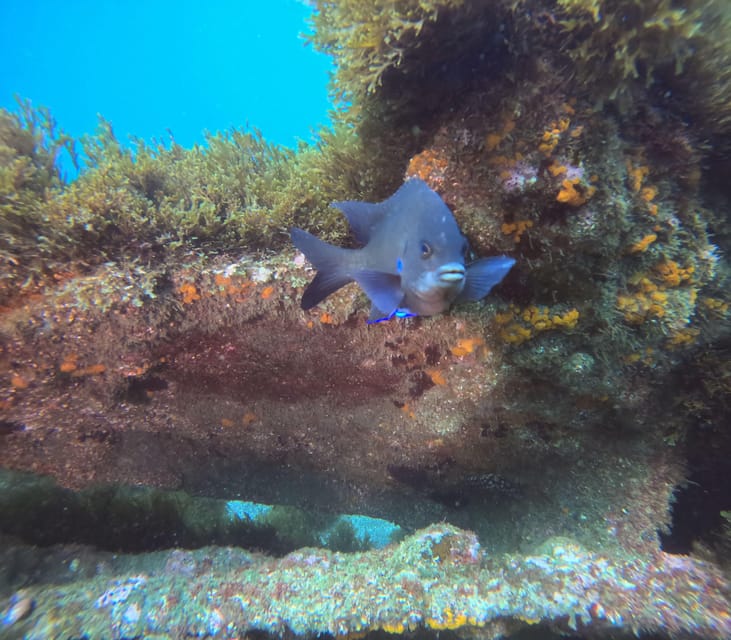
The other big reason this works: the underwater volcanic rock formation. On many beaches, you’re snorkeling over sand and hoping for something interesting. Here, the rock gives you structure—ledges, angles, and shadows—exactly where small marine life tends to show up. Even if you don’t see something big, the scenery keeps your attention on the underwater world.
And the timing helps. At 1.5 hours, you get enough time to feel comfortable in the water and still keep the experience lively. Long tours can drag if conditions are mild; this one stays punchy.
You can also read our reviews of more tours and experiences in Angra Do Heroismo.

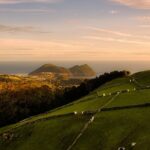

Getting Ready at Marina De Angra (and What to Expect Up Close)
Your meeting point is at Marina De Angra, at store 5 (Scubazores divers). From there, the plan is to head out to snorkel off the south coast. The exact route isn’t the main story. The value is what happens before you enter the water.
You’re provided with the equipment: wetsuit, fins, and a mask. That’s a real quality-of-life win, especially in the Azores where the water can be cool. The wetsuit helps you stay comfortable enough to actually look around instead of rushing back the second you feel chilled.
You’ll also get guided instruction in the moment. With snorkeling, small things can change your whole experience—how you breathe, how you float, and how you move your body so you don’t disturb the bottom. The guides are there to keep the experience smooth and safe.
What’s not included is just as important:
- Food (plan your meal before or after)
- A swimsuit (bring one so you can wear it under the wetsuit)
- A towel (bring your own)
If you’re the type who always forgets a towel, this is your nudge. It’s one of those simple items that makes the rest of the day easier.
What’s Under You: Volcanic Rock and the View You’ll Keep Looking At
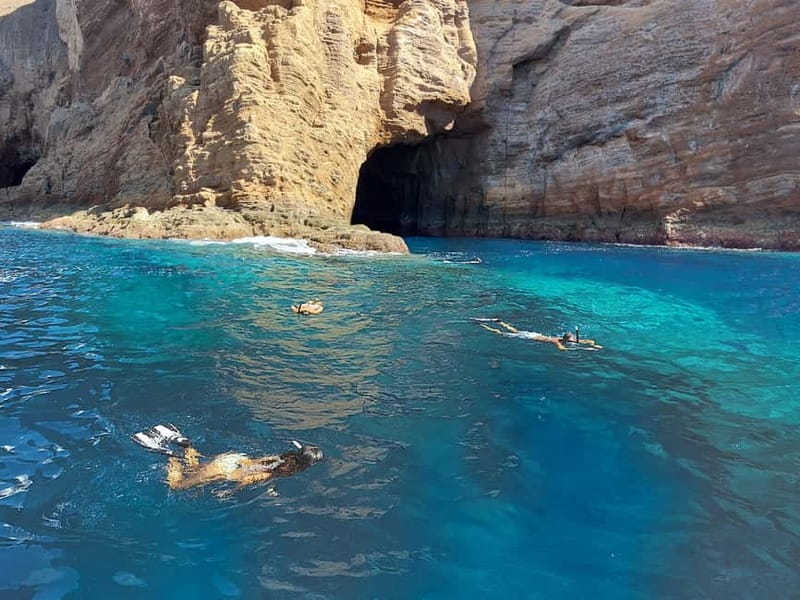
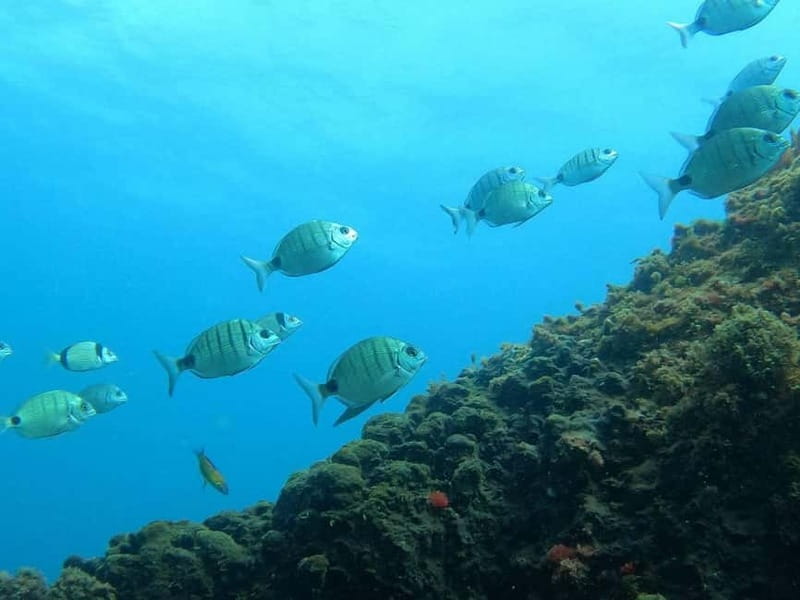
The star of this snorkeling spot is the underwater volcanic rock. Volcanic terrain isn’t just a scenic bonus—it’s functional. Rock creates tiny habitats and hiding places, and it changes currents around it. That’s why you’re more likely to spot motion and clusters of fish near structure.
You can think of it like this: if you imagine snorkeling as reading a page, the volcanic rock is the printed text. Sand bottoms are blank pages. Here, you’re staring at shapes—textures and contours—that give your eyes something to track.
Also, the visibility is a key part of the value. When water is clear, you don’t need to be super athletic or extra brave to enjoy it. You can stop, look, and take in what’s around you. That’s great for first-timers and also nice for experienced snorkelers who want the calm, not the chaos.
Marine Life You Might See (Fish, Octopus, and Stingray Possibilities)
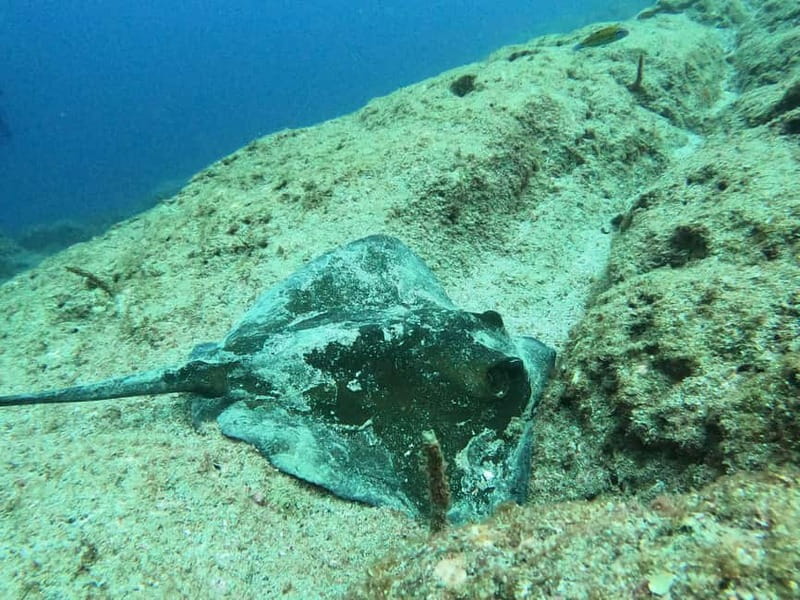
Terceira’s snorkeling experience is described as having colorful fish and the chance to see octopuses. That’s the kind of mix that keeps a snorkel session from feeling repetitive.
It’s also worth setting expectations: snorkeling sightings are never guaranteed. What you can count on is the environment that supports life—clear water plus rock structure. And when you do spot animals, the experience feels more personal because you’re watching them in their actual space, not in a tank.
There’s also a possibility of seeing a stingray on occasion. If that happens, it’ll likely be more of a “slow glide” moment than a dramatic encounter. Still, it’s exactly the kind of Azores detail that makes snorkeling memorable.
One more helpful point from how guides work: they’re attentive to what’s happening in the water right then, not just giving a script. You’ll get explanations along the way, and that guidance can help you notice small movements you might otherwise miss.
The Role of Guides: Safety First, But Also Real Explanations
This tour is guided, and that matters in two ways: safety and enjoyment.
First, the guides are described as certified, and that’s a big deal for open-water snorkeling. With fins and a wetsuit, you still need the basics handled—how to enter safely, how to manage breathing, and what to do if conditions shift. A good guide makes the water feel controlled.
Second, the guidance isn’t just safety talk. One example from a previous group: the guide named André was praised for explaining things clearly and in the moment. That kind of interpretation turns snorkeling from a random swim into a guided nature walk—only you’re underwater for part of it.
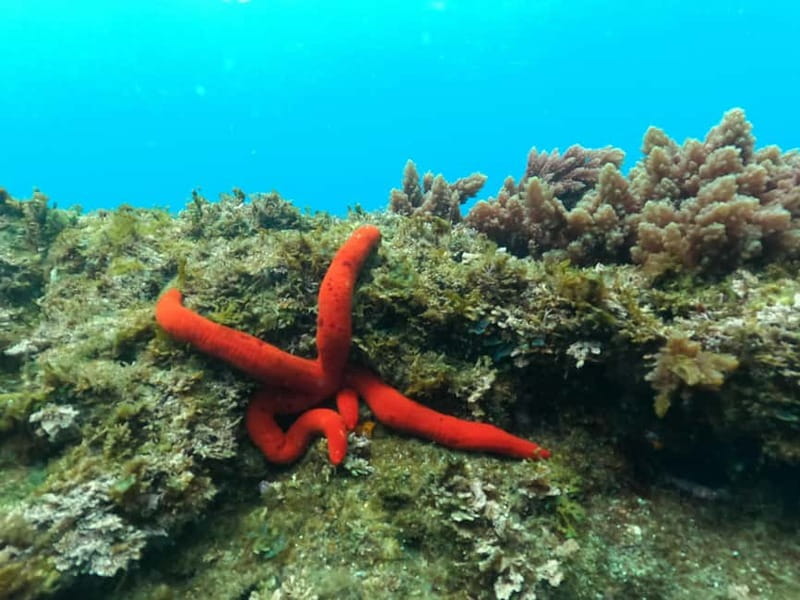
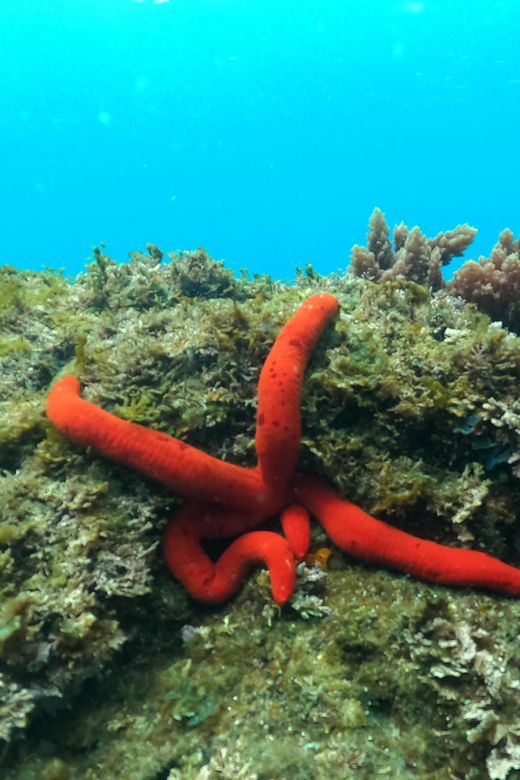
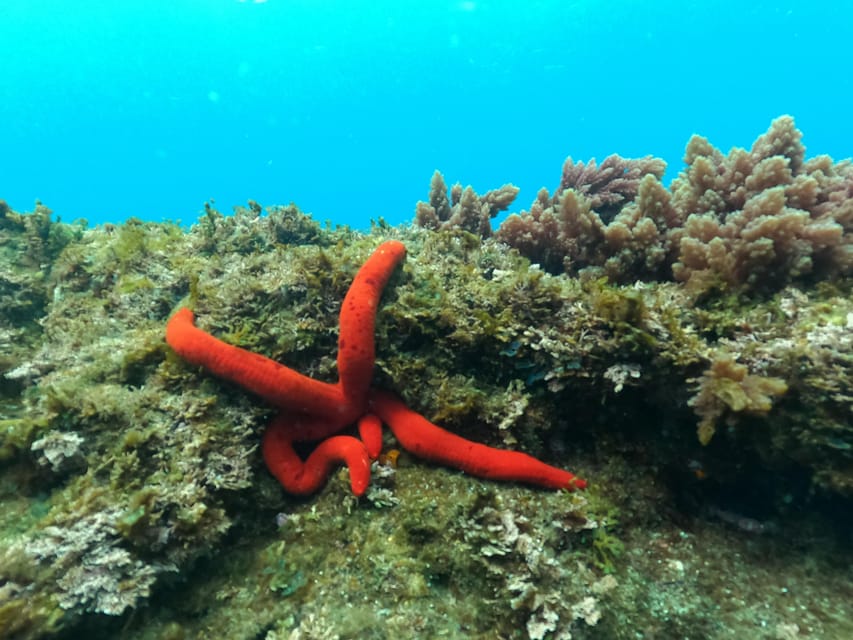
Guides can also help you get a better look at smaller sea life when conditions allow. In one case, a group was shown a starfish. Even without that exact moment, the overall pattern is that guides help you spot what matters, then explain what you’re seeing.
If you like learning something while you’re relaxing, this tour fits that style well.


Price and Value: What $41 Gets You in Real Terms
At $41 per person for about 1.5 hours, the value is strongest when you compare what’s included.
You get:
- Insurance
- A guide
- Equipment (wetsuit, fins, mask)
You don’t get:
- Food
- Swimsuit
- Towel
So you’re paying for an outfitted, supervised snorkeling window. In practice, that can be cheaper (or at least more convenient) than renting gear and trying to figure out a safe spot on your own. The guide also handles the “where should we look?” part, which is usually the hard bit for independent snorkelers.
The small-group size helps the value too. With a limit of 10 participants, you’re less likely to feel like a number. That often means clearer instructions and more time spent with your guide rather than waiting your turn.
Timing: Why 1.5 Hours Feels Right
A 1.5-hour session is a smart length for snorkeling. It’s enough time to:
- get suited up calmly,
- adjust to the wetsuit and fins,
- spend time looking at the rock and marine life,
- then exit without feeling rushed.
It also helps with decision-making. If you have a day packed around Angra do Heroísmo or elsewhere on Terceira, you can treat this as a focused nature block rather than a half-day commitment.
Another plus: because it’s a scheduled activity with starting times based on availability, you can usually match it to weather. If the day is less cooperative, you may be able to shift to a different slot rather than losing the whole plan.
What You Should Bring (So the Day Doesn’t Get Annoying)
You don’t want small missing items to ruin the snorkeling vibe. Based on what’s not included, I recommend packing:
- A swimsuit you’re comfortable wearing under a wetsuit
- A towel for after
- Your own comfortable clothing and something dry for the ride back
- If you’re sensitive to cold, consider bringing warm layers for right after the water
Also plan around food. Since food isn’t included, eat before or after so you don’t feel snack-stressed mid-experience. Snorkeling makes time pass faster, but hunger still shows up when you least want it.
Who This Snorkel Is For (and Who Should Skip It)
This experience is best for people who want a guided nature moment without turning it into a technical sport.
You should consider it if you:
- can swim confidently (it’s not suitable for non-swimmers),
- want to see marine life in clear water,
- like the idea of volcanic scenery shaping what you see,
- appreciate a small group and a knowledgeable guide.
It’s not suitable for:
- wheelchair users
- non-swimmers
- babies under 1 year
If you’re a first-time snorkeler, the guided approach usually makes the learning curve easier. Just be honest with yourself about comfort in open water, especially if conditions are a little rougher than expected.
A Balanced Take: The Main Drawback Is Weather
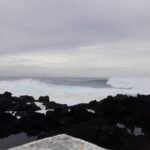
The snorkeling depends on natural conditions. One previous group noted that weather didn’t allow them to see much, even though the guide still did a good job with explanations.
That lines up with reality: clouds, wind, and water movement can reduce visibility and affect how much marine life you spot. If you’re visiting during a season where weather changes quickly, stay flexible.
The good news is that the activity is structured, and the guide’s job is to work with the conditions you get. Even when sightings are lighter, having equipment provided and getting clear guidance helps you still get value from the session.
Should You Book This Terceira Snorkeling Adventure?
I’d book it if you want an easy, guided snorkel on Terceira’s south coast that focuses on what you came for: clear water, volcanic scenery, and marine life—without the hassle of bringing or renting gear.
Skip it (or at least rethink your plan) if:
- you’re not comfortable swimming,
- you hate last-minute weather uncertainty,
- you’re expecting guaranteed big sightings every minute.
One practical way to decide: if you want the best chance of enjoying snorkeling, this setup checks your boxes—small group size, included wetsuit/fins/mask, certified guide, and a spot with volcanic rock structure. It’s the kind of experience that feels worth doing even if you’re not a “constant wildlife spotter.”
FAQ
How long is the snorkeling experience?
It lasts 1.5 hours.
Where do I meet for the tour?
You meet at Marina De Angra, at store 5 (Scubazores divers).
What is included in the price?
Insurance, a guide, and snorkeling equipment (wetsuit, fins, mask).
Is food included?
No, food isn’t included.
Do I need to bring a swimsuit and towel?
Yes. A swimsuit and towel are not included.
How big is the group?
It’s a small group, limited to 10 participants.
What languages does the instructor speak?
The instructor speaks Portuguese and English.
Is it suitable for non-swimmers or babies?
No. It’s not suitable for non-swimmers, and babies under 1 year aren’t accepted.
Is wheelchair access available?
No, it isn’t suitable for wheelchair users.