REVIEW · SAO MIGUEL ISLAND
São Miguel West: Sete Cidades and Fogo Tour with Lunch
Book on GetYourGuide →Operated by ADTours · Bookable on GetYourGuide
One volcanic viewpoint can be stunning. A whole day is better. This São Miguel West tour strings together signature crater-lake views with a few local stops like a ceramics visit and pineapple greenhouses, plus a full lunch that keeps you going through the climbs. I like that you get an early overview of the island from big lookouts, and I also like the small group vibe (max 8) because it makes photo stops feel un-rushed instead of chaotic. One thing to consider: higher elevations can get foggy or rainy, and that can soften the views even when the guide works hard to make the best of it.
You’ll start with hotel pickup and spend the day moving across São Miguel’s volcanic zones—Sete Cidades first, then Fogo—plus a planned stop at Caldeira Velha for a hot-springs experience where entry is optional. The itinerary gives you a mix of raw geology (crater lakes, viewpoints, cliff angles) and human-scale culture (churches, beach time, ceramics, pineapple farming). If you want to see a lot in one day without driving yourself, this fits.
In This Review
- Quick hits: what makes this day work
- São Miguel West in one long day: what $99 really buys
- The pace, the group size, and why pickup matters here
- Pico do Carvão and Canary Lake: getting your bearings fast
- Vista do Rei: the iconic viewpoint that frames the drama
- Sete Cidades crater lakes: hydrangeas, the bridge, and being inside the bowl
- Escalvado, Mosteiros, and Ferraria: views from the pyroclastic edge
- Lunch in Sete Cidades: included fuel, but don’t expect fine dining
- Pico da Barrosa and Lagoa do Fogo: two craters, two personalities
- Caldeira Velha hot springs: 30 minutes, optional entry, real relaxation time
- Santa Barbara Beach and Ribeira Grande: add coast time and local flavor
- Pineapples in glass greenhouses: why the farm stop is more than a souvenir
- What to pack and how to handle weather on São Miguel
- Who this tour suits best (and who might want a different plan)
- Should you book this São Miguel West Tour with Lunch?
- FAQ
- How long is the tour?
- Is lunch included, and what does it include?
- Do I need to pay for Caldeira Velha entry?
- How many people are in the group?
- What languages will the guide speak?
- Where does pickup happen?
Quick hits: what makes this day work
- Vista do Rei + Pico do Carvão give you the island’s big-picture geometry early, so later viewpoints make more sense
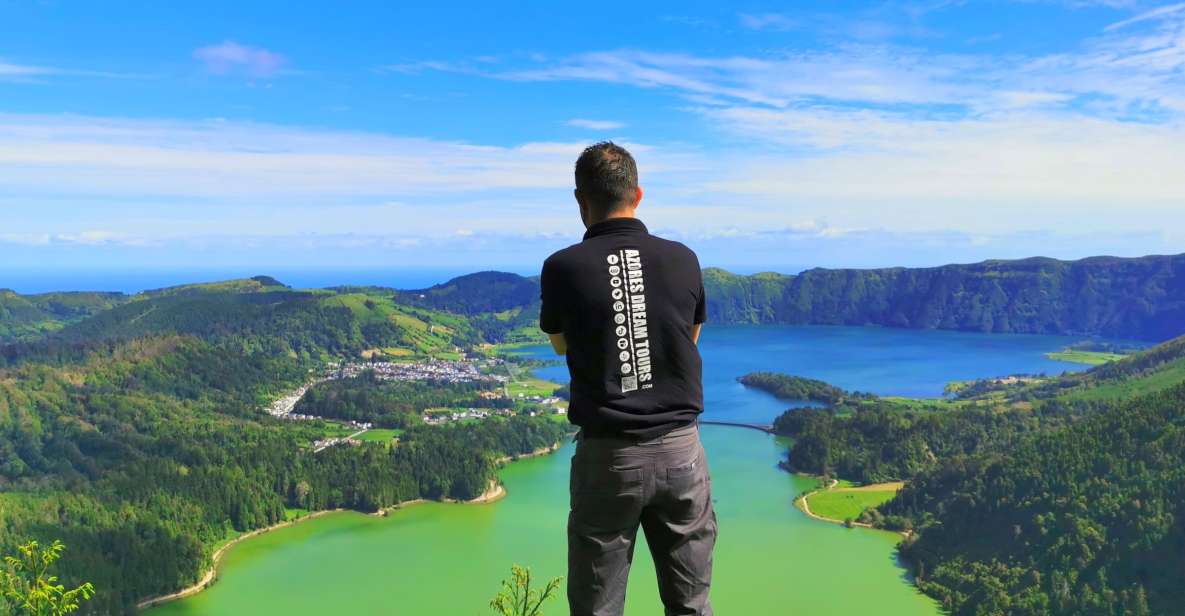
- Sete Cidades crater isn’t just photographed from one spot—you get a bridge moment, a parish feel, and time to see the lakes up close
- Ponta do Escalvado and Pico da Barrosa add dramatic “edge of the world” angles over Mosteiros/Ferraria and across to Ponta Delgada
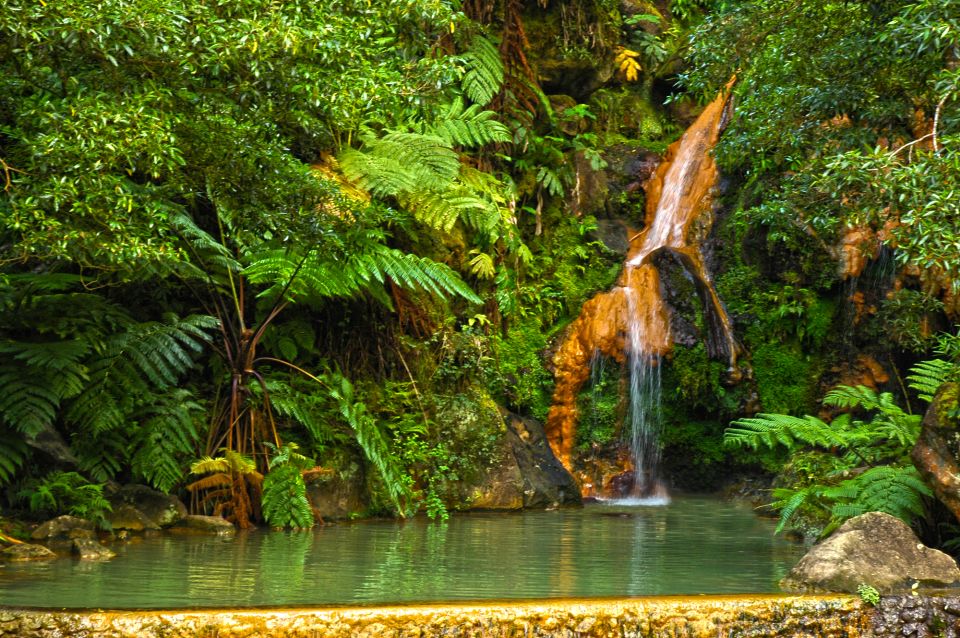
- Caldeira Velha hot springs are built into the schedule, with 30 minutes on-site for a quick soak (entry not included)
- Pineapple in glass greenhouses turns a snack food into a real farm story you can actually picture
- Small group (max 8) keeps the pace smoother at frequent photo pull-offs and winding roads
São Miguel West in one long day: what $99 really buys
At about $99 per person for an 8-hour guided loop, the value is in what’s included, not just what’s seen. You get pickup and drop-off, a local guide, water, and a full lunch with starters, main, drinks, dessert, and coffee—so you’re not hunting for food between viewpoints.
The other “value” is sequencing. The route builds understanding: you learn how the north and south coasts sit in relation to the volcanic cones, then you move into crater terrain where that early context pays off. If you’re short on time in the Azores and you want maximum variety in one day, this is a practical way to do it.
A few more Sao Miguel Island tours and experiences worth a look
The pace, the group size, and why pickup matters here
Pickup starts between 9:00 and 9:20 am from accommodations in Ponta Delgada, Lagoa, and Ribeira Grande areas. Drop-off is also back at your hotel or a nearby listed location, which saves you from figuring out late-day parking on roads that can feel tight and twisty.
The group is limited to 8 participants, and that makes a real difference on a day like this. You’ll stop often for views, and a smaller group means less time waiting at each pull-off and more time to actually look—especially when fog rolls in and the guide needs flexibility.
You also get a handful of practical extras: bottle of water, phone/tablet charging available in the vehicle, and an umbrella. That’s not flashy, but it helps when the Azores do that quick-change weather thing.
Pico do Carvão and Canary Lake: getting your bearings fast
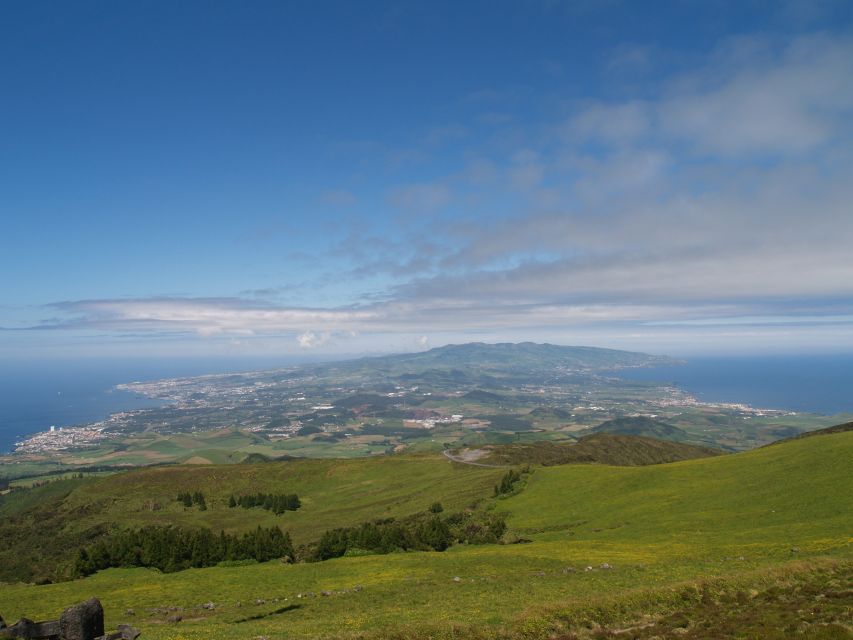
Your first big stop is at Pico do Carvão, which is set up for sweeping views across São Miguel. From there, you can see the north coast toward Ribeira Grande and the south toward Ponta Delgada, with a wide volcanic backdrop between Sete Cidades and the higher “Fire” volcano area.
Why I like this opener: it turns the day from a random string of lookouts into a coherent map. Once you’ve seen how the island’s sides relate, the crater lakes later feel less like postcards and more like parts of one system.
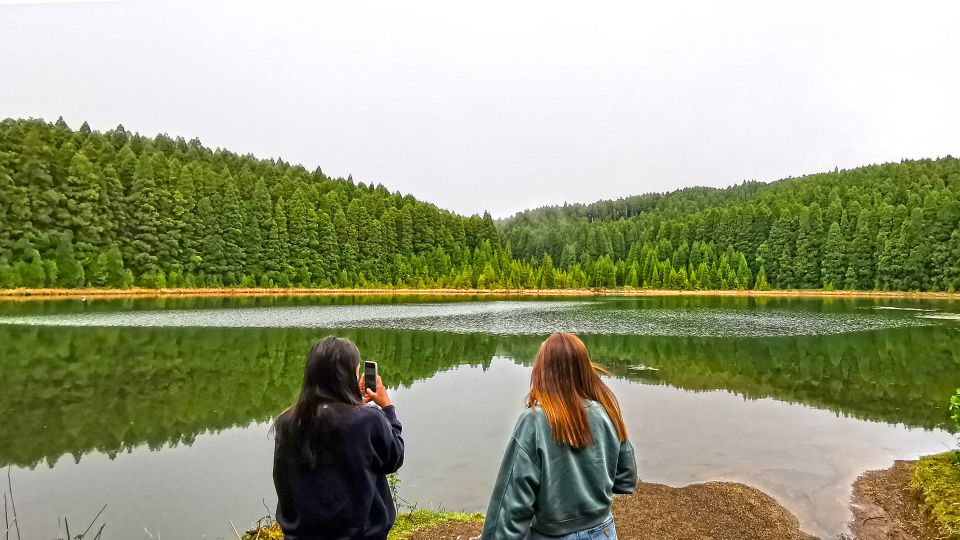
Next you head toward Canary Lake for a photo stop and a short guided moment. It’s a smaller pause compared to the later crater highlights, but it’s a useful reset—time to stretch legs, take a different angle on water in volcanic ground, and refocus before the main Sete Cidades sequence.
Vista do Rei: the iconic viewpoint that frames the drama
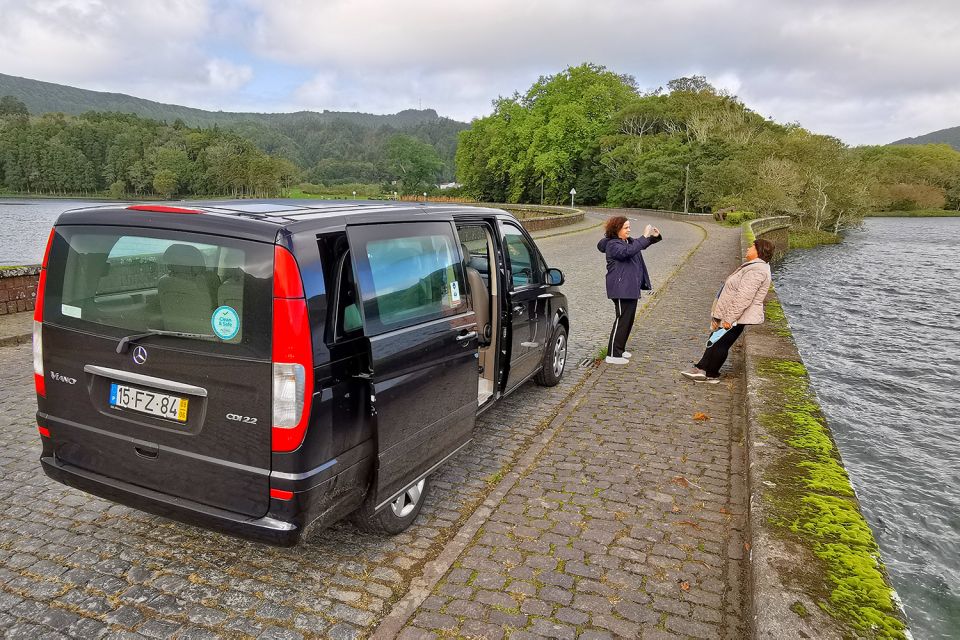
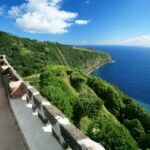
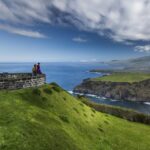
Then comes Vista do Rei, one of São Miguel’s emblematic lookouts. It’s exactly the kind of spot that rewards slowing down for a minute or two, not just grabbing a quick photo and moving on.
This stop matters because it sits right at the “shoulder” of the day—after your early bearings but before you go fully into crater terrain. If you’re the type who wants to understand what you’re seeing, you’ll appreciate the guided explanation here, especially if cloud cover has already started to build.
If the weather is moody, don’t panic. Guides handle it by working the schedule around conditions, and you often still get usable breaks in visibility even when the higher elevations are foggy.
Sete Cidades crater lakes: hydrangeas, the bridge, and being inside the bowl
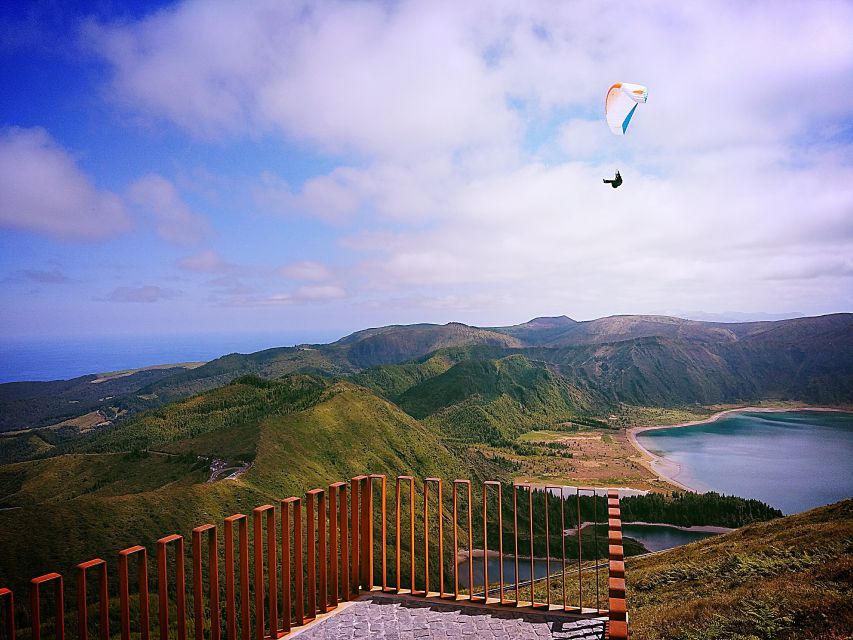
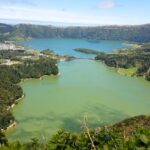
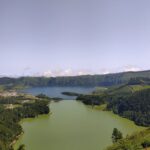
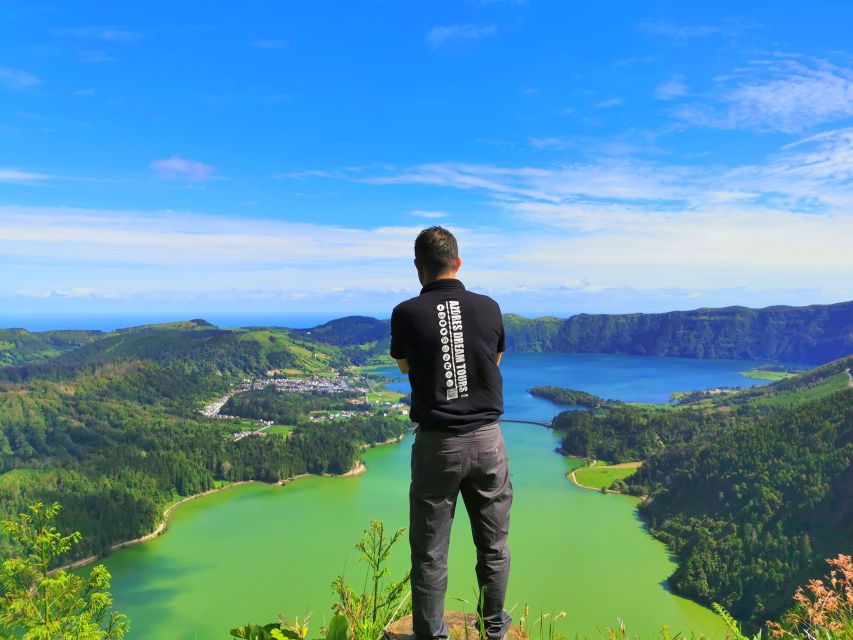
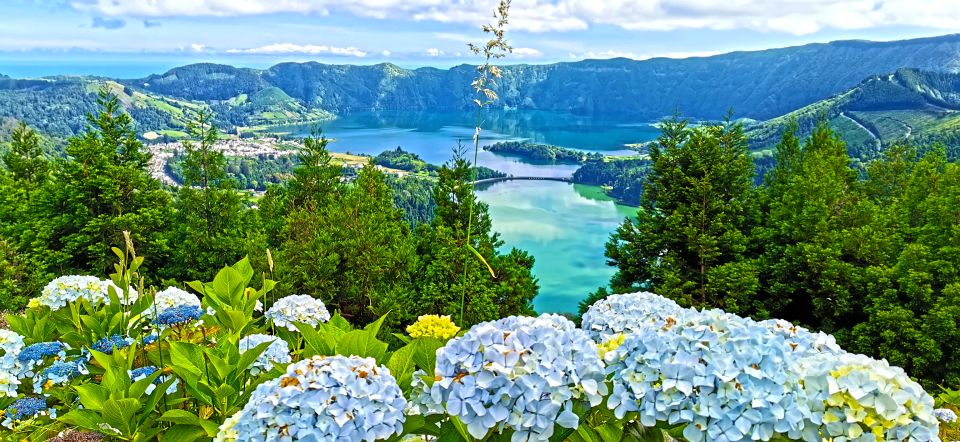
Now you enter the heart of the day: Lagoa das Sete Cidades. You’ll get a must-stop moment at the bridge that divides the two-lake view—one of those iconic Azores scenes where the geometry feels almost unreal. The guide also points out the crater setting, so you understand that you’re not just looking at water; you’re looking at water held by volcanic form.
You’ll continue into Sete Cidades village time, where the vibe shifts from “viewpoint sprint” to parish life. There’s a visit to São Nicolau church, plus a quiet walk-in-feel through the area (including scenic paths with hydrangeas mentioned as part of the experience). If you’ve only seen São Miguel from the roadside, this part adds human scale.
Possible drawback: crater terrain means more walking than you might expect from a “lookouts tour.” It’s not described as an all-day hike, but you should plan for uneven ground and bring comfortable shoes. The payout is that you feel closer to the water and the slopes, not just above them.

Escalvado, Mosteiros, and Ferraria: views from the pyroclastic edge
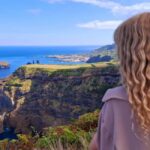
After Sete Cidades, the tour heads to Ponta do Escalvado (often described as a pyroclastic cliff). From the top, you can admire Mosteiros and Ferraria, shaped by volcanic forces in this part of the island.
I like this stop because it adds a different “type” of view. Lagoons and bridges are water scenes; Escalvado is about the vertical drama—cliff angles and coastline patterns. Even when visibility isn’t perfect, you usually still get a sense of scale.
You’ll also have a related cultural stop at Cerâmica Vieira, which is a nice contrast to all the geology. Ceramics gives you a break from crater adrenaline and lets the day feel more like São Miguel, not just São Miguel scenery.
Lunch in Sete Cidades: included fuel, but don’t expect fine dining
Lunch is scheduled in Sete Cidades and is included: starters, main course, drinks, dessert, and coffee. This matters on a tour like this because you’re going to burn time and energy moving between elevations. Having the meal planned means you won’t spend your day debating what to eat at the wrong moment.
A balanced note: one person described the buffet as pretty basic. That doesn’t make it bad, but it does set expectations. Plan to use lunch as nourishment and refuel for the second half of the day, not as a food highlight.
Pico da Barrosa and Lagoa do Fogo: two craters, two personalities
After lunch, you climb to Pico da Barrosa, described as the island’s second highest point at about 900 meters. Here the views open again toward the north coast and south coast—Ribeira Grande and Ponta Delgada—plus a wide look across Lagoa do Fogo, the crater lake of the “Fire” volcano.
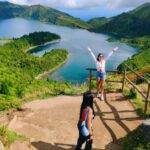
Then you descend along the north coast for the Lagoa do Fogo viewpoint. This is a classic “stop, look, breathe, shoot” setup. And because you’ve already seen Sete Cidades earlier, you’ll notice the differences in how each crater holds its lake and how the light hits the water.
Weather can be a factor at these heights. Fog can erase the crisp blue-green look you might be expecting, but you can still get atmosphere, texture, and depth. A good guide will adjust timing so you’re not stuck staring at gray for the whole stop.
Caldeira Velha hot springs: 30 minutes, optional entry, real relaxation time
Next is Caldeira Velha Environmental Interpretation Center for natural hot springs pools, with about 30 minutes on-site. Entry isn’t included, and you can choose whether to pay for a visit or a thermal bath at your own expense.
This is one of those stops that can turn your day from “views all day” into “views plus reset.” Even if you skip a full soak, being there gives you a sense of how active geothermal energy still shapes daily life on São Miguel.
Practical tip: bring beachwear, since the tour specifically lists it. Also factor in the time pressure: 30 minutes goes fast when you’re waiting for showers and getting settled.
Santa Barbara Beach and Ribeira Grande: add coast time and local flavor
The afternoon isn’t all high cliffs. You’ll also get stops that bring you closer to the coast and towns.
At Santa Barbara Beach, you’ll have a photo stop plus a guided visit and free time. Then you visit Ribeira Grande with another short photo and guided moment. These breaks matter because they lower the stress level after the main volcanic hits. You get movement, fresh air, and a chance to cool down before the pineapple finale.
One helpful reality check: the Azores roads can be windy. If you’re prone to motion sickness, consider bringing whatever you normally use for that kind of driving. One traveler flagged that “Dramamine or similar could be handy” for super winding roads.
Pineapples in glass greenhouses: why the farm stop is more than a souvenir
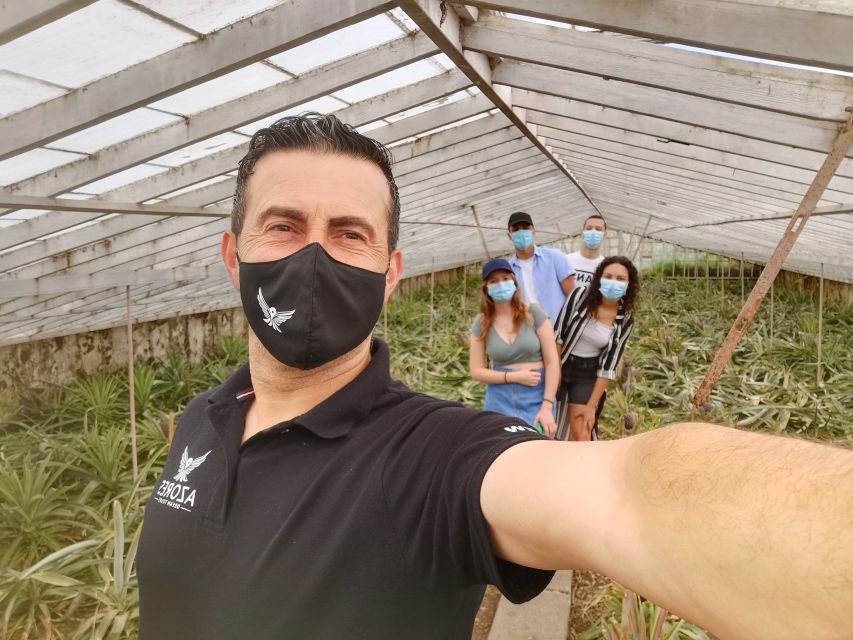
The last stop is pineapple plantations, where you learn the process of growing pineapples in glass greenhouses. This is a smart ending because it connects the island’s volcanic conditions to something you can actually taste and buy.
Why I think this works for readers: it’s not just a shop stop. The tour frames pineapple farming as a whole process, and you get to see why pineapple is often called the King fruit on São Miguel and in the Azores. If you like food history, or you just want one memorable “hands-on” learning moment after all the views, this is it.
What to pack and how to handle weather on São Miguel
For this tour, I’d pack for three realities: viewpoints, possible drizzle, and hot springs.
Bring:
- Comfortable shoes (crater paths and uneven footing)
- Camera (you’ll want options for fog vs clear breaks)
- Beachwear (for Caldeira Velha pools)
- A light layer for windy lookouts
You’ll also get an umbrella provided, which helps. Still, if you hate wearing wet layers, bring something quick-dry if you have it.
Weather-wise, you can’t fully control the fog. But you can control your mindset: treat the higher stops like “go take a look, not a promise.” A good guide will time pull-offs and explain what you can see even when the horizon disappears.
Who this tour suits best (and who might want a different plan)
This is a great pick if you:
- Want to see Sete Cidades and Fogo in one day without driving
- Like guided context, not just photo stops
- Enjoy a mix of nature and culture—church, beach, ceramics, pineapple farming
It might not be ideal if you:
- Want long, slow hiking time in one area (this is a structured day with multiple stops)
- Know you can only handle minimal walking on uneven ground
- Really want Caldeira Velha pools and don’t want to pay extra for entry (entry isn’t included)
Should you book this São Miguel West Tour with Lunch?
If you’re trying to make one day count on São Miguel, I’d book it. The mix of crater-lake classics, a chance to soften the day with hot springs time, and a closing lesson at the pineapple greenhouses makes it feel balanced instead of one-note.
The only reason to hesitate is weather at the high points and the fact that Caldeira Velha entry is optional and extra. If that doesn’t scare you—if you pack for it and you’re happy to let your guide adjust to conditions—this is a strong value way to experience West São Miguel.
FAQ
How long is the tour?
The tour duration is listed as 8 hours.
Is lunch included, and what does it include?
Yes. Lunch is included and includes starters, a main course, drinks, dessert, and coffee.
Do I need to pay for Caldeira Velha entry?
Entrance to Caldeira Velha for a visit or thermal bath is not included. You can choose to pay for it on your own expense.
How many people are in the group?
The tour is a small group limited to 8 participants.
What languages will the guide speak?
The live guide speaks English and Portuguese.
Where does pickup happen?
Pickup is included from accommodations between Ponta Delgada, Lagoa, and Ribeira Grande, with pickup starting between 9:00 and 9:20 am.