REVIEW · PORTO DISTRICT
Pinhão: 2-Hour Rabelo Boat Tour with Audio Guide
Book on GetYourGuide →Operated by Magnifico Douro · Bookable on GetYourGuide
The Douro looks unreal from this boat. This 2-hour Rabelo cruise from Pinhão floats upstream toward Tua, then turns around and returns, with a free Magnifico Douro audio app that guides you through what you’re seeing.
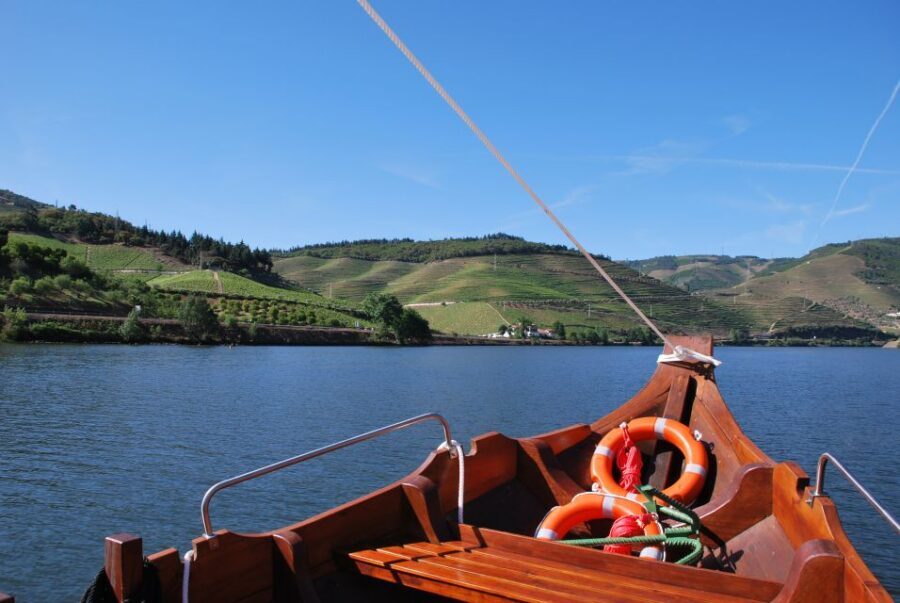
I especially like the mix of traditional boat comfort (with open and covered areas) and the chance to spot the Douro’s terraced vineyards from the river, where you don’t have roads or traffic intruding. The audio is the second big win: it helps you connect vineyard names and river features to real sights as you pass them.
One potential drawback: the tour’s commentary depends on your phone setup and your headphones—if your download or playback glitches, you’ll lose part of the experience.
In This Review
- Key things I’d watch for
- Why the Pinhão to Tua route feels like the sweet spot
- Getting on board: Rabelo boat comfort, shade, and photo space
- The route in plain English: from Ponte do Pinhão to the Tua area
- Stop-by-stop: what each named point likely means for your view
- Starting point: Magnifico Douro Eventos, Lda
- Ponte do Pinhão
- Quinta do Bomfim
- Quinta da Roeda
- Vieira de Sousa – Quinta do Roncão
- Quinta da Romaneira
- Quinta de Merouço – Casa do Rio
- Quinta dos Malvedos
- Foz Tua
- Barragem do Tua
- Quinta de Roriz
- Quinta do Pessegueiro – Adega e Visitas
- Quinta do Ventozelo
- Quinta das Carvalhas
- The Magnifico Douro audio app: great when it works, annoying when it doesn’t
- Price and value: is $35 worth a 2-hour cruise?
- Who this tour suits best (and who might prefer something else)
- Timing tips: heat, wind, and the best side to sit
- Should you book the 2-hour Rabelo boat to Tua?
- FAQ
- Where is the meeting point?
- How long is the boat tour?
- Is the audio guide included, and in what languages?
- Do I need to bring headphones?
- Are drinks included in the ticket price?
- What’s the route like?
- What if the tour doesn’t operate?
Key things I’d watch for
- A small, easygoing cruise (about 20 people on many departures) that feels calmer than the shorter options
- Upstream + return = two different viewpoints on the same stretch of river
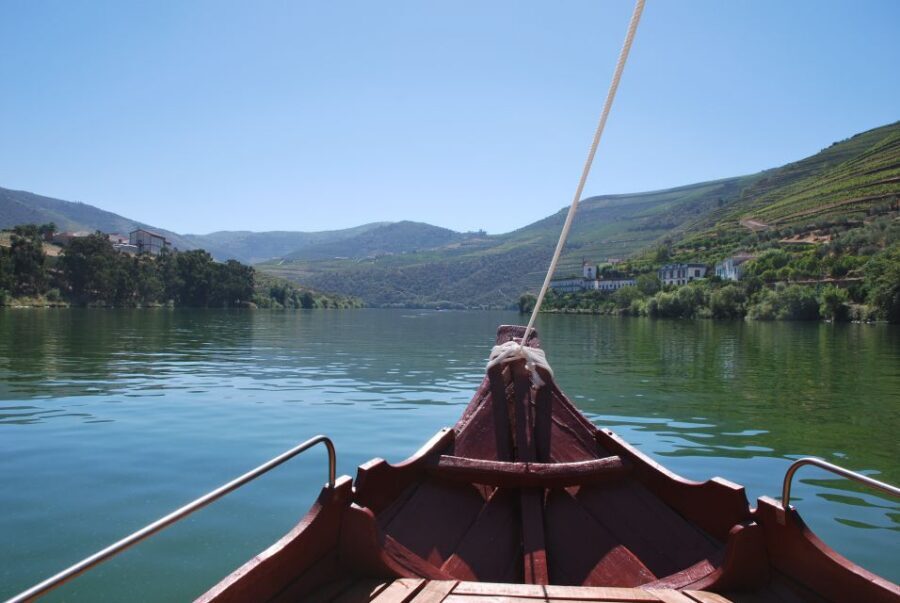
- Rabelo boats with both open and enclosed areas, so you’re not stuck baking in sun or freezing in wind
- Tua turnaround includes river highlights such as Foz Tua and the Barragem do Tua (dam area)
- Geo-localized audio in 5 languages through the free Magnifico Douro app
- Bring earphones and download ahead so you don’t get stuck trying to fix it at the pier
Why the Pinhão to Tua route feels like the sweet spot
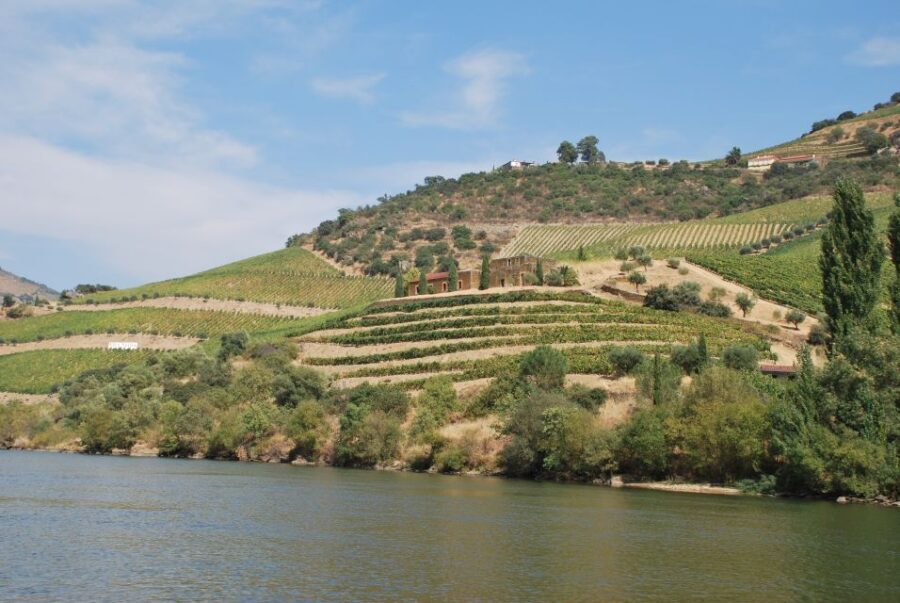
Pinhão is one of the best launch points for seeing the Douro Valley from the water. It puts you right in the oldest demarcated wine area in the world, inside a UNESCO World Heritage zone, and it’s close enough to make the trip feel like an easy add-on to a day of trains, vineyards, or just wandering town streets.
The timing also matters. Two hours is long enough to actually feel the rhythm of the river—slow, steady, and scenic—without turning into a half-day slog. And because you go upstream and then back down the same general corridor, you get a built-in “repeat” that doesn’t feel repetitive.
You can also read our reviews of more boat tours in Porto District
Getting on board: Rabelo boat comfort, shade, and photo space
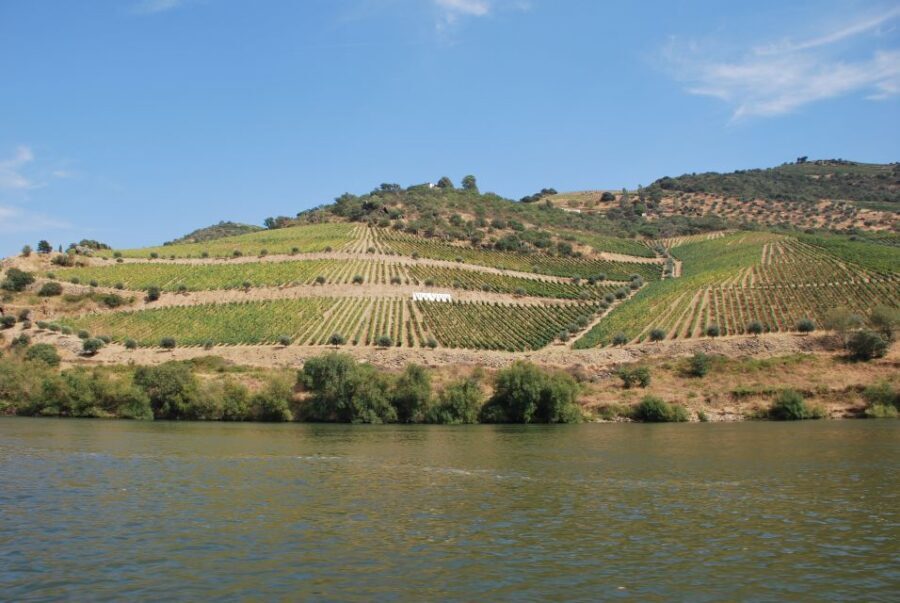
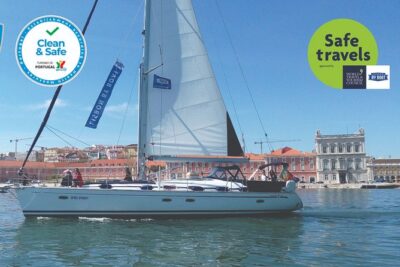
This is the classic Douro form: a traditional Rabelo boat designed for river transport in the days when port wine mattered most. What you’ll notice quickly is how practical the design is. There are open and closed areas, so you can choose where to sit depending on heat, breeze, or occasional drizzle.
On many departures the boat size is small—often around twenty passengers—so moving around for photos feels reasonable. You’re not stuck behind tall hats or wedged in a line all the way to the bow. The crew is also used to helping people get the audio running, which matters because this tour isn’t built around a live talk from a person for the whole journey.
Weather can swing. One day you might start in warmth and sun, then return with wind that feels cooler. I’d plan on layers even in shoulder season.
The route in plain English: from Ponte do Pinhão to the Tua area
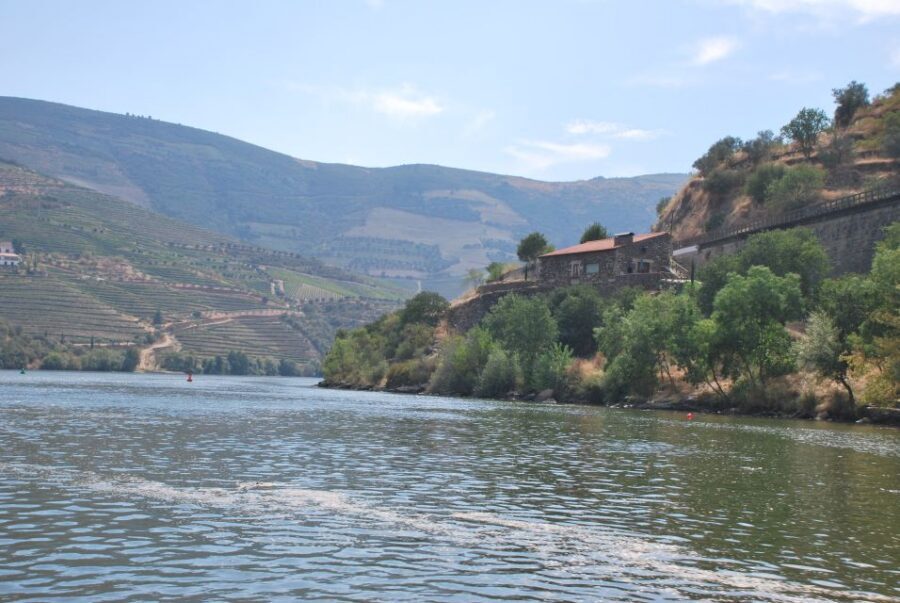
Your cruise starts at the Magnifico Douro pier in Pinhão, near the iron bridge and in front of the Vintage House Hotel garden gate. You enter by the bridge, which is a nice landmark if you’re arriving on foot and you want an easy “find me here” reference.
From there, you head upstream past a long chain of terraced vineyards and quintas (estate properties). You go as far as the Tua area, then you turn around and return to Pinhão. A key detail: even though it’s essentially an out-and-back, the direction changes what you notice—river bends, sun angles, and the way terraces stack up against the water all look different coming and going.
Stop-by-stop: what each named point likely means for your view
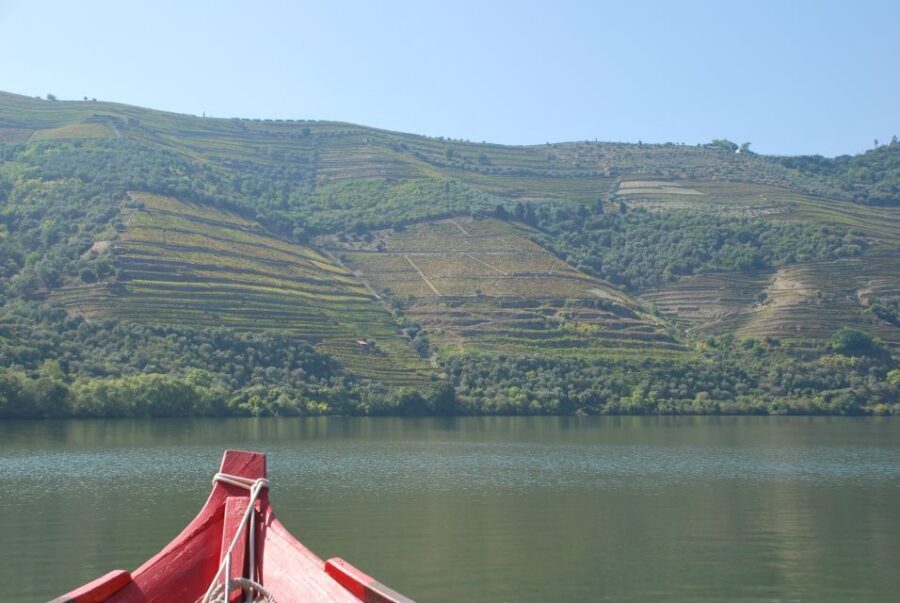
This itinerary reads like a roll call of quintas and river moments. On the water, that’s useful. It turns a pretty shoreline into something you can identify and remember. The audio app is designed to support that by tying commentary to what’s passing by.
Here’s how the ride typically “feels” as you move through the listed points:
Starting point: Magnifico Douro Eventos, Lda
You’ll begin at the pier base operated by Magnifico Douro. This is where the staff can help with app setup, especially if you’re standing there holding your phone and wondering if it will cooperate.
Ponte do Pinhão
As you set out, this bridge is your first big landmark. It’s also where you’ll get your bearings fast: you’ll see how the river opens up ahead and how the vineyard terraces rise right from the waterline.
Quinta do Bomfim
This is one of the first named vineyard areas you’ll pass. What’s special here is the viewpoint from the water: terrace rows read like steps climbing a hillside, and you can compare how steep sections feel when you’re looking slightly from above the river.
Quinta da Roeda
As the boat continues upstream, this stop helps you keep track of where you are along the valley’s “string of estates.” Even without stepping on land, you can see how the river corridor frames each quinta’s position.
Vieira de Sousa – Quinta do Roncão
By now, you’re fully in the Douro rhythm: straight sections of river feel calmer, while bends reveal more terrace patterns at once. This is a good point to switch your photo focus from “big scenery” to “details”—walls, slopes, and the geometry of vineyard plots.
Quinta da Romaneira
Here the audio app can be especially helpful, because the value isn’t only the view—it’s recognizing that each name corresponds to a real wine farm you might have heard about on land.
Quinta de Merouço – Casa do Rio
As you pass more estates, you’ll likely notice how the river changes the sense of space. On the road, you see terraces layered behind each other. From the boat, terraces appear closer and more three-dimensional.
Quinta dos Malvedos
This stretch often feels like the “middle of the movie.” You’re deep enough into the valley that the shoreline feels sculpted, but not so far upstream that the ride starts to drag.
Foz Tua
This is one of the river-feature moments. When you hit points like this, the river’s shape and meeting points become more obvious, and the view starts to feel less like a line of vineyards and more like a working waterway with its own character.
Barragem do Tua
The Barragem do Tua is a standout because it gives you something different than just vineyards and terraces. It’s a recognizable “marker” that helps the cruise feel like a real journey with a turnaround destination, not just a loop.
Quinta de Roriz
On the way back, you’ll see how direction changes everything. The same hillside names can look like different scenes because the angle of view shifts and the terraces stack differently against the water.
Quinta do Pessegueiro – Adega e Visitas
This name is a reminder that many of these estates also connect to cellar visits. Even if you’re not visiting today, the boat view gives context: you’re seeing what the winemaking landscape is built on.
Quinta do Ventozelo
By the return leg, you’ll probably settle into a slower pace. If you’re prone to rushing on day trips, this is a good part of the cruise to just sit and watch how the river smooths out the scene.
Quinta das Carvalhas
This is late in the upstream chain. If you’re photographing, this is where I’d do a quick “variety sweep”—wide shot, mid shot, then a detail shot—because you’re close enough to the “home stretch” that the return doesn’t feel like you’re racing the light.
The Magnifico Douro audio app: great when it works, annoying when it doesn’t
The tour includes a free audioguide app: Magnifico Douro – Boat Tour. It’s designed to be geo-localized, so the commentary is tied to what you’re passing, including wine farms, wine, and the river.
You choose one of five languages in the app: English, French, German, Portuguese, and Spanish. There’s no live host talking over the boat for the whole ride. Instead, you listen on your own mobile device, so bringing earphones matters. The boat can get noisy with multiple phones, multiple languages, and multiple people trying to restart playback.
Here’s the practical advice I’d follow:
- Download the app before you arrive if you can.
- If your phone struggles with downloads or syncing, ask the crew early. People have found the staff helpful at getting things working at the pier.
- Bring headphones you trust. This isn’t the time for cheap earbuds that fall out when you turn your head for photos.
One more nuance: the app guidance seems strongest on the upriver segment, which can make the return leg calmer for people who don’t want phone audio running the whole time. If your audio is missing, you might feel like you lost a layer of meaning—so don’t count on the phone plan as a backup plan.
Price and value: is $35 worth a 2-hour cruise?
At around $35 per person for a two-hour Rabelo boat tour, you’re paying mainly for three things: (1) the river access, (2) the traditional boat experience, and (3) structured storytelling via the free app.
There’s no expectation of drinks included. That said, you might find optional purchases on-site in some form on certain days, but the ticket itself doesn’t come with beverages. If you want a port tasting vibe, plan on buying it separately rather than assuming it’s part of the price.
I think the best value angle is this: the cruise connects nicely to a day already spent doing vineyard visits on land. On land, you experience wineries up close. On the water, you see the whole system—terraces, river bends, and how close the vines grow to the waterline. Two hours is also a smart length: you get a real chunk of valley view without needing a full day commitment.
Who this tour suits best (and who might prefer something else)
This works especially well if you:
- Want an easy, relaxing activity between vineyards or after taking the train
- Prefer scenery that doesn’t require a long walk or steep viewpoints
- Like the idea of learning names and locations, but don’t need a loud live guide for every minute
- Travel as a couple or small group and want a calmer pace than bigger sightseeing boats
It might be less ideal if you:
- Hate phone-based audio and know you’ll struggle with app setup
- Expect a live guide to narrate continuously from the start to finish
- Want a structured tasting included in the ticket price
The good news is that the boat itself does a lot of the work even without the audio. The views are the main event, and the river is gentle.
Timing tips: heat, wind, and the best side to sit
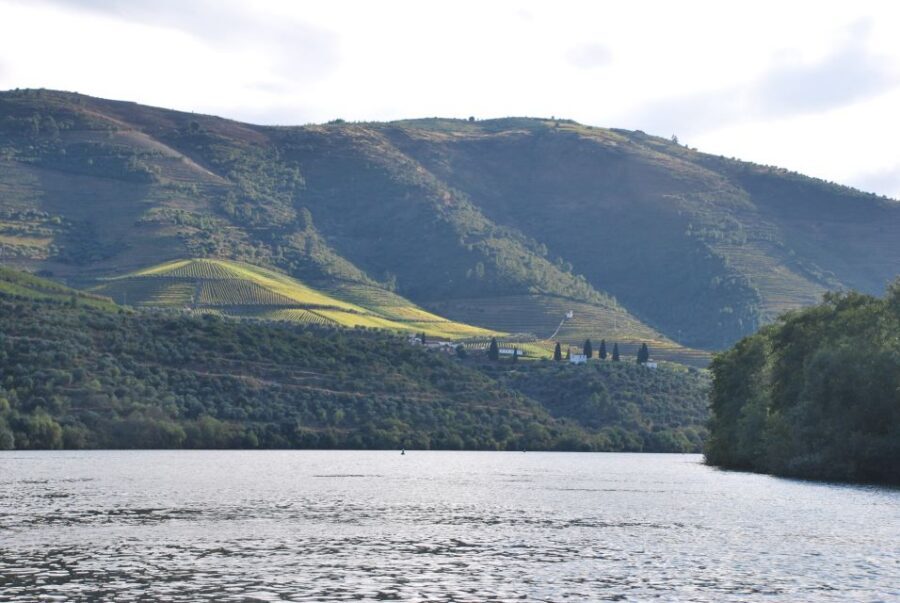
I’d plan for changing comfort over the two hours. Many people find shade useful at the start, especially in strong sun months, and then the return can feel windier and cooler. Layers are the easy fix: a light jacket that you can take on/off beats trying to guess the weather.
For your seat, consider where you want the sun. If you like photos, you’ll likely want an angle where the terraces don’t become a silhouette. If you want comfort, sit in the covered section and rotate your position as the light shifts.
Should you book the 2-hour Rabelo boat to Tua?
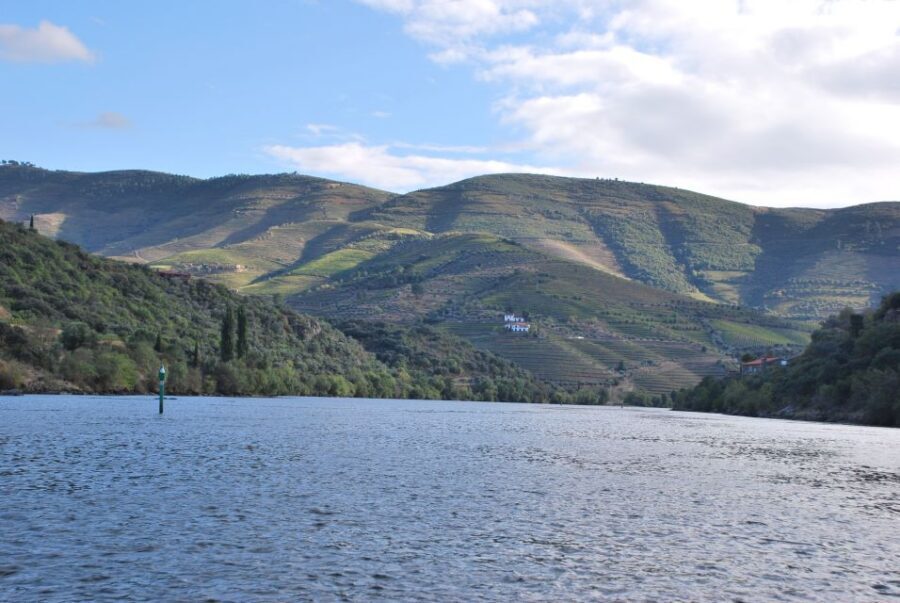
Book it if you want a straightforward way to experience the Douro Valley from the water, without complicated logistics. This is a strong choice for first-timers because it gives you the “how the valley works” view: terraced vineyards marching down to the river, then a clear turnaround at the Tua area.
Skip it or choose another format if you know you won’t use headphones or you’re worried your phone won’t cooperate with app downloads. In that case, you could end up feeling like you paid for scenery only, when the tour’s payoff is really the combination of views plus geo-localized commentary.
FAQ
Where is the meeting point?
You meet at the Magnifico Douro pier in Pinhão, near the iron bridge, in front of the Vintage House Hotel garden gate. Enter by the bridge.
How long is the boat tour?
The tour lasts 2 hours.
Is the audio guide included, and in what languages?
Yes. The audio guide is included via the free Magnifico Douro Boat Tour app. It’s available in English, French, German, Portuguese, and Spanish.
Do I need to bring headphones?
Yes. You should bring your own earphones to listen to the audio guide.
Are drinks included in the ticket price?
No. Drinks are not included.
What’s the route like?
You start in Pinhão, cruise upstream through the Douro Valley toward the Tua area, turn around, and return to Pinhão. Stops include points such as Ponte do Pinhão, multiple quintas, Foz Tua, and Barragem do Tua.
What if the tour doesn’t operate?
The tour requires a minimum of two passengers to operate.