REVIEW · PORTO
Porto: Private Yacht Cruise with Local Wine, Snacks and 6 Bridges
Book on Viator →Operated by ZapDouro · Bookable on Viator
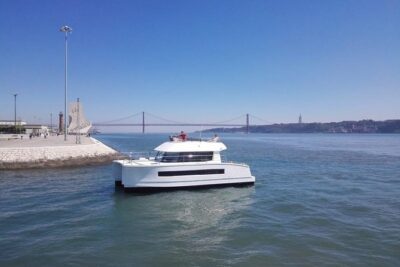
Porto looks different from the water. A private yacht cruise turns the Douro River into your main street, with six bridges and harbor-side neighborhoods all within about two hours.
What I like most is the family-run feel and how the hosts keep things easy—Antonio, Carlos, Carolina, Mariana, Nuna, and others pop up in the same spirit: friendly, attentive, and happy to share local context without turning it into a lecture. You also get a relaxed drink-and-snack setup, with plenty of port and sparkling options plus cheese/charcuterie boards.
One drawback to plan for: this is weather-dependent, and the river can bring wind or drizzle. You may want a light rain layer anyway, even if you’re hoping for sunset conditions.
In This Review
- Key Points Worth Knowing Before You Go
- Porto From the Douro: Why This 6-Bridge Plan Works
- Meeting at Marina do Freixo: Start Easy, Stay Private
- The Two-Hour Rhythm: Hitting Big Sights Without Feeling Rushed
- Your Six Bridges, One River: The Main Event
- Dom Luís I Bridge: The Arched Icon Between Porto and Gaia
- Ponte do Freixo: Upstream, Different Pair of Bridges
- Ponte Infante Dom Henrique (Ponte do Infante): The Slender Newer Crossing
- Ponte de São João: Railway Over the Douro
- Ponte da Arrábida: A Big Reinforced Concrete Arch
- Ponte D. Maria Pia and Eiffel’s Signature
- Serra do Pilar Monastery: The Circular Church That Completes the View
- Cais de Gaia and Ribeira: The Riverfront Life You Can Actually Feel
- Wine, Snacks, and That Relaxed Yacht Tempo
- Hosts That Make It Feel Personal (Not Staged)
- Price and Value: What You’re Paying For
- Who This Cruise Suits Best
- Smart Tips Before You Book
- Should You Book the Porto Private Yacht Cruise?
- FAQ
- How long is the Porto private yacht cruise?
- What is the price for this experience?
- Is this a private tour or shared group?
- What language is the tour offered in?
- What does the experience include?
- How many bridges are part of the cruise?
- Where does the tour start and end?
- Is the experience affected by weather?
Key Points Worth Knowing Before You Go
- Six bridges in one smooth route, so you get the full Porto-to-Gaia bridge lineup without hopping between viewpoints
- Marina do Freixo start point, which sets you up for a comfortable boarding flow and quick departure
- Local wine plus snacks/boards, designed for lingering rather than rushing through
- Rain-friendly touches, like rain guards reported by past guests, help when the weather is moody
- Good host energy for private groups, including families (a baby on board can still feel comfortable)
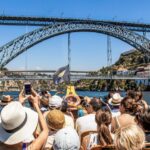
- Photo-friendly motion, since you cruise under the bridges instead of just looking at them from shore
Porto From the Douro: Why This 6-Bridge Plan Works
Porto is a city built on edges—steep streets, river viewpoints, and neighborhoods that look great from above. From the Douro, those edges become a clear story: buildings stack along the banks, the bridges connect the two sides, and the wine industry shows up in the background like a wink.
This cruise is basically a shortcut to the best visuals. In about two hours, you’re set up to see the historic riverfront and the modern bridge lineup, with the captain doing the heavy lifting while you focus on enjoying the views and the food/drinks.
You can also read our reviews of more boat tours in Porto

Meeting at Marina do Freixo: Start Easy, Stay Private
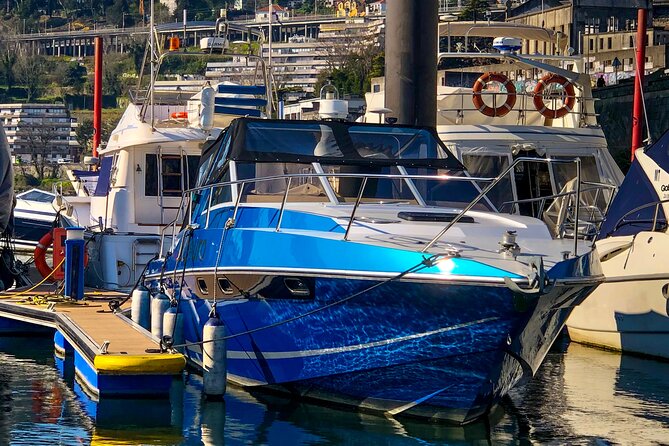
The tour begins at Restaurante Marina do Freixo in Porto (N108, 4300-316). Then you return there at the end, so you’re not dealing with transfers, confusing drop-offs, or extra walking.
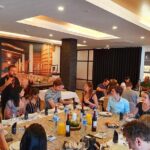
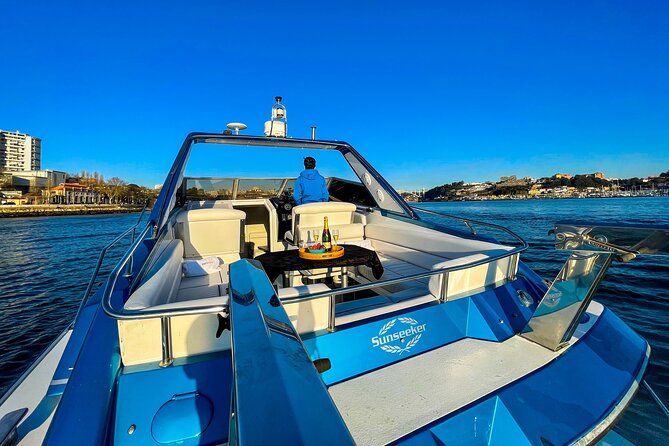
Because it’s a private experience for your group (up to 10), the vibe is calmer than big shared tours. Past guests mention being able to ask questions and still find space to be alone as a family, which matters if you’re traveling with kids or you just don’t want constant chatter.
The Two-Hour Rhythm: Hitting Big Sights Without Feeling Rushed
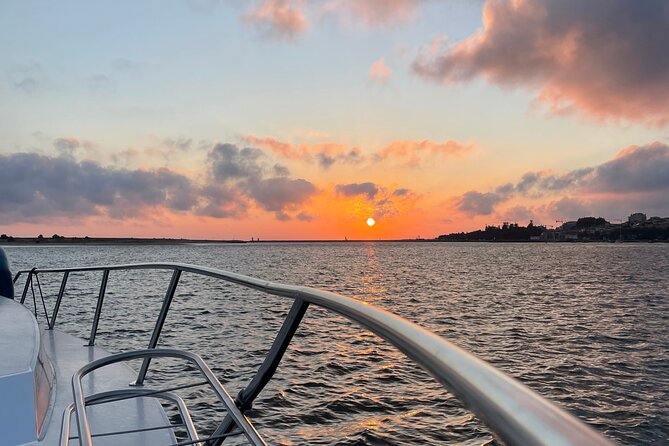
The timing is short enough to be convenient, but long enough to feel like a proper cruise. You’re not sprinting between viewpoints; instead, the route flows along the Douro, with the captain positioning you for the bridge views as you go.
The best part is that the stops aren’t just landmarks on a list. Each one ties into how Porto grew along the river and how engineering turned the Douro into a connection—not a barrier.
Your Six Bridges, One River: The Main Event
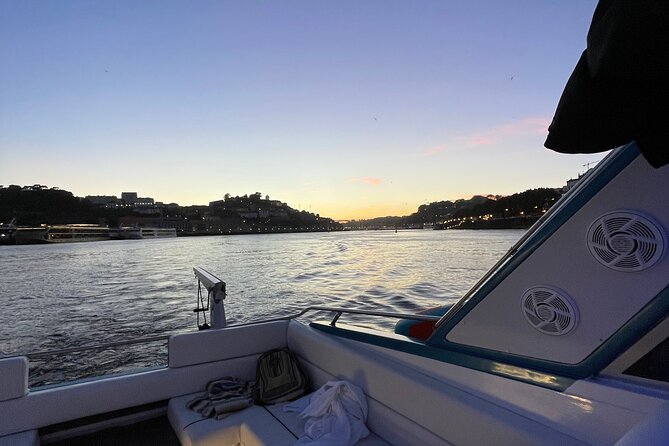
You’ll essentially be moving through a “bridge timeline,” from Porto’s older, iconic crossings to newer engineering, with famous names and distinct styles along the way. Here’s what you can expect as you glide through the route.
Dom Luís I Bridge: The Arched Icon Between Porto and Gaia
You’ll pass the Luís I Bridge, the one everyone recognizes: an arched bridge with different transport layers. The lower level carries road traffic, while the upper level carries the metro line between Porto and Vila Nova de Gaia.
This bridge replaced an earlier suspension bridge on the same site. It’s also linked to major European engineering talent—Belgian engineer Théophile Seyrig was involved, and he previously worked with Gustave Eiffel on other major works. Watching it from the water makes the structure feel much more real than it does on land.
You can also read our reviews of more private tours in Porto




Ponte do Freixo: Upstream, Different Pair of Bridges
Next comes Ponte do Freixo, the furthest upstream of the Porto–Gaia bridges. It’s notable because it’s effectively two adjacent bridges built side by side and placed just 10 cm apart.
From the deck, the upstream location gives you a quieter angle on the river than the busiest postcard zones. It’s also the kind of view that makes you appreciate how the city’s bridge network spreads out instead of cramming into one tight stretch.
Ponte Infante Dom Henrique (Ponte do Infante): The Slender Newer Crossing
Ponte do Infante Dom Henrique—often called Ponte do Infante—connects Vila Nova de Gaia to Porto. It’s described as the most recent bridge linking the two sides and, according to many, the slenderest.
You’ll feel the change in style as you watch it line up across the water. This bridge also replaced the upper deck function of the Luís I Bridge, which gives it extra meaning: it’s part of Porto’s ongoing adjustment as traffic and city needs evolved.
Ponte de São João: Railway Over the Douro
Then you’ll see Ponte de São João, which carries the Northern Line railway over the Douro near Porto. It entered service on June 24, 1991, replacing the older Ponte D. Maria Pia after it had served the same purpose for about a century.
From the yacht, the rail bridge looks sturdy and purposeful—less about style and more about function. It’s a reminder that the Douro’s crossings aren’t just for cars; they’re for daily movement across the region.
Ponte da Arrábida: A Big Reinforced Concrete Arch
Ponte da Arrábida is an arched bridge over the Douro. It dates to 1963 and was built as part of the response to growing road traffic, creating alternative connections to older bridges like D. Maria Pia and D. Luís.
A cool engineering detail: at the time, it had the largest reinforced concrete arch of any bridge in the world. From the river, that scale reads instantly—you don’t have to guess how dramatic the structure is.
Ponte D. Maria Pia and Eiffel’s Signature
Your route also ties in the legacy of Ponte D. Maria Pia, including the famous iron work associated with Gustave Eiffel. The Eiffel-designed structure you’ll learn about is described as one of the greatest masterpieces executed by him, and at the inauguration it was the longest iron arch in the world.
Seeing this story unfold in a cruise makes a difference. On land, it’s easy to treat bridges like background. From the water, you’re watching engineering that literally shapes how people live, commute, and move through the city.
Serra do Pilar Monastery: The Circular Church That Completes the View
As the cruise moves along, you’ll also get the Mosteiro de São João Baptista, a 16th-century monastery on a hill. It’s known for its cloister and circular design, including the round church and circular cloister elements that share the same dimension.
This monastery is more than a pretty stop. It’s part of what makes Porto feel unusually “planned” when you look from above or from the water—strong forms, clear lines, and major cultural landmarks tied to the UNESCO story of the historic center, the Luís I Bridge, and the bridge-and-river setting.
Cais de Gaia and Ribeira: The Riverfront Life You Can Actually Feel
The cruise area includes Cais de Gaia, a terrace-and-restaurant zone on the Vila Nova de Gaia side. It also has a deeper past: for centuries, it functioned as a river port, especially for exporting Port wine.
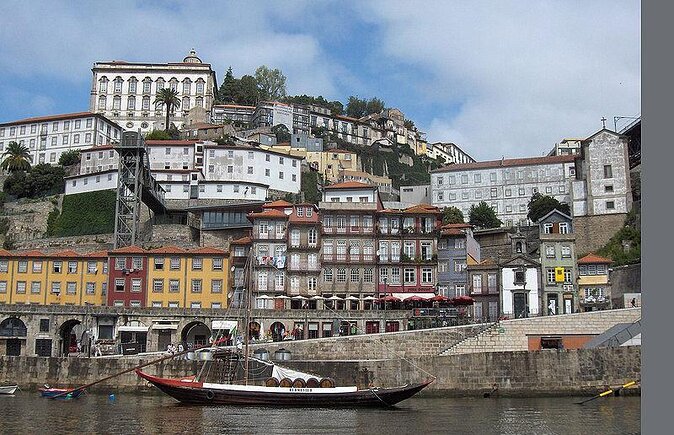
Then there’s Ribeira, one of Porto’s oldest and most typical districts. It’s part of the UNESCO World Heritage area, and from the river you can see why it’s so beloved: the density, the waterline, and the way life clusters near the docks.
If you want a quick takeaway: the bridges show you connection, and Cais de Gaia and Ribeira show you the reason the city built that connection in the first place.
Wine, Snacks, and That Relaxed Yacht Tempo
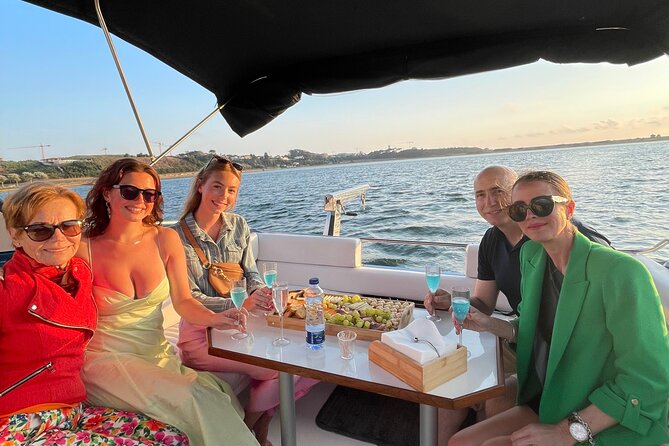
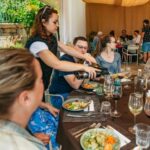
This isn’t just a boat ride where you hold a cup and listen to facts. The cruise includes local wine and snacks, and past guests repeatedly point out that the wine feels plentiful, not token.
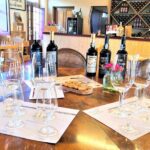
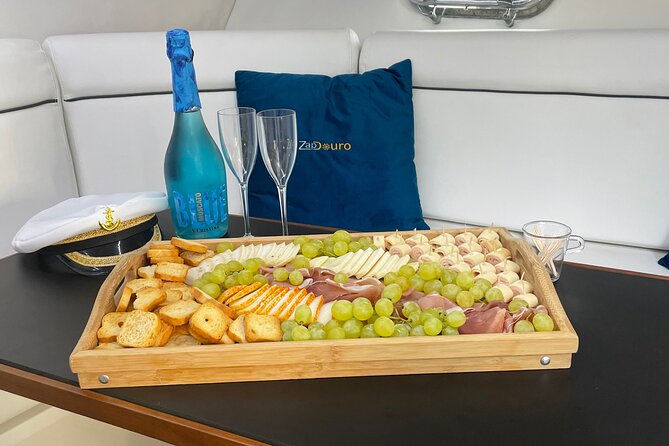
You’ll likely see a mix that can include sparkling wine in addition to local port selections. Food often arrives as a cheese board, charcuterie board, and local snacks, which are ideal for cruising because they don’t require table service or long pauses.
One smart detail: the hosts also keep the trip social at your pace. Some groups talk and ask questions; others just enjoy conversation when it lands naturally. Even on an active day, the overall tone stays calm.
Hosts That Make It Feel Personal (Not Staged)
The biggest repeat theme from feedback is the quality of hosting. People mention Antonio and Carlos as great hosts, and they also spotlight guides like Carolina, Mariana, Nuna, and others for being friendly, warm, and practical about what to notice from the water.
Two things this changes for you:
First, you get real context that fits what you’re seeing right now. Second, you’re not trapped in a script. Hosts seem comfortable letting your group enjoy privacy and quiet moments—especially useful if you’re traveling with kids.
Price and Value: What You’re Paying For
The price listed is $337.39 per group (up to 10), for about two hours. The value depends heavily on your group size.
- If you have a larger group near the 10-person cap, the effective cost per person drops fast, and you’re basically buying private time plus drinks and snacks in one package.
- If you’re a couple or a small group, it’s not a bargain in the traditional sense, but it often compares well to paid viewpoints plus food and drinks, because you’re getting the yacht itself and a real guide-like experience from the water.
Given the consistently high ratings and the emphasis on wine, boards, and host attention, I’d treat this as a “pay once, enjoy a lot” Porto moment.
Who This Cruise Suits Best
This is a strong pick if you want Porto to feel special without exhausting your legs. It’s also great if you want the bridge lineup in one go, because you’re seeing everything from the water rather than hunting for the best angle.
It’s especially good for:
- Couples who want sunset views with a private setting
- Small groups or friends who want a relaxed social atmosphere
- Families, including when you might worry about how a baby or child changes the pace
Smart Tips Before You Book
This is a river cruise, so plan like a realist. Even with rain guards reported by guests, you’ll enjoy yourself more if you dress for wind and possible drizzle. A light layer that blocks mist helps.
For photos, try to keep your phone/tablet accessible for bridge moments. As you pass under the major crossings, the angle can change fast, especially when you’re moving along the river.
Finally, don’t underestimate the value of going at a time when you get good light. The bridges look dramatic in softer daylight, and the river tends to feel extra atmospheric as the day cools down.
Should You Book the Porto Private Yacht Cruise?
If you want the Porto postcard views without turning the day into a walking checklist, I think this is an excellent choice. You get six bridges, plus the UNESCO riverfront areas, and the wine/snack setup makes it feel like a treat, not a transit chore.
If you’re traveling at a time when weather is unpredictable, keep flexibility in mind since the experience requires good weather. Still, the fact that guests describe rain-friendly elements is reassuring.
Overall, this is the kind of tour you book once to see Porto the way locals might brag about—by the water, with the city sliding past in a clean line.
FAQ
How long is the Porto private yacht cruise?
It lasts about 2 hours.
What is the price for this experience?
The price is $337.39 per group (up to 10).
Is this a private tour or shared group?
It’s a private tour/activity, and only your group participates.
What language is the tour offered in?
The tour is offered in English.
What does the experience include?
It includes a private yacht cruise plus local wine and snacks.
How many bridges are part of the cruise?
The experience is described as a Porto private yacht cruise with 6 bridges.
Where does the tour start and end?
It starts at Restaurante Marina do Freixo (N108, 4300-316 Porto, Portugal) and ends back at the meeting point.
Is the experience affected by weather?
Yes. It requires good weather, and if it’s canceled due to poor weather you’ll be offered a different date or a full refund.