REVIEW · PORTO
Porto: Port and Douro Wine Walking Tour with 9 Tastings
Book on GetYourGuide →Operated by EFun Tours · Bookable on GetYourGuide
Port tasting in Gaia feels like time travel. In just three hours, you’ll taste nine Port and Douro wines and visit three classic wine houses with a local guide who explains what you’re actually drinking. It’s a great way to understand Porto’s wine world without getting lost in the cellar maze.
You start at the Posto de Turismo/Loja Interativa de Turismo right by the riverfront, then move at an easy pace from one atmospheric cellar to the next. Expect short walks, lots of small pours, and a tone that stays relaxed even when the wine gets serious.
One heads-up: this is an adult, wine-forward tour. If you skip a meal or go heavy right away, the tastings can sneak up on you, and the tour isn’t suitable for kids under 18 or people with mobility impairments.
In This Review
- Key highlights that make this tour worth your time
- Vila Nova de Gaia: the best side of the Douro story
- Starting at Posto de Turismo and what the pacing feels like
- Stop 1: Vasques de Carvalho and learning how Port gets built
- Stop 2: Fonseca Port Wine Cellars and why one big name is still useful
- Stop 3: Solar dos Dragos and the Port-to-Douro bridge
- The real education: comparing Port styles and Douro wines
- 9 tastings in 3 hours: how to make it work for your palate
- Guide handoffs and why small-group energy matters
- What you get included, and what you’ll need to plan
- Price and value: what $57 buys you in the real world
- Who this tour suits best (and who should skip it)
- Should you book this Porto and Douro wine walking tour?
- FAQ
- Where does the tour start?
- How long is the tour?
- How many wine tastings are included?
- Which wine houses do you visit?
- What languages are the guides available in?
- Is this a large group tour?
- What should I bring and wear?
- Is luggage allowed?
- Is the tour family-friendly?
- Who can participate regarding mobility?
Key highlights that make this tour worth your time
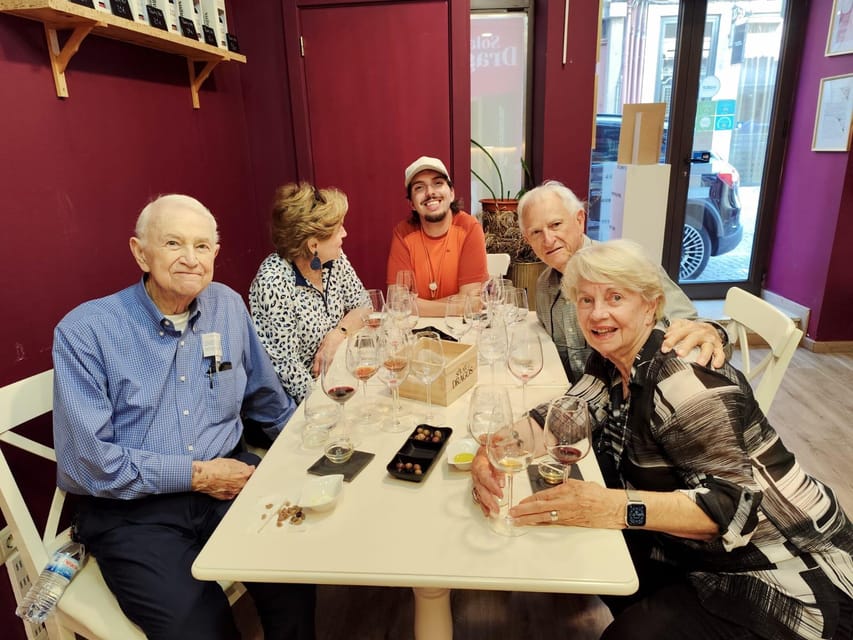
- 9 Port and Douro tastings: you’ll compare styles instead of just sampling at random
- Three wine houses in Vila Nova de Gaia: classic cellars across the river from Porto
- Port vs Douro taught clearly: you learn how styles differ, not just what to like
- About the Douro Valley’s origin: the region’s first demarcated status gets real context
- Small-group feel with guide attention: more time for questions and tasting notes in plain language
Vila Nova de Gaia: the best side of the Douro story
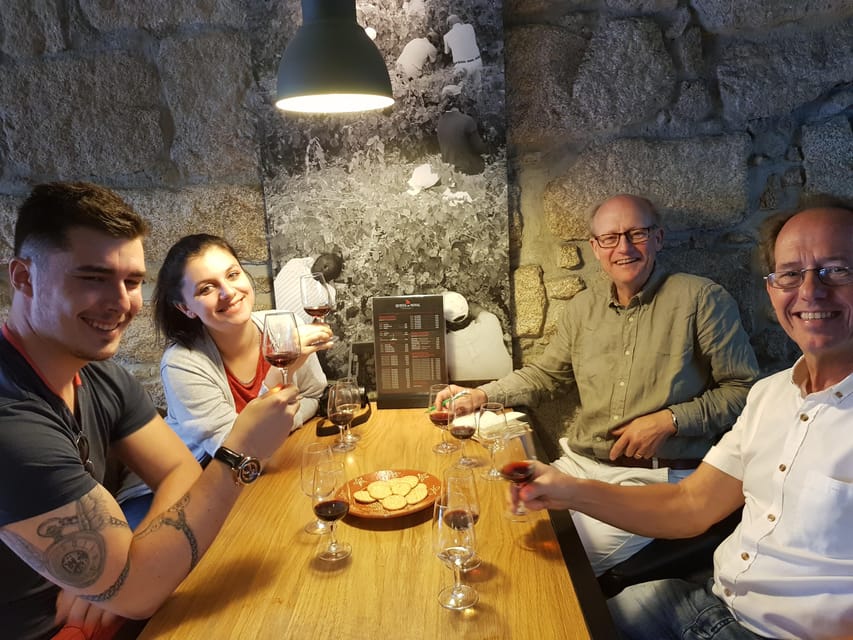
Porto sits on one side of the river. Vila Nova de Gaia sits on the other. And for Port wine, Gaia is where the action lives.
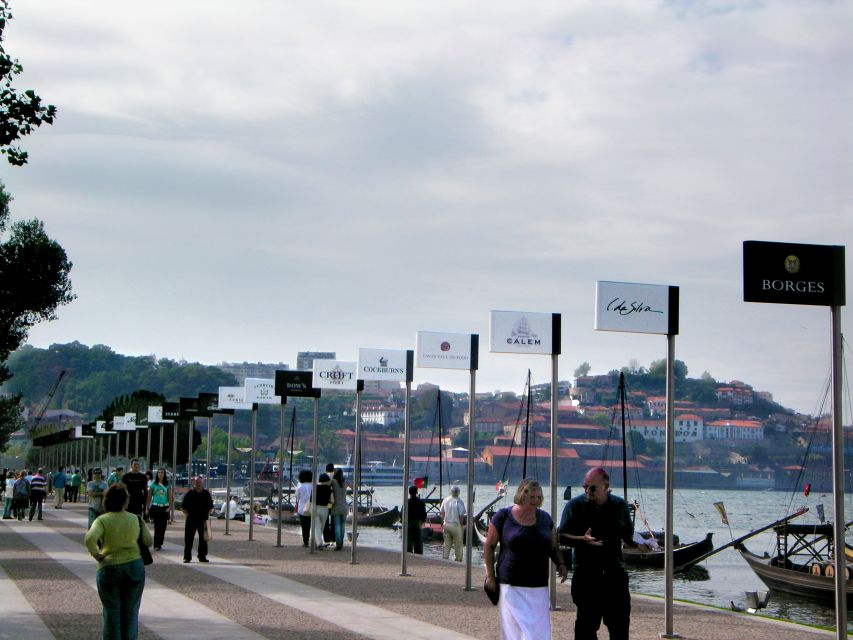
That’s why this tour works so well. You’re not only tasting wine; you’re standing in the same district where Port lodges, ages, and gets bottled for the world market. The walk between stops is short, but it still gives you that sense of place: quayside air, historic cellars, and the feeling that you’re in the working heart of the trade.
It also saves you effort. Instead of hunting down cellars and guessing which one is worth your time, you get a guided route with three different houses. That matters because Port isn’t one flavor. It’s a family of styles.
You can also read our reviews of more walking tours in Porto


Starting at Posto de Turismo and what the pacing feels like
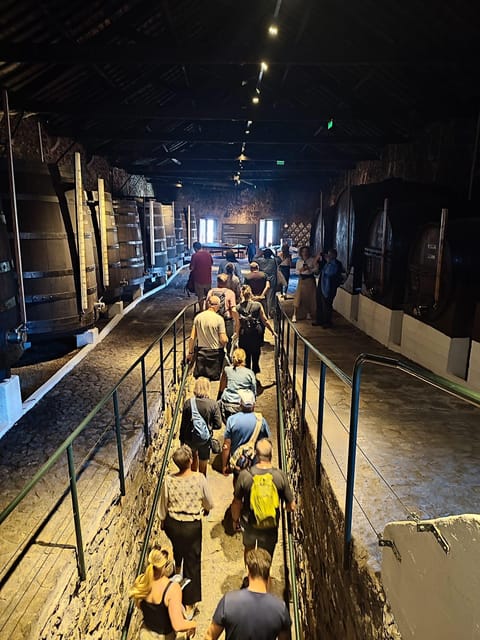
You meet outside the Posto de Turismo / Loja Interativa de Turismo along the main riverfront sidewalk. Arrive about 10 minutes early, because the tour starts promptly and you’ll want a clean handoff from the meeting point to the first cellar.
The timing is simple: you’ll spend about an hour at each of three wine houses, with enough breathing room in between to keep the day easy. This is a walking tour, but the walking amount is described as small, and the schedule stays balanced so you don’t spend the whole time climbing stairs or rushing.
Also, plan for weather. The tour operates in all conditions, so dress for rain, wind, or heat. Comfortable shoes help a lot, especially when you’re moving from waterfront streets into cellar entryways.
Stop 1: Vasques de Carvalho and learning how Port gets built
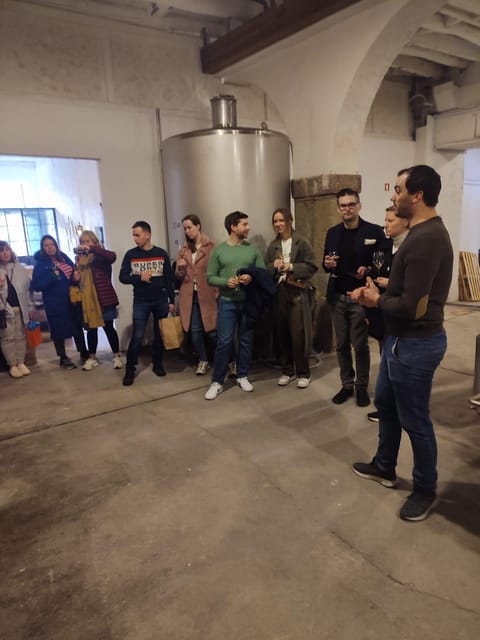
Your first tasting is at Vasques de Carvalho, one of the Port wine stops on this route. This is a smart place to start because the guide can set your tasting baseline early.
At this point, you’re usually figuring out two things fast:
- how Port differs from wine that’s meant to be drunk as a table style
- how different Port types shift sweetness, fruit, and aging character
Since you’ll later compare more styles, the early lesson helps you taste with intention. Don’t treat the first pour as a warm-up. Taste it as a reference point. Watch what you notice first—aroma, sweetness level, body, and the finish. Then when the next style arrives, you’ll know whether you’re comparing similar flavors or totally different techniques.
One practical tip from what I’ve learned about tours like this: go a touch slower early on. If you hammer the first pours, the later tastings can feel more like blur than education.
Stop 2: Fonseca Port Wine Cellars and why one big name is still useful
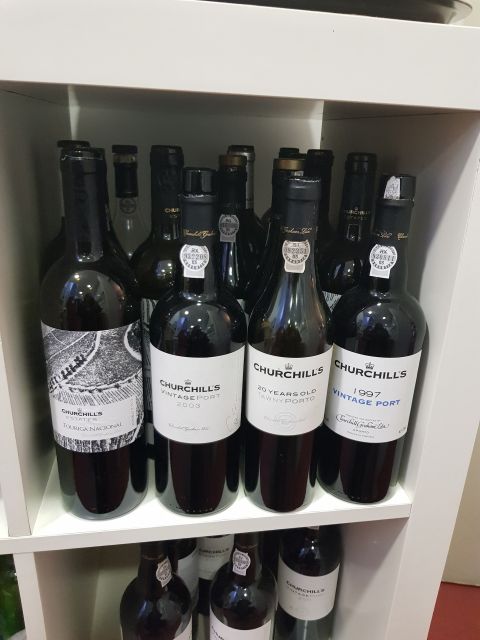
Next comes Fonseca Port Wine Cellars. This is the one larger, internationally recognized name on the route, and it earns its place.
Here’s the value of mixing a major house into a small selection-day tour: you get scale. You’ll likely see how Port is produced and managed at a level that helped shape global Port reputation. And because the tour includes a professional local guide, you’re not just staring at barrels and labels—you’re connecting the tasting to the process.
This stop is also where Port styles start to make more sense as a system. You’re learning the differences between Port styles, then you’re tasting those differences in sequence. That’s a big reason this tour rates so well: it doesn’t just throw wine at you. It teaches you what to notice.
If you care about structure—how sweetness, oxidation, and aging can change the experience—this is where those ideas start clicking. And if you’re new to Port, Fonseca can help you build confidence quickly because the explanations tend to be clear and grounded in real production.
Stop 3: Solar dos Dragos and the Port-to-Douro bridge
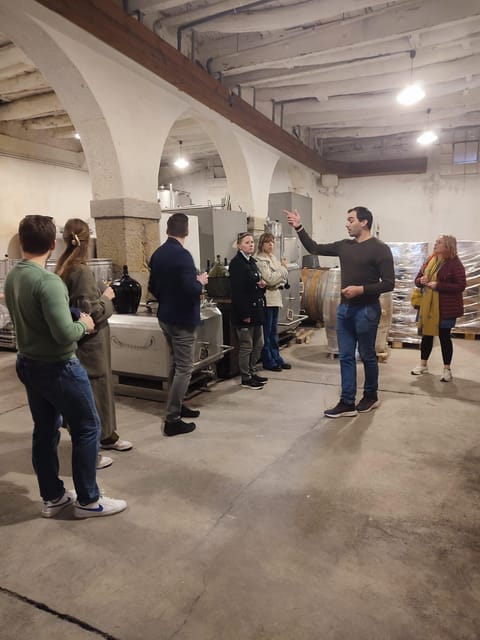
Your final tasting stop is Solar dos Dragos Porto & Douro Wines. This is where the tour often feels like it turns from Port-only into Port plus Douro table wine context.
You’re also seeing a different side of the region. The Douro Valley is where the grape growing and the production traditions come from, while Port is the most famous international export built from Douro grapes. Even if you don’t know the vocabulary yet, the tastings help you connect the dots: similar roots, different choices.
This stop also seems to be where food pairings show up. Some departures include bread, olive oil, and cheese pairings with your drinks. That’s a big deal for your taste buds. Salt, fat, and texture can make wine flavors pop in ways pure sipping can’t.
If you’ve been trying to learn how to taste like a person who reads a wine list for fun—not fear—this is a solid moment to practice. Take small bites, then sip. Notice what changes in fruit, sweetness, and finish.
You can also read our reviews of more wine tours in Porto


The real education: comparing Port styles and Douro wines
What makes this tour more than a simple tasting is the guided comparison. You’re set up to learn differences between Port styles and Douro wines through repeated sampling and explanation.
Here’s the practical way to approach the tasting so you actually learn something:
- Start with sweetness and body. Port often reads as sweeter and fuller than many table wines. Douro wines can vary, but your first comparison should be how weighty each one feels.
- Then look at the aroma. Notice fruit type, spice notes, and any dried-fruit character. Even if you can’t name everything, you’ll be able to say if the style feels fresher or more aged.
- Finish with the aftertaste. The finish is where Port styles can really separate. Some linger with warmth; others feel more structured and dry.
And because the tour includes history—especially around the Douro Valley being the first demarcated wine region—you’ll understand why these wines developed their reputation. Boundaries weren’t just a marketing idea. They helped shape quality expectations and production habits.
If you like learning that stays grounded in what’s in your glass, this approach fits you.
9 tastings in 3 hours: how to make it work for your palate
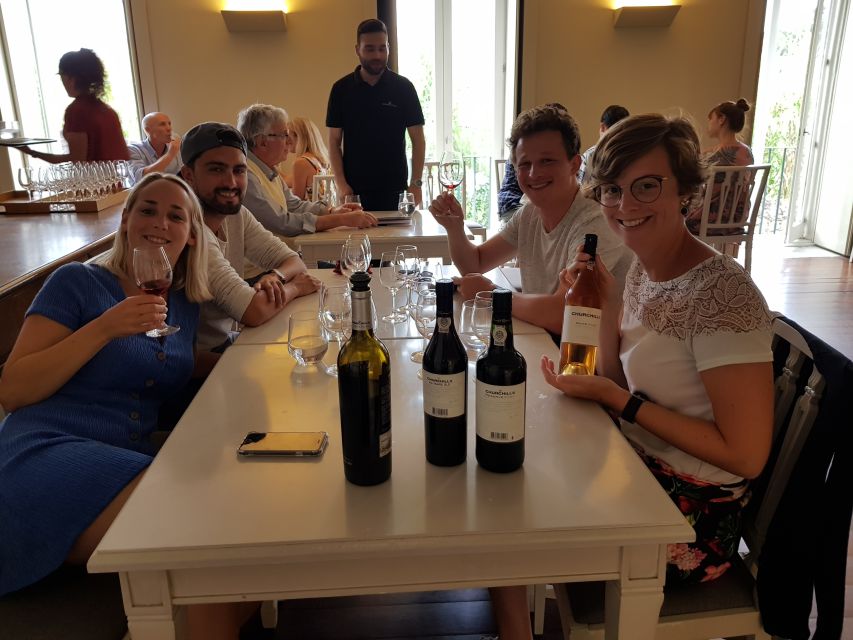
Nine tastings over three hours sounds casual. In reality, it’s enough wine that pacing matters.
Do this and you’ll get the most out of the experience:
- Eat before you go. One reason this tour gets strong feedback is that people realize the tastings move fast once the cellar starts flowing.
- Sip water between pours. Many guides offer water during the session, and it helps you stay clear enough to notice differences.
- Take notes in your head. Even a quick mental checklist—sweetness, aroma, finish—helps you remember what you liked and what surprised you.
Also, pay attention to the tour’s structure: three stops, about an hour each. That means you’re likely to have enough time at each cellar to ask questions and reset your palate between styles.
One small caution: you’re not just tasting. You’re also walking and standing. Comfortable shoes and weather-ready clothes keep the experience from becoming uncomfortable before you finish the tastings.
Guide handoffs and why small-group energy matters
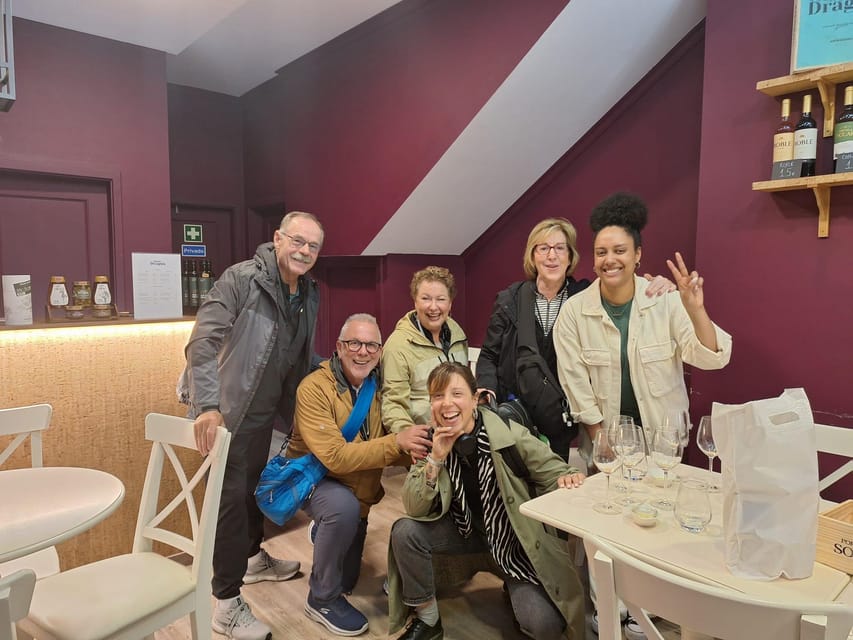
This tour includes a professional local guide for the walking portion and explanation. At the wine houses, expert cellar staff may also take over for part of the instruction. That split can actually be a plus. You get both the big picture from your main guide and the focused production talk from the cellar teams.
The best feedback from people who did this tour centers on the guides’ energy and how they answer questions. You’ll get more out of it if you show up curious. Ask what makes one Port style different from another. Ask what the guide wants you to notice in the glass. Simple questions get good answers when the guide is good at teaching.
If you’re traveling solo, small groups also help. You’re not stuck waiting for the group. You can talk with others while you taste, and that social angle makes the whole afternoon feel like a shared lesson instead of a stiff classroom.
What you get included, and what you’ll need to plan
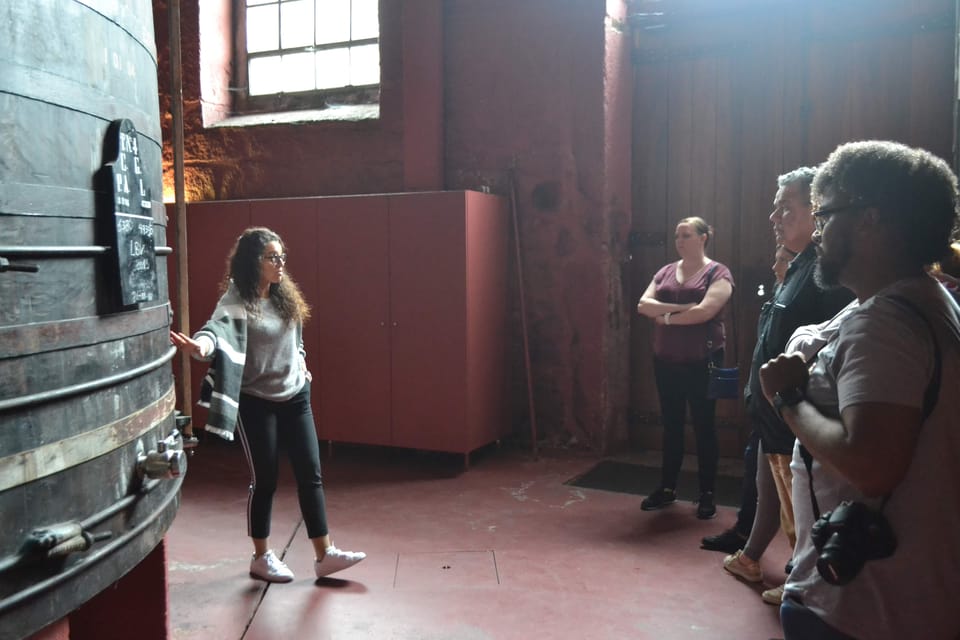
This tour includes:
- a professional local guide
- visits to three wine houses in Vila Nova de Gaia
- 9 wine tastings covering Port and Douro wines
- informative insights into wine production and tasting techniques
- a small-group experience and about a 3-hour walking tour
Not included are lunch, food, and drinks not mentioned. That’s why eating beforehand matters. If the last stop offers pairing items like bread, olive oil, and cheese, treat that as a bonus rather than a meal plan.
If you want to buy bottles, the tour’s tasting format makes it easy to decide what you actually enjoy. Several people leave talking about finding a favorite Port style and planning to take it home.
One practical note: luggage or large bags aren’t allowed. Light packing keeps you from dealing with storage during the stops.
Price and value: what $57 buys you in the real world
At $57 per person for about three hours, the value comes from three places:
- You’re paying for structured tastings, not just access. Nine tastings plus explanation means you taste enough variety to learn what you prefer.
- You get three separate houses. You don’t spend the whole tour in a single room. Moving through different cellars gives you a broader sense of Port culture.
- You get guided pacing. A good guide keeps you tasting with purpose, and the small-group format helps you ask questions.
Could you do a cheaper tasting on your own? Sure. But if you want the Port-versus-Douro comparisons and the guided history context, the included tastings are the main reason this price feels fair.
If you’re limited on time in Porto, this is also a strong use of your afternoon. You still come away with real knowledge, not just buzz.
Who this tour suits best (and who should skip it)
This fits best if:
- you want Port and Douro education paired with tasting
- you enjoy learning through comparison, not a lecture
- you’re good with a short walking route and standing time inside cellars
- you like small-group conversation
It’s not a match if:
- you’re under 18
- you have mobility impairments, since the tour involves walking and cellar stops
If you’re the type of traveler who wants one good Port experience without committing to a full Douro day trip, this is a smart sweet spot.
Should you book this Porto and Douro wine walking tour?
Book it if you want a focused afternoon that turns wine tasting into actual learning. The mix of three wine houses, 9 tastings, and guide-led comparisons is the core strength. You’ll leave knowing what kinds of Port styles you prefer and how Douro wines relate to them.
Skip or switch plans if you’re only looking for light sipping or you dislike walking around in changing weather. This is a wine tour with real tastings, so come fed, wear comfortable shoes, and be ready to taste with attention.
If that sounds like your kind of Porto day, this is one of the most straightforward ways to get into the region’s wine culture.
FAQ
Where does the tour start?
You meet outside the Posto de Turismo / Loja Interativa de Turismo along the main sidewalk by the riverfront.
How long is the tour?
The tour lasts about 3 hours.
How many wine tastings are included?
The tour includes 9 wine tastings across Port and Douro wines.
Which wine houses do you visit?
You visit three wine houses: Vasques de Carvalho, Fonseca Port Wine Cellars, and Solar dos Dragos Porto & Douro Wines.
What languages are the guides available in?
The live tour guide is available in English and Portuguese.
Is this a large group tour?
It’s described as a small-group experience, and private or small groups are available.
What should I bring and wear?
Bring comfortable shoes. The tour runs in all weather conditions, so dress appropriately for the conditions.
Is luggage allowed?
No—luggage or large bags aren’t allowed.
Is the tour family-friendly?
No. It isn’t suitable for children under 18.
Who can participate regarding mobility?
It isn’t suitable for people with mobility impairments, since the tour includes walking and cellar stops.