REVIEW · PORTO
Porto: Douro River Boat Cruise with Port Wine and Snacks
Book on Viator →Operated by Boating Porto · Bookable on Viator
That long look at Porto from the Douro feels special. On this 2-hour boat cruise you get Douro Valley views plus a guide who explains what you’re seeing, not just where the boat goes. I especially like the small group size (max 8), which keeps the mood friendly and lets you ask questions while you glide past Porto’s bridges. The one catch: it’s weather dependent, and it’s a small boat—so plan for limited comfort perks like no onboard toilet.
If you’re trying to see the city from a new angle without booking a full day, this fits well. You’ll get tastings that actually pair with local flavor, not just a quick sip. One more thing to consider: snack portions seem light to some people, so if you’re a big eater, you’ll want to eat something before or after.
In This Review
- Why This Douro Cruise Works Better Than Big-Boat Sightseeing
- Small Group (Up to 8) Means Better Stories and Better Sightlines
- Getting to Boating PortoMarina do Freixo (And Avoiding the Stress Spiral)
- The 2-Hour Route: Porto Bridges, Gaia Cellars, and River Views
- Stop-by-Stop: What You’ll See and Why It Matters
- Porto’s River Start: Douro, Made of Gold
- The Oldest Bridge: Details You’d Miss From the Street
- Dom Luís I Bridge (1881): An Icon That Still Runs the City
- Porto Historic District: Medieval Streets and Church Landmarks
- C de Gaia: Waterfront Cellar Views Across the River
- The Customs-Era Building: Neoclassical Waterfront Past
- The 19th-Century Glass Gazebo: Panoramic Views From the Gardens
- The Arch Bridge Completed in 1963: A Photo Moment With Big River Energy
- Wine and Snacks: What You Get, What It Tastes Like, What to Do
- The Crew Makes or Breaks It: Why the Guides Get Mentioned So Often
- What About Comfort: Small Boat Notes You Should Know
- Best Day, Best Travelers: Who This Cruise Suits
- Price and Value: Is $48.37 Fair for Two Hours?
- Should You Book This Douro River Cruise? My Take
- FAQ
- How long is the Douro River cruise?
- How many people are on the tour?
- What language is the tour offered in?
- Where does the tour start and end?
- Is there a mobile ticket?
- What wine is included in the tastings?
- Are there snacks included?
- Is there a toilet on the boat?
- What happens if the weather is bad?
Why This Douro Cruise Works Better Than Big-Boat Sightseeing
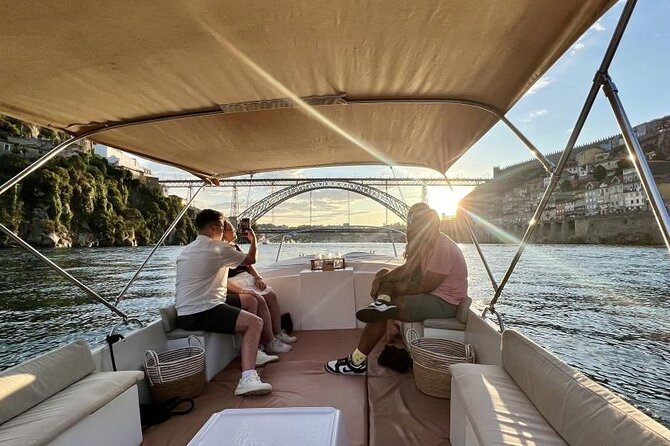
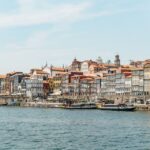
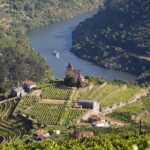
The Douro is the spine of Porto’s story, and being on the water is the fast way to understand it. From the marina you slide into river views that flat land just can’t give you. You see Porto’s historic edges, the bridge shapes that define the skyline, and the opposite bank in Vila Nova de Gaia where the wine cellars sit like a second city.
What makes this cruise feel worth your time is the pace and the guide’s focus. Instead of a scripted lecture from a distance, you get a human tour with room to talk. Guides such as Alfonso, Fabio, Marcello, Maria, Angelo, Ricardo, Duarte, and Antonio have all been mentioned for blending facts with humor, which helps the sights stick. You’re not just passively watching.
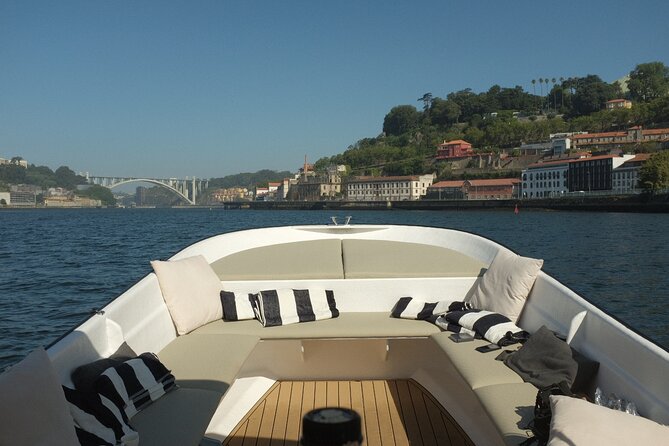
The other big win is the boat size. With a small group limited to eight, the whole trip stays relaxed. It can feel close to a private charter, where the crew can help with photos and keep the flow easy.
The one drawback isn’t the tour—it’s the boat realities. This is still a river cruise, so rain and wind matter. And if you’re expecting full amenities, you might be surprised by the lack of onboard toilet access.
Small Group (Up to 8) Means Better Stories and Better Sightlines
A lot of Porto tours try to fit in too much. This one leans into the opposite: fewer people, more attention, and more time per viewpoint. With a maximum of eight travelers, you don’t spend the trip craning your neck around strangers. You can actually look up, then back at the guide, then down at the river, without losing your spot.
That also affects how the guide can work. In a small group, it’s easier to point out details and then explain them in a way you can follow—like why a bridge is still used, or why certain waterfront buildings matter to how wine and trade moved through Porto.
It also changes the vibe. Several people mention laughing a lot and chatting with the group. Even if you’re traveling solo, the boat setup makes it easier to talk rather than just sit politely in silence.
One practical thing to know: the plan is for eight people. There’s at least one account where a few extra folks were on board, so if group size is a major deal for you, you’ll feel safer with a flexible mindset rather than assuming it’s always perfect headcount.
You can also read our reviews of more boat tours in Porto

Getting to Boating PortoMarina do Freixo (And Avoiding the Stress Spiral)
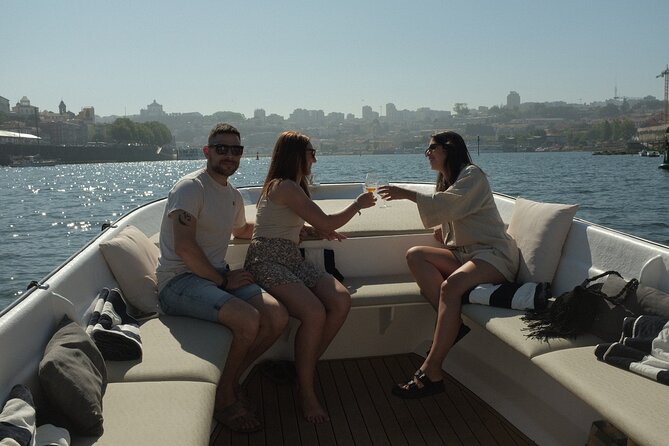
Your meeting point is Boating PortoMarina do Freixo, N108, 4300-316 Porto, Portugal, and the trip ends back there. This matters because the timing is tight: you want to arrive early enough to park, find the right spot, and settle.
The marina area can be a little tricky to locate at first. One review points out the pick-up location isn’t easy, though it’s worth the effort. My advice: give yourself extra time even if your map app says you’re fine.
Good news: it’s near public transportation, so if you don’t want to deal with car logistics, you can still make it work without a stress headache. And since you get a mobile ticket, you’re not hunting for paper.
The 2-Hour Route: Porto Bridges, Gaia Cellars, and River Views
The whole cruise is about two hours, designed as a loop-style experience. You start on the Douro and then swing past Porto’s core landmarks, before crossing the river to sights in Gaia. The exact order follows the itinerary stops, but the feel is consistent: ride, look, learn, taste, and then ride some more.
This is not a long inland tour. It’s a river-focused cruise, which is exactly what you want if your goal is to see Porto’s waterfront from the water. You’ll also catch views beyond the immediate downtown area, which is where the river starts to feel wider and calmer.
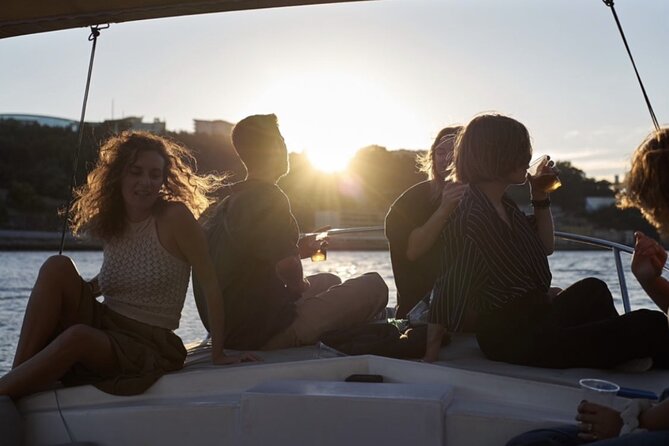
There’s a gentle advantage to timing too. One account mentions an afternoon departure before sunset and getting great photos of city bridges and the river. If you can choose a slot, an early-evening option can pay off visually.
Stop-by-Stop: What You’ll See and Why It Matters
Here’s how each stop adds something different, so you don’t feel like it’s just one long view.
Porto’s River Start: Douro, Made of Gold
You begin right on the Douro. The guide frames the river name with the idea that Douro means made of gold, and it’s a useful mental hook. Once you’ve seen Porto from the water, that phrase clicks: this river has always been tied to trade, movement, and the city’s money story.
Even if you’ve already seen Porto on land, the river view changes your scale. Buildings look taller. Bridges look more structural. And the river traffic gives you context for why these neighborhoods developed along the banks.
You can also read our reviews of more wine tours in Porto
The Oldest Bridge: Details You’d Miss From the Street
Next you pass by an older bridge known for lots of interesting details. This is one of those spots where the guide’s explanations actually help. From a boat, you can spot things you would never notice while rushing past on foot.
Look at the bridge like you’re reading a diagram. The structure isn’t just pretty; it’s part of how Porto connected itself over time.
Dom Luís I Bridge (1881): An Icon That Still Runs the City
Then comes one of Porto’s best-known icons, from 1881 and still used to this day. This stop is all about scale and function. You’ll see how it works in the skyline, not just as a postcard photo.
One reason this bridge is such a good target is that it ties Porto’s past and present together. The city built major connections here, and the infrastructure is still doing its job.
Porto Historic District: Medieval Streets and Church Landmarks
After the big bridge moments, you get a look toward Porto’s historic district: medieval architecture, tight lanes, and landmark points such as São Francisco Church and the Dom Luís I Bridge area.
From the river, narrow streets are easier to understand as patterns—how neighborhoods grew where they had access to water and transport. It’s also a nice change of pace because it puts the city’s layout back into the picture.
One drawback: if you’re hoping for a lot of walking, this isn’t that kind of tour. The historic district here is seen from the water, not visited on foot.
C de Gaia: Waterfront Cellar Views Across the River
Next up is C de Gaia, the waterfront side across from Porto that’s famous for port wine cellars. This part is short but memorable. You get a clean view of Porto’s skyline from the other bank, and you also get the sense of where the wine story gets stored and moved.
This is also the emotional switch point of the cruise. Porto feels like the city of streets and bridges. Gaia feels like the city of the warehouse and the cellar door.
The Customs-Era Building: Neoclassical Waterfront Past
You’ll also see a historic building by the Douro that used to serve customs duties and now works as a cultural and event space. It’s described as neoclassical, and the value here is perspective: trade and taxation were part of how wine became a major export.
This is the kind of stop where a guide can make the stones feel like part of a system, not just an old facade.
The 19th-Century Glass Gazebo: Panoramic Views From the Gardens
Then the tour brings in a 19th-century gazebo set in gardens. The standout detail is the impressive glass structure and panoramic views over the river and the city.
This is a visual breather. Even on a boat cruise, you’re not stuck staring only at the waterline. The gardens and gazebo setup makes you slow down and absorb.
The Arch Bridge Completed in 1963: A Photo Moment With Big River Energy
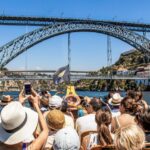
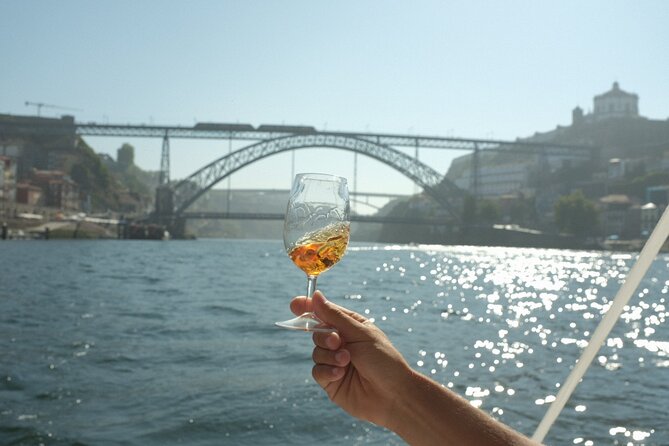
Finally you’ll pass the iconic arch bridge completed in 1963, connecting Porto to Vila Nova de Gaia. Since it’s a key transportation route, it’s also a real-life reminder: this river isn’t museum-only. It’s still working.
For photos, this is often the spot people remember. The structure gives you strong lines, and timing it for softer light can help a lot.
Wine and Snacks: What You Get, What It Tastes Like, What to Do
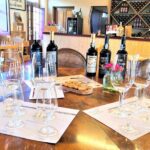
The wine component is a major reason this cruise keeps getting high marks. You’re not dealing with a one-note pour. The tastings mentioned include Vinho Verde, port wine in different styles (including a sweet white port), and red port. Some accounts mention sampling three different wines.
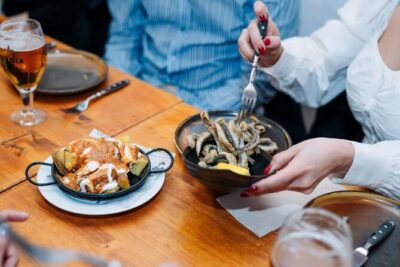
The snack pairing is typically local basics: almonds, dried figs, and small amounts of dark chocolate. That sounds simple, but it’s exactly the kind of pairing that works while you’re on the water. The salty-sweet mix helps the wine go down easier.
Two honest considerations:
- Some people say the snacks were very little or light. So if you’re prone to getting hungry, eat before you board.
- Water isn’t always part of the service. One account notes there wasn’t water offered, even though the wine and snacks were good. If you like to sip something neutral, bring your own just in case.
The best practical move: treat the tastings as part of the experience, not as a full meal replacement.
The Crew Makes or Breaks It: Why the Guides Get Mentioned So Often
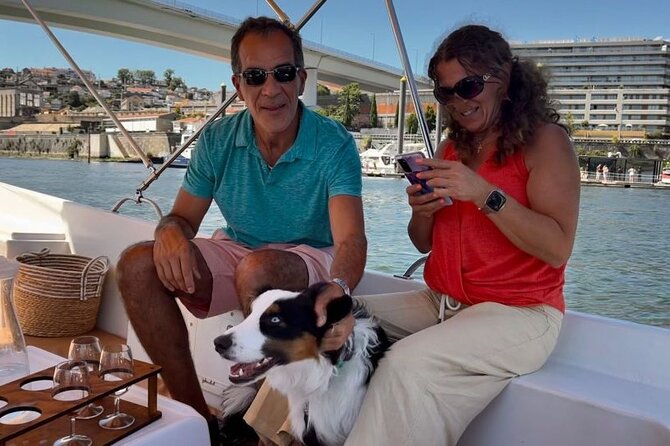
In most tours, the guide’s job is mostly to point things out. Here, the crew is part of the atmosphere. The guide explanations are described as friendly and packed with details, and the captain typically handles the boat with confidence while keeping things relaxed.
Names pop up again and again in accounts: Alfonso, Fabio, Angelo, Marcello, Maria, Juan, Ricardo, Duarte, and Antonio. Even if you don’t know who you’ll get on your day, you can assume the style is similar: stories, jokes, and lots of eye contact.
There’s also mention of the crew taking photos for the group and even running a game. That may sound small, but it changes the feel from stiff sightseeing to real shared time.
One more practical thing: because you’re on a small boat, you’ll likely have better chances to ask questions. If you care about why a bridge is important or what makes Porto and Gaia different, this is the kind of tour where the answers come naturally.
What About Comfort: Small Boat Notes You Should Know
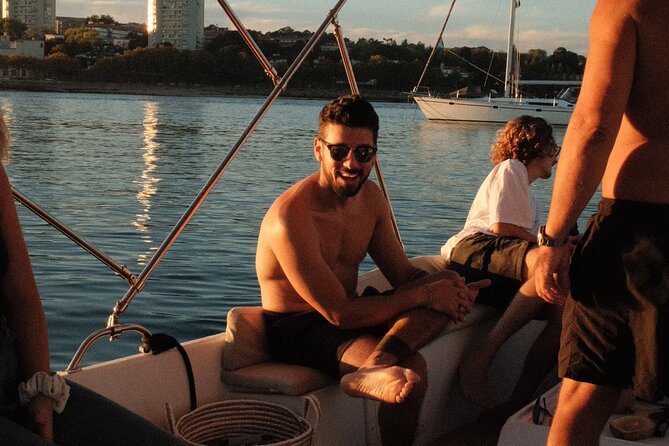
Small boats are great, but they come with tradeoffs. Based on the accounts:
- There’s no toilet on board, so plan accordingly.
- The boat is small but described as comfortable.
- Weather can affect the experience. The tour requires good weather, and rain can still happen even on your best day, so you may get wet depending on conditions.
If you’re the type who wants a cushy, indoor, dry experience, this may not match your expectations. If you’re okay with dressing for wind and spray, you’ll likely enjoy how close you feel to the river.
Also, the cruise isn’t a whole day activity. Two hours goes fast—especially when you’re chatting and tasting.
Best Day, Best Travelers: Who This Cruise Suits
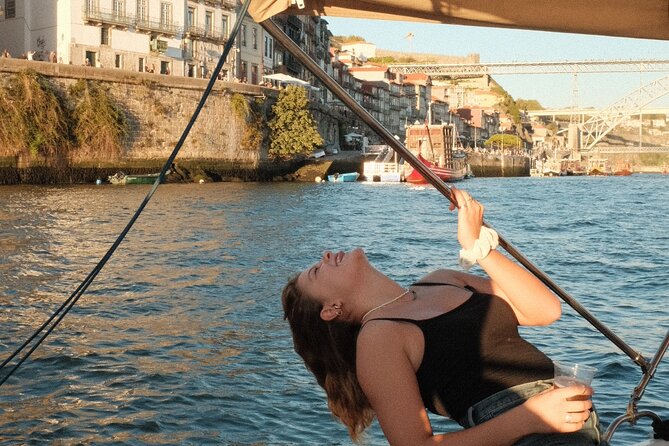
This is a strong pick for:
- People who want Porto views without a long walking day
- Couples who want a calm, friendly outing
- Solo travelers who don’t want to sit alone with headphones
- Friends who enjoy light entertainment and conversation
- Anyone who cares about wine culture but wants it explained in context, not as a sales pitch
It may not be ideal if:
- You need onboard amenities like a toilet
- You have zero flexibility with weather
- You’re expecting a full snack buffet or a meal-level food program
If you’re visiting in a short trip window, this is a good use of time because it gives you a big chunk of Porto’s identity from the water.
Price and Value: Is $48.37 Fair for Two Hours?
At about $48.37 per person for roughly two hours, the value lands in the middle of what you’d hope to pay for a guided cruise that includes tastings. The main value drivers are:
- Small group size (max 8) for a more personal experience
- A guide who explains what you’re seeing
- Multiple tastings (Vinho Verde plus port styles are mentioned)
- Snacks that are actually part of the pairing
You’re also paying for convenience. The cruise takes you through the river views without you needing to coordinate multiple transport steps or commit to a long schedule.
Where the price can feel off is if you’re the type who expects lots of snacks or nonstop information the entire time. One account describes it as more of a boat ride and wine tasting with little information. So if you’re traveling for deep narration only, you might want to choose a departure where you can ask questions and engage with the crew during the ride.
Should You Book This Douro River Cruise? My Take
Yes, I think you should book it if you want a relaxed Porto afternoon with great sightlines, a small crew vibe, and wine that’s woven into the experience. The small-group limit is the big reason. It makes the trip feel human, not mass-produced.
Book it especially if you like bridges, river views, and learning why Porto and Gaia grew the way they did. The tastings are a real plus, and the snacks are a decent add-on—just don’t treat them like your main meal.
Skip it only if toilet access is a dealbreaker for you, or if you can’t handle weather changes. If you dress for the river and keep expectations realistic, this is a smart, good-value way to see Porto from the Douro.
FAQ
How long is the Douro River cruise?
The cruise is about 2 hours.
How many people are on the tour?
The tour has a maximum of 8 travelers.
What language is the tour offered in?
The tour is offered in English.
Where does the tour start and end?
It starts at Boating PortoMarina do Freixo, N108, 4300-316 Porto, Portugal, and ends back at the meeting point.
Is there a mobile ticket?
Yes, the tour includes a mobile ticket.
What wine is included in the tastings?
Port wine and other wine tastings are included, and mentions include Vinho Verde plus port styles such as white port and red port.
Are there snacks included?
Yes, snacks are included. Some accounts describe them as light, and the snacks mentioned include almonds, dried figs, and dark chocolate.
Is there a toilet on the boat?
One account notes there is no toilet on board.
What happens if the weather is bad?
This experience requires good weather. If it’s canceled due to poor weather, you’ll be offered a different date or a full refund.