REVIEW · VILA NOVA DE GAIA
Vila Nova de Gaia: Port Wine Tasting with Cheese Pairing
Book on GetYourGuide →Operated by Quevedo · Bookable on GetYourGuide
A good Port tasting is quick. This one is also very human—cozy, small, and guided with real care. You’ll sample three Port styles, each matched to cheese that changes how the wine tastes, not just what it tastes like. At Quevedo Port Wine, the setting helps you slow down, listen, and learn without feeling rushed.
What I like most is the three-wine variety in one hour and the way the cheese pairing actually explains the Port. The staff are family-owned for generations, and you’ll hear how their vineyards in the Douro Valley shape the glass you’re drinking. The only possible drawback: it’s a tasting, not a bodega tour, so if you want lots of additional wine pours or a big food spread, you’ll have to look elsewhere.
In This Review
- Three Key Things That Make This Tasting Worth Your Time
- Where Vila Nova de Gaia Fits Into Your Porto Trip
- The Quevedo Setting: Cozy, Small, and Built for Questions
- The Value Equation: $30 for Three Tastings Plus Cheese
- What You’ll Drink (and What Each Cheese Is Teaching You)
- 1) Crusted Port + Local-aged Sheep Cheese
- 2) 10-Year-Old Tawny + Mixed Paprika Cheese (Cow, Goat, Sheep)
- 3) Colheita 2009 White Port + Azores Jam Pairing
- The Douro Story You Get Without the Textbook Vibes
- How the Guides Make the Difference in Real Life
- Timing and Flow: What Happens During Your Hour
- Who This Tasting Is Best For
- Price, Pairings, and Bottle-Smart Buying Advice
- Should You Book This Port and Cheese Tasting?
- FAQ
- What wines are included in the tasting?
- How much Port is poured per sample?
- What cheese is paired with each wine?
- How long is the experience?
- How much does it cost?
- Where do I meet the host?
- How big is the group?
- Is it wheelchair accessible?
- Are there other wines or snacks included?
Three Key Things That Make This Tasting Worth Your Time
- Three Port profiles in 60 minutes: Crusted Port, 10-Year-Old Tawny, and a Colheita 2009 White Port
- Cheese pairings that change the flavors (sheep, mixed cow-goat-sheep, plus Azores cheese and jam)
- Small group size (max 8), so questions are practical, not lost in the noise
- Family-run producer with Douro-grown grapes from 100 hectares of vineyards and organic olive groves
- A gentle pace with a cozy lodge vibe in Vila Nova de Gaia
Where Vila Nova de Gaia Fits Into Your Porto Trip
Vila Nova de Gaia is where Porto’s wine world gets serious, and this experience is a great example of why. You’re across the river from the famous sights, but you’re staying focused on the point: Port wine, produced and bottled under Portuguese hands.
This tasting runs about 1 hour and lands in a small, friendly format. That matters because Port can feel intimidating if you jump straight into buying bottles. Here, you get guided context while your palate is still fresh, and you can start learning what you like before you spend money.
Also, the location is practical for a day in Porto. You can plan your sightseeing in Porto, then come to Gaia for a focused stop. No need for a full-day tour just to understand Port.
You can also read our reviews of more food & drink experiences in Vila Nova De Gaia
The Quevedo Setting: Cozy, Small, and Built for Questions
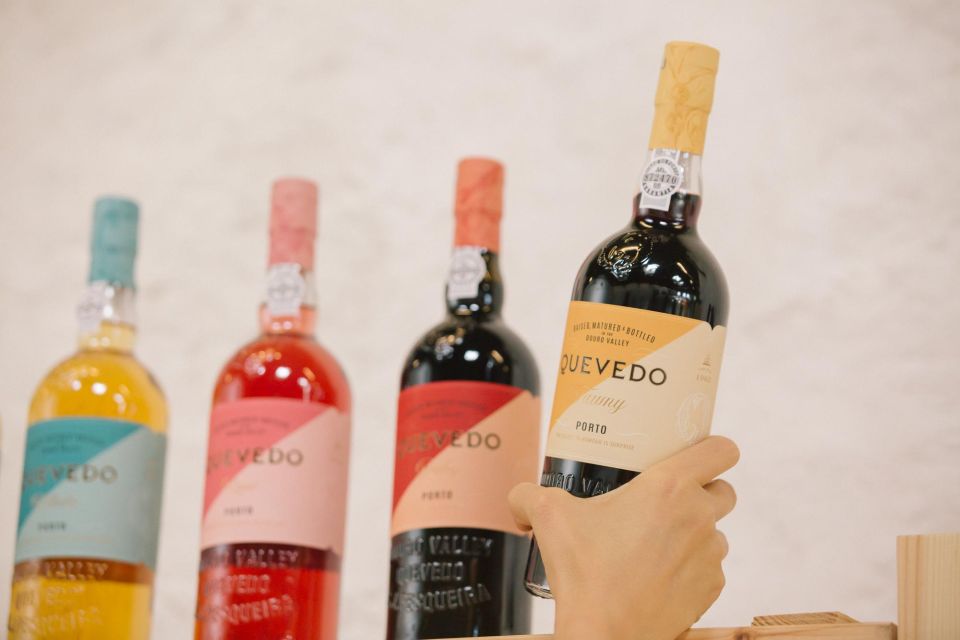
The meeting point is simple: go to Quevedo Port Wine and talk to local staff. This is not a giant production line. It’s a small group tasting limited to 8 participants, which tends to make the experience feel more personal and easier to follow.
A big reason this works: you’re not just tasting blind. The host explains what you’re drinking and why the pairing was chosen. In many tastings, that part feels like a lecture. Here, the tone you’ll likely get is calm and conversational.
You’ll also likely appreciate the multilingual support. The experience is offered in Portuguese, English, Spanish, and Russian, so you’re not stuck figuring things out through your phone.
One more nice detail: the venue is described as welcoming and peaceful, with some sessions even catching live fado depending on the day. If you’re in the mood to hear Portuguese culture while you taste Port, that’s a bonus.
The Value Equation: $30 for Three Tastings Plus Cheese
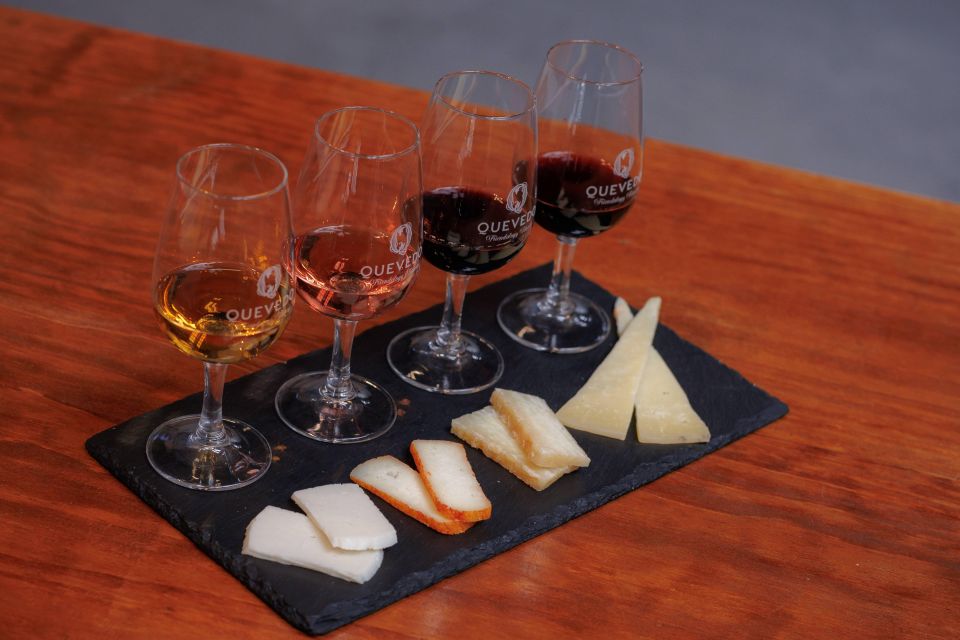
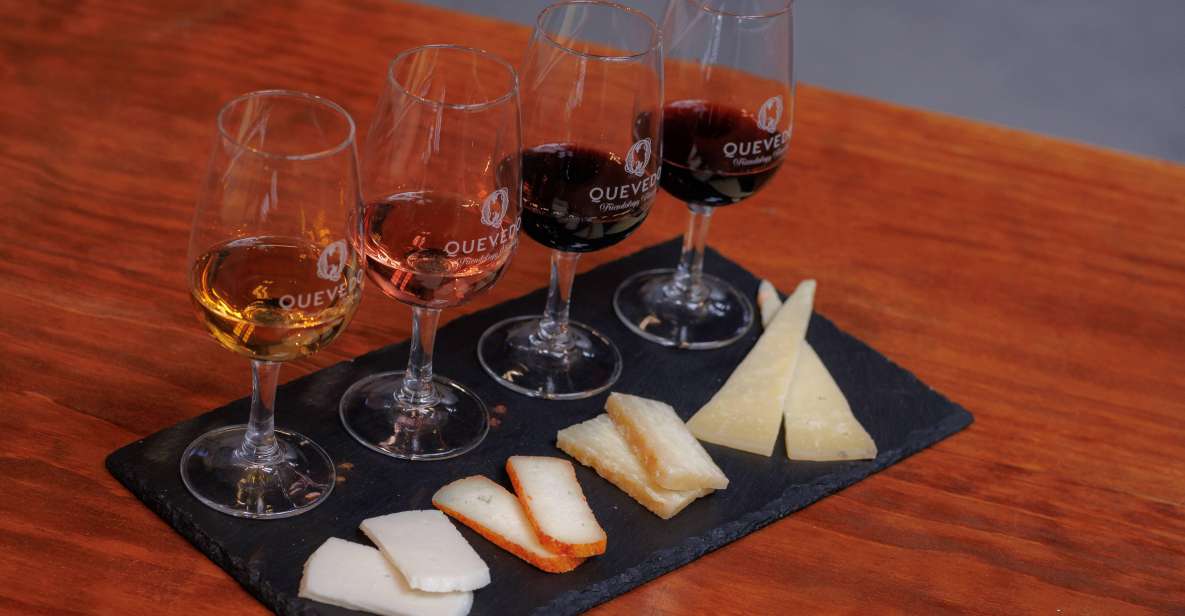
At $30 per person, you’re paying for something specific: three 40ml Port pours plus cheese pairings with each glass, guided by staff. Additional wines or snacks are not included.
So is it worth it? For me, the answer is yes, because you’re getting two value multipliers in one go:
- You taste across Port styles, not just three similar reds.
- You learn how food affects wine, through pairings that are intentionally different.
If you’ve ever bought a bottle after a basic “here’s a tasting” session, you’ll know the risk: you might like it once, then hate it at home. This kind of pairing helps you build repeatable taste logic—sweetness level, acidity, aging style, and texture. You can then shop smarter.
What You’ll Drink (and What Each Cheese Is Teaching You)
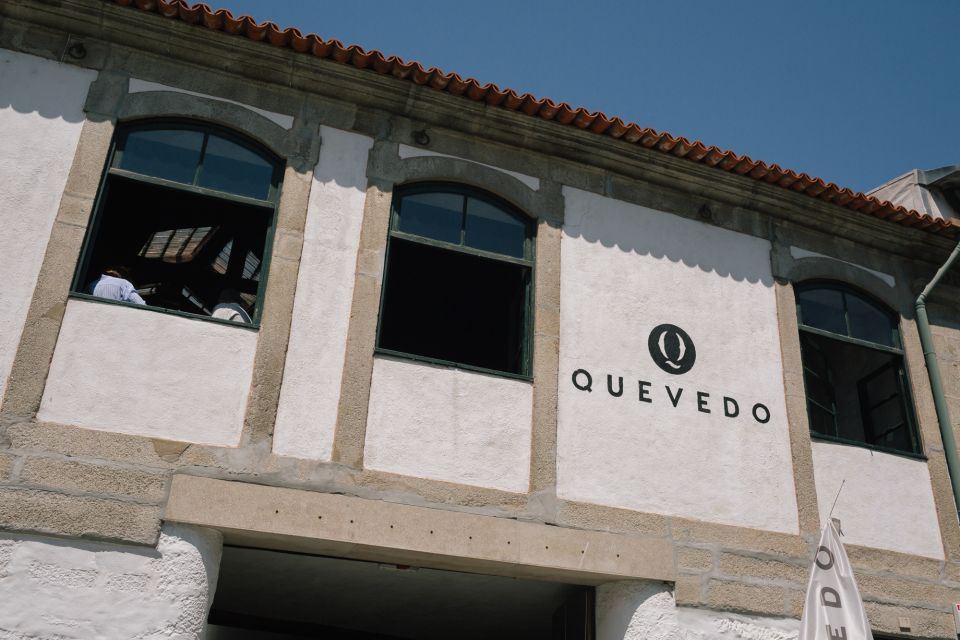
This is the heart of the experience. You’ll sample three Port wines, each served at 40ml. Each one comes with a cheese pairing designed to highlight different traits in the wine.
1) Crusted Port + Local-aged Sheep Cheese
First up: Crusted Port, paired with local-aged sheep cheese. Crusted Port is known for a more earthy, structured feel compared to many entry-level Ports, with character that becomes clearer after a few sips.
The sheep cheese pairing is a smart match. Sheep cheese typically brings a stronger, tangier profile than many mild cow cheeses. That contrast helps you notice how Crusted Port handles complexity: you’ll likely feel the wine’s richness more clearly once the cheese adds bite.
You can also read our reviews of more wine tours in Vila Nova De Gaia


2) 10-Year-Old Tawny + Mixed Paprika Cheese (Cow, Goat, Sheep)
Second tasting: 10-Year-Old Tawny Port, paired with a mixed cow, goat, and sheep-aged paprika cheese.
Tawny Port tends to lean toward caramel, nuts, and dried fruit notes from aging. The paprika in the cheese adds spice and savory depth, which can make the wine taste more layered instead of just sweet.
This pairing is especially useful if you’re trying to learn the difference between:
- Port that tastes sweet but flat
- Port that tastes sweet and complex
In this sequence, the cheese nudges you into noticing the complexity.
3) Colheita 2009 White Port + Azores Jam Pairing
Final pour: Colheita 2009 White Port, paired with 7-month aged traditional Azores cheese and local jam.
This is the curveball that can make the tasting feel fresh. White Port is still Port, but it behaves differently in the glass—more delicate, often brighter, with aging characteristics that don’t hit the same way as red Ports.
The Azores cheese brings an older, more defined savoriness, while the jam adds fruity sweetness. That combo can help you see how white Port can work even when you’re expecting only thick red flavors.
The Douro Story You Get Without the Textbook Vibes
This tasting doesn’t just pour wine. It gives you the producer background in plain language.
You’ll hear that this is a small family-owned business with Port-making for over 5 generations. You’ll also learn something practical: after Portugal joined the EU in 1993, they were finally able to bottle under their own brand. That makes them part of the newer generation of Port houses in the Douro region.
Then comes the vineyard logic. Their wines are raised, matured, and bottled in the Douro Valley, with grape origin treated as a key factor. Their approach is vineyard-driven: they cultivate 100 hectares of vineyards plus 25 hectares of organic olive groves across five properties.
Why this matters to you: if you buy Port without understanding where it comes from, you’re mostly guessing. This kind of background helps you ask better questions when you shop—like what aging style you’re getting and how their grapes might influence aroma and flavor.
How the Guides Make the Difference in Real Life
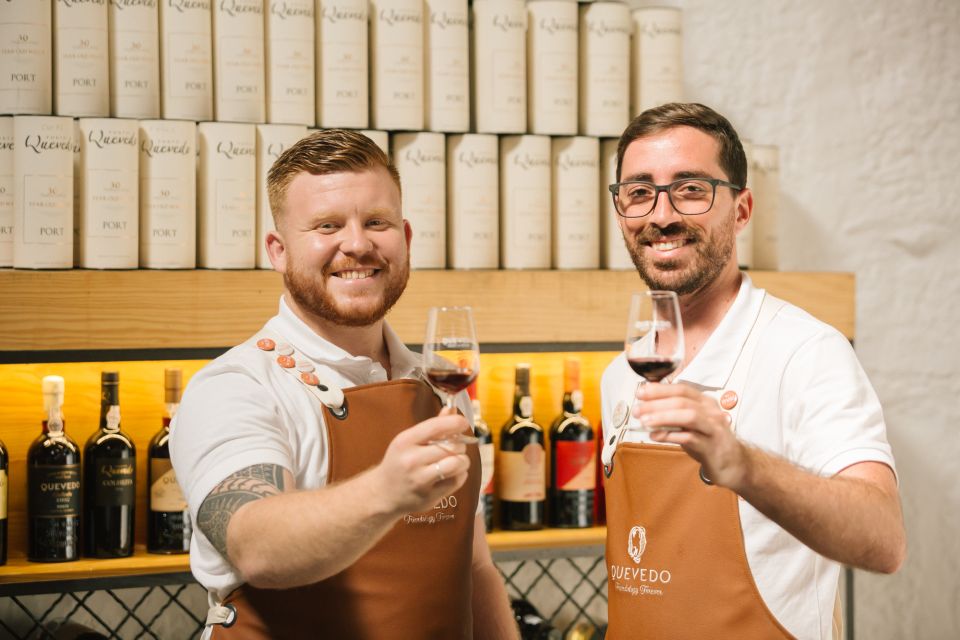
The staff are a big reason this tasting earns such high marks. Names show up again and again, like Miguel, Marcia, Bruna, Inês, Fernando, Dima, and Rafael. The common thread isn’t just friendliness—it’s how clearly they connect wine to what you’re tasting in front of you.
A good host can turn three pours into useful learning. Here are the kinds of things you’ll likely walk away able to do:
- Explain what makes Crusted Port different from Tawny, beyond just color
- Understand why cheese choice matters, not just which cheese tastes good
- Ask more confident questions if you want to buy bottles afterward
You might also notice the vibe stays pressure-free. One of the best feelings is tasting without a hard sell. You can enjoy the hour and decide later if you want bottles.
Timing and Flow: What Happens During Your Hour
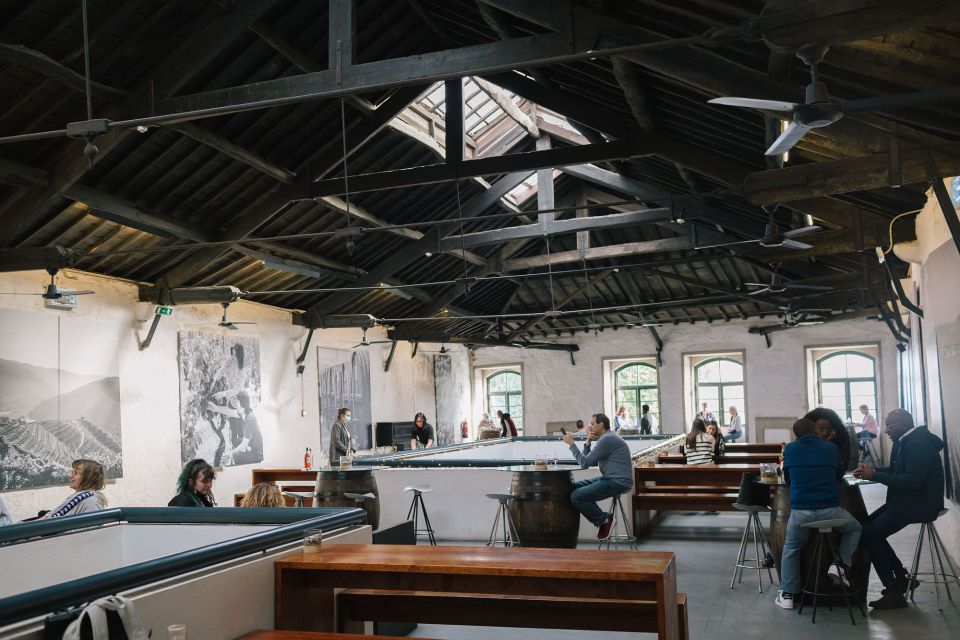
This experience is built to finish cleanly in one hour, which is great when your day already has a lot going on.
Expect a steady flow:
- You’ll start with wine introductions and the producer story.
- Then you’ll move through three tasting moments, each paired with a cheese.
- Between pours, the guide connects the pairing to flavor changes—sweetness perception, texture, and how aging shows up.
Because it’s scheduled in a small group, you’re more likely to get personal clarification if you ask about terms like Tawny aging style or what Colheita means in practice. You also won’t feel like you’re being rushed through each glass.
Who This Tasting Is Best For
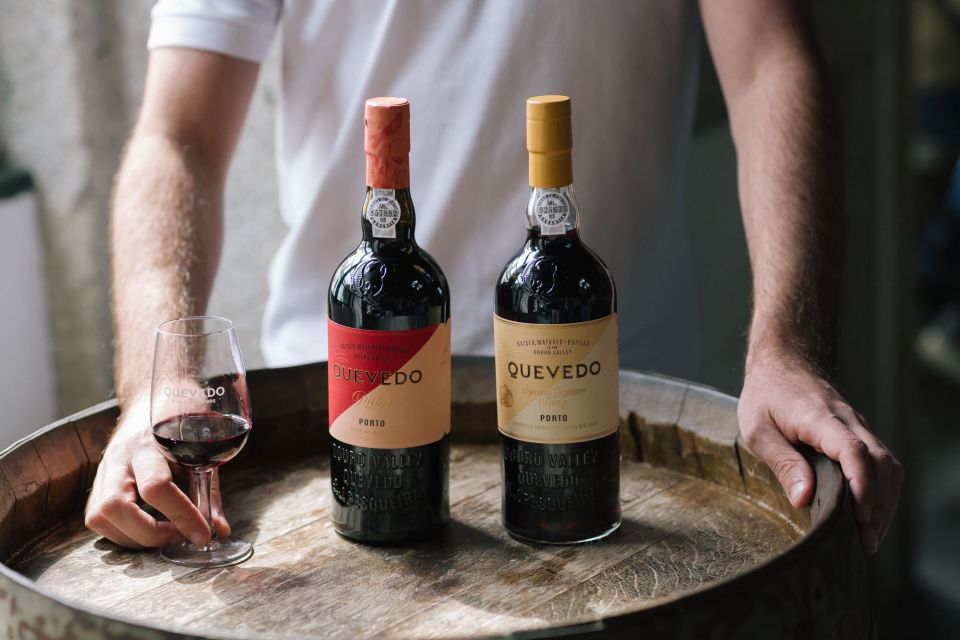
This one works for:
- First-timers to Port who want a friendly path into the styles
- Food-and-wine people who enjoy tasting with purpose (cheese isn’t an afterthought)
- Budget-minded shoppers who want guidance before buying bottles in Porto or abroad
- Groups who want something more relaxed than a full-day excursion
If you’re already a Port nerd and want serious deep cellar access or long structured courses, you might find the hour a bit short. But for most people, short and well-structured beats long and vague.
Price, Pairings, and Bottle-Smart Buying Advice
Here’s my practical take on what this tasting can do for your next purchase.
After three wines plus three pairings, you’ll usually know which direction you prefer:
- richer and more textured Port (like Crusted)
- nutty, aged sweetness with complexity (Tawny)
- brighter, more delicate Port with food flexibility (White, Colheita)
If you buy later, you’ll also have a better idea of what “sweet” means to you. Sweet Port isn’t always the same kind of sweet. Some styles feel round and mellow; others feel energetic and slightly dry after the cheese wears off.
And because you taste with cheese, you can picture the wine at home paired with real food, not just in a tasting room.
Should You Book This Port and Cheese Tasting?
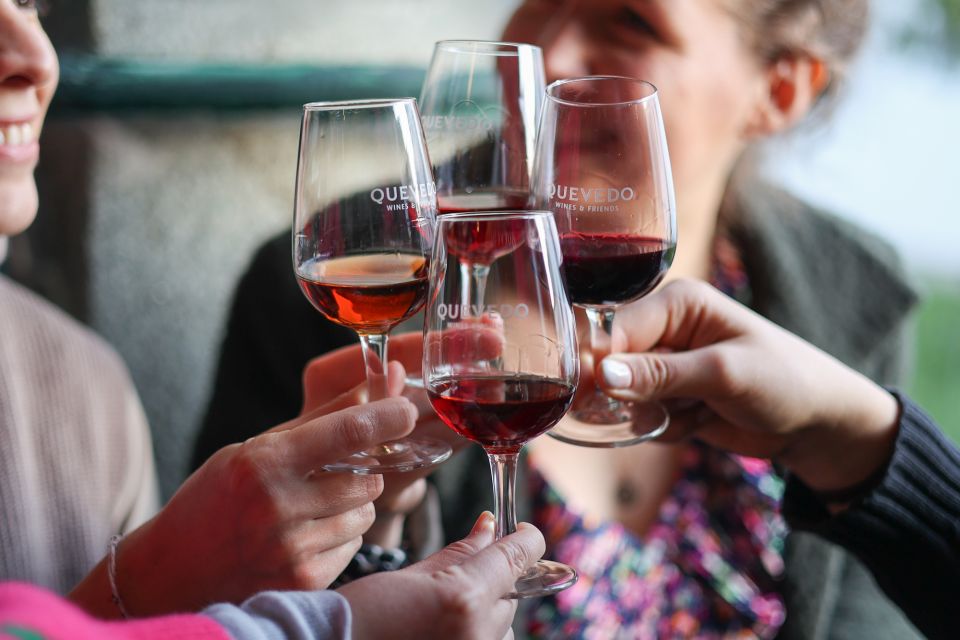
Book it if you want a compact experience that still teaches you how to taste Port like you care. For $30, you get three wines, three cheese pairings, and guided explanations in a max 8-person group. That’s strong value when you consider most tastings either skimp on variety or skip the food logic.
Skip it or look for another option if you’re after a long bodega tour, lots of extra pours, or an all-you-can-eat snack setup. This is a focused tasting hour, and that focus is the point.
FAQ
What wines are included in the tasting?
You’ll taste three Port wines: Crusted Port, a 10-Year-Old Tawny Port, and a Colheita 2009 White Port.
How much Port is poured per sample?
All wine tastings serve 40ml per glass unless otherwise noted.
What cheese is paired with each wine?
Crusted Port is paired with local-aged sheep cheese. The 10-Year-Old Tawny Port is paired with a mixed cow, goat, and sheep-aged paprika cheese. The Colheita 2009 White Port is paired with a 7-month aged traditional Azores cheese and local jam.
How long is the experience?
The tasting lasts about 1 hour.
How much does it cost?
The price is $30 per person.
Where do I meet the host?
Meet at Quevedo Port Wine and talk to one of the local staff members.
How big is the group?
The tasting is a small group limited to 8 participants.
Is it wheelchair accessible?
Yes, the experience is listed as wheelchair accessible.
Are there other wines or snacks included?
No. Additional wines and snacks are not included beyond the three Port glasses and the cheese pairings.
If you want, tell me your travel month and whether you prefer sweeter or drier wines, and I’ll suggest what Port style to lean toward during your three pours.