REVIEW · MADEIRA
Madeira: Whale Watching Excursion in a Traditional Vessel
Book on GetYourGuide →Operated by Lobosonda - Madeira whale watching · Bookable on GetYourGuide
Whales and dolphins off Madeira are magic in motion. This whale-watching trip runs on the restored wooden fishing boat Ribeira Brava, sailing the protected waters around the island with expert local guidance. It’s a simple idea done really well: get out to sea, scan carefully, and enjoy Madeira’s coastline from a totally different angle.
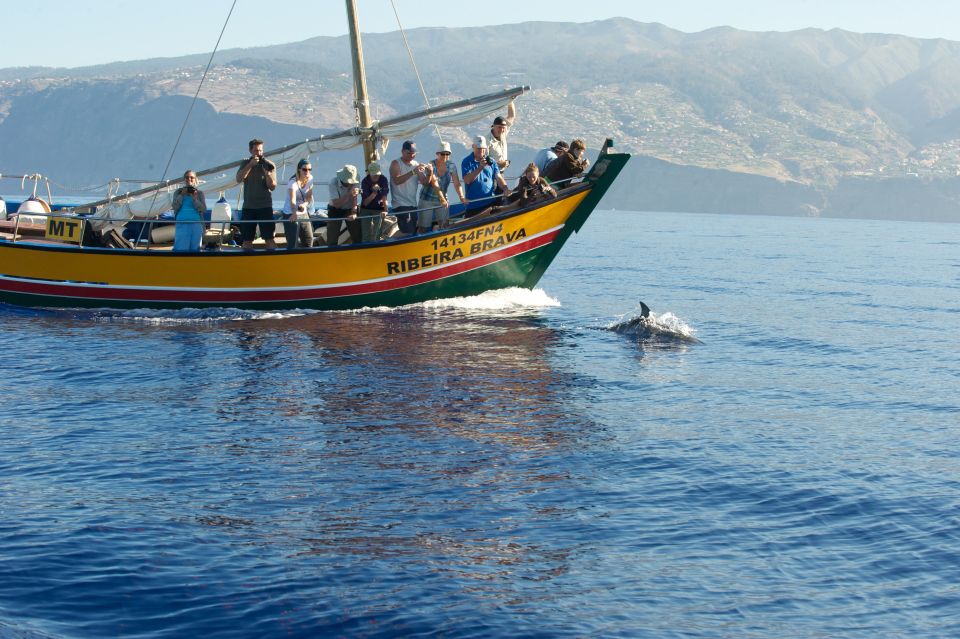
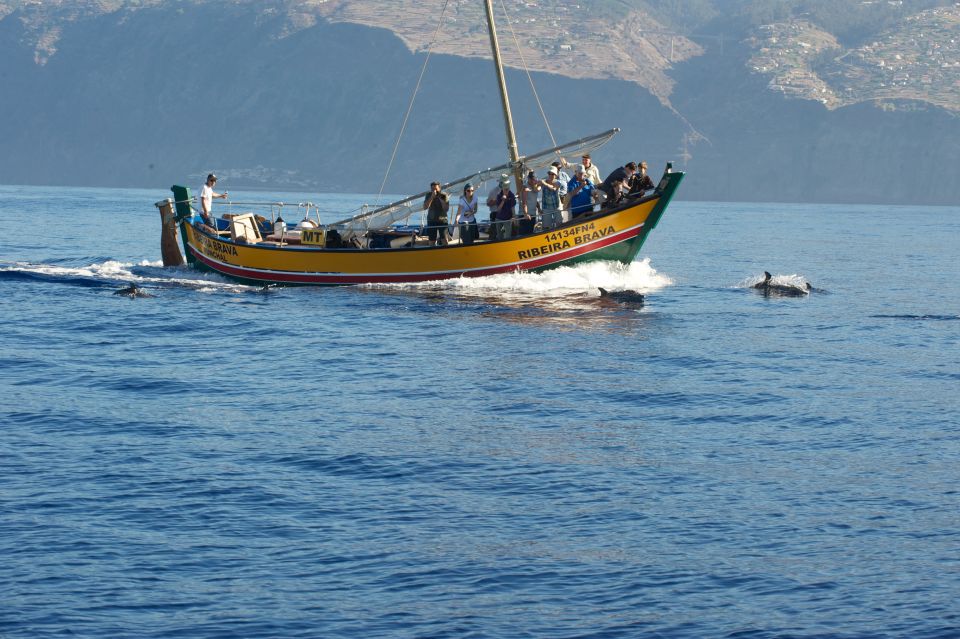
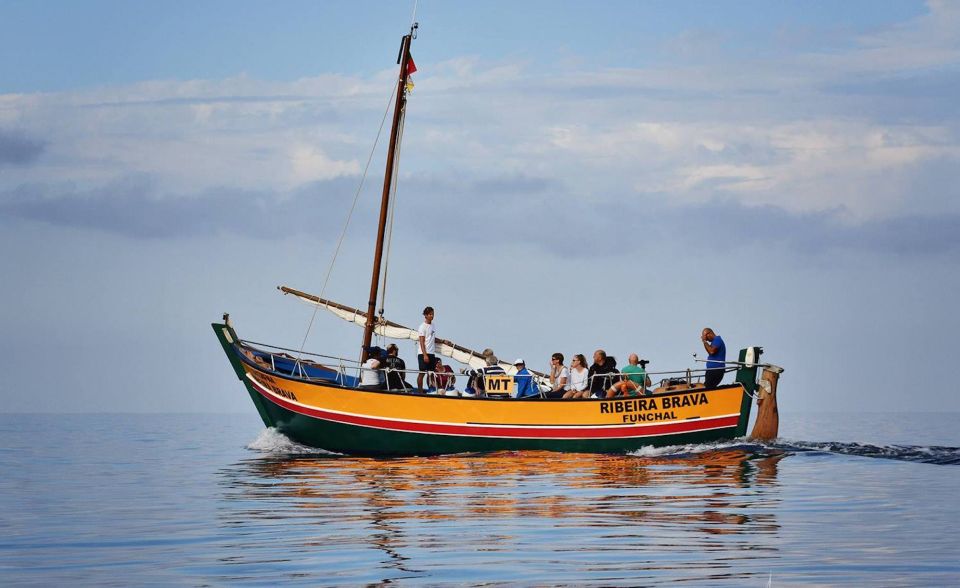
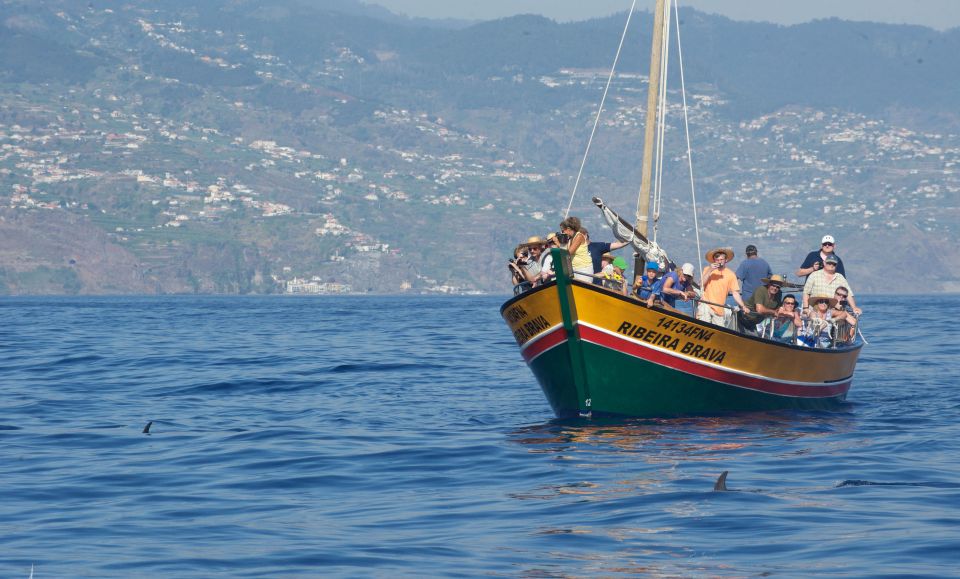
What I like most is the boat itself. The Ribeira Brava is a traditional wooden vessel restored down to the details, and it’s the only boat of its kind still operating in Madeira. The second big win is the way the crew handles the wildlife: you’re out there for marine mammal sightings, and the approach is clearly respectful, with a reported 85.6% success rate for spotting marine mammal species.
One consideration: sightings aren’t guaranteed. Even on high-success trips, whales can stay under water, and one sailing was shortened due to high waves, so your best plan is to bring patience and a flexible mindset.
In This Review
- Key Highlights You’ll Care About
- The Restored Ribeira Brava Makes the Trip Feel Local
- Protected Waters Around Madeira: What You’re Watching For
- A Clear 2.5-Hour Plan With Real Time on the Water
- Expert Guides in English or German Make Spotting Easier
- Viewing Wildlife Respectfully Changes the Whole Vibe
- Madeira Coastline From the Sea Is the Bonus You Don’t Want to Miss
- Price vs. Value: Is $53 Fair for 2.5 Hours?
- Who This Madeira Whale Watching Trip Fits Best
- Should You Book Lobosonda’s Traditional Whale Watching in Madeira?
- FAQ
- Where do I meet for the Madeira whale watching tour?
- How long is the whale watching excursion?
- How much does it cost per person?
- What languages are the live guides?
- Is free cancellation available?
- What is the success rate for spotting marine mammals?
Key Highlights You’ll Care About
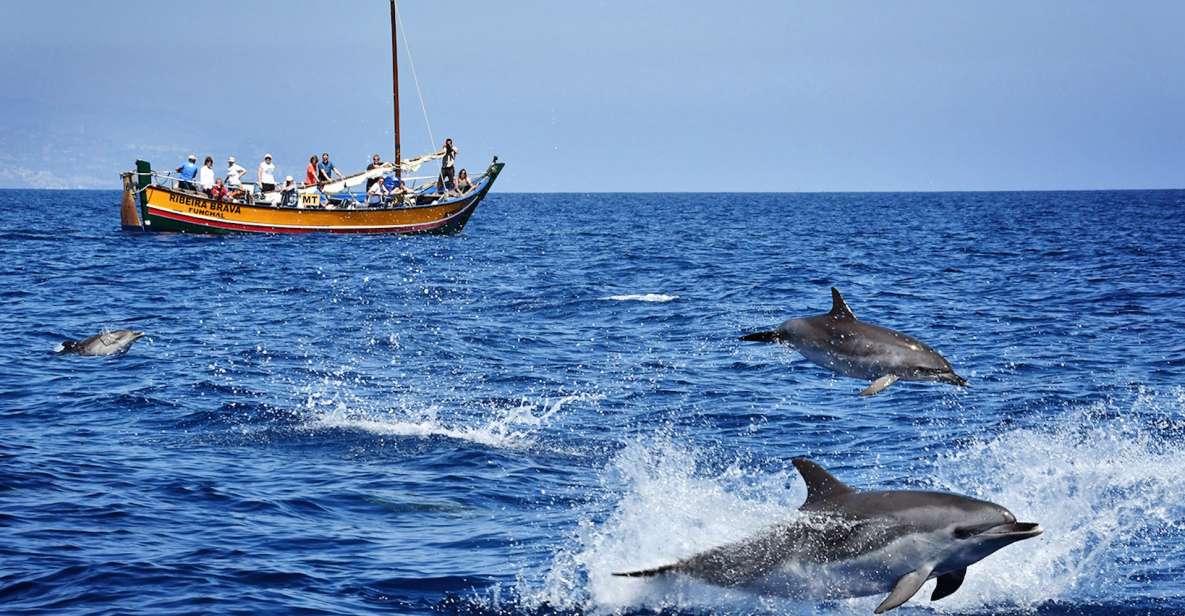
- Traditional wooden fishing boat: Ribeira Brava is the only one of its type in Madeira
- Protected marine areas: you sail specifically where wildlife is most likely to show up
- 85.6% marine mammal success rate: a strong indicator, even though nature still controls the outcome
- Expert live guiding in English or German: guides share what you’re seeing and why it matters
- Respectful distance from wildlife: the goal is viewing without stressing animals
The Restored Ribeira Brava Makes the Trip Feel Local
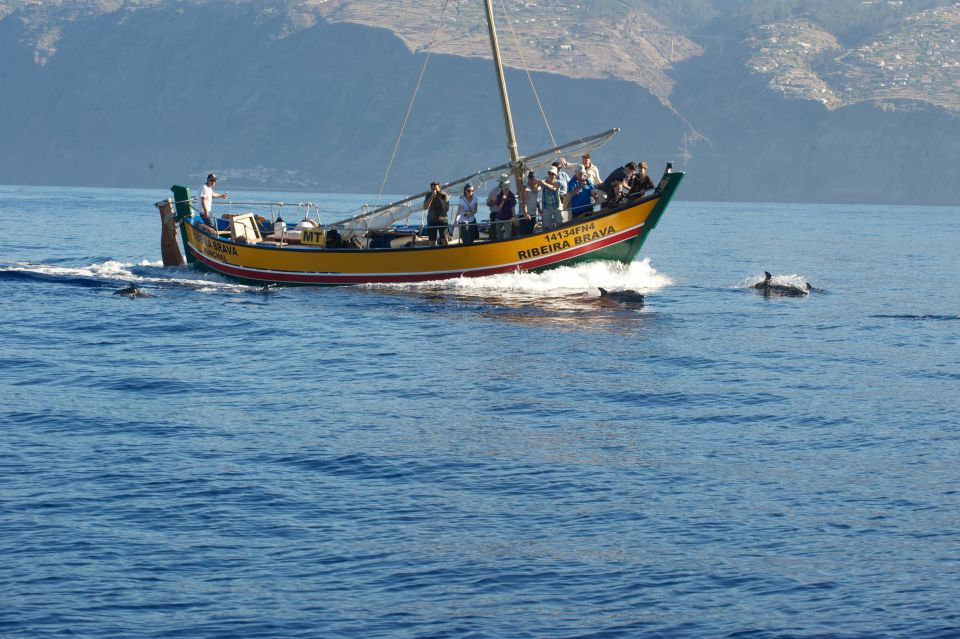
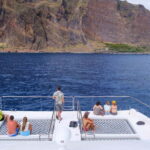
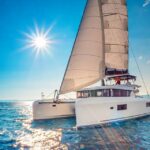
This tour stands out the moment you arrive at the marina. The meeting point is practical and easy to find: it’s located in between the restaurants Aki Kalheta and Leme Marisqueira. Then you board Ribeira Brava, a traditional wooden fishing boat that’s been restored with care.
Why does that matter? Because a traditional vessel changes how the whole experience feels. You’re not stuck in a “tourist compartment” mood. The boat is part of Madeira’s working-sea identity, so the whale watching feels more like you’re joining a real local activity than buying a ticket for something generic.
Also, the restoration isn’t just cosmetic. The description notes the boat was rebuilt down to the smallest details, and the overall impression from guides and passengers is that the crew operates it with pride. That typically translates to a better ride: calm handling, a focus on safety, and a smooth attempt at getting you into the right waters.
If you’re the kind of traveler who appreciates authenticity, this is one of those choices where the “vehicle” is not an afterthought.
You can also read our reviews of more whale watching tours in Madeira
Protected Waters Around Madeira: What You’re Watching For
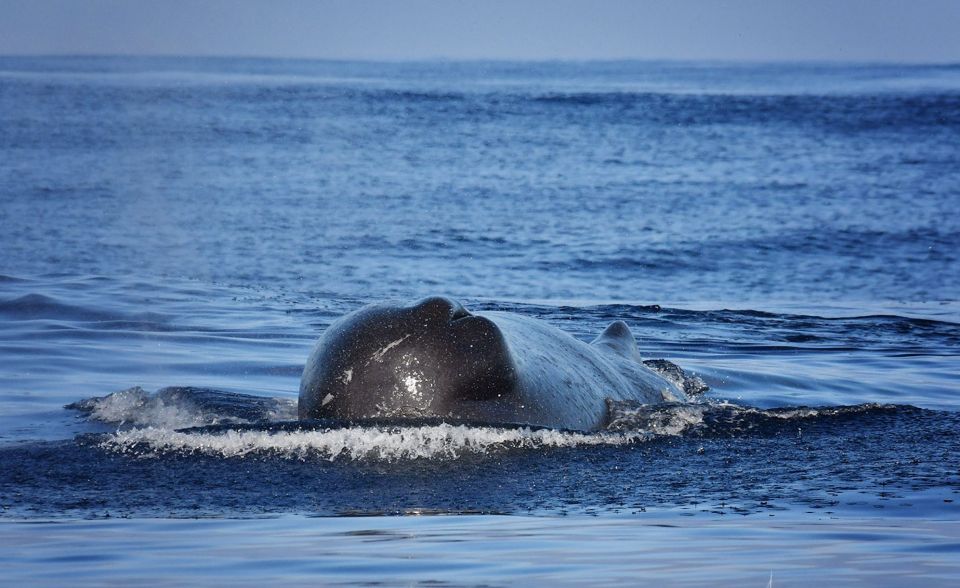
The goal of Madeira whale watching is simple: find marine life in their natural habitat. This excursion is built around that, focusing on protected marine areas surrounding Madeira where wildlife activity is more likely.
Here’s what you can expect to look for:
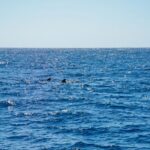
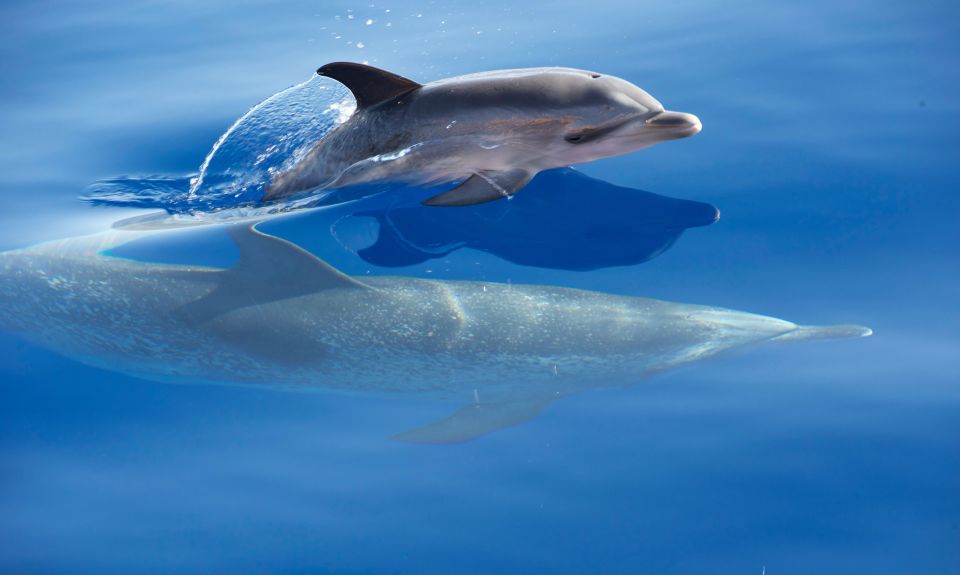
- Dolphins (including species that people have seen close to the boat)
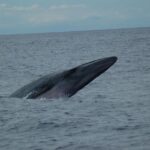
- Whales (when conditions and animal behavior line up)
- Monk seals (listed among the possible sightings)
- Bird species out over the sea
- General marine creatures and behaviors, including spectacular surface activity
A key detail: you’re not just scanning randomly until time runs out. The trip is designed as a hunt with guidance. The crew uses expertise to move through the area and keep you positioned for sightings.
One useful way to think about it: the 85.6% success rate is encouraging because it suggests the team often finds marine mammals. Still, it doesn’t turn the sea into a guarantee. Whales and dolphins follow their own schedule. The best mindset is to treat the outing as a high-quality viewing session with real odds of success.
A Clear 2.5-Hour Plan With Real Time on the Water
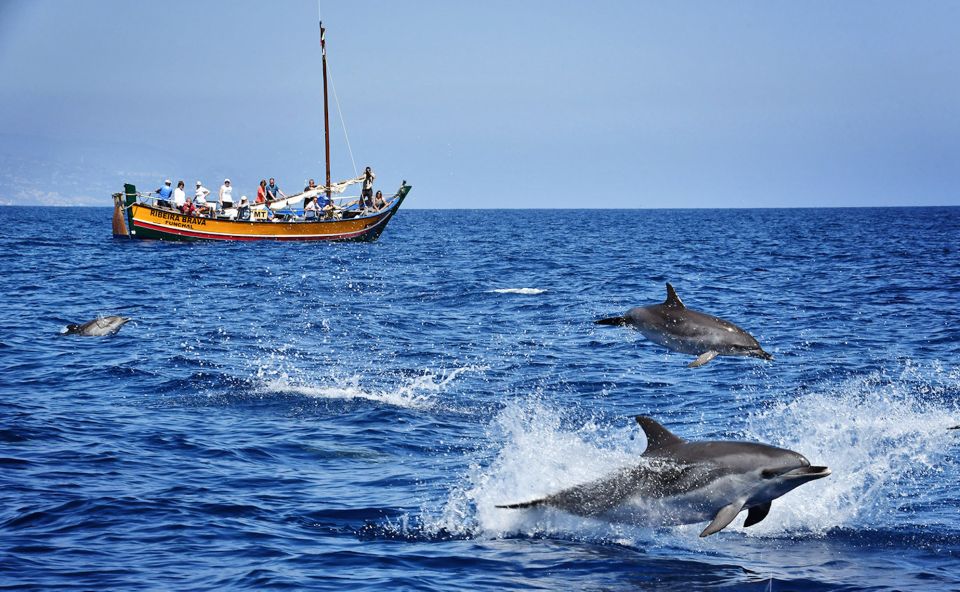
You’re out for about 2.5 hours. That’s long enough to actually have the feel of a sea trip, but short enough that it stays comfortable for many schedules. The tour runs at available starting times (you’ll want to check what’s offered on your date).
A typical flow looks like this:
- Meet at the marina and get briefed by a guide.
- Depart and sail out to the protected zone.
- Spend the cruising time scanning for birds and marine mammals.
- Adjust positioning when animals show up.
- Return after the viewing window.
Because the duration is limited, your focus is on what you see during the moving and scanning moments—not on long “stops with waiting.” That’s actually a plus for whale watching. Animals appear unpredictably. A tighter schedule helps the crew react quickly when something surfaces.
One thing to keep in mind: marine conditions can affect the plan. On at least one sailing, the trip got shortened due to high waves. So if you’re going during a changeable weather period, you’re smart to keep your expectations flexible.
Expert Guides in English or German Make Spotting Easier
The experience isn’t only about being on a boat. It’s about who’s on the boat with you.
You’ll have a live tour guide speaking English and German, and their role is more than narration. Guides help you connect movement on the water to real wildlife behavior. They also point out what you’re looking at—species possibilities, sea-life activity, and what’s happening in the protected area.
There’s strong evidence of guide quality from named staff mentioned in feedback: Ana, Camilla, Carlos, and Paula come up repeatedly. When you hear the same names across many experiences, that usually means the company invests in skilled people who care about how the trip is run.
In practical terms, that guidance helps in two ways:
- You spend less time guessing.
- When sightings happen, you understand what you’re seeing instead of just watching shapes in the distance.
Viewing Wildlife Respectfully Changes the Whole Vibe
One of the best things about this Madeira whale watching tour is the way animal interaction is handled.
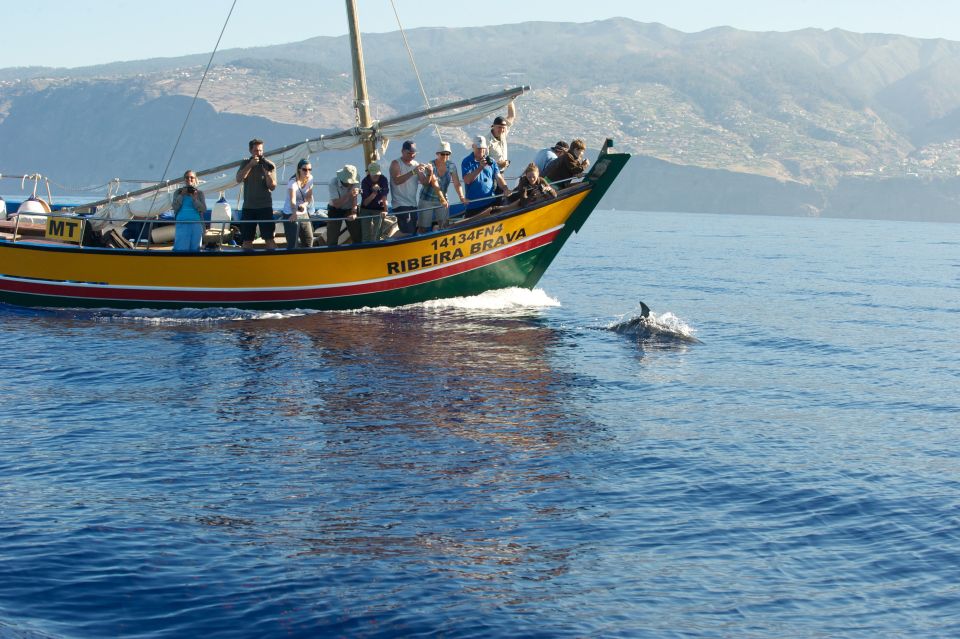
The boat isn’t portrayed as a “chase them around” operation. The approach described is more like: find the animals, watch them, keep their comfort in mind, and avoid pushing things too far. One standout detail: people specifically noted the way the animals were approached and treated felt respectful, with no harm done.
You also see this theme in comments about the company’s attitude to the ocean and its animals. There’s an emphasis on keeping distance and making sure animals don’t get overly stressed by human presence.
Why you should care: the respectful approach often leads to better wildlife viewing. Stressed animals tend to disappear. Calm viewing tends to give you those satisfying moments—like dolphins cruising near the boat and whales making surface appearances when conditions allow.


Madeira Coastline From the Sea Is the Bonus You Don’t Want to Miss
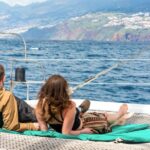
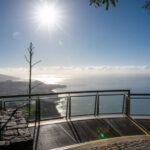
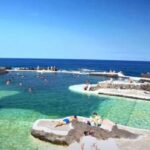
Even if wildlife steals the show, you’re still in Madeira. From the water, the coastline looks different: dramatic edges, bends and cliffs, and a sense of scale you rarely get from roads.
This tour builds that into the experience. As you sail out to the protected areas, you’re not staring at the waterline the whole time. You get views of the island’s coast, and you get to enjoy how the sea frames Madeira’s rugged shoreline.
That matters because whale watching can be emotionally “spiky”: long stretches of scanning, then sudden bursts of action. A pretty coastline helps smooth out the downtime. You stay engaged even when whales decide to stay quiet for a while.
Price vs. Value: Is $53 Fair for 2.5 Hours?
At $53 per person for a 2.5-hour boat trip, this isn’t the cheapest thing in Madeira. One passenger even noted it can be on the higher side compared with other options.
So is it worth it? For me, the value comes from three pieces you can actually measure:
- A restored traditional wooden boat (Ribeira Brava), not a generic ride
- Expert guide service (live, English/German) that improves your ability to spot and interpret wildlife
- A reported 85.6% success rate for spotting marine mammal species
If you go in expecting a lottery ticket, you may feel disappointed on days when whales stay under. But if you treat it like a guided viewing session run by professionals in protected waters, the price starts to make sense.
In other words: you’re paying for the “how,” not just the “where.” The boat choice and the guide quality are part of what you’re buying.
Who This Madeira Whale Watching Trip Fits Best
This tour fits well if you:
- Want a Madeira-specific experience that feels local, not generic
- Like wildlife outings where the crew takes animal respect seriously
- Appreciate clear guidance while you scan the sea (especially helpful for first-timers)
- Prefer a half-day-ish time commitment that doesn’t swallow your whole day
It’s also a good match for mixed groups. The ride is scenic, the guide adds context, and even if whales aren’t visible, dolphins and birds often provide plenty to enjoy.
Should You Book Lobosonda’s Traditional Whale Watching in Madeira?
If you’re weighing this against other Madeira tours, I’d book it when you want:
- a strong chance at marine mammal sightings (85.6% success rate),
- a traditional boat experience on Ribeira Brava,
- and a crew style focused on respectful viewing.
The only reason not to book is if you know you’ll be very disappointed by the nature side of wildlife watching. Whales aren’t guaranteed, and conditions can change the outing. But if you’re okay with that reality, you’re choosing a well-run trip with the right tools: a traditional vessel, expert guides, and access to protected waters.
FAQ
Where do I meet for the Madeira whale watching tour?
The meeting point is in the marina, located between the restaurants Aki Kalheta and Leme Marisqueira.
How long is the whale watching excursion?
The duration is about 2.5 hours.
How much does it cost per person?
The price is listed as $53 per person.
What languages are the live guides?
The live tour guide is available in English and German.
Is free cancellation available?
Yes. Free cancellation is available up to 24 hours in advance for a full refund.
What is the success rate for spotting marine mammals?
The activity lists an 85.6% success rate for spotting marine mammal species.