REVIEW · NORTE REGION
Lamego: Quinta da Portela de Baixo Winery Tour and Tasting
Book on GetYourGuide →Operated by Logical Wines, Lda. · Bookable on GetYourGuide
There’s something oddly satisfying about wine with a side of history. At Quinta da Portela de Baixo Winery in Lamego, you mix Douro views with a walkthrough of a Wine Cellar Museum that spans 200 years.
I especially like the way the tasting is built around real pairings, not tiny sips. And the setting helps: vineyard time outside, then wine time inside, all in one focused, hour-long visit.
One thing to consider: the tasting explanations can be more relaxed than classroom-level for people who want ultra-technical wine talk.
In This Review
- Key highlights worth planning around
- Quinta da Portela de Baixo Winery in Lamego: why this tasting format works
- Where you meet: finding Quinta da Portela – Casa Visconde de Arneirós
- The Wine Cellar Museum: 200 years of winemaking in one walk
- Vineyard views and getting outside: what the winery scenery gives you
- The tasting lineup: sparkling, port wines, and DOC Douro table wines
- Snack pairings that make the tasting feel Portuguese
- How long is it really? Timing and pacing at the one-hour base
- Price and value: is $35 worth it?
- Guides, language, and what to expect from the hosting style
- Who should book this Douro wine tour—and who might choose differently
- Should you book Quinta da Portela de Baixo?
- FAQ
- How long is the Quinta da Portela de Baixo winery tour and tasting?
- Where do I meet for the tour?
- What wines are included in the tasting?
- Are snacks included?
- Is there a museum included?
- Do I walk through the vineyards?
- What languages are available for the guide?
- Is this a private group tour?
- Is transportation to the winery included?
- Is there free cancellation?
Key highlights worth planning around
- 200-year Wine Cellar Museum: a walk through how winemaking has changed over generations
- Port-heavy tasting lineup: sparkling wine plus three port wines alongside Douro table wines
- Snacks that actually match each pour: bôla, olive oil, cheese, jam (and more)
- Douro valley views from the winery: you get scenery without needing a separate tour
- Vineyard walks plus optional two-farm stroll: choose how much you want to roam
Quinta da Portela de Baixo Winery in Lamego: why this tasting format works
If you only have a short window in the Douro, this is the kind of stop that feels efficient without feeling rushed. The tour centers on one property in Lamego, so you aren’t constantly transferring from place to place. Instead, you do museum time, then tasting time, with a chance to step out into the vineyards.
What makes Quinta da Portela de Baixo especially easy to recommend is the structure. You start by learning what you’re about to taste. Then you move through a set lineup—sparkling, port, and DOC Douro wines—paired with Portuguese snacks. It’s not just drinking. It’s a guided sensory loop that helps you understand what port and table wines taste like in context.
You can also read our reviews of more tours and experiences in Norte Region.


Where you meet: finding Quinta da Portela – Casa Visconde de Arneirós
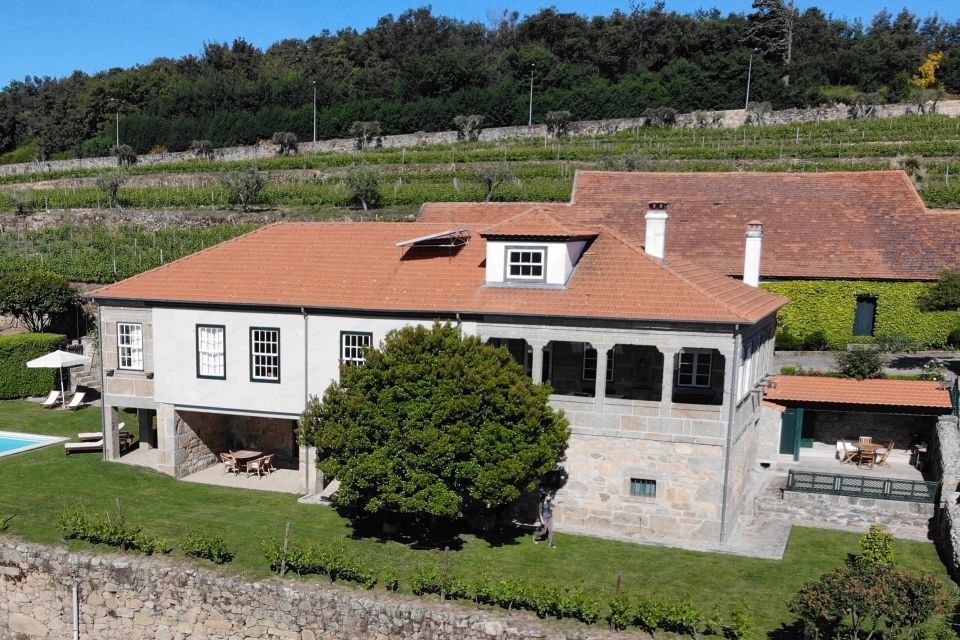
You meet at Quinta da Portela – Casa Visconde de Arneirós. Getting this part right matters, because this kind of small, countryside visit usually runs on a tight schedule. Aim to arrive a few minutes early so you can settle in before the museum walk starts.
Also keep in mind that transportation is not included. If you’re staying in Lamego or nearby, confirm your plan for getting back (car, taxi, or prearranged transfer). The good news: the tour itself is self-contained, so once you’re there, you’re in good hands.
And yes, because this is a working estate, you may get a warm welcome from the property in small ways—people have mentioned meeting resident dogs at the gates. It’s a small detail, but it adds to the family-estate feeling.
The Wine Cellar Museum: 200 years of winemaking in one walk
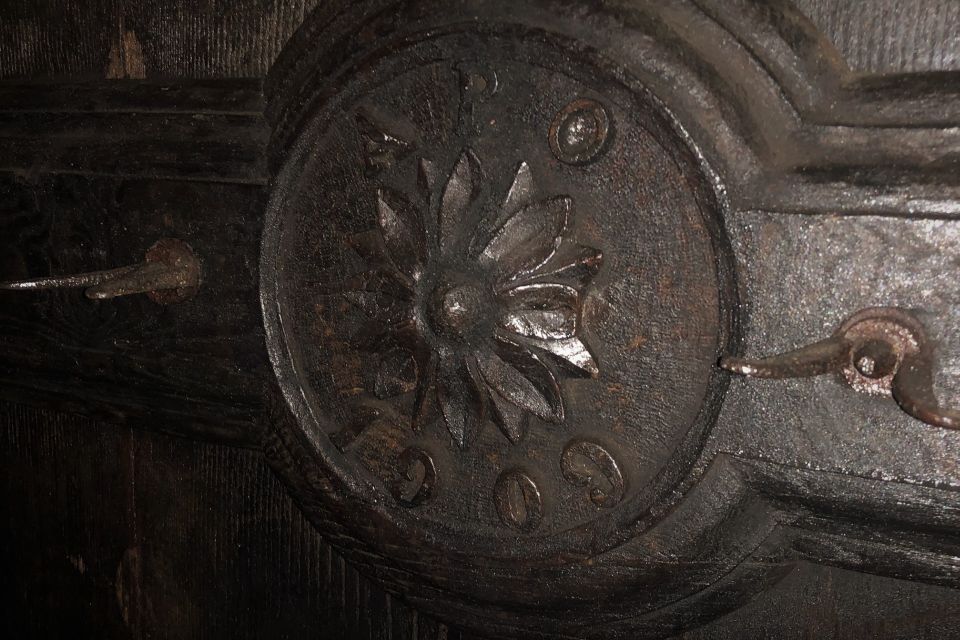
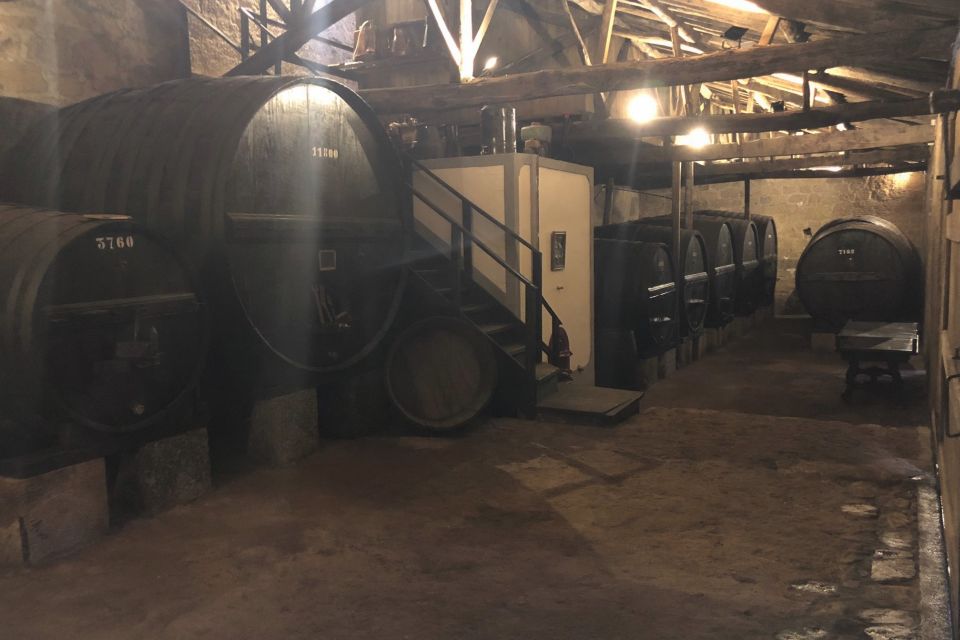
Before the tasting, you tour the Wine Cellar Museum, which covers 200 years of wine-making history. This is the part that helps the tasting click.
Expect exhibits that explain how the wine process and equipment have evolved over time. You’ll see older methods and how the estate’s identity shaped what it makes today. It’s also a nice pace change. If you’re the type who normally zones out during wine lectures, the museum walk is typically easier to follow because you’re looking at physical artifacts and layouts while your guide ties it all together.
A key practical point: this museum segment sets expectations for the tasting. Once you’ve walked through the history, the port choices make more sense, and the DOC Douro white and red taste less like random pours and more like a focused range.
Vineyard views and getting outside: what the winery scenery gives you
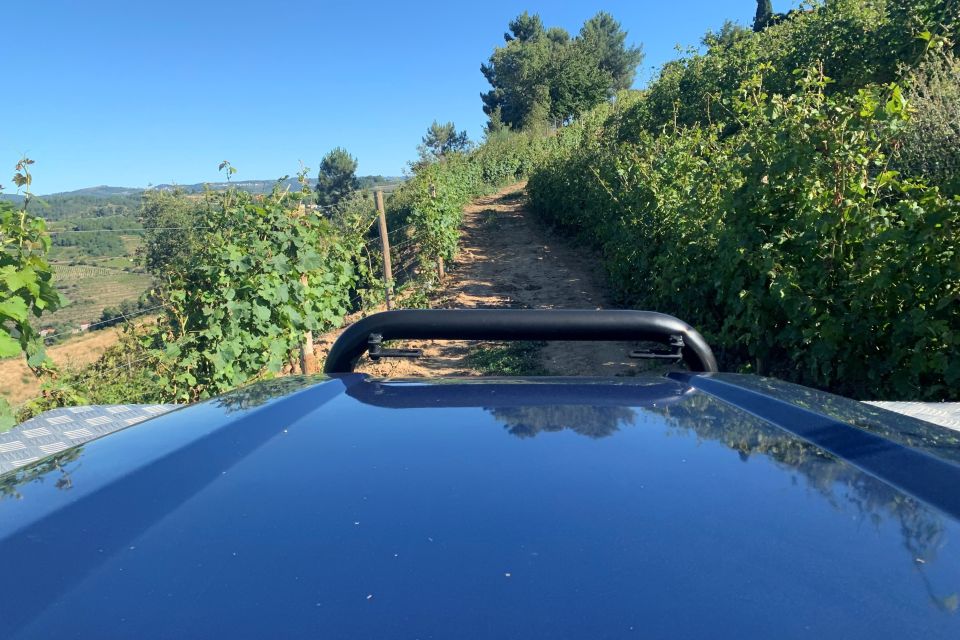
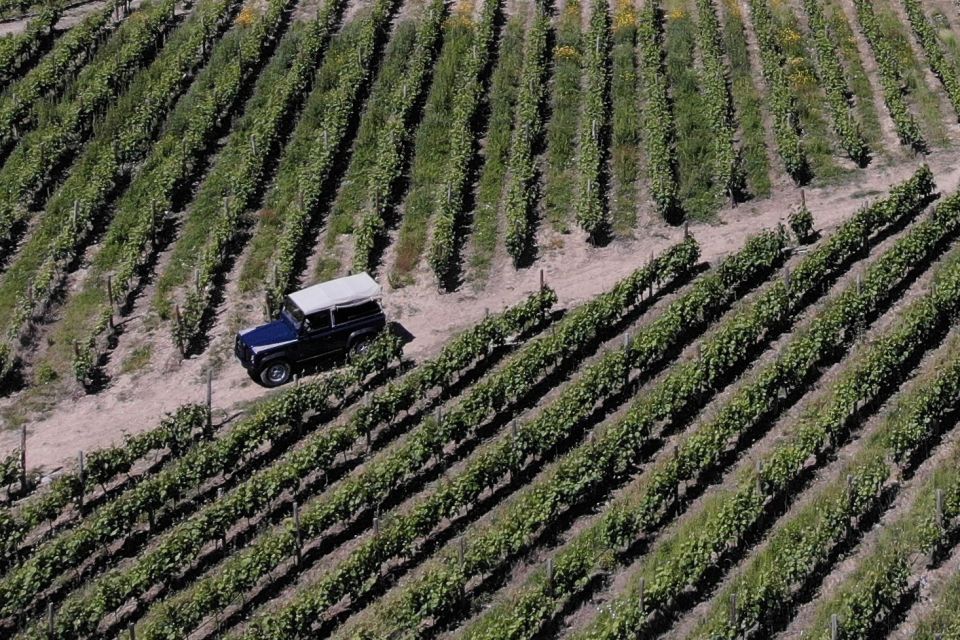
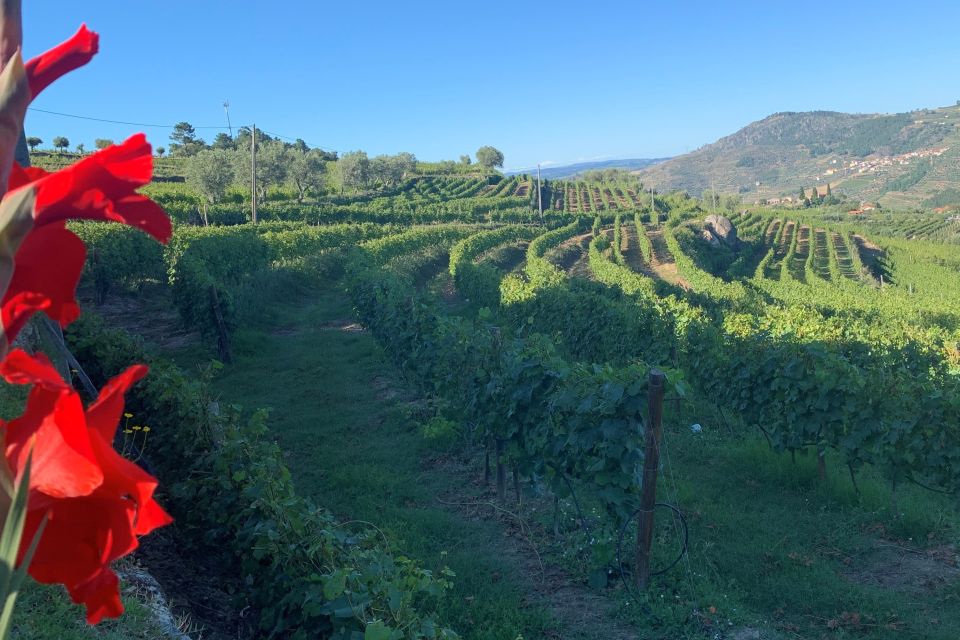
After the museum, you spend time looking out over the Douro valley foothills from the winery grounds. This is one of the underrated parts of the experience. You’re not just smelling wine in a room—you’re standing where grapes grow.
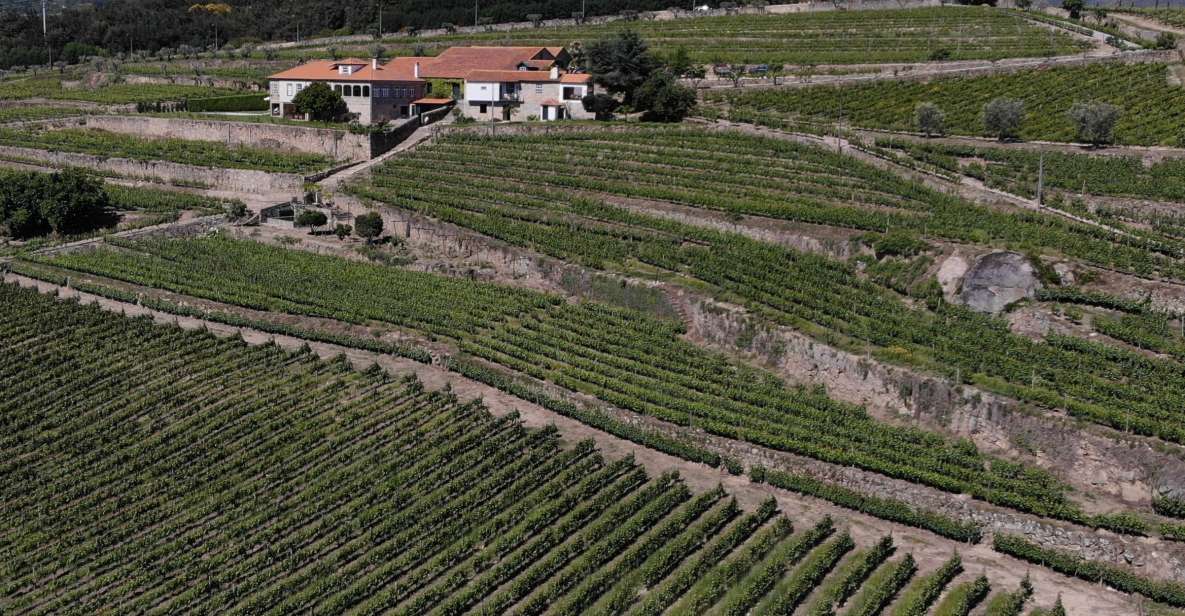
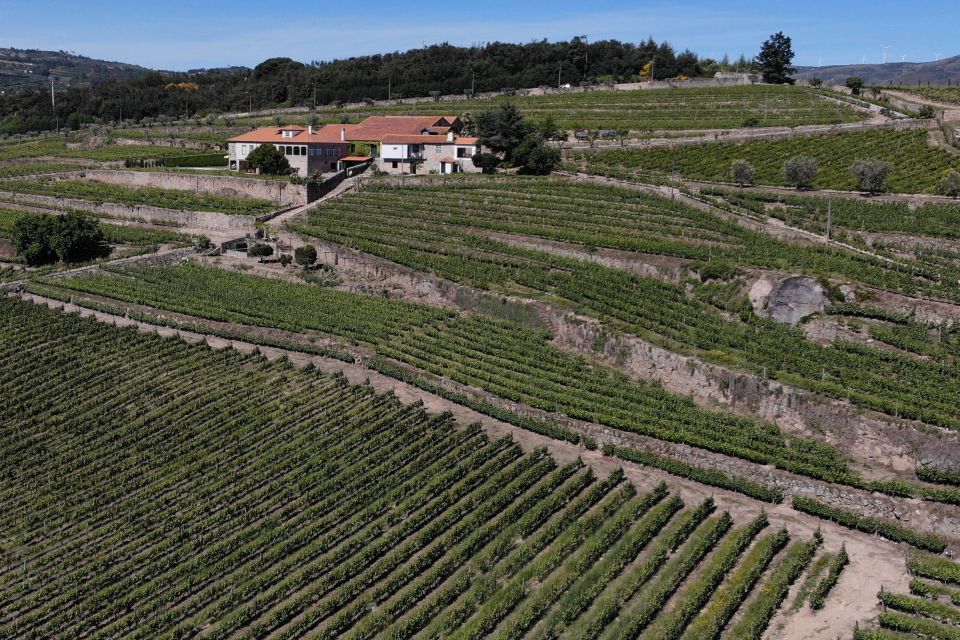
Then there’s the walking option. You can stroll through the grape vineyards, with an option to take a tour through two farms. This doesn’t turn into a heavy hike. It’s meant to keep you moving through the estate at a comfortable pace, and it gives you a sense of the land behind the bottles.
If you enjoy photos, plan to slow down here. The views aren’t a separate paid add-on. They’re built into the experience, and they make the tasting feel like part of the place instead of something you did on the side.
The tasting lineup: sparkling, port wines, and DOC Douro table wines
The tasting is the main event, and it’s designed around variety. You’ll sample:
- A sparkling wine
- Three port wines
- DOC Douro white and red wines
Port is the star category here, and the tasting sequence gives you a chance to notice how sweetness, richness, and style shift from one glass to the next. Then you pivot to DOC Douro table wines, which helps you reset your palate and compare the style differences.
One thing I think you’ll appreciate: the service tends to be generous. People have noted that the glasses aren’t overly stingy. That matters because port and Douro wines can be subtle, and you need more than a sip to actually register the flavor changes across a set.
Also note the tour is a private group experience. That usually means you can ask questions without feeling like you’re competing for time, and it keeps the pace comfortable for your group size.


Snack pairings that make the tasting feel Portuguese
Wine is only half the story. The other half is the food. During the tasting, you’re offered snacks such as bôla (Portuguese pastry), plus olive oil, cheese, and jam. Depending on the pour, additional bites show up to keep each stage interesting.
This matters because Portuguese wine culture often pairs food and taste in a way that’s meant to be practical. Sweet jam can soften certain notes; cheese rounds out sharper edges; olive oil gives you a savory baseline that can make the wine taste more textured.
Some people even point to olive oil tasting as a standout, which tells you how much thought goes into those food elements. If you like learning by tasting, the snack pairings turn the whole visit into a mini food-and-wine lesson.
How long is it really? Timing and pacing at the one-hour base
The booked experience is listed at 1 hour. In real life, the pace can stretch a bit if you’re enjoying the museum, taking your time at the tasting tables, or your group is chatting with the host.
A helpful way to think about it: the structure is tight—museum, scenery, tasting, optional walk—but the experience doesn’t feel like a stopwatch drill. If you want a quick stop, you can likely keep it short. If you want to linger, the setting supports it.
Price and value: is $35 worth it?
At $35 per person, the value comes down to two big factors:
First, you’re getting a museum visit plus a guided tasting with multiple wine categories—sparkling, three ports, and Douro table wines. That’s more than a basic tasting flight.
Second, the price includes snacks, not just wine. You’re eating Portuguese bites like bôla, and you’re getting pairings that change how the wine tastes in your mouth.
If you’re comparing this to “just taste four glasses somewhere,” the difference is the museum segment and the snack pairing format. That combo is exactly what makes the visit feel complete for the time you spend.
Guides, language, and what to expect from the hosting style
This tour runs with a live guide in English, Portuguese, and French, and there’s also an English audio guide included.
In terms of hosting style, guides can vary person to person. People have named hosts like Susannah, Cristina, Sara, Sofia, and Beatrice (Bea), and the museum guide Rui has been mentioned too. What stays consistent is the friendly, estate-based tone and the focus on walking you from history into tasting.
One balanced note: if you’re deeply technical about wine and want heavy explanations, you might find the wine commentary more relaxed than expected. If you’re more interested in how styles taste, how port compares, and how Portuguese snacks work alongside wine, this format fits very well.
Who should book this Douro wine tour—and who might choose differently
I’d put this tour on your shortlist if you want:
- A short Douro-area visit that still includes museum time
- A tasting built around port wines and DOC Douro table wines
- Food pairings that feel genuinely Portuguese (not generic crackers and call it done)
- A private-group vibe where you’re not squeezed between strangers
This is also a strong fit for couples. The garden-and-view setup mentioned in past experiences makes it feel like a calm afternoon rather than a factory-style stop.
I’d steer someone away from this one if they’re looking for a long, wine-nerd seminar with heavy technical detail. The tasting is enjoyable and guided, but the focus is more on the experience than on exhaustive viticulture data.
Should you book Quinta da Portela de Baixo?
Yes—if you want a complete, Portugal-feeling winery stop in Lamego that blends history, views, and a structured tasting with snacks. The museum makes the wines more meaningful, and the port lineup plus Douro table wines gives you real variety without overcomplicating your day.
If you’re picky about wine detail, you may need a different kind of tour. But for most people, the balance of museum + tasting + vineyard time at a reasonable price is exactly what makes this kind of Douro visit memorable.
FAQ
How long is the Quinta da Portela de Baixo winery tour and tasting?
The experience is listed as 1 hour. Starting times depend on availability.
Where do I meet for the tour?
Meet at Quinta da Portela – Casa Visconde de Arneirós.
What wines are included in the tasting?
You’ll taste sparkling wine, three port wines, and DOC Douro white and red wine.
Are snacks included?
Yes. The tasting includes snacks such as bôla (Portuguese pastry), olive oil, cheese, and jam.
Is there a museum included?
Yes. You visit the Wine Cellar Museum, which covers 200 years of wine-making history.
Do I walk through the vineyards?
You walk through the grape vineyards, and you have the option of a tour through the two farms.
What languages are available for the guide?
The live tour guide is available in English, Portuguese, and French. An English audio guide is also included.
Is this a private group tour?
Yes. It’s listed as a private group.
Is transportation to the winery included?
No. Transportation is not included.
Is there free cancellation?
Yes. You can cancel up to 24 hours in advance for a full refund.