REVIEW · NORTE REGION
Porto: Pastel de Nata Cooking Class with Grandma’s Recipe
Book on GetYourGuide →Operated by Porto Cooking Class · Bookable on GetYourGuide
A warm Porto kitchen beats any pastry shop class. This pastel de nata cooking experience has you baking the real way with English guidance in a local home, then sitting down to enjoy what you made. You’ll love the hands-on step-by-step teaching and the cozy, family-style vibe that makes it feel personal.
The second big win is the payoff: you leave with a batch of warm, flaky, creamy Portuguese custard tarts, plus enough technique to try again at home. One thing to consider: it’s not for wheelchair users, and you’ll need your own transport option since transportation isn’t included.
Key things I’d highlight before you book
- Grandma’s recipe teaching in the host’s home kitchen, not in a classroom setting
- Small group (max 10) so you actually get to participate at each step
- Fresh-from-the-oven tasting with coffee, tea, and juice at the end
- English-speaking host (Joana) with patient, clear guidance
- Works well for rainy afternoons because you’re fully indoors for the full 2 hours
- You’ll likely practice both the pastry and the custard process, with a pace that keeps everyone involved
In This Review
- Why This Pastel de Nata Class Feels Like Family, Not a Workshop
- Meet Joana and Get the Pastel de Nata Story Before You Bake
- Rolling Up Your Sleeves: Making Pasteis de Nata From Scratch
- What You’ll Actually Learn: Technique Behind the Flaky + Creamy Result
- The Small-Group Pace and the Comfort of a Real Home Kitchen
- The Best Part: Coffee, Tea, and Your Fresh Pastéis de Nata
- Price and Value: Is $33 Worth 2 Hours of Baking in Porto?
- Finding Joana’s Place: Porto City Center Is Close
- Who This Class Suits Best (and Who Should Skip)
- Should You Book It? My Practical Recommendation
- FAQ
- How long is the pastel de nata cooking class?
- How many people are in the group?
- Is the host able to teach in English?
- What’s included in the price?
- Where is the meeting point?
- Is this experience wheelchair accessible?
Why This Pastel de Nata Class Feels Like Family, Not a Workshop
Pastéis de nata are everywhere in Porto, but this experience changes how you understand them. You’re not just learning a recipe. You’re learning why the dough feels different, why the custard behaves the way it does, and what small moves lead to that classic balance of flaky pastry and creamy filling.
I really liked two things right away. First, the class is hosted in a local home with a calm kitchen setup and lots of natural light, so it doesn’t feel staged or rushed. Second, Joana (and her teaching style) makes the process approachable, even if you don’t cook often. You get encouragement and clear steps, and people in your group take turns so nobody feels left out.
One note to keep expectations straight: this is a real home kitchen with real pacing. That means it’s not a high-speed factory tour. It’s a friendly, hands-on baking session where you’re meant to learn, not just watch.
Meet Joana and Get the Pastel de Nata Story Before You Bake
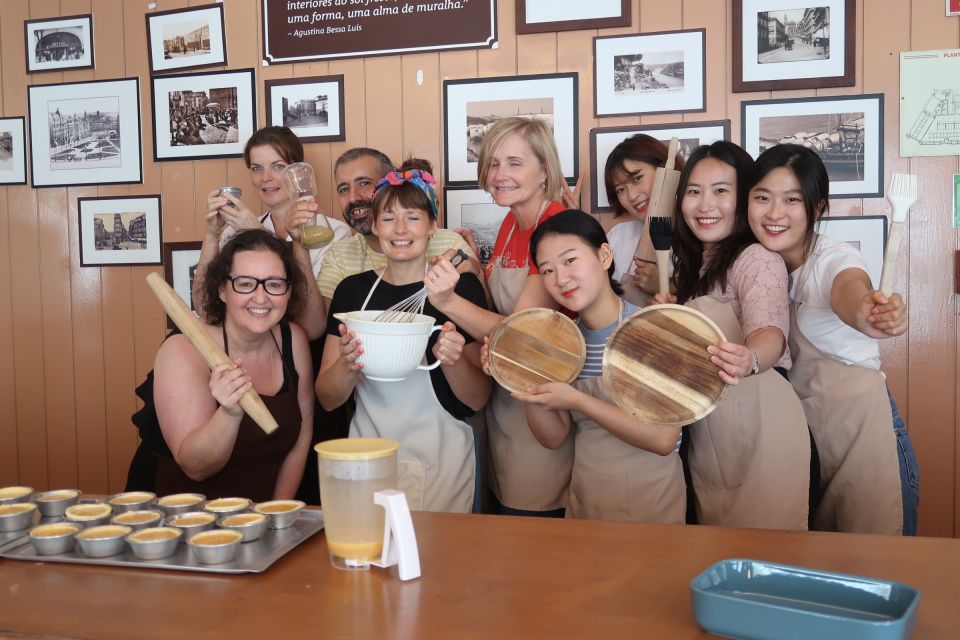
The experience starts with a welcome in Joana’s home. When you arrive, she’s there inside waiting for you—ring the doorbell labeled 2 Andar. From the beginning, she sets the tone: you’re not treated like an interruption, you’re treated like someone joining the family table.
You’ll spend time getting to know your host and her family, and you’ll hear about the roots of pastel de nata—why this pastry matters in Portuguese culture and how it became such a signature food. That context matters more than you might think. Once you know the story behind the recipe, the steps stop feeling like random instructions and start making sense.
This is also where the social side clicks. The group is small (limited to 10), and you’ll find a mixed crowd—some people are comfortable in the kitchen, others are beginners. Either way, Joana’s approach works: she explains clearly, then gives you a job.
You can also read our reviews of more tours and experiences in Norte Region.

Rolling Up Your Sleeves: Making Pasteis de Nata From Scratch
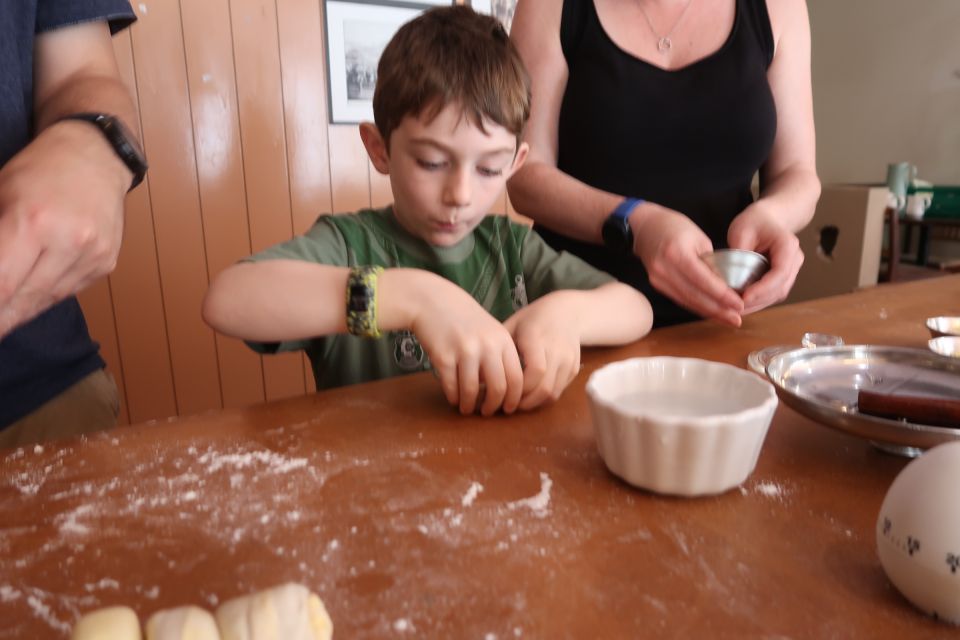
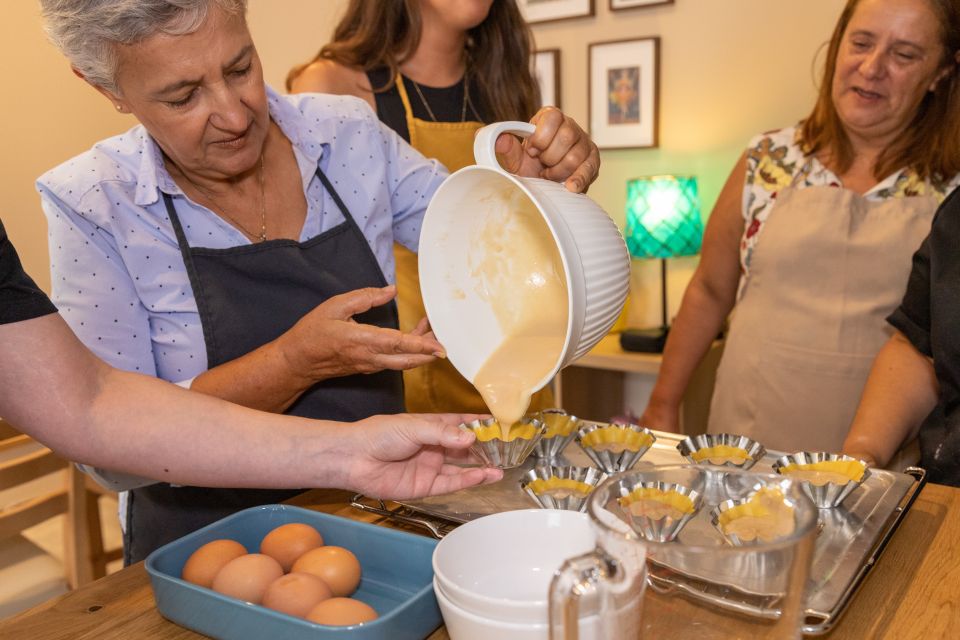
This class is structured around one main goal: make pasteis de nata with Grandma’s recipe, inside a cozy Porto home kitchen. You’ll gather as a group in the cooking space and get ingredients and utensils provided, so you’re not scrambling for tools.
What I like about this setup is how it turns baking into a shared activity. Everyone gets involved, taking turns and learning fun details along the way. That rotating system is practical. It keeps energy up, and it helps you avoid the common “watch one person do everything” problem that happens in larger classes.
Also, the class is designed to be hands-on throughout. The experience describes baking from scratch and learning the process for the pastry and custard steps. Still, it’s a two-hour session, so some components might move along to keep everyone on pace—either way, you should come away knowing what you’re doing and why each step matters.
Expect the rhythm to feel like:
- prep and ingredient explanations
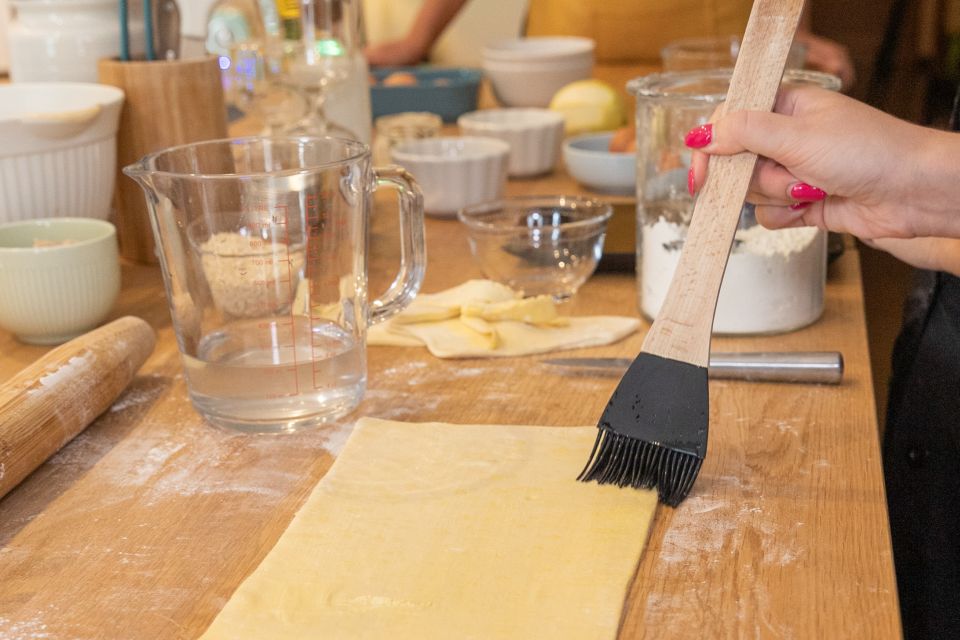
- dough handling and pastry work
- custard making and assembly
- oven time, then the big finish
Joana teaches in English, and multiple participants highlight how patient she is, especially when people are new to pastry.
What You’ll Actually Learn: Technique Behind the Flaky + Creamy Result
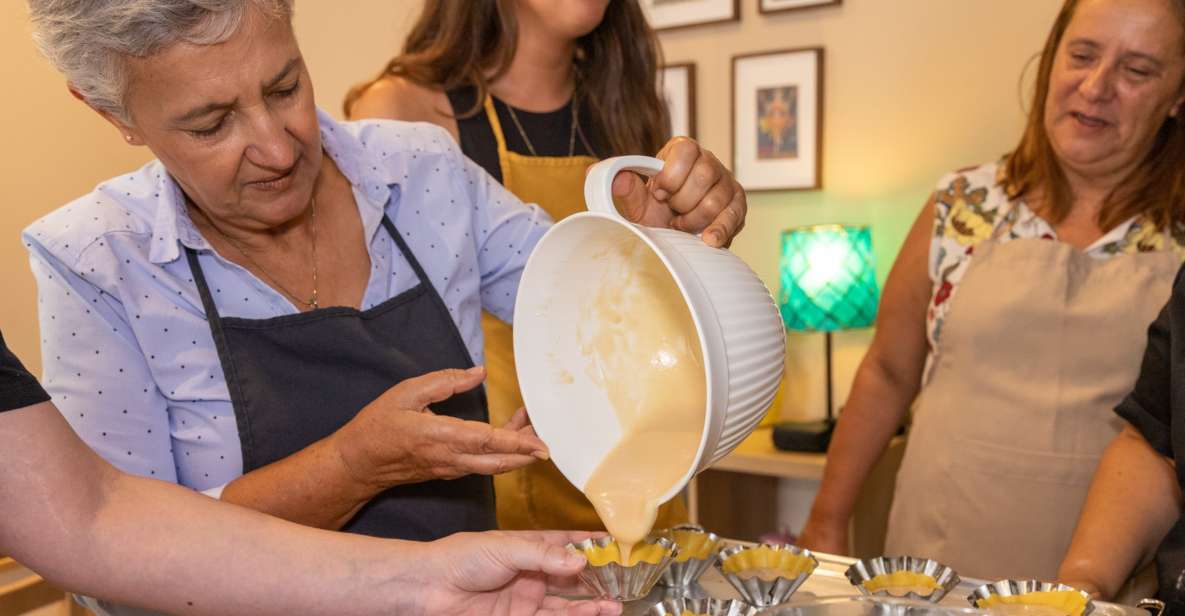
Pastéis de nata have a reputation for being “mysterious,” mostly because they rely on technique. What’s valuable here is that you’re shown what to look for, not just what to do.
From the info you’re given, the class focuses on:
- Working the pastry so it bakes into that flaky structure
- Making the custard for the creamy, set texture
- Assembling carefully so the tart cups end up balanced
The best part is that Joana’s teaching aims at repeatability. People consistently mention that the technique felt easy to follow and made them want to reproduce the results at home. That’s the difference between a fun evening and real value: you’re leaving with skills, not only a pastry souvenir.
You’ll also get practical guidance that helps even experienced bakers. One participant specifically mentioned learning the puff pastry process, which is often skipped or glossed over in cheaper, more basic classes.
The Small-Group Pace and the Comfort of a Real Home Kitchen
This isn’t a crowded group tour. It’s limited to 10 participants, which changes everything about the experience. You get closer attention, more chances to participate, and it’s easier to ask questions without feeling rushed.
The home-kitchen format also adds something you can’t fake. Reviews repeatedly describe Joana’s place as cozy and comfortable, with a clean setup. People mention the atmosphere feels welcoming and calm, not tense. When you’re learning pastry (which can feel technical), that comfort matters.
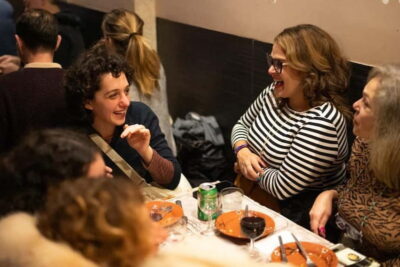
Another practical win: the group energy stays friendly. In a small group, you naturally end up chatting while you work, and you share travel stories without it turning into awkward small talk. You’re there for baking, but you leave with more than cookies-in-a-bag.
The Best Part: Coffee, Tea, and Your Fresh Pastéis de Nata
After the baking work, the class ends the best way possible: you sit down together and enjoy what you made. You’ll gather around the table with coffee, tea, and orange juice, and you’ll taste the freshest batch of your homemade pastel de nata.
This “eat together” finish isn’t just about reward. It helps you learn. When you taste your own tarts right after they come from the oven, you can connect the final texture to the steps you just performed—flaky layers, creamy custard set, and that classic baked top.
If you care about getting the pastry right later, this tasting moment is key. You’ll know exactly what you’re aiming for, and you’ll spot what worked and what you’d tweak next time.
Many participants also mention that they received the recipe to try at home. Even if you’re not a strict note-taker, it’s a big help for practicing after your trip.

Price and Value: Is $33 Worth 2 Hours of Baking in Porto?
At $33 per person for a 2-hour class, the value comes from what’s included and how the experience is delivered.
You’re paying for:
- guided cooking instruction
- ingredients and cooking utensils
- the final pastries you bake
- non-alcoholic drinks during the tasting
That matters because you’re not just learning. You’re doing. In many food experiences, the “class” part is short and the rest is eating. Here, the time is built around making the pastry itself, so the instruction and ingredients are tied directly to the outcome.
The small group size also supports the price. Limited numbers mean more interaction with the host and more chance for everyone to participate. If you like experiences where you come away with a real skill, this is the kind of value that tends to feel fair.
Finding Joana’s Place: Porto City Center Is Close
You’re about 10 minutes by car from Porto city center. Since transportation isn’t included, you’ll want a plan.
Here are the options that fit most schedules:
- Bolt or Uber: fast and easy, especially with more than two people since it can split well
- Bus from Bolhão: take bus 800 or 801, which stops across the street from the house. You can buy the ticket inside the bus with coins
- Metro from Trindade Station: take the Orange Metro Line to Fânzeres, then walk about 700 meters (roughly 10 minutes)
When you arrive at the building, the host is waiting inside her home. Ring the doorbell with the writing 2 Andar.
Street parking is listed as available with free spots, if you’re driving.
Who This Class Suits Best (and Who Should Skip)
This is a great fit if you want more than a food stop.
You’ll enjoy it if you:
- want authentic Portuguese food culture through cooking at a local home
- like small groups and hands-on activities
- want a skill you can repeat after the trip
- are traveling with friends or even solo (the group format is designed to welcome you in)
It may not be the best choice if:
- you need wheelchair accessibility, since it’s noted as not suitable for wheelchair users
- you dislike structured group activities where you share space in a kitchen
If you’re the kind of traveler who loves practical experiences—learning how something is made, then eating it immediately—this hits the sweet spot.
Should You Book It? My Practical Recommendation
I’d book this if pastel de nata is on your must-eat list and you want to understand the real mechanics behind the pastry. The strongest reasons to choose it are Joana’s patient, interactive teaching and the fact that you finish by tasting fresh tarts you made yourself in a home kitchen.
The only time I’d hesitate is if you’re strictly planning around being in the middle of Porto with no need for transit. The location is close, but it’s not described as right downtown, so you’ll want your transport ready.
If you’re on flexible timing, you’ll also like that free cancellation is available up to 24 hours in advance, and reserve & pay later is offered—handy when you’re building a Porto schedule around weather.
FAQ
How long is the pastel de nata cooking class?
The class lasts 2 hours.
How many people are in the group?
The group is small, limited to 10 participants.
Is the host able to teach in English?
Yes, the host or greeter speaks English.
What’s included in the price?
Ingredients and cooking utensils are included, along with a guided cooking class. You’ll also get non-alcoholic drinks and the pastries you prepare.
Where is the meeting point?
You meet at the host’s home about 10 minutes from Porto city center. When you arrive, ring the doorbell with the writing 2 Andar.
Is this experience wheelchair accessible?
No, it’s not suitable for wheelchair users.