REVIEW · MADEIRA
Funchal: RIB Whale Watching Cruise and Optional Dolphin Swim
Book on GetYourGuide →Operated by Madeira Divepoint - Xpoint Madeira · Bookable on GetYourGuide
RIB rides and wild whales in Madeira. I like how this small-group RIB tour gets you quickly to the places where dolphins and whales show up, and I really appreciate the team’s animal-welfare-first way of doing it. One thing to plan for: the quay boarding can feel slightly confusing at first, and the ride back can be bumpy depending on sea state.
The optional dolphin swim is the headliner add-on, but it’s not a guaranteed splash. You’ll only get in the water if the animals’ behavior matches the local rules, and even then your time is brief, typically about 1–2 minutes per person while holding on to the boat.
In This Review
- Quick highlights before you go
- Why a small-group RIB feels different than big-boat whale watching
- The 2.5-hour flow: safety briefing, open ocean search, and return to the marina
- Madeira coastline views you’ll notice once the hunt starts
- Dolphin and whale sightings: what species you might see, and what close means
- Cabo Girão photo stop: the quick cliff moment between ocean scans
- Dolphin swim add-on: the rules, the gear, and the reality of timing
- Whale and dolphin ethics you can actually see in action
- Getting to the boat and handling the Funchal dock “maze”
- What to pack for a RIB ride in Madeira wind and spray
- Price and value: what $61 gets you (and when you pay extra)
- Comfort, seasickness, and what the ride feels like
- Who should book this Madeira RIB whale and dolphin cruise
- Should you book this whale watching and optional dolphin swim?
- FAQ
- How long is the whale watching and dolphin cruise?
- What animals can you see on this trip?
- Is swimming with dolphins included in the price?
- How long do you spend in the water during the dolphin swim?
- What happens if you don’t see any cetaceans on your cruise?
- What should I bring for the tour?
- Can I book a private tour?
Quick highlights before you go
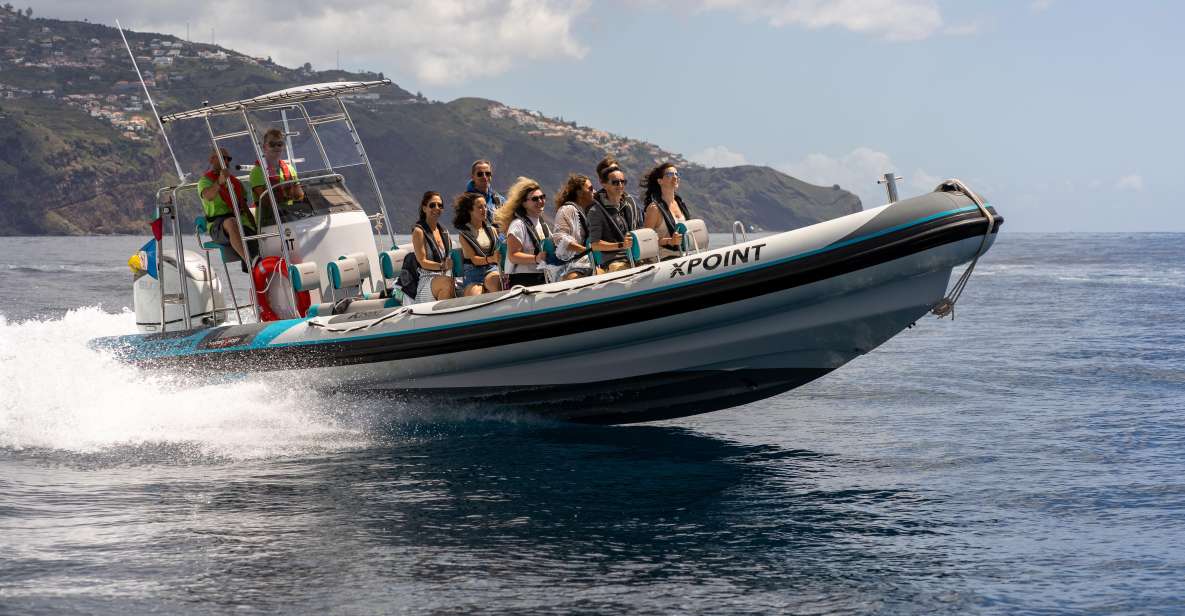
- Small-group setup on a fast RIB: better odds of close sightings than slow, bigger boats
- High chance of seeing cetaceans: the operator cites a yearly average of 99% with at least one dolphin or whale species
- Optional snorkel with dolphins follows local law: water entry is tied to behavior and species
- A real guide team, not just a captain: you get species explanations and island context
- Multiple stops for wildlife: you may check more than one location during the trip
- If no cetaceans show, you get a free return trip (within 1 year, availability permitting)
Why a small-group RIB feels different than big-boat whale watching
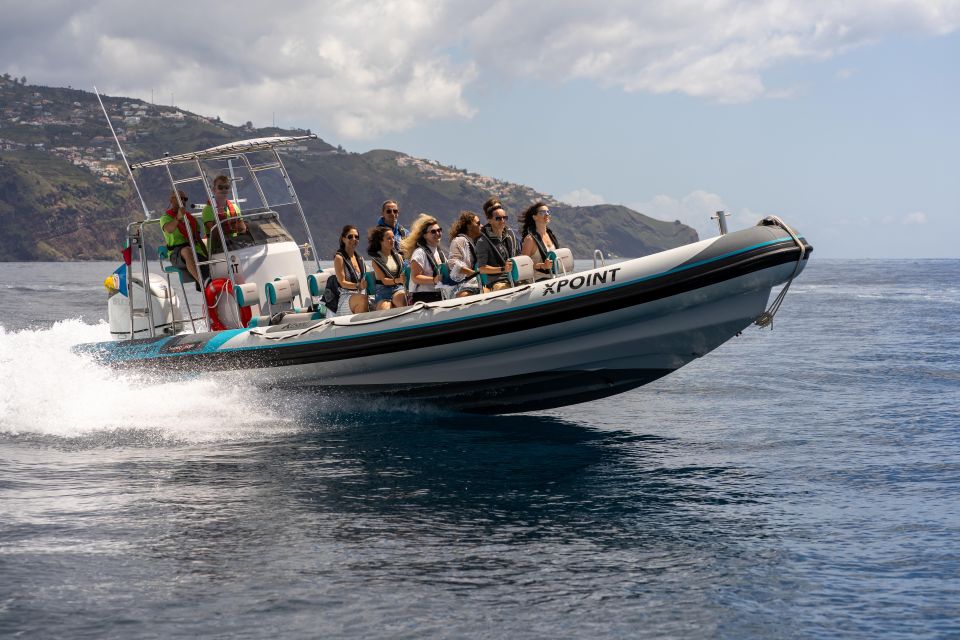
In Funchal, most ocean tours boil down to the same promise: go out, look for whales, and hope. This one changes the odds with a smaller boat and a faster RIB style, so you spend more time where wildlife is likely and less time stuck moving slowly between spots.
I also like that the experience is run with a strong respect-for-animals mindset. You can see it in the way the dolphin swim is handled: you’re not just jumping in because you paid. Entry depends on conditions that match Portuguese animal protection rules, and the team keeps things short so the dolphins don’t get stressed.
The crew you may encounter is often described as friendly and well prepared in English and Portuguese. Names that come up frequently include Anna, Paulo, Mark, and Marc, and the consistent theme is clear: they point out what you’re seeing and what it means.
You can also read our reviews of more boat tours in Madeira

The 2.5-hour flow: safety briefing, open ocean search, and return to the marina
The tour is built around a straightforward rhythm: gear up, go out, search, then come back. You start with boarding at the harbor, a safety briefing, and lifejacket donning. From there, you head out of Funchal’s marina and follow the coastline views as you work your way toward open ocean.
Most of your time is spent doing wildlife searching, and the operator highlights that the trip is typically no less than 2 hours on the water (often more than the 2.5-hour total suggests, since time can run tight when you’re heading back). This matters, because whale watching isn’t a drive-by activity. Your best chance comes from patience, looking in the right direction, and using the boat’s speed to reach fresh sightings fast.
Then you return to the marina of Funchal to disembark. Expect a quick, sometimes choppy ride back—one reason some people actually prefer a RIB to a larger, slower boat when they’re worried about seasickness.
Madeira coastline views you’ll notice once the hunt starts
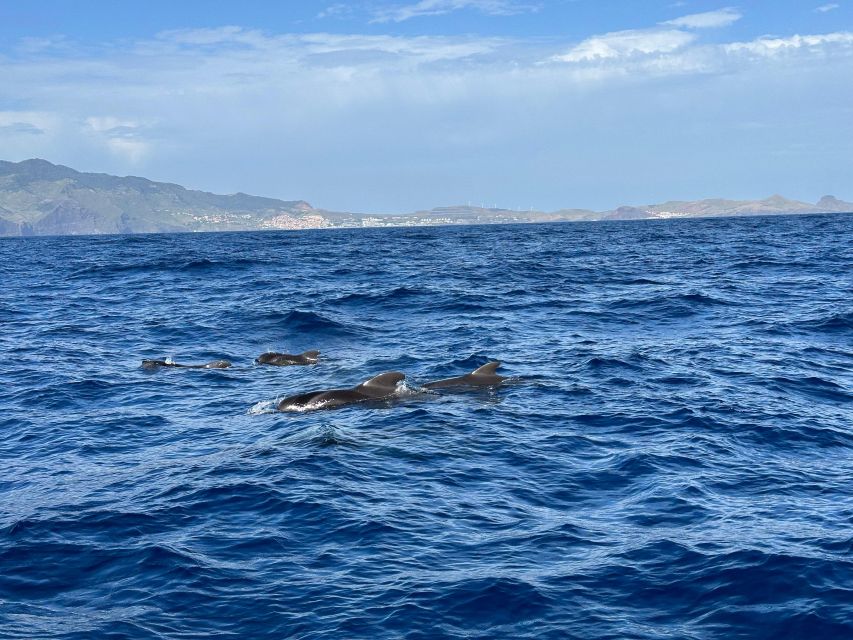
Before you even get to the wildlife action, you’ll get a second kind of show: the coastline itself. The boat tracks along Madeira’s island edge, so you’re moving past cliffs, coves, and dramatic shoreline angles while the crew scans the water.
This also improves how you spot animals. Being close to the water and moving at a pace where visibility stays steady helps you catch the first signs—fin breaks, surfacing blows, and movement patterns before the animals commit to staying in view.
The crew also talks as you go—guiding you to understand what you’re seeing. In practice, it’s not just names on a screen. You learn what behavior to watch for, and that makes sightings feel more satisfying because you know what’s happening in front of you.
Dolphin and whale sightings: what species you might see, and what close means
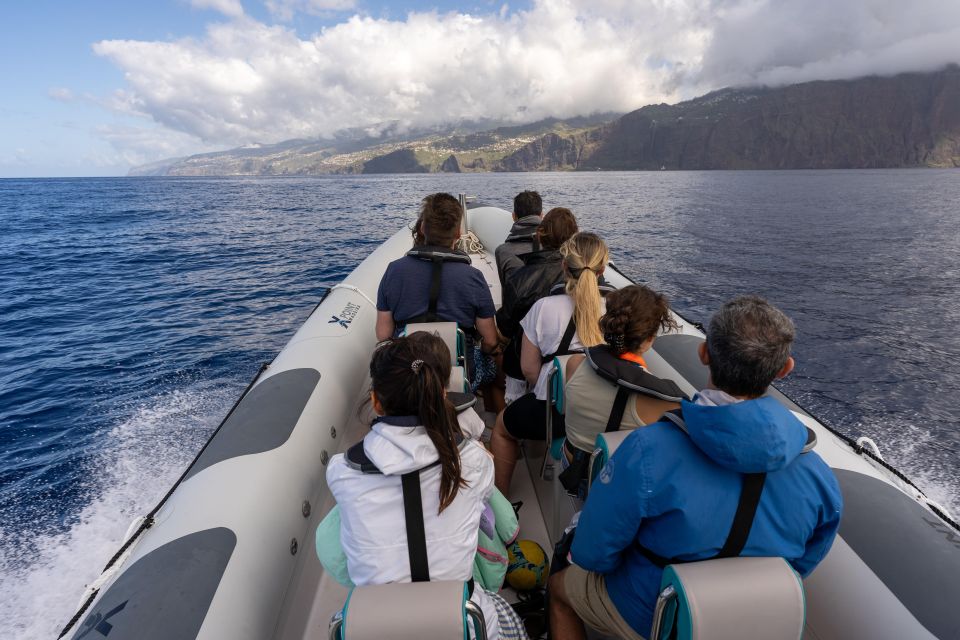
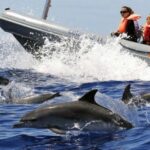
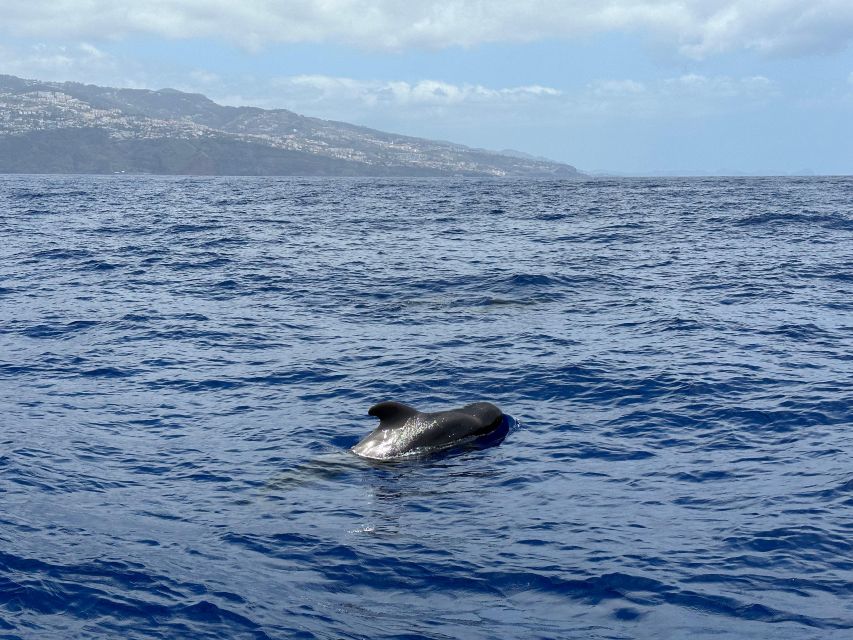
You’re going for wild dolphins and whales, and the operator also notes that turtles can appear sometimes. In reviews, people mention a mix of cetaceans, including pilot whales, sperm whales, and different dolphin types. Common examples that come up include Atlantic spotted dolphins and dolphins the team is allowed to bring swimmers close to under local rules.
A key detail: sightings are designed to be as intimate as possible on a small boat. That usually means you’re not sitting far off while wildlife stays distant. The crew’s goal is to position you reasonably close without harassing the animals, since the focus is on observation rather than pushing the animals to perform.
I also like that the operation leans on spotting support. Many guests describe coordination with land spotters, which helps the crew reach likely areas quickly. That’s a practical advantage: it reduces dead time and increases the chance that you’re looking at something when it surfaces.
Cabo Girão photo stop: the quick cliff moment between ocean scans
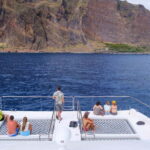
At some point during the outing, the plan includes a photo stop at Cabo Girão Cliff. This break is short, but it does two useful things. First, it gives you a chance to stand up and reset your posture after time on the RIB. Second, it adds a Madeira touch beyond just the open ocean, since the cliff area is known for its dramatic views.
Do this stop expecting a scenic break, not a long excursion. You’ll likely get enough time for photos and a breather, then you’re back on the move.
If weather turns windy near the coast (it can happen quickly), this is one of the spots where a windbreaker pays off. Bring layers so you can handle sun one minute and wind the next.
You can also read our reviews of more whale watching tours in Madeira
Dolphin swim add-on: the rules, the gear, and the reality of timing
The dolphin swim option is an add-on, and it’s priced at €20 per participant. The important part for your decision: that €20 is only charged on-site if it’s possible to enter the water with the animals. If the conditions don’t match what local law allows, you’ll pay the standard cruise price only.
So what’s the experience like if you do get in?
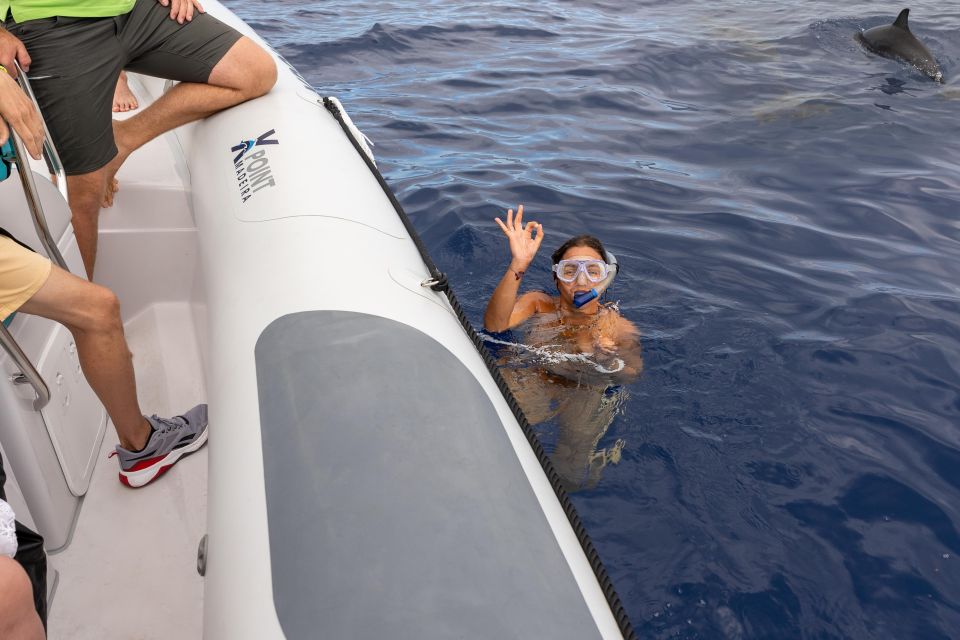
- You’re fitted with a lifejacket setup and provided mask and snorkel.
- If the dolphins show the right behavior and the crew spots Common dolphins or Atlantic spotted dolphins, you may enter the water.
- You swim/snorkel while attached to the boat for a short period.
- The time in the water is usually about 1–2 minutes per participant.
- In practice, you hold onto a rope attached to the boat while dolphins swim around you.
That rope detail matters because it changes the feeling from free-swimming to guided floating. It can be a bit physical (holding on, adjusting your position), but it also keeps you stable in moving water and helps everyone stay safe while the crew monitors dolphin behavior.
One more reality check: even when you see dolphins, the swim still depends on animal behavior and legal rules. People who didn’t get to swim still described the cruise as worth it, which tells me the boat ride and sightings don’t rely on the add-on to be good.
Whale and dolphin ethics you can actually see in action
This kind of tour lives or dies by how the crew behaves around wildlife. Here, the dolphin swim rules are part of that, but so is day-to-day conduct during the hunt.
Guests describe the team as careful and sensitive to animal welfare. There’s also a small detail I love for a practical reason: one review notes the crew stopped briefly to fish a piece of plastic out of the water. That’s not a marketing gimmick—it signals that the team pays attention to ocean cleanliness during the cruise.
Why that matters to you: when a crew respects animals, you’re less likely to witness frantic behavior, repeated chase attempts, or the kind of contact that ruins the viewing. It also tends to make the crew more confident about how close they can get without crossing lines.
Getting to the boat and handling the Funchal dock “maze”
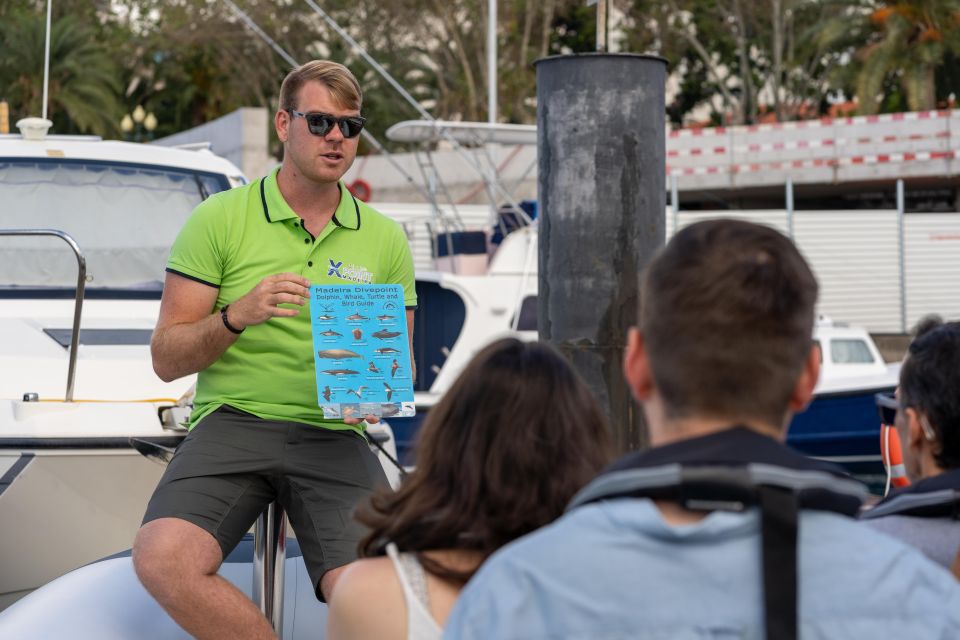
The meeting point can vary by which starting option you book, so confirm the exact dock and use the provided pin. Even when the tour is well run, dock areas can be confusing at first. One guest described wandering around the quay unsure where to go, then finding the jetty door after following the Google pin and waiting for the group.
This is one of those moments where arriving 15–20 minutes early makes your life easier. You don’t want to rush around with wind in your face and sea air in your hair while trying to find the right door.
Also, the operator notes a skip-the-line approach via a separate entrance. That’s a small advantage when Funchal is busy and you want to get onto the water sooner.
What to pack for a RIB ride in Madeira wind and spray
This isn’t a lazy catamaran day. A RIB is fast, and wind out at sea can turn a sunny morning into a chilly ride.
Bring:
- a windbreaker
- sunglasses and sun hat
- sunscreen
- a jacket (especially if you go in the cooler months)
I’d treat it as a “weather changes fast” day. Even if the harbor looks calm, conditions offshore can bring wind and spray that dries you out and cools you down.
If you choose the dolphin swim add-on, the crew provides mask and snorkel, but you’ll still want your own comfort mindset. Keep in mind you’ll be in the water briefly and then back on the boat—so quick-dry clothes and a warm layer for after are smart.
Price and value: what $61 gets you (and when you pay extra)
At $61 per person for the 2.5-hour tour, you’re paying for three things: a small-boat ocean outing, a guided wildlife search, and the chance to see multiple cetacean species. The value improves because the operator states a 99% yearly average of trips with at least one cetacean species sighted.
That success rate is important because whale watching can be expensive when sightings don’t happen. Here, you also get a safety net: if no cetacean species are seen during your trip, you’ll be invited to join another trip free of charge within 1 year (availability permitting and not transferable).
On top of that base price, the swim add-on is €20 only if swimming is possible. That’s a fair setup. You’re not being charged for a wish. You’re paying for access to the conditions where the dolphins and local rules line up.
So the real question for value isn’t just the ticket cost. It’s whether you want an intense, intimate RIB wildlife day. If yes, $61 feels reasonable. If you hate wind, bumpy rides, or you need guaranteed time in the water, you might find a slower boat more comfortable.
Comfort, seasickness, and what the ride feels like
RIBs are quick and can feel bouncy. Some people notice the chop more than others, and one review explicitly mentions that the ride back can be bumpy, though still quick.
At the same time, a guest dealing with sea sickness said the RIB helped because the boat ride didn’t create the same kind of rolling motion they expected, especially while hugging the coast on the way back. I can’t promise that for everyone, but it’s worth noting when you’re deciding.
If you’re sensitive:
- wear the warm layer and windbreaker so you’re not chilled
- stay seated low when possible
- focus your eyes on the horizon rather than the moving deck
And remember: your main “comfort risk” is wind and chop, not an all-day nonstop rocking session.
Who should book this Madeira RIB whale and dolphin cruise
I’d point this tour at people who want:
- close sightings from a small RIB, not distant viewing
- a guided explanation of species, not just sightseeing
- an exciting ride that still follows animal rules
- the option to snorkel with dolphins if conditions allow
It also works well for families, including kids and teenagers, since the boat activity plus multiple wildlife spots makes it easy to stay engaged.
If you prefer a totally calm experience, you might prefer a slower boat. A RIB is meant to move. You’ll feel that speed.
For private groups, there’s also an option to book your own private boat, with capacity noted up to 18 passengers—handy for families or friends who want their own pacing.
Should you book this whale watching and optional dolphin swim?
If your top priority is seeing dolphins and whales with an intimate, small-boat vibe, I’d book it. The combination of a fast RIB, a guide team that explains what you’re watching, and a stated high success rate makes it a strong value play in Funchal.
If your priority is guaranteed dolphin swimming, go in with the right mindset. The swim is legal-conditions based, charged only if it’s possible, and your time is brief. Even if you don’t swim, the cruise still has enough going on—wildlife scanning across multiple spots plus a Cabo Girão photo stop—to feel like a full outing.
My practical takeaway: book it if you can handle wind and a bit of bounce, and if you’re excited by the idea of ethical, small-boat wildlife viewing.
FAQ
How long is the whale watching and dolphin cruise?
The duration is about 2.5 hours, with a safety briefing and lifejacket donning before departure, plus time searching for wildlife and then returning to the marina.
What animals can you see on this trip?
You’re set up for wild dolphins and whales, and there can also be turtles sometimes. The dolphin swim option is only possible with Common dolphins or Atlantic spotted dolphins, based on local rules.
Is swimming with dolphins included in the price?
No. Swimming with dolphins is an optional add-on booked separately for €20 per participant, and the add-on is only charged on-site if it’s possible to enter the water with the dolphins.
How long do you spend in the water during the dolphin swim?
When swimming is allowed, the time in the water is usually around 1–2 minutes per participant.
What happens if you don’t see any cetaceans on your cruise?
If no cetacean species are seen during your trip, you’re invited to join another trip free of charge within 1 year time, subject to availability and conditions.
What should I bring for the tour?
Bring a windbreaker, sunglasses, sun hat, sunscreen, and a jacket (sea wind can pick up quickly). It can also get windy out at sea in cooler months.
Can I book a private tour?
Yes. A private boat option is available for up to 18 passengers.