REVIEW · ALBUFEIRA
Tile painting workshop in the Algarve
Book on Viator →Operated by AlgarvianRoots · Bookable on Viator
Brushes, tiles, and instant satisfaction in Silves. This Algarve tile painting workshop feels like real craft work: you learn classic technique first, then make a design of your own, with patient help that can make a novice feel capable. The one drawback is simple: your tiles are not finished when you leave because they need kiln firing, so you’ll collect them later (or pay for shipping).
I especially like that the pace stays calm and instructional. You start with a proven design so your hand learns the technique, then you move into your own original idea. Also, the setting is built for hands-on work, and the workshop experience is run like a small studio session—when I hear about the teaching style (and the results), the vibe is friendly, clear, and encouraging.
Before you go, plan for a bit of Algarve flexibility. The exact studio location can vary depending on the artist’s availability, but it will always be within the municipality of Silves. Expect a 3:00 pm start, an English-speaking guide, and a small group size (up to 8), with confirmation details sent after booking.
In This Review
- Key Highlights You’ll Actually Notice
- Why Hand-Painted Tiles Still Matter in the Algarve
- Meeting in Silves: What to Expect Before You Start Painting
- Inside the Studio Teaching: Learn the Tile Technique Step by Step
- Your Turn with a Tile: Classic First, Then Original
- The Moment You Realize the Tile Isn’t Finished Yet
- Price and Logistics: What You’re Really Paying For
- Who This Workshop Fits Best (and Who Should Skip It)
- Weather, Timing, and Simple Tips for a Smooth Algarve Afternoon
- Should You Book This Algarve Tile Painting Workshop?
- FAQ
- FAQ
- How long is the tile painting workshop?
- Where does the workshop meet in Silves?
- What time does the workshop start?
- Is the workshop location always the same address?
- Is tile shipping included in the price?
- How much does shipping cost?
- When will my tiles be ready?
- What language is the workshop offered in?
- Is it suitable for children?
Key Highlights You’ll Actually Notice
- Silves-based workshop within the municipality, even if the exact studio address can vary
- Traditional 17th-century tile techniques taught from a demonstration to your own painted tile
- Small group size (max 8) so you’re not lost in a crowd
- You paint your own design, after practicing a classic motif
- Tiles need kiln firing later, with collection arranged up to three days after
- Local treats after the workshop, like sweet oranges and fig & almond stars
Why Hand-Painted Tiles Still Matter in the Algarve
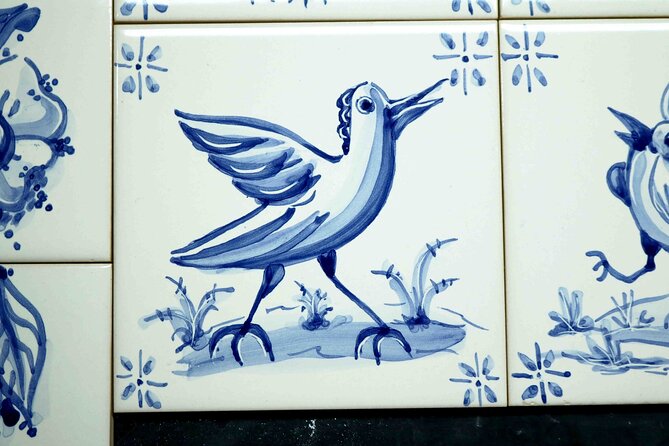
Portuguese tiles are more than decoration. They’re the kind of everyday art that shows up on walls, doorways, and public spaces, and they carry a look that feels distinctly Portuguese—especially the older, traditional style people associate with classic Algarve and beyond.
This workshop is valuable because it teaches you how the craft works at hand level. You’re not just copying a picture. You learn how to handle brush strokes in the Portuguese style, then apply it to a tile using the guidance of the artist/instructor. That’s what turns the experience into a souvenir with meaning. A store-bought magnet is quick. A hand-painted tile is the story you can point to later: I made this, with my own design.
And because it’s a traditional approach (rather than a modern shortcut), you’ll leave with a stronger sense of what makes azulejo-inspired art look the way it does. Even if you’re an absolute beginner, the workshop is structured to help you get results. The goal is confidence, not perfection.
A few more Albufeira tours and experiences worth a look


Meeting in Silves: What to Expect Before You Start Painting
You meet at R. da Mesquita 8, 8300-176 Silves, Portugal, and the workshop runs about 2 hours, starting at 3:00 pm. The activity ends back at the meeting point, so you won’t be sent off into mystery logistics.
One practical note: your experience details are confirmed after booking. If you book close to travel, confirmation comes within 48 hours subject to availability, so don’t count on instant clarity the minute you book.
You’ll also use a mobile ticket, and you should keep an eye on your messages after booking because the workshop location can shift depending on the artist’s availability. The good news: it will always remain within the municipality of Silves, so you’re staying grounded in one area.
Finally, group size is capped at 8 travelers. In a class like this, that matters. Small groups typically mean more direct guidance while you’re painting—help for the exact moment you’re stuck, not a general instruction you hear while everyone else is busy.
Inside the Studio Teaching: Learn the Tile Technique Step by Step
The workshop begins the way you’d hope it does: with a demonstration and an explanation of the techniques. This isn’t “good luck with the brushes.” The instructor shows you what to do and why, then helps you apply it.
A name that comes up a lot in people’s experiences is Margarida, who’s described as warm, patient, and great at coaching. That matters, because Portuguese tile style is brush-work plus timing. If you’re trying to do it from scratch without a guide, it’s easy to overthink it and slow down. The teaching style helps you get your hand moving.
The session also includes practical setup for beginners. From what people share, there’s often an opportunity to practice the strokes first, before you commit to the tile. That gives you a quick win and reduces the fear of messing up.
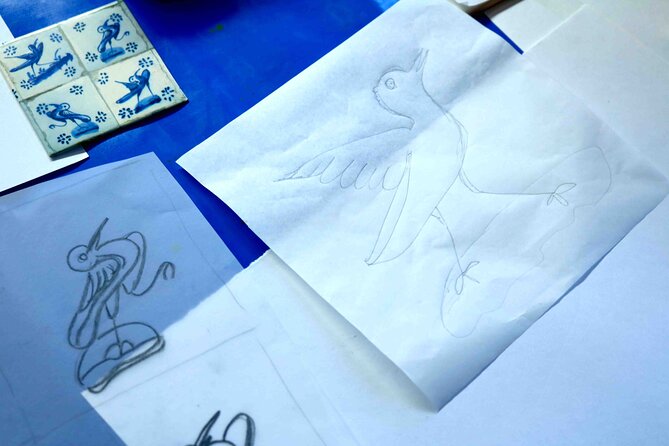
Then comes the first creative step: you start with a classic design to get the technique down. It’s a smart teaching method. You’ll know what to repeat and how to correct yourself while you’re still learning.
Your Turn with a Tile: Classic First, Then Original
Once the basics click, you paint your own tiles with guidance. The structure is usually:
- Begin with a classic design to learn the technique
- Then create an original design of your choice
I like this approach because it respects your skill level. If you go straight to your own design, beginners often feel lost. Starting with a classic motif lets you focus on brush stroke control, color placement, and how the pattern behaves on a tile surface.
In terms of results, some people manage to complete two tiles in the session, which is a big deal if you want more than one keepsake. Even if you don’t finish two, you’re still leaving with something tangible you helped create—plus a clear understanding of how the work is done.
It’s also a good fit for couples and small friend groups. The class doesn’t feel like a rushed production line. You can talk, ask questions, and get feedback without feeling on display. And if you’re traveling with family or friends, the small group makes it easier to share ideas without stepping on each other’s progress.
The Moment You Realize the Tile Isn’t Finished Yet
Here’s the part people sometimes miss before they book: your tiles are not ready when you leave.
After you paint, the tile artwork must be fired in a high-temperature kiln. That’s the step that turns paint into a durable finished tile. It also explains why this is not a “paint for two hours, take it home in a bag” kind of activity.
Instead, the pieces are ready up to three days after the workshop, and collection is arranged. If you plan to travel out of the Algarve quickly, this matters. You’ll want to schedule your other activities so you’re in the area long enough for collection, or choose shipping.
And yes—shipping is available, but it’s not included. The workshop covers shipping options with extra logistical and packaging fees, which brings me to the money side.






Price and Logistics: What You’re Really Paying For
At $108.13 per person, this workshop is priced like a small studio class with instruction plus the kiln firing process—not just the act of painting.
What’s included is straightforward: all fees and taxes. Group discounts are offered too, which can improve value if you’re booking alongside others.
What’s not included is the most important aftercare step if you want it to go home with you: shipping. Shipping costs depend on where you’re receiving the tiles:
- Portugal and Europe: €5.00
- America: €10.00
That shipping fee is meant to cover logistical and packaging costs. It’s also a reminder to plan ahead. If you’re traveling light and moving cities often, shipping can be the smoother solution. If you’re staying put around Silves/Albufeira for a few days, collection can be simpler and sometimes less expensive.
One more practical value point: the workshop caps at 8 travelers. Even with a similar price point, smaller groups often mean better personal coaching. In this type of craft class, that coaching is the difference between a tile that looks okay and one that looks like you actually learned something.
Who This Workshop Fits Best (and Who Should Skip It)
This is designed for most travelers—but it’s not recommended for children under 18. If you’re traveling with teens and above, you’ll likely fit the vibe well: it’s a hands-on art session that rewards focus.
Service animals are allowed, which is helpful to note if you rely on one.
If you’re the type who likes arts-and-crafts but doesn’t want a long museum day, this can be a strong Algarve plan. It’s also a good girls-trip or couples activity. People describe it as a relaxing way to spend an afternoon, and that’s what you want from a workshop: calm time, clear instruction, and an outcome you can show later.
If you hate waiting for a finished product, this may not be your thing. Your tiles won’t be finished at the end of the class. You’ll either collect within up to three days or arrange shipping with an extra fee.
Weather, Timing, and Simple Tips for a Smooth Algarve Afternoon
The experience requires good weather, so treat it like an activity with a weather check. If it gets canceled due to poor weather, you’ll be offered a different date or a full refund. Plan with some flexibility around the 3:00 pm start.
Because the class is about technique and painting, I’d dress for mess-risk even if the space is tidy. Wear something comfortable you don’t mind getting a tiny bit of paint on. Bring patience too: tile work is slow by design, and part of the fun is learning how brush strokes build a pattern.
Also, keep your schedule around your arrival. Since confirmation happens after booking and the studio location can vary within Silves, you’ll feel better if you keep some buffer time so you don’t rush across town at the last second.
Finally, consider pairing the workshop with a meal or snack afterward in Silves. People mention enjoying the local area after class, and the workshop itself often ends with small local treats such as sweet oranges and fig and almond stars.
Should You Book This Algarve Tile Painting Workshop?
Book it if you want a hands-on Portuguese souvenir with real craft behind it. The small group size, the classic-to-original teaching method, and the guided technique make it a strong option if you’re not an artist but want your tile to look good and feel meaningful.
Skip it if you need a take-home item the same day. Since the kiln firing happens after class, you’ll be collecting up to three days later or paying extra for shipping.
If you’re visiting Silves and like the idea of learning a tradition you’ll actually recognize around Portugal—this workshop is one of the better “one afternoon, one skill, one keepsake” choices in the Algarve. Just build in time for the finishing step.
FAQ
FAQ
How long is the tile painting workshop?
It lasts about 2 hours.
Where does the workshop meet in Silves?
The meeting point is R. da Mesquita 8, 8300-176 Silves, Portugal.
What time does the workshop start?
The start time is 3:00 pm.
Is the workshop location always the same address?
The activity’s location may vary depending on the artist’s availability, but it will always be within the municipality of Silves.
Is tile shipping included in the price?
No. Shipping is not included. There is an additional fee for shipping packaging and logistics.
How much does shipping cost?
For Portugal and Europe, it’s €5.00. For America, it’s €10.00.
When will my tiles be ready?
Your tiles need kiln firing, so they are ready up to three days after the workshop. Collection is arranged.
What language is the workshop offered in?
It’s offered in English.
Is it suitable for children?
It is not recommended for children under 18 years old.