REVIEW · MADEIRA
From Funchal: Santana and Pico do Areeiro East Island Tour
Book on GetYourGuide →Operated by DG-Travel Viagens e Turismo, Lda · Bookable on GetYourGuide
One day. Big views. This east-island minibus tour is the kind of itinerary that helps you see Madeira’s contrasts fast, from the Pico do Areeiro heights to the misty Ribeiro Frio laurel forest. I especially like how it blends scenery with culture, including a long Santana stop where you can actually slow down and look at everyday village life.
If you care about pacing, the only thing to watch is time allocation: it packs a lot into 8 hours, and some stops are better for quick photo breaks than lingering. Lunch is also not included, so you’ll want a plan for eating in Santana.
In This Review
- Key things to know before you go
- A full east-side loop from Funchal (8 hours in a minibus)
- Pico do Areeiro: third-highest peak and 360-degree photo time
- Ribeiro Frio and the Laurissilva forest: UNESCO nature with levada water
- Faial, Porto da Cruz, and Penha de Águia’s natural divide
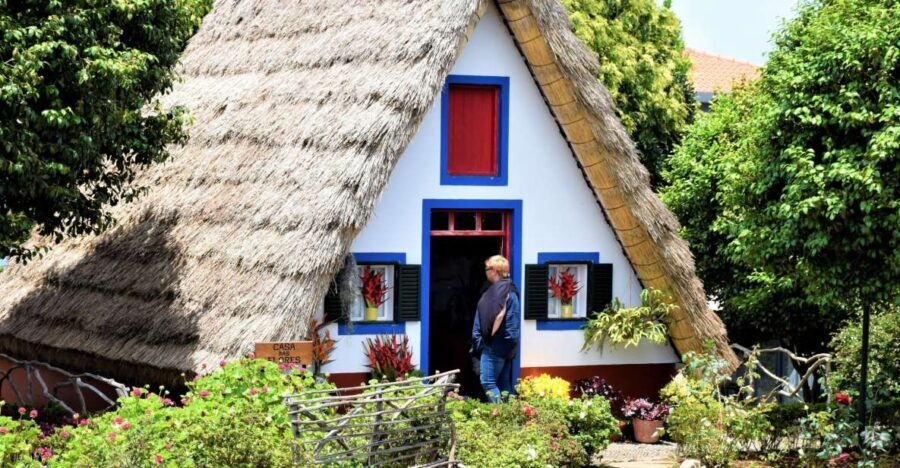
- Santana’s colorful thatched triangular houses, plus real village time
- Camacha: rustic Madeira beyond the main photo stops
- Ponta São Lourenço area: rocks, sea, and the island’s eastern edge
- Machico to wrap the day: Portuguese arrival history, then the ride back
- Price and value: what $49 really buys (and what it doesn’t)
- Tips to make the day smoother (and more photogenic)
- Should you book this east island tour?
- FAQ
- How long is the tour?
- Where does the tour start and end?
- What is included in the price?
- Is lunch included?
- Which languages are the guides offered in?
- What stops are included on the route?
- How high is Pico do Areeiro?
- Is Ribeiro Frio part of a protected area?
- Are there luggage restrictions?
- Are pickup and tour times guaranteed?
Key things to know before you go
- Pico do Areeiro (1818 m): third-highest peak on Madeira with wide 360-degree views.
- Ribeiro Frio in Laurissilva: a UNESCO World Natural Heritage area with laurel forest and levada-fed scenery.
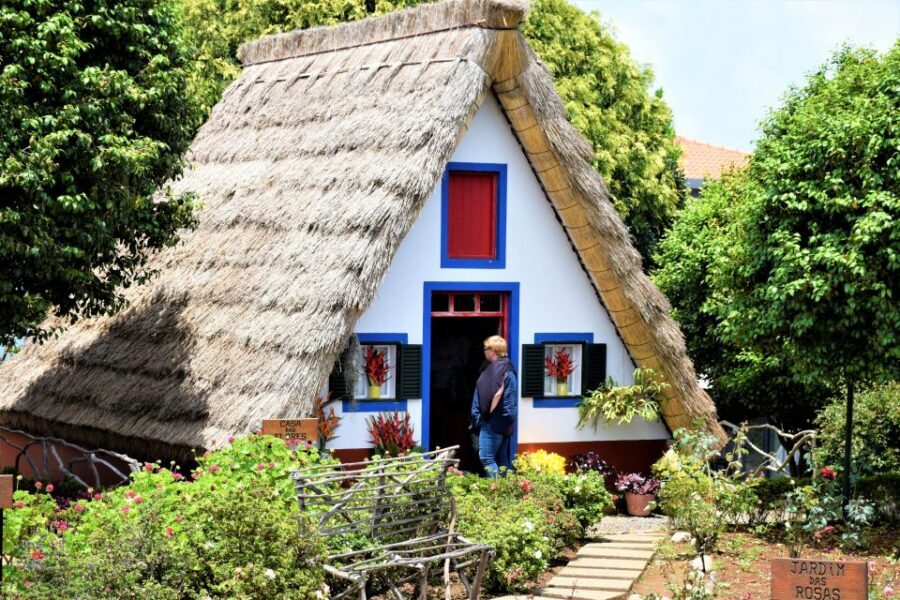
- Santana: long village time to see the famous thatched triangular houses and eat optionally.
- Ponta São Lourenço area: passed by on the way east for rocky sea-and-rock views.
- Rural Camacha included: a more rustic side of Madeira, not just viewpoints.
A full east-side loop from Funchal (8 hours in a minibus)
This is an 8-hour guided minibus tour built for travelers who don’t want to drive but still want more than one “pretty stop.” You get hotel pickup and drop-off in Funchal, then a route that runs along Madeira’s east coast and inland viewpoints. The group stays comfortable in a smaller vehicle, which matters when roads twist and stops are spread out.
I like the way the route balances nature and culture. You’re not just chasing viewpoints; you also get time in places like Santana and Machico, plus a look at rural Camacha. At the same time, you’re on a schedule—this isn’t a slow, hike-all-day experience.
One practical note: oversize luggage isn’t allowed. If you’ve got a bulky bag, plan to keep it compact so it fits easily in the minibus.
You can also read our reviews of more tours and experiences in Madeira.
Pico do Areeiro: third-highest peak and 360-degree photo time
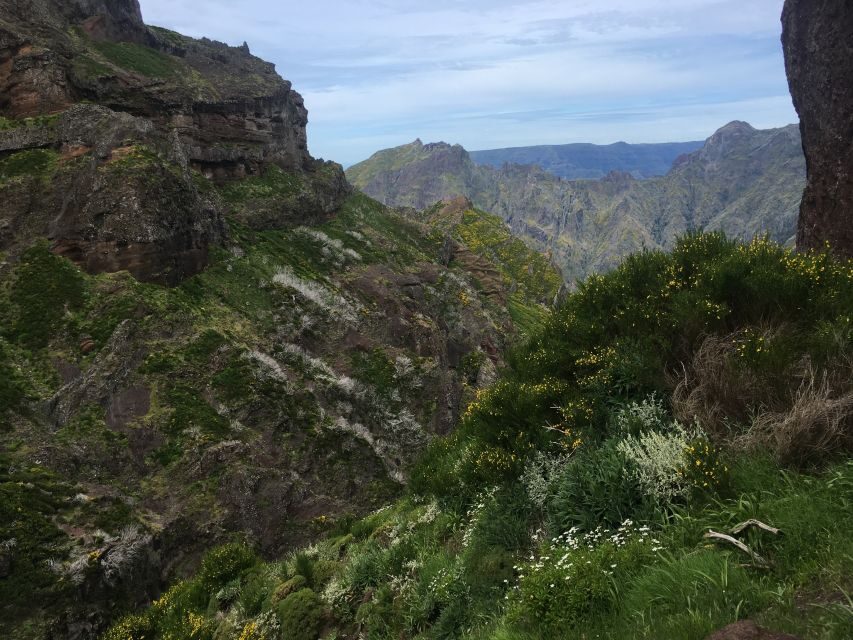
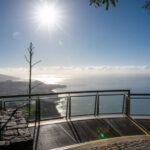
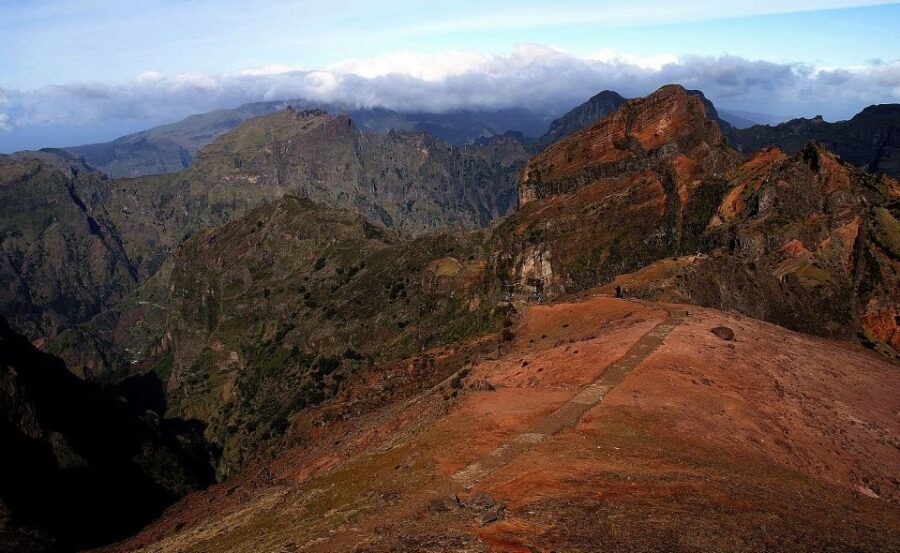
Pico do Areeiro is the headline stop, and for good reason. At 1818 meters, it’s Madeira’s third-highest peak, and the tour is designed to give you time to look around properly. You’ll be in position for 360-degree island views, and the scenery can feel extra dramatic when rocky formations appear to punch through cloud layers.
For photos, this is where you’ll want to treat time like it’s precious. Even if the weather shifts, you usually get enough of a window for at least a few good angles—wide shots to show the ridge lines, and close-ups if the rock texture is visible through the cloud edges.
What to bring is simple: comfortable shoes for uneven ground and layers. High points on Madeira can change quickly, and you’ll feel it more up there than in town.
Ribeiro Frio and the Laurissilva forest: UNESCO nature with levada water
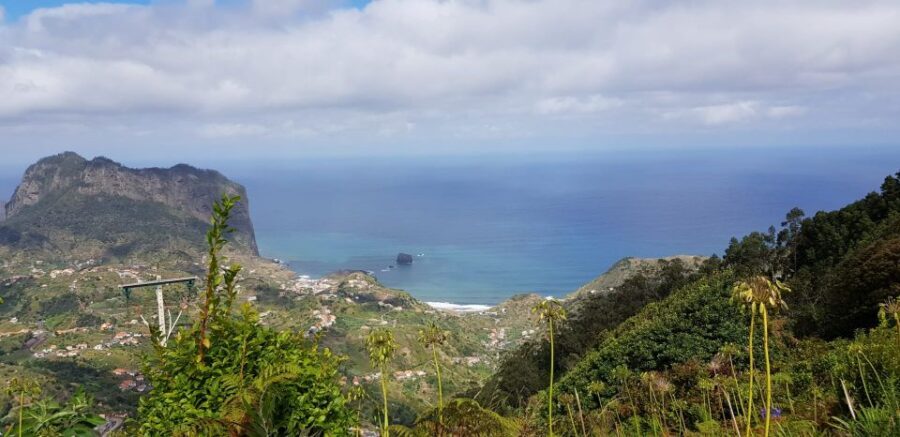
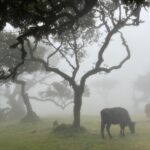
Next comes Ribeiro Frio, which literally means cold river. This stop is set in the heart of the Laurissilva forest, described as the largest surviving laurel forest area in the world, with a belief of around 90% primary forest. It’s also part of a UNESCO World Natural Heritage site, so you’re looking at something that’s protected because it’s rare and still close to its original state.
I like this part because it gives you more than a quick look. You get the chance to see plants and species in their natural habitat, and you’ll also spot a trout farm set in stone enclosures, fed by fresh flowing levada water. The levadas are a key Madeira detail: human-built channels that have shaped how water supports farming and survival on the island for generations. Here, you can see that system acting alongside wild forest.
If you prefer easy walking and good photo opportunities over steep terrain, Ribeiro Frio is the calmer, more nature-forward stop of the day. It’s also a good place to catch your breath before the route moves on to villages and more viewpoints.
Faial, Porto da Cruz, and Penha de Águia’s natural divide
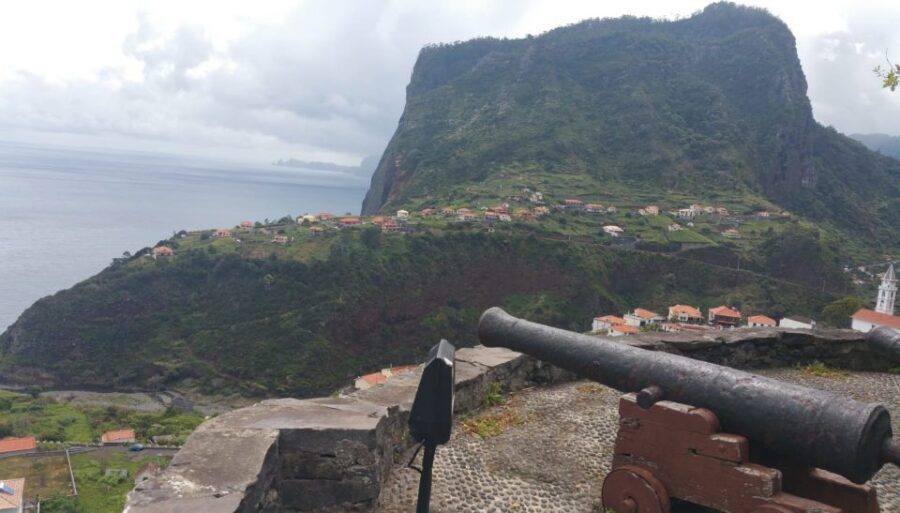
After Ribeiro Frio, the tour continues toward Faial, with an included view of Penha de Águia. The rock formation is described as the imposing separator between Faial and Porto da Cruz. This is one of those stops that’s short on time but strong on meaning.
I like it because it helps you understand Madeira’s geography in real life. On this island, mountains and ridges don’t just make scenery—they define where towns sit, how water flows, and how the coastline is shaped. Seeing Penha de Águia from the road gives you a visual “map” of the east side without needing to study charts.
If you’re the type who enjoys learning how places connect, ask your guide what role the rock and valleys play in the island’s weather and routes. Even small bits of context can make the next stops click faster.
Santana’s colorful thatched triangular houses, plus real village time
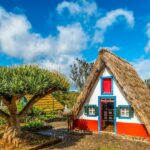
Then you get the long stop at Santana, and this is where the day becomes more human. You’ll have time for lunch (not included) and time to see the village’s famous typical thatched roof triangular houses. They’re painted in happy primary colors, and the effect is immediate: it’s the kind of place where architecture becomes part of the story.
What makes Santana valuable isn’t only the look of the houses. It’s the pause. A longer stop means you can walk slowly, look past the first photo angle, and get a feel for the rhythm of daily life. If you’re traveling with kids, this is often the easiest part of the tour to enjoy, because it’s visually fun and not just scenic-from-a-bus.
The guide quality can make a difference here. In past days, guides like Eduardo have been praised for taking people to smaller local corners where you see more than the most obvious sights. That’s a big deal in a place like Santana, where you can either rush through the postcards or actually get a feel for the village.
Tip: bring cash or a card plan for your lunch, since it’s on you.

Camacha: rustic Madeira beyond the main photo stops
The itinerary also includes Camacha, described as one of the island’s most rural and rustic villages. This part of the day matters if you’re trying to see Madeira beyond the usual “viewpoint loop.”
Camacha is the kind of place that helps balance a day packed with sea-and-cliff scenery. Instead of only looking outward, you get a chance to look inward—at the slower pace, the everyday streets, and the village feel that often disappears when tours only stop for 10 minutes.
Since exact timing and stop length aren’t spelled out in the tour description, treat Camacha as a chance to observe more than to conquer. If you like chatting with guides, this is a good place to ask what makes rural Madeira different from the coast.
Ponta São Lourenço area: rocks, sea, and the island’s eastern edge
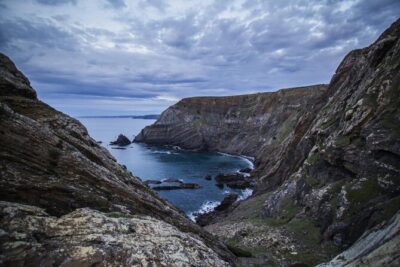
As you head toward the far east, you’ll pass Portela and then reach Ponta São Lourenço, located on the island’s eastern part. The highlight here is the unusual mix of rocks, sea, and nature—something Madeira does especially well. The east side often feels rawer and more sculpted, and the tour’s wording hints at the drama you’ll see from the roadside.
I recommend treating this as a viewing moment rather than a “get every angle” moment. If you try to do too much, you’ll end up rushing. The better approach is to stand, look, and choose one or two key photo frames that show the shape of the coast.
If weather is changeable (it can be on Madeira), this section can swing between crisp visibility and soft, cloud-wrapped views. Either way, ask your guide what the best side is for photos at that time.
Machico to wrap the day: Portuguese arrival history, then the ride back
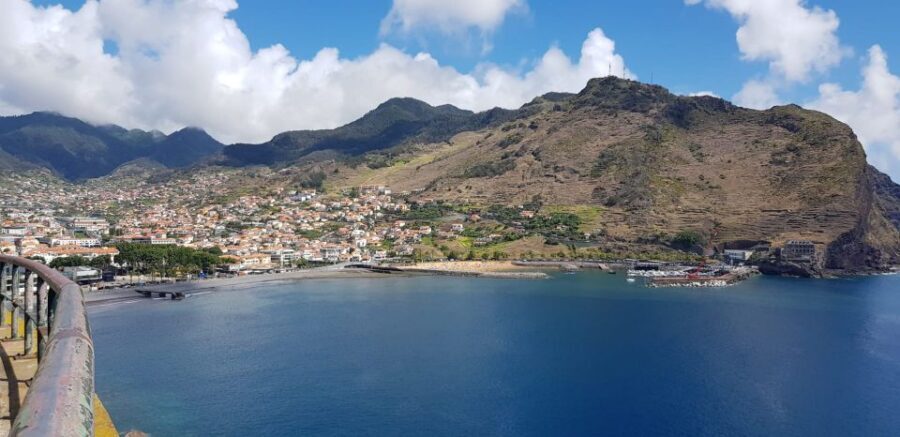
Your final stop is Machico, described as the larger city and the first area of the island the Portuguese navigators came across. It’s a fitting way to end an east-island route, because it shifts you from viewpoints and villages back to a place with more city energy and a clear sense of “where you are” on the map.
At this point, you’ll likely feel the day’s length. That’s normal after 8 hours of switching between roads, stops, and photo time. Machico gives you a calmer finish where you can browse, grab a last bite, and reset before returning to Funchal.
You’ll then get the trip back round-trip to your pickup location in Funchal.
Price and value: what $49 really buys (and what it doesn’t)
At $49 per person, this tour sits in the “good value if it fits your style” category. Here’s why: the price covers a guided experience, pickup and drop-off, and minibus transportation across multiple distinct areas. You’re not just paying for one viewpoint; you’re paying for a whole route that links together nature, forest, architecture, and coastal scenery.
The one clear extra cost is lunch, which is not included. That’s easy to handle—just plan to eat during the Santana stop. If you’re the type who hates unexpected expenses, you may want to budget a set amount before you go.
This also pays off if you don’t want the stress of navigating Madeira’s roads yourself. Even if you’re an experienced driver, the mix of stops and viewpoints is designed for guided flow, not solo sightseeing.
Tips to make the day smoother (and more photogenic)
A day like this rewards planning, not speed. Here are a few practical moves that help:
- Bring layers. Higher elevations and forest air can feel cooler than Funchal.
- Wear shoes you trust. Some stops mean walking on uneven ground and quick photo detours.
- Use your guide for context. In past experiences with guides like Bruno and Eduardo, the strongest moments weren’t only the views—it was the explanations and pacing.
- Plan for lunch. Santana is your moment to eat, and lunch is optional/not included.
- Get your “A photos” at Pico do Areeiro. If clouds roll in, you’ll still want a few wide shots before conditions change.
- Expect weather mood swings. Even when conditions are temperamental, a good guide can keep the day enjoyable and the route moving.
One fun detail worth noting from prior days: there’s often music in the minibus, and it can help the time between stops feel less like waiting and more like part of the outing.
Should you book this east island tour?
Book it if you want a balanced day that mixes Pico do Areeiro, Ribeiro Frio, and Santana in one easy circuit from Funchal. It’s a strong choice for families and for anyone who wants Madeira’s highlights without renting a car. If you value guidance—someone who can point out what you’re seeing and why—it’s also a good match.
Skip it or reconsider if you’re the type who wants long, slow time at one place. This tour is built to cover several regions in 8 hours, so you’ll be making choices about where to spend extra minutes. If you’re mostly chasing one big hike or one extended coastal walk, you may find the time is better used elsewhere.
If you’re flexible, enjoy both nature and village culture, and don’t mind a full day schedule, this is a solid way to see Madeira’s east without turning the trip into a driving project.
FAQ
How long is the tour?
The tour duration is 8 hours.
Where does the tour start and end?
It includes pickup and drop-off from your location in Funchal, and the trip returns round-trip to your pickup point.
What is included in the price?
The tour includes a guided tour, pickup and drop-off, and minibus transportation.
Is lunch included?
No. Lunch is not included, though there is time in Santana for optional lunch.
Which languages are the guides offered in?
The live tour guide is available in English, German, French, Portuguese, and Spanish.
What stops are included on the route?
The tour includes stops in Pico do Areeiro, Ribeiro Frio, Faial, Santana (with a long stop), an area near Ponta São Lourenço, and Machico.
How high is Pico do Areeiro?
Pico do Areeiro is listed as 1818 m high, and it’s described as Madeira’s third highest peak.
Is Ribeiro Frio part of a protected area?
Yes. Ribeiro Frio is described as part of the Laurissilva forest, and it’s included as a UNESCO World Natural Heritage site.
Are there luggage restrictions?
Yes. Oversize luggage is not allowed.
Are pickup and tour times guaranteed?
Starting and ending times can vary slightly. Pickup and drop-off are part of the tour, and the exact times depend on the schedule for that day.