REVIEW · COIMBRA
Discovering the Roman Ruins of Conímbriga and the Caves of Sicó
Book on Viator →Operated by Aventuras Forte(s) - Turismo de Natureza · Bookable on Viator
A limestone day with Roman magic beats the usual ruins-only stop. You’re taken from Coimbra to Conímbriga’s best-preserved Roman remains and then onto the Sicó limestone cave area for a totally different kind of scenery. I especially like how the route mixes archaeology with nature, and I like the hands-on feeling you get in smaller, private-group pacing—plus Sérgio is the kind of guide who makes you feel relaxed from the start.
One thing to consider: this is a weather-dependent outing. If conditions are poor, the plan may change, and that can affect seasonal stops like the Moorish Waterfall.
In This Review
- Key highlights before you go
- Coimbra to Conímbriga and Sicó: how this day is paced
- Stop 1: Museu Monográfico de Conímbriga and Roman Ruins (2 hours)
- What makes Conímbriga worth your time
- A practical drawback
- Sicó limestone massif: moving from Roman stones to living geology
- Casmilo Buracas: a brief stop that sets up the caves
- Stop 2: Buracas do Casmilo caves (30 minutes)
- The walking and terrain reality
- Why the short cave stop still works
- Guide Sérgio: smooth driving, smart stories, and photos
- Price and value for a $90.11 private Roman + cave day
- Logistics that matter: English, mobile tickets, and where pickup fits
- What to expect from the weather and seasonal pieces
- Who this tour is best for
- Should you book the Conímbriga and Sicó caves tour?
- FAQ
- What time does the tour start?
- Where does the tour begin?
- How long is the experience?
- Is pickup included?
- Are tickets included?
- Is the Moorish Waterfall included year-round?
- What happens if the weather is poor?
Key highlights before you go
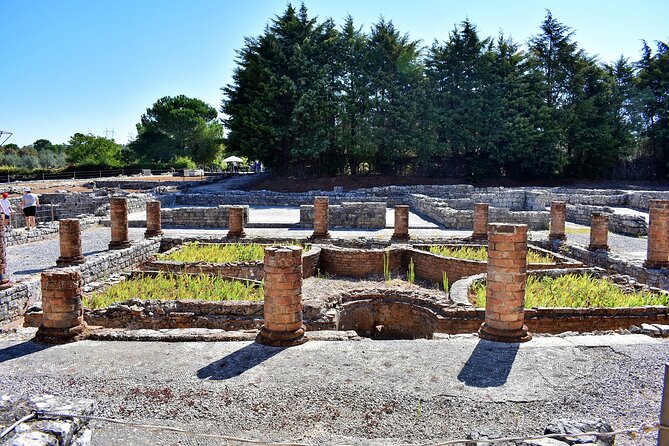
- Conímbriga mosaics in a site with standout preservation, not just broken stones
- Sicó limestone landscapes that shift from Roman context to rugged nature
- Moorish Waterfall (winter only), a seasonal detour that can be a nice extra
- Caves at Buracas do Casmilo, short but memorable, with collapsed limestone formations
- Private group, pickup in Coimbra/Condeixa, so you’re not waiting on a big bus crowd
- Mobile ticket plus a guide who shares photos after the tour
Coimbra to Conímbriga and Sicó: how this day is paced
This is a 4-hour, private-style day that starts at 9:00 AM, based around the Museu Monográfico de Conímbriga – Museu Nacional area. The big win here is the pacing: you get enough time to actually look at the ruins and museum without feeling rushed, then you shift gears to the limestone region and caves.
Pickup is offered anywhere in the Coimbra or Condeixa region—potentially even at your hotel—so you can skip the headache of getting out to the site on your own. And because it’s a private tour/activity, it’s only your group, which tends to make questions easier and the timing feel more natural.
You can also read our reviews of more tours and experiences in Coimbra.



Stop 1: Museu Monográfico de Conímbriga and Roman Ruins (2 hours)
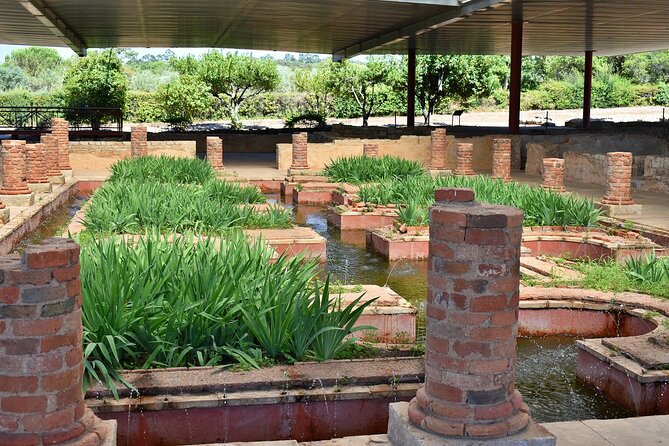
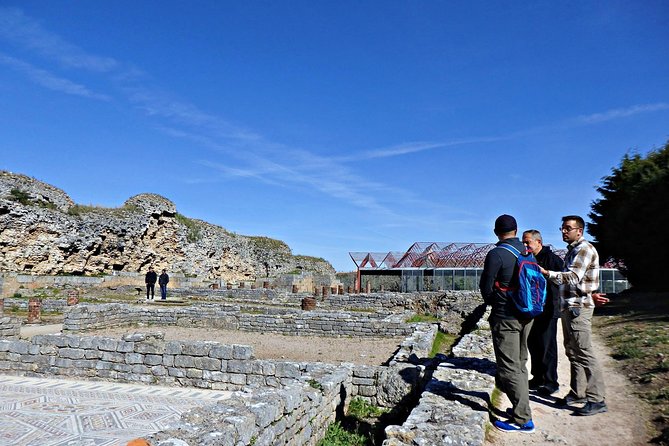
This start is built for people who like Roman sites, but especially for people who care about details. Conímbriga is the kind of place where you can move from one angle to the next and feel the craftsmanship—particularly with the preserved floor mosaics, often described as a major draw.
You’ll spend about 2 hours here, and that time matters. It gives you room to:
- Take in the Roman remains at a comfortable walking pace
- Pause at the museum components that help connect what you’re seeing to daily Roman life
- Get oriented before heading to the Sicó limestone area
What makes Conímbriga worth your time
I like Conímbriga because it feels legible. You’re not just staring at scattered ruins. The museum context helps you connect the place to how Romans lived and built—then the site itself lets you look for the evidence. It’s a good match if you’ve seen Roman ruins in other countries and want one that feels especially well preserved.
A practical drawback
You’ll be outdoors during parts of the experience. If it’s hot, plan on sensible sun protection. If it’s wet, expect the ground conditions around the broader area to be less predictable—something you’ll notice more during the cave segment later.
Sicó limestone massif: moving from Roman stones to living geology
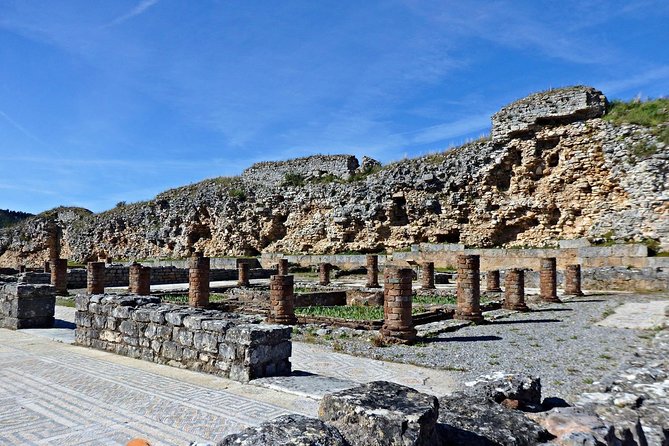
Between the museum/ruins and the cave area, you’re effectively traveling from one “type” of landscape to another: Roman archaeology to the limestone massif of Sicó. That shift is the secret sauce of this tour. It keeps the day from feeling like a one-note museum day.
This is also where the seasonal element shows up: the itinerary includes the Moorish Waterfall (winter only). So if you’re visiting outside winter, don’t expect that stop to be part of the experience. If you are visiting in winter, it’s a nice way to add movement and sound to the day—especially if your brain is already wired for stone, structure, and patterns from the Roman site.




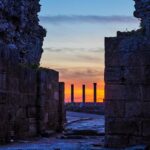
Casmilo Buracas: a brief stop that sets up the caves
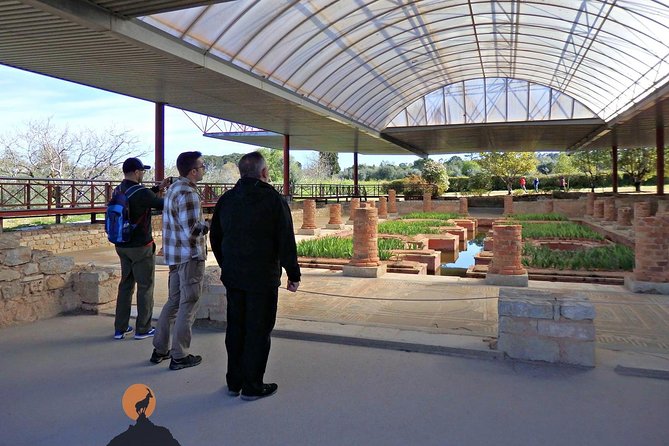
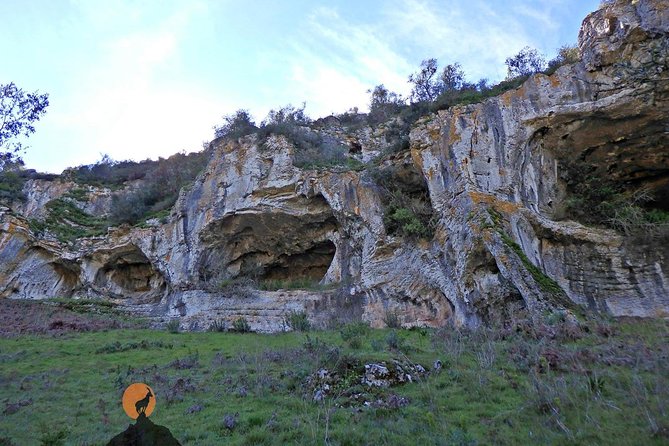
Casmilo Buracas sits in the middle of the story. You’re looking at limestone formations shaped over time, and the “collapsed over the years” idea is the key concept. Even if you don’t treat this as a long hike, it helps you understand what you’ll see shortly at Buracas do Casmilo.
Think of Casmilo Buracas as a visual warm-up. It’s short enough that you won’t feel like you’re burning time, but it gives context for the cave world: erosion, collapse, and that strange mix of geology and human curiosity.
Stop 2: Buracas do Casmilo caves (30 minutes)
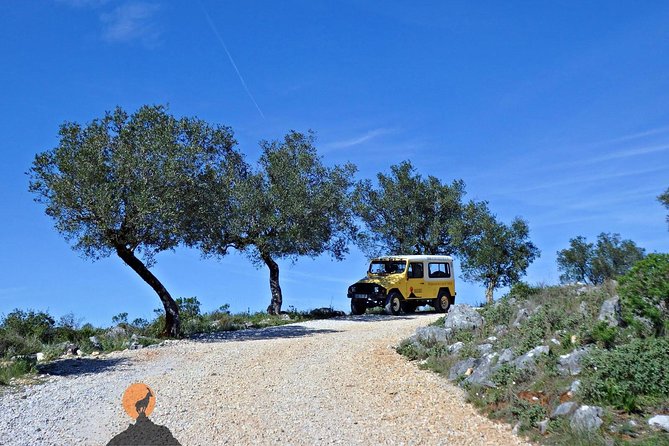
The cave portion is about 30 minutes, and that’s perfect for most people. You get close enough to feel the setting without turning it into a long slog.
Here’s what you can expect: limestone caves that collapsed over the years. It’s not about “entering a show cave.” Instead, it’s about observing the formations and letting the dramatic geometry do the talking.
The walking and terrain reality
From the way the tour is described, you’ll be guided down rugged country lanes toward the remains of the limestone caves. That tells me the path isn’t flat or paved in the way you might assume near a major city attraction. Wear shoes you’re comfortable using on uneven ground. If you’re the type who likes smooth sidewalks only, this is where you’ll feel the difference.
Why the short cave stop still works
A common mistake on half-day nature tours is stretching the cave time too long and then rushing the most important part. Here, the cave time stays concise, so you leave with a clear mental picture rather than a blurry “we saw caves” stamp.
Guide Sérgio: smooth driving, smart stories, and photos
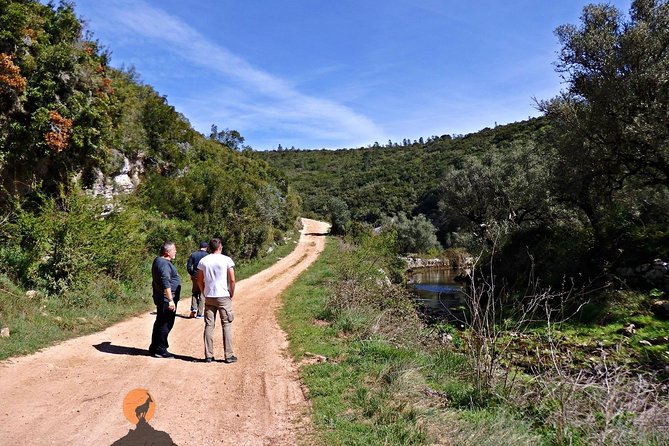
The guide is a major reason this tour gets such strong marks. Sérgio runs the show with an easy, personable style, and the driving gets highlighted as a real comfort factor. That matters more than people think: if the ride feels tense, the whole morning can feel off.
You’ll also benefit from his approach to the Roman site and the nature stops. The tour is designed so you don’t just pass through places—you get enough explanation to make them click. And if you like having a photographic record without fuss, Sérgio takes better photos than many people manage on their own and sends them afterward to download.
So yes, you’re paying for the content and the access. But you’re also buying something intangible: a guide who makes the day feel calm and well paced.
Price and value for a $90.11 private Roman + cave day
At $90.11 per person for about 4 hours, this is not the cheapest way to see Conímbriga and Sicó. But it’s also not a “pay for nothing” price.
Here’s how I think about value:
- You get a guided 2-hour block at Conímbriga plus museum time
- The cave stop is included for admission free at the second stop
- Pickup is offered in Coimbra/Condeixa, which can easily eat up time (and money) if you self-arrange
- It’s private to your group, so you’re not stuck waiting for other people’s pace
If you were going solo, you’d spend time figuring out transport and you’d still need to pay admission. The guide is what turns “I visited” into “I understood what I was seeing.” That’s often what makes the price feel fair.
Logistics that matter: English, mobile tickets, and where pickup fits
This experience runs in English, which makes it easy to follow without hunting for an audio guide. You also get a mobile ticket, so you’re not stuck with printed documents.
Pickup can be arranged anywhere in Coimbra or Condeixa (and it can be done at your hotel). If you’re staying inside those areas, that’s a real convenience win.
It’s also described as near public transportation. So even if you don’t use pickup, you may find it practical to reach the start point.
What to expect from the weather and seasonal pieces
The experience requires good weather. That’s not just a bureaucratic line; it’s tied to how comfortable and safe the walking portions will be, especially near natural features.
And remember the Moorish Waterfall is winter only. If you’re hoping for that extra sight, plan around the season. If you’re visiting outside winter, accept that your Sicó day will be focused on the Roman site and cave formations instead.
Who this tour is best for
This tour is a good match if you:
- Want Roman ruins with real visual pay-off, especially the mosaics and museum context at Conímbriga
- Like nature scenery that’s not just a quick viewpoint
- Prefer a calmer, private-group feel over a crowded group bus
- Care about having a guide explain how to look at what you’re seeing
It’s also solid for history-and-outdoor hybrids—people who get bored when the day is only artifacts behind ropes, and people who get bored when nature has no story. Here, geology and archaeology talk to each other.
One less ideal fit: if you’re mobility-limited and can’t handle rugged lanes, you may find the cave approach challenging. In that case, you’ll want to think carefully about footwear and comfort level.
Should you book the Conímbriga and Sicó caves tour?
I’d book it if you want a structured half-day that combines one of Portugal’s most worthwhile Roman stops with a change of pace into limestone cave country. The value comes from the mix: museum + ruins for depth, then caves for a different kind of awe.
Skip it only if you strongly dislike uneven ground or if you’re traveling during a weather window where conditions are likely rough, since the tour depends on good weather.
If your plan includes Coimbra and you want more than the standard big-city routine, this one is a smart use of time.
FAQ
What time does the tour start?
The tour starts at 9:00 AM.
Where does the tour begin?
The starting point is the Museu Monográfico de Conímbriga – Museu Nacional.
How long is the experience?
It’s about 4 hours.
Is pickup included?
Pickup is offered anywhere in the Coimbra or Condeixa region, and it can be done at your hotel in Coimbra or Condeixa.
Are tickets included?
Admission is included for the first stop at Conímbriga, while admission for Buracas do Casmilo is free.
Is the Moorish Waterfall included year-round?
No, the Moorish Waterfall is listed as winter only.
What happens if the weather is poor?
The experience requires good weather. If it’s canceled due to poor weather, you’ll be offered a different date or a full refund.