REVIEW · COIMBRA
Discovering the charms and places of Coimbra
Book on Viator →Operated by Aventuras Forte(s) - Turismo de Natureza · Bookable on Viator
Coimbra rewards slow steps, and this short tour is a smart way in. You’ll get a guided route through the Almedina Arch, cathedrals, and key University of Coimbra landmarks, plus enough context to understand why this city matters in Portugal. Two things I really like about it are the focus on walking the historical core with a local guide (like Sergio, a University of Coimbra graduate) and the fact that you receive photos of the whole tour afterward. One practical consideration: most monuments are not ticketed in the price, so you may want to budget for those if you want to go inside.
It runs about 3 to 4 hours, usually in English, and it’s designed for small, private groups. Expect climbing and cobblestones, so good shoes help.
In This Review
- Key highlights worth planning for
- First steps in Coimbra: starting at Largo da Portagem
- Almedina Arch and the historic walls feel close
- Toll Square: where the city’s everyday stops meet the big story
- New Cathedral: the big visual shift
- Botanical Garden at the University of Coimbra: a break that still tells a story
- National Pantheon: a powerful landmark on the route
- Old Cathedral: see the earlier layers before you hit the University core
- UC and the University of Coimbra story you can carry for the rest of your trip
- What you actually get for the money: $54.31 of value
- Timing, walking style, and what to wear
- Who this Coimbra tour suits best
- Should you book this Coimbra tour?
- FAQ
- How long is the Coimbra tour?
- What is the price per person?
- Is the tour private?
- Is it offered in English?
- Are monument tickets included in the price?
- What is included besides the guide?
- Where is the meeting point?
- What happens if weather is bad?
Key highlights worth planning for
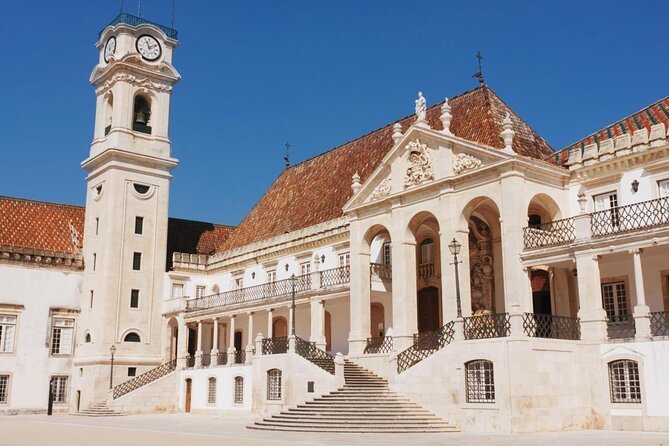
- Almedina Arch to Toll Square: start right in the historic maze and get straight context
- New Cathedral and Old Cathedral: you’ll see the contrast in style and purpose
- University of Coimbra’s Botanical Garden: a calm break inside a very old academic setting
- National Pantheon stop: a major Coimbra landmark tied to the city’s identity
- Guides who explain with clarity: local perspective you can actually follow (including guides like Sergio)
- Photos included after the walk: you get visuals of your route, not just facts
First steps in Coimbra: starting at Largo da Portagem
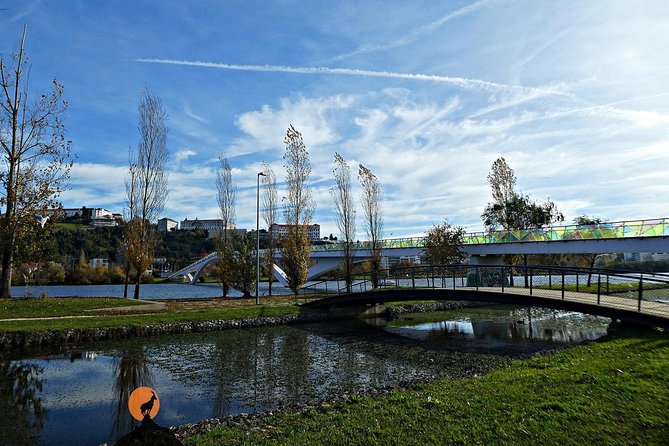
Most people mess up their first day in Coimbra by moving too fast. This tour starts you at Largo da Portagem, which is a good launch point for easing into the historic center without wasting your energy on guesswork.
From there, you’ll be guided through a sequence of landmarks that feel connected rather than random. You’ll also get a rhythm for the day: look around, learn what you’re seeing, then move on before your feet fully protest. The pace works well for couples, solo travelers, and anyone who wants a structured introduction without committing to a full day.
One subtle benefit: a guide helps you read the city while you walk. Coimbra’s sights aren’t all placed for easy viewing from the street, and street-level context makes the difference between seeing buildings and understanding them.
You can also read our reviews of more tours and experiences in Coimbra.



Almedina Arch and the historic walls feel close
The tour’s first major stop is the Almedina Arch, a gateway that frames Coimbra’s older layers. Even if you’ve seen medieval architecture elsewhere, this place helps you grasp what Coimbra was protecting and why the city center grew the way it did.
From here, the experience naturally turns into an “old city wall” story. In one review, the guide explained parts of the original 11th-century palace and city wall as you move through the area. That kind of walking history is exactly what makes a guided route worth it. You’re not just learning dates; you’re seeing how the terrain and fortifications shaped daily life.
Practical note: this portion is great for photos, but it’s also the point where cobblestones and stairs become real. If your feet get tired easily, consider wearing shoes with solid grip. You’ll still enjoy it, but you’ll feel the walking.
Toll Square: where the city’s everyday stops meet the big story
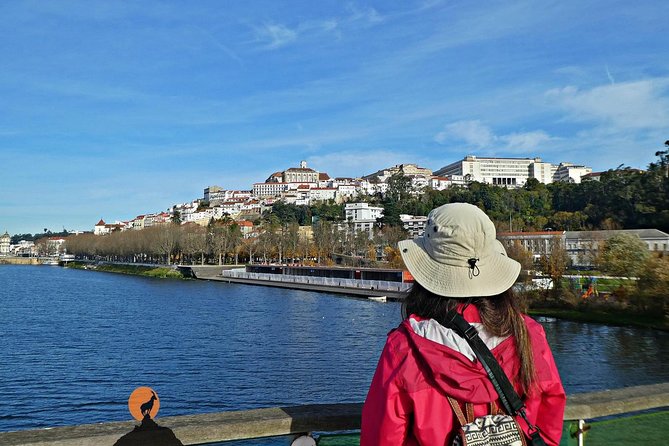
Next comes Toll Square, a stop that helps you understand Coimbra beyond the university bubble. This is the kind of place that reminds you a city is more than its monuments. Even if you don’t go inside anything here, it’s a useful bridge between the medieval feel near the start and the major religious and academic sites later.
What I like about including a stop like this is that it keeps the tour balanced. Without it, you can end up with a checklist tour: cathedral, cathedral, university, done. Toll Square helps connect the dots so later stops land with more meaning.
This is also a good spot to slow down for a moment. Take in the square, then get ready for the next shift: from civic space into the city’s big spiritual and architectural anchors.
New Cathedral: the big visual shift
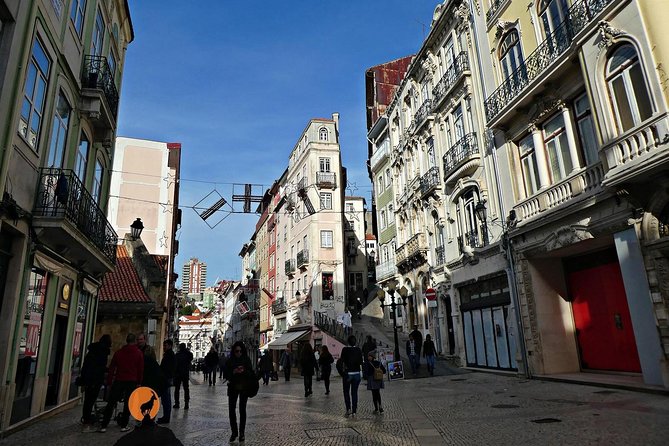
The route continues to the New Cathedral, and that word new can be a little misleading at first. In Coimbra, new and old are both part of the same story, just from different eras and intentions.
This stop is about seeing how Coimbra expresses faith through architecture that changed over time. You’ll get explanations that make the building feel purposeful rather than just impressive. Guides like Sergio (mentioned in multiple reviews) are known for being easy to follow and for answering questions in a way that keeps momentum, so the stop won’t feel like a lecture you have to endure.
A consideration: since the tour price does not include monument tickets, you may or may not be able to go inside every building. You’ll still learn a lot from the outside and from the guided pacing, but if you strongly prefer interior access, plan for extra ticket costs.
Botanical Garden at the University of Coimbra: a break that still tells a story
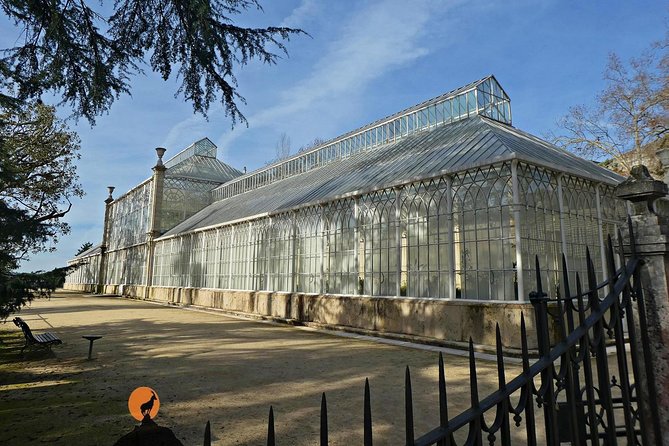
Then you reach the Botanical Garden of the University of Coimbra, and this is one of the best “breather” moments on the walk. You go from busy stone and religious facades into a quieter academic space, and that shift matters. It resets your brain so the rest of the University of Coimbra portion lands better.
What you’ll appreciate here is the way the garden connects to the University as a living institution. Coimbra isn’t only about ancient buildings; it’s about education that shaped how people studied the world. The University portion is tied to that idea, and the botanical garden is a physical reminder that learning isn’t only in classrooms.
If you’re the type who enjoys taking time to look—at details, plants, the layout of spaces—this stop will feel rewarding. It also gives you a calmer setting for photos.





National Pantheon: a powerful landmark on the route
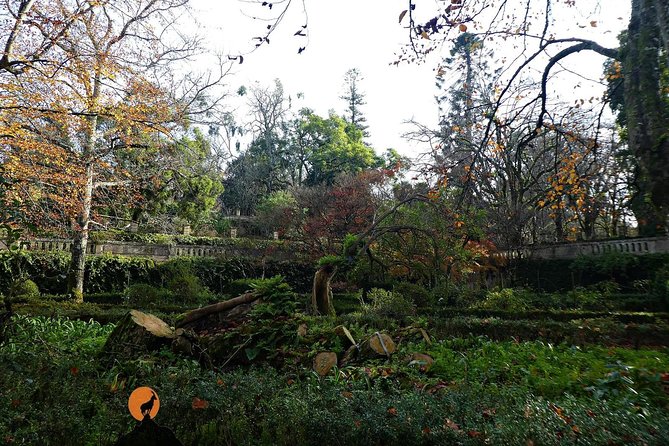
Next is the National Pantheon. This is a stop where you tend to feel the weight of the place, even if you’re not a deep architecture specialist. The guide’s job is to give you the why, not just the what, and that’s where a good local guide makes the difference.
You’ll likely move through this area with a focus on context: how Coimbra’s identity is tied to its notable history. It’s also a strong waypoint for understanding the city’s hierarchy of landmarks—where major memorial spaces sit relative to the University.
Again, remember the tour price doesn’t include monument tickets. If you’re hoping to enter, you’ll want to check what you’re able to access during your tour time and plan payment accordingly.
Old Cathedral: see the earlier layers before you hit the University core
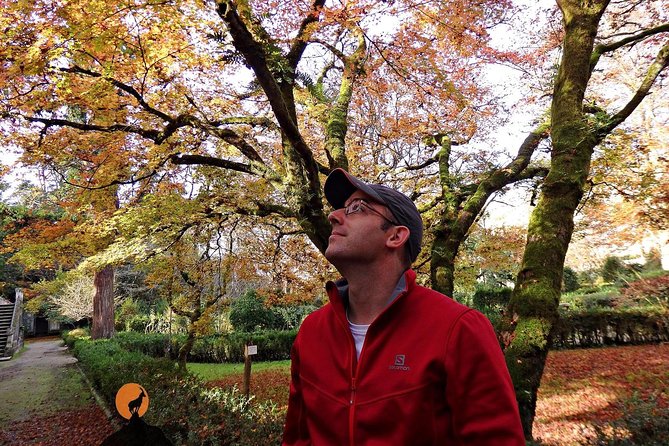
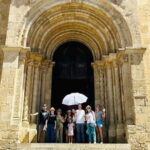
The next stop is the Old Cathedral, and this is where the tour often starts to click emotionally. After seeing the New Cathedral, the Old Cathedral gives you a sharper sense of how Coimbra’s religious architecture evolved.
In one review, the guide’s route helped participants connect the city’s earlier power structures (palace and city wall elements) to later religious sites. Even if you don’t get the exact same explanation, the structure of the tour does the same thing: it lines up old power, then spiritual power, then academic power.
This stop is also a strong photo moment. Look around before you rush in any direction—there’s more to capture than one angle. And if you’re using your phone camera, take a second to hold steady. The stonework rewards it.
UC and the University of Coimbra story you can carry for the rest of your trip
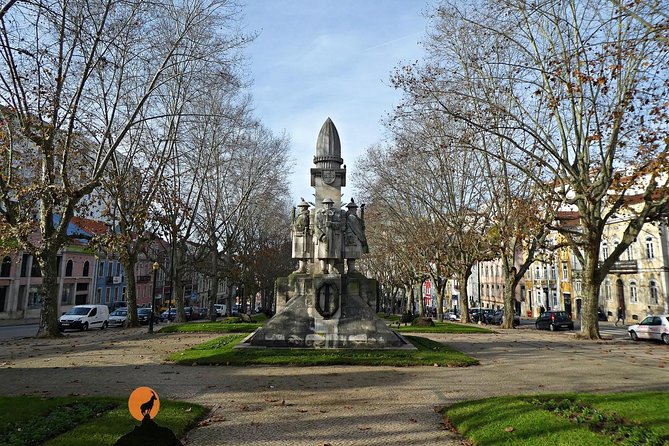
Finally, the tour reaches UC, the University of Coimbra. This is the heart of the experience. One review called it the oldest university in Europe, and that kind of fact is exactly why this stop is worth planning early. If you do this soon after arriving, you’ll walk the rest of the city with better mental map-making.
This is also where the guide’s local ties come through. In several reviews, the guides were described as locals who graduated from or deeply connect to the University. That matters, because you’ll hear details that are more human than textbook: why people care about these spaces, how the University shaped Coimbra, and what you should notice as you keep walking.
You may also cross the Santa Clara bridge over the Mondego River as part of the route pacing. That river moment is a nice tonal change, and it helps you understand Coimbra’s layout beyond the stone cluster of the center. Even if you only see it briefly, the viewpoint can make the entire day feel more coherent.
After the University stop, the tour ends back at the meeting point at Largo da Portagem.
What you actually get for the money: $54.31 of value
At $54.31 per person, this tour sits in the “good intro” category. You’re not paying for luxury. You’re paying for:
- a qualified guide
- photos of the whole tour
- follow-up support by qualified technical guides throughout the course
- personal accident and liability insurance
That last part (insurance) is one of those boring details that can feel reassuring when you’re traveling. It signals that the operator takes the experience seriously, not just as a walk-and-talk.
The photos are the big practical value-add. You still take your own pictures, of course. But having a guide capture the whole route means you end up with options later that you wouldn’t always get solo, especially when you’re busy listening or moving between viewpoints.
One cost consideration: tickets to monuments are not included. That doesn’t make the tour a bad deal. It just means you should decide ahead of time which places you really want to enter and budget for those. If your priority is inside access, plan for extra spending. If your priority is guided orientation and seeing key exteriors, you’re set.
Timing, walking style, and what to wear
This is a 3 to 4 hour walking experience. Reviews highlight lots of walking and climbing. Coimbra’s streets are historic, which often means uneven surfaces and stairs.
My advice:
- Wear shoes you can trust on cobblestones
- Bring water, especially on warm days
- Wear layers if the weather flips during the day
The experience also requires good weather. If the weather is poor, you’ll be offered a different date or a full refund. That matters in Coimbra because clouds and rain can make the walking less pleasant fast.
If you’re the type who wants breaks every 10 minutes, this might feel like you’re moving too steadily. If you’re okay with short pauses for photos and explanations, it’s a great length. Three to four hours is long enough to feel like you learned the city, but short enough to still have energy for lunch afterward.
Who this Coimbra tour suits best
This is a strong match for:
- First-time Coimbra visitors who want a structured route through the key sights
- Couples who want a private, guided day without planning every turn
- Solo travelers who want someone to show them around and answer questions
- People who care about understanding the city, not just collecting photos
It’s also ideal if you want to return later on your own with more confidence. After this route, you’ll usually know where you are in relation to the University and cathedrals, and you’ll be able to pick where to spend extra time.
If you’re a wheelchair user, you’ll need to confirm the practical route on the day because the tour involves walking and climbing, and the provided details only say most travelers can participate, not that it’s step-free.
Should you book this Coimbra tour?
I’d book it if you want a smart, guided way to connect Coimbra’s three big themes: old city power, religious landmarks, and the University of Coimbra. The biggest selling points for me are the local guide approach (including guides like Sergio) and the practical extras like tour photos and insurance.
Skip it only if you already have a strong self-guided plan, you hate walking uphill, or you absolutely need fully included monument entry costs. Since tickets aren’t included, you’ll want to decide in advance what you want to see inside.
If you’re arriving in Coimbra and want the fastest path to understanding the city, this tour is a very good place to start—then you can build the rest of your day around what you liked most.
FAQ
How long is the Coimbra tour?
It lasts about 3 to 4 hours.
What is the price per person?
The price is $54.31 per person.
Is the tour private?
Yes. It’s private, so only your group participates.
Is it offered in English?
Yes, it is offered in English.
Are monument tickets included in the price?
No. Tickets to monuments are not included, so you may need to pay separately if you want to enter.
What is included besides the guide?
The tour includes photos of the whole tour, follow-up by qualified technical guides, and personal accident and liability insurance.
Where is the meeting point?
The meeting point is Largo da Portagem, 3000-337 Coimbra, Portugal.
What happens if weather is bad?
The experience requires good weather. If it’s canceled due to poor weather, you’ll be offered a different date or a full refund.
If you want, tell me your travel dates and whether you plan to enter the main monuments. I can help you decide what to prioritize so you don’t pay for anything you won’t use.