REVIEW · EVORA DISTRICT
Walking Tour in Vila Viçosa
Book on Viator →Operated by Rota do Marmore do Anticlinal de Estremoz · Bookable on Viator
Small-town Portugal, big stories, perfect pace. This Vila Viçosa walking tour links key architecture to the people and events that shaped the town, from Terreiro do Paço to the Castle of Vila Viçosa.
I especially like the small group (max 10) feel and the way the local guides bring personal, on-the-ground context to what you’re seeing. The format is also light enough to fit a morning or early afternoon without getting stuck in a long museum loop.
One consideration: there’s no food or drinks included, so plan your lunch on your own and bring water. Also, the tour asks for moderate physical fitness, so wear comfortable shoes and keep your pace steady.
In This Review
- Key highlights at a glance
- Entering Vila Viçosa: Why This Walk Works in 2–3 Hours
- Meeting Point at Av. Duques de Bragança 4 and Simple Logistics
- Stop 1: Terreiro do Paço and the Town’s Power Center
- Stop 2: Church of S. Bartolomeu With Architectural Details
- Stop 3: Sanctuary of Our Lady of the Conception and Portugal’s Patron Saint
- Stop 4: Castle of Vila Viçosa, Fortaleza, and the Pelourinho
- The Guide Makes the Difference: English, Professional-Informal, and Local Pride
- Price and Value: What $36.04 Buys You (and Why It Feels Fair)
- Physical Pace and What to Bring
- Who Should Book This Vila Viçosa Walking Tour
- Should You Book? My Take
- FAQ
- How long is the walking tour in Vila Viçosa?
- What language is the tour offered in?
- Where do we meet the guide for the tour?
- What time does the tour start?
- Is admission included for the stops?
- What is included in the price?
- What is the cancellation policy?
Key highlights at a glance
- A tight route through four major anchors: Terreiro do Paço, S. Bartolomeu, the Sanctuary, and the Castle
- Free admission at each stop while still getting a guided story-driven experience
- Local guide energy in English, with lots of room for questions and personality
- Max 10 travelers, which makes it easier to hear details and stay oriented
- Mobile ticket for a simple start at the meeting point
- Ends where you start, so you’re not left figuring out your way back
Entering Vila Viçosa: Why This Walk Works in 2–3 Hours
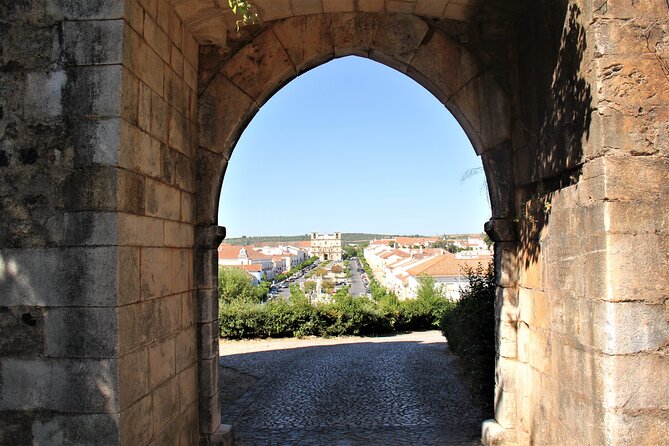
Vila Viçosa is the kind of town where the streets and buildings tell the story if someone helps you read them. This tour gives you a clean structure: you start in the town’s main square area, move through major religious sites, then finish with the defensive power center of the Castle and fortress area.
I like that the pace matches a real-life visit. Each stop is long enough for explanation and photos, but short enough that you keep energy for the next place. And because the tour stays focused on architecture and the stories tied to it, you don’t need to be a specialist to follow along.
If you’re doing the Evora District route and want one experience that feels both classic and personal, this is a strong choice. The group stays small, the language is English, and you’re typically wrapped up in about 2 to 3 hours.
You can also read our reviews of more walking tours in Evora District

Meeting Point at Av. Duques de Bragança 4 and Simple Logistics
You meet at Av. Duques de Bragança 4, 7160 Vila Viçosa, Portugal and the walk ends back at that same spot. The start time is 9:30 am, so it fits nicely into a travel day where you want something meaningful before the rest of your afternoon plans.
This tour is near public transportation, which helps if you’re not staying right in the center. You’ll also use a mobile ticket, so you can keep everything on your phone.
The group size is capped at 10 travelers, and that matters more than it sounds. A smaller group means the guide can point things out more clearly, you can ask questions, and you’re less likely to get lost in the shuffle outside major monuments.
Stop 1: Terreiro do Paço and the Town’s Power Center
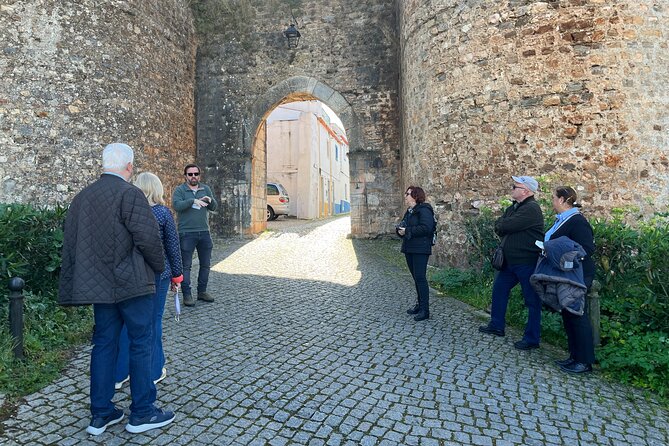
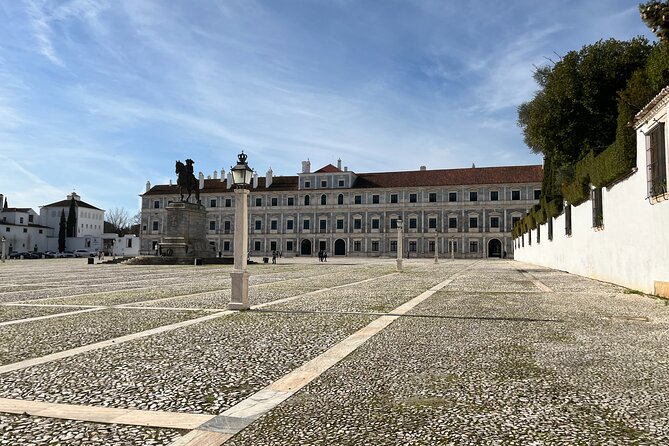
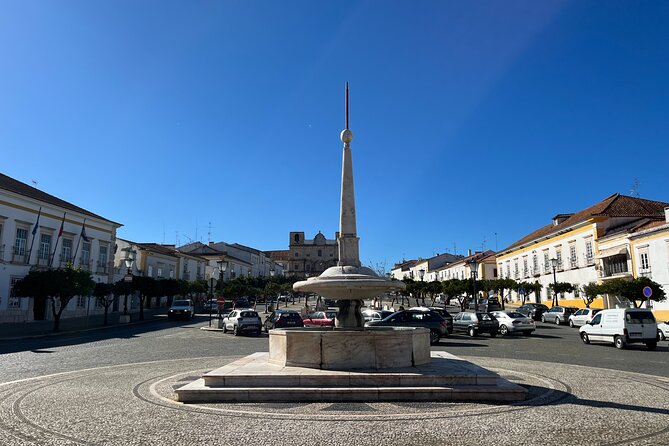
Stop 1 is Terreiro do Paço, with about 40 minutes here. This square area sets the tone for the entire walk because it contains a cluster of landmark types: royal, religious, and civic.
Here’s what your guide will cover as part of the square’s architectural heritage:
- Paço Ducal (Ducal Palace)
- the equestrian statue of D. João IV
- Church of Agostinhos
- Porta do Nó
- Convento das Chagas de Cristo
The value of starting here is orientation. Instead of hopping between unrelated sights, you begin with a place where multiple threads of town life overlap. You’ll hear about the history behind how the square and its major buildings came together, plus stories connected to construction and the people tied to them.
A practical tip: take a moment before the guide moves on to look at how these buildings frame the square. Even if you’re not an architecture nerd, it helps you see why this area matters.
Stop 2: Church of S. Bartolomeu With Architectural Details
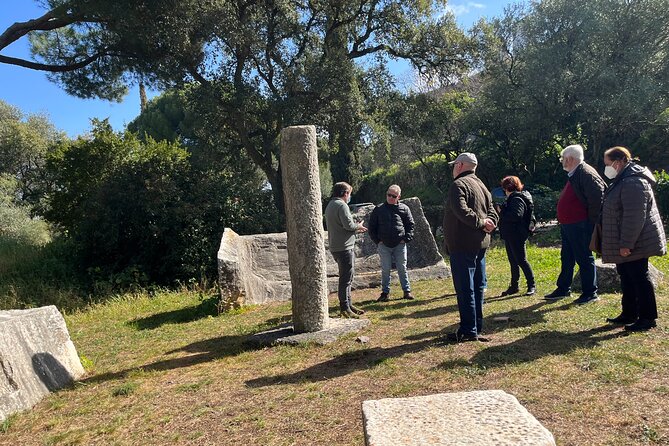
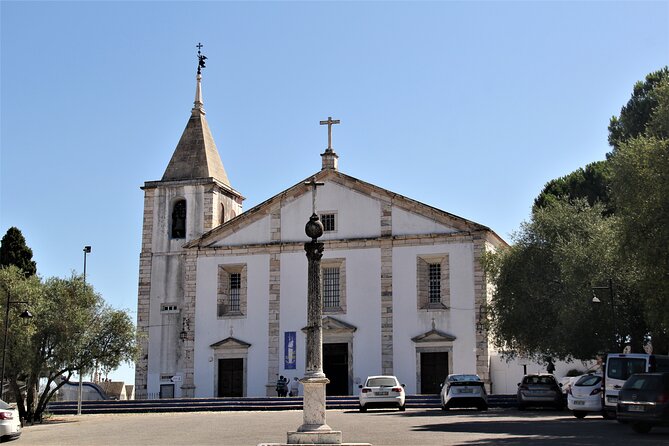
Next up is Church of S. Bartolomeu (Vila Viçosa) for about 20 minutes. This stop is shorter, and that’s on purpose: it’s a focused introduction to another side of Vila Viçosa’s identity, this time through church architecture and its historical background.
Your guide will talk through the church’s architectural heritage, including the history of its construction and the associated stories. For me, this kind of stop works best when you let it be what it is: a “spotlight moment,” not a long detour.
If you’re the type who likes to understand why a building looks the way it does, you’ll probably enjoy how the guide ties design and time together. And because the entrance is listed as free, you can spend your money on the experience itself rather than trying to budget for add-on fees.
Stop 3: Sanctuary of Our Lady of the Conception and Portugal’s Patron Saint
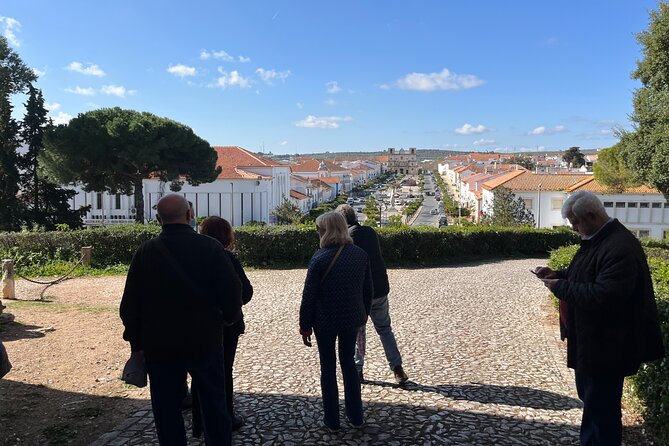
Stop 3 is the Sanctuary of Our Lady of the Conception (Vila Viçosa) for about 20 minutes. This is the emotional and national-myth part of the route.
The guide explains the sanctuary’s architectural heritage while connecting it to the patron saint of Portugal. You’ll also hear about the sanctuary’s construction history and why it became prominent in the broader history of Portugal.
This stop is short, but it’s not fluff. Even in twenty minutes, the sanctuary gives you a sense of how religious devotion shapes places over time, not just worship inside walls but the role a site can play in a country’s story.
If you want a quiet, respectful moment in the middle of a walking tour, this is a good place to slow down. Keep your voice low, listen to the story, and you’ll feel the shift from civic space to spiritual significance.

Stop 4: Castle of Vila Viçosa, Fortaleza, and the Pelourinho
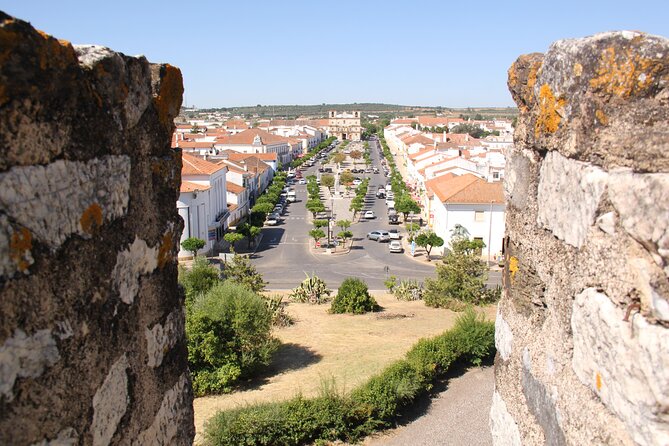
The final anchor is the Castle of Vila Viçosa area, including the fortaleza and the Pelourinho, for about 40 minutes. This stop is where Vila Viçosa’s defensive and civic identity comes into focus.
Your guide highlights the architectural heritage of:
- the Castle and Fortaleza
- the Pelourinho
- plus the history of the buildings and the associated stories
This is the “how the town protected itself and defined itself” segment. The architecture here tends to feel more dramatic simply because of scale and position, and your guide’s job is to translate that drama into understandable context.
One of the standout themes in the experience is the personal touch from local guides. People described how guides connected the castle area to their upbringing and deep familiarity with the town. If you’re hoping for more than textbook facts—if you want the sense of a place being explained by someone who truly knows it—this is where that comes through most.
The Guide Makes the Difference: English, Professional-Informal, and Local Pride
This tour is led by a professional yet informal local guide, offered in English. That combination is a sweet spot. You get real structure and accurate context, but the tone stays friendly and human.
Guides featured in the experience include locals such as Joaquina (including Joaquina Peixinhos) and João Bravinho. What stood out is how they don’t just list facts. They connect the buildings to people, wars, and political shifts, and they keep the explanations moving at a pace that feels made for walking.
You can also expect humor and an easy back-and-forth feel. In other words, it’s not a stiff lecture where you feel like you’re in the wrong place if you ask a question. If you’re the kind of traveler who wants to understand how the town fits into Portuguese history, you’ll likely appreciate the way the guide handles stories.
And yes, the group size helps here too. With up to 10 travelers, the guide can actually respond to questions without racing through everyone.
Price and Value: What $36.04 Buys You (and Why It Feels Fair)
The price is $36.04 per person for about 2 to 3 hours. At first glance, it might feel like a lot if you compare it to doing sights on your own. But here’s what you’re really paying for:
- A local guide who connects architecture and stories
- a route that hits the town’s main anchors without wasting time
- free admission noted for each stop
- an experience format that’s small-group rather than crowd-managed
The practical value is time. Instead of you trying to piece together who’s who and why each site matters, the guide gives you a guided narrative that makes the buildings easier to remember.
Another quiet value signal: it’s commonly booked about 10 days in advance. That doesn’t mean you can’t find space, but it does suggest people use this as a go-to activity in the area. If your schedule is tight, booking earlier usually keeps options open.
Physical Pace and What to Bring
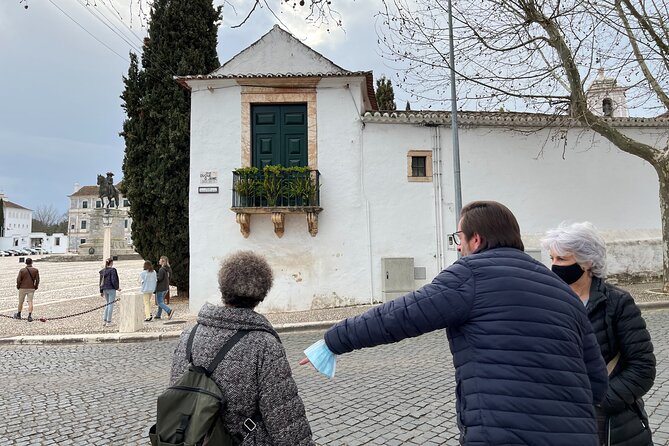
The tour calls for moderate physical fitness. That’s usually the sign of a real walk through historic streets—enough movement to plan for comfort, not enough to turn it into a hike.
Since there’s no food or drinks included, I recommend you start with a sensible breakfast or a snack before the 9:30 am start. Bring water, and wear shoes you’re comfortable with for a couple of hours of steady walking.
Because the stops are mostly exterior architecture and town landmarks, you’ll also want to keep your phone or camera ready. The guides often point out specific elements—statues, entrances, religious architecture details—so having something to reference later helps.
Who Should Book This Vila Viçosa Walking Tour
This is a great fit if:
- you want an organized walk that still feels personal
- you like architecture when it’s explained with stories
- you’d rather spend time with a local guide than self-guiding with guesswork
- you prefer a small group experience in English
It might be less ideal if:
- you’re only interested in long museum time or heavy independent wandering
- you need an experience that includes food or drinks (this one does not, unless something specific is added later)
- you’re uncomfortable with moderate walking and a couple of hours on your feet
Should You Book? My Take
Book it if you want a well-paced, story-forward way to understand Vila Viçosa fast. The combination of four major stops, free admission, and a local guide who brings personality makes this feel like more than a checklist tour.
Skip it only if you’re arriving with no interest in architecture or you need a tour that doubles as a full-day plan with meals. If you’re aiming for a focused morning experience in the Evora District, this walking tour gives you a smart return on time.
FAQ
How long is the walking tour in Vila Viçosa?
It lasts about 2 to 3 hours.
What language is the tour offered in?
The tour is offered in English.
Where do we meet the guide for the tour?
The meeting point is Av. Duques de Bragança 4, 7160 Vila Viçosa, Portugal.
What time does the tour start?
The start time is 9:30 am.
Is admission included for the stops?
Each listed stop has admission marked as free, and the tour includes the guided experience and commentary.
What is included in the price?
The price includes a professional yet informal local guide. Food and drinks are not included.
What is the cancellation policy?
You can cancel for a full refund if you cancel at least 24 hours before the experience’s start time. Free cancellation is available up to 24 hours in advance.