REVIEW · PORTIMAO
Visit Silves & Explore the Arade River | Eco-Friendly Solar Boat
Book on Viator →Operated by Algarve SUN BOAT Trips · Bookable on Viator
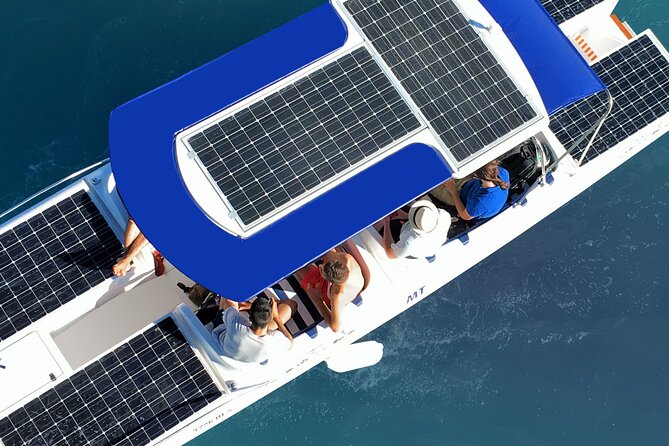
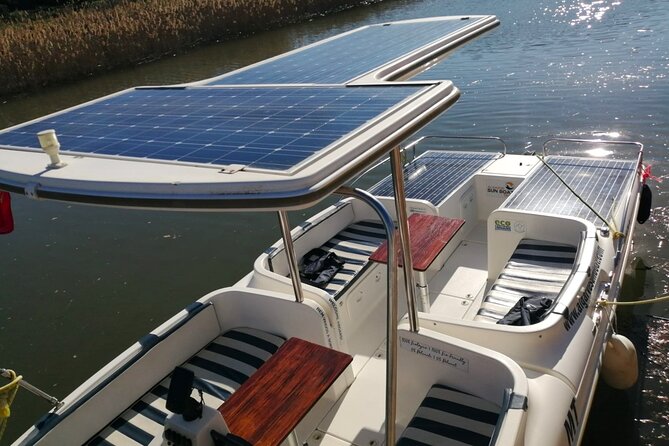
This trip runs on solar power, so the boat is almost silent. You get smooth river views of Portimão and the Algarve while a guide brings the area to life, with names like Ricardo, Pedro, Antonio, and Marco often at the helm. Then you step into Silves, with time to wander at your own pace instead of being herded from one stop to the next.
Two things I really like: the capped group size (up to 10 people) that keeps the vibe calm, and the live, on-board commentary that turns bridges, forts, and old buildings into a story you can actually follow. One thing to think about: getting on and off the boat can be tricky if you’re not very steady on your feet, and it’s not the best fit for reduced mobility.
In This Review
- Key Highlights You’ll Feel Right Away
- Entering The Arade River Experience: Quiet, Views, and Real Local Stories
- Marina de Portimão Departure: Where the Tour Actually Starts
- Ferragudo Stop: São João Fort and the River Defense Logic
- Portimão’s Convent Area: São Francisco Complex Without the Usual Visit
- Portimão Museum at the Old Fish Factory: Industry Meets the River
- The Oldest Portimão Bridge and the Iron-Architecture Story
- The Railway Bridge (1915–1919) and Why It Still Matters
- Silves Time: Medieval Streets and a Flexible 90-Minute Window
- Guides, Group Size, and the Helm-Ready Feeling
- Eco Value That’s More Than a Buzzword
- Price, Timing, and Getting Your Money’s Worth
- Who Should Book This (And Who Might Skip It)
- Should You Book This Arade River Solar Boat Tour?
- FAQ
- What language is the tour offered in?
- How long is the cruise and Silves visit?
- Where do we meet for the tour?
- How big is the group?
- Is smoking allowed on board?
- Are service animals and pets allowed?
- What happens if poor weather cancels the tour?
Key Highlights You’ll Feel Right Away
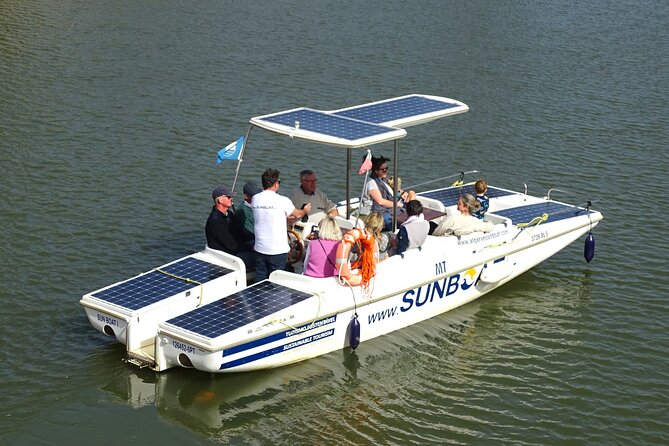
- Almost silent solar cruise where you hear the water instead of an engine
- Small-group feel (max 10 people) so questions and conversation stay easy
- Silves on your schedule with about 90 minutes to explore and choose your own lunch
- Ferragudo Fort São João and other river landmarks explained in plain, human terms
- Big views, little hassle as you watch Portimão’s riverfront evolve from the water
Entering The Arade River Experience: Quiet, Views, and Real Local Stories
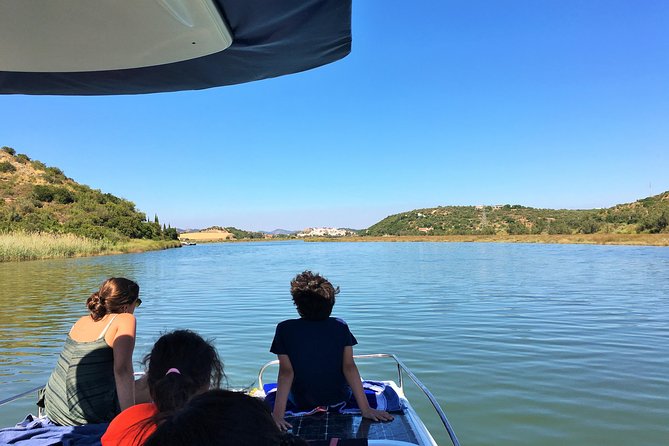
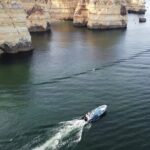
The Arade River is wide enough to feel open, but calm enough that this solar boat experience feels gentle. The big difference is sound. With solar power driving the boat, the ride is so quiet you can focus on details: bird calls, the soft movement of water against the hull, and the way buildings change shape as you move downriver.
You’re not just looking at scenery from a distance. You’re also learning what you’re seeing in a way that sticks. Guides I’ve encountered on this kind of trip tend to connect the dots between fishing, defense, industry, and today’s tourism. On this specific route, that story comes up constantly, from Ferragudo’s forts to Portimão’s bridges and rail structures.
And then there’s the payoff: Silves. That stop isn’t a quick photo moment. You get time to walk the medieval streets, check out the cathedral and castle area, and decide what kind of lunch you want rather than racing a fixed schedule.
You can also read our reviews of more boat tours in Portimao
Marina de Portimão Departure: Where the Tour Actually Starts
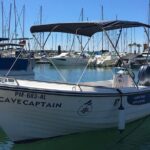
Your tour begins at the marina area in Portimão, departing from Pier A at Marina de Portimão. The meeting point is at Algarve SUN BOAT Trips (Cais M), but there’s an important detail that can save you stress: the kiosk isn’t where you board.
For boarding, look for the boarding pier M on the north side of Portimão Marina, with car access via Rua Simão Correia. Check in about 15 minutes before departure so you’re not scrambling when the group is called.
No hotel pickup is included, so plan to get yourself to the marina on your own. Parking can be extra in high season, so if you’re driving, factor that cost in before you decide.
Ferragudo Stop: São João Fort and the River Defense Logic
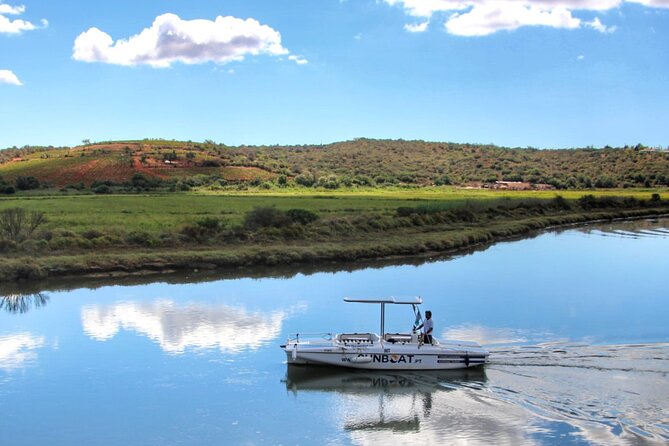
Ferragudo sits right on the bank of the River Arade, and the fort of São João turns that geography into a defense story you can picture immediately. This was a 17th-century fort, positioned to work with Fort of Santa Catarina across the river in Portimão, forming part of a coordinated plan to protect the river estuary.
Here’s what makes this stop more than trivia: it shows how the river functioned like a highway. If you control the water route, you control what can come and go. That idea keeps repeating later with the bridges and industrial buildings you pass near Portimão.
After the 1755 earthquake, the fort was rebuilt. It stayed in military use until the end of the 19th century, then was sold at public auction and later turned into a private residence by poet Coelho Carvalho. Today the fort is maintained, and it’s described as having walls connected to nearby paths and features like guardhouses and a garden.
From the boat, this kind of structure hits differently than it would on a fast street visit. You see its positioning first, then you understand the why.
Portimão’s Convent Area: São Francisco Complex Without the Usual Visit
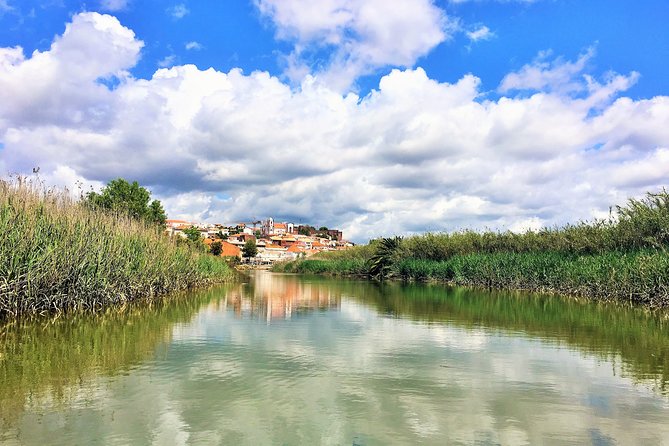
As you continue along the river corridor, you’ll hear about the Convent of São Francisco, an architectural complex dating to the 16th century. The description is unusually specific: it developed from houses donated by Simão Correia, captain of Azamor, plus a small chapel built in honor of Nossa Senhora da Esperança as a protection promise during wars. The convent itself was built later, in 1541, and the buildings connect in a coordinated way.
Now for the reality check. The property is described as being of public interest but privately owned and not open to visits, with an advanced state of degradation. So you won’t get a guided walk through rooms. What you do get is a moment to look at the complex from the river viewpoint and understand why it matters.
That’s a valuable approach on a short trip. Instead of forcing you into what you can’t access, the guide gives context so the outside you see still feels meaningful.
Portimão Museum at the Old Fish Factory: Industry Meets the River
Portimão Museum is located in the former fish canning factory called Feu Hermanos along the riverside. This stop matters because it explains the river’s economic role. A river like the Arade isn’t just for boats and views; it’s tied to work—fishing, processing, shipping, and the whole chain behind what ends up on menus.
Even if you don’t go inside the museum itself, it helps to know what building you’re seeing. Old factories often look like simple concrete from the outside. With the right context, you start noticing how close everything sits to the water and how the river shaped daily life.

The Oldest Portimão Bridge and the Iron-Architecture Story
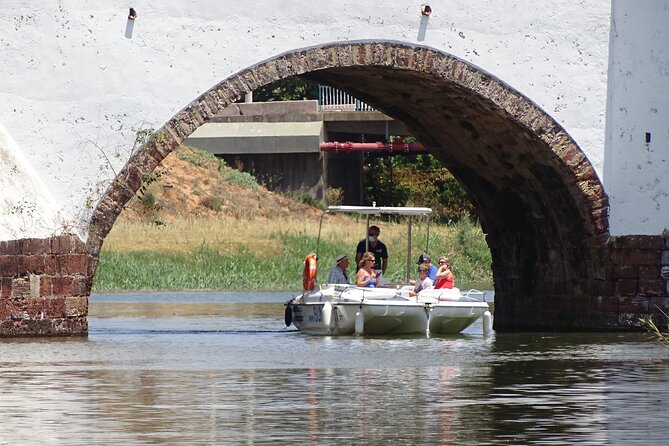
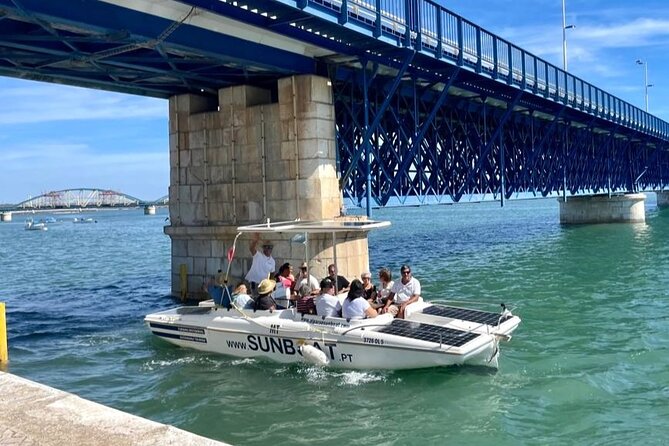
Later in the cruise, you pass the oldest bridge of Portimão, which connects Portimão and Parchal (in the municipality of Lagoa). In the last quarter of the 19th century, the riverside area changed as an embankment began in 1863, aiming to support new river crossing infrastructure.
A key detail from the tour narration is that the river bridge was built by a French company called Five Lille, under engineer Bonnet. Construction started in January 1875 and finished in April 1876. Next to it is the neighboring railway bridge, and together they’re described as good examples of iron architecture in the Algarve.
This part is surprisingly fun if you like engineering. You don’t need a civil engineering degree—just pay attention to how the bridge shape relates to spans and river flow. From the water, you get a better sense of scale, plus you see how transportation links grew alongside Portimão’s industry.
The Railway Bridge (1915–1919) and Why It Still Matters
The cruise also covers the metallic railway bridge built between 1915 and 1919 by the Empresa Industrial Portuguesa. It’s described at 300 meters long, with 6 spans using iron arch beams supported on stonework pillars. The bridge inauguration took place July 30, 1922, which allowed the railway line extension from Tunes to Lagos.
This is one of those moments where the quiet boat makes the info land better. When you’re not fighting engine noise, the guide’s pacing feels easier to follow, and the story about how lines expanded across the Algarve feels connected to the real physical structures passing by.
Then, closer to modern road connections, the tour also references another major crossing: a bridge structure completed in 1999, located between Calvário and Companheira. It’s described as the main point connecting Portimão and Lagoa councils, part of EN 125.
So you end up with a timeline you can see: older river defense and industry, then bridges and rail, then the road-era links.
Silves Time: Medieval Streets and a Flexible 90-Minute Window
Eventually you reach Silves, the medieval town that’s the main reason many people pick this tour. What I like here is the balance: you’re not locked into a scripted walking tour, but you’re also not left completely alone without context.
You typically have about 1.5 hours in Silves to explore on your own. That’s enough time to get your bearings fast, walk toward the cathedral and castle area, and then choose how you want to eat. If you’re the kind of person who likes to decide lunch by the look of a café menu, this stop gives you that freedom.
A good move is to spend the first part walking. Silves has narrow streets and classic stone architecture that looks better once you get off the main straightaways. Then save time for a snack or full lunch by the riverside. Some guides also add little touches on the return, and you might even hear about fresh orange juice or a castle-area café, depending on conditions and timing.
The big benefit of Silves as a stop is variety. You start on the water among forts and bridges, then you switch to old town textures—stone, shade, and the feeling of a real place rather than a “stop-and-go” attraction.
Guides, Group Size, and the Helm-Ready Feeling
This is not a mega-tour. The maximum group size is 10 travelers, which changes everything. You hear the commentary without straining, and you can ask questions without feeling like you’re shouting over a crowd.
Guides on this route include Pedro, Antonio, Marco, and Ricardo—and the common theme is warmth plus humor. You’ll often get a mix of river history, local wildlife observations, and small human moments that make it feel more like a shared afternoon than a ticketed routine.
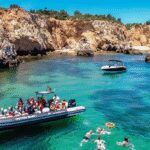
Wildlife is part of the experience. On this kind of Arade cruise, people frequently spot big birds like egrets and storks, and sometimes other sightings such as flamingos. The quiet boat helps here because you’re not blasting noise, and the guide can point out what to watch for.
Also, a small but memorable detail: in some departures, you may get a chance to steer the boat while docked or during an appropriate moment, which is a fun way to connect physically with the river.
Eco Value That’s More Than a Buzzword
Solar power on a boat is not just marketing. The practical benefit is simple: less noise and no engine roar. That means the river feels like the main event instead of the background.
You’re also cutting down on emissions compared to conventional propulsion, which is a solid ethical choice in a place where the goal is to see water, birds, and old structures without turning nature into a soundtrack.
This is a great “reset” outing after busy walking days. People tend to feel it right away: a gentle pace, shade on board when conditions allow, and a return trip that feels like drifting rather than traveling.
Price, Timing, and Getting Your Money’s Worth
The price is listed at $50.81 per person, for about 4 hours 30 minutes total. That time includes the cruise plus the Silves exploration window, so you’re paying for both water time and a guided history thread across multiple river landmarks.
Value-wise, I think this works best when you care about three things:
- You want a relaxing way to see Portimão from the water
- You enjoy stories tied to visible structures (forts, bridges, factories)
- You want real free time in Silves rather than a rushed bus stop
If your only goal is maximum museum time or you prefer strictly indoor attractions, you might feel the pace is too leisurely. But if you want a calm afternoon with useful context, the cost-to-experience ratio is typically strong.
One practical timing note: this trip can sell out. It’s often booked about 30 days in advance on average, so if your dates are set, booking early can help.
Who Should Book This (And Who Might Skip It)
Book it if you want:
- A quiet, low-stress outing with a small group
- Guided history that stays tied to what you can actually see
- Time in Silves to explore and pick your own lunch plan
You might consider skipping or switching to another option if:
- You need step-free boarding or you’re limited on mobility, since getting on and off the boat can be difficult
- You’re traveling with small children, since it’s not suitable for small children
- You’re bringing pets, since dogs or other pets are not allowed (service animals are allowed)
Should You Book This Arade River Solar Boat Tour?
Yes, if your ideal Algarve day includes calm water, a guide who explains why structures exist, and a real chunk of time to wander Silves. The solar boat part is genuinely different because it changes what you notice: sound, wildlife, and the feel of the river.
If you’re mainly focused on accessibility, tiny kids, or bringing pets, this probably won’t match your needs. But for most adults and older teens who can handle a boat boarding step, this is one of the better “easy day” choices in the Portimão–Silves corridor.
FAQ
What language is the tour offered in?
The tour is offered in English.
How long is the cruise and Silves visit?
The duration is approximately 4 hours 30 minutes.
Where do we meet for the tour?
You meet at Algarve SUN BOAT Trips at Marina de Portimão, Cais M (R. Simão Correia, Praia da Rocha, 8501-911 Portimão). The activity boards from Pier M on the north side of the marina.
How big is the group?
The boat tour has a maximum of 10 travelers.
Is smoking allowed on board?
No, smoking is not allowed on the boat.
Are service animals and pets allowed?
Service animals are allowed. Dogs or other pets are not allowed.
What happens if poor weather cancels the tour?
If the tour is canceled due to poor weather, you’ll be offered an alternative date or a full refund.