REVIEW · VILA NOVA DE GAIA
Porto: Taylor’s Port Cellars & Tasting
Book on GetYourGuide →Operated by Três Séculos - Realizações Hoteleiras · Bookable on GetYourGuide
Port feels more human here. Taylor’s 300-year-old cellars plus a 13-language audio guide make it easy to learn at your pace, then finish with Port tasting in the garden. One thing to plan for: the grounds have uneven, steep walking, and the cellars stay cool, so bring a light layer.
This is a great Porto day that doesn’t require a bus, a crowd, or a fixed schedule. You’ll walk through a working production world, learn how Port became a category of its own, and end with three classic styles of Taylor’s: Chip Dry, Late Bottled Vintage (LBV), and 10 years old Tawny.
In This Review
- Key takeaways before you go
- Taylor’s Port Cellars in Vila Nova de Gaia: what makes it different
- Getting there from Porto: Rua do Choupelo and your best timing
- The self-guided audio walk: how to make it feel effortless
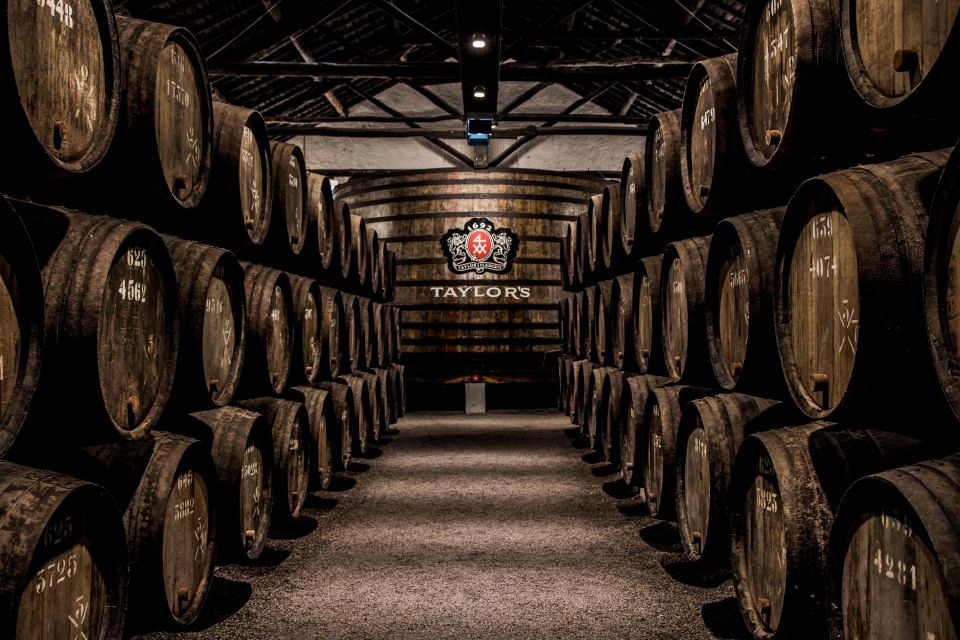
- Inside the Taylor’s 300-year-old cellars: what you’ll actually see
- How Port became Port: Douro Valley basics and Taylor’s key innovations
- The tasting in the garden: three wines, real conversation, and Porto views
- Getting value from the $29 ticket: what you should focus on
- Who should book Taylor’s Port Cellars (and who might not love it)
- Should you book Taylor’s Port Cellars & Tasting?
- FAQ
- How long does the Taylor’s Port Cellars & Tasting experience take?
- Is the tour self-guided?
- What wines are included in the tasting?
- Is there a child option?
- Is the walking difficult?
- When are the Taylor’s Port Cellars open?
Key takeaways before you go
- Self-guided with numbered stops: clear markers let you pause, rewind on the audio, and move when you feel like it.
- 13-language audio handset: you can replay sections without slowing the group down.
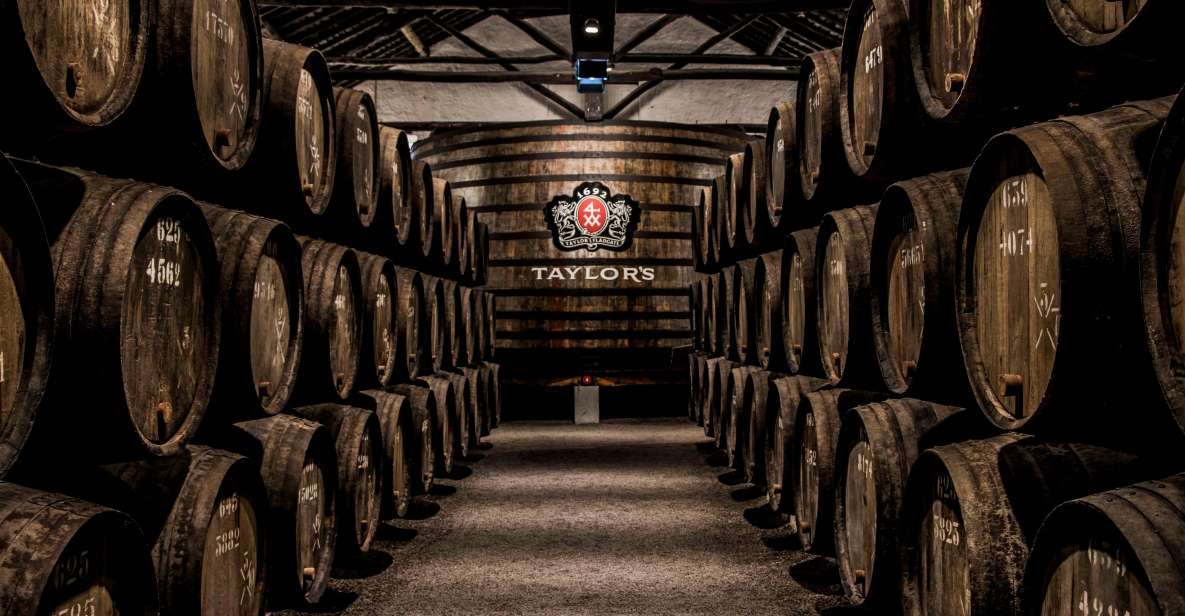
- 300-year-old cellars in Vila Nova de Gaia: cool, aromatic, and full of casks where the story turns real.
- Port tasting with three styles included: Chip Dry, LBV, and 10 years old Tawny, served to you as part of the visit.
- Porto views from the grounds: tasting happens outdoors, with terrace-style outlooks over the city.
- Kids get a Douro Valley grape juice: a simple, thoughtful add-on for families.
Taylor’s Port Cellars in Vila Nova de Gaia: what makes it different
Taylor’s Port is one of those names you hear again and again in Port bars and wine shops. What I like about this stop is that it explains the why behind the bottle, not just the brand. You start with the house’s roots: Taylor’s was established in 1692, and the visit shows how the company helped shape how Port is made and how people drink it.
You’ll also get a practical sense of what Port production is like in the real world. Instead of sitting in a lecture room, you move through the cellar spaces and see the scale of what’s going on. The cellars are part museum, part working wine environment, and that mix helps the details stick.
The pacing is another big win. This is self-guided. That means you can spend extra time where you care—Douro Valley geography, production steps, or Taylor’s evolution—and skip what you already get. If you like a “choose your own interest level” experience, this fits.
Finally, the value comes from the combo: history + production education + a tasting of three distinct Port styles. At this price, you’re not paying just for the label. You’re paying for the setting and the learning you can actually use the next time you’re deciding what to order.
You can also read our reviews of more food & drink experiences in Vila Nova De Gaia

Getting there from Porto: Rua do Choupelo and your best timing
Taylor’s Port Cellars are in Vila Nova de Gaia, at Rua do Choupelo, nº 250, 4400-088 Vila Nova de Gaia, Portugal. From the center of Porto, it’s typically a short taxi ride. One practical clue from people who visit often: a taxi can be around 5 euros for the hop, which can save your legs if you’re stacking multiple Porto sights.
You’ll want to plan around the cellars’ daily hours: open 10:00 AM to 6:15 PM (last entrance). That gives you options for weather too. It’s a smart indoor-ish activity for rain days, but you’ll still end with an outdoor garden tasting.
Timing matters for comfort. The walk around the grounds and between stops is easier when you’re not rushing. And because the cellars stay cool, you’ll feel better if you dress for it. A light jumper or coat is a good call even in warmer months.
One more tip: there can be a bit of confusion in how the numbered areas flow. The good news is staff are around to help you find your way, and the audio guide structure makes it easier to reset if you miss a stop.
The self-guided audio walk: how to make it feel effortless
This visit is built around a handheld audio guide, available in English, Portuguese, Spanish, French, German, Italian, Japanese, Danish, Chinese, Dutch, Polish, Korean, and Russian. You pick a starting time on your chosen date, then go at your own pace through the experience.
I like audio-guided tours when they’re structured, not random. Here, the stops are supported by numbering and clear guidance, which helps you move without feeling lost. You can also replay sections, which is handy if you care about specific parts of Port production or want to catch details a second time.
What you’ll learn through the audio is practical context:
- the history of Port wine and why Douro Valley grapes matter
- the production process in broad strokes
- how Taylor’s shaped the house style over time
- the connection between innovation and what ends up in your glass
The experience can take about 1 hour 30 minutes to 1 hour 45 minutes for the audio portion, and many people finish the tasting soon after. If you’re hoping for a relaxed pace, I’d plan closer to 2 hours total for everything—audio plus tasting.
If you’re the type who likes to look first, read second, this setup works well. You can pause your audio, take photos, and restart when you’re ready. If you’re traveling with friends or family who have different interests, you won’t be stuck together at the same speed. The cellars are big enough that you can spread out a bit and meet up at the tasting area.
Inside the Taylor’s 300-year-old cellars: what you’ll actually see
The main event is the cellar experience itself. The setting is cool and aromatic, and it can feel like stepping into an older rhythm of work rather than a staged attraction. The audio guide helps connect what you’re seeing—casks, cellar spaces, and the house’s long production story—to real Port-making ideas.
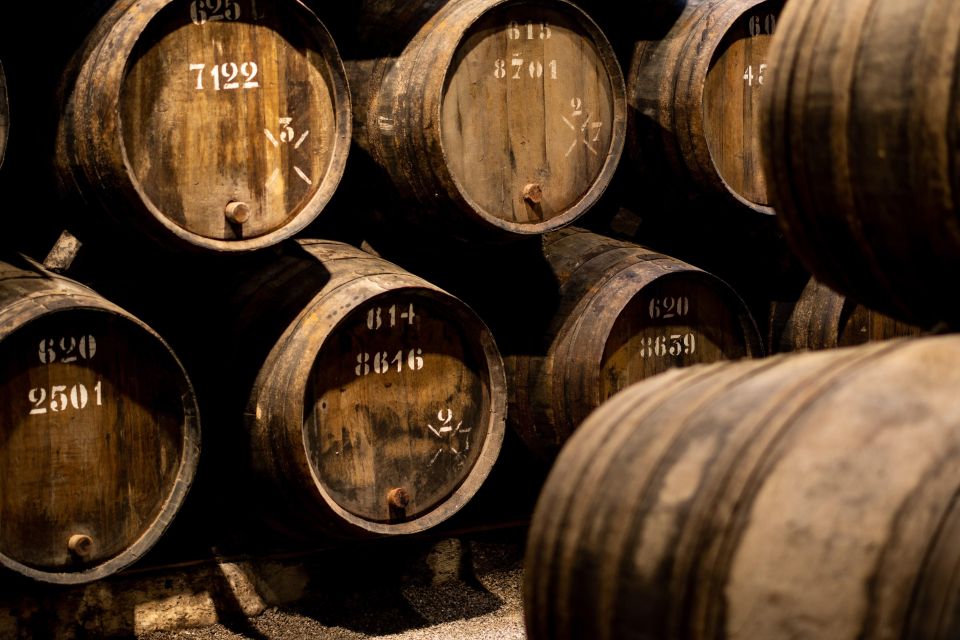
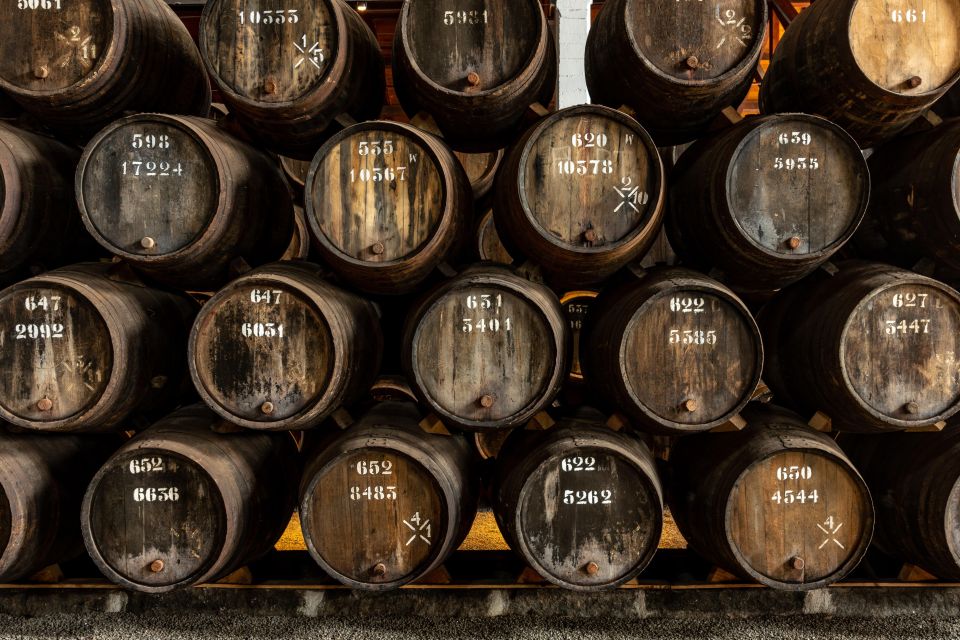
You’ll spend time in areas filled with barrels/casks, and that visual scale does something textbooks can’t. Port is made on a massive timeline. Seeing the volume of containers helps you understand why the aging styles matter so much—especially with Tawny and LBV, which rely on time to develop character.
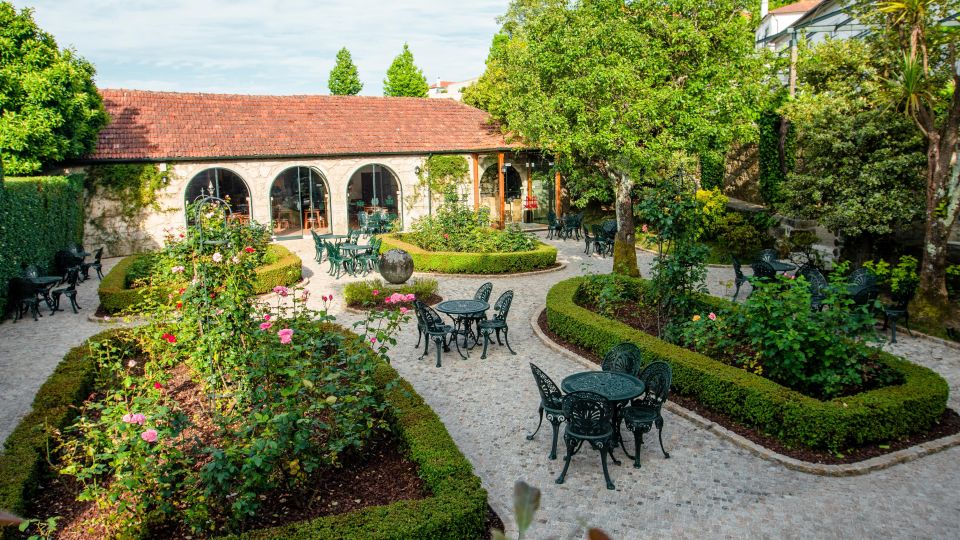
The grounds also connect the cellar world to the view of Porto. People often call out the terrace-style outlooks near the tasting spaces, which makes the walk feel like more than a humidity-filled cave tour. You get those “oh, this is why people come” moments when the city appears beyond the vines and walls.
Two comfort considerations:
- Uneven and steep surfaces: this isn’t a flat stroll. If your walking is limited, you’ll feel it.
- No lockers noted: don’t plan on storing bulky items onsite. Keep bags simple.
And one small-but-useful travel note: the cellars are cool. Even if the weather above is mild, your visit inside will feel cooler. Bring a layer so you stay comfortable through the audio portion and into the tasting.
How Port became Port: Douro Valley basics and Taylor’s key innovations
The audio guide is where you’ll get the story in a way that makes sense fast. Port starts with the Douro Valley, but the point isn’t just geography. It’s how the grapes and climate shape the wine, and why Port became a style with its own logic and rules.
You’ll also see how the house of Taylor’s connects history with change. Two concepts that the experience highlights clearly are:
- Taylor’s role in the first Dry White Port presentation
- creation of Late Bottled Vintage (LBV), a style that changed how people think about Port aging and bottling
Why those details matter for you: they help you order with confidence. When you know the logic behind a Dry White Port versus a Tawny versus an LBV, you stop guessing based on sweetness alone. You understand that each bottle represents a different choice in how Port is made and aged.
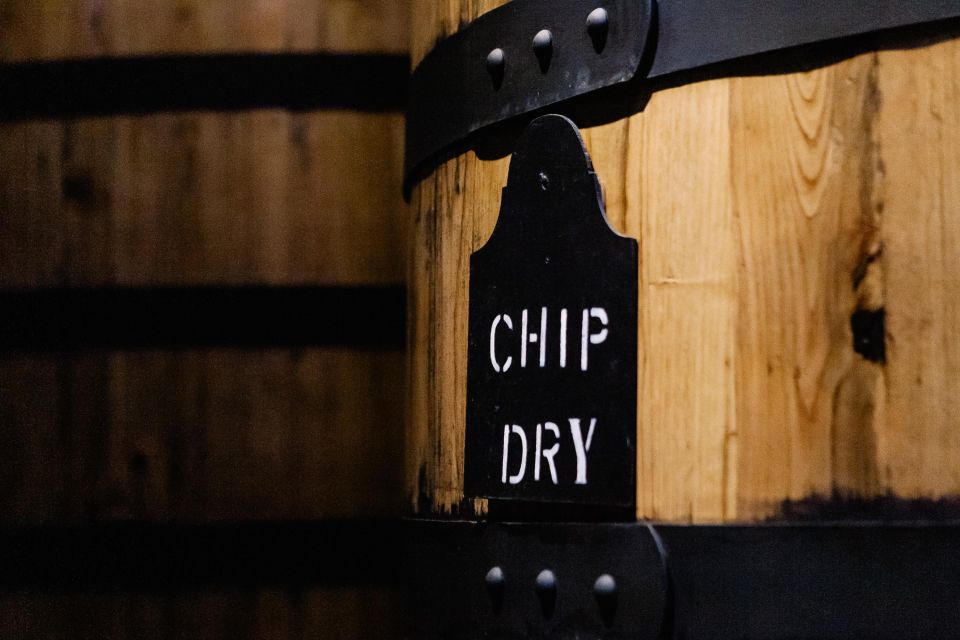
Chip Dry (Extra Dry White) is the “think differently” glass in the set. Late Bottled Vintage (LBV) is where you see how time in cask influences flavor and structure before bottling. And 10 years old Tawny shows what gradual aging can do—often with a smoother, more mellow profile than younger styles.
Even if your Port knowledge is limited, the audio guide helps you build a mental checklist: grape origin, production approach, and aging choices. After that, the tasting at the end isn’t random. It’s the proof.





The tasting in the garden: three wines, real conversation, and Porto views
The tasting is the payoff, and it’s placed in a setting that feels like a break from the cellars rather than an extension of them. You taste three wines:
- Chip Dry – Extra Dry White
- Late Bottled Vintage (LBV)
- 10 years old Tawny
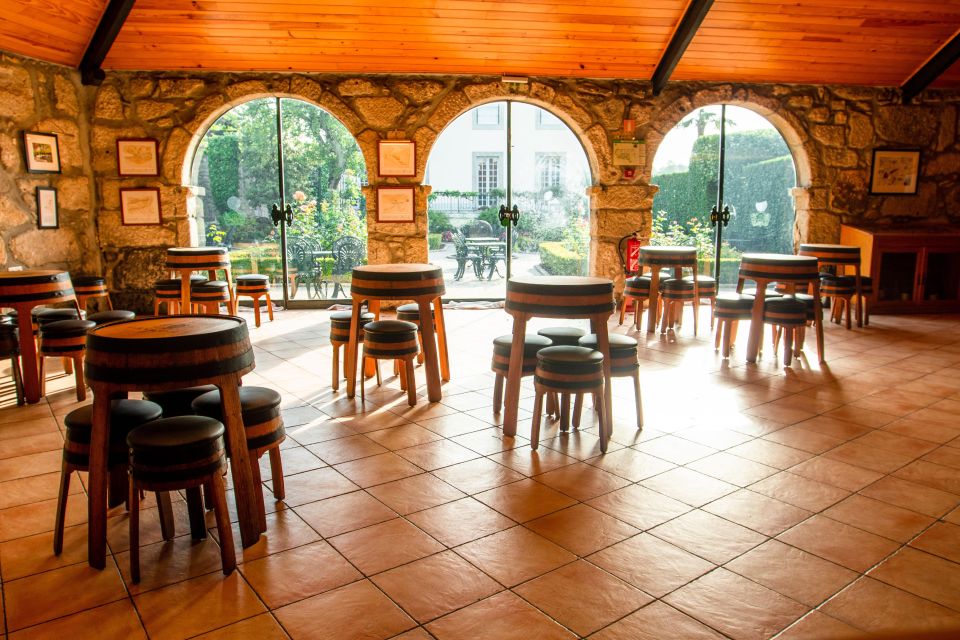
The atmosphere is outdoors in a beautiful shady garden, with people describing terrace-style Porto views from the grounds. That combination matters. Port tastings can sometimes feel formal or rushed. Here, the space makes it easier to slow down, compare the glasses, and talk through what you’re noticing.
A big point: the tasting portions are described as generous for a tasting. That means you’ll get enough in each glass to actually notice differences, not just take a sip and move on.
Staff involvement tends to feel personal at the tasting stage. Names that have come up include Pedro, José, and Mari, and the tone is welcoming and responsive—people have asked questions and been answered. If you’re curious about what to buy later, you’ll likely get clearer guidance than you would from a quick pour at a bar.
If you want to extend the experience, there’s also an option to eat with the tasting area. A menu is available, and some pairings are suggested. It can cost extra, so think of it as a bonus, not a requirement.
One more practical tip: because tasting is outdoors, dress for comfort. Even if the cellars are cool, the garden can feel cooler in the shade.
Getting value from the $29 ticket: what you should focus on

At about $29 per person, the best value here isn’t just the wine. It’s the full package: self-guided cellar access, the audio handset in multiple languages, and the structured tasting of three Port styles.
To maximize what you get:
- Give yourself time for the audio portion. Many people spend around 1h30–1h45 listening.
- Don’t rush the tasting. The outdoor setting is a chance to compare the wines side by side.
- Use the tasting to decide what you like, not to memorize everything. Your goal is to walk out knowing what you’d order next.
If Port is new to you, start by thinking in categories:
- Chip Dry is about lighter, drier expression.
- LBV is about intermediate aging and a ready-to-drink style.
- 10 years old Tawny is about longer, time-based development.
If you’re already a Port fan, pay attention to how the house’s innovations connect to the styles in your glass. Taylor’s is a long-established brand, but it also shows how house choices shaped the Port market over time. Seeing that logic makes it easier to appreciate why some styles became popular.
One more value signal: there’s no hard pressure in the tasting flow. You can taste, ask questions, and then decide what to do next—especially if you want to purchase extra bottles or special pours.
Who should book Taylor’s Port Cellars (and who might not love it)
This is a strong fit if you want a Port experience that feels both historic and practical. You’ll like it if you enjoy:
- self-guided museum-style walks with a helpful audio guide
- learning how wine styles evolve
- comparing multiple Port styles in one sitting
- taking in views of Porto from the garden/tasting area
It’s also good for families. A grape juice from the Douro Valley is included for children, which keeps the experience from feeling adult-only.
A caution for some visitors: because the surfaces can be uneven and steep, it may be tough if you’re dealing with mobility issues or limited walking stamina. If walking is difficult for you, consider going at a time when you can take breaks and expect extra effort.
If you’re short on time in Porto, this can still work. Plan for around 2 hours for a typical visit, and then you can pair it with a meal or a Porto riverside walk afterward.
Should you book Taylor’s Port Cellars & Tasting?
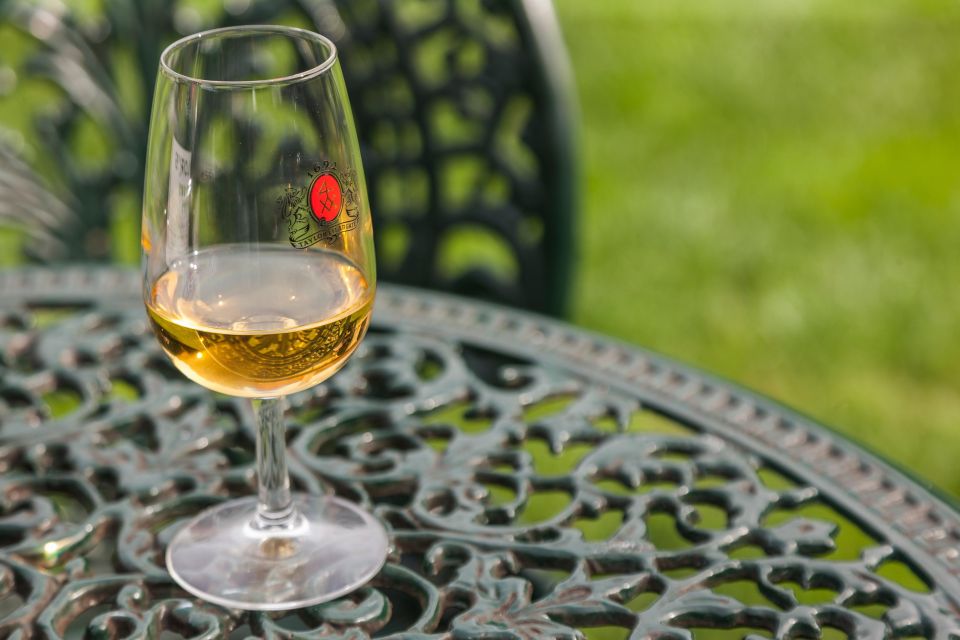
If you want a Porto day that mixes history, real cellar atmosphere, and a guided tasting of three styles, book it. The audio guide makes learning easy, and the garden tasting with Porto views feels like a natural reward at the end.
I’d skip it only if walking steep, uneven ground would be a real problem for you. Otherwise, this is a smart buy: you leave with a better Port vocabulary and three wines you can actually compare when you’re back in Porto choosing what to drink.
FAQ
How long does the Taylor’s Port Cellars & Tasting experience take?
Plan about 2 hours total for the full visit. The audio-guided portion is often around 1 hour 30 minutes to 1 hour 45 minutes, followed by the included tasting.
Is the tour self-guided?
Yes. The visit is self-guided with an audio guide, on your selected date and hour.
What wines are included in the tasting?
The tasting includes three wines: Chip Dry (Extra Dry White), Late Bottled Vintage (LBV), and 10 years old Tawny.
Is there a child option?
Yes. Children receive 1 grape juice from the Douro Valley as part of the experience.
Is the walking difficult?
It can be challenging. The surfaces are uneven and there are steep areas, so it may not be ideal if you have difficulty walking.
When are the Taylor’s Port Cellars open?
They are open daily from 10:00 AM to 6:15 PM, with the last entrance at 6:15 PM. Bank holiday hours may vary.