REVIEW · NORTHERN PORTUGAL
PREMIUM TASTING and TAPAS with GUIDED TOUR
Book on Viator →Operated by Quinta do Beijo · Bookable on Viator
Wine, bread, and history in one hour. This small-group tasting at Quinta do Beijo trades big coach crowds for an authentic, family-run winery visit in Northern Portugal, including a walkthrough of their century-old cellars. I like that you get the real rhythm of the place instead of rushing through a checklist—though the timing is tight, so it’s not the tour for people who want an all-afternoon crawl.
What I really enjoyed is the focus on how wine changes through the winemaking process. You’ll taste wines from Quinta do Beijo’s portfolio while learning the difference between worked vs aged wines, and then round it out with a proper tapas spread and a 10-year port pairing. The only thing to consider is that the menu items are set, so you’ll want to be okay with what’s planned rather than customizing your own flight.
In This Review
- Key things to know before you go
- A Small-Group Wine and Tapas Stop in Northern Portugal
- Quinta do Beijo’s Cellars: Where the Tour Actually Feels Like a Winery
- Worked vs Aged Wines: Turning Taste Into Real Understanding
- The DOC wine starter set
- Tapas Pairings at Quinta do Beijo: Bread, Oil, Cheese, Chorizo, and Aged Ham
- Porto Dessert: Tawny 10 Years Old and White Port 10 Years Old
- Price and Value for a One-Hour Wine Experience
- Who This Tour Fits Best (and Who Might Want More Time)
- Should You Book Quinta do Beijo Premium Tasting and Tapas?
- FAQ
- Where does the tour start?
- How long is the experience?
- How big is the group?
- What language is the guided tour in?
- What’s included in the tasting and food?
- What wines are part of the starter tasting?
- Do I need a paper ticket?
- Is free cancellation available?
- When should I plan to book?
Key things to know before you go
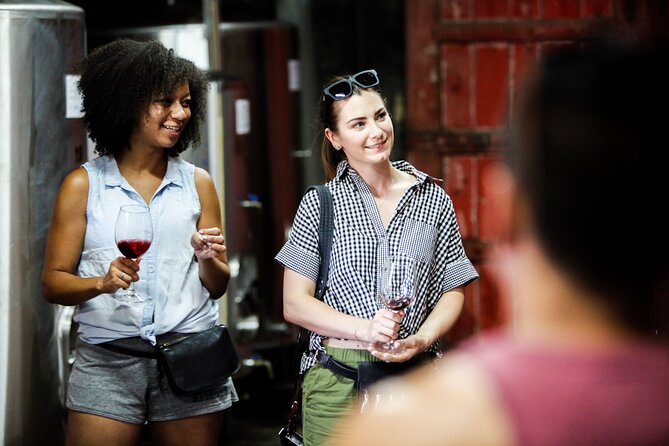
- Max 16 people keeps it conversational and easier to ask questions.
- Century-old cellars give context for both tradition and production choices.
- Worked vs aged wine tasting helps you taste the difference, not just hear about it.
- Tapas included: bread, olive oil, cheeses, chorizo, and aged ham are part of the experience.
- 10-year Porto dessert closes the tasting with Tawny 10 years old and White Port 10 years old.
A Small-Group Wine and Tapas Stop in Northern Portugal
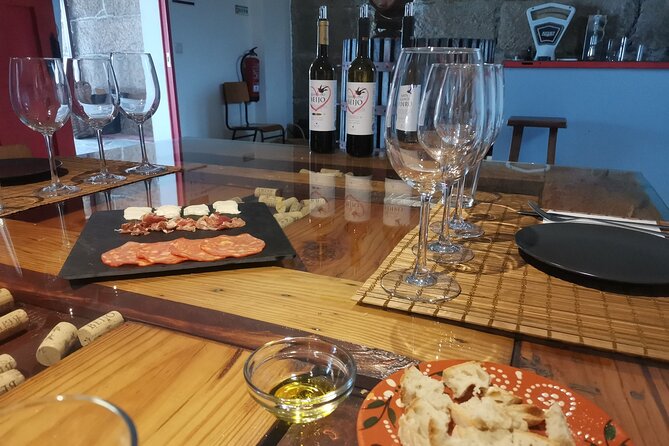
This one-hour experience hits a sweet spot: enough time to understand how a Portuguese winery works, without dragging you through a half-day of standing around. The meeting point is at Quinta do Beijo, Sociedade Agrícola e Comercial LdaR. de São Bento No 1, 5060-011, Portugal, and the tour ends back there too, so you’re not left figuring out the logistics after your tasting.
The big selling point is the format. You’re capped at 16 travelers, which changes the whole vibe. Smaller groups mean the guide can slow down when you’re curious, and you can actually hear the explanations instead of playing game-show audio roulette in the back of a large crowd.
At $60.34 per person and about 1 hour, this isn’t a budget “sip and leave” stop. It’s priced more like an organized tasting with food, guidance, and access to their cellar spaces. For most people, that’s a fair trade—especially if you’re the kind of traveler who wants to learn what you’re drinking while still having a social moment at the table.
You can also read our reviews of more food & drink experiences in Northern Portugal
Quinta do Beijo’s Cellars: Where the Tour Actually Feels Like a Winery
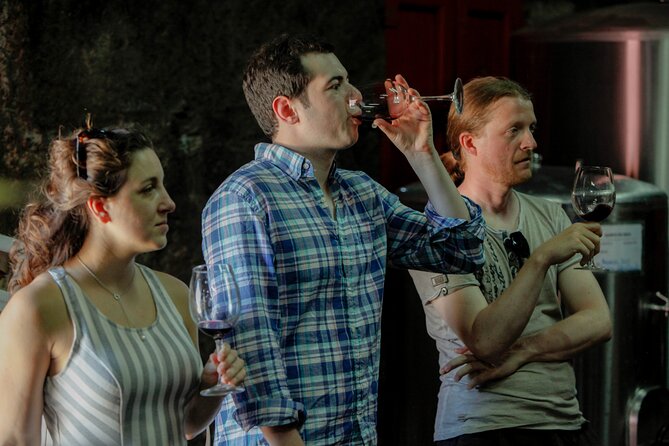
The highlight here is the guided walk through the winery, including an explanation of the traditional process of winemaking at Quinta do Beijo. You’re not just tasting in a bright tasting room; you’re shown the production side of the house, and that’s where the story becomes real.
Their cellars are described as century-old, and that matters. When you see older spaces used for modern work (and hear why certain methods were kept), you get a better sense of how “tradition” isn’t just marketing—it affects aging, temperature stability, and the overall handling of the wine. Even if you’re not a wine nerd, you’ll understand the practical logic faster when you’re standing where it happens.
One more detail that helps: the guide’s style. Reviews mention an engaging host and a beautiful venue, so expect a tour that tries to keep energy up and keep the group involved rather than reading a script while everyone stares at glassware.
Practical tip: wear comfortable shoes. Cellar areas can mean uneven floors and short walks between tasting points. You’ll be happier if you’re not thinking about your footing the whole time.
Worked vs Aged Wines: Turning Taste Into Real Understanding
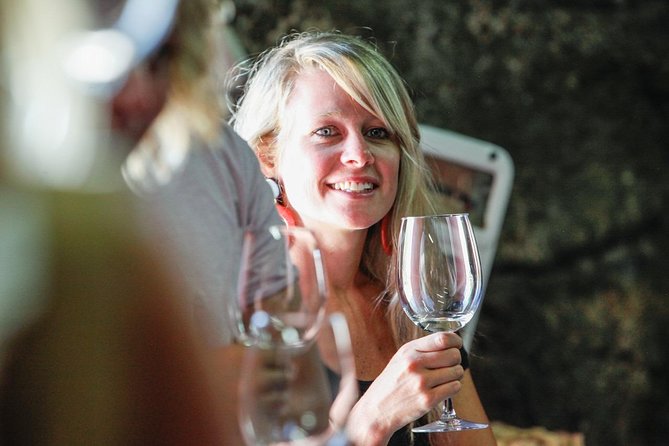
This is where the experience earns its “premium tasting” name. The tasting is designed to help you notice the difference between worked and aged wines, not just to sample whatever happens to be open that day.
Here’s the simple way to think about what you’re learning:
- Worked wines are shaped heavily through choices during production and handling.
- Aged wines spend time developing in storage, where the bottle’s flavors and textures evolve.
During the tour, you taste wines from Quinta do Beijo’s portfolio and get guidance on what to look for as the wines move from freshness toward aging-driven character. The point isn’t to memorize technical terms. It’s to connect what you taste—fruit, structure, smoothness, and overall feel—with the winemaking choices behind them.
The DOC wine starter set
The sample menu lists a set of 3 DOC wines as your starter tasting. These include:
- White (Harvest 2022)
- Red Reserva (Harvest 2019/Harvest 2023)
- Red Grande Reserva (Harvest 2019)
with an alternative option shown as White Grand Reserva (Harvest 2021)
Don’t worry if that harvest labeling seems complex. The key is that you’re tasting across categories and aging levels. Even if you can’t pin down the exact reason every wine tastes the way it does, you’ll start noticing patterns after a few sips—and that’s the learning win.
If you’re the type who likes to take home a “what should I buy next time?” answer, this is one of the better ways to get there fast. You’ll be able to say: I liked this style because it felt more structured, or smoother, or more layered. That’s useful.
Tapas Pairings at Quinta do Beijo: Bread, Oil, Cheese, Chorizo, and Aged Ham
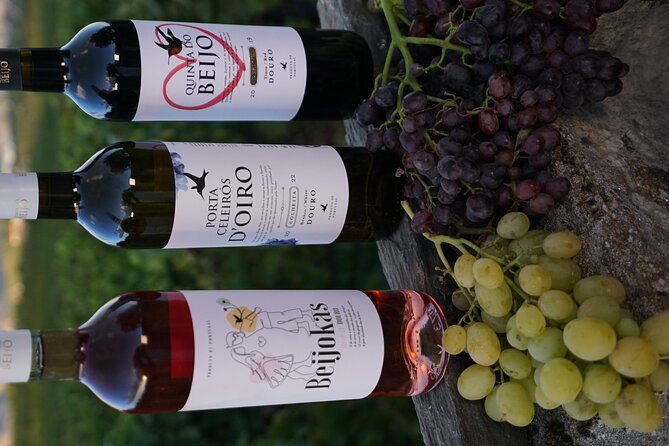
You’re not just drinking here. You get a food pairing that turns the tasting into a full sensory meal, even though it’s still within that 1 hour.
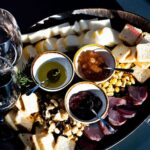
The sample tapas menu includes:
- Favaios bread (oven baked)
- Virgen olive oil from Quinta do Beijo
- Cheese (a mixture of goat and cow)
- Chorizo (spicy and flavorful pork sausage)
- Ham Reserve 9 months (aged for 9 months)
That combination isn’t random. Each item helps you read the wine differently:
- Bread and olive oil add a soft, savory base that makes lighter whites easier to evaluate.
- Cheese gives you a mix of salt and richness, which can sharpen your sense of acidity and texture in reds.
- Chorizo brings spice and fat. It’s one of the quickest ways to tell whether a wine has enough structure to handle bold flavors.
- The aged ham adds deeper, mellow notes, which tend to pair well with wines that have been given time to change.
Also, this matters for value. Many wine tastings charge you for the glasses, then give you a token cracker. Here, the tapas spread is more substantial, and it keeps you comfortable while you taste multiple wines.
One more small but real benefit: you’ll likely make it through the tasting without getting that end-of-tour alcohol fatigue, because the food helps pace the experience.


Porto Dessert: Tawny 10 Years Old and White Port 10 Years Old

Every good tasting ends with something that feels like a reward. In this case, dessert is a pairing of two 10-year Porto wines:
- Tawny 10 years old
- White Port 10 years old
This portion is smart because it gives you a different wine mood right after you’ve been focused on styles within the winery’s portfolio. You’re switching from standard table-wine comparisons to fortified wine character, and the aging clock is obvious in the style.
If you’re new to Porto, tasting both Tawny and White at the same 10-year age lets you compare style differences without chasing a moving target. If you already like Port, this is an easy way to deepen your understanding of how aging reads across categories.
Price and Value for a One-Hour Wine Experience
Let’s talk value without pretending it’s a bargain.
At $60.34 per person for about 1 hour, you’re paying for:
- access to their guided winery/cellar tour
- a premium tasting tied to their portfolio
- a set tapas menu that includes several real food items
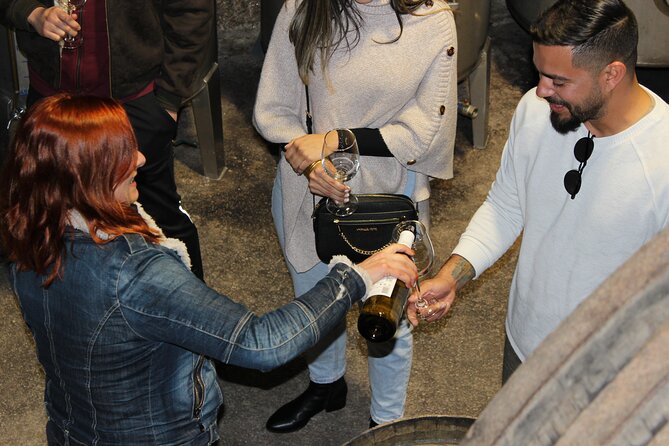
- an experience designed for smaller groups (max 16)
- an English-language guide
If you’ve ever done wine tasting in places where you pay for a few small pours and get handed a single cheese cube, this feels more balanced. The food is clearly part of the design, and the tasting includes enough variety to make the comparisons meaningful.
Another value point from a review: someone noted that you can ship wine back to the US, which can be a big deal if you’re trying to bring home bottles without packing your whole suitcase like a wine shop.
What you should watch for is time. With only about 1 hour, you won’t get multiple long “courses” or a slow, leisurely meal. This is built for quality and focus. If you want a full dining experience, you may prefer something longer or a separate lunch.
Who This Tour Fits Best (and Who Might Want More Time)
This tour is a great match if you:
- like wine but also want the story behind it
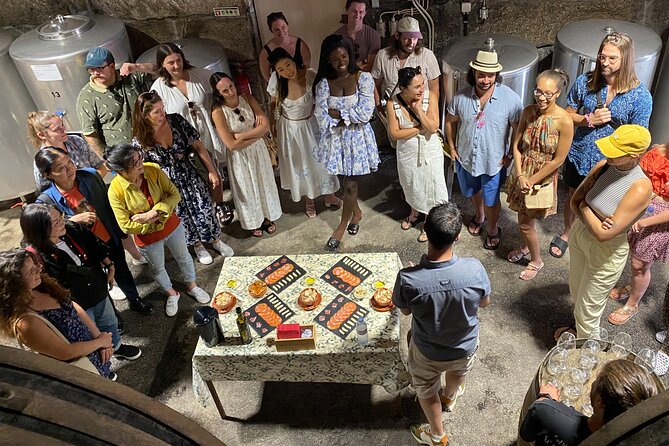
- appreciate small groups and better conversation
- want a guided look at a working winery, including their cellars
- enjoy food pairings, not just drinks
It may be less ideal if you:
- plan to turn this into a long sit-down meal
- need a fully flexible menu where you can swap items
- want a very detailed, multi-hour technical seminar
Because “most travelers can participate” is stated, it’s broadly approachable. Service animals are also allowed, which is helpful if you travel with one.
If you’re in Northern Portugal and you want one high-quality winery moment that also includes tapas, this is exactly the kind of stop that makes the day feel intentional.
Should You Book Quinta do Beijo Premium Tasting and Tapas?
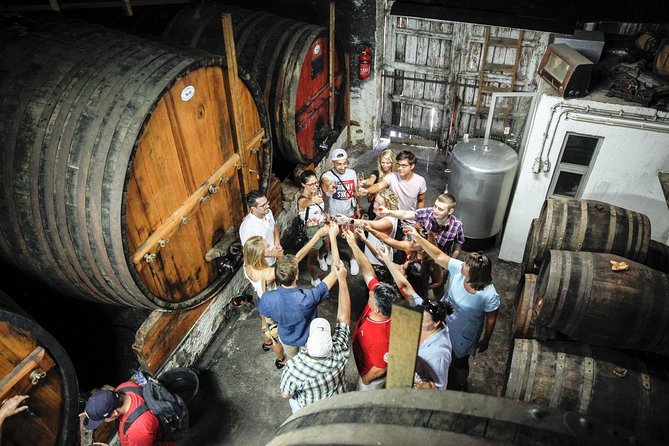
Based on the structure and what’s included, I’d book it if you want an organized, small-group winery experience that teaches you what you’re tasting—quickly and pleasantly.
It also has strong social proof in the numbers provided: it’s rated 5 with 98% of travelers recommending it. That aligns with what matters most here: a guided cellar visit, a tasting designed to explain process (worked vs aged), and a tapas menu that doesn’t feel like an afterthought. Just go in knowing it’s about an hour, not a full-day escape.
If that timeframe works for you, this is a smart “do it once, do it well” winery stop—one where you’ll leave with a better sense of style, not just a collection of empty glasses.
FAQ
Where does the tour start?
It starts at Quinta do Beijo, Sociedade Agrícola e Comercial LdaR. de São Bento No 1, 5060-011, Portugal, and it ends back at the meeting point.
How long is the experience?
The duration is about 1 hour.
How big is the group?
This activity has a maximum of 16 travelers.
What language is the guided tour in?
The tour is offered in English.
What’s included in the tasting and food?
You’ll do a guided wine tasting of Quinta do Beijo’s portfolio and get local tapas, including items like Favaios bread, Quinta do Beijo olive oil, goat/cow cheese, chorizo, and ham reserve aged 9 months, plus two 10-year Porto wines for dessert.
What wines are part of the starter tasting?
The sample menu lists a starter of 3 DOC wines, including White (Harvest 2022), Red Reserva (Harvest 2019/Harvest 2023), Red Grande Reserva (Harvest 2019), with an alternative option shown as White Grand Reserva (Harvest 2021).
Do I need a paper ticket?
No. You get a mobile ticket.
Is free cancellation available?
Yes. Free cancellation is available if you cancel at least 24 hours before the experience starts.
When should I plan to book?
On average, it’s booked about 12 days in advance, so it’s a good idea to reserve sooner rather than later if you’re traveling in peak season.