REVIEW · FAIAL ISLAND
PICO Whale Watching – Madalena – Join our Research Team
Book on GetYourGuide →Operated by NATURALIST - SCIENCE & TOURISM · Bookable on GetYourGuide
Whales, but with a science team. This PICO whale watching trip from Madalena pairs whale-and-dolphin spotting with real research led by graduate-level marine biologists working with partner universities.
I particularly like the live onboard commentary that turns sightings into something you can understand. I also like that the crew is focused on studying species in the Azores, not just chasing a checklist.
One drawback to plan for: this is weather-dependent and can be rescheduled. Also, if conditions are rough or the team is still searching, the time you’re out can run longer than you expect.
In This Review
- Key Things That Make This Tour Worth Your Time
- PICO Whale Watching From Madalena Harbour: The Starting Point That Matters
- Onboard Marine Biologists: Why the Talk Feels Like More Than Commentary
- The Species You’ll Be Looking For (And the Seasonal Odds)
- What the 3 Hours Feel Like: Watching Time, Briefings, and Returning to Shore
- Boat Comfort Reality Check: Semi-Rigid, Open Water, and Motion
- Weather Rules: Flexibility and Full Refunds in Practice
- Price and Value: What $101 Gets You (and Why It’s Not Just a Scenic Ride)
- What to Bring for a Smooth Day at Sea
- Who This Tour Fits Best (And Who Might Want a Different Plan)
- Should You Book PICO Whale Watching in Madalena?
- FAQ
- How long is the whale watching tour?
- Where do I meet the tour in Madalena?
- What does the ticket price include?
- Is food and drinks included?
- What wildlife can I expect to see?
- What should I bring?
- Who should avoid booking this tour?
Key Things That Make This Tour Worth Your Time
- University-linked research on the water, with MSc/PhD marine biologists and student-thesis support
- Live guidance that explains what you’re seeing (cetaceans, sea turtles, pelagic life, sea birds)
- Good odds for multiple species, since the region can host many cetaceans and you may see 2–3 types per outing
- Clear seasonal whale possibilities, including sperm whales year-round and different species by season
- A semi-rigid boat format that’s common for spotting, but can be uncomfortable if you’re sensitive to motion
- Respect-first animal viewing, with the emphasis on giving animals space while you observe
PICO Whale Watching From Madalena Harbour: The Starting Point That Matters
Most whale trips fail for one simple reason: getting off the dock at the right time and from the right spot. Here, you’re set up in Madalena on Pico Island, meeting at Bar da Gare (outside the ferry terminal café, facing Faial; GPS 38.5356, -28.5295). That matters because you want to start watching quickly once the boat leaves.
The trip is listed at 3 hours total, with the active whale-watching time around 2.5 hours. In practical terms, you’re not signing up for a half-day slog where you sit through long stretches without much happening. It’s a focused outing, built around seeing marine life and learning what it means.
Since there’s no hotel pickup, you’ll want to arrive a little early, find the café easily, and get your basics squared away. Pico is compact, but docks run on time.
You can also read our reviews of more whale watching tours in Faial Island
Onboard Marine Biologists: Why the Talk Feels Like More Than Commentary
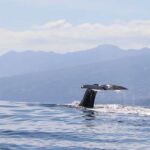
This is not just a driver giving general facts. You’re joining a boat expedition with marine biologists working as part of the research effort and supporting student theses. A marine researcher from the University of Lisbon, the Azores, or other partner universities may also be on board to collect data and update you with what’s currently happening in the region.
That research angle changes the whole vibe. Instead of random trivia, you get context for behavior: why certain species show up when they do, how researchers observe without crowding, and what the team is tracking during the outing.
You’ll also get a briefing about marine biodiversity and the cetaceans that occur in the area. Then, as you move through the waters off the islands, the onboard team connects your sightings to the science they study.
The tour runs in English and Portuguese, so even if your Portuguese is basic, you still have a full live guide experience.
The Species You’ll Be Looking For (And the Seasonal Odds)
The Azores are one of those places where the ocean feels like it has a cast list. The region can include 25+ species of cetaceans, and you’re likely to see 2–3 species on each tour.
Here’s how to think about the whale-and-dolphin odds based on the season:
- Sperm whales: possible throughout the year
- Blue and common whales: more likely in spring
- Bryde’s and Sei whales: more likely in summer
- Resident dolphins: you can often spot multiple dolphin types depending on conditions and sightings during the trip
On top of whales and dolphins, the tour explicitly aims for a broader marine picture. You might encounter sea turtles, pelagic life, and sea birds too. You won’t control the ocean, but I like that the crew isn’t pretending this is only a whale tour. It’s genuinely marine-life focused.
One of the most valuable parts is how the biologists frame each encounter. You’re not just looking at big animals; you’re learning the practical “what it means” behind the sighting—how and why these animals use these waters.
What the 3 Hours Feel Like: Watching Time, Briefings, and Returning to Shore
The basic flow is straightforward. You meet at Bar da Gare in Madalena, then board the boat and start heading out. During the departure and during the time at sea, you’ll get the biodiversity and cetacean briefing from the marine biologist guide.
The highlight is the main stretch of whale watching (about 2.5 hours). That’s where the team uses their experience and current information to locate whales and dolphins. Because the region can hold many species, the goal is often not just a single sighting but the chance for multiple types in the same outing.
After the watch time, you return to Madalena and finish back at Bar da Gare.
Two timing considerations are worth noting:
- Weather can change the plan, and the schedule may shift.
- The boat has to keep searching when sightings matter. If conditions are slower or animals are moving, you might spend longer out.
If your day is tightly packed, build in buffer time so you’re not stressing about connecting transport right after.
Boat Comfort Reality Check: Semi-Rigid, Open Water, and Motion
Let’s talk about the part that matters for comfort: the boat is semi-rigid. That usually means a responsive ride when you’re spotting wildlife, but it can also mean more movement when the sea is active.
This tour is not recommended if you have:
- serious back problems
- pregnancy
- a strong tendency toward seasickness
Also, it’s not recommended for children under 4 years old.
If you’re unsure, I’d treat this as a motion-sensitive outing. You’re on the water for hours, and you’re chasing sightings. Bring practical gear like a hat and sunscreen, and take water seriously. It’s easier to enjoy the trip when you’re not dealing with dehydration or overheating.
One more comfort tip: wear comfortable clothes you’re happy to get a little damp. The Azores can go from calm to windy fast.

Weather Rules: Flexibility and Full Refunds in Practice
This is explicitly a weather-dependent activity. That means if conditions aren’t safe or don’t allow good viewing, the trip may be rescheduled, and you’ll be asked to communicate close to your dates for the latest info.
The good news is the operator offers full refund if the trip is canceled due to weather. That’s a big deal in a place where sea and wind can change quickly.
Here’s the practical strategy I recommend:
- Book only if you have flexibility, or if you can easily swap days.
- Check in as your departure date gets close.
- Don’t schedule something critical immediately after the tour.
This isn’t about hedging. It’s about choosing an outing that plays fair with nature instead of fighting it.
Price and Value: What $101 Gets You (and Why It’s Not Just a Scenic Ride)
At about $101 per person, you’re paying for three things at once:
- A 3-hour boat trip off Pico
- Live commentary by a marine biologist
- The chance to see multiple species in their natural habitat while the team supports research and data collection
A cheaper boat ride might get you onto the water. But it usually won’t connect the dots between what you see and why it matters. Here, the marine biology component isn’t window dressing. It’s part of the experience.
There’s also a value angle that’s easy to miss: this tour is built around conservation and research support, including student thesis work. Even if you’re just on vacation, you’re contributing to ongoing understanding of the animals in these waters.
One small practical note: food and drinks aren’t included. So you’re buying your own snacks or planning your meals around the trip. Bring water if you can, because it’s listed as something to bring.
What to Bring for a Smooth Day at Sea
If you want the experience to feel easy, pack like you’re going out for real weather, not a postcard.
Bring:
- Hat
- Camera
- Sunscreen
- Water
- Comfortable clothes
If you’re sensitive to cold or wind, dress in layers. The Azores can feel cooler and windier than you expect once you’re out.
Also, note that on at least one recent outing, rain suits were provided. Don’t assume every trip will be the same, but it’s a good sign the crew plans for damp weather.
And if you’re chasing photos: camera + sunscreen is a solid combo. Salt spray and sun both show up fast.
Who This Tour Fits Best (And Who Might Want a Different Plan)
This is a great match if you want:
- whale and dolphin watching with context
- a guide who explains species and marine biodiversity
- an experience that feels connected to conservation and research
You’ll likely enjoy it most if you’re comfortable with open water and can handle a boat ride. The tour also works well for adults and families that can meet the age and comfort limits.
Skip it (or choose a different format) if you’re pregnant, have serious back problems, or are prone to seasickness. Also, children under 4 aren’t recommended.
If you’re in that safety zone, you’ll enjoy the science more because you can actually focus on the animals instead of trying to survive the motion.
Should You Book PICO Whale Watching in Madalena?
Yes, if you want a whale-and-dolphin experience with marine biologists onboard and a clear chance of seeing more than one type of cetacean during the trip window. The price makes sense when you factor in the boat time plus the science-led guidance.
No, if you need guaranteed comfort at sea or you’re not able to handle weather changes. This is a real ocean outing—weather comes first, and the schedule can shift.
If you can travel with some flexibility and you fit the comfort guidelines, this is one of the better ways to do whale watching in the Azores: not just spotting, but learning while you’re out there.
FAQ
How long is the whale watching tour?
The tour lasts about 3 hours in total, with around 2.5 hours focused on whale watching.
Where do I meet the tour in Madalena?
Meet at Bar da Gare in Madalena Harbour, outside the ferry terminal café, facing Faial (GPS: 38.5356, -28.5295).
What does the ticket price include?
The included items are the 3-hour boat trip, live commentary by a marine biologist, and the opportunity to see whales, dolphins, and birds.
Is food and drinks included?
No. Food and drinks are not included.
What wildlife can I expect to see?
You may spot whales and dolphins, and you might also see birds. The tour also mentions the possibility of sea turtles and pelagic life.
What should I bring?
Bring a hat, camera, sunscreen, water, and comfortable clothes.
Who should avoid booking this tour?
It’s not recommended for pregnant women, people with back problems, or people who are prone to seasickness. It’s also not recommended for children under 4 years old.