REVIEW · LAGOS
Horse Sanctuary: A nature walk with Rescued Horses by your side
Book on Viator →Operated by State of Being sanctuary · Bookable on Viator
Rescued horses set the mood fast. This Algarve nature walk pairs you with a horse on a lead, after you hear the animals’ rescue stories and get a gentle intro to how to be around them. I love the hands-on bonding time, especially brushing and calm, up-close attention, and I also like how the small group keeps the guide’s focus on you and your horse.
One practical thing to keep in mind: the meeting point can be a little tricky. If you use navigation and end up on dirt roads, you’ll want a quick plan for double-checking exactly where to wait before the 4:30 pm start.
If you’re even a little horse-curious, this is one of those experiences that leaves you walking slower afterward, like your mind got a reset button. And yes, all ages are welcome—so long as you’re comfortable doing a moderate two-hour walk.
In This Review
- Key things to know before you go
- Where to meet in Barão de São João, and what the experience really is
- The 4:30 pm itinerary: introductions, brushing, and a field walk
- Leading a horse on a lead: what to expect up close
- The rescued-horse story: why the sanctuary angle matters
- Small-group handling and questions: why 5–7 people is the right size
- Getting value from $54.22: two hours, but a full experience
- Practical stuff that will make your walk smoother
- Who should book this horse sanctuary walk?
- Should you book this horse sanctuary walk?
- FAQ
- FAQ
- Where is the meeting point for this experience?
- What time does the walk start?
- How long is the horse sanctuary walk?
- How big is the group?
- Do I need a certain fitness level?
- What happens if the weather is bad?
- Is the tour in English?
Key things to know before you go
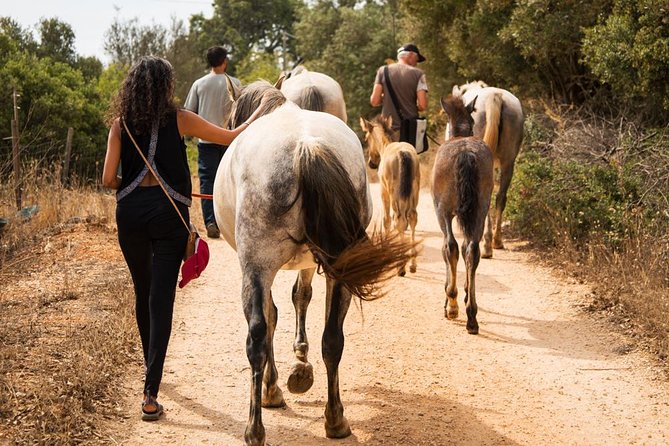
- Small group setup: Listed as a maximum of 5, with an overall cap of 7 travelers, so you get real handling time.
- Walk with your horse on a lead: You’re not just watching from afar—you’re paired up for the walk.
- Rescue stories + bonding: You start with introductions, then you’ll brush and spend time together before and after the walk.
- Beginner-friendly, with support: You can be nervous; the format is built around guidance and patience.
- Good weather matters: It’s a nature walk, and the operator notes it requires solid weather.
Where to meet in Barão de São João, and what the experience really is
This outing takes place around Barão de São João in the Algarve area of Portugal, and the meeting point is given as 46H7+FM (with the activity ending back at the same spot). The start time is 4:30 pm, which matters because late-afternoon light in rural Portugal can make everything feel softer—paths, fields, and horse movement included.
You’re paying for a guided, humane horse interaction—not a show. The whole rhythm is: meet the rescued horses first, learn their basics and stories, then head out for a walk in the surrounding area, with a short break halfway. The fact that it’s structured like that is a big deal. It means you’re not dropped into a situation with animals you don’t understand yet.
You can also read our reviews of more walking tours in Lagos
The 4:30 pm itinerary: introductions, brushing, and a field walk
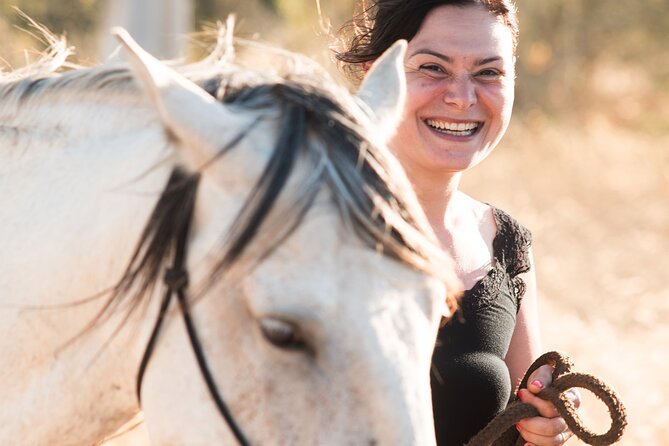
You’ll meet up at Sao Joao (near Barão de São João), and the guide will handle the first step: introductions to the horses and their rescue stories. Expect a real explanation of why these animals ended up as part of a sanctuary, not just a quick “here’s the horse, go.” That storytelling is part of what makes the walk feel meaningful instead of just scenic.
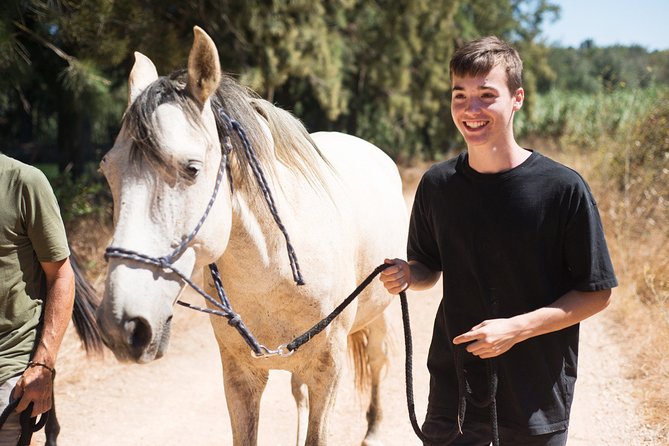
After the intro, you’ll get hands-on time. In practical terms, that usually means you’ll spend time brushing your horse and getting them comfortable with your presence. One rider described it as beginning with the horses, letting them approach you, and then brushing before the walk starts. If you’ve never brushed a horse before, this is a gentle entry point because the guide is there to keep the interaction calm and safe.
Then comes the walk itself. You’re taking a nature walk in the local area while following along with how horses move together. A guide who’s paying attention to animal behavior can explain a lot in real time—how the herd stays connected, what “calm” looks like, and what different movements usually mean. You’ll also have a small break partway through, then you’ll head back to the meeting point.
When it’s done, you return to the starting area. That matters if you’re planning transport back to Lagos, because you’re not ending miles away. If you’re coming in with a rideshare taxi (Bolt/Uber style) or local transport, being able to return to the same meeting point keeps things simpler.
Leading a horse on a lead: what to expect up close
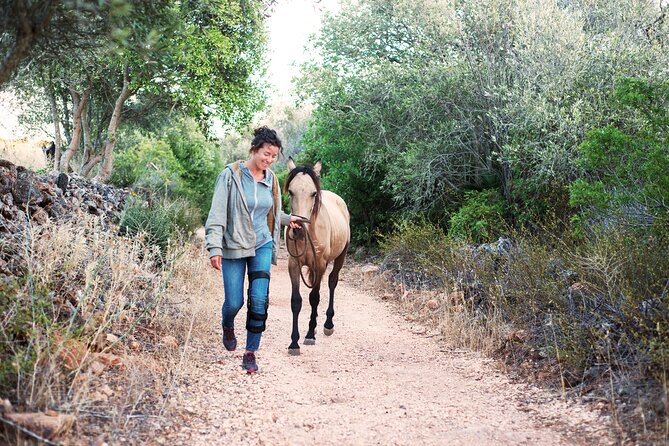
The headline promise is that you walk with your horse on a lead, and that’s the heart of the value here. You’re not sitting in a saddle or simply walking beside a stable horse like a guided novelty. You’re actually working with the horse’s pace and comfort.
A few practical things that tend to show up on walks like this:
- Your horse may not act exactly like you expect at first. Some horses are calm and steady right away; others test boundaries early on.
- Being on a lead doesn’t mean you control everything. It’s more like partnership plus guidance. The best moments usually happen when you relax your body and let the horse settle.
In one account, a rider described being paired with a horse named Mayax, who led the group on a walk around the property. Another person mentioned a horse named Boneco with a more challenging beginning, and then a smoother, more synchronized walk later on. Those examples are useful because they underline the same lesson: you’ll do best if you go in expecting a learning curve, even if you’ve handled horses before.
If you’re a true beginner, this format can still work well, as long as you ask for guidance about the easiest horse to handle. One rider’s advice was clear: if you’re new, ask for the horse with the calmest handling quirks, and ask beforehand about any behaviors you should know about.
The rescued-horse story: why the sanctuary angle matters
This isn’t just about “cute horses in a field.” The experience is framed around rescued horses and their histories. That changes the emotional tone.
You hear introductions that explain the animals’ rescue stories, and then you get to see how they respond to being cared for now. On a walk, you can watch herd behavior in motion: staying together, drifting as a unit, then tightening up when something changes. Even if you don’t know horse language, you can still read the mood—because the guide points out what’s happening as you go.
A strong theme from the experience is the genuine warmth of the hosts. Names that came up include Sachin (also spelled similarly in one review) and Charlotte. You’ll likely see why: the guide isn’t just supervising; they’re answering questions and teaching you how to interact with respect.
That teaching side is where this tour becomes more than a photo stop. You leave with a better sense of how horses think and how sanctuary care shapes behavior over time.
Small-group handling and questions: why 5–7 people is the right size
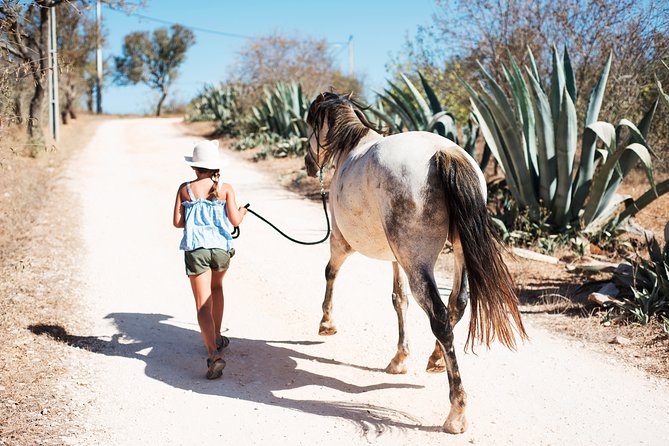
The tour is capped at a very small number of people. The info you’ll see says 5 max in one place, and an additional note also lists a maximum of 7 travelers. Either way, the point is the same: you’re not competing for attention.
That size helps in three ways:
First, your guide can keep track of your horse’s comfort and your body position. Second, you can ask questions about rescue situations and herd dynamics without getting rushed. Third, the walk stays slower and more natural—less like a line of tourists, more like a group moving through the countryside with animals.
If you care about animal welfare and want an interaction that feels respectful and not chaotic, this small-group setup is a big plus.

Getting value from $54.22: two hours, but a full experience
At $54.22 per person for about two hours, you might wonder if it’s worth it versus a longer tour. Here’s why it can be good value:
- You get both education and interaction: introductions, stories, brushing/bonding, the actual walk, and a return.
- You’re not paying for transportation to a distant attraction. You start and end at the same meeting point near Barão de São João.
- The experience is time-on-animal, not just “see from a distance.”
Two hours doesn’t sound long, but when you’re brushing a horse, learning how to handle a lead line, and walking through open fields, the time adds up. It also helps that the experience is scheduled for late afternoon. That timing can make the whole atmosphere feel calmer and more pleasant for both people and horses.
Practical stuff that will make your walk smoother
Bring the basics, and you’ll enjoy it more.
- Shoes: Wear closed-toe footwear. You’re in rural terrain, and you’ll want something stable underfoot.
- Clothing: Plan for a nature walk. Even in good weather, you can get cooled by late-day breezes.
- Moderate fitness: The activity is listed for travelers with a moderate physical fitness level. If you’re comfortable with a two-hour walk, you’ll likely be fine.
- Language: The tour is offered in English, and you’ll get an introduction plus room for questions.
- Access to the meeting point: It’s near public transportation, but the meeting spot can still feel hard to find if your navigation doesn’t match rural roads. Build in extra time.
One more note: a mobile ticket is provided, and confirmation happens at booking time. If you’re arriving from Lagos, give yourself a buffer so you’re not sprinting through the last 10 minutes.
Weather is also key. The operator notes the experience requires good weather, and if it’s canceled due to poor weather you’ll be offered a different date or a full refund.
Who should book this horse sanctuary walk?
You’ll probably love it if you:
- Like animals and want real interaction, not just a viewing pass
- Want a small-group experience with time to ask questions
- Are curious about rescued horses and how sanctuaries care for them
- Travel with kids, since all ages are welcome
You might think twice if you:
- Want a strictly hands-off experience. You’re walking with your horse on a lead.
- Get stressed by meeting points that may not be easy to locate at first. Have a plan for arriving early and checking the exact spot.
Overall, it fits solo travelers too. One solo rider shared that getting there via taxi/ride options like Bolt or Uber worked well, and the sanctuary staff handled pairing them with a horse for a guided walk.
Should you book this horse sanctuary walk?
Yes, I’d book it if you’re in Lagos or the Algarve area and you want a meaningful animal experience that feels personal. The standout strengths are the rescued-horse introductions, the hands-on brushing and bonding, and the fact that the walk is done in a tiny group with a guide who’s willing to answer questions.
Before you go, do two things: (1) arrive early enough to find the meeting point without panic, and (2) if you’re new to horses, ask what to expect with the horse you’re paired with—especially quirks while leading. That one step turns nervous energy into a smoother, more enjoyable walk.
FAQ
FAQ
Where is the meeting point for this experience?
You meet at the Sao Joao meeting point in Barão de São João, listed as 46H7+FM (46H7+FMP). The activity ends back at the same meeting point.
What time does the walk start?
The start time is 4:30 pm.
How long is the horse sanctuary walk?
It lasts about 2 hours.
How big is the group?
It’s described as a small group with a maximum of 5, and it also notes a maximum of 7 travelers.
Do I need a certain fitness level?
Yes. You should have a moderate physical fitness level.
What happens if the weather is bad?
The experience requires good weather. If it’s canceled due to poor weather, you’ll be offered a different date or a full refund.
Is the tour in English?
Yes, it’s offered in English.