REVIEW · FATIMA
Lisbon: Fátima & The Shepherd Children Home Self-Guided Tour
Book on GetYourGuide →Operated by Gray Line Portugal · Bookable on GetYourGuide
Fátima is the kind of place where the details matter, and this day trip keeps you moving at a calm pace. I like that it combines Aljustrel (the shepherd children’s world) with structured time at the Sanctuary, so you don’t just see buildings—you understand what happened there and why. The self-guided setup also means you can slow down where you feel it, then catch up when you’re ready.
Two things stand out for me. First, the interactive folder and included map help you navigate key stops without needing a constant live guide. Second, you get an audio guide in multiple languages, so you can follow along even if the group isn’t speaking your language.
One drawback to consider: it’s not a full guided lecture. Some people find the on-board staff is mainly there for timing and audio handouts rather than deep discussion, so if you want lots of live explanations in your exact language, you’ll want to go in with realistic expectations.
In This Review
- Key points to know before you go
- From Lisbon to Aljustrel: the travel time you should plan for
- Interactive folder + audio guide: self-paced without getting lost
- Aljustrel and the shepherd children’s houses: where the story becomes physical
- The Sanctuary of Fátima: Chapel of the Apparitions, Sacred Heart, and basilica
- Time for Mass: a built-in chance for the quiet part
- Follow the pilgrims’ path: kneeling route and promises
- Church of the Most Holy Trinity and the Tall Cross: later layers of meaning
- Price and logistics: what $56 buys (and what it doesn’t)
- The language reality: audio helps, but check your expectations
- What to bring (and what to skip)
- Who should book this self-guided Fátima tour?
- Should you book this Fátima tour from Lisbon?
- FAQ
- Where do I meet for the tour?
- How long is the tour?
- Do I get free time at the Sanctuary for Mass?
- What parts of Fátima will I visit?
- Is there an audio guide?
- Does the price include transportation?
- What should I bring with me?
- What clothing and items are not allowed?
- Is the tour accessible for wheelchair users?
Key points to know before you go
- Self-guided at the Shrine: follow the route using the folder, then linger when it feels right
- Aljustrel + the Sanctuary, in one day: you’ll connect the childhood homes with the later apparition sites
- Audio guide, multiple languages: English, Spanish, Portuguese, plus others for on-the-ground context
- Mass time included: you’ll have a chance to attend, not just photograph everything
- Pilgrim path on foot: you’ll see the route people take on their knees as part of the experience
From Lisbon to Aljustrel: the travel time you should plan for
This tour starts in Lisbon and runs for about 6.5 hours, including the road time. You meet at Marques de Pombal Square at the bottom of Parque Eduardo VII, then head by coach toward Santarém District’s Fátima region. That bus ride is a big chunk of the day—about 1.5 hours each way—so it’s worth bringing water and being ready for a long but manageable day.
The upside of the coach format is comfort and simplicity. You don’t have to coordinate separate transport to Aljustrel and the Sanctuary. The trade-off is that your schedule is set—so if you’re the type who loves a spontaneous detour, you’ll feel the boundaries.
You can also read our reviews of more guided tours in Fatima
Interactive folder + audio guide: self-paced without getting lost
Once you arrive, the experience leans on an interactive folder plus an audio guide. The folder functions like your on-site roadmap, pointing you from stop to stop, while the audio gives you contextual details for each place you visit.
I like this model because it avoids the all-or-nothing approach. A live guide can be great, but sometimes you get stuck listening while you’d rather walk, look closely, or step aside for a quieter moment. Here, you can pause when you want, then move on when your feet (and patience) say it’s time.
One practical note: because the experience is self-guided, you’ll get the most out of it if you’re comfortable following directions and reading as you go. If your goal is a highly detailed, spoken explanation in your exact language, you may be happier confirming how much is delivered verbally versus through the audio track.
Aljustrel and the shepherd children’s houses: where the story becomes physical
Aljustrel is where Fátima stops feeling like a concept and starts feeling grounded. You get time here—about 45 minutes—to visit the shepherd children’s surroundings, including key homes and the place tied to the Angel’s appearance.
You’ll have access to:
- The houses of Francisco and Jacinta Marto
- Lúcia de Jesus’s house
- The place where the Angel appeared to the shepherd children
This is the section where many people feel emotion, because the sites are smaller and more human-scale than the vast Sanctuary grounds. It’s also where the self-guided format helps. You can stand where you want, read the context provided, then keep moving at a pace that matches your attention span.
A timing reality check: 45 minutes is not a long time. You’ll want to pick your priorities quickly—houses first, then any additional details you care about. If you like slow wandering, you might leave Aljustrel feeling like you barely scratched the surface.
The Sanctuary of Fátima: Chapel of the Apparitions, Sacred Heart, and basilica
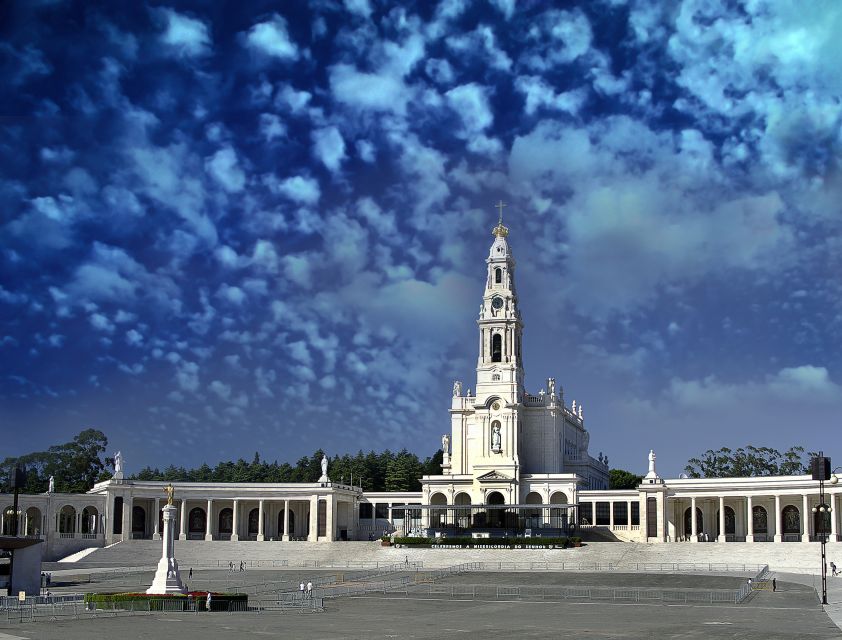
After Aljustrel, the tour shifts to the Sanctuary of Fátima, where you’ll have about 2 hours for sightseeing. This is where the route becomes a set of meaningful stops, each tied to the story.
Here are the big ones you’ll visit:
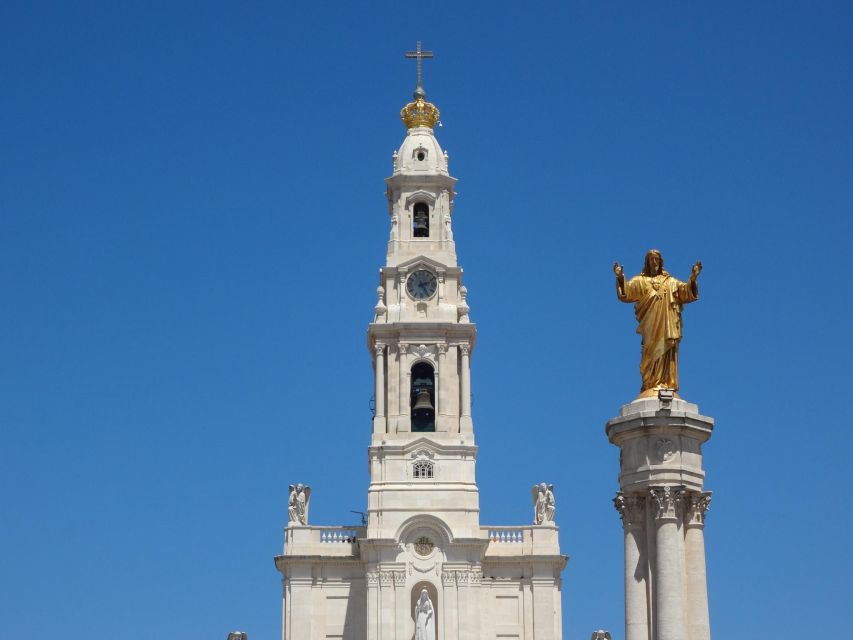
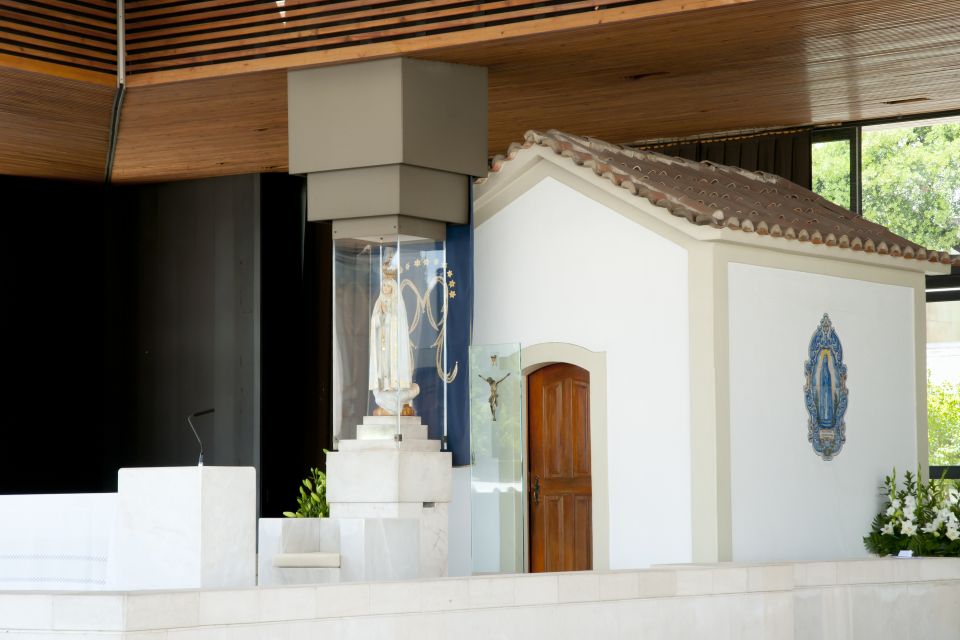
- Chapel of the Apparitions (where Our Lady appeared to the three shepherd children in May 1917)
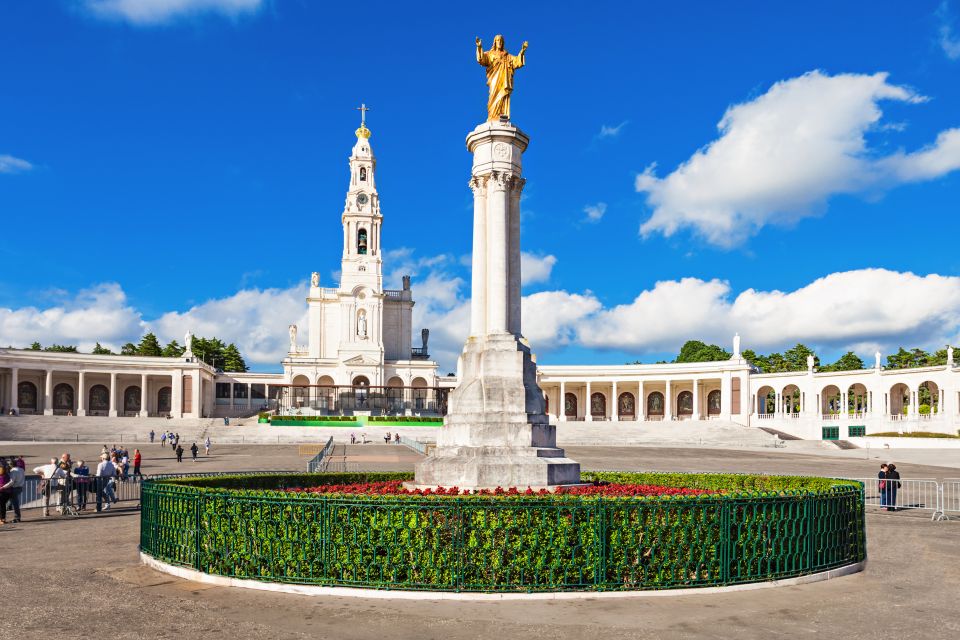
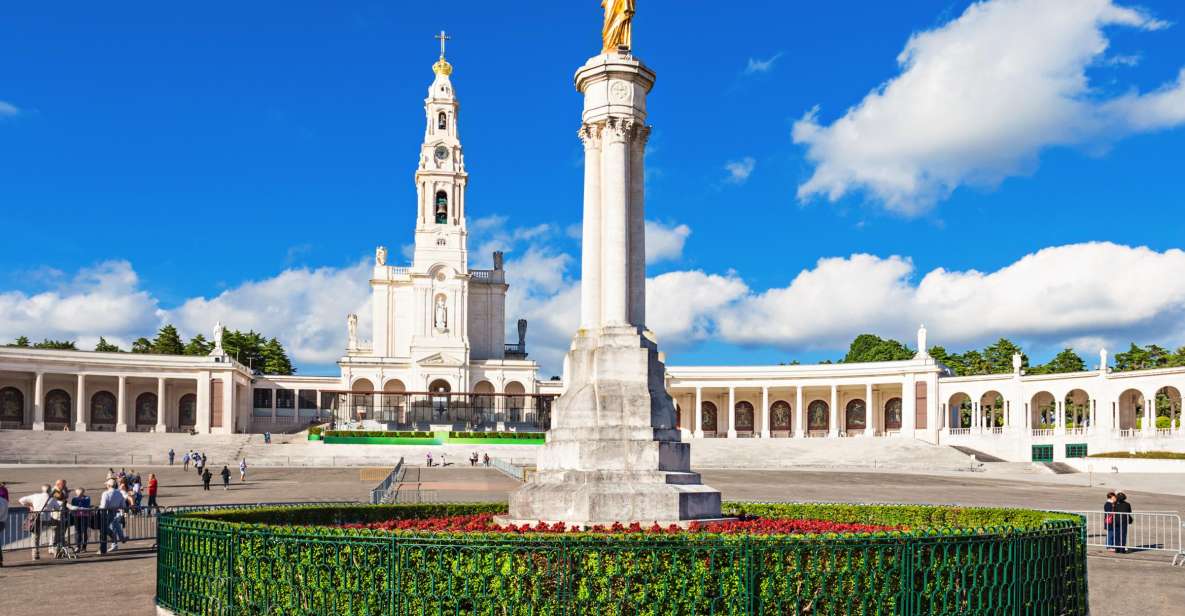
- The Monument of the Sacred Heart of Jesus (in the center of the sanctuary area)
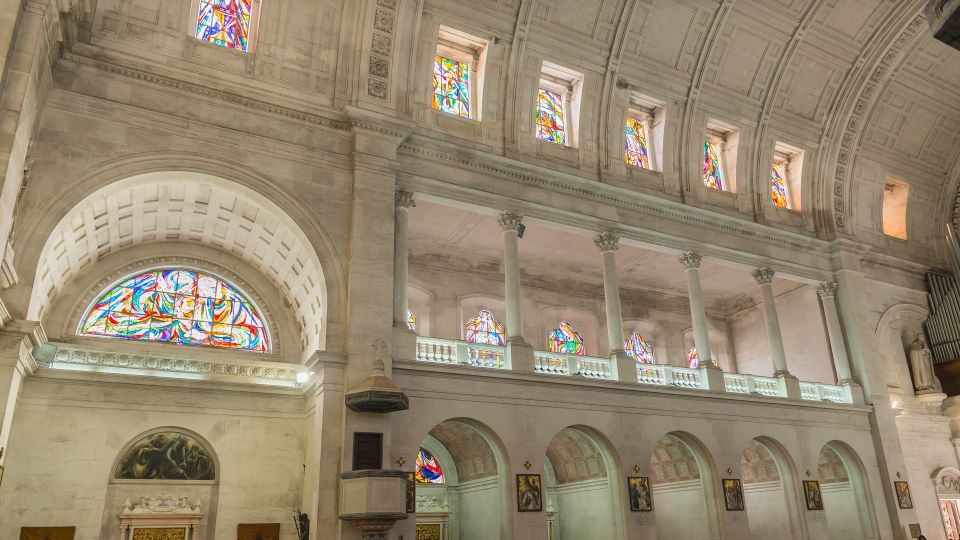
- The Basilica of Our Lady of the Rosary of Fátima, including the seers’ burial site area connected to where the children were playing before the apparition
The Chapel stop is the emotional centerpiece for many first-timers. The building’s purpose is clear the moment you’re there, and the audio helps connect the dots without you having to translate everything in your head.
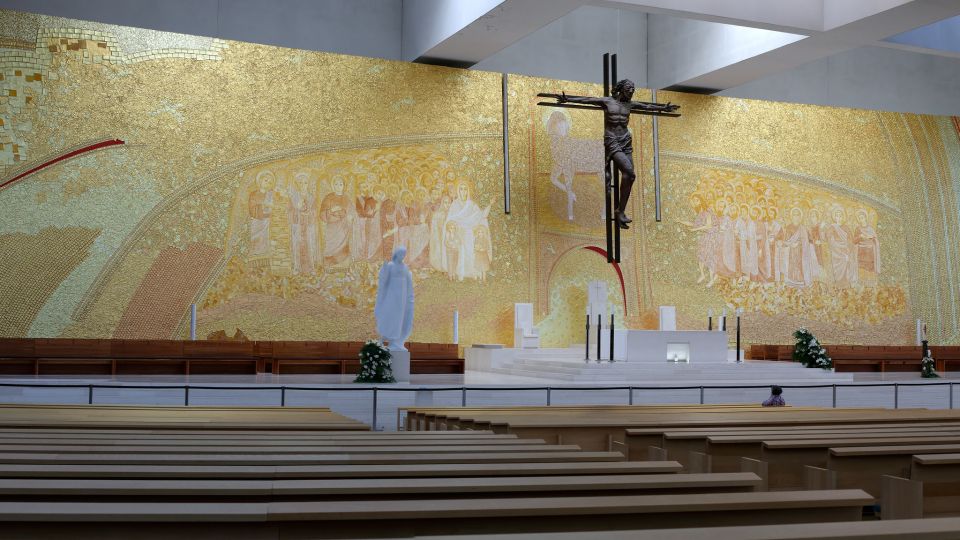
The Sacred Heart monument is a nice contrast. It reminds you that this place isn’t only about one message—it’s also a religious architecture that’s trying to express doctrine and devotion in stone and space. Then the basilica becomes the scale change again: more solemn, more monumental, and visually impressive.
Time for Mass: a built-in chance for the quiet part
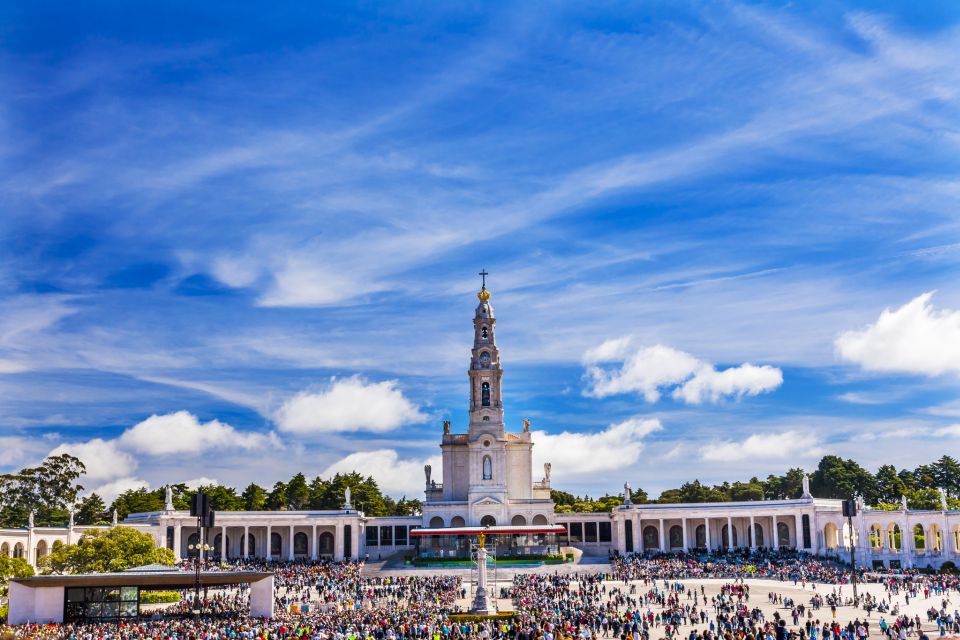
One of the best parts of this tour is that you’re given free time to attend Mass during the Sanctuary portion. That matters because it shifts the day from pure sightseeing into something closer to a lived religious experience.
Even if you’re not attending, the availability of Mass time helps structure the visit. You’re less likely to feel rushed through everything and more likely to arrive at the key religious spaces when the atmosphere is at its strongest.
Just a practical note: you’re in a sacred site, so dress rules apply. Avoid short skirts and sleeveless shirts, and plan for comfortable shoes—you’ll be walking enough that fashion can’t be your priority.




Follow the pilgrims’ path: kneeling route and promises
You’ll also see the path the pilgrims take on their knees to pay for their promises. This is one of those “you have to be there” details. The route itself is simple, but its meaning is heavy, and seeing it firsthand changes how you interpret everything else around it.
Because this tour is self-guided, you can choose how long you want to stand and observe. If you’re uncomfortable with watching from a distance, you can focus on the surrounding context and keep moving. If you want quiet time, this is a good place to slow down.
This section also shows why timing matters. You don’t want to rush through the story moments, because the kneeling route ties together devotion and place.
Church of the Most Holy Trinity and the Tall Cross: later layers of meaning
Toward the end of the tour’s Sanctuary time, you’ll visit:
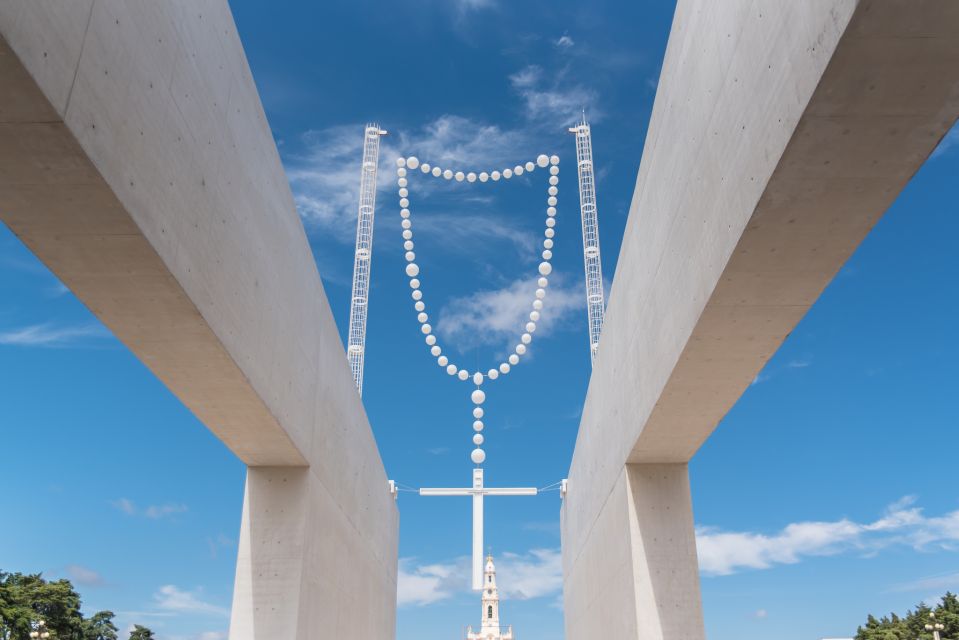
- Church of the Most Holy Trinity, designed to mark the 90th anniversary of the apparitions
- The Tall Cross, erected in 2007, located in the grounds of Santissima Trindade Church
These stops can feel different from the earlier apparition-focused sites, but that’s the point. Fátima isn’t frozen in 1917. It’s a place that kept growing, building, and organizing devotion across decades.
If you like architecture and how faith gets expressed through design, these two can be a satisfying finish. If you mostly care about the earliest events, they still make sense, because they show how the message continued to shape the physical grounds and the church calendar.
Price and logistics: what $56 buys (and what it doesn’t)
At $56 per person with transportation included, you’re mainly paying for three things:
1) the coach ride from Lisbon and back
2) access to a structured route across Aljustrel and the Sanctuary
3) the interactive folder plus audio guide support
What it doesn’t include is hotel pickup and drop-off. You’ll need to be at the meeting point on Marques de Pombal Square, which is one of those details that can decide whether the day feels smooth or mildly annoying.
In terms of value, this is best for people who want a guided route with self-paced content. If you already plan to take your own bus and you’re comfortable navigating on arrival, you could potentially DIY. But if you’d rather pay to remove friction—transport, timing, and a clear list of what to see—this price is reasonable for a half-day plus transit day.
Two more practical “plan around it” notes:
- The tour doesn’t operate on December 25 and January 1.
- It’s not suitable for wheelchair users, likely because the route involves walking and uneven ground.
The language reality: audio helps, but check your expectations
This is one of those tours where the audio guide does the heavy lifting. The included languages include Spanish, Chinese, English, French, German, Italian, Portuguese. That’s a strong range.
But if you’re hoping for constant live guidance in your language, you should know there can be gaps. Some visitors reported that the person on board didn’t speak their language and that the staff mainly handed out audio guides and timing instructions. Others mentioned guides like Dorita as lovely and Elsa as especially helpful with practical info during the ride. A driver such as Carlos being noted positively also fits the vibe: the team can be kind and organized, even if the depth comes from the audio rather than live conversation.
My advice: treat this as an audio-assisted self-guided tour first, not a live guided lecture. If you’re okay with that, you’ll likely have a smoother day.
What to bring (and what to skip)
You’ll walk, you’ll stand, and you’ll want to capture details, so bring:
- Comfortable shoes
- Sun hat
- Camera
Leave pets at home (not allowed). Also keep clothing respectful. This is a religious site, and the rules about sleeveless shirts and short skirts aren’t just formalities.
If you’re sensitive to heat, plan for sun and bring water. The tour schedule is fixed, but your comfort is on you.
Who should book this self-guided Fátima tour?
Book it if you want:
- A structured day that still lets you set your own pace at the Sanctuary
- The connection between Aljustrel (childhood sites) and the Sanctuary (apparition sites)
- An audio guide that carries context in your chosen language
- A practical day trip from Lisbon without worrying about transfers
Skip it (or consider an alternative) if you:
- Need a fully guided, multilingual spoken commentary the whole time
- Can’t handle long walking or uneven surfaces (it’s not suitable for wheelchair users)
- Want a slow, unhurried exploration of Aljustrel—because the time there is brief
Should you book this Fátima tour from Lisbon?
If your ideal day is: hop on a coach, see the core sites, and let an audio guide tell you what you’re looking at, this is a solid choice. The pairing of Aljustrel + the Sanctuary route, plus Mass time, creates a balanced experience between learning and atmosphere. At $56, you’re also buying convenience: transport, route structure, and built-in interpretation without needing to plan each stop.
If you crave a live, talk-to-you guide in your language, adjust your expectations—or choose another format. Otherwise, this is a good way to do Fátima in one day without turning it into a stressful checklist.
FAQ
Where do I meet for the tour?
You meet at Marques de Pombal Square, at the bottom of Park Eduard VII.
How long is the tour?
The total duration is approximately 6.5 hours.
Do I get free time at the Sanctuary for Mass?
Yes. You’ll have free time to attend a Mass during the Sanctuary visit.
What parts of Fátima will I visit?
You’ll see Aljustrel (including the houses tied to Francisco, Jacinta, and Lúcia), the Sanctuary, the Chapel of the Apparitions, the Sacred Heart monument, the Basilica of Our Lady of the Rosary, the path of the pilgrims, the Church of the Most Holy Trinity, and the Tall Cross.
Is there an audio guide?
Yes. An audio guide is included with options in Spanish, Chinese, English, French, German, Italian, and Portuguese.
Does the price include transportation?
Yes. Transportation is included, but hotel pickup/drop-off is not.
What should I bring with me?
Bring comfortable shoes, a sun hat, and a camera.
What clothing and items are not allowed?
Pets are not allowed. You should also avoid short skirts and sleeveless shirts.
Is the tour accessible for wheelchair users?
No, it is not suitable for wheelchair users.
If you tell me your travel dates and which language you plan to listen in, I can help you decide whether this self-guided style fits your expectations.