REVIEW · LAGOS
Kayak Experience in Ponta da Piedade
Book on Viator →Operated by Bluefleet - Boat Trips and Tours · Bookable on Viator
Kayaking near the sea cliffs feels like a cheat code. This small-group tour in Lagos has you ride out on a catamaran, then switch to a kayak for close-up time at Ponta da Piedade’s caves and rock formations. I really like that it’s designed for real humans too: you get safety guidance and tips as you go, even if you’ve never paddled before.
The experience is built around the water itself, not a long lecture. Guides like Michael keep things clear and light, and you’ll spend real time near the rocks instead of just looking from shore. One consideration: the ocean has opinions—when waves are too big, the operator may adjust or move you to another day.
Marina de Lagos is your start and finish, so you don’t lose half the outing getting around. Expect about two hours total, a mobile ticket, and an English-speaking team focused on fun plus safety.
In This Review
- Key things you’ll notice on the water
- Why Ponta da Piedade works so well by kayak
- Marina de Lagos start: what the first stretch feels like
- The boat-to-kayak switch: smooth on purpose
- Stop 1: Ponta da Piedade rock formations and why the 40 minutes matters
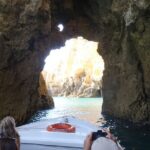
- The caves and grottos: the part that makes it feel worth it
- The beaches in between: funny rock cuts and scenic stops
- Swimming at the end: included, but manage expectations
- Safety and skill level: why beginners feel comfortable
- Small-group value: what $48.39 buys you in Lagos
- What to wear and bring for a comfortable trip
- Should you book this Ponta da Piedade kayak tour?
- FAQ
- How long is the kayak experience?
- How much does it cost?
- Is the tour in English?
- Do I need prior kayaking experience?
- What’s included in the price?
- Is pick-up or drop-off included?
- Where does the tour start and end?
- Is this tour suitable for children?
- What happens if the weather is rough?
Key things you’ll notice on the water
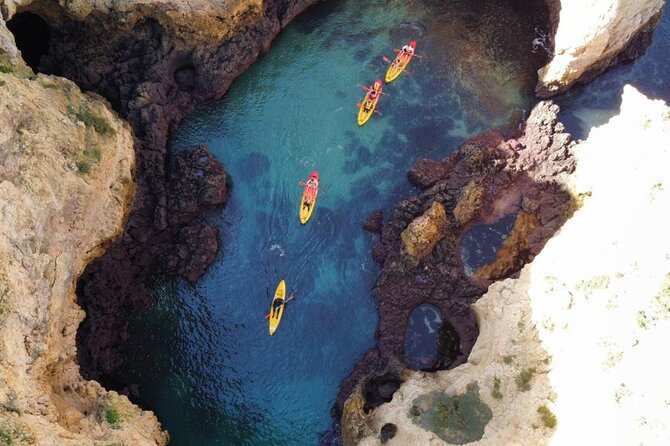
- Catamaran to kayak transition: you get dropped near the action, not dumped into chaos.
- Cave time that you can paddle into: some spots are only practical from a kayak.
- Small group (max 14): easier to hear instructions and keep things organized.
- Beginner-friendly setup: you’ll get tips during the briefing and throughout.
- A swim at the end: included, and done close to the main boat when conditions allow.
Why Ponta da Piedade works so well by kayak
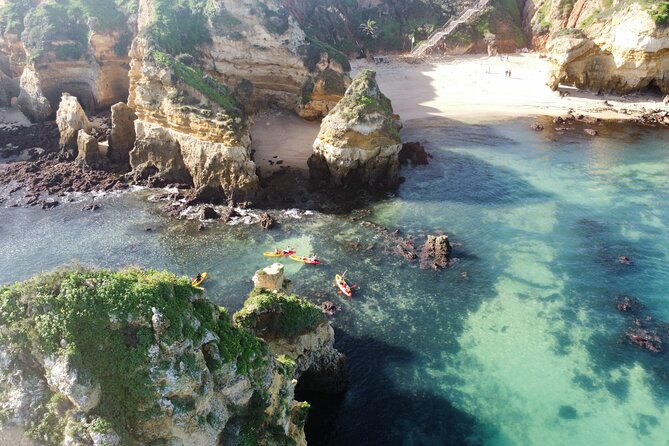
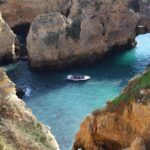
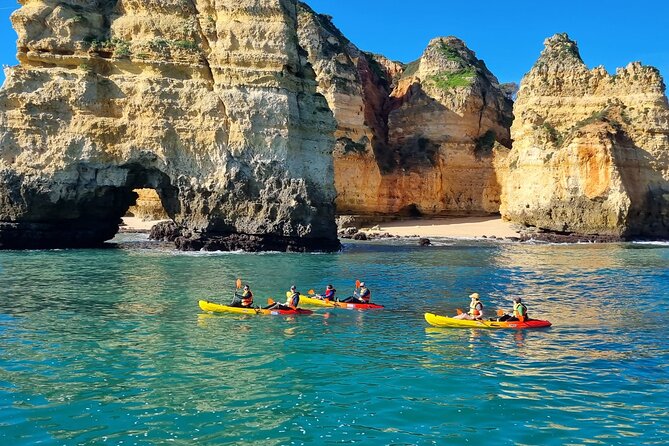
Ponta da Piedade is the kind of place where the views look good from land—and then immediately better from water. The cliffs, arches, and carved rock shapes are dramatic, but the real payoff is that a kayak can get you where a bigger boat can’t, or at least can’t comfortably linger. You’re not just passing by. You’re moving slowly enough to notice the details, then turning to take in the angles of the rock formations.
That’s the difference here: you get a hands-on, low-speed perspective. On a kayak, you’re close to the stone, so the caves and grottos feel less like scenery and more like a route you’re actually traveling. Many tours in Lagos show you the coastline. This one lets you experience it.
Also, the route is designed around variety. You don’t only do one type of scene. You get rock formations, smaller beaches, and those weirdly shaped spots cut by rock. In practice, it keeps the experience from feeling repetitive: you paddle, you point your kayak toward the next formation, then you get a new angle a few minutes later.
One more practical point: kayaking with ocean current can make the paddling feel easier than you’d expect, especially when the sea is calm. Even if you don’t love the idea of hard cardio, this setup can feel more like guided exploring than a workout challenge.
A few more Lagos tours and experiences worth a look
Marina de Lagos start: what the first stretch feels like
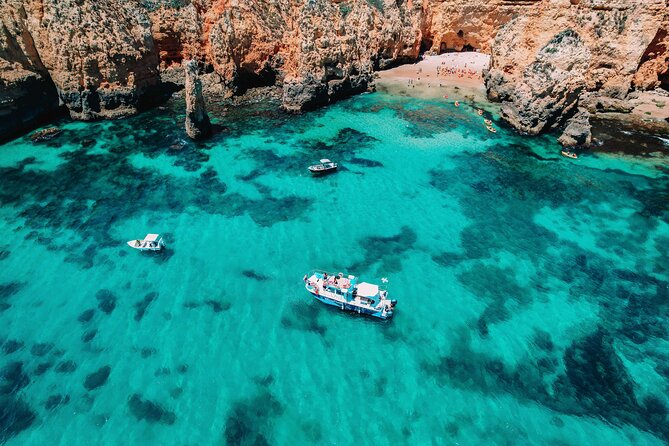
Your tour starts and ends at Marina de Lagos, which is convenient. It means you’re not managing a shuttle system just to get on the water. You meet at Estr. de São Roque, 8600-318 Lagos, Portugal, and the experience finishes back at the same meeting point.
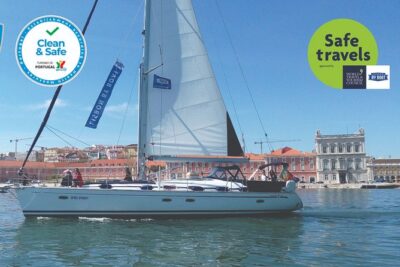
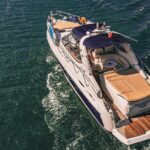
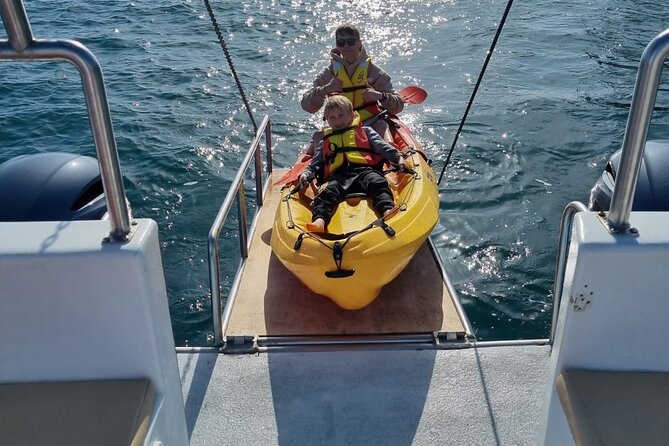
From there, the flow matters. You board a boat first—described here as a catamaran—before you jump into your kayak. That initial boat ride is more than a transfer. It’s your “warm-up” phase: you get to see the cliff line from a comfortable viewpoint, match your bearings, and spot what you’ll be paddling toward once you switch boats.
It also helps with nerves. Even if you’re a beginner, you can watch how the group is moving and how the guide manages spacing. When people feel steady early, the rest of the outing goes smoother.
Expect the pace to be organized. This is a small group tour with a maximum of 14 travelers, so you’re not in a long line of kayaks pretending you’re on a factory shift. That group size is a big deal on the water because it gives the guide room to explain things, check everyone, and adjust as conditions change.
If you’re coming by public transport, this also works well. The meeting area is near public transportation, which keeps the day easy even if you don’t have a car.
The boat-to-kayak switch: smooth on purpose
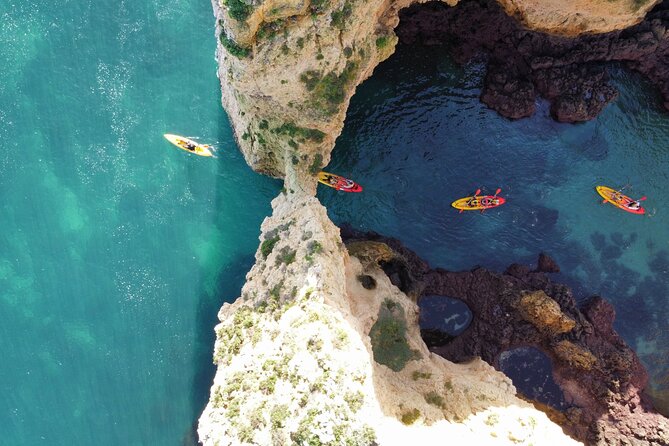
The coolest part of this tour is also the most “in-between”: you ride the catamaran first, then you kayak. That transition is exactly what makes this style of tour feel doable.
When you’re about to kayak near caves and rock formations, it helps to have a short runway of calm. The catamaran gets you close to the area while you’re still on stable footing and not immediately dealing with waves, turns, and figuring out your paddle rhythm.
Then comes the kayak time, and this is where the briefing earns its keep. The tour is set up so you don’t need prior experience. The safety briefing includes tips you can actually use right away—how to handle the kayak, what to do if conditions shift, and how to follow the guide safely as you move past rocks and toward cave entrances.
I’d call this a “confidence-building” moment. You’ll likely see that the kayaks are easy to get in and out of, and the seating can get wet by the end anyway, so the goal is to keep it practical and comfortable, not sterile.
If you want your photos to look good without stress, plan for water. A waterproof cover for your phone and a strap for your neck can save you from the usual scramble once the sea starts doing sea things.
Stop 1: Ponta da Piedade rock formations and why the 40 minutes matters
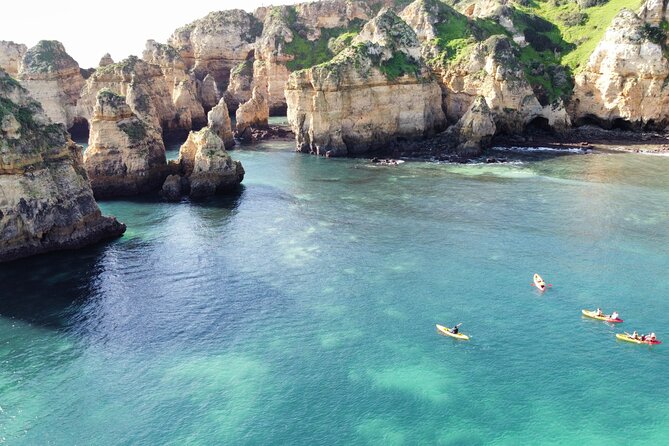
Ponta da Piedade is the headline, and the tour gives it real time—about 40 minutes at the main area for exploring the rock formations. The big idea is simple: these formations are the star, and kayaking is the best way to see them from the right distance and angle.
From the kayak, the rocks feel larger than they do from the shore. You can see how the shapes form natural corridors for water movement. You’ll also notice why some areas are only practical by small boat: cave entrances and smaller passages are too tight or too visually confusing to approach well from a distance.
What I love about this kind of stop is the “slow looking.” You aren’t just ticking off sights. You’re gliding alongside the cliffs long enough to notice patterns—arches, ledges, and those cut-through shapes that make the whole coast look sculpted.
A small drawback to keep in mind: because this is time on water, it’s not a long stay for everyone who wants to linger. If you’re the type who wants to stop and stare for an hour, you may feel it’s short. But for most people, the timing is a good balance: you get enough cave-and-rock action without dragging the day into an all-afternoon commitment.
Admission at this stop is free, which is a nice bonus. More importantly, you’re paying for a guided kayak experience that gives access to the parts of Ponta da Piedade you can’t comfortably see at walking pace.
The caves and grottos: the part that makes it feel worth it
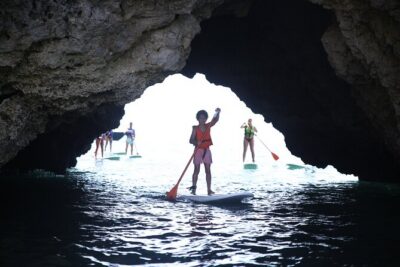
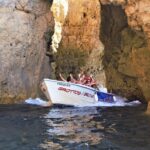
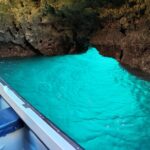
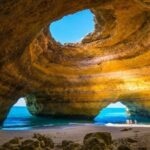
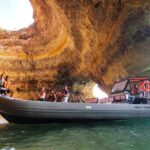
The standout experience is the cave and grotto route. The tour description and the overall feedback point to a consistent theme: you kayak in and out of caves, and you pass under arches when water levels and conditions allow.
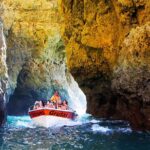
This is the kind of attraction where “seeing” isn’t the same as “doing.” A boat cruise can show you the cave mouth. A kayak changes the whole feeling because you’re moving at water level and close enough to judge how the rock edges shape the light.
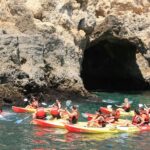
Cave entry and exit are guided, so you don’t have to guess where to go. The guide helps with safe navigation, and they typically lead the group so you’re not stuck behind someone who’s unsure how to turn.
One practical detail: the kayak time can be influenced by sea conditions. On calmer days, the route may extend farther and include extra cave access. On rougher days, the operation may adjust what’s possible. That’s not a “gotcha”—it’s how the experience stays safe and still feels like a real tour, not a random paddle.
If you’re someone who likes photos, think about your setup before you’re on the water. Phones, cameras, and anything you care about should be either waterproofed or carried in a protected way. Wet hands and salt spray happen fast.

The beaches in between: funny rock cuts and scenic stops
Between the rock formations and the caves, the route includes stops that are more about variety than about one “must-see” landmark.
You’ll visit one of Lagos’s popular beaches by way of the trip route. That stop is useful because it gives context: you understand where you are along the coast and how the coastline relates to the rock formations you’ll kayak near next.
Then you’ll hit a funny beach sliced by a rock formation. This is exactly the kind of detail that’s hard to appreciate from land. From the kayak perspective, you see how the rock cut changes how water moves and how the beach sits inside the cliff shape.
After that, you’ll be guided toward another unique beach with unique scenery—often described as among the most beautiful stretches in Lagos. Again, I’d treat these beach stops as scene-setting and variety. They make the whole trip feel like a guided tour of the coastline’s personalities, not a single-spot activity.
These beach moments also give you a chance to regroup. Even if you’re a confident paddler, the sea can drain focus. Short scenic stops help you reset before the next cave or rock section.
Swimming at the end: included, but manage expectations
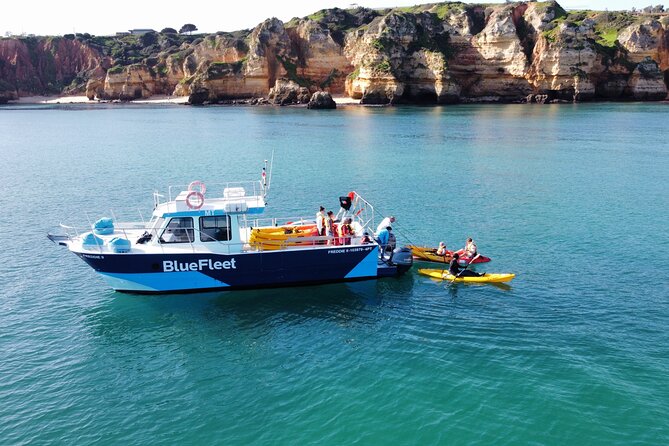
A cold-water swim is included at the end, and it’s done close to the main boat. This is a key safety and comfort detail. You’re not asked to swim far off or in a way that feels separate from the tour. The idea is simple: kayak, explore, then take a quick dip while conditions allow.
In real life, water temperature can vary. Some people love the “quick cool down” vibe; others opt out if the water feels too chilly. Either way, the kayaking itself is the main event.
What you should bring into the swim part: a change of mindset. It’s not a long swim session. It’s a short opportunity to cool off and enjoy the ocean. If you go in thinking you’ll swim laps, you’ll be disappointed.
Also, because you’re on water for a full portion of the tour, your gear can get wet. Plan for dampness and keep valuables protected.
Safety and skill level: why beginners feel comfortable
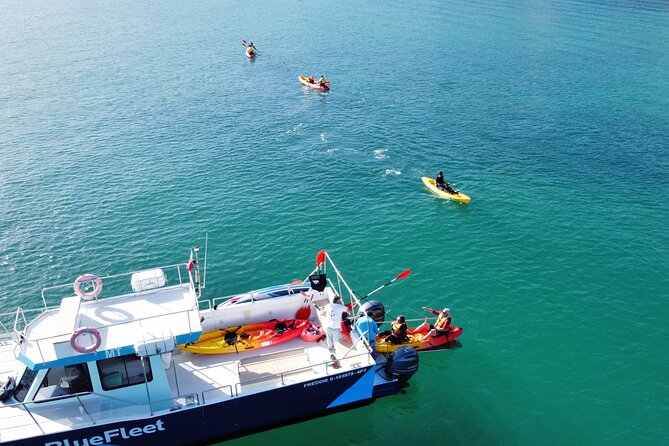
This tour is set up to reduce beginner anxiety. You don’t need prior paddling experience, and you’ll receive tips during the safety briefing. The guide role is active: you’re not left to figure out turns and spacing by yourself.
Group control matters here. With a maximum of 14 travelers, the guide can keep an eye on everyone. That translates into a calmer experience for first-timers. Many people also point out that kayaks are stable and easy to maneuver once you get moving.
You’ll also often find a lifeguard or safety support involved during the trip. That presence helps you feel that safety is not a checkbox—it’s part of the operation.
If you have any concerns about rough water, here’s the honest truth: the ocean matters. The experience is weather dependent, and if waves are too big for the planned route, you can be accommodated on another day. That’s a good sign. It means they’d rather protect the trip than force it.
Practical tip for skill level: if you’ve got stiff shoulders or worry about paddling, arrive with relaxed expectations. You’ll likely find the pace manageable, especially in calm water, but it’s still a hands-on activity where you’ll use your arms.
Small-group value: what $48.39 buys you in Lagos
At about $48.39 per person for roughly two hours, the price feels fair when you look at what’s included. You’re getting the kayak, bottled water, and the near-boat swim at the end. You’re also getting guided access to caves and rock formations that you don’t access from the beach.
That “access” part is the value. A simple boat cruise might show you the cliffs, but it doesn’t give you the same proximity and angles. Kayak time changes what you see and what you feel, and that’s exactly why people rank it as a highlight.
Also, the operator provides the catamaran segment before kayaking. That reduces the effort and stress of getting positioned near the action. The combination of boat + kayak is part of the ticket’s value, not just extra movement.
One cost consideration: pick-up or drop-off services are not included. So if you’re relying on transport, make sure you’re comfortable getting to the marina area on your own. The good news is the meeting location is near public transportation, which keeps that problem smaller.
What to wear and bring for a comfortable trip
Because this is water-based and includes a swim, I recommend planning for dampness from start to finish.
Wear something you can get wet. Quick-dry materials help. Shoes with grip are useful for moving around a dock or boat, since wet surfaces can be slick.
Bring:
- A waterproof cover for your phone and/or a secure way to carry it
- A neck strap if you plan to take photos often
- Sun protection for the boat portion, plus something to manage wind when you’re moving over water
For the swim: accept that it may be colder than you expect, depending on the season. If you’re not a fan of cold water, you can still enjoy the kayaking without making the swim mandatory.
And if you’re an anxious starter, it helps to remember that the first phase includes a briefing and a calmer introduction by boat. You’re not expected to be fearless on day one.
Should you book this Ponta da Piedade kayak tour?
Book it if you want to see Lagos’s famous sea cliffs from the best angle: right at water level. This is a great choice if you enjoy guided outdoor fun and you like the idea of paddling into caves and passing rock formations that boats can’t fully replicate.
Skip it (or consider another plan) if you dislike water activities or you’re worried about cold conditions. The experience is also dependent on weather, so if you’re traveling on a super tight schedule, have some flexibility.
If you’re a beginner, you’ll likely appreciate the structured safety briefing and the small group setup. And if you’re the kind of person who loves photos, you’ll probably be grateful you brought waterproof protection before you hit the caves.
With its catamaran-to-kayak format, small group size, and genuine access to cave sections, it’s the kind of outing that earns its place on a Lagos itinerary.
FAQ
How long is the kayak experience?
It runs for about 2 hours, depending on conditions.
How much does it cost?
The price is $48.39 per person.
Is the tour in English?
Yes, it’s offered in English.
Do I need prior kayaking experience?
No. You don’t need experience, and you’ll get tips during the safety briefing.
What’s included in the price?
Kayak, bottled water, and a swimming opportunity close to the main boat at the end.
Is pick-up or drop-off included?
No. Pick-Up/Drop-Off services are not included.
Where does the tour start and end?
It starts and finishes at Marina de Lagos. The activity ends back at the meeting point.
Is this tour suitable for children?
It’s not recommended for children under 5 years old.
What happens if the weather is rough?
The experience requires good weather. If it’s canceled due to poor weather, you’ll be offered a different date or a full refund.