REVIEW · ALGARVE
From Faro: 2-Hour Guided Bird Watching Boat Trip
Book on GetYourGuide →Operated by Formosamar · Bookable on GetYourGuide
Birds glide over Portugal’s marshes. A guided boat trip through the Ria Formosa Natural Park turns the Algarve into a living bird guide, with calm channels, salt-water farms, and a short pause on a deserted beach.
I especially like two things about this tour: the chance to see real wetlands wildlife up close, and the way the experience is organized around bird spotting. You’ll get live commentary onboard (and guide support in several languages), plus binoculars so you can actually read what you’re seeing instead of guessing.
One thing to keep in mind: the exact timing and route can shift due to weather, tides, and safety rules. And because the species list changes with the season, your favorites may not show up on every day.
In This Review
- Key highlights worth planning for
- Why the Ria Formosa birding route makes sense
- Getting started at Formosamar in Faro (and not losing time)
- The 2-hour cruise plan: what you see and why each stretch matters
- Parque Natural da Ria Formosa: first wave of birds
- Toward the islands and the farms: wildlife meets local livelihoods
- The lagoon-meets-sea stop: the short “reset” moment
- Heading back to Faro: more chances while the boat cruises calmly
- The guides, the onboard narration, and what to expect from the talk
- Price and value: is $47 for two hours fair?
- What to bring so you actually enjoy spotting birds
- Who this trip fits best (and who might want something else)
- Should you book this Faro bird-watching boat trip?
- FAQ
- How long is the bird-watching boat trip from Faro?
- Where do I meet for the tour in Faro?
- What’s included in the price?
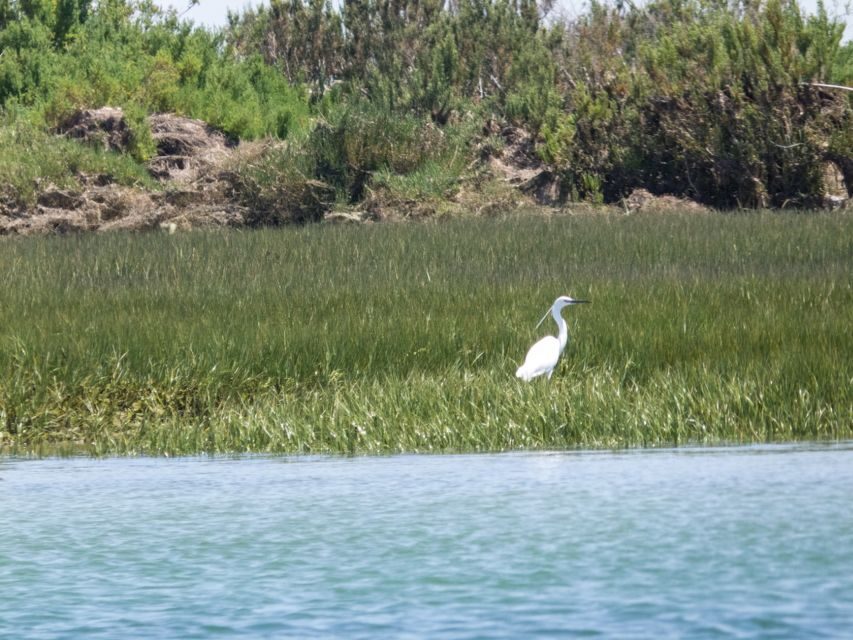
- What birds might I see on the tour?
- Are there different tour languages?
- Is the tour wheelchair accessible?
Key highlights worth planning for
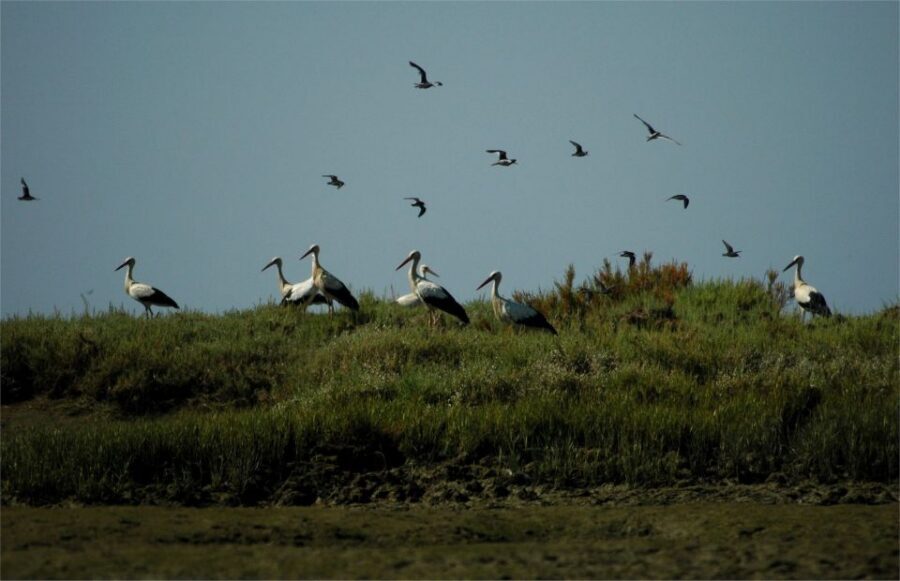
- Ria Formosa Natural Park sightings: White Stork, Little Egret, Spoonbill, plus waders like Whimbrel and Grey Plover in winter
- Guided bird spotting with binoculars: Live onboard narration to help you identify what you’re seeing
- Oyster and clam farms by boat: Wildlife plus local economy in the same view
- Winter bird potential: Sandwich tern and greater flamingo often show up in cooler months
- A short deserted-beach stop (15 to 20 minutes): A breather at the lagoon-meets-sea edge
- Calm sailing through channels back toward Faro: Scenic cruising focused on wildlife
Why the Ria Formosa birding route makes sense
The Ria Formosa isn’t just pretty scenery. It’s one of Portugal’s key wetlands for aquatic birds, and that matters on a bird-watching trip. You’re not searching blindly for birds in a random place. You’re moving through habitats that attract specific species—waders, egrets, terns, and more—depending on the season.
I like that the tour is built around this logic. You start in Faro’s water access and head into the protected park area, where bird life is consistently active. The boat route also gives you different angles: birds feeding in shallow water, birds perched around the wetlands, and birds along the transition where the lagoon meets the sea.
If you’re the type who enjoys learning while you look, the format works. You’re cruising, the guide talks, you scan with binoculars, and you repeat. It’s simple. That’s usually where bird trips win.
You can also read our reviews of more boat tours in Algarve

Getting started at Formosamar in Faro (and not losing time)
This is a tight 2-hour experience, so timing at the start matters. You’ll meet at the partner’s office at the shop Boat Tours Store, on the ground floor of the Ginásio Clube Naval de Faro (Nautical Club of Faro). The recommendation is to arrive and check in 10 minutes before departure.
What this means for you in practice: don’t treat this like a “show up whenever” excursion. A late arrival can squeeze your experience right when you’re most likely to spot the first birds as the boat settles into the channels.
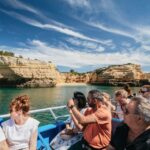
Once you’re onboard, expect the basics to be covered quickly—there’s a safety briefing, and then the guide’s live commentary begins. Life vests are included, and you’ll use them as needed for comfort on a boat ride.
The 2-hour cruise plan: what you see and why each stretch matters
This tour is designed as a moving bird-watching loop, with a few structured moments to focus attention. Even though it’s only two hours, the variety comes from the ecosystem changes along the route.
Parque Natural da Ria Formosa: first wave of birds
Right away, the boat heads into the Parque Natural da Ria Formosa, where you’re looking for a mix of wading and water birds. The tour’s bird list is specific enough to give you targets, including:
- White Stork
- Little Egret
- Spoonbill
The emphasis is on aquatic bird activity. In winter, the wetlands tend to host more waders, so you might also spot species like:
- Whimbrel
- Turnstone
- Grey Plover
Why this matters: early in the trip, you’re usually observing birds in calmer, feeding-friendly zones. You get a better chance to line up a sighting through binoculars without the trip already feeling rushed.
Toward the islands and the farms: wildlife meets local livelihoods
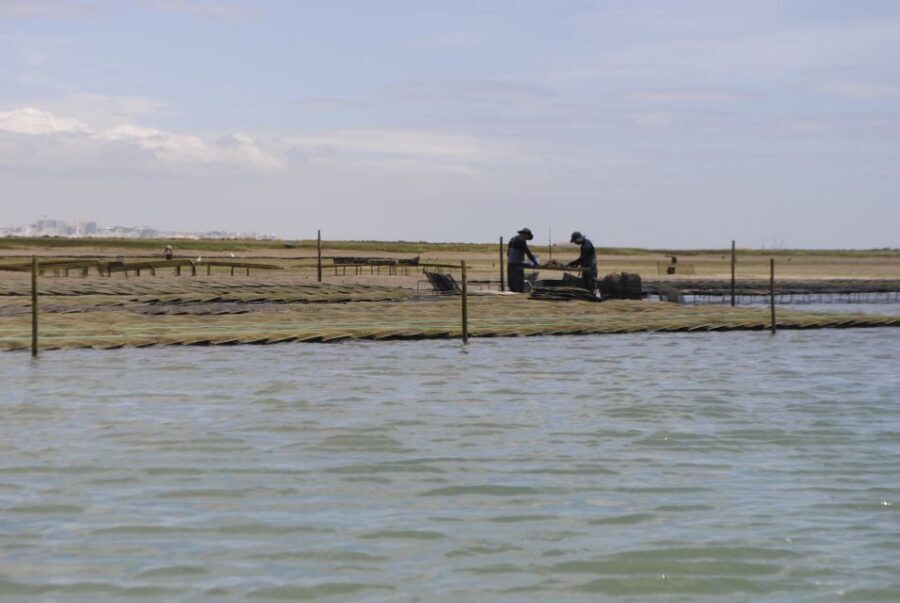
Next, the cruise continues toward the islands within the natural park, passing oyster and clam farms. This part is more than “pretty industry.” It’s a working coastal system that helps explain why so many birds hang around.
Here, the tour may offer sightings such as:
- Black-tailed godwit
- Oystercatcher
And if you’re traveling in wintertime, keep an eye out for:
- Sandwich tern
- Greater flamingo
This is also the zone where you’ll get the clearest sense of how the wetland supports both birds and people. The farms are part of the landscape and part of the bird story.
The watch-for tip I’d give you: slow your scanning. In farm areas, birds can be spread out, and quick sweeping pan scans can cause you to miss the birds that are farther out but easier to spot with steady binocular viewing.
You can also read our reviews of more guided tours in Algarve

The lagoon-meets-sea stop: the short “reset” moment
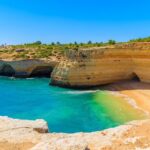
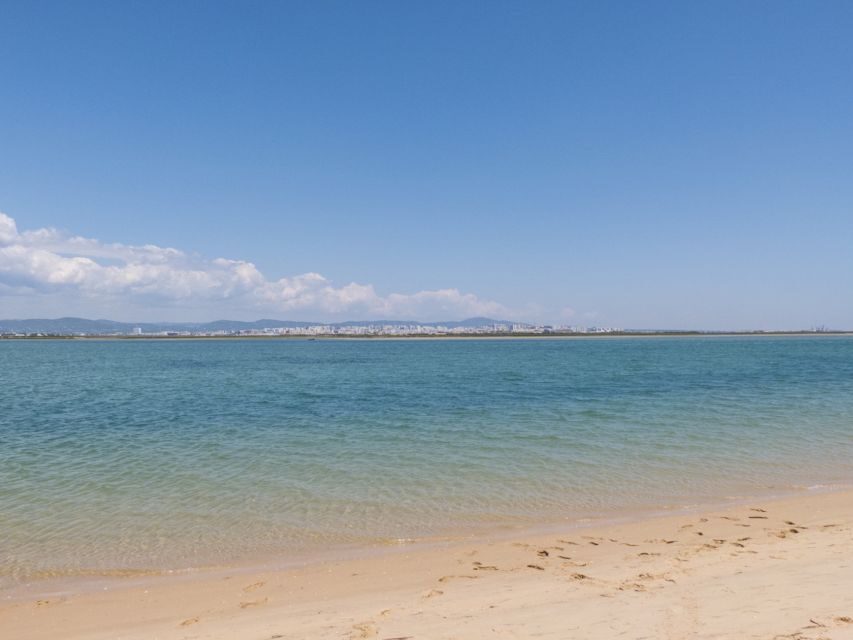
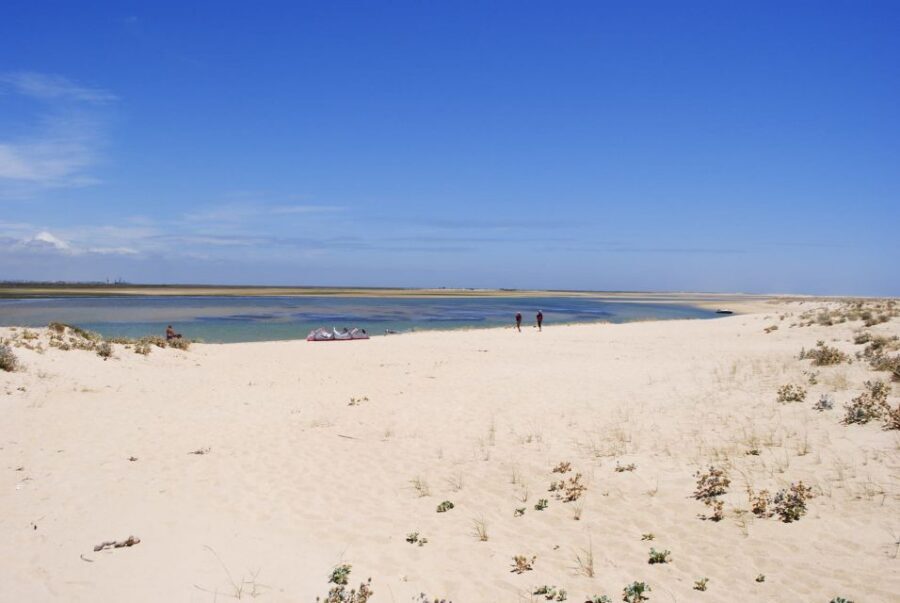
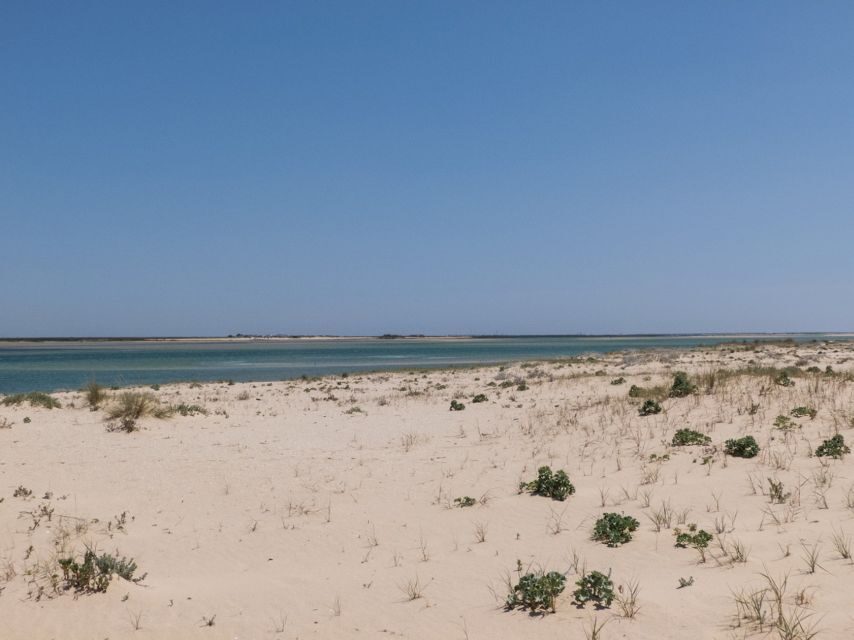
As the boat approaches the point where the lagoon meets the sea, you’ll stop so you can enjoy a small paradise. The stop is included in the overall trip and lasts about 15 to 20 minutes on a deserted beach.
This matters for two reasons:
- You get a break from the boat rhythm and can re-focus your eyes.
- The change in setting can make certain birds easier to spot—especially if wind and lighting shift your view.
Don’t plan on this being a long beach stop. It’s short by design, timed to keep the rest of the route intact.
Heading back to Faro: more chances while the boat cruises calmly
On the return, the boat sails through channels toward Faro. This section is about repeat sightings with fresh opportunities—different distances, different angles, and sometimes different species depending on the day and season.
The ride is described as calm, which is good for bird watching. Less jostling means steadier binocular focus and fewer missed moments.
One more practical note: the species named in the tour description can change by time of year. So your best move is to come curious rather than locked onto a single “must-see” bird.
The guides, the onboard narration, and what to expect from the talk
A good bird guide is more than facts. They point your eyes where they should go, then help you interpret what you’re seeing.
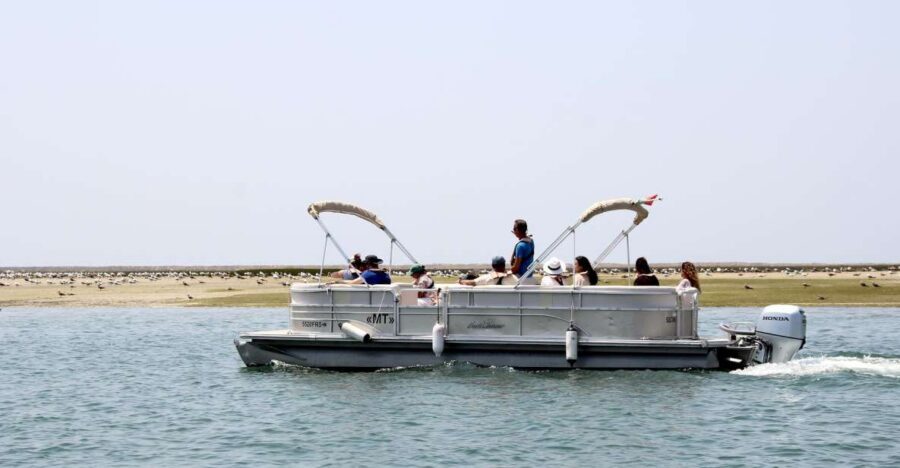
This tour includes a local guide with live onboard commentary, available in Spanish, English, French, and Portuguese. Some passengers specifically praised the guide for being informative and upbeat. One name that showed up clearly is Piedro, noted for being very bird-focused and friendly.
Still, keep expectations realistic. This is a 2-hour cruise, so the guide’s talk will be structured around sightings and movement. If you love deep, detailed identification, bring a mindset of “learn the basics well” rather than “leave with a complete field guide.”
If you want to get the most out of the narration, ask one simple question when you’re stationary—like what to watch for in size, bill shape, or typical behavior. Then look with binoculars while the guide’s answer lands.
Price and value: is $47 for two hours fair?
At $47 per person for a 2-hour guided boat trip, you’re paying for several things at once: a local guide, live commentary, binocular use, safety gear (life vests), and access to the protected wetland areas by boat.
The value is strongest if you consider what you’d otherwise need:
- Transportation and time to reach the right wetland spots
- A guide to spot and explain birds quickly
- Binoculars (often not something you want to guess about on a short trip)
Because this is a short, focused excursion, it’s also easier to fit into an Algarve day. You’re not tying up half a vacation. You’re getting targeted nature time.
The only caution on value: if weather or tides affect the route, the experience can shift. Also, the species mix changes with seasons, so you might see fewer of your personal “top birds” than you hoped—though you’ll usually still get a solid variety of wetland birds.
What to bring so you actually enjoy spotting birds
This tour is mostly about scanning and staying comfortable on the water. The provider guidance is straightforward, and I agree with it.
Bring:
- Comfortable clothing and footwear
- Sun protection (hat and sunscreen) in spring and summer
- Waterproof clothing in autumn and winter
- Water
Two small practical adds from a bird-watching mindset:
- Wear layers you can adjust fast, because boat air can feel cooler than you expect.
- Keep your phone away from your main attention unless you’ve packed a comfortable way to take photos without blocking your view.
Who this trip fits best (and who might want something else)
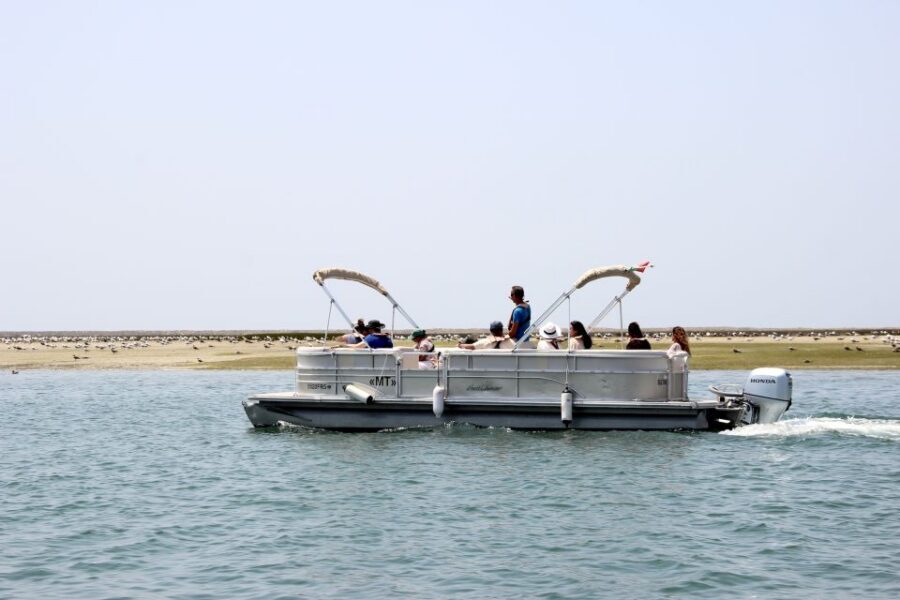
This tour is a great match if:
- You want a guided birding experience without needing advanced birding skills
- You like nature that connects to local life (oyster and clam farms)
- You want a short, easy outdoor activity from Faro
It may be less ideal if:
- You’re expecting a long beach day or lots of time off the boat
- You want a fully flexible itinerary with zero changes (the tour notes that departures, arrivals, duration, and routes can change due to weather, tides, or safety)
If you’re someone who enjoys learning in small doses, this format works well: cruise, focus, observe, move, reset.
Should you book this Faro bird-watching boat trip?
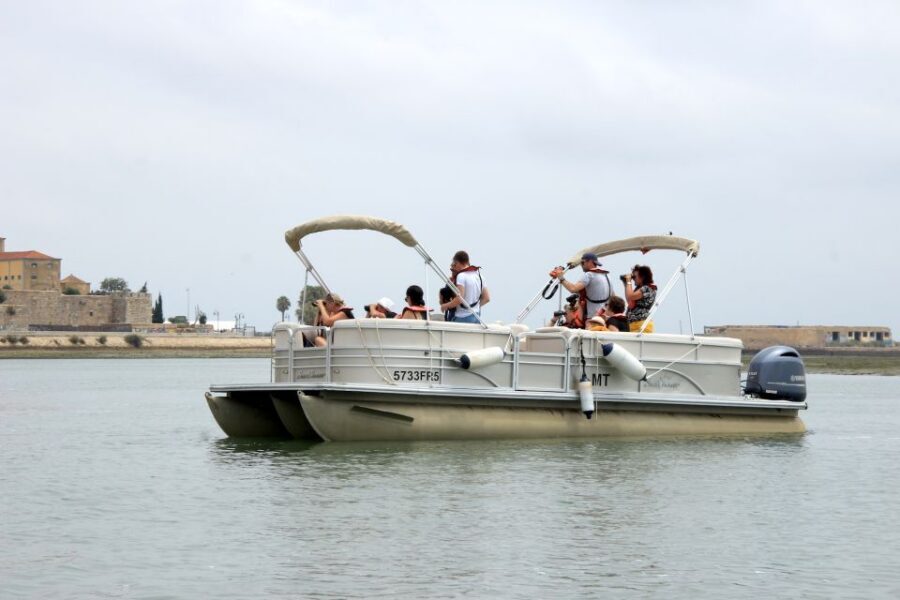
I’d book it if you’re visiting the Algarve and want an efficient way to experience the Ria Formosa’s bird life with help from a live guide. The included binoculars and the structured bird focus make it easier to enjoy, even if you’re not a hardcore birder.
Skip it only if you need an itinerary that never changes, or if you’d be disappointed by a short deserted-beach stop. Otherwise, this is exactly the kind of calm, local ecotourism that turns Faro and the wetlands into something you remember.
FAQ
How long is the bird-watching boat trip from Faro?
The trip lasts 2 hours, including a stop of about 15 to 20 minutes at a deserted beach.
Where do I meet for the tour in Faro?
You meet at the local partner’s office at the shop Boat Tours Store, on the ground floor of the Ginásio Clube Naval de Faro (Nautical Club of Faro).
What’s included in the price?
Included are the 2-hour boat trip, a local guide, live onboard commentary, use of binoculars, and life vests. The beach stop is also included.
What birds might I see on the tour?
The tour description highlights birds like White Stork, Little Egret, Spoonbill, and (depending on season) waders such as Whimbrel, Turnstone, and Grey Plover. In wintertime, it notes possible sightings like Sandwich tern and Greater flamingo. Other species named include black-tailed godwit and oystercatcher.
Are there different tour languages?
Yes. Live tour guide commentary is offered in Spanish, English, French, and Portuguese.
Is the tour wheelchair accessible?
Yes. The tour is listed as wheelchair accessible.