REVIEW · SETUBAL DISTRICT
Dolphin watching in Setúbal
Book on Viator →Operated by Longitude - turismo náutico e de natureza · Bookable on Viator
Dolphins in the Sado can feel impossibly close. This Setúbal dolphin watching trip sails out with Longitude and builds in time to scan for wild dolphins before the itinerary turns toward the Arrábida coastline.
What I love most is that the skipper shifts the route based on where dolphins are, not a fixed script—and that the boat size lets you watch behavior up close, when sightings happen.
One thing to consider: the boat can feel tight and exposed for the full 2 hours 15 minutes, with seats that put you straddling and limited shade.
In This Review
- Key things to know before you go
- Sailing the Sado River: what the 2h15 cruise actually feels like
- The dolphin hunt: bottlenose vs. common dolphins (and the 99% odds)
- From Albarquel Beach to Outão lighthouse: the scenic warm-up
- Arrábida coast stops: Figueirinha, Galapos, Coelhos, Creiro, Portinho da Arrábida
- Cliffs, small caves, islands: what the Arrábida scenery adds
- Boat comfort, shade, and seasickness reality check
- English guidance and the private-group vibe
- Price and value: is $44.76 per person worth it?
- When to go: weather rules and what your plan B looks like
- Where you start and end in Setúbal (so you don’t waste time)
- Should you book this dolphin watching in Setúbal?
- FAQ
- Where does the dolphin watching tour start?
- How long is the experience?
- How much does it cost?
- Is the tour offered in English?
- What dolphins are you looking for?
- Do you always see dolphins?
- What happens if the weather is poor?
- Can I get a full refund if I cancel?
Key things to know before you go
- A real dolphin-first route: the skipper changes order depending on sightings
- Two dolphin types in play: bottlenose in the Sado River, and common dolphins out toward ocean water
- High odds, not a promise: about 99% of trips find dolphins; if yours doesn’t, you get a voucher to repeat
- Sado River + Atlantic transition: you pass Albarquel Beach, the Comenda palace area, and the Outão lighthouse
- Arrábida coast viewpoints: bays like Figueirinha, Galapos, Coelhos, Creiro, and Portinho da Arrábida
- Good for a short family outing: professional guides and a calm, respectful vibe on the water
Sailing the Sado River: what the 2h15 cruise actually feels like
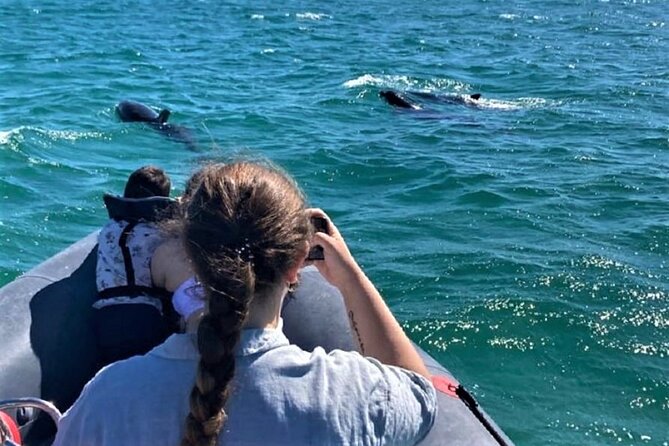
This is a straightforward outing with a big goal: spot dolphins while you cruise the Sado. You leave from Setúbal and spend about 2 hours 15 minutes on the water, which is long enough to cover multiple coast-and-water zones but short enough that it still feels like a proper excursion rather than a half-day commitment.
You’ll get that classic Setúbal mix: river cruising first, then an area shift toward more open water. Along the way, you’re not just looking for wildlife—you’re also getting a moving photo frame of the Arrábida region. The boat travels along the coast, past beaches and viewpoints, so even if dolphins take a little time, the ride has variety.
That’s also why I think timing matters. This is not the type of trip where you sit back and assume dolphins will show up immediately. It’s more like: scan, adjust, search, then enjoy when they appear. If you’re the patient type, you’ll get a lot out of it.
You can also read our reviews of more dolphin watching tours in Setubal District
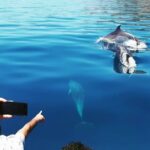
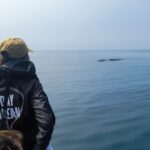
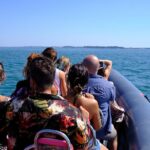
The dolphin hunt: bottlenose vs. common dolphins (and the 99% odds)
The dolphin part is the main event, and it’s handled in a practical way. Your skipper watches for dolphins and changes the order of the route depending on where the animals are active. That flexibility is key in a place where dolphins aren’t likely to stay in one spot for long.
Here’s what you should expect regarding species:
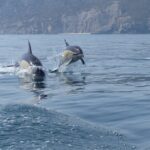
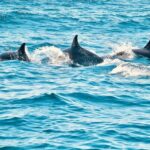
- Bottlenose dolphins can be found in the Sado River area, where there’s a colony.
- Common dolphins are more typical in open sea conditions.
In other words, you’re not just hunting one predictable target. The trip is designed to work with how the animals use the water that day—river vs. ocean zone.
Now about the question everyone asks: do you guarantee dolphins? The operator states they find dolphins on around 99% of boat trips. If you happen to be in the remaining 1%, you’re entitled to a free voucher to repeat the experience. That’s the closest thing to a safety net you’ll get in wildlife watching, and it also nudges the trip toward responsible effort rather than rushing you back quickly.
My advice: plan to enjoy the search itself. When you’re scanning the surface for blows and movement, the water stops feeling empty.
From Albarquel Beach to Outão lighthouse: the scenic warm-up
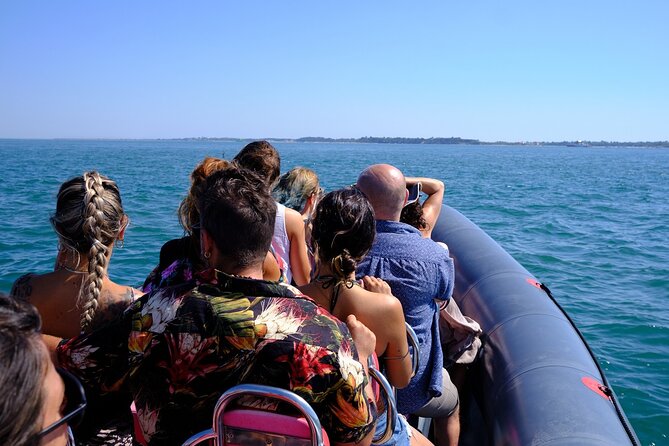
Before you settle into heavy dolphin scanning, the cruise gives you a nice sequence of shoreline markers. You pass Albarquel beach, then head by the Comenda palace area, and you’ll also go near the Outão lighthouse, which signals the move toward oceanic waters.
This matters because it frames your expectation. You’re gradually transitioning from river scenery toward the broader zone where different dolphins may be possible. Even if you’re mainly there for dolphins, the visual rhythm helps you stay focused instead of staring at the same stretch of water the whole time.
You also get a sense of the Arrábida region’s shape—coastlines that rise quickly, water that looks dramatically different depending on where you are, and beaches that come and go as the boat turns. It’s a calmer way to start a wildlife trip, and it helps you understand why the skipper might change plans once sightings start.
Arrábida coast stops: Figueirinha, Galapos, Coelhos, Creiro, Portinho da Arrábida
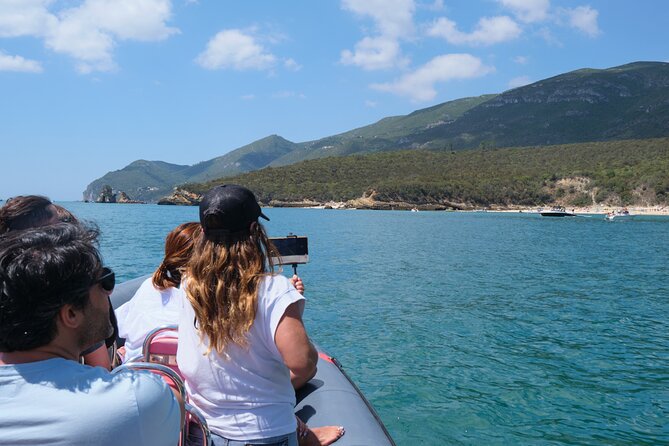
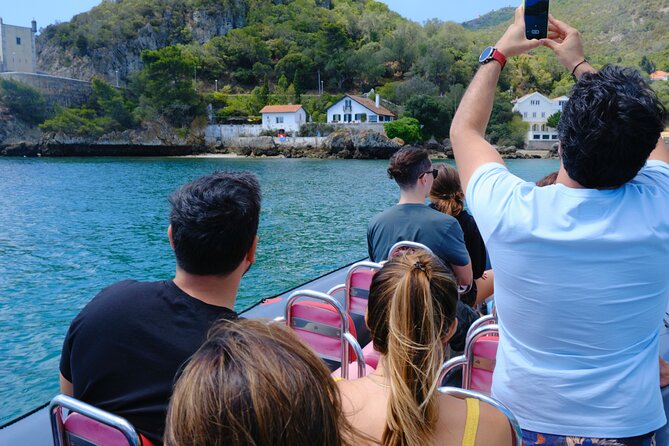
Once you’re working along the coastline, the views get more specific. You’ll cruise past beaches and coves such as Figueirinha, Galapos, Coelhos, Creiro, and Portinho da Arrábida. The water here is often described in bright, turquoise terms, and the way the boat frames these bays makes them look even more colorful than they do from land.
What I like about this part is that it’s not random scenery. Each coastline turn gives you a different angle on the coast, and you can spot why dolphins might track certain areas—food, shelter, currents, and the way marine life moves along the shoreline.
There can be a trade-off, though. If your dolphin sighting takes time, you may notice stretches of sightseeing that feel more like cruising than discovery. This is especially true because the itinerary can include coast-following time while you wait. If you’re traveling with kids, this is where the guide’s commentary helps keep interest up.
If you want the best chance of staying engaged, bring the right mindset: dolphins are the priority, and the coast is the bonus.
Cliffs, small caves, islands: what the Arrábida scenery adds
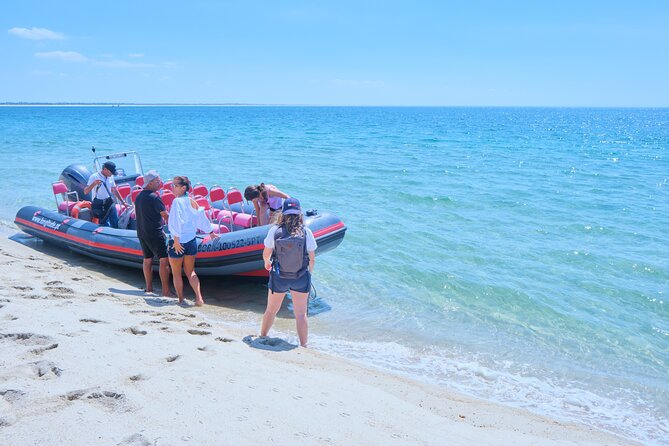
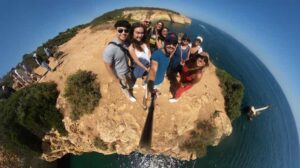
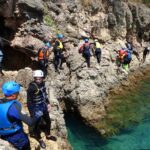
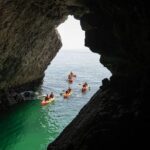
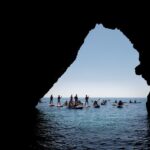
The cruise can also include a visit near Alpertuche beach and the Arrábida cliffs, including areas with small caves, plus small islands at the mouth of the Sado. These stops give you a different kind of beauty than the open-bay beaches.
Why do these parts matter? Because they break up the trip. Even if you get dolphins early, the coastline scenery keeps the excursion from feeling like a single event. And if you’re not lucky with dolphins on the first stretch, these features help you avoid that letdown feeling.
Caves and cliffs also add depth to your viewing. When the coastline changes from beach to rock formations, you start noticing how complex the area is—more hiding spots, more micro-zones where marine life might show up. I’m not claiming you’ll see dolphins because of caves, but it helps you understand why a skipper would explore nearby areas rather than sticking to a single track.
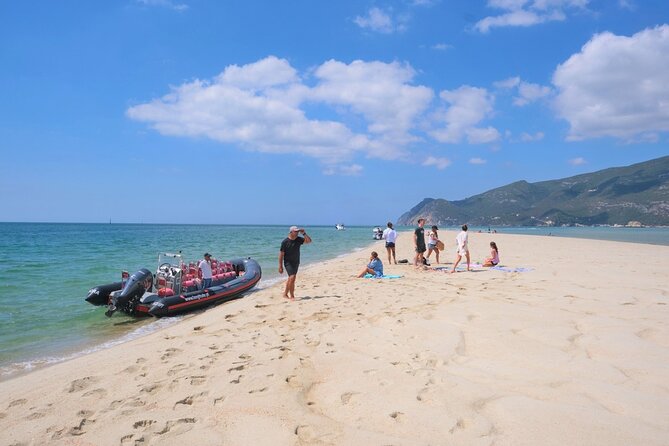
And if a swim pause happens during your cruise—some versions of the route include a sandy spot for getting in the water—it’s a nice way to reset after time scanning.

Boat comfort, shade, and seasickness reality check
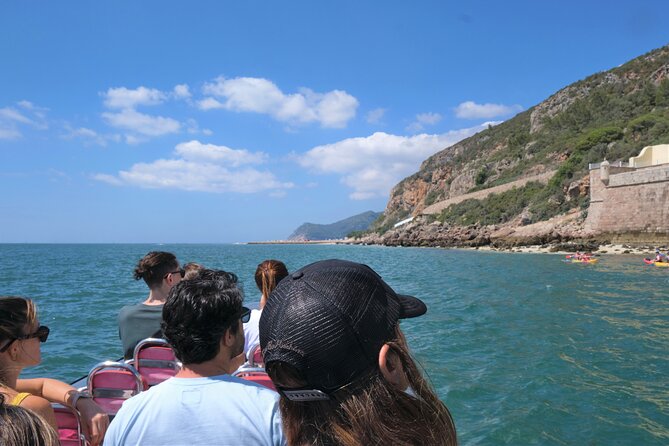
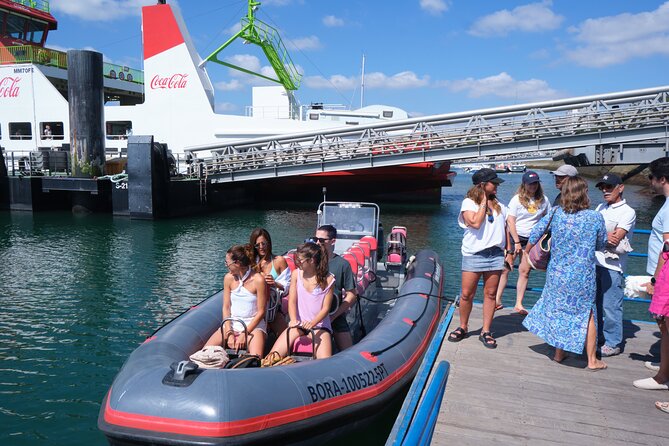
This trip is on a small boat. That’s a major reason dolphin viewing can feel close—there’s less distance between you and the water, and the boat can get into viewing positions quickly.
The downside is comfort. One key concern from experience reports is that you sit straddling, and there’s little or no shade. For a shorter dolphin-and-go trip, that might feel fine. For the full 2h15, it can feel uncomfortable, especially in warm weather or if you’re prone to feeling awkward in tight seating.
So here’s how you prepare realistically:
- If you’re sensitive to sun, bring sunglasses and sun protection. Shade is limited.
- If you get motion discomfort, consider what usually helps you on boats (light snack beforehand, ginger if that works for you, and keeping your gaze on the horizon).
- Wear breathable layers that you can adjust fast, because time on the water can swing between sun and sea breeze.
If you’re going with older family members, I’d take comfort seriously. You’re not locked in, but you will be sitting for most of the ride.
English guidance and the private-group vibe
Language is covered: the tour is offered in English, and you’ll receive confirmation at booking time. The operator also allows service animals, and it’s described as suitable for most travelers.
The private-group setup is a plus. This is not a packed cattle-call where you’re stuck with a crowd you didn’t choose. Since only your group participates, you tend to get a smoother experience with less waiting and less noise.
Guides here are known for being friendly and professional, and they also focus on respecting dolphins and nature. That matters because dolphin watching isn’t about chasing. It’s about watching without stressing wildlife, and the guide’s approach is part of what makes the outing feel good.
And one more small point: the tour uses a mobile ticket. That keeps things easy once you’re standing at the marina.
Price and value: is $44.76 per person worth it?
At $44.76 per person, this doesn’t feel like a budget bargain, but it also doesn’t feel like an over-the-top luxury price for a wildlife cruise. The value comes from three things working together:
- Small-boat viewing (closer potential viewing angles)
- Time on the water long enough to cover river-to-ocean zones
- A dolphin-focused strategy with route changes based on sightings
If your day is dolphin-friendly, you’ll feel like you got a lot out of a short outing. If dolphins are slow to show, you still get a scenic cruise along the Arrábida coast and around the Sado mouth.
I’d also think about the voucher factor. That 99% success rate plus a free repeat voucher for the rare miss makes the price feel more fair than a strict no-excuses tour.
When to go: weather rules and what your plan B looks like
This experience requires good weather. If it’s canceled due to poor weather, you’ll be offered either a different date or a full refund.
So before you commit, take a quick look at local conditions and keep your schedule flexible. Coastal weather can change fast, and tours built around wildlife and sea conditions need safe operating conditions to run.
Good news: cancellation is free if you cancel at least 24 hours before the start time (based on local time), and you’ll get a full refund. That means you can book, monitor, and adjust without feeling trapped.
Where you start and end in Setúbal (so you don’t waste time)
You’ll meet at Escola Náutica de Recreio, Rua Praia da Saúde nº 11-A, in front of Rua Doca Delpeut, 2900-572 Setúbal, Portugal. The tour ends back at the same meeting point.
It’s near public transportation, which helps if you’re pairing it with other Setúbal plans. Also, since it ends where you started, you won’t have the hassle of figuring out a new pickup point after you’re done on the water.
Should you book this dolphin watching in Setúbal?
Book it if you want a wildlife-first outing with enough time on the water to make dolphin sightings realistic, and you don’t mind a small-boat setup. This is especially good if you’re traveling with kids or anyone who enjoys nature explanations and wants a short day trip with real excitement.
Skip or choose carefully if boat comfort is a top priority for you. Limited shade and snug seating for the full 2h15 can be rough, and that’s not the kind of discomfort you want to gamble on.
If you’re okay with that, you’ll likely come away with the kind of memory that makes you check the water differently for the rest of your trip: quick movement, a sudden surfacing moment, and a few minutes of watching dolphins do their own thing.
FAQ
Where does the dolphin watching tour start?
The tour starts at Escola Náutica de Recreio, Rua Praia da Saúde nº 11-A, in front of Rua Doca Delpeut, 2900-572 Setúbal, Portugal.
How long is the experience?
It lasts about 2 hours 15 minutes.
How much does it cost?
The price is $44.76 per person.
Is the tour offered in English?
Yes, the experience is offered in English.
What dolphins are you looking for?
The trip targets bottlenose dolphins in the Sado River and common dolphins normally found in open sea.
Do you always see dolphins?
The operator states dolphins are found on around 99% of boat trips. If you’re in the remaining 1%, you receive a free voucher to repeat the experience.
What happens if the weather is poor?
The experience requires good weather. If it’s canceled due to poor weather, you’ll be offered a different date or a full refund.
Can I get a full refund if I cancel?
Yes. You can cancel for a full refund up to 24 hours before the experience starts (local time).