REVIEW · SINTRA
Discover Fátima: Private Pilgrimage Tour from Lisbon
Book on Viator →Operated by Fantastic Ride · Bookable on Viator
Fátima day trips can feel rushed. This private tour from Lisbon keeps the focus on the people’s story, from the little shepherds’ homes in Aljustrel to the key sanctuary sites at Cova da Iria. I also like the door-to-door transfers that fit real life, plus onboard Wi‑Fi so you’re not stuck offline while you’re waiting for your next stop.
The main trade-off is time. It’s a 6 to 7 hour outing, so if you want extra wandering, you’ll need to prioritize which places matter most to you, especially around the village and chapel areas where schedules and crowd flow can change your pace.
In This Review
- Key things to know before you go
- Why this private Lisbon-to-Fátima route feels calmer
- Getting there: transfers, duration, and what to pack
- Aljustrel: Casa-Museu de Aljustrel and Casa de Lúcia
- Casa-Museu de Aljustrel: seeing the shepherds’ everyday world
- Casa de Lúcia: the Via Sacra walk connects the story to the terrain
- Valinhos Sanctuary: stations, the path, and the pilgrim route logic
- The village-to-basilica stretch in Fátima town
- Fátima village sites: homes and the walk toward Valinhos
- Basilica de Nossa Senhora do Rosário: the big sanctuary centerpiece
- Capela das Aparições and Holy Trinity Church: two very different kinds of meaning
- Capela das Aparições: a modest chapel with a dramatic origin
- Basilica of the Holy Trinity: big seating, modern white stone
- How the guide shapes the whole day (names people highlight)
- Crowds, prayer, and realistic expectations for busy pilgrimage dates
- Value check: is $228.28 per person worth it?
- Who this tour fits best
- Should you book this private Fátima tour from Lisbon?
- FAQ
- How long is the Discover Fátima private pilgrimage tour?
- Where does pickup happen?
- Is this tour private?
- What’s included in the price?
- What isn’t included?
- Are admission tickets included for the listed stops?
- Do I need a passport?
- What is the cancellation policy?
Key things to know before you go
- Private route, not a cattle-car: it’s set up for only your group, so your driver/guide can adjust to your pace.
- Aljustrel is the emotional center: you’ll visit the little shepherds’ birthplace area, including the houses tied to Francisco and Jacinta, and Lúcia’s home museum.
- Valinhos adds the Way of the Cross context: you’ll connect the apparitions story with the stations and nearby pilgrimage sites.
- Multiple major sanctuaries in one trip: Basilica of Our Lady of the Rosary, Capela das Aparições, and the Holy Trinity Church are all on the same day.
- Smart casual + comfy shoes: sanctuaries are worth dressing respectfully, and you’ll want shoes that handle uneven ground and walking.
- Food isn’t included: plan a snack or meal outside the tour window so you’re not making it stressful on yourself.
Why this private Lisbon-to-Fátima route feels calmer
Fátima is powerful, and it’s also a place that can get crowded on big dates. A private setup helps because you’re not squeezed into a fixed group rhythm. You’re riding in an air-conditioned minivan, with bottled water, and you can shape your day around prayer, photos, and time at each site.
I especially like that the guide work isn’t one-size-fits-all. Some guides lean into spiritual reflection; others explain the story with a history-minded lens. You can ask questions and follow along at the level you want—one big reason people rate this tour so highly.
One more small but real win: the tour includes onboard Wi‑Fi, so you can check messages, map your next stop, or just scroll without using roaming data during the drive.
You can also read our reviews of more private tours in Sintra


Getting there: transfers, duration, and what to pack
You’ll get pickup and drop-off arranged from your start point—hotels, Airbnbs, Lisbon airport or station, even the port—on agreement. That matters because Fátima isn’t something you want to tack onto a chaotic bus connection. Door-to-door transport lowers friction, and you can focus on the day.
Expect about 6 to 7 hours total. That time window is plenty to hit the main sites, but it’s not a full-day marathon with long detours. If your heart is set on the village walk and the sanctuaries, keep that in mind when you picture your day.
Practical pack list:
- A passport (a current valid passport is required on the day of travel)
- Smart casual clothing for the sanctuaries
- Comfortable walking shoes (you’ll be moving around several areas)
- A light layer (the sanctuaries and chapel spaces can feel cooler, especially in shoulder seasons)
Also, bring patience for crowd flow. On pilgrimage-heavy dates, parking and traffic can get tricky, and your driver may need extra time to get you close enough to walk in comfortably.
Aljustrel: Casa-Museu de Aljustrel and Casa de Lúcia
If Fátima is the destination, Aljustrel is the backstage story—the place where the “where it happened” feeling becomes concrete.
Casa-Museu de Aljustrel: seeing the shepherds’ everyday world
Your first stop is Casa-Museu de Aljustrel, the village of the little shepherds. The point here isn’t just viewing buildings. It’s the sense of scale and simplicity: the homes keep a primitive structure, with single-floor layouts, whitewashed limestone walls, and interiors set up to recreate childhood scenes. The museum is listed with free admission, which is a nice value-add in a tour that already includes so much.
A key detail: don’t rush the rooms. Even if you’re not the museum type, these spaces help you picture what “ordinary life” looked like in that time period—close to the story’s emotional core.
Casa de Lúcia: the Via Sacra walk connects the story to the terrain
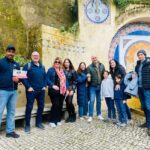
Next comes Casa de Lúcia. You’ll arrive along the Caminhos dos Pastorinhos (the Via Sacra) in the Aljustrel area. This stop is short, but it carries weight because Lúcia was the only witness with the longest life, and her home has become a museum reflecting local lifestyle in the early 1900s.
This is also where I like to remind you to pace your attention. You don’t need to absorb everything at once. Take a minute, look slowly, then move on to the larger sanctuary rhythm.

Valinhos Sanctuary: stations, the path, and the pilgrim route logic
From Aljustrel, the day naturally turns toward Valinhos Sanctuary—a stop that helps you understand how pilgrims experience the story as a walk, not just a list of monuments.
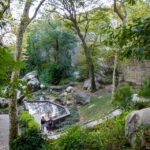
The tour connects Valinhos to the Way of the Cross stations in the path of the little shepherds. Specifically, it’s described as the place where the fourth apparition occurred in 1917. Today, Valinhos is visited by thousands, and the route logic is part of the experience: you’ll see the Hungarian Calvary area and the surrounding pilgrimage flow.
You’ll also hear about the angel sculptures and the Way of the Cross stations attributed to Maria Amélia Carvalheira da Silva. Even if you’re not a sculpture person, that kind of detail makes the route feel more intentional and less like a scenic detour.
This stop is listed as about 15 minutes. That can feel quick if you want to linger. If you’re the type who likes a slow prayer pause, bring that need up with your driver/guide. With private touring, they can sometimes help you balance “see it all” with “sit with it.”
The village-to-basilica stretch in Fátima town
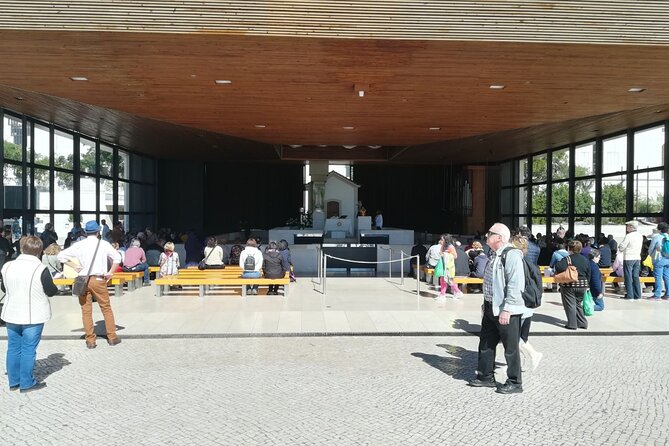
After Valinhos, the itinerary returns to the broader Fátima area. This is where the day shifts from homes and walking paths to the sanctuary center at Cova da Iria.
Fátima village sites: homes and the walk toward Valinhos
You’ll have time in the Fátima area connected to Aljustrel again, with options such as visiting the houses of Francisco and Jacinta and Lúcia’s house (described as a museum). Departing Aljustrel, the route along the Way of the Cross in Valinhos is part of the larger picture.
One real-world note from the field: some interior house access can be time-sensitive. In at least one experience, the interiors weren’t available because they were closed at 2:00. If your priority is seeing inside, aim to be efficient early in the day and don’t assume every room will be open.
Basilica de Nossa Senhora do Rosário: the big sanctuary centerpiece
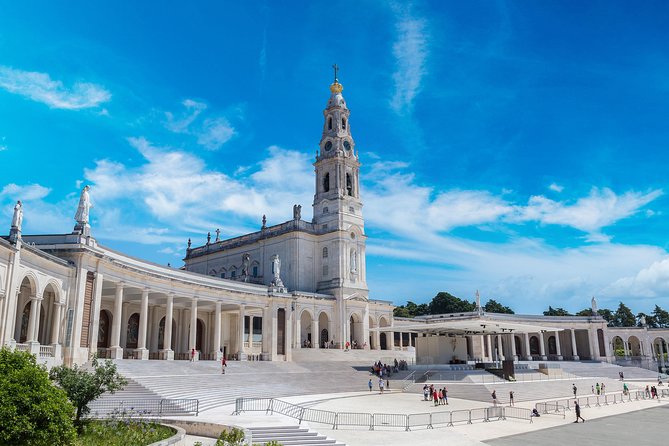
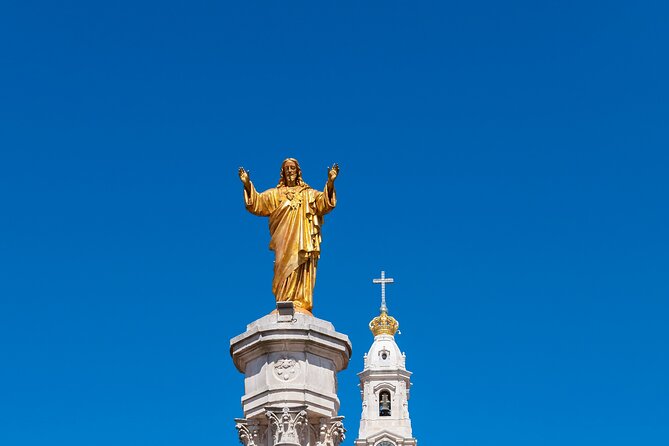
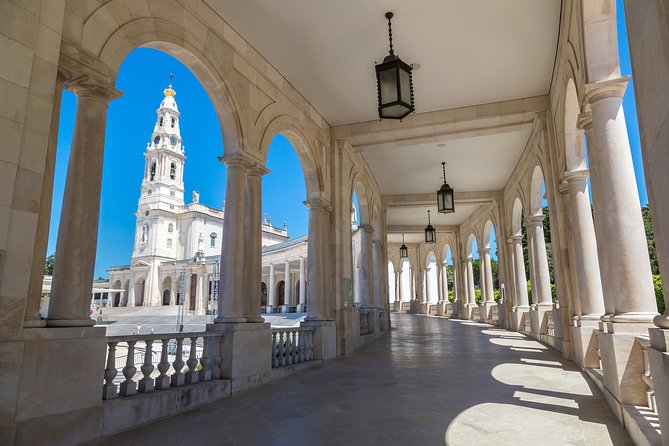
Next up: Basilica de Nossa Senhora do Rosário de Fátima, also called the Basilica of the Rosary. This is part of the larger sanctuary complex at Cova da Iria. It’s listed as about 30 minutes, and that time is useful for getting oriented—seeing the sacred layout, understanding where people gather, and deciding how you want to spend your next minutes of quiet.
As a visitor, you’ll notice two different modes of travel here: sightseeing movement and devotional stillness. This tour lets you switch between them without feeling like you’re sprinting. That matters in a place where people come for prayer, not just photos.
Capela das Aparições and Holy Trinity Church: two very different kinds of meaning
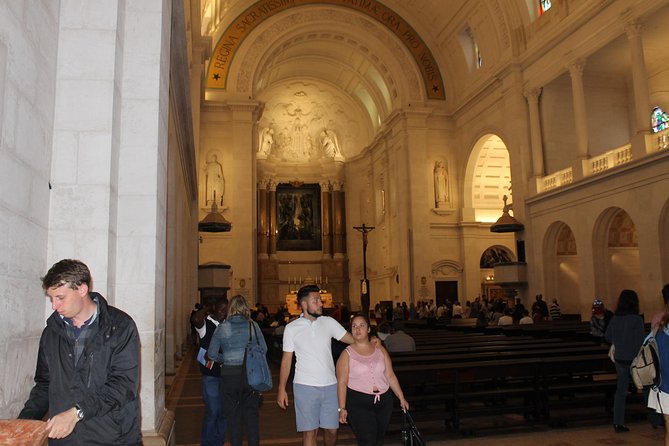
The Capela and the larger Holy Trinity Church bring contrast. One is tied closely to the marking spot of the apparitions story; the other is a modern grand space that signals scale and collective faith.
Capela das Aparições: a modest chapel with a dramatic origin
The Capela das Aparições sits in the heart of the current sanctuary. It was built by local people in 1919 following a request made during an apparition. The first mass held there was in 1921.
The chapel’s described as modest and hermitage-like, with a rough design that remains after preservation work. There’s also a notable detail: the image of Our Lady marks the spot of the holm-oak tree, and the actual tree disappeared over time as believers took pieces away. This is the kind of story that makes the physical site feel lived-in, not museum-like.
The stop is listed as about 30 minutes. In real experience, you may even catch services happening. One group reported a mass in English at the Capela area, so if language matters to you, ask your guide what they see on-site when you arrive.
Basilica of the Holy Trinity: big seating, modern white stone
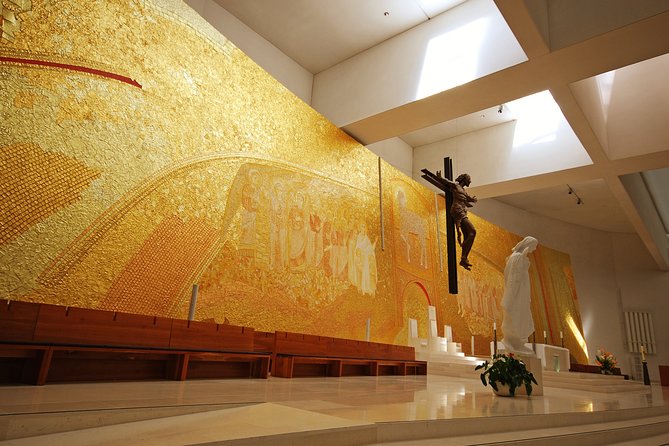
Then you’ll visit the Basílica da Santíssima Trindade. It’s described as a modern white building with stone known as “white sea.” The basilica has 8,633 seats and covers 40,000 m², and it’s identified as the fourth largest Catholic temple in the world in capacity.
This one is more about feeling the scale. Even if you’re not impressed by architecture, the sheer size changes the atmosphere. It’s a reminder that Fátima isn’t only a local story—it’s a global pilgrimage destination.
How the guide shapes the whole day (names people highlight)
The biggest praise in the reviews isn’t the monuments. It’s the guide tone: respectful, flexible, and willing to adjust. Several guide names come up, like Jorge, George, Filipe (also spelled Phillipe/Fillipo in some reports), and João, plus Luis, Margarida, and John.
You’ll see patterns in how those guides operate:
- They don’t rush. People specifically call out that they felt they had enough time, not a checklist sprint.
- They handle different needs within the group. One experience highlighted problem-solving for mobility issues with a wheelchair user.
- They explain the story in ways that connect emotionally, not just as dates and places.
My advice for you: at the start of the tour, ask your guide how they like to pace it. If your group wants mass time, tell them. If your group wants a deeper story at Aljustrel and less time at the larger basilica, tell them that too. Private touring works best when you set the goal early.
Crowds, prayer, and realistic expectations for busy pilgrimage dates
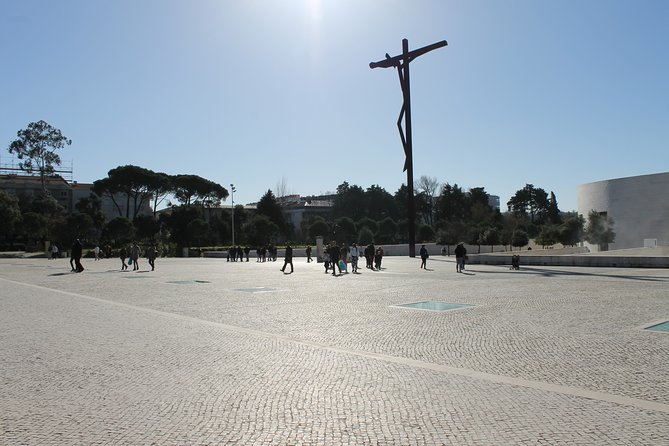
Fátima crowds can be intense around major anniversaries. One review described being there the day before May 13 and warned that the day before or around special pilgrimage dates can be almost impossible for parking, forcing extra driving loops while the group gets dropped closer.
So here’s how you keep your day from turning into stress:
- Pick one priority: either spend more time in Aljustrel and nearby walkways, or spend more time in the sanctuary core.
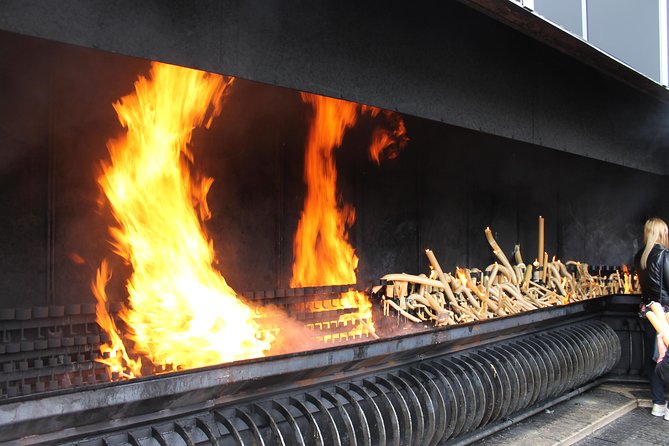
- Build in moments of stillness. Even if the tour is structured, you can often use time at chapels to slow down, light candles, or simply sit quietly.
- Don’t treat it like a museum tour. People are there for devotion. Dress respectfully and keep your phone use low when you’re inside chapel areas.
If you’re hoping to attend mass, this tour’s framework supports that goal. Some experiences include mass moments tied to the chapels and sanctuary settings, but services can vary. Your guide will help you find what’s happening when you’re there.
Value check: is $228.28 per person worth it?
At about $228.28 per person, this isn’t a budget day trip. But it does include a lot that you’d otherwise pay for separately: private transport, hotel/port/airport pickup and drop-off, bottled water, Wi‑Fi, and all taxes/fees/handling charges plus insurance.
You’re also getting fewer unknowns. With private driving, you avoid the stress of buses, transfers, and “where do we meet again?” logistics. That alone is worth something if you’re traveling with older parents, mobility needs, or just want a smooth day.
What you should weigh is food and time. Meals aren’t included. If you expect lunch inside the tour package, you’ll need to plan ahead with either a stop you choose or a restaurant break you’re comfortable with.
Also consider flexibility. If you want extra time at a site, you’ll have a better chance with a private format than with a standard group bus.
Who this tour fits best
This tour fits best if you:
- Want a private day that connects the story to specific places (especially Aljustrel)
- Care about a guide’s explanation and pacing, not just a photo stop
- Want door-to-door transport from Lisbon without wrestling with connections
- Have a group with mixed needs, including someone who benefits from attentive handling
It might feel like too much structure if you’re looking for a totally independent wander day. In that case, you’d probably rather go on your own and control every minute.
Should you book this private Fátima tour from Lisbon?
If your goal is a respectful, well-paced pilgrimage day with strong story context, I’d book it. The value is in the private pacing, the door-to-door transfers, and the way the stops trace the apparitions narrative from home-village sites to sanctuary highlights. The guide experience is a major reason this tour stays highly rated.
Skip it (or consider an alternative) if you want an ultra-flexible all-day plan with long unscheduled detours, or if you’re expecting food to be included. For most people, though, this hits a great sweet spot: enough time to see the core sites, plus enough quiet time to actually experience the place.
FAQ
How long is the Discover Fátima private pilgrimage tour?
It runs about 6 to 7 hours (approx.).
Where does pickup happen?
Pickup is offered from Lisbon port, airport, station, hotels, and Airbnbs, plus other destinations on agreement.
Is this tour private?
Yes. It’s a private tour/activity, and only your group participates.
What’s included in the price?
Transport by air-conditioned minivan, bottled water, hotel pickup and drop-off, private tour, Wi‑Fi on board, and all taxes/fees/handling charges. Insurance is also included.
What isn’t included?
Food and drinks are not included.
Are admission tickets included for the listed stops?
The itinerary lists free admission ticket for each stop shown (Casa-Museu de Aljustrel, Casa de Lúcia, Valinhos Sanctuary, Fátima village sites, Basilica of Nossa Senhora do Rosário, Capela das Aparições, and Basilica of the Holy Trinity).
Do I need a passport?
Yes. A current valid passport is required on the day of travel.
What is the cancellation policy?
Free cancellation is allowed up to 24 hours in advance for a full refund. If you cancel less than 24 hours before the start time, the amount paid won’t be refunded.