REVIEW · ALGARVE
CCVAlgarve Individual Ticket
Book on GetYourGuide →Operated by Centro Ciência Viva do Algarve · Bookable on GetYourGuide
Science, sea, and shocks in one day.
I love how this visit connects the Ria Formosa coastal-lagoon world to real animals you can see, especially the seahorses. I also like the hands-on energy: you move from aquariums to a touch pool where you can interact with animals from the intertidal zone. One thing to keep in mind is that it is not a huge place, so plan to arrive with a clear game plan so you don’t feel rushed.
If you’re in the Algarve and want a fun, low-cost indoor day, this ticket fits well. Just know the museum-style science stations mean most of the excitement comes from interactive displays rather than a scenic, outdoor wandering day.
In This Review
- Key things to know before you go
- Where you enter the Algarve Life Sciences Center
- Two aquariums: tropical tanks plus the Ria Formosa lagoon
- Seahorses and the lesson behind the touch pool
- Hands-on science stations: earthquake, tornado, and planet weight
- The 3-D printer and why it fits this museum’s style
- How to plan your visit for a smooth, full day
- Price and value: why a $5 ticket makes sense here
- Who should book this ticket
- Should you book the CCVAlgarve Individual Ticket?
- FAQ
- How much does the CCVAlgarve Individual Ticket cost?
- Where is the meeting point?
- Is the entrance fee included?
- How long is the ticket valid?
- Do I get to see two aquariums?
- Is there an animal interaction area?
- What interactive science experiences are included?
- Is the center wheelchair accessible?
- Are pets allowed?
- Is alcohol allowed?
Key things to know before you go
- Two aquariums: one tropical, one focused on the Ria Formosa coastal lagoon
- Touch pool interaction: get hands-on with intertidal-zone animals and learn how they fit their habitat
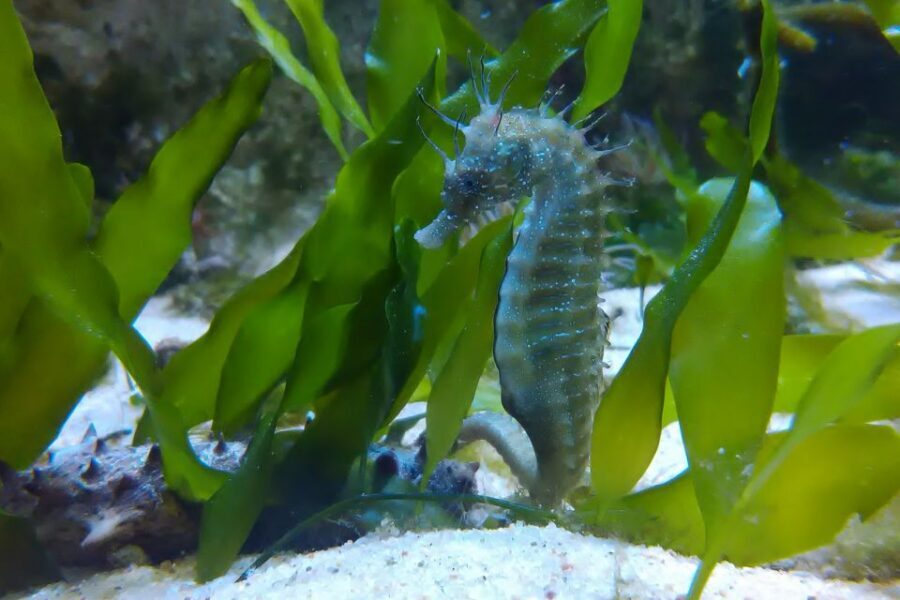
- Seahorses from the Ria Formosa: you’ll get to see these sensitive animals up close
- Big interactive science: earthquake-style feeling, plus a live tornado display
- Subject mix: Physics, Geology, Food, Meteorology, and Volcanos spread across walk-through modules
- A fun reality check: you can guess how many calories are in a pizza
Where you enter the Algarve Life Sciences Center
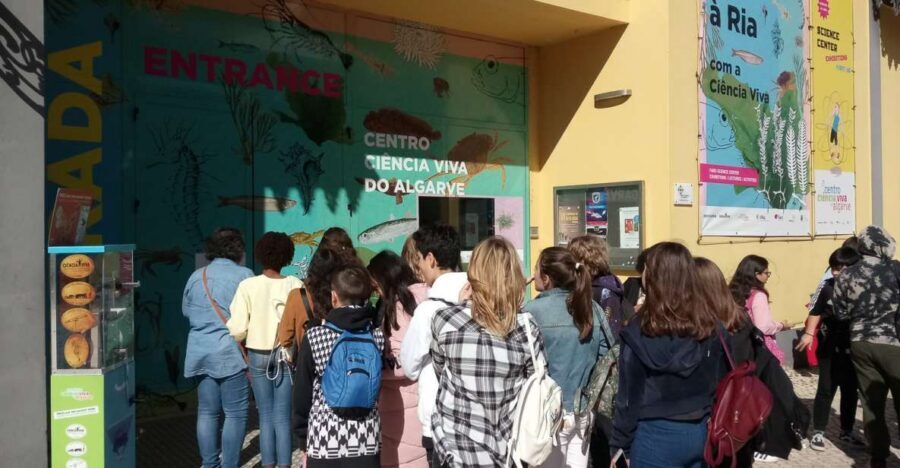
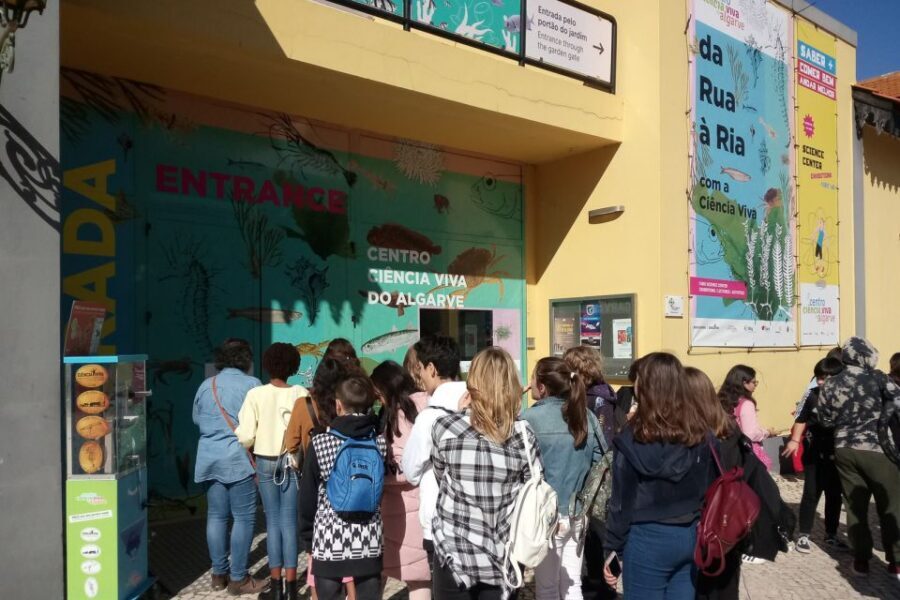
Your first job is simple: walk into the Algarve Life Science Centre, a big yellow building. The entry is in the middle in front of the castle walls. Go to the reception counter and show your ticket.
That matters more than it sounds. A lot of science museums have “start when you arrive” energy, and this one works best when you’re checked in right away. Once you’re inside, you can move freely between areas, so showing your ticket at the start helps you get your bearings fast and avoid wasting the early part of your day.
Also note the house rules. Pets aren’t allowed (assistance dogs are fine). Alcohol and drugs aren’t allowed either. If you’re coming straight from a walk, just plan to keep food and drinks sensible and follow the museum rules on site.
A few more Algarve tours and experiences worth a look
Two aquariums: tropical tanks plus the Ria Formosa lagoon
The ticket’s center stage is the pair of aquariums at the Algarve Life Sciences Center Museum.
One aquarium is tropical, which gives you a clear visual contrast. The other represents the sub-real environment of the Ria Formosa coastal lagoon. In plain terms: you’re not just looking at fish; you’re seeing how different habitats shape what lives there.
This second aquarium is where the experience gets especially specific. You’ll discover sensitive seahorses coming from this very Ria Formosa environment. That’s a big deal for two reasons:
- It turns a real regional ecosystem into something you can actually observe.
- It helps the science feel local, not generic.
If you’re traveling with kids, this is also a smart anchor point. Start here and you’ll have their attention before you move into the more abstract science stations.
Seahorses and the lesson behind the touch pool
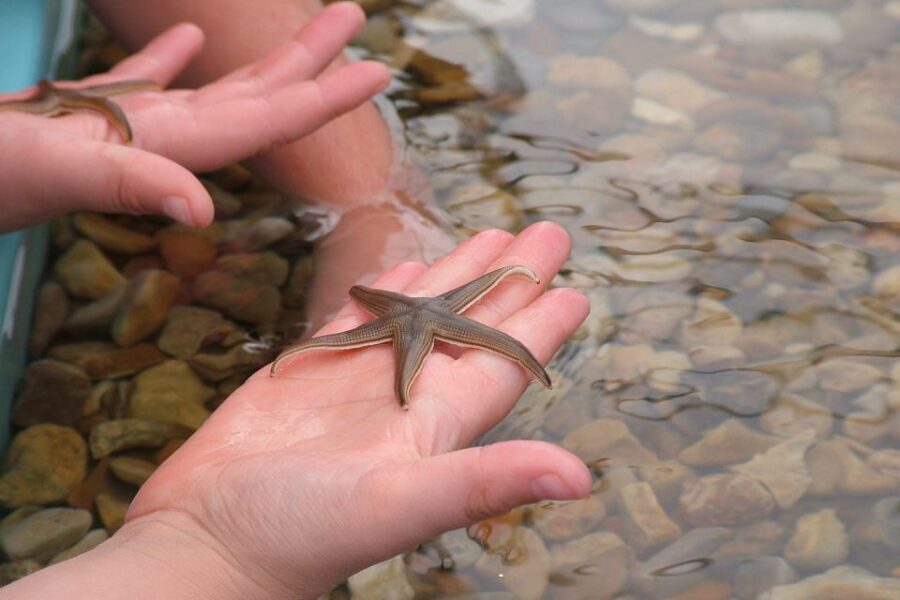
After the aquariums, head to the area with the touch pool. This is the part that makes the museum feel less like a lecture and more like a field trip.
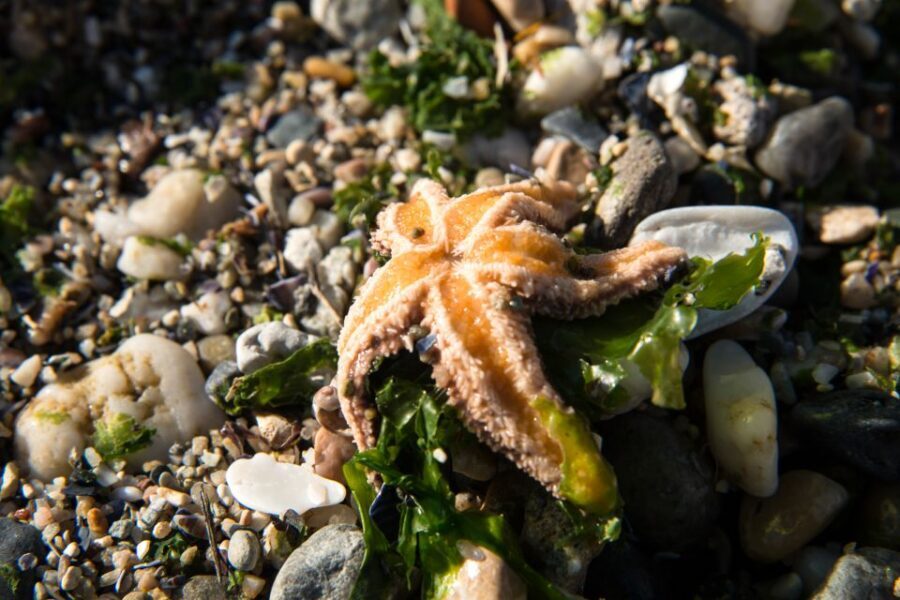
The touch pool focuses on animals usually found in the Ria Formosa intertidal zone—the shifting area where land and sea meet. Intertidal life has to handle change: water levels, exposure to air, and fluctuating conditions. The museum uses this area to connect habitat to survival.
You’ll also learn about the animals’ life cycle and how they relate to this unique environment. That short pivot—from looking at animals to understanding how they live—adds real value. It’s one thing to see a seahorse on display. It’s another to understand why the lagoon conditions matter for what it can do and how it develops.
Practical tip: if you’re going with children, this is often where you’ll spend the most time, so don’t stack your day too tightly. Give yourself space to slow down and let the staff-led or module-led explanations land.
Hands-on science stations: earthquake, tornado, and planet weight
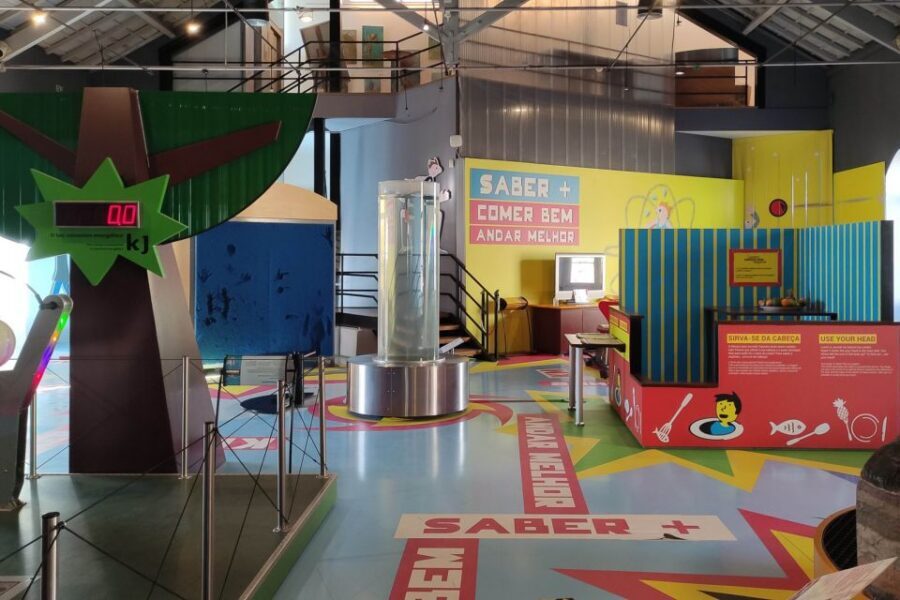
This ticket is not just about the sea. You’ll also find interactive modules across subjects, including Physics, Geology, Food, Meteorology, and Volcanos.
The standout moments are the “big feeling” science displays:
- You can experience the feeling of an earthquake.
- You can see a live tornado.
These don’t require any technical background. The point is to help your brain connect cause and effect with a physical experience. It’s the kind of science learning that sticks because you remember how it felt, not just what you read.
Then there’s the playful side that still teaches. You’ll find a planet-weight module—so you can find out your weight on other planets. That kind of comparison is a quick way to make gravity real in a way that worksheets never do.
And yes, the museum also lets you take a guess at how many calories are in a pizza. It sounds silly until you realize it’s a gateway into thinking about energy, nutrition, and real-world numbers. You’ll leave with more than sea knowledge.
The 3-D printer and why it fits this museum’s style
One of the fun extras is a 3-D printer module. It’s included as part of the overall science center feel, which matters because it gives your day a modern tech thread between the earth-and-weather exhibits and the biology displays.
This is especially useful if you have a mix of interests in your group. One person may love the animal parts, another may gravitate toward the quake/tornado stations, and the 3-D printer gives you a third option that still fits the science theme.


How to plan your visit for a smooth, full day
This is a one-day ticket. Availability and starting times matter, so check what time slots are offered and pick one that gives you breathing room. A science center day works best when you’re not sprinting.
Here’s a practical way to structure your time:
- Start with check-in and the aquariums so you get the animal highlights early while energy is high.
- Move to the touch pool while you’re still fully engaged with the habitat theme from the Ria Formosa exhibit.
- Then go to the big science stations (earthquake and tornado) since those tend to be time-consuming in the moment.
- Finish with the modular rooms like Physics, geology, meteorology, volcanos, the planet-weight activity, and the pizza-calories guess.
Because the museum is not extremely large, you’ll likely see the major highlights without spending the whole day glued to one corner. Still, the best visits include a few slower stops—especially at the touch pool and the seahorse area—so give yourself time to actually read and absorb.
Also consider comfort. One of the appeals of science centers is that you’re in control of your pacing. If the Algarve heat is strong on your day, indoor, air-conditioned exploration can be a smart swap.
Price and value: why a $5 ticket makes sense here
The price is $5 per person, and the ticket includes entrance fees. For that cost, you’re getting a full-day museum experience with multiple zones: two aquariums, a touch pool interaction area, and several interactive science modules.
That value comes from variety. Many low-cost attractions give you one highlight. This one gives you a stack:
- biology (Ria Formosa ecosystem and seahorses)
- hands-on animal interaction (touch pool)
- physics and earth-science style experiences (earthquake, volcanos)
- weather and energy play (tornado, meteorology-style modules)
- food-and-numbers curiosity (guessing pizza calories)
If you’re budgeting for the Algarve, this kind of ticket can do double duty: it’s both educational and a reliable rainy-day option. Even if you’re not a museum person, the earthquake and tornado-style experiences usually convert skeptics fast.
Who should book this ticket
This one-day ticket is a great fit if you want:
- a family-friendly indoor activity with hands-on elements
- an easy way to learn about the Ria Formosa ecosystem without needing prior background
- interactive science that doesn’t require reading a wall of text to understand it
It’s also a good choice for couples or solo travelers who just want a fun break from beaches and prefer experiences you can participate in, not just look at.
Should you book the CCVAlgarve Individual Ticket?
Yes—if you want a low-cost day that mixes biology, interactive science, and real regional learning, this is worth booking. The value is strong because you’re not paying for one exhibit; you’re paying for a whole flow of different zones, including the touch pool and the big earthquake and tornado experiences.
Book it if:
- you like hands-on learning
- you want something indoors in the Algarve
- your group includes kids or anyone who likes interactive displays
Skip it only if:
- you’re expecting a large, sprawling museum with hours of wandering beyond the main stations
If you match those expectations, you’ll likely get a full day out of it for very little money.
FAQ
How much does the CCVAlgarve Individual Ticket cost?
It costs $5 per person.
Where is the meeting point?
You enter the Algarve Life Science Centre, a big yellow building. Show your ticket at the reception counter; the entry is in the middle in front of the castle walls.
Is the entrance fee included?
Yes. Entrance fees are included with the ticket.
How long is the ticket valid?
The ticket is valid for 1 day.
Do I get to see two aquariums?
Yes. You’ll see one tropical aquarium and another that represents the Ria Formosa coastal lagoon environment.
Is there an animal interaction area?
Yes. There is a touch pool where you can interact with animals usually found in the Ria Formosa intertidal zone.
What interactive science experiences are included?
You can experience an earthquake, see a live tornado, and try other interactive modules like weight on other planets and guessing calories in a pizza.
Is the center wheelchair accessible?
Yes, the experience is wheelchair accessible.
Are pets allowed?
Pets aren’t allowed. Assistance dogs are allowed.
Is alcohol allowed?
No. Alcohol and drugs are not allowed.