REVIEW · PORTUGAL
Lisbon: Port Wine Tasting at Taylor’s Shop and Tasting Room
Book on GetYourGuide →Operated by Três Séculos - Realizações Hoteleiras · Bookable on GetYourGuide
Port tasting, but in Lisbon style.
Taylor’s Port in Alfama lets you sample three distinct Port styles in a real shop setting near Chafariz del Rei, while you learn how each one is made to taste the way it does. I love the mix of smooth, aged flavors with something crisp and dry, and I like how the Pastel de Nata shows up right where it should, at the end of the tasting. One thing to consider: this is a tasting room in Lisbon (not the underground cellars of Porto), and you might share the space with another tasting at the same time.
I came away feeling like I could actually tell the difference between Tawny, Ruby, and White Port after the pours, not just after reading labels. I also appreciate the no-pressure vibe: you’re shown what’s in front of you, you can ask questions freely, and the focus stays on tasting first. The only potential drawback is the pace can feel quick if you want a long, slow conversation for every glass, so arriving on time helps you enjoy it at an easy rhythm.
In This Review
- Key things that make this tasting worth your time
- Taylor’s Port in Alfama: a short stop with real flavor payoff
- What you actually drink: the three pours that teach Port fast
- Chip Dry Extra Dry White Port: the “wait, Port can be light” moment
- Late Bottled Vintage (LBV): black fruit with a focused finish
- 10-Year-Old Tawny: mellow, smooth, and quietly addictive
- Tawny vs Ruby vs White: how the differences show up in your mouth
- Pastel de Nata pairing: why the sweet finish feels intentional
- Where you meet and how to time it with your Lisbon walk
- Shared tasting room reality: expect a casual setting, not a private cellar tour
- Price and value: why $18 can feel fair here
- Gifts, bottle shopping, and what to do after the last sip
- Who should book this Port tasting (and who might skip it)
- Should you book this tasting?
- FAQ
- What’s included in the Lisbon Taylor’s Port tasting?
- How much does it cost?
- Where do I go for the meeting point?
- Is this tasting in Porto cellars?
- How long is the activity?
- What are the opening hours?
- Do I need to arrive early?
- Is it private?
- What language is available?
- Can I cancel for a refund?
- Can I pay later?
Key things that make this tasting worth your time
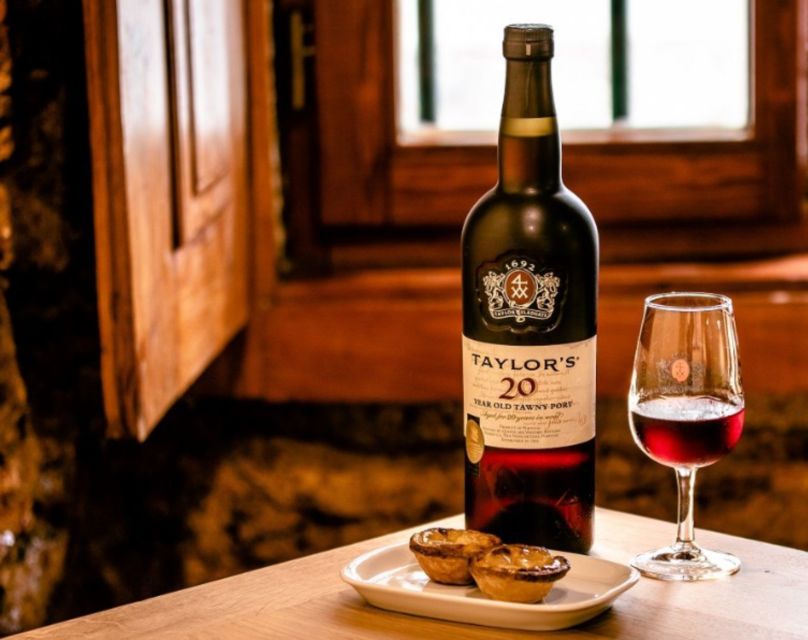
- Taylor’s is a founding Port house (since 1692), so you’re tasting from a serious name, not a tourist-only brand.
- You learn Tawny vs Ruby vs White Port while tasting the specific styles that get people hooked.
- Three pours with clear flavor goals: Chip Dry Extra Dry White, Late Bottled Vintage (LBV), and a 10-Year-Old Tawny.
- LBV is tied to Taylor’s invention, which makes that glass more interesting than just another bottle.
- Pastel de Nata pairing turns a sweet finish into part of the tasting, not an afterthought.
- Your host is often personable, and staff like José and Ivo have a track record of making the session feel relaxed and practical.
Taylor’s Port in Alfama: a short stop with real flavor payoff
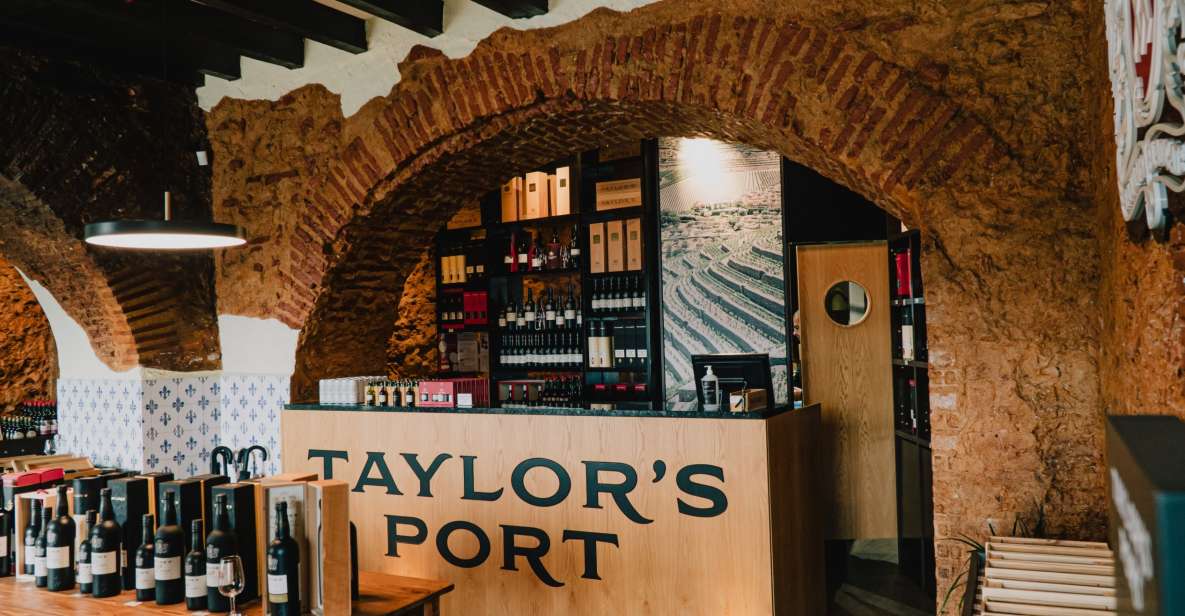
If you only have part of a day in Lisbon, this is the kind of tasting that fits without stress. It’s in the historic district of Alfama, near Chafariz del Rei, and you can treat it like a planned break between walks. The room is a working shop and tasting space, so the experience feels grounded rather than staged.
I like that you’re not just buying a souvenir and moving on. You sit down, you taste, and you learn the logic behind Port’s different styles. And with a starting price around $18 per person for multiple pours plus pastry, it can be a smart use of time.
One more point that matters: this is a tasting room in Lisbon, not a cellar visit in Porto. That means you’re here for tasting and explanations, not for a deep cellar tour or long guided march through vaulted storage.
You can also read our reviews of more tours and experiences in Portugal.

What you actually drink: the three pours that teach Port fast
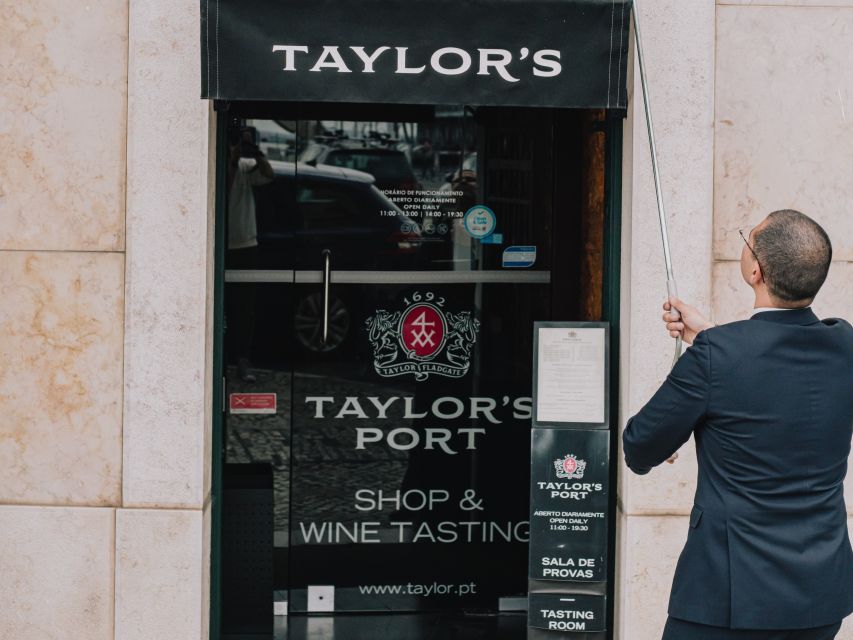
The tasting is built around three bottles/styles, each with a clear purpose for your palate. You’ll get:
- 1 glass Late Bottled Vintage (LBV) Port
- 1 glass 10-Year-Old Tawny Port
- 1 glass Chip Dry Extra Dry White Port
- 1 Portuguese custard tart (Pastel de Nata)
What makes this lineup practical is that it moves you across Port’s flavor spectrum quickly. You start with the lighter, drier side (white Port), then you taste something concentrated and fruit-forward (LBV), then you shift to matured, caramel-leaning complexity (10-year Tawny). By the end, you have a map in your head.
And it’s not just random variety. The tasting is designed around how each style ages and what that does to taste.
Chip Dry Extra Dry White Port: the “wait, Port can be light” moment
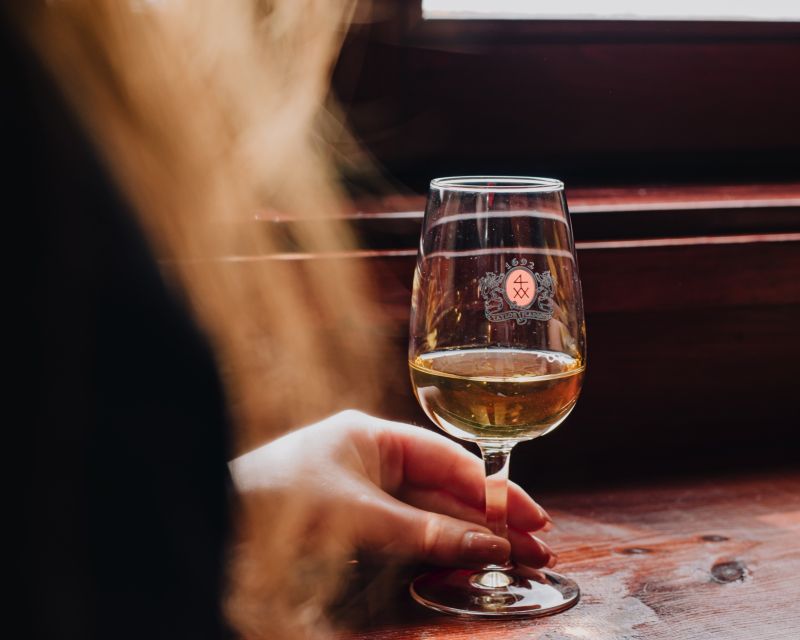
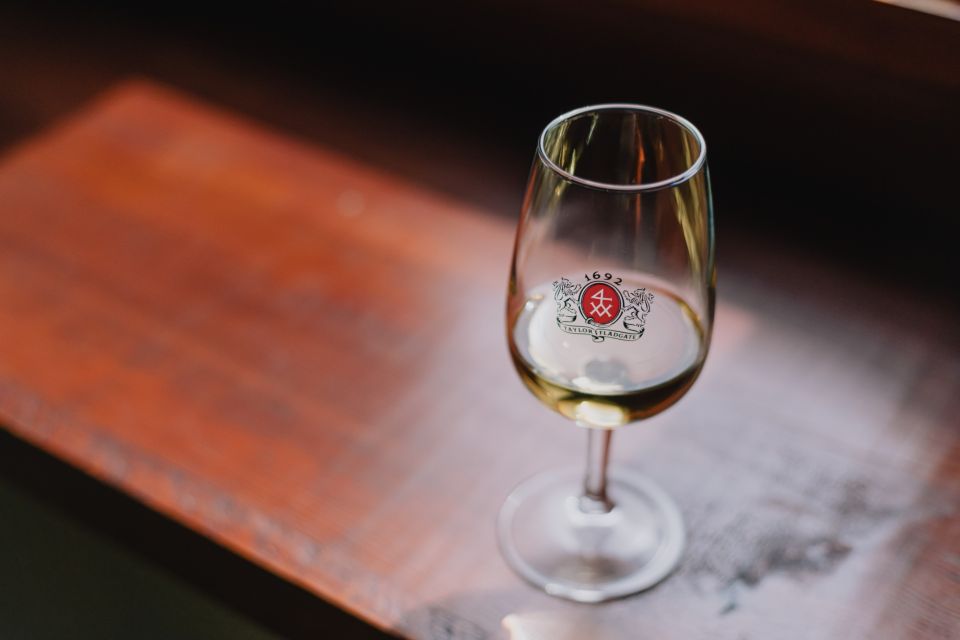
This is the glass that often surprises people. Chip Dry Extra Dry White Port is meant to be lighter and drier than the Port stereotypes you may have heard. In the tasting, you’re looking for fruit aromas, mellow notes, and a hint of oak.
This is also where you learn why White Port isn’t a gimmick. The “dry” angle matters because it gives you something to compare with the later, richer pours. If you ever felt Port all tastes the same in a tasting flight, this white style is the antidote.
Also, it’s a Port house signature: Taylor’s is credited with inventing Chip Dry Extra Dry White in the 1930s. That detail turns the glass into a mini lesson, not just a sip.
Late Bottled Vintage (LBV): black fruit with a focused finish
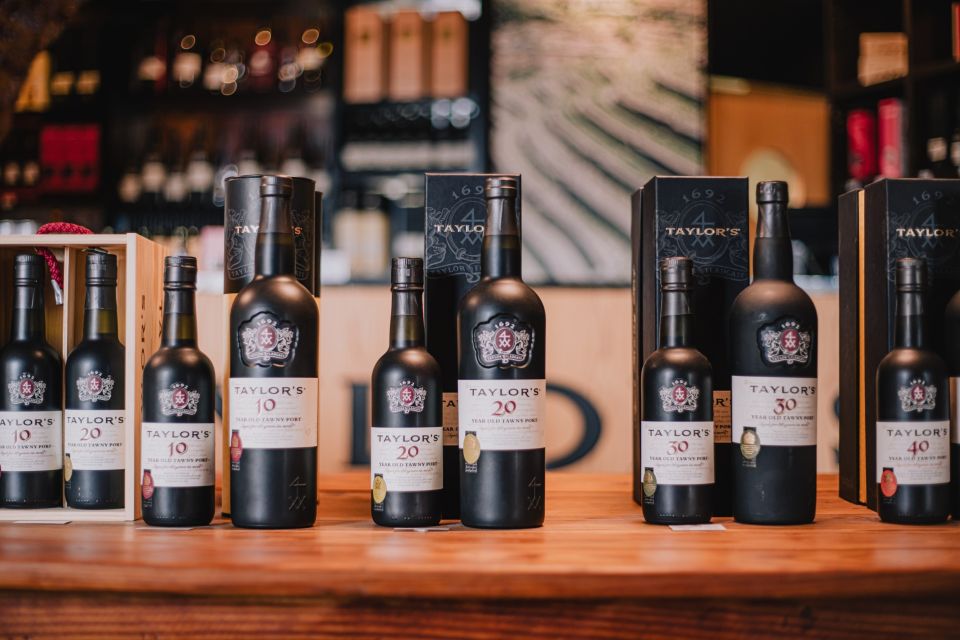
Next comes Late Bottled Vintage (LBV). LBV is built for people who want vintage character with a more approachable bottle style. In the tasting notes you’re aiming at concentrated black fruit flavor, plus the kind of depth you get when grapes are treated seriously and allowed time to develop.
The fun part here is that LBV was invented by Taylor’s in the 1970s, so you’re not only tasting a style. You’re tasting a style that came from deliberate experimentation.
If you’re pairing Port with food later, LBV is often the most flexible of the three. It has enough structure to stand up to rich bites, but it won’t feel cloying like some sweeter styles can.
10-Year-Old Tawny: mellow, smooth, and quietly addictive
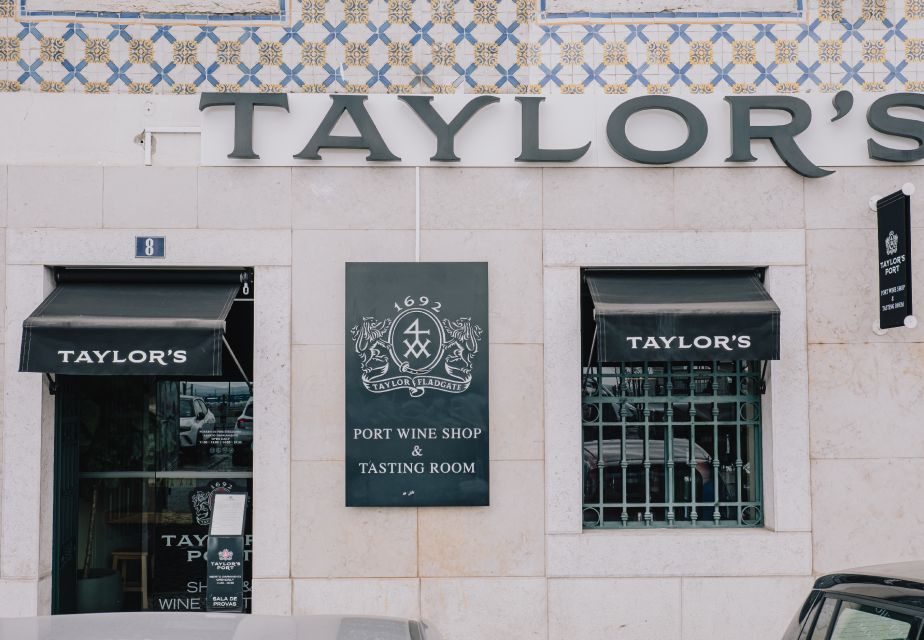
Then you get the matured 10-Year-Old Tawny, matured in seasoned oak casks. The flavor profile here is all about time: mellow flavors, a smooth luscious palate, and that warmed, caramel-leaning complexity that makes Tawny so crowd-pleasing.
I like Tawny best when I want Port to feel like a conversation with texture. You don’t just taste sweetness. You taste wood-influenced maturity, softened edges, and a finish that feels round instead of sharp.
This is the glass that also pairs naturally with the pastry at the end. The Pastel de Nata isn’t fighting the Tawny. It’s working with it.
Tawny vs Ruby vs White: how the differences show up in your mouth
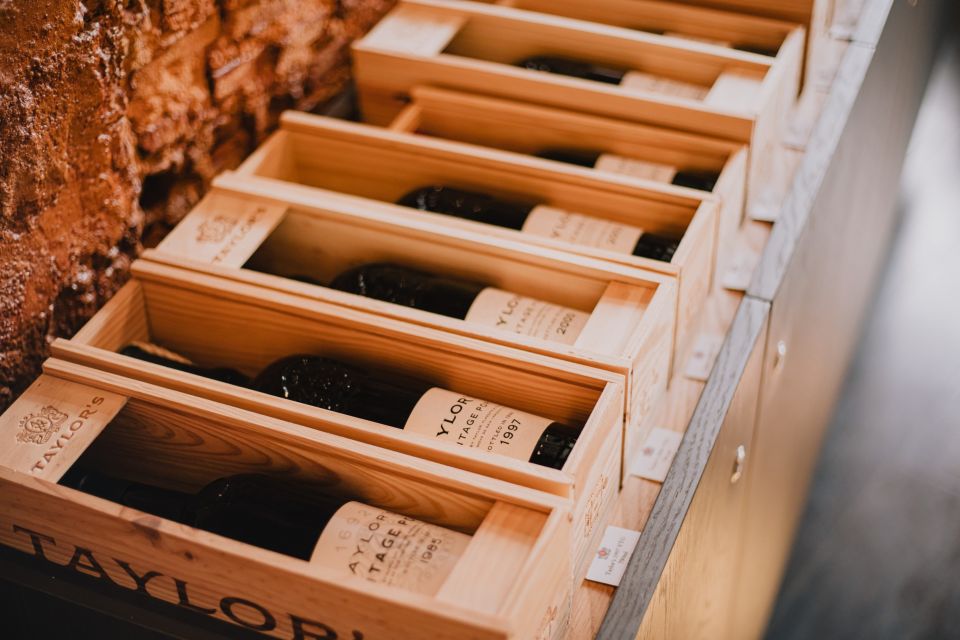
The session teaches the differences between Tawny, Ruby, and White Port. Even if you don’t taste every category in a single sip, you’ll connect the dots fast because the tasting lineup covers three ends of the style spectrum.
Here’s the practical way to think about it while you’re tasting:
- White Port tends to feel more aromatic and lighter, with fruit and hints of oak.
- Ruby is generally associated with fresher, fruit-led character (it comes up in the explanations).
- Tawny is the aged style you can taste immediately: smoothness, mellow flavors, and cask influence.
The real value is that you’ll stop reading Port labels like they’re coded messages. After a few glasses, your palate starts doing the classification for you.
Pastel de Nata pairing: why the sweet finish feels intentional
You’ll get a Pastel de Nata as part of the tasting, paired with the last pour. The pastry is a custard tart, and it’s described as sinfully delicious for a reason: it brings creamy sweetness with a little crisp edge from the baked shell.
I like this pairing because it matches how Port lovers actually drink. You don’t end with an empty plate and a random dessert. You end with something designed to work with the style that’s last in the flight, especially the 10-year Tawny.
If you’re the type who usually skips dessert because it feels like it slows everything down, this can be a good compromise. The tart fits naturally into the tasting’s final note.
Where you meet and how to time it with your Lisbon walk
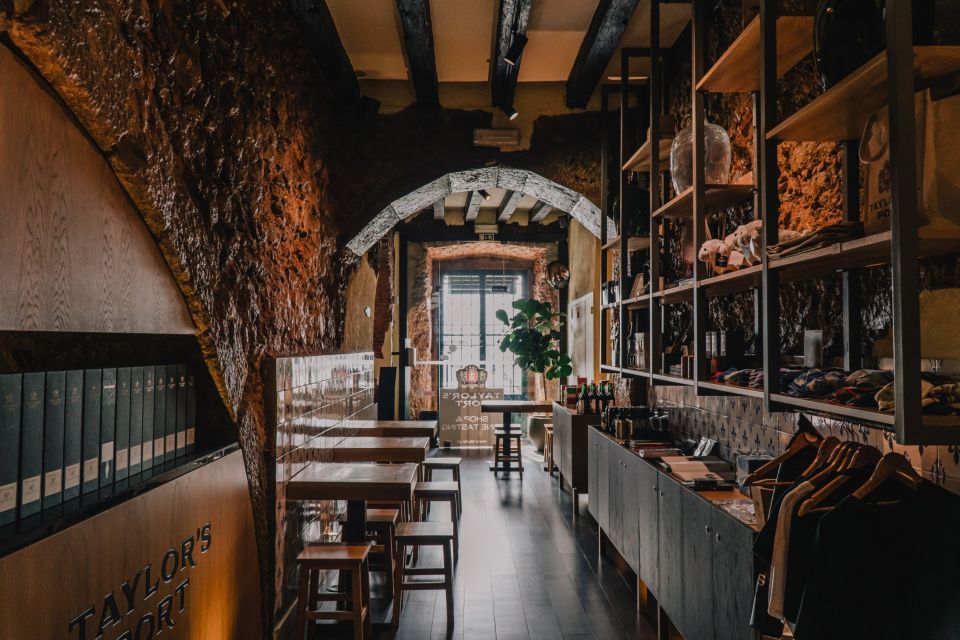
You meet at the welcome desk. Show your ticket voucher there and you’ll be seated for the tasting.
The big advantage of this location is that it sits in a neighborhood you can keep exploring after. Alfama is full of small streets and sudden views. So rather than treat the tasting as your whole event, treat it as a punctuation mark in your day.
Timing-wise, the shop is open:
- Every day 11:00 AM–1:00 PM and 2:00 PM–7:30 PM
Holiday hours can change on bank holidays, so if you’re traveling around major dates, check the official schedule. The provided special hours include:
- 24th December: 11:00–17:00
- 25th December: closed
- 31st December: 11:00–17:00
- 1st January: 12:00–19:00
Also plan to arrive about 5 minutes early for your voucher time. It keeps things smooth, especially since the space is shared.
Shared tasting room reality: expect a casual setting, not a private cellar tour
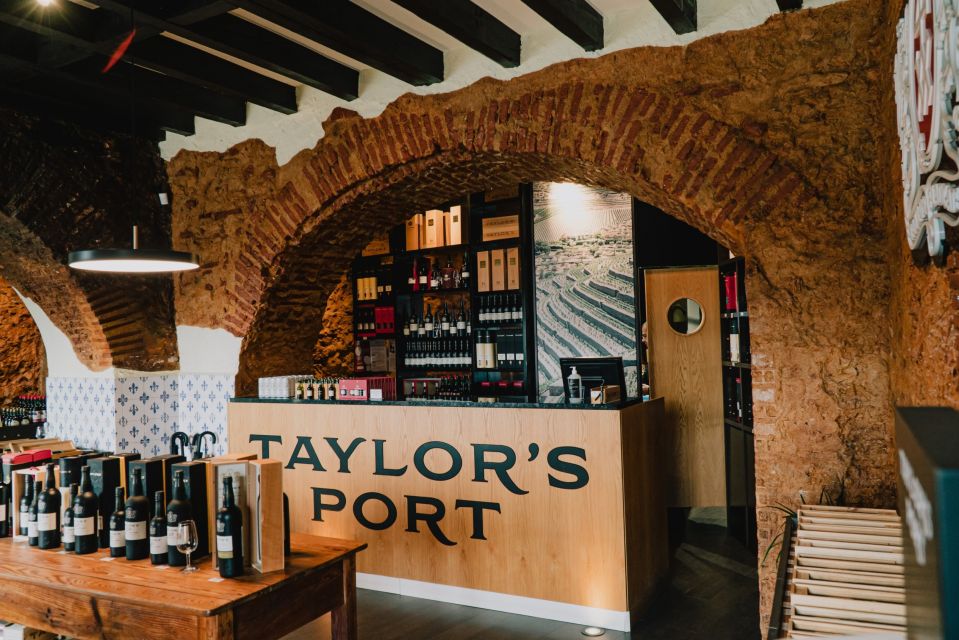
This is a shared space, which means you may not have the room entirely to yourself. That said, it can still feel very personal. In past sessions, people have reported moments where it felt close to private, because group sizes can be small.
What you should expect is a shop-led tasting where staff guide you through the glasses. It’s not a massive theater performance. The best move is to come ready with questions, especially if you like comparing flavors and want to understand why a port tastes the way it does.
And yes, extra food and drinks are possible. Anything beyond what’s included is paid on site.
Price and value: why $18 can feel fair here
For $18 per person, you’re getting a set of pours that includes:
- LBV
- 10-year Tawny
- Chip Dry Extra Dry White
and you’re also getting a Pastel de Nata.
That matters because tastings at similar venues often charge for the drinks but sell the food separately. Here, the pastry is part of the tasting design, so you’re not deciding whether to add a dessert later.
You’re also buying knowledge, not just alcohol. You leave with a quick framework for Port types. If you plan to shop for bottles afterward, this tasting can reduce the chance you accidentally buy something you don’t actually like.
Gifts, bottle shopping, and what to do after the last sip
A tasting room like this doubles as a place to pick up gifts. And Port is an easy present to give well, because the styles are clearly explained. If you’re not sure what to buy, use the tasting as your decision tool.
A practical move: after your last pour, ask what pairs best with what you like. Staff have offered pairing suggestions in previous sessions, and that can help you choose a bottle for your own dinner plans back home.
Also, the shop has plenty of items beyond bottles. People have mentioned adding small bites like cheese plates, which can be a nice follow-up if you still have room.
Who should book this Port tasting (and who might skip it)
This is a great fit if you want:
- a quick, single-stop activity with a clear structure
- an easy way to learn Port types without homework
- a tasting that ends with a proper Portuguese pastry
It’s also ideal if you like food-and-drink pairing. The Pastel de Nata isn’t random; it’s timed to the last pour.
You might skip it if you’re expecting a cellar tour in Porto or a long guided excursion across multiple stops. This is focused. You’re here for tasting and explanation, not for a full-day production.
Should you book this tasting?
I’d book it if you enjoy the idea of learning by drinking and you’re staying in Lisbon for at least a day or two. For around $18, the format gives you a strong starting set of styles plus dessert, and it places you in Alfama where you can keep wandering afterward.
Book it especially if you want to bring home the ability to choose the right bottle. After three glasses, you’ll likely know which style you want again.
If you’re sensitive to time, arrive early and go in with a plan to ask questions. That way, you’ll get the relaxed experience you came for, not a rushed one.
FAQ
What’s included in the Lisbon Taylor’s Port tasting?
You get 1 glass of Late Bottled Vintage (LBV) Port, 1 glass of 10-Year-Old Tawny Port, 1 glass of Chip Dry White Port, and 1 Portuguese custard tart (Pastel de Nata).
How much does it cost?
The price is listed as $18 per person.
Where do I go for the meeting point?
Show your ticket voucher at the welcome desk.
Is this tasting in Porto cellars?
No. It’s a tasting room in Lisbon, not a cellar visit in Porto.
How long is the activity?
It’s listed as a 1-day activity, with a specific date and time selected on booking.
What are the opening hours?
It’s open daily from 11:00 AM to 01:00 PM and from 02:00 PM to 07:30 PM. Holiday hours can vary, including special hours for 24th, 31st December, and 1st January.
Do I need to arrive early?
Yes. Please arrive 5 minutes before the time shown on your voucher.
Is it private?
It’s a shared space, and other tastings may happen at the same time.
What language is available?
Daily languages listed are Portuguese and English.
Can I cancel for a refund?
Yes. Free cancellation is available up to 24 hours in advance for a full refund.
Can I pay later?
Yes. You can reserve and pay later, keeping your plans flexible.