REVIEW · LAGOS PORTUGAL
Algarve: Small Group Surf Lesson with Instructor
Book on GetYourGuide →Operated by King Neptunos Surf School · Bookable on GetYourGuide
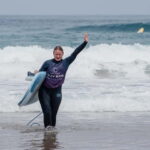
The Algarve has a way of making you feel brave fast. This small-group surf lesson gets you from dry land to wave practice with hands-on coaching and plenty of time in the water. I especially like the max-8 class size, because you actually get feedback when you need it, not just a lecture. I also like that everything important for the water is taken care of with gear, wetsuit, and surfboard included.
One thing to keep in mind: the lesson includes a fair amount of sand time—safety, warm-up, and theory—so if you’re hoping for nonstop action, you may wish you could skip some of that first phase.
In This Review
- Key highlights you’ll care about
- Why this Algarve surf lesson feels more personal than big groups
- Pickup and logistics: Carvoeiro, Lagoa, Portimão, and Lagos
- What happens in the 3-hour lesson (and how to use it well)
- A quick reality check about sand time vs water time
- The instructor factor: certified coaching, friendly (and sometimes not everyone clicks)
- Included gear and insurance: you’re paying for convenience and safety
- Price and value: what $94 gets you in the Algarve
- Who this surf lesson suits best (and who should skip it)
- Weather, sea conditions, and the day plan you should expect
- What to bring for comfort (so you can focus on surfing)
- Language and communication: English, Portuguese, Spanish
- Should you book this Algarve small-group surf lesson?
- FAQ
- Where are the pickup points for this surf lesson?
- How long is the experience?
- What’s included in the price?
- What equipment do I need to bring?
- Do I need prior surfing experience?
- What’s the minimum age?
- What happens if the weather or sea conditions aren’t suitable?
Key highlights you’ll care about
- Small groups (up to 8) mean quicker, more personal coaching
- Certified instructor-led instruction with safety briefing before you paddle out
- Pickup from Carvoeiro, Lagoa, Portimão, or Lagos for an easy start
- Step-by-step sand training that sets you up for better first stands
- All gear included, plus insurance, so you don’t scramble for rentals
Why this Algarve surf lesson feels more personal than big groups
Surf lessons can be hit-or-miss when the class is large. Here, the group is limited to 8 students, which changes the vibe. You’re more likely to get corrected on what you’re doing, instead of waiting your turn while your board sits there looking smug.
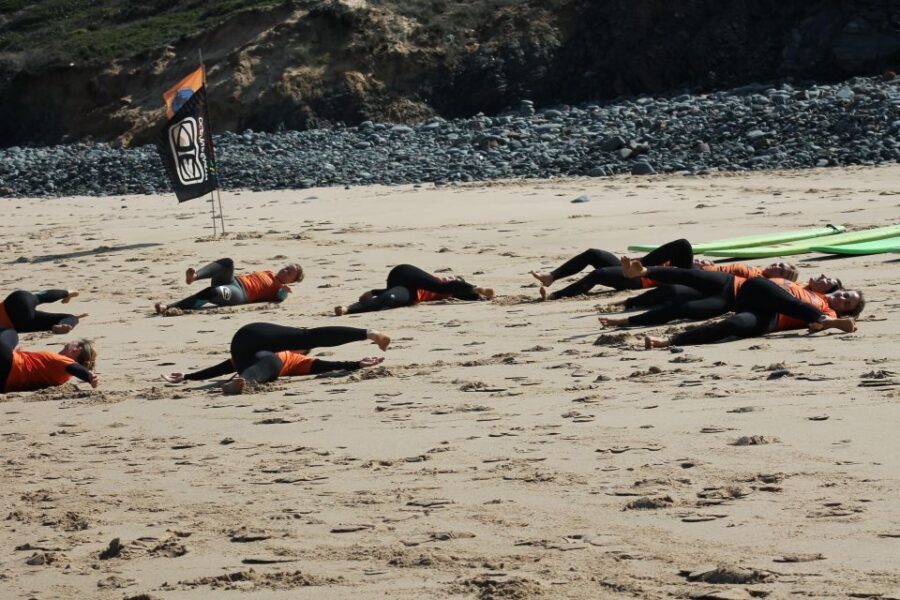
The pace is built around learning in small steps. You’ll start with a short setup period on land—safety and basic technique—then practice movements and warm up before you get into the sea. That structure matters because surfing isn’t just about strength. It’s timing, balance, and good decisions, and the lesson format supports that.
I also like the “first-wave confidence” focus. Even if you’ve never held a board before, the lesson is designed to help you stand and catch waves with guidance. And if you’re more experienced, the sand work and technique reminders can still be useful, even if you might find the early theory a bit heavy.
A few more Lagos Portugal tours and experiences worth a look
Pickup and logistics: Carvoeiro, Lagoa, Portimão, and Lagos
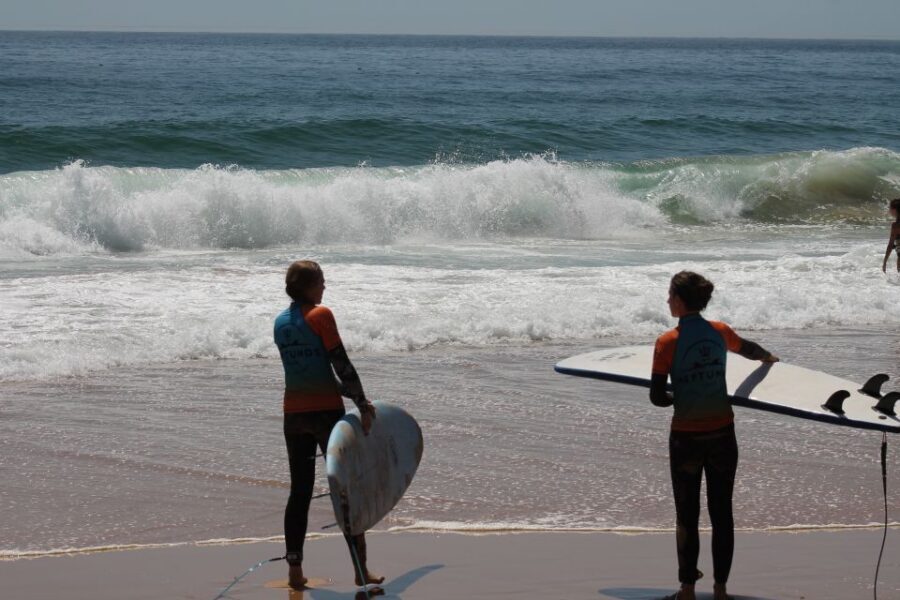
You get pickup and drop-off from selected meeting points, including Carvoeiro, Lagoa, Portimão, and Lagos. After booking, the provider confirms the exact pickup spot with you, which helps if you’re arriving in town and don’t want to play guessing games.
If you’re staying in Albufeira, you’ll need to make your way to Lagoa for pickup. That’s not a dealbreaker, but it does affect planning. Build in time to get to the pickup point cleanly.
One practical detail: while the lesson is listed as 3 hours, the full outing can take 5–6 hours once you include driving, changing, and getting from pickup to the beach and back. Plan your day like you’re committing to a half-day, not a quick in-and-out activity. Also, arrive about 10–5 minutes early at your meeting point so the group can move smoothly.
What happens in the 3-hour lesson (and how to use it well)
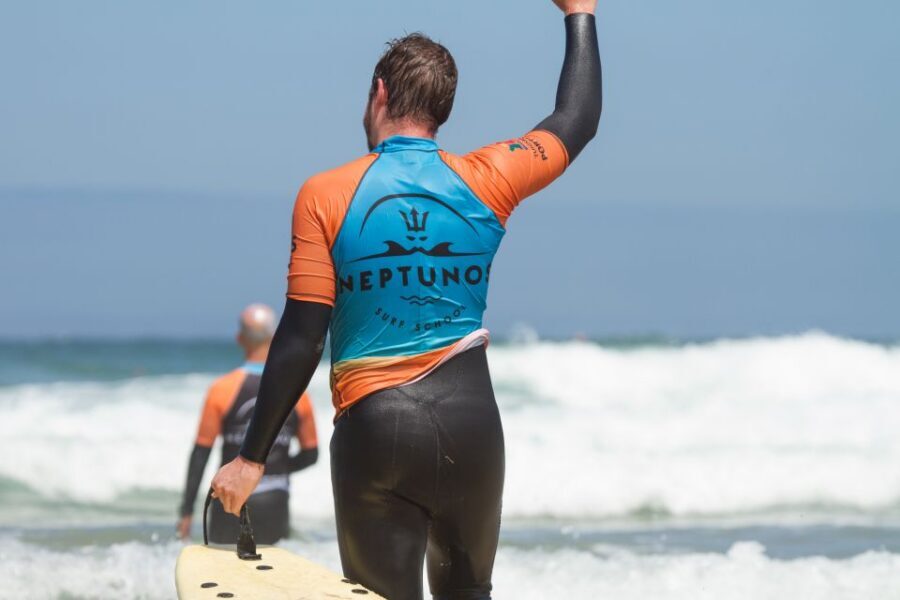
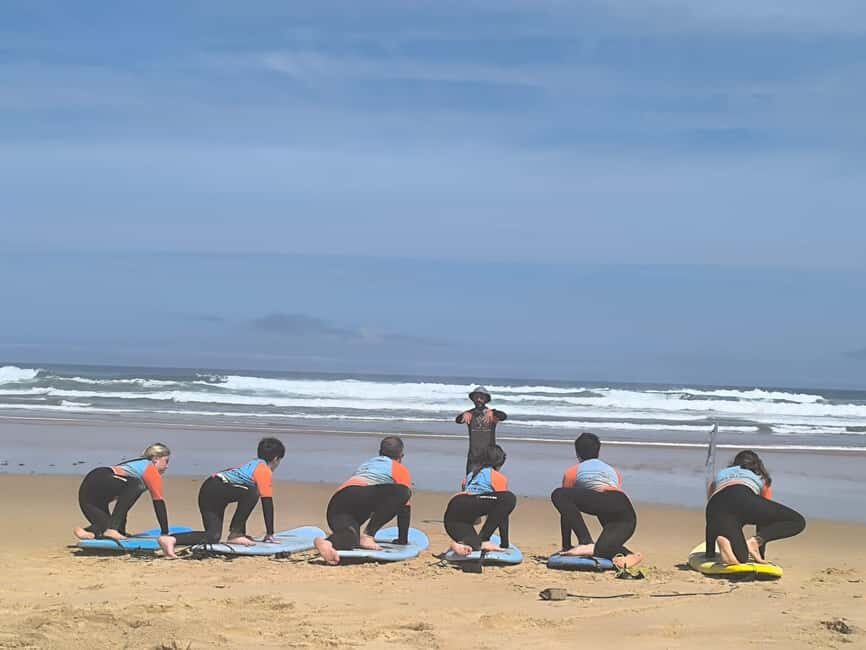
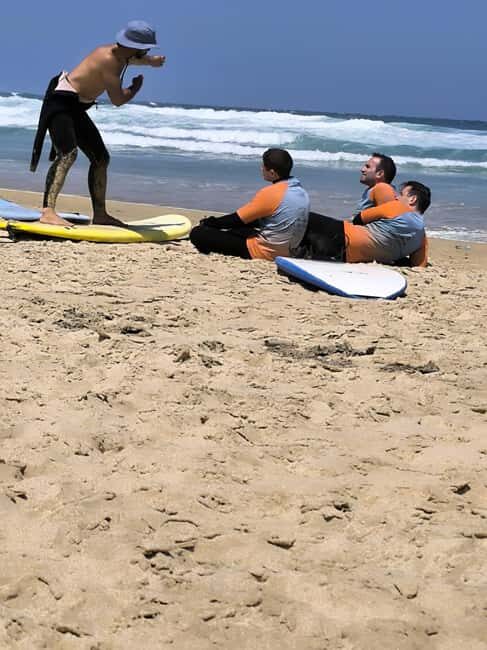
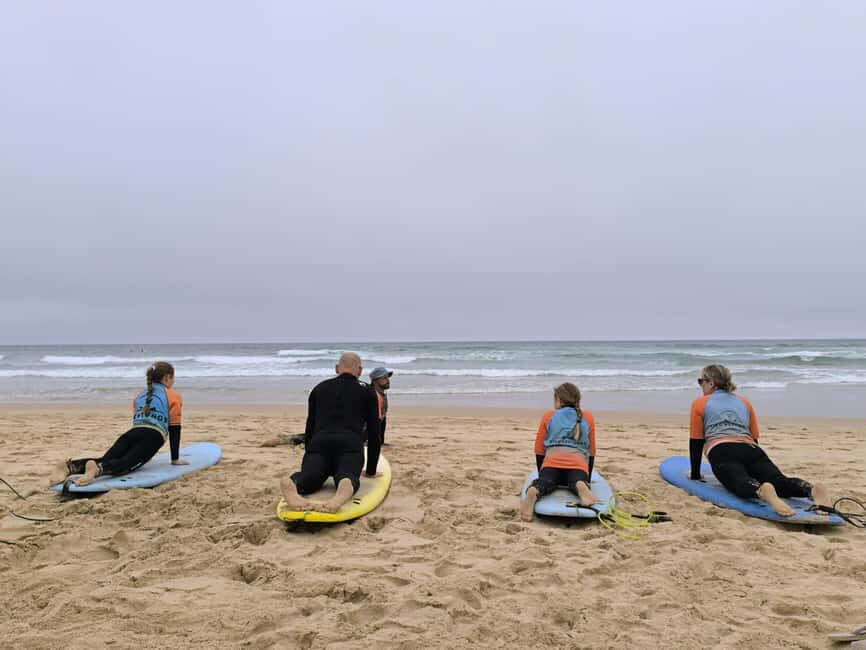
The flow is simple, and that’s good. You’ll meet your certified instructor, then begin with safety briefing and short theory on the sand. This is where you learn what to do before you paddle out—how to handle your board, how to read basic conditions, and how to stay safe in the water.
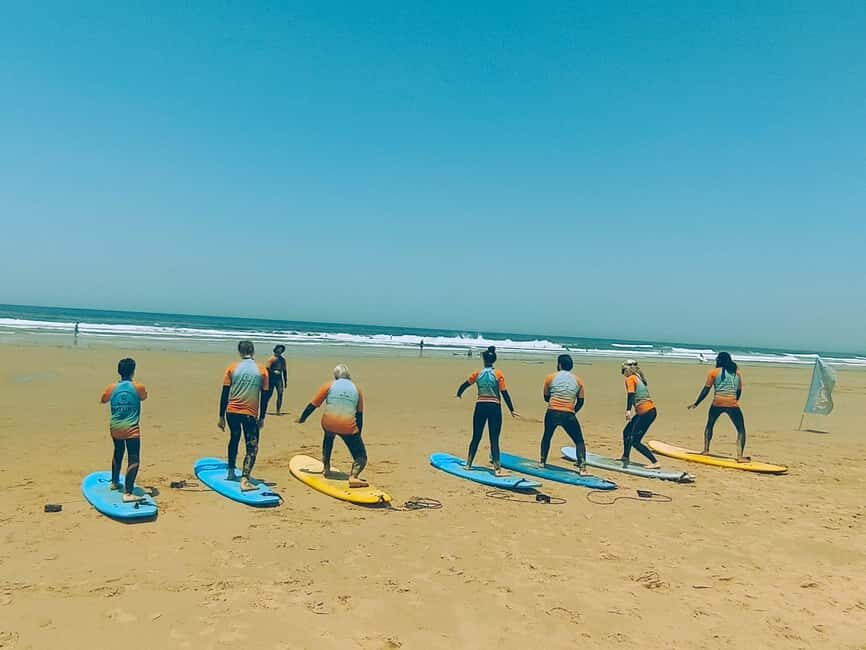
Next comes warm-up and training of the movements. This part can feel slow if you’re itching for waves, but it’s also where you build the physical rhythm for surfing. Even a small correction—like how you position your feet or how you pop up—can make a huge difference once the water gets moving.
Then you hit the waves for plenty of practice time, with personalized feedback throughout. The small-group size helps here. You’re not just watching someone else get coached; you can hear corrections that actually apply to your next attempt.
A quick reality check about sand time vs water time
Some instructors may talk a lot during the sand phase. If you prefer learning by doing, mentally prepare for some guided instruction before the fun part. The good news is that once you’re in the water, the lesson is designed around practice, not just one short paddle session.
The instructor factor: certified coaching, friendly (and sometimes not everyone clicks)
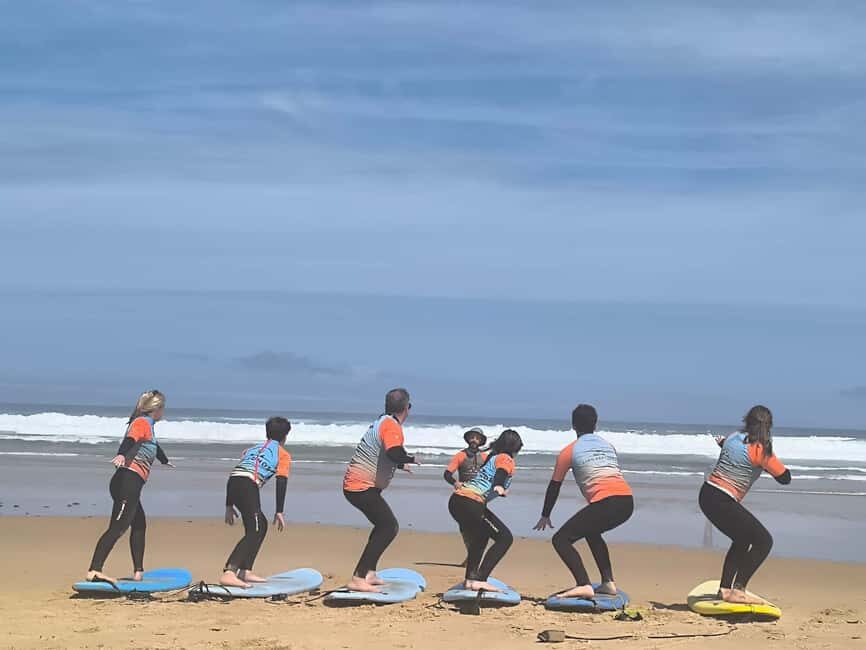
The lesson is led by a certified instructor and is meant for all levels. Many people love the way the coaching is delivered in a calm, step-by-step way—especially during the sand drills before you go out.
There’s also an example of an instructor named Duarte being described as gentle and effective, with the sand practice called out as essential. That’s the kind of structure you want as a beginner: instruction that helps you succeed quickly and safely.
Still, one review notes an instructor style that didn’t feel patient or kind when students struggled. That’s rare, but it’s worth mentioning because surfing learning can be emotional. If you’re the kind of learner who needs reassurance, communicate early if you’re nervous. You’ll get more out of the session when you and the instructor are aligned on your needs.





Included gear and insurance: you’re paying for convenience and safety
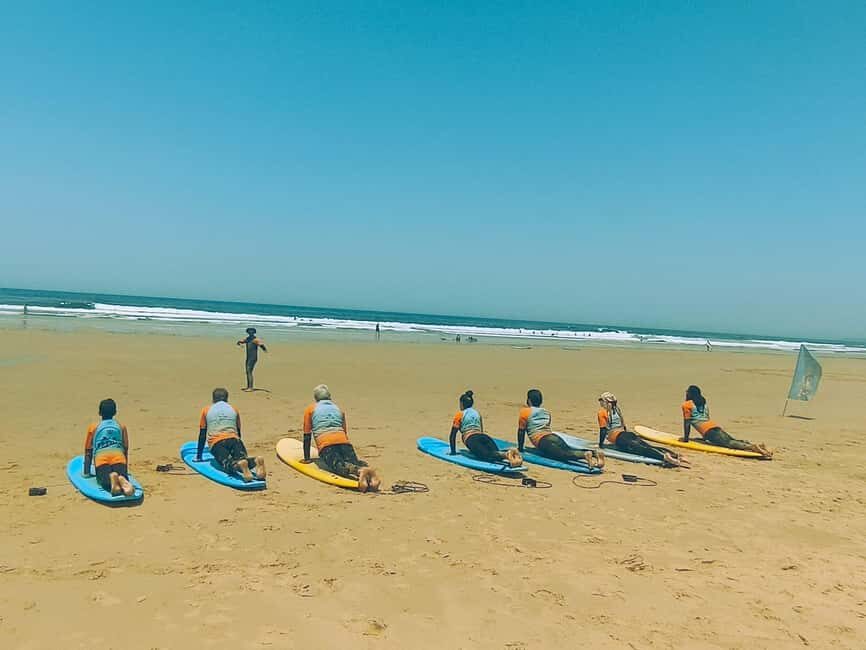
You don’t need to hunt down rentals. Surfboard, wetsuit, and insurance are included. That matters more than it sounds. Surf lessons often become stressful if you’re juggling equipment rentals, timing, and a wet commute to the beach. Here, you can focus on learning instead of logistics.
You’ll likely do some walking with boards involved. One person specifically mentioned carrying boards a long way. That’s not unusual at surf spots where the changing area and launch point aren’t right on top of each other. Wear comfortable footwear and accept that you’ll be handling gear while you move.
The wetsuit is also a big deal in Portugal’s Atlantic water. Even when the air feels warm, the sea can be chilly. With the wetsuit included, you’ll have the flexibility to stay in the water longer and practice without rushing to warm up every few minutes.
Price and value: what $94 gets you in the Algarve
At $94 per person for a lesson focused on safety, instruction, and gear, this is usually a fair price for the combo you’re getting: transport, certified coaching, and full equipment. If you’ve ever tried to price out surf rentals plus a standalone instructor session, you’ll know it can add up fast.
The real value here is in the setup:
- Pickup and round-trip transport saves time and keeps you from finding parking or navigating to the beach on your own
- Max-8 group size gives you better coaching odds
- Gear included means you’re not paying extra for board and wetsuit rentals
Could it feel expensive if you mostly want a “try surfing once” experience? Maybe. But if you want actual technique and the chance to stand and ride your first waves, the structure and equipment bundle is exactly what you’re paying for.
Also keep in mind the lesson is beginner-friendly. No previous surfing experience is required, so you’re not paying to “figure it out” yourself. You’re paying to be coached through the parts that usually trip beginners up: the pop-up, balance, and safe ocean habits.
Who this surf lesson suits best (and who should skip it)
This lesson is built for all levels, including true beginners. If you’re traveling solo, with teens, or as a couple/friends, the small-group format is a nice middle ground. You get social energy, but not the chaos of a large class.
It’s described as suitable for people in good physical health, with minimum age 12. Under 12 may be possible by request, but you’ll need to check. One important safety note: the activity includes restrictions for medical conditions.
It’s not suitable for:
- Non-swimmers
- People with claustrophobia
- People with heart conditions
- People with respiratory issues
- People with epilepsy
- Children under 5 (listed as a restriction)
If you’re pregnant or have heart/respiratory issues, the guidance is to consult a doctor before booking. That’s the kind of thing I’d take seriously, because surfing involves cold water, breathing demands, and quick physical effort.
Weather, sea conditions, and the day plan you should expect
Surf lessons in the Algarve are subject to weather and sea conditions. If conditions aren’t right, the provider will offer an alternative date or a refund. That’s part of ocean sports, so don’t plan this as the one activity you can’t move.
You’ll also want to assume your day timing might shift slightly based on the ocean. That’s another reason to treat the outing like a half-day commitment. Arriving early helps, and having snacks and water handy makes the wait periods more comfortable.
What to bring for comfort (so you can focus on surfing)
Pack like you’re going to the beach for several hours. Even if the surfing portion is shorter, you’ll be changing, walking with gear, and spending time outdoors.
Bring:
- A swimsuit (for when you change)
- Towel
- Sunscreen
- Water
- Food/snacks and drinks (food and drinks aren’t included)
- Sunglasses and a sun hat
- Comfortable shoes
- Comfortable clothes you can change into after
A simple tip: bring snacks you can actually eat with sandy hands and a wet plan. Something that doesn’t turn into a mess is ideal.
Language and communication: English, Portuguese, Spanish
The instructor can work in English, Portuguese, or Spanish. That’s helpful if you’re not fluent in Portuguese. You should still expect some local surf terms and quick commands in the moment, but the core guidance is delivered for comprehension.
If you’re shy about asking questions, don’t be. In a small group, you’ll have more chances to clarify what you should do next—especially when you’re learning pop-up steps or trying to catch your timing.
Should you book this Algarve small-group surf lesson?
I’d book it if you want a beginner-friendly surf start with real coaching, and you like the idea of learning in a small group where the instructor can correct you. It’s also a good choice if you value convenience: pickup, gear, and safety setup are handled so you don’t turn the day into a logistics project.
I’d think twice if your top priority is nonstop action with zero instruction time, or if you’re sensitive to long explanations on the sand. Also, be strict about the medical and physical restrictions—surfing is fun, but safety comes first.
If you do book, arrive early, pack water and snacks, and treat the sand practice like the cheat code. That first structure is often what helps you stand up sooner and feel less overwhelmed once the waves start doing their thing.
FAQ
Where are the pickup points for this surf lesson?
Pickup is available from central locations in Carvoeiro, Lagos, Lagoa, and Portimão. After booking, the provider contacts you to confirm the exact pickup location. If you are staying in Albufeira, you’ll need to go to Lagoa for pickup.
How long is the experience?
The surf lesson duration is 3 hours. The full activity time can be longer due to driving, changing, and getting to and from the beach.
What’s included in the price?
Included are pickup and drop-off from selected meeting points, round-trip transportation to the beach, a surfing lesson, and surf gear (surfboard and wetsuit), plus insurance.
What equipment do I need to bring?
You don’t need to bring a surfboard or wetsuit—the lesson provides them. You should bring a swimsuit, towel, sunscreen, sun hat, sunglasses, water, and food/drinks.
Do I need prior surfing experience?
No. The lesson is designed for all levels, and no previous surfing experience is required.
What’s the minimum age?
Participants must be at least 12 years old and in good physical health. Under 12 may be requested.
What happens if the weather or sea conditions aren’t suitable?
Lessons are subject to weather and sea conditions. If cancellation is needed, the provider offers an alternative date or a refund.