REVIEW · LAGOS PORTUGAL
Lagos: Bake Pastel de Nata – Class in Lagos, Algarve
Book on GetYourGuide →Operated by The Kitchen - Cooking Classes & Private Events · Bookable on GetYourGuide
Fresh Pastéis de Nata start with your hands. In Lagos, this small workshop with Joana turns Pastéis de Nata from something you buy into something you make, step by step, in a real kitchen. You’re guided through the key parts while you’re actively working, not just watching from the side.
I especially like the hands-on format and clear instruction. You make the components (custard and pastry), assemble the tarts, and bake them while chatting with other people in the room—easy, friendly, and very Portuguese in feel.
One thing to consider is value: at $53 for 2 hours, you should go in mainly for the learning and the fresh tasting, not expecting a huge take-home pile.
In This Review
- Key things you’ll really notice
- Why this Lagos Pastéis de Nata class feels different than a normal food stop
- What you learn: custard, puff pastry, and the assembly that matters
- 1) Make the creamy custard
- 2) Prepare the puff pastry
- 3) Combine and assemble
- 4) Bake the pastries
- The instructor experience in a clean Lagos kitchen
- Timing and what happens during the 2 hours
- Price check: is $53 for Pastéis de Nata worth it?
- Who should book this class in Lagos
- Tips to get better results when you bake at home
- Treat the custard texture as your anchor
- Follow the assembly ratios and don’t overfill
- Plan for the same “fresh batch” mindset
- Use the email PDF quickly
- Should you book this Pastéis de Nata class in Lagos?
- FAQ
- How long is the Pastéis de Nata class in Lagos?
- How much does the class cost?
- How many people are in the group?
- What languages are used during the class?
- What will I make during the class?
- Do I get to taste what I bake?
- Are ingredients and tools included?
- Will I get a recipe to make them at home?
- Is free cancellation available?
- Can I reserve now and pay later?
Key things you’ll really notice
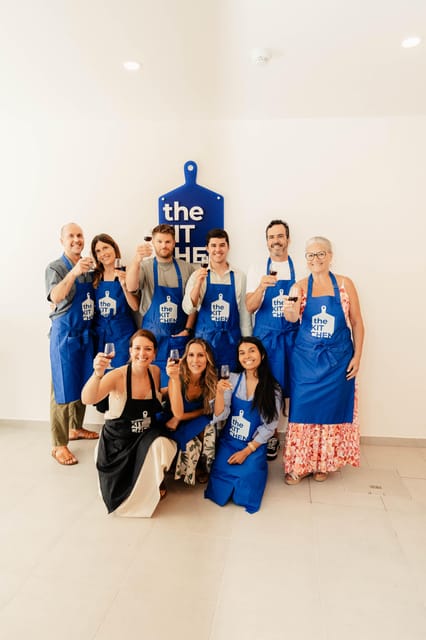
- Small group (up to 10): more hands-on time, less waiting around.
- Custard + puff pastry, made from scratch: you’re not just assembling.
- English and Portuguese instruction: you get guided support even if your Portuguese is rusty.
- Fresh pastries right after baking: warm results, not just a demo.
- Email recipe PDF after class: you get something practical to replicate at home.
- Social vibe without forced awkwardness: people mix naturally in the kitchen.
Why this Lagos Pastéis de Nata class feels different than a normal food stop
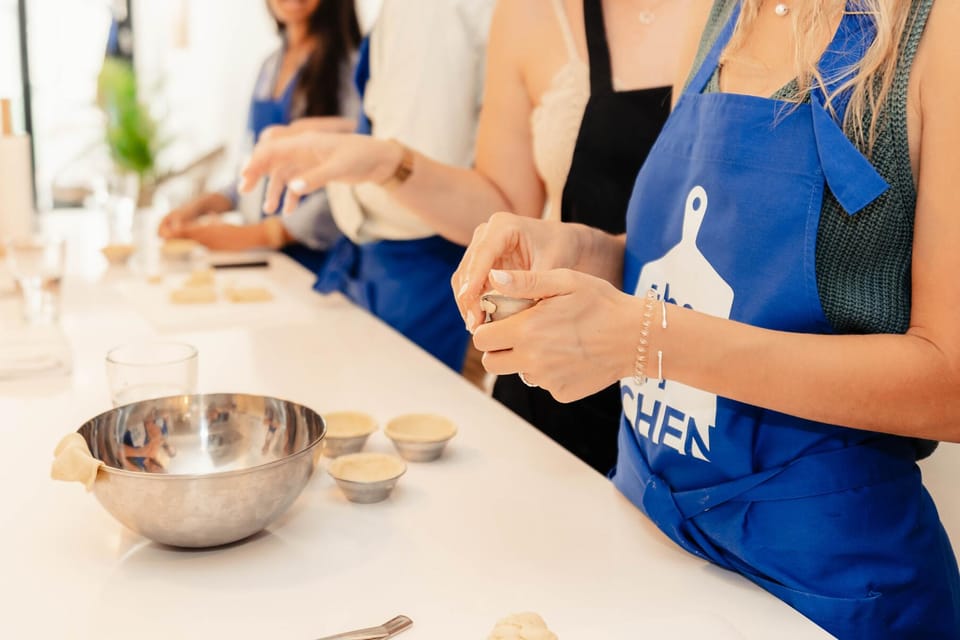
If you like Portugal for its food, this class is a smart shift. Instead of eating and moving on, you practice the skills behind one of the country’s best-known pastries. That’s the real hook: you leave with a process you can repeat, not just a memory of a good pastry.
In Lagos, the setting matters too. This isn’t a giant tour bus kitchen. You’re in a limited group (up to 10), and the pace stays human. You’ll get hands-on time for the parts that usually feel mysterious when you only watch from a shop display case—especially getting the custard texture right and understanding how the pastry should behave before baking.
Two things I think you’ll appreciate fast:
1) You’re learning the pastry’s core logic (custard + pastry + bake technique), not random tips.
2) The class feels social in a relaxed way. People share backgrounds, compare baking habits, and laugh at the small mistakes that happen to everyone.
A small heads-up: you’re paying for instruction and ingredients/tools, and you do get a fresh batch to taste. If you’re only hunting for the biggest quantity of pastries, you might feel the price more strongly. But if you want technique, it makes a lot of sense.
A few more Lagos Portugal tours and experiences worth a look


What you learn: custard, puff pastry, and the assembly that matters

This workshop is built around the key stages of classic Pastéis de Nata. By the end, you’ll know how to make each element—and how they work together in the oven.
1) Make the creamy custard
You’ll prepare the custard component from scratch. The goal isn’t just “make it sweet.” It’s learning what consistency looks like before it goes into the pastry cups. Custard that’s too thin spreads. Custard that’s too thick can set weirdly. You’ll get guidance so you can aim for the texture that bakes into a smooth, creamy center.
2) Prepare the puff pastry
Next comes puff pastry preparation. Even if you’ve never made pastry before, the class format keeps it approachable. You’ll learn what to watch for so the pastry holds up once you start assembling.
This step is where most people realize why factory pastries taste different. It’s not magic. It’s method—how you handle dough and how layers behave during baking.
3) Combine and assemble
Then you bring the components together. This part sounds simple, but it’s where you learn the “how much” and “where” behind a good tart. You’re building an even base so the custard bakes properly and the pastry gets the right structure.






4) Bake the pastries
Finally, you bake. And yes—you get to taste the results while they’re fresh. That immediate payoff matters. You’re learning in real time, not just collecting instructions for later.
And when you get the email PDF recipe after the class, you won’t feel stuck trying to remember each step. That’s one of the underrated benefits of this setup: the recipe is there when your memory fades.
The instructor experience in a clean Lagos kitchen
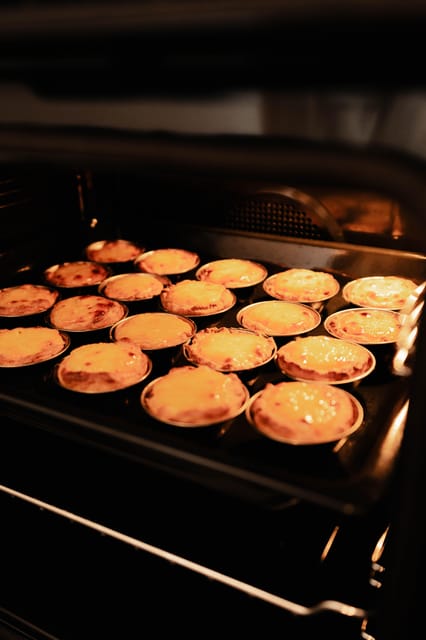
This class stands out for its teaching style. The instruction is offered in English and Portuguese, and the vibe is patient and encouraging. You’ll get step-by-step guidance, with room for questions.
A big plus: the kitchen environment is described as clean and well organized. That may sound minor, but it changes everything. When your workspace is tidy and tools are ready, you spend less time fiddling and more time learning the craft.
Joana is a key name tied to this experience, and she’s known for making the session feel warm and lively. Many people also highlight co-instructor support (including a family connection mentioned in feedback), and that kind of friendly team energy makes it easier to participate—especially if you’re coming solo or with family.
Also, expect a comfortable social rhythm. The small group setup naturally mixes people from different countries, and conversations form around what you’re making. It’s one of those rare travel activities where you don’t feel like you’re performing. You just work, chat, and learn.
One more note: while port wine isn’t listed as a formal inclusion, multiple people report enjoying it during the waiting/baking time. If you see it offered, it’s part of the fun—but the focus stays on the pastry work.
Timing and what happens during the 2 hours
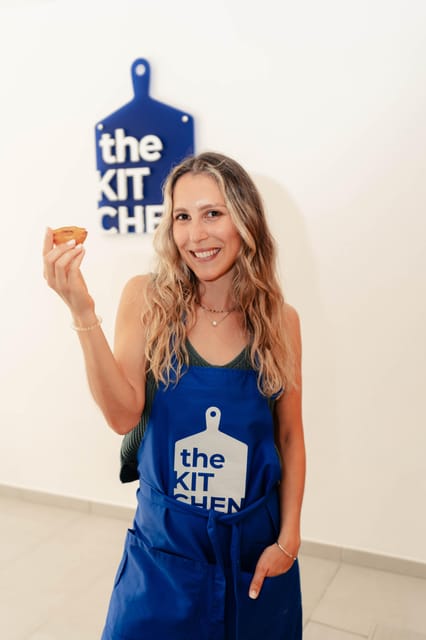
The class runs about 2 hours, so it’s designed to be tight and practical. You won’t get dragged through an all-day cooking event. Instead, you move through the core steps efficiently: custard prep, pastry prep, assembly, then baking and tasting.
Here’s how the flow usually feels in practice:
- Early on, you get the structure and guidance so you know what each step is supposed to accomplish.
- Midway, you switch into hands-on mode for the main build.
- During baking, you get time to relax, talk, and enjoy the atmosphere—often with refreshments like port wine if it’s offered.
- Near the end, you taste your batch while the session is still fresh in your mind.
One small caution: because it’s hands-on, your results depend on following the steps and taking guidance seriously. Even if you’re a beginner, the class is built for beginners. But if you’re looking for instant perfection without effort, you’ll still need to pay attention to consistency and timing.
And about take-home: based on feedback, what you should expect is a fresh tasting and the ability to replicate later with the recipe PDF. If you’re hoping to leave with a large box of extra pastries, keep expectations realistic.
Price check: is $53 for Pastéis de Nata worth it?
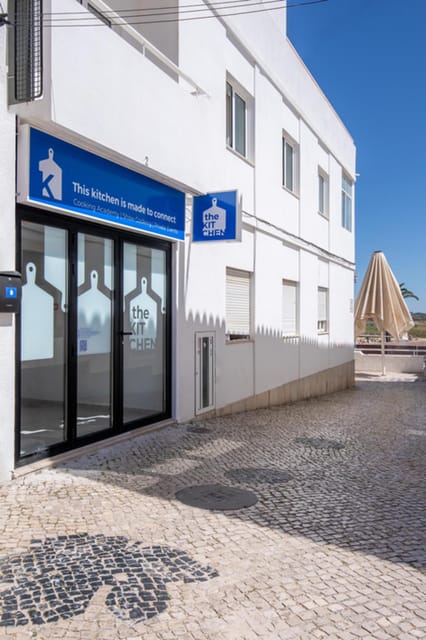
At $53 per person for a 2-hour class, value comes down to one question: do you want technique, or just a snack?
This workshop includes:
- All ingredients and cooking tools needed
- A fresh batch you make and taste
- An email with a PDF recipe after the experience
That combination matters. You’re not just paying for taste. You’re paying for instruction, a workspace, and practice assembling and baking. The PDF is also a practical “second payoff.” Many cooking classes feel great in the moment and then vanish at home. Here, you get something you can actually use.
Where pricing may feel less satisfying:
- If you’re booking for teens who count as adults, the per-person cost can feel steep.
- If your goal is lots of take-home pastries, you may want to adjust expectations.
So my honest take: for adults who want to learn and bake again later, it’s fair. For people who want maximum pastry quantity over learning, it may feel pricey.
Who should book this class in Lagos

You’ll likely love it if:
- You love Portuguese pastries and want to understand what makes them work.
- You want a hands-on skill you can repeat at home.
- You enjoy cooking as a social activity, not a solo chore.
- You’re traveling as a couple, small group, or even solo—you’ll still get plenty of attention in a group capped at 10.
You might think twice if:
- You mainly want lots of pastries to take away rather than learning technique.
- You’re very time-sensitive and hate anything that could run a bit long (occasionally groups may spend extra time finishing up before moving on).
On balance, this is a great “break from beach mode” option in Lagos. It’s not just an attraction. It’s a skill-building afternoon that ends with something you made.
Tips to get better results when you bake at home
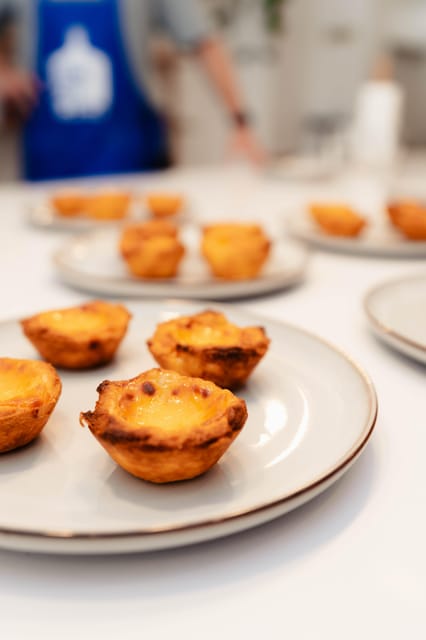
Here’s how to use the class well after you leave.
Treat the custard texture as your anchor
When you bake again, don’t rush the custard step. The custard is the center of the experience. If your bake at home tastes off, it’s often because custard consistency wasn’t quite right.
Follow the assembly ratios and don’t overfill
If you overfill, the pastry can struggle. If you underfill, you’ll lose that creamy center. Use the PDF steps as your guide since you’ll have the exact method after class.
Plan for the same “fresh batch” mindset
The best part of Pastéis de Nata is often the contrast between flaky pastry and warm creamy filling. Your home baking will feel closer to the real deal if you bake close to when you’ll eat.
Use the email PDF quickly
Don’t wait months. Download and save it right after your class so the steps still make sense.
If you do that, you’re more likely to get results you’d actually serve to friends instead of just “messing around with pastry.”
Should you book this Pastéis de Nata class in Lagos?
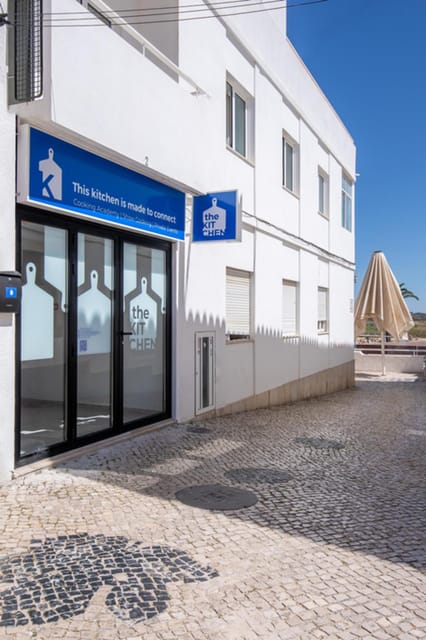
Yes, if you want a hands-on, friendly cooking class that teaches the real mechanics of Pastéis de Nata—custard, puff pastry, assembly, and baking—in a small group. The up to 10 format, the clean kitchen setup, the English/Portuguese instruction, and the email recipe PDF after class make it a strong value for learning.
Maybe skip (or look for another option) if you’re mainly after a big quantity of pastries or you’re price-sensitive and expect lots of take-home food. For learning-first foodies, this is exactly the kind of experience that turns a famous pastry into a skill you actually own.
FAQ
How long is the Pastéis de Nata class in Lagos?
The class lasts about 2 hours.
How much does the class cost?
It costs $53 per person.
How many people are in the group?
It’s a small group limited to 10 participants.
What languages are used during the class?
Instruction is available in English and Portuguese.
What will I make during the class?
You’ll learn how to make the creamy custard, prepare the puff pastry, combine them, and bake the Pastéis de Nata.
Do I get to taste what I bake?
Yes. You enjoy a freshly baked batch of Pastéis de Natas after the work is done.
Are ingredients and tools included?
Yes. All ingredients and cooking tools you need are included.
Will I get a recipe to make them at home?
After the experience, you receive an email with a PDF of the recipe.
Is free cancellation available?
Yes. You can cancel up to 24 hours in advance for a full refund.
Can I reserve now and pay later?
Yes. You can reserve now and pay later to keep travel plans flexible.