REVIEW · TOMAR
Tomar Walking Tour : Templar, Castle, Food, Ceramics, Fun!
Book on GetYourGuide →Operated by One Life Wing It · Bookable on GetYourGuide
Tomar has a way of pulling you in fast. This 2.5-hour walking tour turns UNESCO sights and Templar legends into a steady, funny story with time to breathe and look around. I like the guide’s no-rush pacing and how he checks you’re comfortable, and I also love the variety: you’re not stuck on stones and dates—you end up at a working ceramics studio and you get market tips for later. The main drawback: it’s a hilltop walk with a hike to the castle, so you need a solid, comfortable walking level.
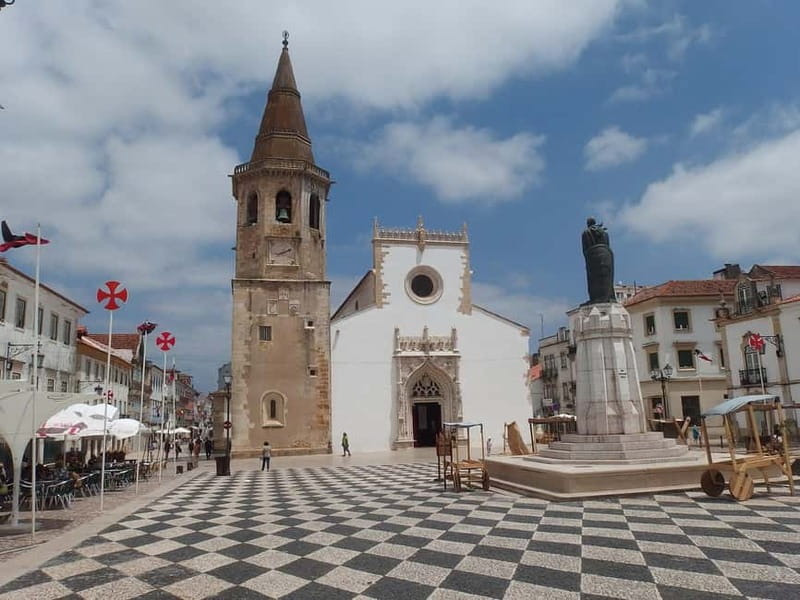
You’ll meet by the statue of knight Gualdim Pais in Praça da República, then wind through Tomar’s most important layers—Templar power, religious conflict, local legends, and food culture—without feeling like you’re herded. The vibe is friendly and performance-level funny (yes, there’s a playful money-back line if you don’t laugh, with a stated exception), but the facts still matter.
One practical note to decide early: if you’re traveling with mobility aids, have low fitness, or need accessible routes, this tour is not a match.
In This Review
- Quick take: what makes this Tomar tour feel special
- Why Tomar’s Templar stories work in 2.5 hours
- Meeting by Gualdim Pais: the walk starts with context
- Tomar Synagogue stop: short, self-guided, and focused
- Castelo de Tomar and the walls: views plus how defense worked
- Hidden corners, parks, and the fountain of blood
- The Templar church story and why Convent of Christ matters
- Ceramics studio: watching Portuguese craft in action
- Market food moments: what you’ll get and what you won’t
- Humor with historical weight: what the guide’s promise really means
- Pacing, fitness, and who should book (and who should skip)
- Price and value: does $67 make sense?
- Should you book this Tomar walking tour?
- FAQ
- How long is the Tomar Walking Tour?
- What language is the guide?
- How big is the group?
- Where do we meet for the tour?
- What days does the tour run?
- Is entry to the Convent of Christ included?
- What’s included in the tour price?
- Is food and drink included?
- Is the tour suitable for children or families?
- What should I wear or bring?
Quick take: what makes this Tomar tour feel special

- Small group (up to 10): more conversation, better pacing, fewer bottlenecks.
- Castle wall time + defense details: not just photos—he explains how the fortifications work.
- Working ceramics studio: you watch artisans shape Portuguese tiles and pottery.
- Food guidance beyond the tour: you get practical places to eat and what to do next.
- Hard-hitting stories, handled directly: Jewish massacre details and the naming of the fountain of blood are part of the narrative.
- Comics-meets-culture energy: the guide’s humor is not separate from the history.
Why Tomar’s Templar stories work in 2.5 hours
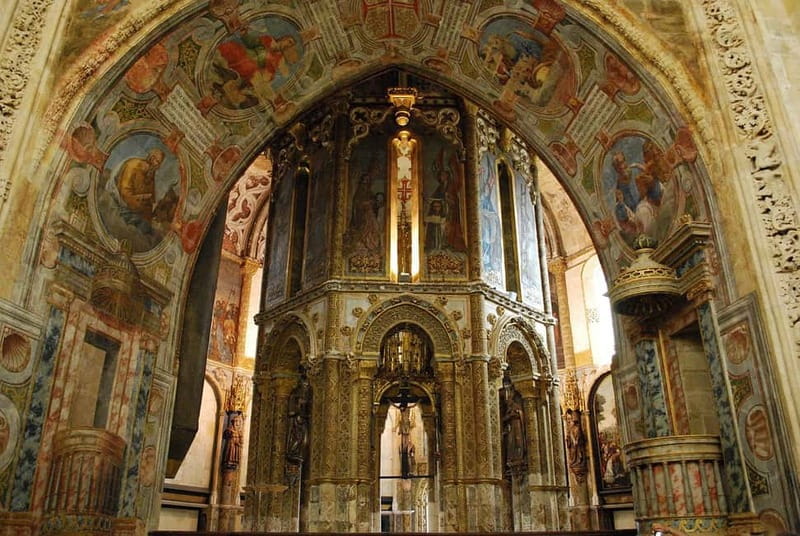
Tomar can feel like two cities at once: grand religious monuments on one side, and everyday streets where legends still live on the other. This tour is built to connect those dots. You’ll see big landmarks like the Convent of Christ finish point, but you’ll also walk the in-between routes that help you understand why Tomar mattered.
What I like most is how the guide treats the walk like a conversation. You’re getting story, context, and routing choices that avoid the slow, do-everything-yourself chaos. And you’re not timed into silence—people keep it relaxed, with breaks when it’s hot.
The trade-off is speed. It’s short by tourism standards, but it’s not flat. You’re climbing and walking enough that you’ll want comfortable shoes and a realistic mindset about steady uphill effort.
Meeting by Gualdim Pais: the walk starts with context
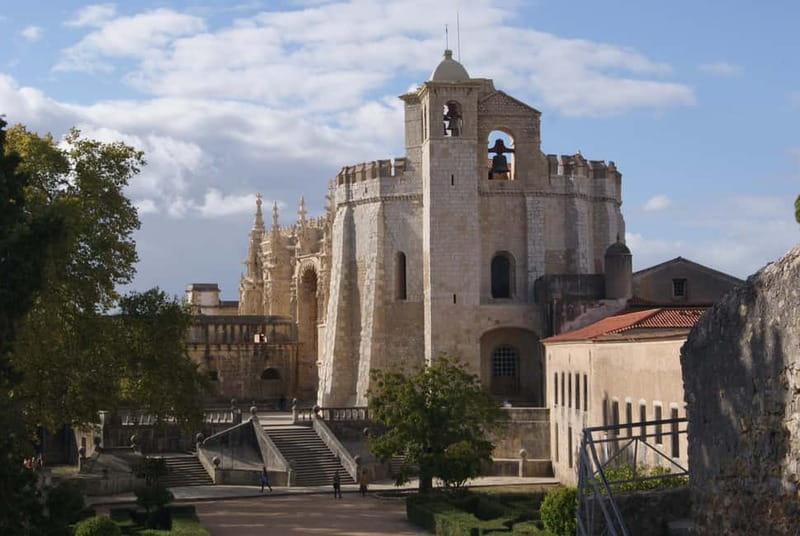
Your tour begins at Praça da República, by the statue of knight Gualdim Pais. That’s a smart starting point because it immediately anchors the Templar thread. From the first minutes, you’re not just moving through town—you’re learning what you’re looking at and why it exists.
The guide’s style matters here. In a good walking tour, you get pacing. In this one, you get pacing plus check-ins. The group stays small, and the tone stays friendly—people feel like they can ask a question without derailing the flow.
If you want a first-day orientation in Tomar, starting here helps. You’re basically set up to understand later visits on your own.
Tomar Synagogue stop: short, self-guided, and focused
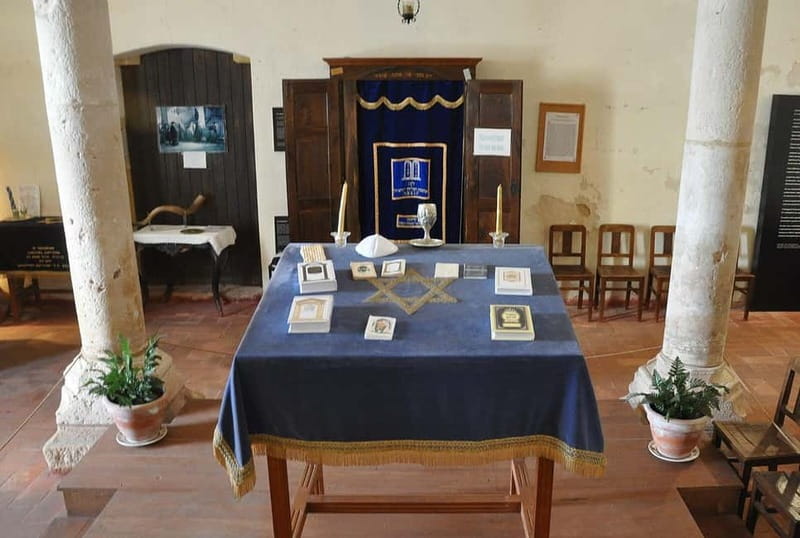
One of the tour’s best ways to balance structure and freedom is the stop at the Tomar Synagogue. You’ll spend about 10 minutes there in a self-guided format, which is long enough to take in key elements without dragging the whole group.
Why this works: you don’t get spoon-fed every detail in one go. Instead, the guide gives you enough framework so you can actually read what’s in front of you, then you absorb it at your own pace.
The tour also includes narrative about the Jewish community and the violence connected to beliefs. The aim is historical understanding, not shock value. If you’re sensitive to dark topics, it helps to know that this thread is part of the story you’ll hear.
Castelo de Tomar and the walls: views plus how defense worked
The core physical part is the Castelo de Tomar area. You get a photo stop, a visit, and a guided segment with safety briefing—then you spend real time walking and taking in the defensive logic of the place.
This isn’t only about panorama. The guide explains the defensive elements, so the walls stop being a scenic backdrop and start becoming a lesson in how power and protection worked in medieval Tomar.
You should plan for an uphill climb and for uneven, city-walk conditions. The tour is designed with routes most tourists don’t know about, which is exactly why it feels more intimate—but it also means you can’t assume everything will be level or stroller-friendly.
Hidden corners, parks, and the fountain of blood
After the castle area, you transition into the darker, legend-heavy Tomar that most quick stops miss. The tour includes a hidden gem segment and then a shift into the green and hillside spaces around Tomar.
A major highlight is the fountain of blood. You’ll hear why it got its name, and the story is tied to the larger medieval conflict and memory of the city. Names like this can sound like folklore until someone explains the connections. That explanation is part of why this walk is fun as well as informative.
You’ll also pass through the Mouchão Park, where Saint Iria was murdered. That stop gives you a feeling for how religious narratives and local geography overlap. It’s not just a battlefield tale or a monument date—it’s a place you can stand and picture.
Expect some variation in terrain. This is where the shoe choice matters and where you’ll be glad the group stays small.
The Templar church story and why Convent of Christ matters
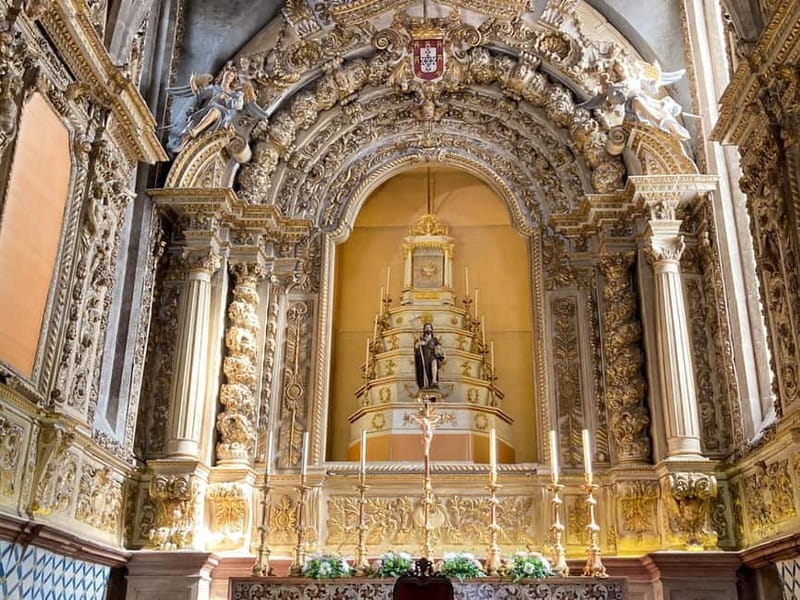
Even though the tour ends at the Convent of Christ, you’re not just dumping people at a UNESCO site. You’ll hear about the Templar church connected with Grand Masters, and the story frames the convent as a result of long-term power.
By the time you reach the finish point, you’ll understand what to look for when you decide to go in on your own. The tour does not include entry, so you’ll want to plan your next steps right after the walk—either continue inside if you have time, or return later with clearer questions.
The best use of this finish: treat it as your launch pad. You’ll leave with a sense of what’s central and what details matter, so your self-guided time later feels more rewarding.
Ceramics studio: watching Portuguese craft in action
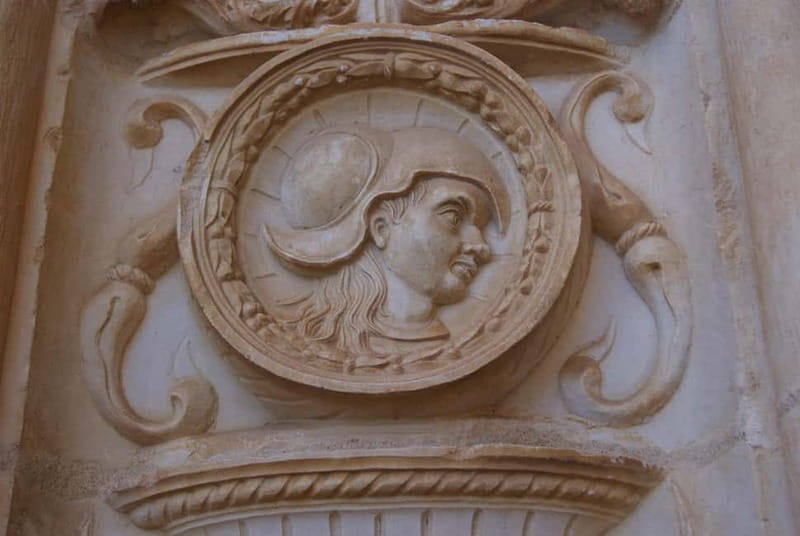
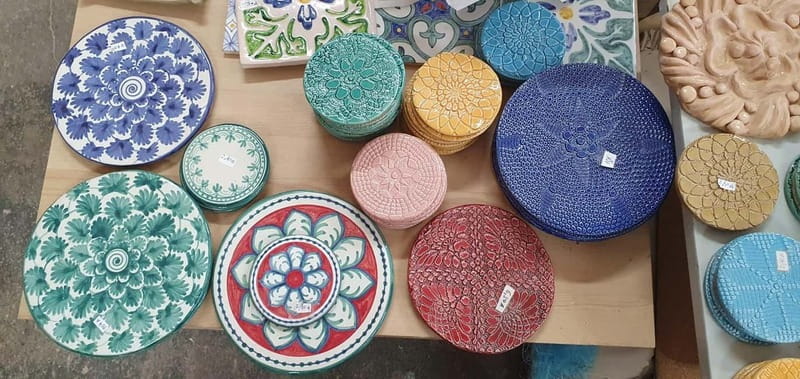
One reason I recommend this tour over more basic sightseeing is the working ceramics studio visit. You’ll watch artisans shape clay into Portuguese tiles and pottery—an art form passed down through generations.
This is a nice reset from stone-and-legend mode. It gives you a different kind of connection to Tomar: human work, not just historical leftovers. And it’s the kind of stop you can still talk about later even after the castle photos blur together.
It also makes the tour feel balanced. You’re not only learning about conflict and power; you’re seeing how culture and craft survived and evolved.
Market food moments: what you’ll get and what you won’t
The tour includes time around Portuguese food at the market. You’ll get help understanding what’s worth trying and where to go afterward.
But here’s the key: food and drink are not included in the price. So plan on buying your own snack or meal at the market, or use the guide’s tips to eat after the tour when you’re warmer and hungrier.
What you do get is guidance: what to look for, where the good options are, and how to keep exploring without wasting time. That turns a market visit into an experience instead of just a quick pass.
If you like eating well and making the most of limited time in a town, this is where the tour gives you value.
Humor with historical weight: what the guide’s promise really means
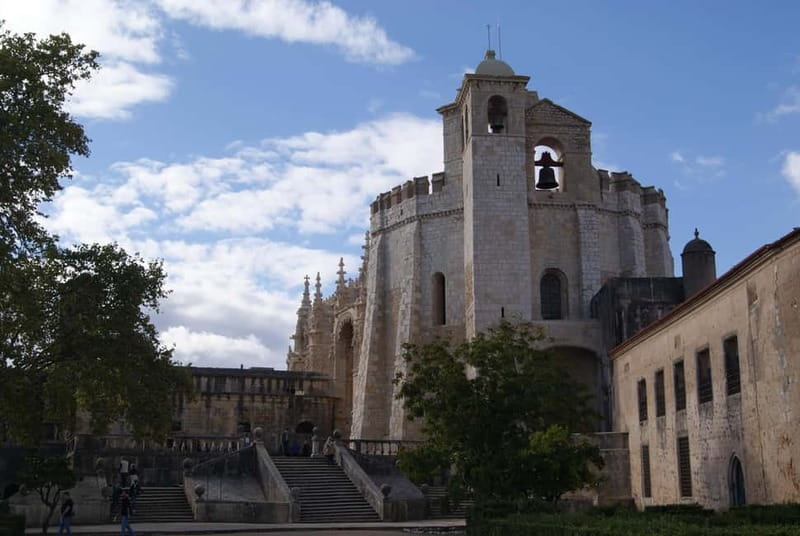
The tour markets itself with comedy, and that part is real. The guide is a performer—there’s an explicit line about laughter and a money-back promise if you don’t laugh, with an exception stated for Scandinavians or Germans. Even if you don’t take that literally, it tells you the tone: the guide wants this to be enjoyable.
At the same time, the subject matter includes serious, even brutal history. The tour mentions the murder of a saint for love, the Jewish massacre story, and why key places are named as they are. It’s not a sanitized route.
My advice: if you’re expecting only light fun, you might miss the point. If you want history with human storytelling—plus jokes to keep it from becoming heavy—this tour hits a strong balance.
Pacing, fitness, and who should book (and who should skip)
This is not a slow stroll. It’s a short tour with enough climbing that the tour text flags a level of fitness requirement. It’s also not suitable for:
- children under 10
- wheelchair users
- people who are visually impaired
- anyone with low walking fitness
It also doesn’t allow mobility scooters, electric wheelchairs, or crutches.
If you’re traveling with partners or friends who walk comfortably on hills, it’s a great fit. If you’re nursing an injury, plan your energy carefully and wear shoes that grip well.
One more tip: you’ll want water. During warm conditions, the guide has made time for water breaks, and it’s a smart habit to carry a bottle even when the tour is only a couple of hours.
Price and value: does $67 make sense?
At $67 per person, you’re paying for more than “a walk with a guide.” You’re funding:
- guided time at castle and city highlights
- a visit to a working ceramics studio
- a market stop tied to Portuguese food guidance
- a self-guided stop at the Tomar Synagogue
- park and legend stops, including the fountain of blood and Mouchão Park
- a guide document sent by email with favorite places and tips around Tomar
Convent of Christ entry is not included, and food/drink isn’t included. So think of this as a guided orientation plus experiences, not an all-in admission package.
For me, the best value indicator is consistency: people describe the guide as relaxed, funny, and careful with pacing. A small group of 10 also helps—less waiting at corners, more time for questions.
If you like history explained in plain language (with jokes), you’ll feel like you got your money’s worth.
Should you book this Tomar walking tour?
Book it if you want:
- a fun guide who mixes humor with real stories
- a high-value route that hits the essentials and also wanders into lesser-known corners
- a taste of Portuguese craft through the ceramics studio
- practical restaurant and onward-travel tips after the tour
Skip it if:
- hills and uneven walking are hard for you
- you need wheelchair-accessible routing
- you prefer scenery without heavier historical content
If you’re choosing only one early activity in Tomar, this is a strong pick. You’ll finish the walk with a clearer sense of what to see next—and you’ll probably end up planning your food and self-guided visits more confidently.
FAQ
How long is the Tomar Walking Tour?
The tour lasts about 2.5 hours.
What language is the guide?
The live guide speaks English.
How big is the group?
It is a small group limited to 10 participants.
Where do we meet for the tour?
You meet by the statue of the knight Gualdim Pais.
What days does the tour run?
It is not available on Sunday or Monday.
Is entry to the Convent of Christ included?
No. Entry to the UNESCO Convent of Christ is not included.
What’s included in the tour price?
You’ll get guided history and storytelling, visits tied to the Templar sites, time at Tomar’s synagogue area, stops including the fountain of blood and Mouchão Park, a visit to a working ceramics studio, and market time focused on Portuguese food.
Is food and drink included?
Food and drink are not included.
Is the tour suitable for children or families?
It’s not suitable for children under 10.
What should I wear or bring?
Wear comfortable shoes. The tour does not allow high-heeled shoes. It also notes a level of fitness is required because it involves a hike with the castle on top of a hill.