Hand-paint a Porto tile with a cocktail in hand. This 2-hour workshop takes you into the world of Portuguese azulejos, explaining how tiles became part of everyday life in Portugal—and then lets you make one yourself. You’ll also get guidance on common tile colors and what to notice when you’re out sightseeing in Porto.
Two things I really love: the teaching is hands-on and friendly, and it’s paired with a drink so it feels like a real break from the street. In the studio, Daniela (and the team) keeps things clear and supportive, and you don’t need special art skills to finish something you’re proud to show off.
One consideration: the tile needs time to cure/glaze, so your finished piece may be ready only after the workshop—though they use a method that can get it to you about an hour after the class ends. If you’re racing your timetable, plan your afternoon around that window.
In This Review
- Key highlights you’ll feel in the room
- Inside the Porto tile workshop: why it’s more than a craft class
- Getting to the meeting point near Rua Chã
- The tile history talk: what you’ll actually use on the streets
- Painting your own azulejo: templates, pacing, and real guidance
- The cocktail (or juice) part: a small luxury that helps you relax
- Curing and taking your tile home: the key timing detail
- Why the small group size is worth it
- Who should book this Porto tile painting experience?
- Price and value: is $42.34 fair for Porto?
- Practical tips to make your tile come out better
- Should you book this tile painting and cocktails workshop?
- FAQ
- Where is the meeting point for this activity?
- How long is the tile painting and cocktails workshop?
- What language is the workshop offered in?
- Is a mobile ticket provided?
- What do I take home at the end?
- Do I need prior painting experience?
- What’s included besides the painting?
- Can I cancel for a full refund?
Key highlights you’ll feel in the room
- Azulejo history lesson, made practical so you know what you’re looking at when you leave the studio
- Step-by-step tile painting with templates or freehand options, guided for all comfort levels
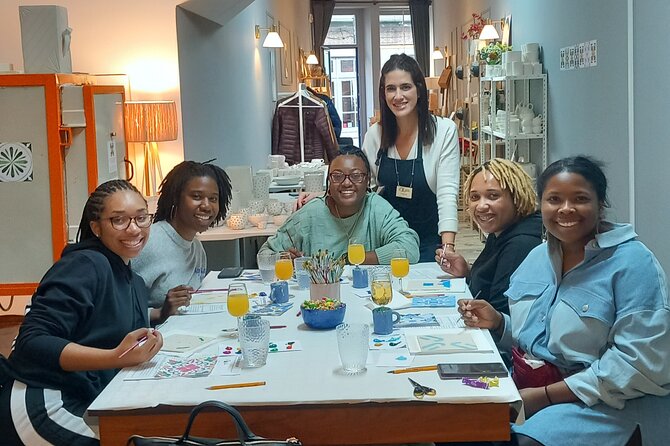
- Cocktail or juice included while you paint (yes, it changes the whole mood)
- Small group size (max 20) so instructions don’t vanish into a crowd
- A takeaway souvenir made on the spot with a curing process that can be quick
- Central meeting point with public transport nearby for easy combine-with-sightseeing planning
Inside the Porto tile workshop: why it’s more than a craft class
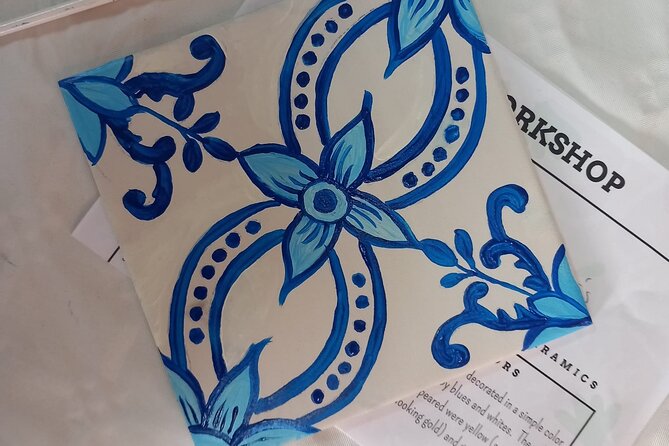
Porto is famous for azulejos—the painted ceramic tiles that turn building facades into outdoor art. This experience works because it doesn’t treat tiles like a random souvenir. Instead, you get the story behind them while you’re holding the paintbrush, so the whole thing clicks.
The format is simple: you meet, you learn, you paint, you drink something local, then you end back at the meeting point. It’s built for visitors who want culture without turning the afternoon into a lecture marathon.
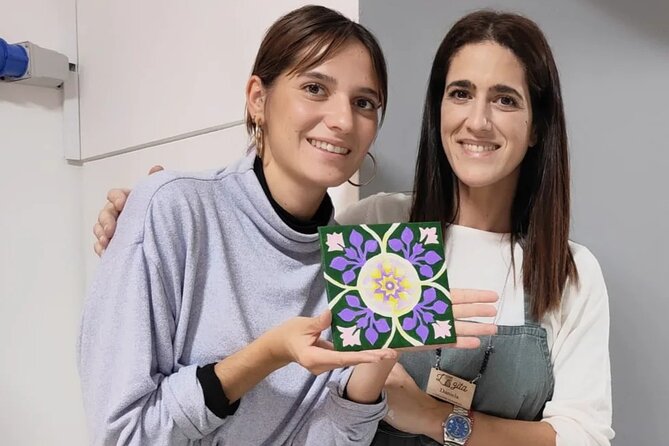
And the best part is the result. You leave with a tile that feels personal, not like the common shop magnets and flat postcard tiles you see everywhere.
You can also read our reviews of more tours and experiences in Porto.



Getting to the meeting point near Rua Chã
You start at R. Chã 77, 4000-165 Porto, and you finish back there. The location is described as near public transportation, which matters in Porto because the city’s streets can be steep and stair-heavy.
This kind of class also helps you catch your breath. Even if you spend the morning climbing around viewpoints, this workshop gives you a controlled, seated reset.
Bring comfy shoes anyway. The studio may be easy to reach, but you’re still in downtown Porto, and you’ll likely walk a bit before and after.
The tile history talk: what you’ll actually use on the streets
Over the roughly 2 hours, you’ll hear part of the history of Portuguese tiles—how they became important, who influenced styles, and why certain looks took hold. You’ll also cover the colors commonly used in tiles in Porto and Portugal.
That matters because tiles can look similar at first glance, and then suddenly you start noticing patterns: how designs repeat, how scenes and borders are framed, and how “classic” tile palettes show up again and again.
You’ll also get context around the most visited attractions—not as a bus route, but as background for what you’ll see later. The goal is that when you go back out, you’ll recognize tile styles instead of just admiring them.
Painting your own azulejo: templates, pacing, and real guidance
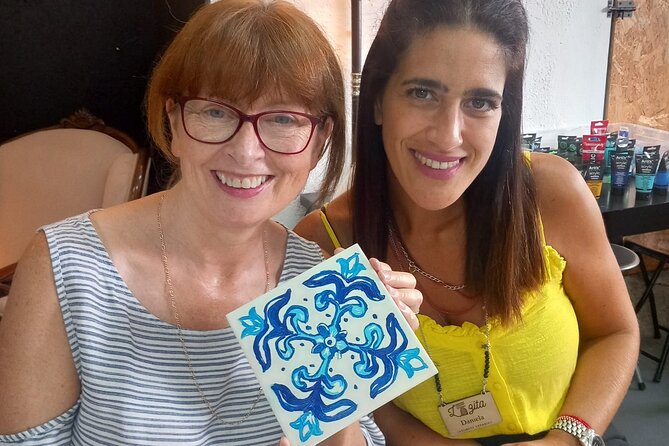
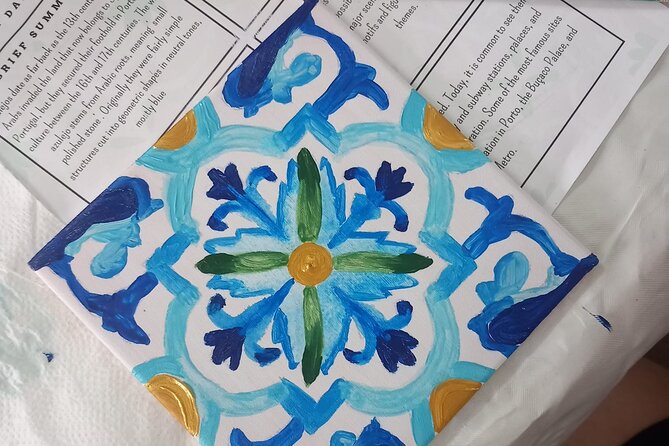
At the heart of the experience, you paint your own tile. The class is designed so most people can participate, and the instruction is step-by-step. That’s a big deal if you’re the type who worries you’ll ruin the whole thing.
You’ll likely have a choice between using a provided outline/pattern or going more freehand, depending on how you want to approach it. Some guests also recommend picking a simpler design ahead of time if you’re the “I overthink everything” type.
They use acrylics for painting, and the process is structured so you’re not stuck guessing what to do next. In plain terms: you’ll spend your energy on your design, not on figuring out the technique.
The studio also seems well set up for this kind of class. People specifically mention it being clean and spacious, with helpful, enthusiastic teachers who keep everyone on track.
The cocktail (or juice) part: a small luxury that helps you relax
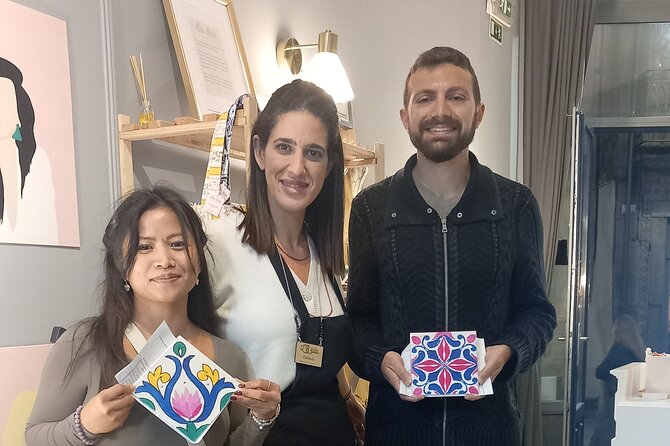
This workshop is built around a break: you’ll sip a local cocktail while you paint. If you’d rather not do alcohol, you can choose juice—so you’re not stuck making the drink-work-for-your-trip compromise.
In practice, the drink does two useful things. First, it turns the class from “activity” into “afternoon.” Second, it makes the social part easier—talking with others becomes natural while your tile dries between steps.
The cocktail isn’t described as fancy-bottle or complicated ordering. It’s simply part of the vibe, and it’s repeatedly praised as tasty.


Curing and taking your tile home: the key timing detail
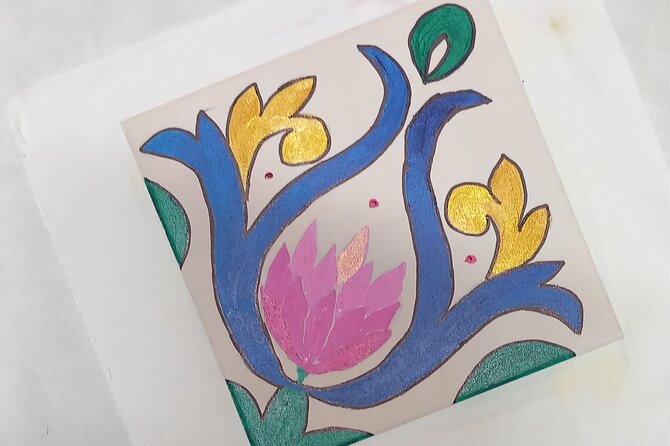
Here’s the part you need to plan for: tiles don’t become a finished glazed souvenir instantly. The class includes a curing/sealing step, and their method allows you to remove the tile about an hour after the workshop ends.
Some guests mention leaving with finished glazed tiles the same day, while others describe picking up after it’s fired. Either way, the important takeaway is that you should assume there’s a short “ready later” window.
So do this: don’t schedule your next must-do appointment right on the hour. Give yourself buffer time so you can collect your tile without sprinting.
The good news is that it’s not a “send it weeks later” situation. This is designed for visitors who want the souvenir while they’re still in Porto.
Why the small group size is worth it
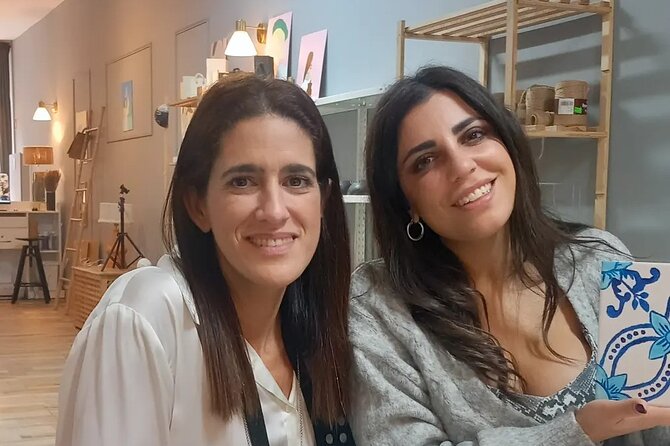
The group size has a maximum of 20 travelers. In a class like this, that’s not just a number—it affects how much attention you get.
When the group stays small, teachers can help faster if your brushwork is off, if your design needs adjusting, or if you simply need encouragement. Several guests highlight patient guidance and clear instructions, which usually comes from a teacher being able to see everyone’s work.
If you’re a solo traveler, this also helps you meet people without feeling like you’re in a loud group activity machine.
Who should book this Porto tile painting experience?
This works well if you want a creative activity that still feels tied to place. If you enjoy photography but also want something you can physically take home, this hits a sweet spot.
It’s also a strong option for groups with mixed interests—art lovers, people who just want an easy break, and even families. Guests report that kids can join comfortably as long as they get the step-by-step support.
If you’re short on time, it can still fit because it’s only about 2 hours. Just don’t ignore the curing/pickup timing, since that affects when you’ll walk away with the final tile.
And if you’re worried about skill level, the class is repeatedly described as beginner-friendly. The structure does the heavy lifting.
Price and value: is $42.34 fair for Porto?
At $42.34 per person for about 2 hours, this sits in the category of “you’re paying for more than materials.” You’re paying for instruction, a guided history lesson, and included drinks—plus a take-home souvenir.
The value gets stronger if you compare it to the cost of buying a tile souvenir by itself. Handmade and “made for you” pieces cost more in shops, and they don’t include a lesson or the relaxed studio time.
It also offers something hard to price: the feeling that you made it, not that you bought it. Multiple guests call out the tile as a more meaningful souvenir than mass-produced tourist tiles.
Practical tips to make your tile come out better
A few small moves will help your experience go smoother:
- Choose your design mindset before you start. If you’re indecisive, consider a simpler pattern so you don’t spend all your time stuck on what looks best.
- Ask for help early. If something feels confusing, checking in right away usually saves time later.
- Plan your next hour. Your tile needs curing, so build in time to collect it.
- Wear paint-friendly clothes. It’s a workshop with acrylic paint. Even with care, things can get messy.
- Bring curiosity for the history talk. The lesson isn’t long, but it gives you a way to look at Porto’s tile-covered buildings differently.
Should you book this tile painting and cocktails workshop?
I’d book it if you want a Porto activity that’s creative, social, and tied to something you’ll actually see around town. It’s not just craft time—it’s a guided intro to how Portuguese tiles became part of the culture, paired with a drink that makes the whole thing feel relaxed.
Skip it only if your schedule is too tight for a short pickup window after class ends, or if you’re specifically looking for an outdoor walking tour of major monuments. This experience centers on the studio and the making.
If you’re the kind of traveler who likes “one great thing” instead of stuffing your day with five quick stops, this is a good choice. Book it, show up ready to paint, and you’ll leave with a souvenir that actually tells a story.
FAQ
Where is the meeting point for this activity?
The meeting point is at R. Chã 77, 4000-165 Porto, Portugal. The activity ends back at the meeting point.
How long is the tile painting and cocktails workshop?
The duration is about 2 hours.
What language is the workshop offered in?
It’s offered in English.
Is a mobile ticket provided?
Yes, the tour includes a mobile ticket.
What do I take home at the end?
You paint a tile during the workshop and you take it home afterward. The information also notes it’s possible to remove the tile about one hour after the workshop ends.
Do I need prior painting experience?
The experience notes that most travelers can participate, and the class is described as step-by-step and friendly for different skill levels.
What’s included besides the painting?
You’ll have cocktails as part of the experience, and guests also mention you can choose juice or a gin port cocktail.
Can I cancel for a full refund?
Yes. You can cancel up to 24 hours in advance for a full refund. If you cancel less than 24 hours before the start time, the amount paid is not refunded.