REVIEW · SAO MIGUEL
São Miguel 2-Day Tour: Furnas, Sete Cidades, Fogo & Nordeste
Book on Viator →Operated by Azores Dream Tours · Bookable on Viator
Volcano steam runs through day one. This two-day São Miguel loop mixes geothermal villages, dramatic crater lakes, and big-sky viewpoints, with time to actually enjoy each stop instead of sprinting nonstop. I especially love the blend of Furnas heat and the signature blue-green views of Sete Cidades, plus the Nordeste add-ons that make the trip feel like more than the usual highlights. The main thing to plan for is that a couple of the best experiences (hot springs and lunch) cost extra on the day.
What makes this tour worth your attention is the small-group touring and the way your guide can steer the day around weather and sightlines. I also like that you’re not trapped in a generic script: you’ll get clear local context at viewpoints, then practical breaks for photos, walks, and time at places like Terra Nostra. One drawback to keep in mind: you’ll cover a lot of ground over two long days, so bring comfortable shoes and expect a busy pace.
In This Review
- Key reasons this São Miguel route feels efficient
- How this 2-day São Miguel tour fits the island (and your time)
- Day 1: Furnas geothermal steam, Terra Nostra soak, and tea at Gorreana
- Praia Grande de Água d’Alto and volcanic sand views
- Vila Franca do Campo islet and the Sra. da Paz viewpoint
- Lagoa das Furnas and Caldeira das Furnas fumaroles
- Terra Nostra Park: hot pools plus a botanical garden (optional)
- Miradouro Pico do Ferro and the Furnas crater view
- Ribeira dos Caldeirões natural park: 5 watermills and a waterfall
- Gorreana tea plantation: one of only two in Europe
- Day 2: Sete Cidades crater lakes, Lagoa do Fogo, and Caldeira Velha
- Ananas Santo Antonio and pineapples in glass greenhouses
- Miradouro do Pico do Carvão: volcanic cones and coast views
- Lagoa do Canário: the hidden crater lake moment
- Vista do Rei: the emblematic Sete Cidades viewpoint
- Lagoa de Santiago and Lagoa das Sete Cidades color contrast
- Miradouro da Ponta do Escalvado: monasteries and Ferraria from above
- Lagoa do Fogo: turquoise crater waters
- Caldeira Velha: natural hot spring pools (optional-cost)
- Price and value: what $204.81 buys you in real terms
- Small-group touring: why guide quality makes or breaks this route
- What to bring so the busy pace feels good
- Who should book this tour (and who should consider alternatives)
- Should you book this São Miguel 2-day tour?
- FAQ
- What’s included in the São Miguel 2-day tour?
- Are meals included?
- Are hot spring and other park entry fees included?
- What time does the tour start?
- Is pickup available from my hotel?
- How big is the group?
- What languages are provided?
- Is the tour okay for everyone health-wise?
- What’s the cancellation policy?
Key reasons this São Miguel route feels efficient
- Thermal focus in two different styles: Furnas geothermal steam plus Caldeira Velha hot spring pools later on
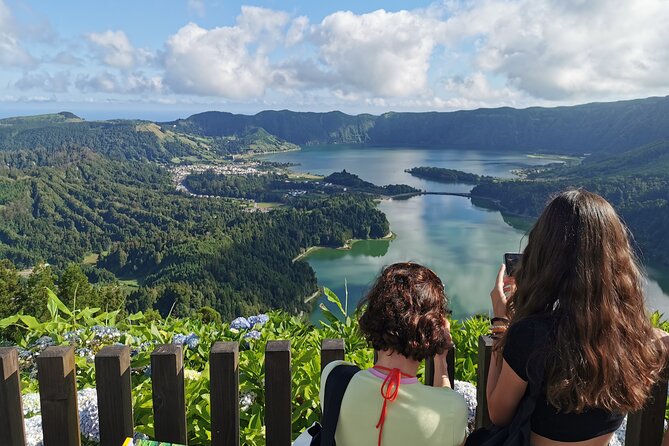
- Sete Cidades in full color: blue and green lagoons, viewpoints, and the crater settings that explain the island’s geology
- Nordeste variety beyond lakes: watermills and waterfall at Ribeira dos Caldeirões, plus the tea moment at Gorreana
- Unique food stops: pineapples grown in glass greenhouses at Ananas Santo Antonio (2 years to produce)
- Guides who adapt: strong guide performance is a recurring theme, with examples like Pedro, Carlos, João, Vera, and Gonçalo
How this 2-day São Miguel tour fits the island (and your time)
São Miguel rewards slow travel, but most first-timers don’t have slow-time. This tour is a practical middle ground: you get the heavy hitters (Furnas, Sete Cidades, Lagoa do Fogo) plus a Nordeste day that shows a different side of the island. The route also makes sense geographically. Day 1 leans into the geothermal heart around Furnas and then pushes outward toward Nordeste, where tea and waterfalls add texture. Day 2 concentrates on the crater-lake drama of Sete Cidades and then finishes with Lagoa do Fogo.
You also feel the small-group touch. Even when you’re seeing famous places, the pace stays human—less waiting around, more time at viewpoints, and more chance to ask questions while you’re moving between stops.
A few more Sao Miguel tours and experiences worth a look
Day 1: Furnas geothermal steam, Terra Nostra soak, and tea at Gorreana
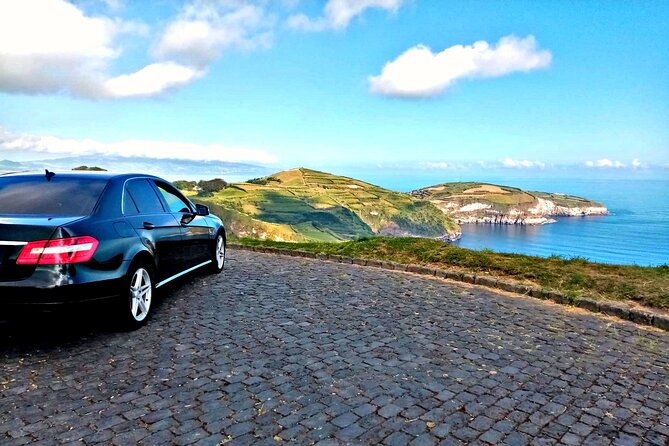
Praia Grande de Água d’Alto and volcanic sand views
You start with a volcanic-origin beach at Praia Grande de Água d’Alto. It’s a short stop, so treat it like orientation plus a quick reset. The real value here is seeing the Azores coastline style early in the day: dark volcanic sand, wind patterns, and that quick sense of “this island is built from fire.”
If weather turns gray or windy, this kind of stop still works because it’s quick and flexible.
Vila Franca do Campo islet and the Sra. da Paz viewpoint
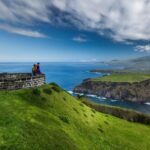
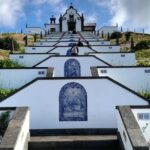
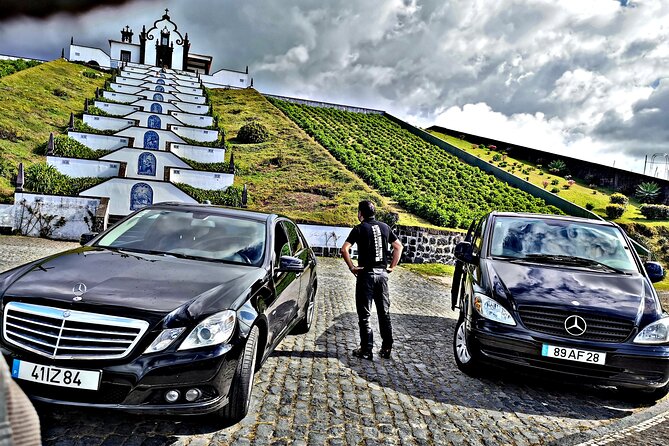
Next you climb to the Sra. da Paz viewpoint above Vila Franca do Campo. From up there, you can see the islet created by an underwater volcanic eruption, and you also get a view of the village center below. This is one of those stops that helps you “read” the island. The more you understand that the Azores are volcanic systems, the more the next lakes and craters click into place.
Lagoa das Furnas and Caldeira das Furnas fumaroles
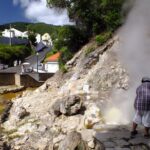
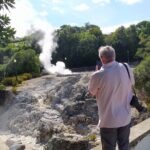
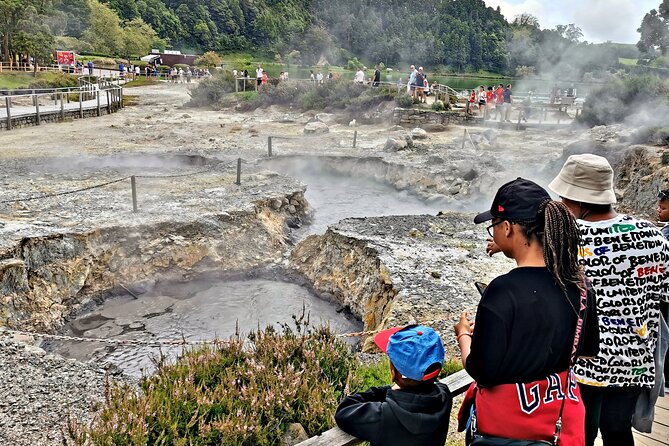
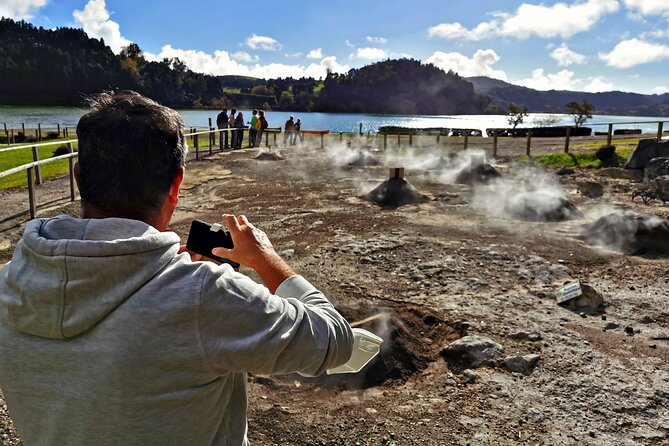
Then you move into Furnas country: Lagoa das Furnas first, followed by Caldeira das Furnas. This is where the day turns from scenic to sensory. At Caldeira das Furnas, you’ll see geothermal features like fumaroles and boilers, and there’s the chance to taste mineral springs in the area. Even if you’re not a geology nerd, you’ll get the point fast: this is active volcanic behavior shaping the landscape you’re walking through.
One practical note: geothermal areas can smell strong. That’s normal. Don’t let it spoil the experience—bring a quick breath-mint or just expect the whiff.

Terra Nostra Park: hot pools plus a botanical garden (optional)
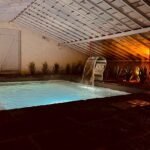
After the fumaroles and steam, you get the payoff at Parque Terra Nostra. Expect thermal pools at over 30 degrees—basically the moment where your legs stop feeling like they’re working overtime. You also get the option to swim and to visit the botanical garden inside the park, though entry isn’t included.
If you want to make this stop truly worth it, come ready for water time: swimwear, a towel, and water-friendly footwear if you’re cautious about slick surfaces.
Miradouro Pico do Ferro and the Furnas crater view
Next is Miradouro Pico do Ferro, a viewpoint designed to show scale. From here you look back into the Furnas volcanic crater and down toward the lake. It’s one of those “okay, that’s what I just saw” moments—great for photos and for mental mapping.
Ribeira dos Caldeirões natural park: 5 watermills and a waterfall
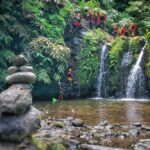
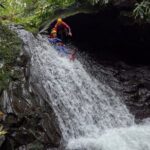
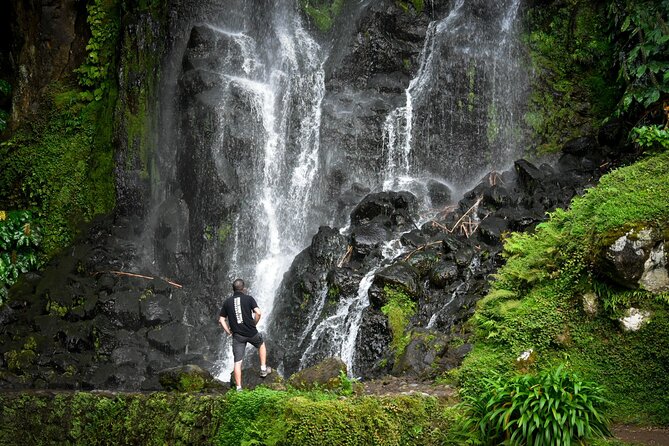
Then the tour shifts gears to Parque Natural da Ribeira dos Caldeirões. The draw is specific: five watermills and a waterfall. This stop adds sound and movement to the day, balancing out the steam and heat you’ve already been around.
If you’re traveling in cooler months, this area can feel misty. Pack something light you can layer if the air turns damp.
Gorreana tea plantation: one of only two in Europe
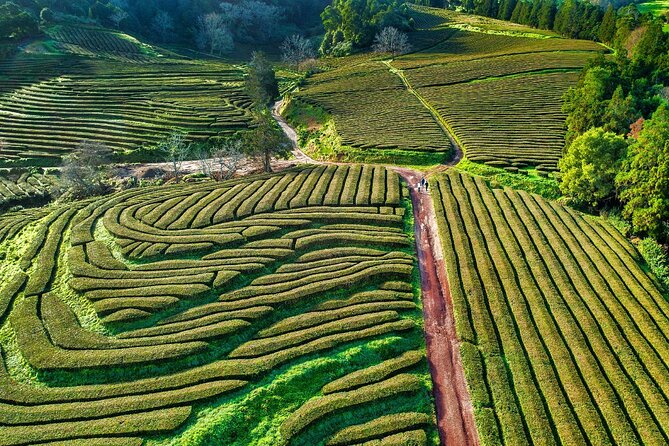
Finally on Day 1, you reach Plantacoes de Cha Gorreana. You’ll learn how this tea operation works, and why it’s unusual: it’s stated as one of only two tea plantations or factories in Europe. Even if you’re not a tea drinker, it’s a satisfying change from volcano-and-water themes.
If the timing works, I’d treat it as a chance to buy something small—tea products tend to travel well and make a good edible souvenir.
Day 2: Sete Cidades crater lakes, Lagoa do Fogo, and Caldeira Velha
Ananas Santo Antonio and pineapples in glass greenhouses
You start Day 2 with Ananas Santo Antonio, where pineapples are grown in glass greenhouses. The big standout detail is timing: it takes two years for the plants to generate. That gives you instant respect for what you’re seeing, and it turns a quick stop into something you actually remember.
Miradouro do Pico do Carvão: volcanic cones and coast views
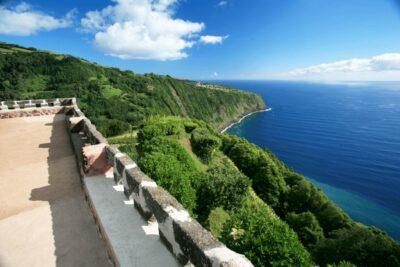
Next is Miradouro do Pico do Carvão. This viewpoint is about scale again—wide views across the volcanic cones between Sete Cidades volcano and Lagoa do Fogo volcano, plus sightlines along both the north and south coasts of São Miguel. It’s a strong transition from the softer Furnas day to the dramatic crater-lake storytelling of Sete Cidades.
Lagoa do Canário: the hidden crater lake moment
Then comes Lagoa do Canário, described as an amazing hidden crater lake. You get a short window here, so aim for calm attention rather than rushing the photo. This is exactly the type of stop where your guide’s commentary matters—short stops work best when you know what you’re looking at.
Vista do Rei: the emblematic Sete Cidades viewpoint
Vista do Rei is next, and it’s noted as São Miguel’s most emblematic belvedere. It’s also tied to a date in Portuguese monarchy history—July 6, 1901, when King D. Carlos and Queen D. Amelia were there. That historical anchor gives weight to what could be just another scenic lookout.
Lagoa de Santiago and Lagoa das Sete Cidades color contrast
After that, you’ll visit Lagoa de Santiago, the green lagoon in the Sete Cidades crater, plus Caldeira das Sete Cidades itself. Lagoa de Santiago is surrounded by Macaronesian vegetation and cryptomeria plantations, so it feels distinct rather than just “more water.” Then you hit the mandatory bridge stop, where you’ll see the classic division of blue from green lake areas.
This is one of the strongest stretches of the whole tour because the color split is so visible, and it’s tied to the crater setting. Once you see it from the bridge and from the viewpoints, Sete Cidades stops being a postcard and becomes a place with structure.
Miradouro da Ponta do Escalvado: monasteries and Ferraria from above
Next you travel to Miradouro da Ponta do Escalvado, on a pyroclastic cliff. The stop is framed around volcanic power creating the Monasteries and Ferraria area. The practical value here is that it expands your mental map beyond the lakes—São Miguel’s volcanic story reaches into settlements and local names.
Lagoa do Fogo: turquoise crater waters
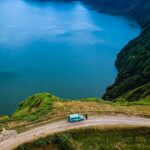
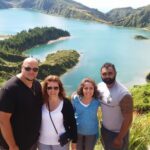
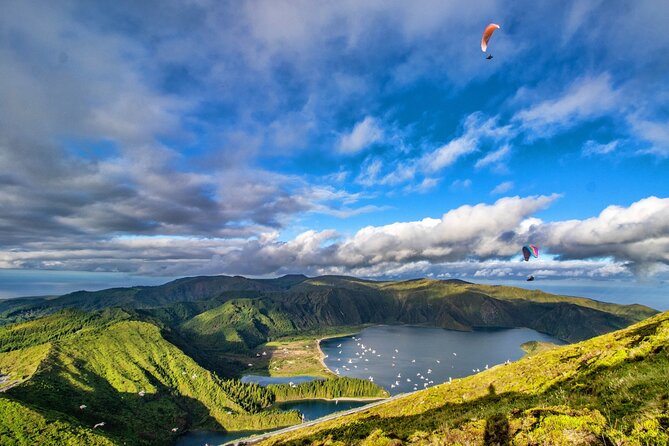
Then you finish Day 2 with Lagoa do Fogo, viewed from a viewpoint. The selling point is its lush crater setting and turquoise waters. This is a good ending because it’s visually clean: after two days of lots of stops, Lagoa do Fogo gives you a direct, simple payoff.
If you’re tempted to rush photos, don’t. This is one of those “watch the color shift with the light” moments.
Caldeira Velha: natural hot spring pools (optional-cost)
The last major stop is Centro de Interpretacao Ambiental Caldeira Velha with natural hot spring pools at Caldeira Velha park. The entry isn’t included, but the stop length is set for the pools. If you book this tour thinking only about scenery, this part is what makes it feel like a real sensory experience—heat from the ground and a more relaxed pace compared with the crater viewpoints.
Pack for water again. Even if you don’t plan to swim, you’ll likely want at least some time in the pools.
Price and value: what $204.81 buys you in real terms
At $204.81 per person for two days, the main value isn’t just transportation. You’re paying for a certified local guide, interpretation in English, Portuguese, or Spanish, and coverage that includes insurance under Portuguese law. You also get air-conditioned vehicle transport and a small-group format.
Compare that to DIY. If you rent a car, you trade cost for hassle: figuring out routing, finding parking at viewpoints, and timing multiple distant stops with weather changes. With a guide, you gain smoother logistics and a clearer explanation for what you’re seeing.
Is it a perfect deal? Only if you plan around the add-ons. Lunch (like Furnas stew cooked in volcanic soil, or a vegetarian/vegan buffet option) costs extra, and hot spring entries are also extra. If you budget for those up front, the total spend stays predictable and you won’t feel surprised mid-trip.
Small-group touring: why guide quality makes or breaks this route
This tour gets top marks for guides, and names from real experiences come up often: Pedro is praised for deep island knowledge and for adapting the day based on weather so you see as much as possible. Carlos is highlighted for steering you to the best viewpoints and sharing detailed facts. You also see strong mentions for João, described as attentive, funny, and knowledgeable, plus Vera and Gonçalo for professionalism and kindness.
Even without copying anyone’s exact personality, that pattern tells you what to look for on the day: ask questions, use the commentary to understand geology and local life, and don’t be shy about requesting an adjusted plan if conditions change.
Small group matters too. With a format capped at a maximum of 8 participants (and the overall activity listing also mentions up to 24 travelers), you’re usually in a manageable group size. Either way, you’re not wrestling through crowds to hear your guide.
What to bring so the busy pace feels good
This tour moves. You’ll do plenty of looking, short walking, and some stops where you may go in water.
Bring:
- Comfortable walking shoes with decent grip
- A light jacket or layer for wind and mist (especially around viewpoints)
- Swimwear and a towel for thermal pool time
- A refillable water bottle
- A small day bag for snacks between stops (meals can be extra)
Also, set expectations: it’s not a sit-and-sip cruise. You’ll get multiple stops each day, each with its own short time window.
Who should book this tour (and who should consider alternatives)
Book this if you:
- Want a focused São Miguel introduction with Furnas + Sete Cidades + Lagoa do Fogo in two days
- Prefer guided interpretation over DIY driving
- Like geothermal places and scenic viewpoints, and you’re okay with short photo-walks
- Want Nordeste extras like ribeira watermills, waterfalls, and Gorreana tea
Consider a different plan if you:
- Have difficulty with long days and frequent stops
- Don’t want to pay extra for hot springs and lunch add-ons
- Want a very slow, deep-dive experience in just one region
The tour also notes it’s not recommended for travelers with heart problems or other serious medical conditions.
Should you book this São Miguel 2-day tour?
If you’re balancing time, budget, and variety, I think this is a strong pick. The route is logical, the guide component is clearly a highlight, and the two-day flow gives you both geothermal Furnas heat and the crater-lake drama of Sete Cidades and Lagoa do Fogo. Just budget for the day-of extras (lunch options and hot spring entry) and come ready for a packed schedule.
If you’re mainly choosing between this and a DIY road trip, my advice is simple: pick this tour if you want your time to feel guided and your stops to feel explained. Choose DIY only if you’re confident driving, comfortable building your own route, and don’t mind losing the geology and local context.
FAQ
What’s included in the São Miguel 2-day tour?
It includes hotel pickup and drop-off in several areas (Ponta Delgada, Ribeira Grande, Lagoa, and Vila Franca do Campo), a certified local guide, insurance under Portuguese law, commentary in English/Portuguese/Spanish, two full days of guided touring, visits to Sete Cidades, Lagoa do Fogo, Furnas, and Nordeste, and transport in an air-conditioned vehicle.
Are meals included?
Meals are not included. The tour lists lunch options you can purchase as extras, including Furnas stew cooked in volcanic soil (vegetarian/vegan options available) and a buffet lunch (with vegetarian/vegan options).
Are hot spring and other park entry fees included?
Some aren’t included. For example, entry to pools like Caldeira Velha and optional parts at Terra Nostra Park are listed as not included.
What time does the tour start?
The start time is 9:00 am, and pickup can run from 9:00 am up to about 9:45 am depending on where you’re staying.
Is pickup available from my hotel?
Pickup is offered from Ponta Delgada, Lagoa, Ribeira Grande, and Vila Franca do Campo. If your accommodation is on a narrow or hard-to-access street, you might be asked to meet at a nearby pickup point.
How big is the group?
The experience is described as a small group with a maximum of 8 participants, and it also lists a maximum of 24 travelers for the activity. Either way, it’s not positioned as a huge bus tour.
What languages are provided?
Commentary is offered in English, Portuguese, or Spanish.
Is the tour okay for everyone health-wise?
It’s stated as most travelers can participate, but it’s not recommended for travelers with heart problems or other serious medical conditions.
What’s the cancellation policy?
Free cancellation is available. You can cancel up to 24 hours in advance for a full refund. Canceling less than 24 hours before the start time doesn’t get refunded.