REVIEW · TAVIRA
Private Tavira Jeep Tour – Salt Pans, Nature & Santa Luzia
Book on GetYourGuide →Operated by Maria's TukTuk · Bookable on GetYourGuide
Salt flats look unreal from a jeep. This private Tavira tour strings together old-town streets, shimmering salt pans, and quiet birdwatching before the seafood world of Santa Luzia.
I especially love how the pace stays relaxed while Joao connects Tavira’s landmarks to the region’s salt and fishing economy, with patient time for questions. I also love the birdlife moments: flamingos show up when conditions allow, and you get the feeling of nature working on its own schedule. A possible drawback is simple: 2h15 means shorter stops, so plan to pick your best photo spots and don’t expect long, slow wandering in every place.
In This Review
- Key Highlights You’ll Feel on This Route
- Enter Tavira in a Beige Jeep, Not a Rush
- Old Tavira Streets and Local Landmarks Before the Nature Stops
- Salt Pans Near Tavira: The Color Show You Can Actually Understand
- A small taste moment (if they include the stop)
- Birdwatching Without the Pretend-Quiet: Just Let It Happen
- Tuna Fishing Village History and the Sea Economy You Can See
- Santa Luzia: Octopus Nets, Calm Water, and a Different Algarve Mood
- What Makes Joao’s Guide Style Work So Well
- Price in Context: Is $64 a Good Deal for 2h15 Private Touring?
- Practical Tips So Your Day Runs Smoothly
- Should You Book This Private Tavira Jeep Tour?
- FAQ
- How long is the Private Tavira Jeep Tour?
- Is this tour private?
- What’s included in the price?
- Is pickup included?
- Where do we meet for pickup?
- What languages are the live guides available in?
- What are the main stops or themes on the tour?
- Is the tour refundable if plans change?
- Can I reserve and pay later?
- Do starting times vary?
Key Highlights You’ll Feel on This Route
- Salt pans near Tavira where the white flats and sky colors make the whole area look otherworldly
- Wild birdwatching with a real shot at flamingos and other coastal birds
- Santa Luzia, octopus capital with a focus on fishing nets and daily sea life
- Tuna fishing history and a look at how older local industry shaped this coast
- Joao’s on-the-road storytelling that blends nature, town history, and how the Algarve works today
Enter Tavira in a Beige Jeep, Not a Rush
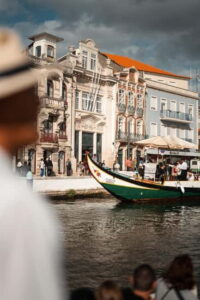
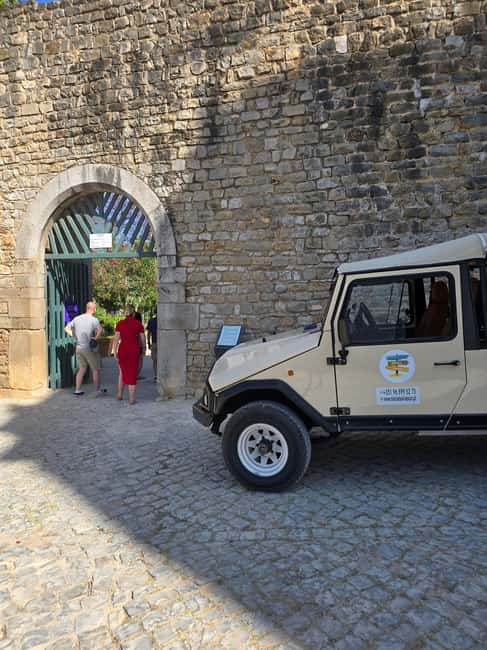
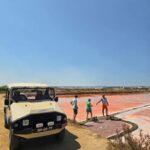
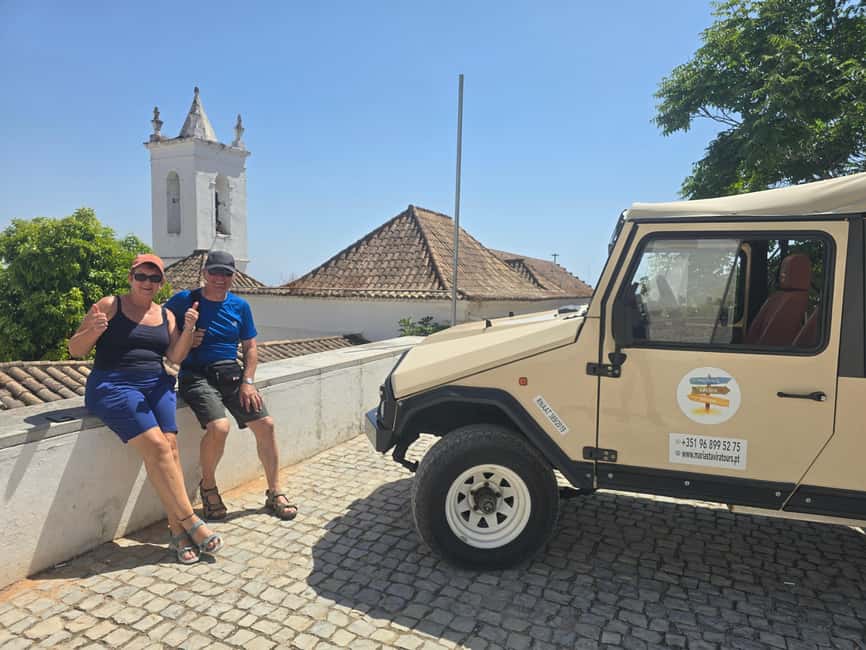
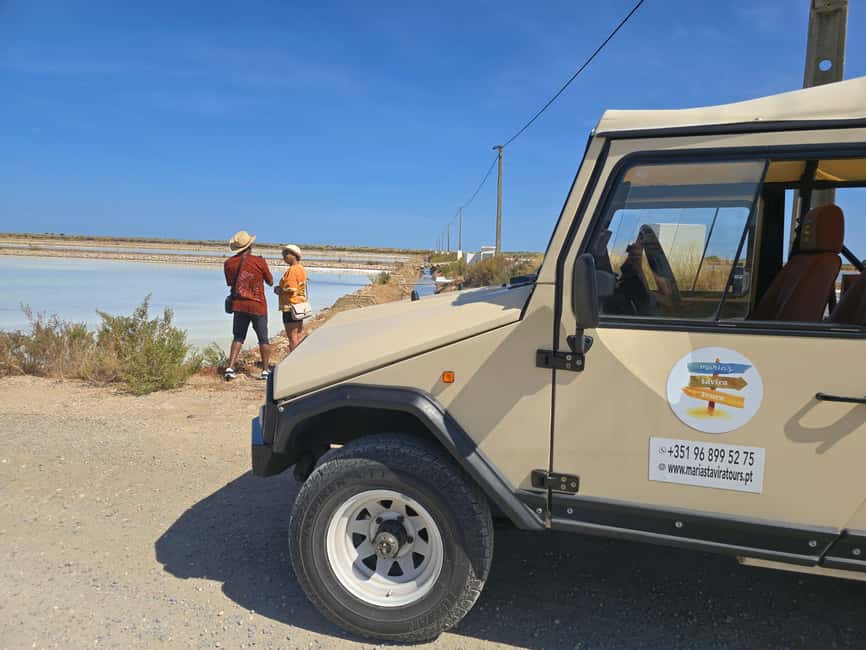
This tour starts where Tavira feels most like itself: in the center, with old streets and traditional architecture that you can spot even before you know the details. The jeep pickup is included, and you ride a classic beige jeep—easy to spot when you’re meeting up. You’ll want to stand where you’re clearly visible near the address you choose for pickup, since the tour expects you to be easy to find.
What I like about beginning here is that the tour’s pace doesn’t start with scenery. It starts with context. You get the town’s “why” early, so when salt flats and fishing villages come next, they don’t feel like random stops. They feel like parts of one working coastline.
Also, the tour is private, so it’s a calmer format than the big public excursions. That matters when the stops include nature and birds. You’ll usually get better moments when people aren’t constantly rushing past you.
You can also read our reviews of more tours and experiences in Tavira.


Old Tavira Streets and Local Landmarks Before the Nature Stops
The first stretch is all about getting your bearings. Tavira’s old center isn’t just pretty; it’s a set-up for understanding what you’re going to see later. Joao shares local history and how the town grew, and you’ll get specifics about Tavira’s past—like references to the Roman Bridge and Moorish architectural influences.
This is where the guide timing helps. Instead of packing the entire history lesson into a museum, it comes to you in small doses while you’re moving through neighborhoods. That keeps it from turning into a lecture, and it lets you ask questions as you go.
One practical note: because the tour is only 150 minutes, the “history” portion isn’t going to feel like a full walking tour of Tavira’s center. It’s more like an efficient orientation. If you love digging deep on every building, you may want to pair this with some independent time afterward—but for an overview plus nature, it’s a strong match.
Salt Pans Near Tavira: The Color Show You Can Actually Understand
Then comes the star: the salt pans. This is where the Algarve shows you a side that isn’t about beaches—it’s about industry and ecosystems working together.
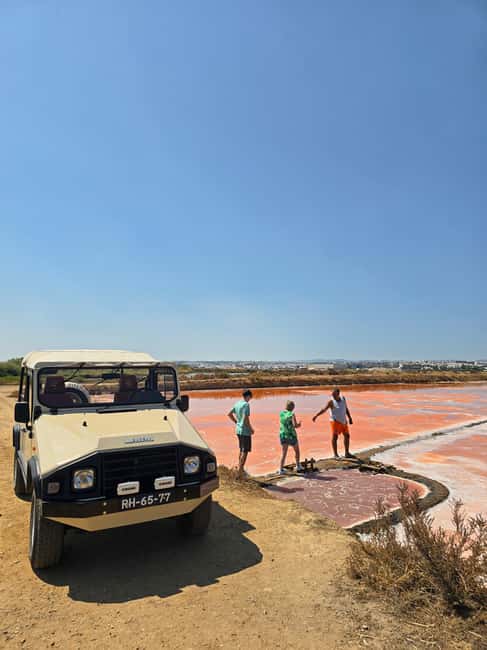
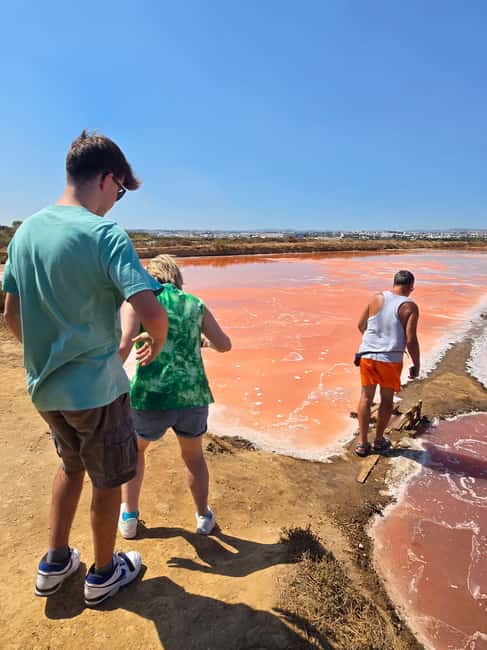
The salt flats can look almost unreal, with white crust and shimmering surfaces reflecting the sky. And depending on the light and the season, you can also get that softer pink tone you’ll see described by people who’ve gone. It’s one of those scenes that photographs well, but it’s even better in person because the textures are the point.
Joao explains the traditional salt harvesting process, and that helps you see more than color. Salt harvesting isn’t just a pretty landscape. It’s a human rhythm that also creates habitat. When you connect those two ideas, the salt pans start to make sense as a living system—especially because this area is tied to the birds that use it.
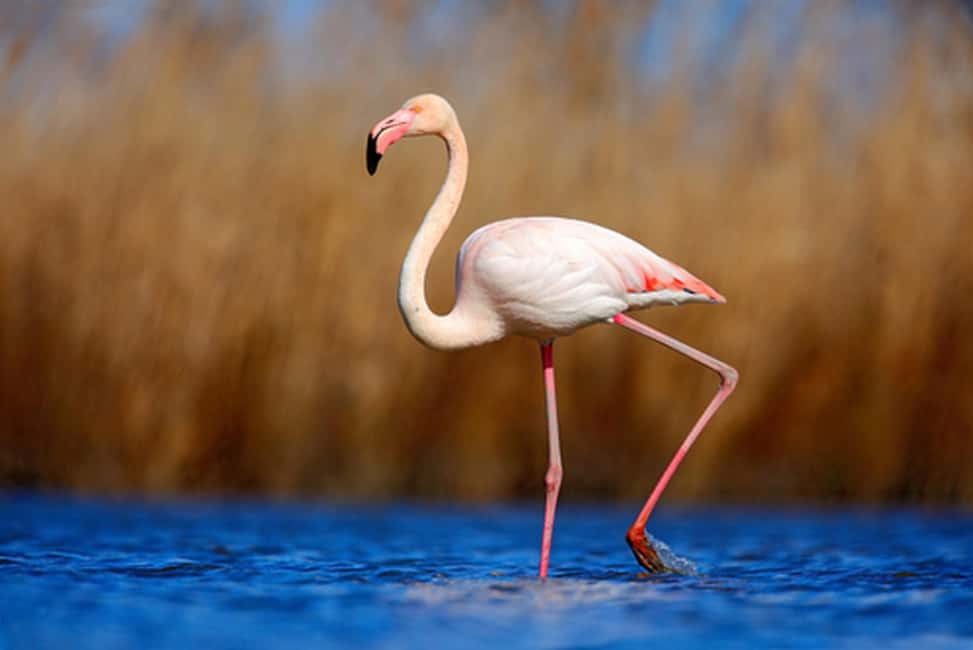
If you’re lucky, you’ll spot the flamingos. You may also see other coastal birds like spoonbills, along with small wildlife around the flats. The key is that these sightings aren’t guaranteed on a set schedule. Birds move, wind matters, and the best guide is the one who notices the details and adjusts your viewing time.
A small taste moment (if they include the stop)
In at least some cases, the tour can include a detour linked to salt processing, with the chance to taste flower salt. If that happens during your day, it’s worth paying attention to. That tiny tasting moment turns the whole salt-pan story from scenery into a product with a real local identity.
Birdwatching Without the Pretend-Quiet: Just Let It Happen
The birdwatching part is short and quiet in the best way. You’re not stuck in a long waiting game, and you’re not rushed either. You’ll stop in a birdwatching area where the pace makes sense for spotting movement: the flap of wings, the distant call, and those quick moments when a bird finally decides to be seen.
What makes this valuable is the “how” behind the “what.” Joao doesn’t just point. He helps you understand why birds are there—tying it back to the salt pans and the coast. When you get that connection, it’s easier to stay patient and actually enjoy the stillness rather than just scanning for a flamingo checklist.
Because this tour is private, your group can slow down at the best viewing angles. On a public tour, you sometimes lose those angles to crowd flow. Here, the experience feels more like a shared watch than a guided stampede.
If you care about photos, bring your camera phone strap or something simple for stability. You’ll likely do best with short bursts of shooting while you wait for birds to move into view.
Tuna Fishing Village History and the Sea Economy You Can See
Between salt and the final village stop, you’ll get time in areas tied to the sea economy, including tuna fishing history. This is not presented like a distant “old times” story. It’s explained as part of how people here earned a living and how the coast shaped everything from work patterns to local food culture.
A highlight for many people is the visit to an old tuna-related site—often described as an old tuna factory. You can see how the coastline supported large-scale processing, not just small boats. It’s a strong contrast to the salt flats, too: one is about drying and harvesting; the other is about catching, processing, and working with the sea.
If you like learning how industries work, you’ll probably enjoy that shift in focus. It turns “Algarve scenery” into “Algarve systems,” and that makes the drive feel more purposeful.
And yes, you’ll still get that relaxed jeep feel. This tour isn’t trying to turn you into a history student. It stays friendly and human.
Santa Luzia: Octopus Nets, Calm Water, and a Different Algarve Mood
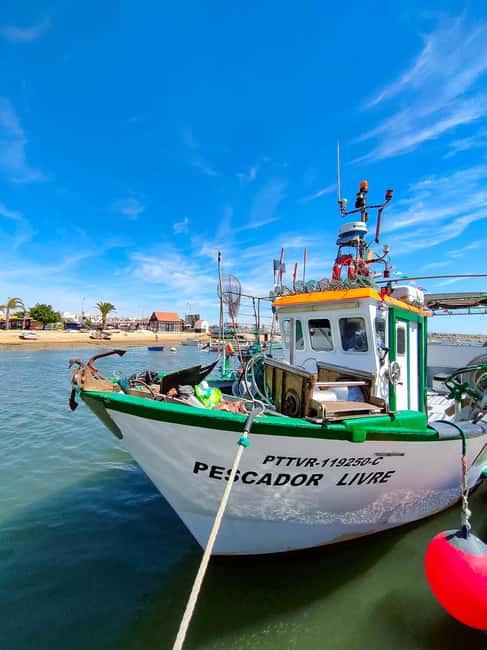
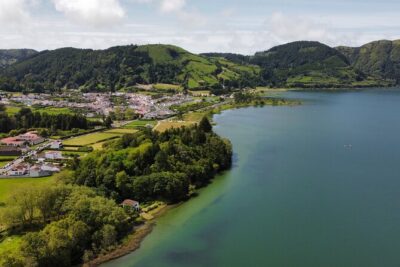
The last main stop is Santa Luzia, a village by the water tied closely to octopus—often referred to as the octopus capital. This part of the route slows down emotionally. After salt flats and birdwatching, Santa Luzia brings you back to daily sea life: people, nets, and the look of a working fishing village.
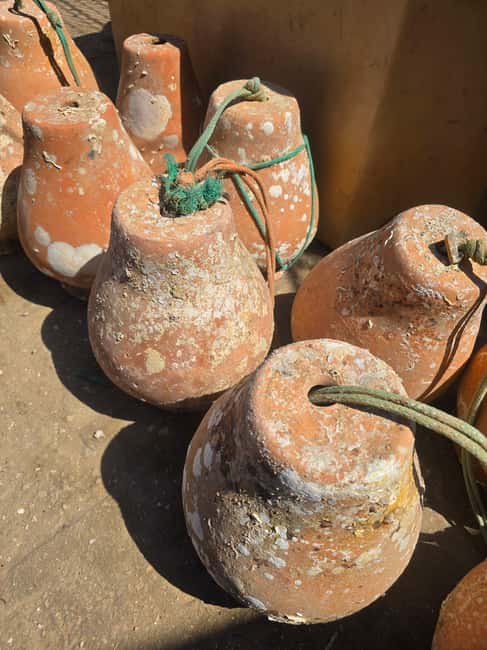
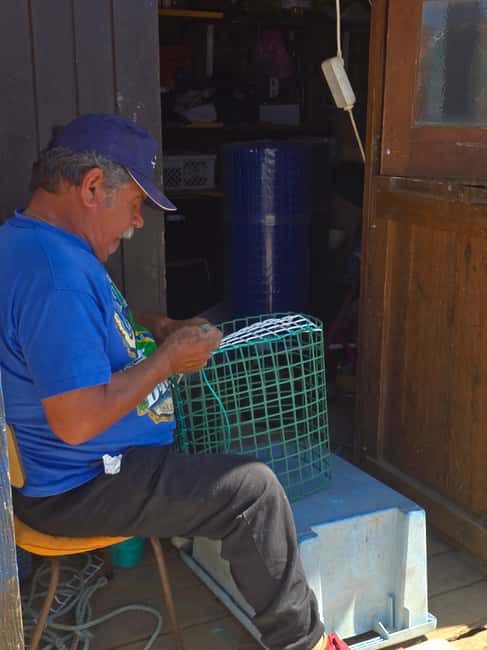
Expect to see octopus fishing nets and learn how locals connect the sea to their food and livelihoods. The nets aren’t just a photo op; they help you understand why octopus is more than a menu item here. It’s a living tradition.
Santa Luzia also feels like the right place to end, because it’s calmer than the start. The finish is described as calm and unhurried, which matters because you’re already at the two-hour mark. You’ll leave with the day’s story feeling complete: town → salt → birds → sea industry → Santa Luzia.
What Makes Joao’s Guide Style Work So Well
Joao is a big reason this tour earns top scores. People consistently point out that he’s patient, careful with explanations, and happy to answer questions. That matters on a tour like this, because the stops are visual and seasonal—bird sightings and color effects can vary.
In plain terms, a good guide helps you enjoy the parts you might otherwise miss. If birds don’t appear exactly where you hoped, Joao can still keep the moment meaningful by explaining what you’re seeing and why.
The language support is also a practical advantage. The tour offers live guiding in Portuguese, Spanish, and English. Even if your Portuguese is limited, you can still follow the story and ask questions clearly.
One more thing that comes up: the jeep experience itself. People note the jeep is spotless, and the pickup/drop-off workflow feels smooth. When your transportation is handled well, you spend less energy worrying and more energy taking in the coast.
Price in Context: Is $64 a Good Deal for 2h15 Private Touring?
At $64 per person for 150 minutes, the value comes down to what you get packed into that time.
You’re paying for:
- a private jeep format (not shared with a full group)
- a live guide in multiple languages (Portuguese, Spanish, English)
- pickup included, with a defined radius around central Tavira
- multiple stops that cover salt pans, birdwatching, and two fishing-related sides of the coast (tuna history and Santa Luzia octopus nets)
If your alternative is doing these areas separately by taxi or on your own with limited timing, this often feels efficient. You’re also getting the “why” behind the visuals—Joao ties together nature, salt harvesting, and local sea economy. That’s the part that makes it more than transportation.
If you hate time limits, keep this in mind. 2h15 is enough for a highlights route, but it’s not enough for deep, slow exploration. Still, for most people visiting Tavira, it’s a smart way to cover the signature ecology and food culture side of the Algarve without spending the whole day in transit.
Practical Tips So Your Day Runs Smoothly
Here are the details that make a real difference on this kind of jeep-and-nature outing:
1) Plan for quick photo stops.
Because the timing is fixed, you’ll want to decide which moment matters most to you: birds at the viewing area, flamingo chances on the flats, or net details at Santa Luzia.
2) Wear shoes that handle uneven ground.
Salt-pan edges and village outskirts can involve paths that are not totally flat. The tour is relaxed, but nature days still need decent footing.
3) Bring a layer.
Algarve coastal air can shift fast. Even when the day feels warm, a light jacket can keep you comfortable during calmer birdwatching moments.
4) Ask questions early.
Joao’s strength is Q&A. If you have a question about salt, birds, octopus, or Tavira’s history, ask it as you go. You’ll get better answers than if you save everything for the end.
5) Confirm your pickup address details.
Pickup is included, but only free transport within 3 kilometers of the center of Tavira is listed. And you should be clearly visible near the chosen address.
Should You Book This Private Tavira Jeep Tour?
Book it if you want an Algarve day that mixes salt pans, nature watching, and real fishing village life—without sprinting from place to place. It’s a great fit for couples, small private groups, and anyone who likes learning how coastal industries shape ecosystems.
Skip it (or consider a longer option) if your main goal is slow roaming and long stops in one place. This itinerary is built for a smooth highlights route, not for staying a full afternoon in the salt flats or turning Santa Luzia into a deep research project.
If you’re the type who enjoys asking questions and you appreciate a guide who can link history, wildlife, and daily work together, you’ll probably love this format.
FAQ
How long is the Private Tavira Jeep Tour?
The tour duration is 150 minutes (about 2 hours and 15 minutes).
Is this tour private?
Yes, it’s a private group experience.
What’s included in the price?
The tour includes the Jeep tour through the itinerary.
Is pickup included?
Pickup is included. Free transport is listed within 3 kilometers of the center of Tavira.
Where do we meet for pickup?
You should be visible near the chosen pickup address. The meeting point works best when the pickup team can clearly see you.
What languages are the live guides available in?
The live tour guide is available in Portuguese, Spanish, and English.
What are the main stops or themes on the tour?
Expect salt pans, wild bird watching, Santa Luzia (octopus focus), and a tuna fishing village/industry stop.
Is the tour refundable if plans change?
Yes. Free cancellation is offered up to 24 hours in advance for a full refund.
Can I reserve and pay later?
Yes. There’s an option to reserve now and pay later.
Do starting times vary?
Starting times depend on availability, so you’ll need to check what’s offered for your date.