REVIEW · ALBUFEIRA
Private jeep safari with historical highlights of Silves town
Book on Viator →Operated by Emotions Tours - Buggy and Jeep Safaris · Bookable on Viator
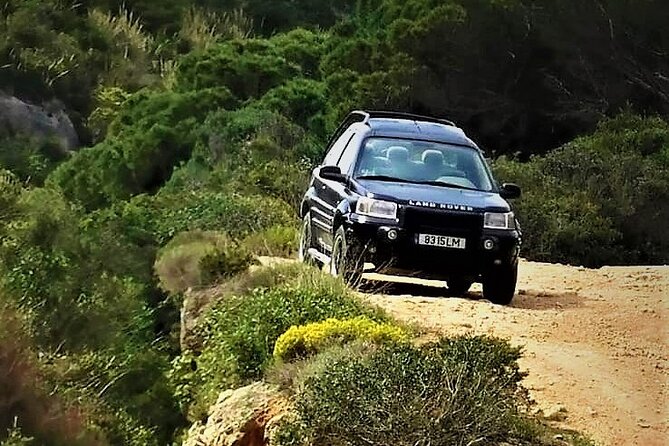
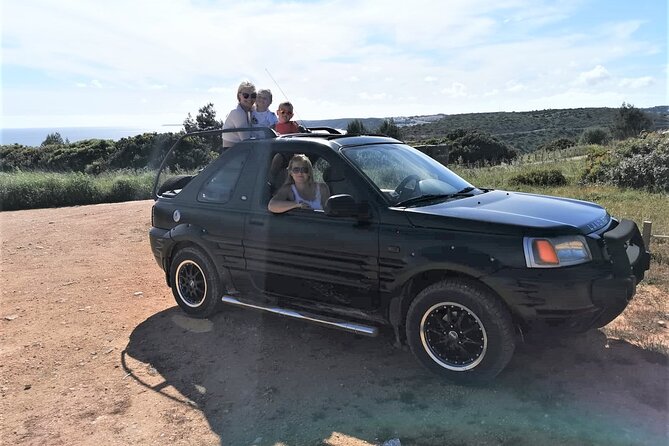
Silves on a jeep feels like a roller coaster. This private jeep safari links fast photo stops with the layered stories of Silves, a former Algarve power center. I like how the guide talks you through the key landmarks from Miradouro de Silves, including the Ponte Romana, the Moorish Castello, and the way the cathedral fits into that older Islamic footprint.
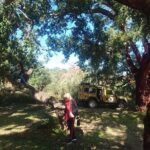
I also love the variety built into the 2-hour loop: you go from castle views to earthquake aftermath at the cathedral, then out toward the Arade River area and the dam countryside. If your host is Felix, you may also get his extra touches and local recommendations, and even a short walk on his property with fruit trees and flowers. The trade-off: you need good weather, and most stops are brief, so plan for lots of seeing and photos, not long, slow wandering.
In This Review
- Key highlights you’ll feel right away
- Why this Silves jeep safari is such a good use of 2 hours
- Miradouro de Silves: Ponte Romana, Moorish Castello, and the former mosque thread
- Castelo de Silves: a fairy-tale fortress with a real founder marker
- Silves Cathedral after 1755: why the ruins tell a bigger story than they look
- Ponte Romana: Roman bridge vibes and a good pause for slower looking
- Rua da Cruz de Portugal: a tall limestone cross with late Gothic and Manueline motifs
- Barragem da Ribeira do Arade: the engineering story behind the views
- Price and value: is €70.88 per person worth it?
- Who should book this private Silves jeep safari
- Should you book it or not?
- FAQ
- How long is the private jeep safari with Silves historical highlights?
- Is this tour private or shared?
- What language is the tour offered in?
- What’s included in the price?
- Do I need to pay for admissions during the stops?
- How long do the stops last?
- Does the route ever change?
- Where does the tour start and end?
- What happens if the weather is poor?
Key highlights you’ll feel right away
- Private group on jeep/big buggy style touring for a more personal pace
- Miradouro de Silves viewpoints for landmarks like Ponte Romana and the Moorish Castello
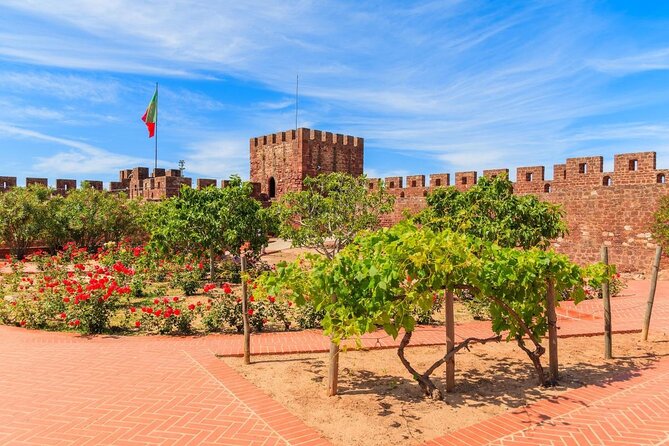
- Castle-on-a-hill energy with Silves’ red sandstone fortress vibe
- Silves Cathedral earthquake story tied to what you can still see
- Arade Dam countryside access with practical irrigation history behind the views
- Quick, photo-friendly stops that fit into about 2 hours
Why this Silves jeep safari is such a good use of 2 hours
Silves can be a little tricky to enjoy if you only have a couple hours and you’re bouncing between viewpoints on foot. A jeep solves that. You get movement, viewpoints, and context without needing to drive a rental yourself or figure out the best order to see the main sights.
This is also one of those rare tours that mixes “pretty place” with “why it matters.” You’ll spend short blocks at multiple stops, but the guide isn’t just pointing. The goal is to help you connect the dots: Roman presence, Moorish influence, medieval Christian monuments, and then the 1755 earthquake impact that reshaped the town.
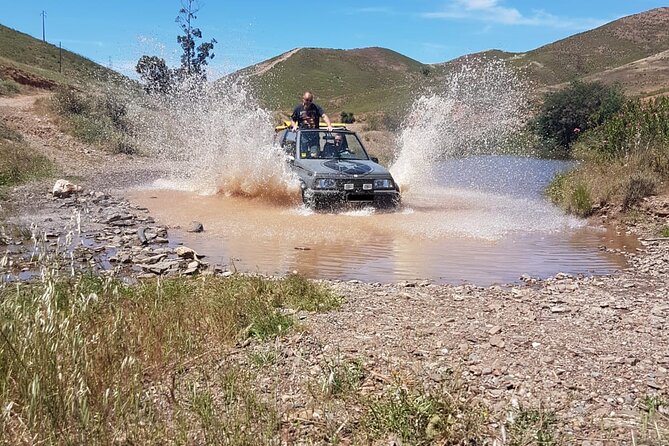
And yes, it can feel like a playful ride—think a roller-coaster rhythm on tighter roads and mountain passes. It’s fun, but it’s still built around getting you to viewpoints and letting you get photos.
You can also read our reviews of more private tours in Albufeira
Miradouro de Silves: Ponte Romana, Moorish Castello, and the former mosque thread
This is your orientation stop, and it matters. From the Miradouro de Silves, the guide sets up the town visually so later stops make more sense. You’ll pass highlights where you can see (or understand) the Ponte Romana, the old bridge that anchors Silves’ older layers. You’ll also learn how the Moorish Castello ties into the city’s past.
One of the most interesting ideas you’ll hear here is the link between Islamic architecture and later Christian use—especially the reference to the former mosque of what became today’s cathedral area. Even when you’re just looking out over the town, the explanation helps you spot the “continuity” rather than viewing the sights as unrelated snapshots.
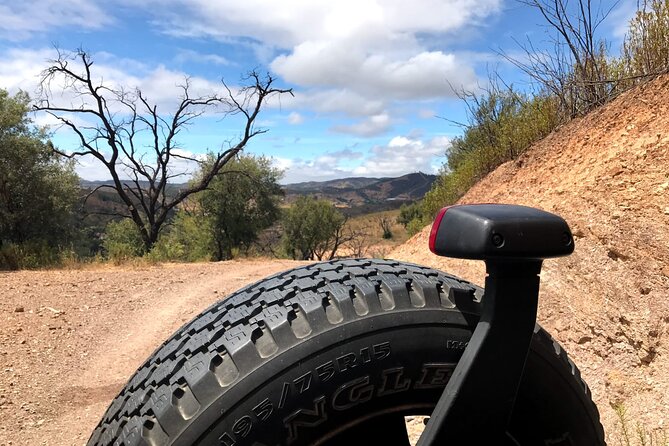
Route choice depends on weather. The tour can head south/west along the Rio Arade toward Portimão, or north toward Monchique. Either way, you’re promised real Algarve variety: trees and plants you can actually recognize when the guide calls them out, plus photo angles from narrow mountain passes.
Practical tip: If you care about photos, bring a phone/camera ready before you arrive at the viewpoint. These are short stops by design, so you’ll want your settings and focus sorted fast.
Castelo de Silves: a fairy-tale fortress with a real founder marker
Next up is Castelo de Silves, sitting up on its hilltop position in the region’s reddish sandstone. The castle design is easy to read at a glance: an irregular rectangular layout with crenellated walls, half-height towers, and a single main gate.
Even if you only get a brief photo moment, the key detail is the bronze statue of King Sancho I placed in front of the gate. It’s a useful anchor for understanding the castle’s political story—this wasn’t just defensive architecture, it was also a statement of authority.
One important money note: the castle visit isn’t included. Admission is listed separately (around €2.80), so budget for that if you want to actually go inside and not just view from outside. If you’re the kind of traveler who prefers the exterior + viewpoints only, you can still get value without paying extra, but you’ll miss the full castle experience.
Silves Cathedral after 1755: why the ruins tell a bigger story than they look
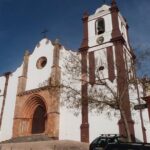
At Silves Cathedral, you’ll get a clear, sobering historical explanation tied to something you can’t un-know once it’s said out loud: the 1755 earthquake devastated the city so badly that 14 residents were killed in the cathedral.
Then comes the longer aftermath: reconstruction took more than a century, and ruined buildings from the area were used as quarries. That’s one of those details that helps you understand the physical town you’re seeing. It explains why places can feel both old and partially incomplete at the same time—history left marks that weren’t fully “restored,” they were repurposed.
If you’re more into the human story than the architectural one, this is the stop that delivers it. It’s also a great counterbalance to all the scenic viewpoint time: you’re not only collecting images, you’re collecting context.
Note: The cathedral stop is marked as free for admission, so this is a low-friction place to include even if you’re trying to keep costs tight.
Ponte Romana: Roman bridge vibes and a good pause for slower looking
Then you’ll head to Ponte Romana, also known as the Ponte Velha, the older Roman bridge just south of town. This is the kind of stop that’s easy to underestimate if you expect a big-ticket monument. Instead, it’s about atmosphere.
You get a dreamy spot that invites a bit of lingering. It’s a perfect moment to slow down and notice textures—stonework, water settings, and the quiet geometry of an old crossing that still matters for how the area feels today.
From a touring standpoint, this stop also works because it gives your eyes a break. After viewpoints and castle structure, a bridge is a reset: same region, different scale.
You can also read our reviews of more historical tours in Albufeira


Rua da Cruz de Portugal: a tall limestone cross with late Gothic and Manueline motifs
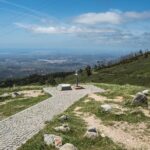
At the eastern end of the town, you’ll see Rua da Cruz de Portugal and the Cross of Portugal. It’s about 3 meters high and made of light-colored limestone, decorated with late Gothic and Manueline motifs.
You’ll learn the description matters here: Christ is depicted on one side, and a Pietà is on the other. The guide may also share the commonly held dating idea that it was created in the 15th century, though the exact provenance isn’t known.
This stop feels small, but it adds a lot to the Silves story because it shows how religious and artistic styles layered over time. It also gives you something you can look at closely without needing an entrance ticket or a longer walk.
If you’re the kind of traveler who likes to spot symbols in the street-scene, this is worth your attention.
Barragem da Ribeira do Arade: the engineering story behind the views
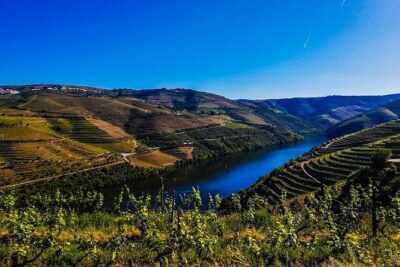
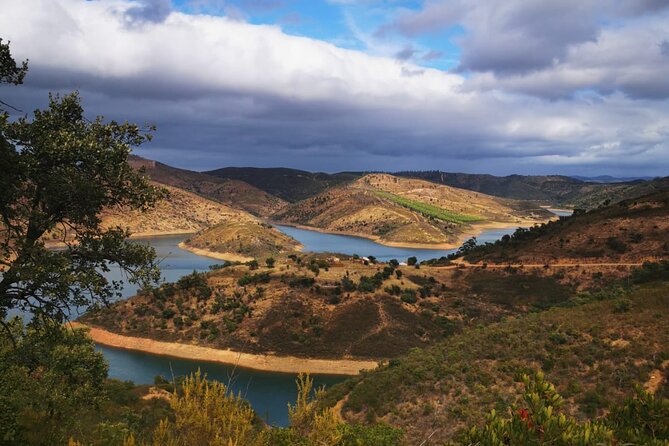
Finally, you head out toward the Arade Dam area (Barragem da Ribeira do Arade). You’ll be about eight kilometers southwest of Silves, which makes this a nice “stretch” beyond the medieval core.
Here’s the practical history you’ll hear: the dam was built from 1944 to 1956 during António de Oliveira Salazar’s reign. Its main job is irrigation, with electricity generation playing a smaller role.
You’ll also get the ownership detail, which is the kind of behind-the-scenes fact that turns a sightseeing moment into an understanding: the dam is owned by the Associação de Regantes e Beneficiários de Silves, Lagoa e Portimão. Upstream you’ll find the Funcho dam, too—another piece of the water system picture.
This stop is valuable because it broadens what you think the Algarve is. It’s not only coast and towns. It’s also inland water management, agriculture support, and the way the landscape is shaped by practical needs.
Expect a quick photo moment more than a long visit, since the tour format is designed to keep the full circuit close to 2 hours.
Price and value: is €70.88 per person worth it?
At $70.88 per person for about 2 hours, the best way to judge value is not just the price tag—it’s what you’re buying.
You’re paying for:
- A private ride, so you’re not stuck with a mismatch in pace
- Guided interpretation at multiple key Silves sites (not just transportation)
- Route flexibility depending on conditions, including the option to go toward Portimão or Monchique
- One included refreshment: soda/pop
You’re not paying for:
- Castle admission, listed separately (about €2.80)
If you’re already planning to visit Castelo de Silves, that extra ticket cost is easy to absorb. If you don’t want to go inside, you can still appreciate the castle setting and the broader town narrative without adding that cost—but you’ll get less from the stop itself.
For short-stay travelers, the biggest value is time. You squeeze in the highlights of Silves plus a dam-side countryside moment without spending hours coordinating logistics.
Who should book this private Silves jeep safari
This tour is a strong fit if you:
- Have only a morning or afternoon in the Algarve and want Silves highlights fast
- Like history stories tied to real landmarks (Roman, Moorish, medieval, post-earthquake)
- Enjoy scenic viewpoints and don’t mind quick stops for photos
- Want a private group experience where your guide can respond to your interests
It’s also a good option if you’re the type who likes a little fun ride energy—those mountain-pass roads and photo pull-offs can feel like a playful roller coaster, without turning into a stunt show.
If you want a slow, museum-style itinerary with long entrances and deep reading time at each site, you may want to pair this with extra self-guided hours in Silves afterward.
Should you book it or not?
I’d book it if you want a high-impact Silves overview that combines viewpoints, quick walks, and real historical context, all within about 2 hours. It’s especially worth it when you can find a great guide like Felix, who adds local recommendations and extra personal touches such as fruit trees and flowers during a short property walk.
I’d think twice only if:
- You’re traveling at a time with frequent rain or fog (the experience needs good weather)
- You want long inside time at monuments, since most stops are brief
If your priority is seeing the important parts of Silves in a smart order, this private jeep safari is a practical, genuinely fun way to do it.
FAQ
How long is the private jeep safari with Silves historical highlights?
It’s approximately 2 hours.
Is this tour private or shared?
It’s private. Only your group participates.
What language is the tour offered in?
The tour is offered in English.
What’s included in the price?
You get a mobile ticket and soda/pop is included.
Do I need to pay for admissions during the stops?
The Castle of Silves is not included and costs about €2.80. The other listed stops are shown as free for admission on the tour.
How long do the stops last?
Each listed stop is about 5 minutes.
Does the route ever change?
Yes. Depending on weather conditions, the tour can lead south/west along the Rio Arade toward Portimão or north toward Monchique.
Where does the tour start and end?
It starts at N269 201, 8300 Silves, Portugal, and ends back at the meeting point.
What happens if the weather is poor?
This experience requires good weather. If it’s canceled due to poor weather, you’ll be offered a different date or a full refund. If you cancel yourself, it’s non-refundable and cannot be changed.